Château Cambon

Château Cambon is a Beaujolais estate in Belleville-en-Beaujolais shaped by Gamay, old vines, biodynamic farming, and a natural-wine lineage tied to Marcel Lapierre, Jean- Chanudet, and Marie Lapierre. Its appeal is not spectacle but soil translation: clay, chalk, granite, and calcareous-sand read through Beaujolais, Beaujolais-Villages, Beaujolais Blancs, and Brouilly bottlings.
Pearl is the En Primeur Club membership app — saves, bookings, and concierge access live there. Same editors, same standards.
- Address
- Belleville-en-Beaujolais, Auvergne-Rhône-Alpes, Frankreich
- Directions
- Get directions
 Saves & bookings on Pearl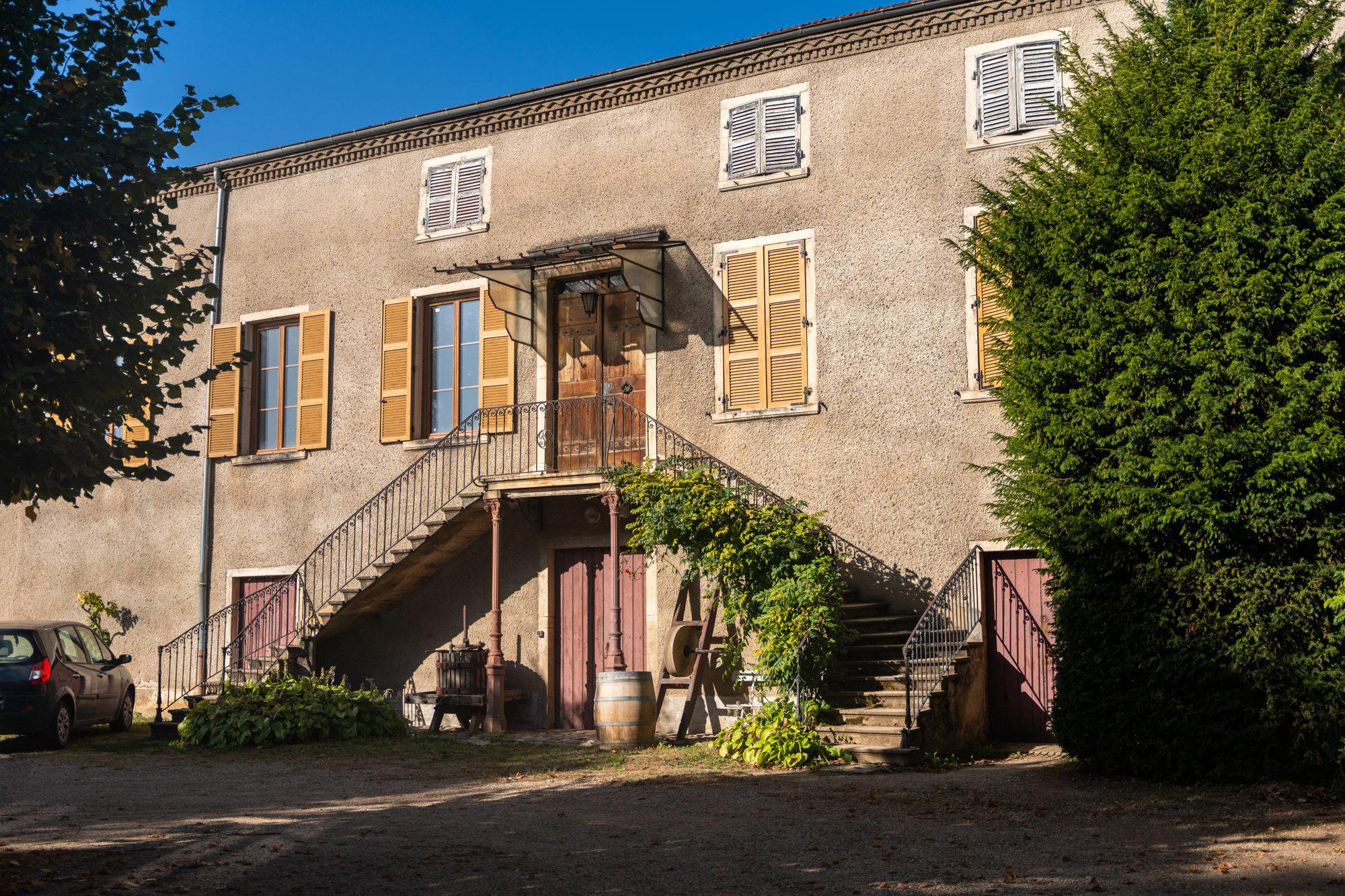
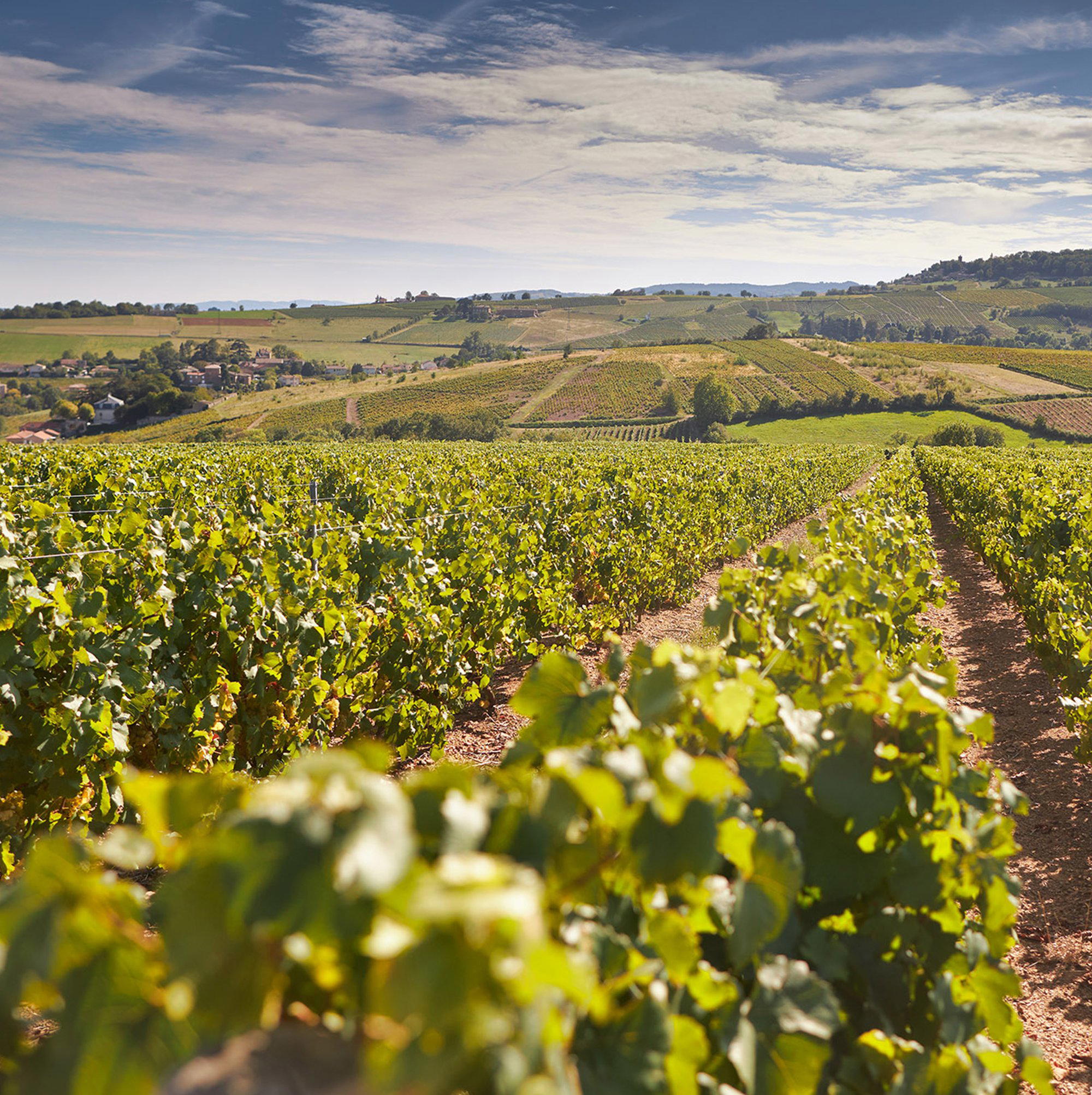
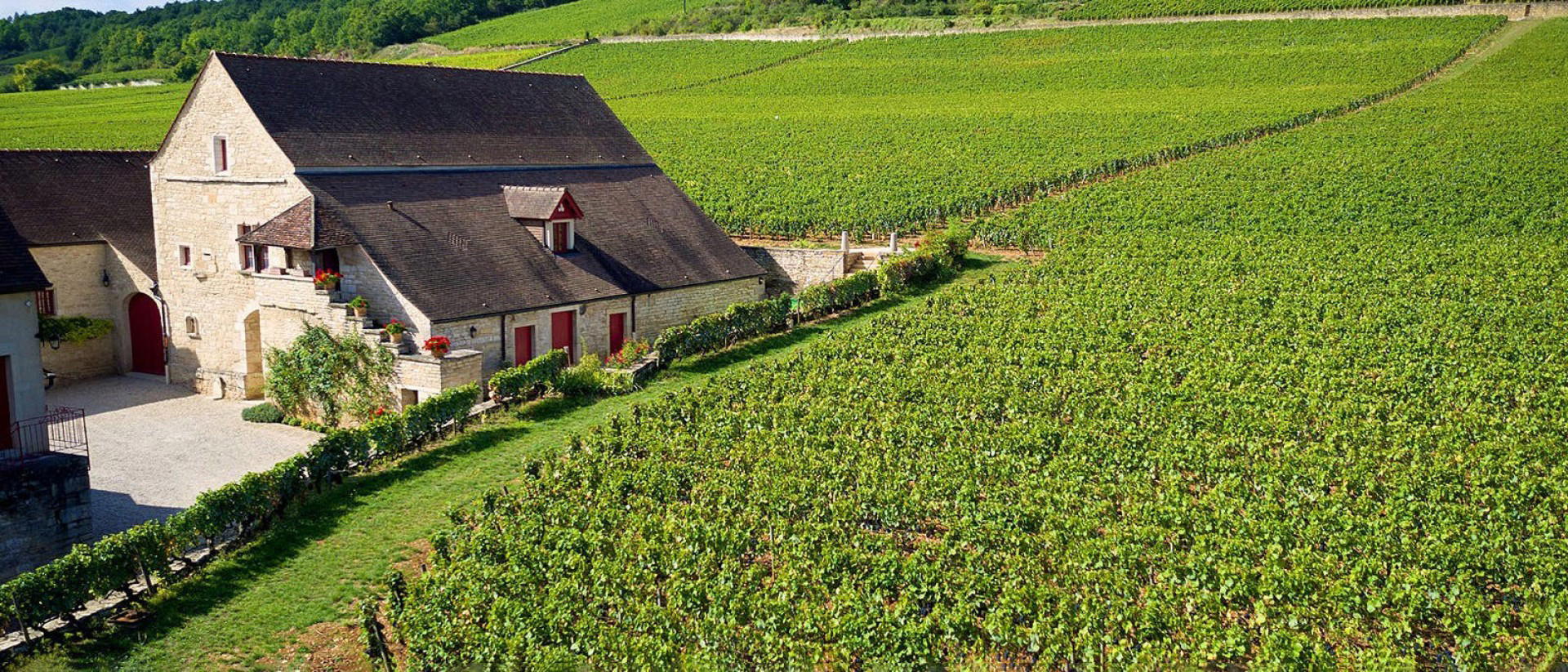
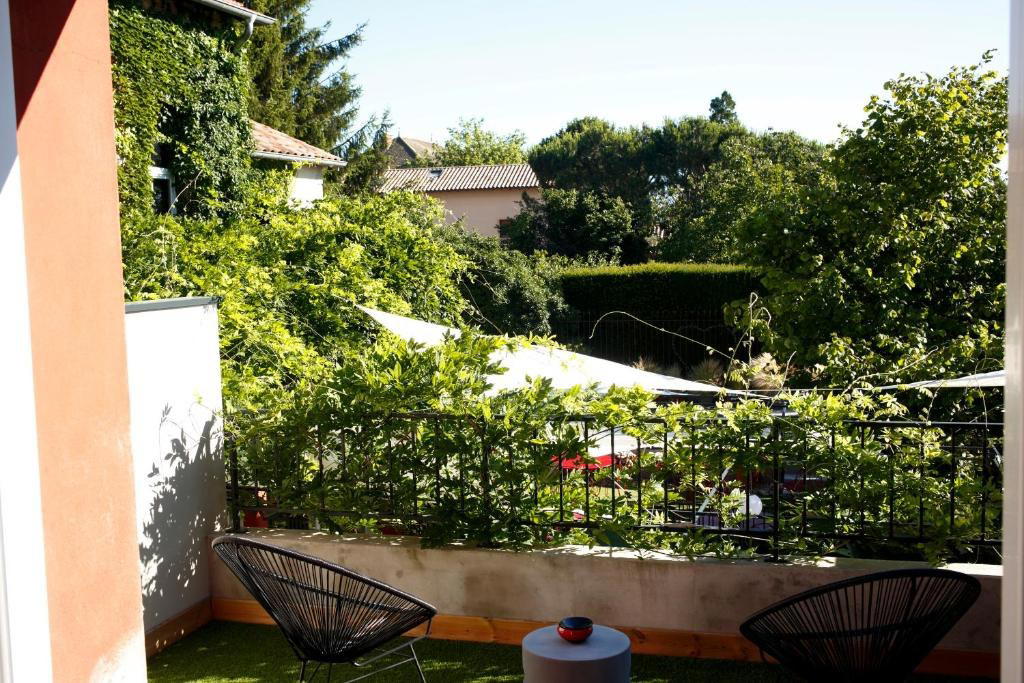
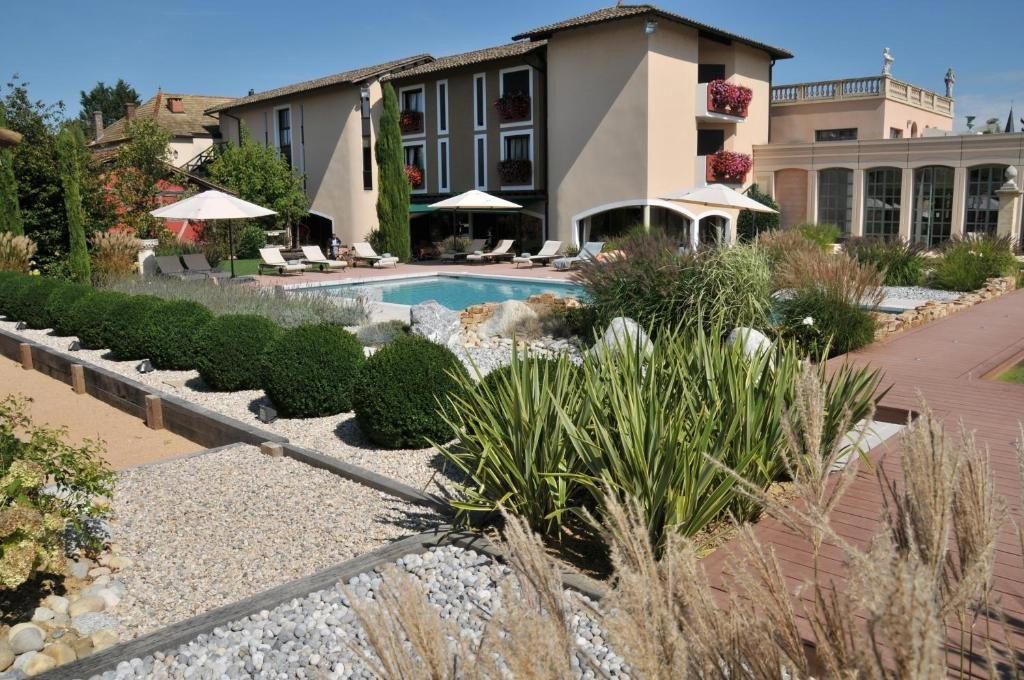
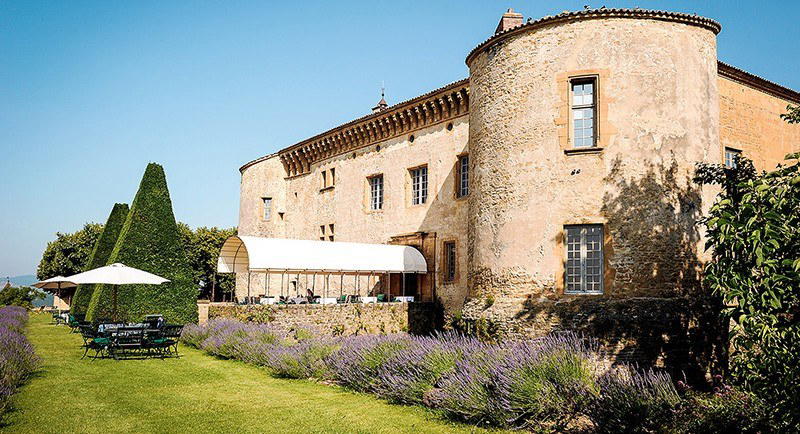
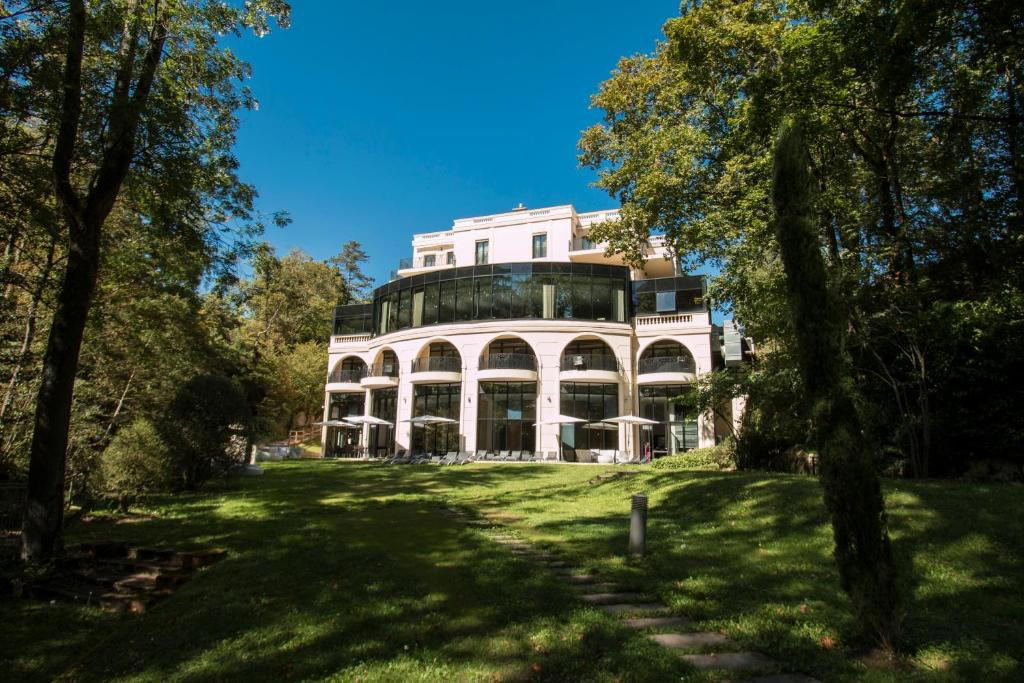
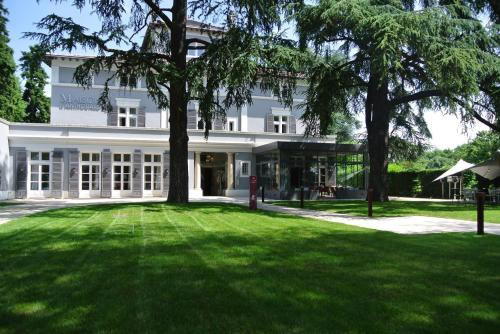
Château Cambon is a quiet Beaujolais estate in Belleville-en-Beaujolais, best approached as a low-key vineyard stop rather than a polished hospitality spectacle. The picture is simple and deliberately unshowy: a sustainable estate with a minimal-intervention, natural-winemaking emphasis, set in a rustic and discreet environment. Its appeal is less about performance and more about a sense of place, the kind of address that feels more closely tied to the landscape around it than to a visitor-facing production.
A reliable way to frame Château Cambon is as a hidden-gem Beaujolais address where the appeal lies in the estate setting and its natural-wine orientation. It is the sort of place that makes most sense when approached with modest expectations and a genuine interest in the quieter side of Beaujolais, rather than with a checklist of formal experiences or luxury cues.
A quiet Beaujolais estate with a natural-wine focus
Château Cambon’s grounded identity is that of a sustainable Beaujolais estate in Belleville-en-Beaujolais. Its character is described as rustic, quiet, classic, and somewhat hidden away, with a minimal-intervention approach to winemaking. Those descriptors matter because they set the tone: this is not positioned as a glossy showcase, but as an estate whose value sits in restraint, simplicity, and the natural-wine context that shapes its reputation.
That makes it a better fit for travellers interested in the atmosphere of a wine estate than for those looking for a highly choreographed luxury experience. The emphasis should remain on the quiet vineyard setting and the estate’s natural-wine philosophy, rather than on claims about specific cuvées, vineyard holdings, tasting formats, or cellar practices. In practical terms, the draw is the broader identity: sustainable Beaujolais, minimal intervention, and a rustic sense of place. Visitors who appreciate those ideas will likely understand why the address is worth noting, even without surrounding it with exaggerated promises.
Price is listed as $$, which places the winery in a moderate bracket for planning purposes. That rating should be read simply as a broad guide rather than as a substitute for checking current arrangements directly. It supports the overall picture of an address that is accessible in tone and relatively grounded, not one framed around opulence or spectacle.
Natural-wine character without the costume
The winery is best understood through its minimal-intervention and sustainable Beaujolais identity. The estate’s appeal is not built around flash or resort-style amenities; it is rooted in a quieter sense of place and a natural-winemaking orientation. That distinction is important, because natural wine can sometimes be discussed in ways that feel more like branding than substance. Here, the editorial read should stay plain: the winery belongs in the conversation because its profile centers on sustainability, minimal intervention, and the character of Beaujolais.
For visitors, that means expectations should stay grounded. The right approach is to value the estate for what is already clear about it: a calm, rustic environment and a natural-wine focus. The quieter framing is also the stronger one, because it leaves the place room to be what it is.
The strongest editorial case is therefore restrained: the winery represents the quieter, more rustic side of Beaujolais wine culture, with sustainability and minimal intervention at the center of its profile. Its strength is the absence of overstatement. For travellers seeking a lower-key way into Beaujolais, that can be precisely the point.
How to read the visit in Belleville-en-Beaujolais
The winery makes sense for travellers who want a calm Beaujolais estate setting and who are interested in natural winemaking. The tone is quiet and rustic, with a hidden-gem quality that suits visitors looking for something understated rather than theatrical. It is best placed on an itinerary as a reflective vineyard stop, not as a guaranteed centrepiece of structured hospitality. The pleasure, as framed here, lies in the estate’s atmosphere and its alignment with sustainable, minimal-intervention Beaujolais.
For planning, pair the winery with other dining, hotel, bar, winery, and experience options in Belleville-en-Beaujolais only after checking current details directly. That caution is not incidental; it is part of reading the address accurately. Because particularly dependable description is broad and atmospheric, any practical visit details should be confirmed before building a day around it.
The clearest reason to keep the winery on a Belleville-en-Beaujolais itinerary is its grounded combination of sustainable Beaujolais estate character, minimal-intervention winemaking, and a quiet vineyard setting. It is an address to consider for its restraint, its rustic profile, and its natural-wine identity, especially for travellers who prefer understated places over polished set pieces.
Recognition history
Dated appearances from independent guides and award organizations, with the underlying list record or original source where available.
Falstaff Winery - Listed
Falstaff
Continue exploring
More in Belleville-en-Beaujolais
Wineries in Belleville-en-Beaujolais
Browse all →
Bars in Belleville-en-Beaujolais
Browse all →
Restaurants in Belleville-en-Beaujolais
Browse all →
At a Glance
- Rustic
- Quiet
- Classic
- Wine Education
- Group Outing
- Solo Exploration
- Vineyard Tour
- Estate Grounds
- Historic Building
- Sustainable
- Vineyard
- Beaujolais / Brouilly
- Gamay
- Still Red
- Still White
- Private Tasting
- Walk Around Tasting
Minimal-intervention, sustainable Beaujolais estate with an emphasis on natural winemaking and a quiet vineyard setting.