Château Cadet-Bon

Château Cadet-Bon is a small Saint-Émilion estate shaped by clay-limestone soils, Merlot-led red wines and a quiet château-and-cellar atmosphere. Its Grand Cru Classé status, organic farming and intimate tasting format place the emphasis on terroir rather than spectacle, making it a considered stop for visitors who want Saint-Émilion at estate scale.
Pearl is the En Primeur Club membership app — saves, bookings, and concierge access live there. Same editors, same standards.
- Address
- Saint-Emilion, Libournais, Nouvelle-Aquitaine, Frankreich
- Directions
- Get directions
 Saves & bookings on Pearl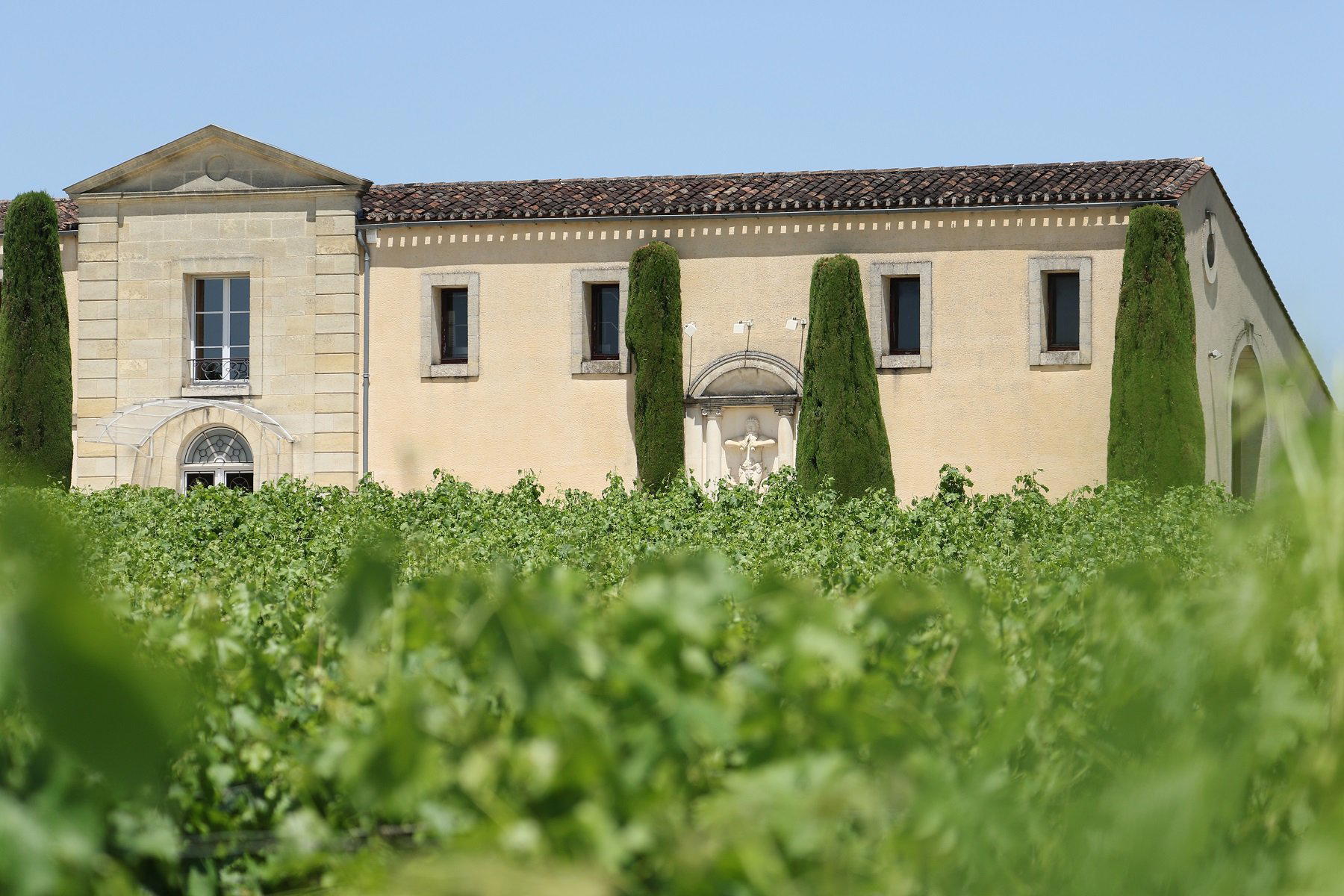
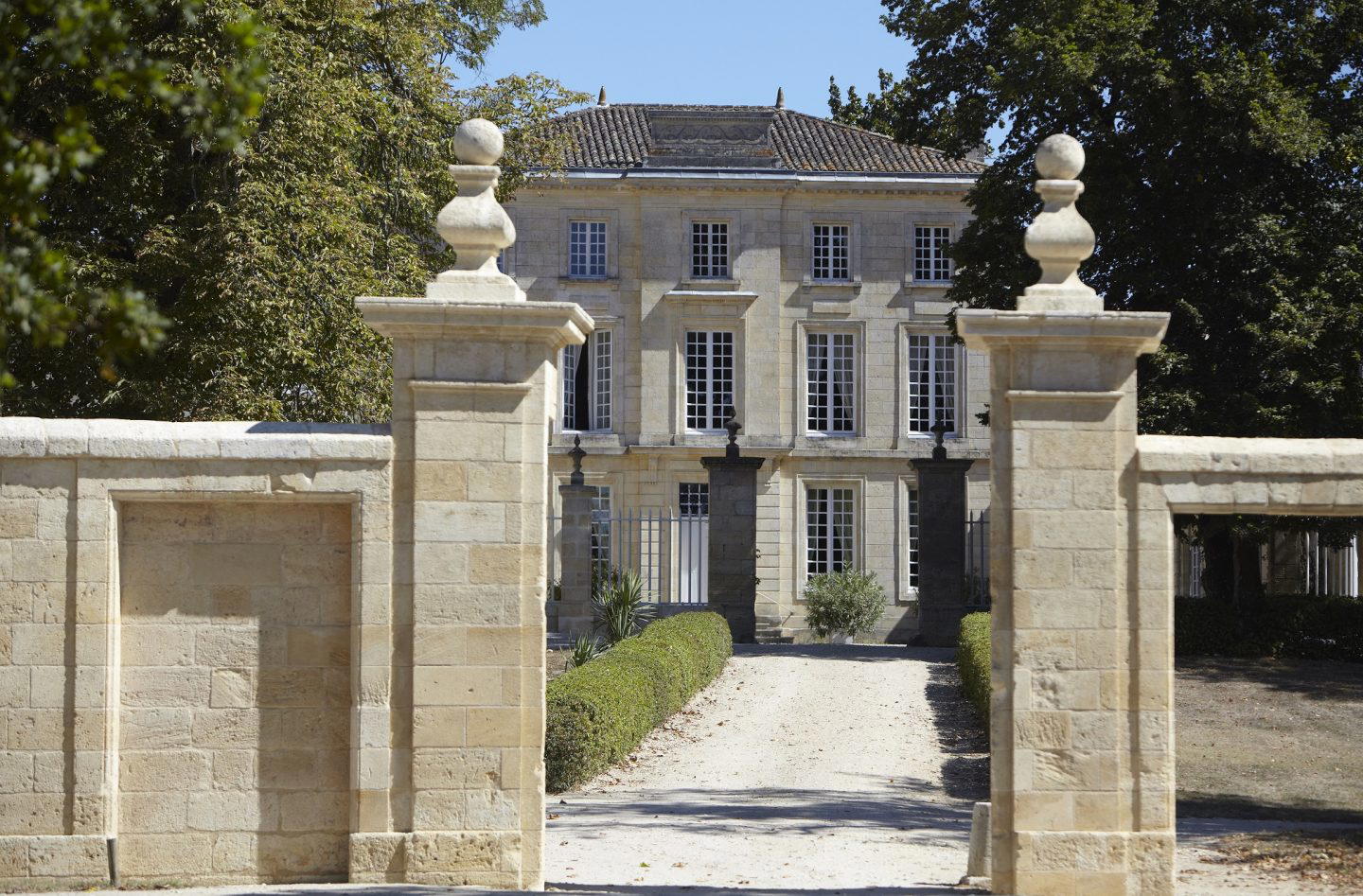
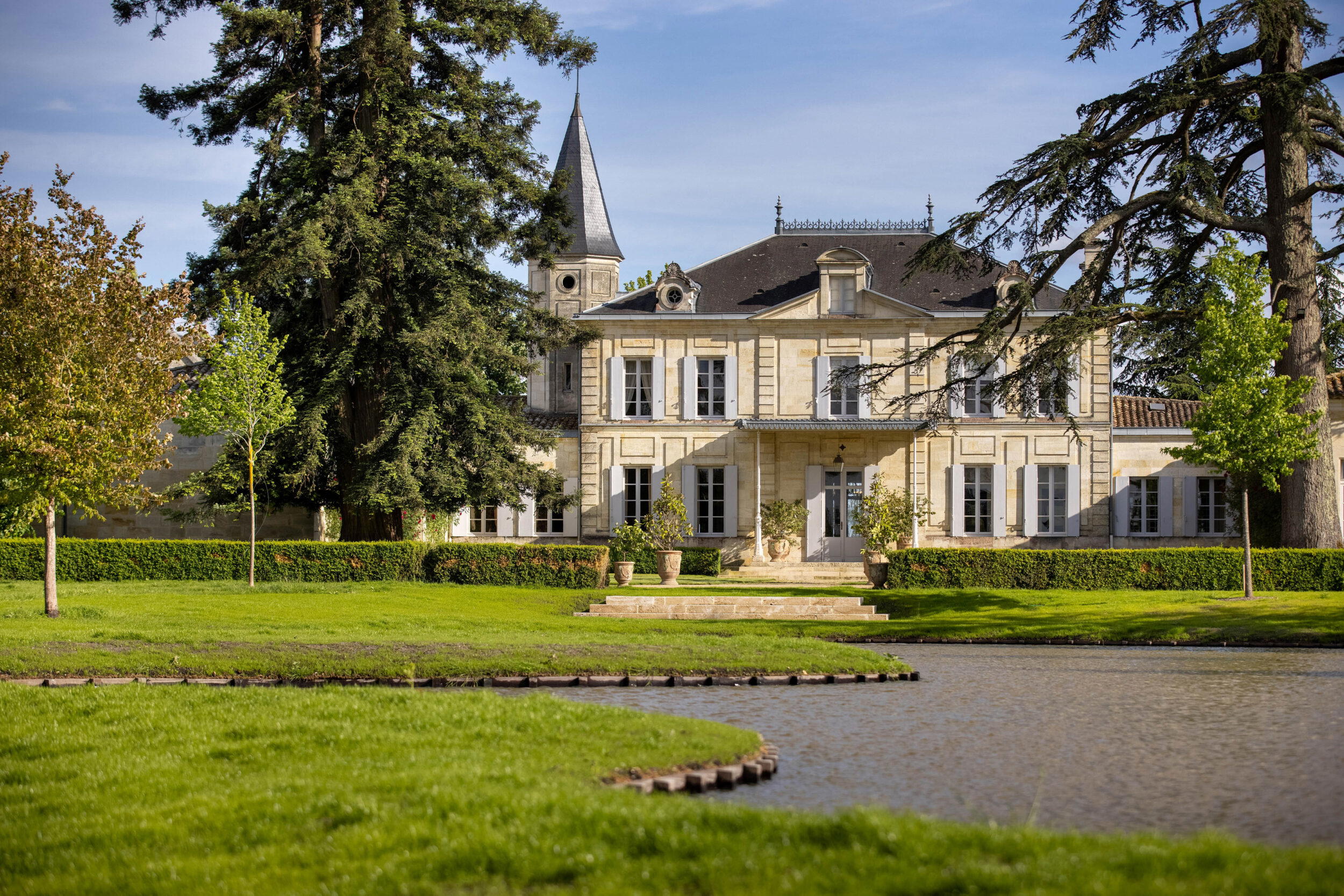
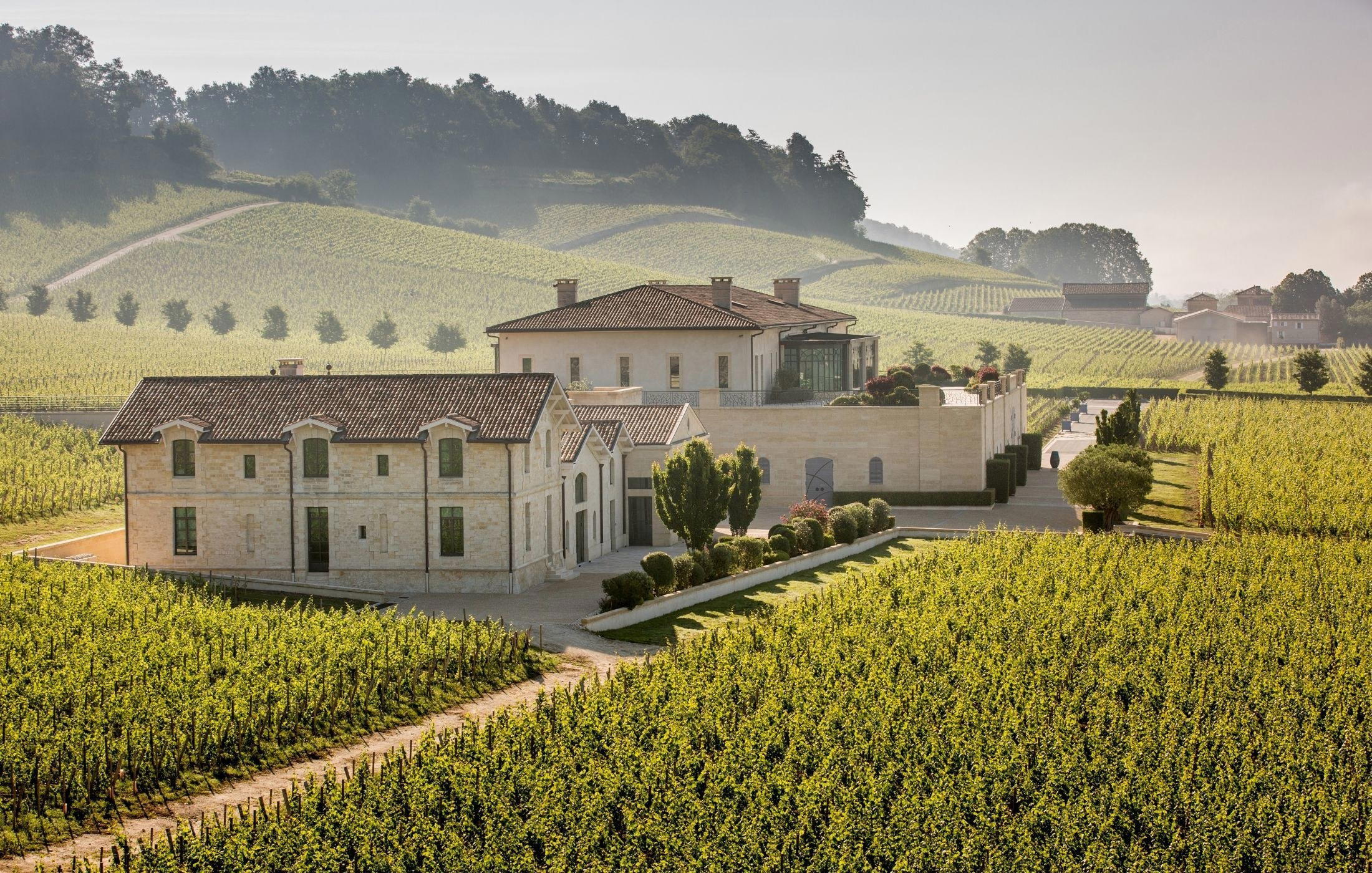
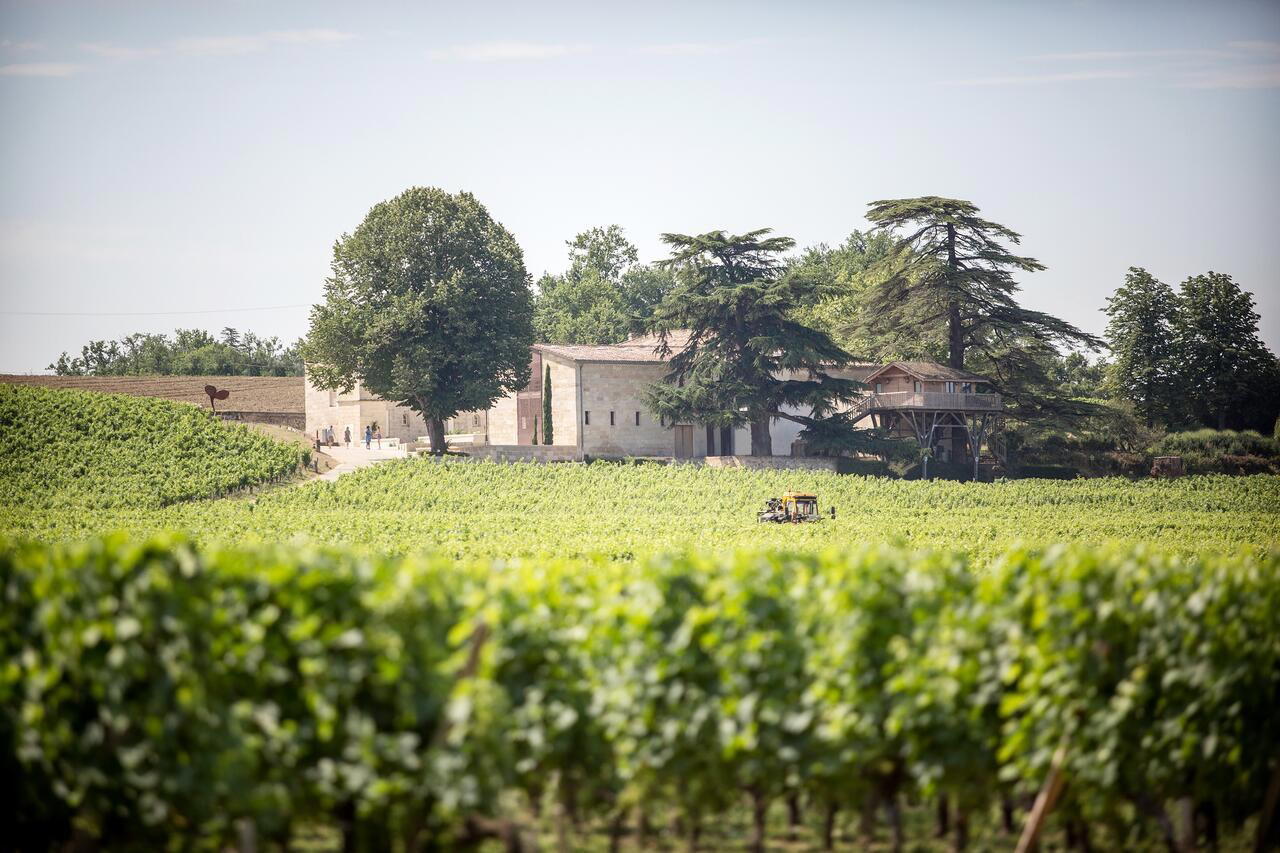
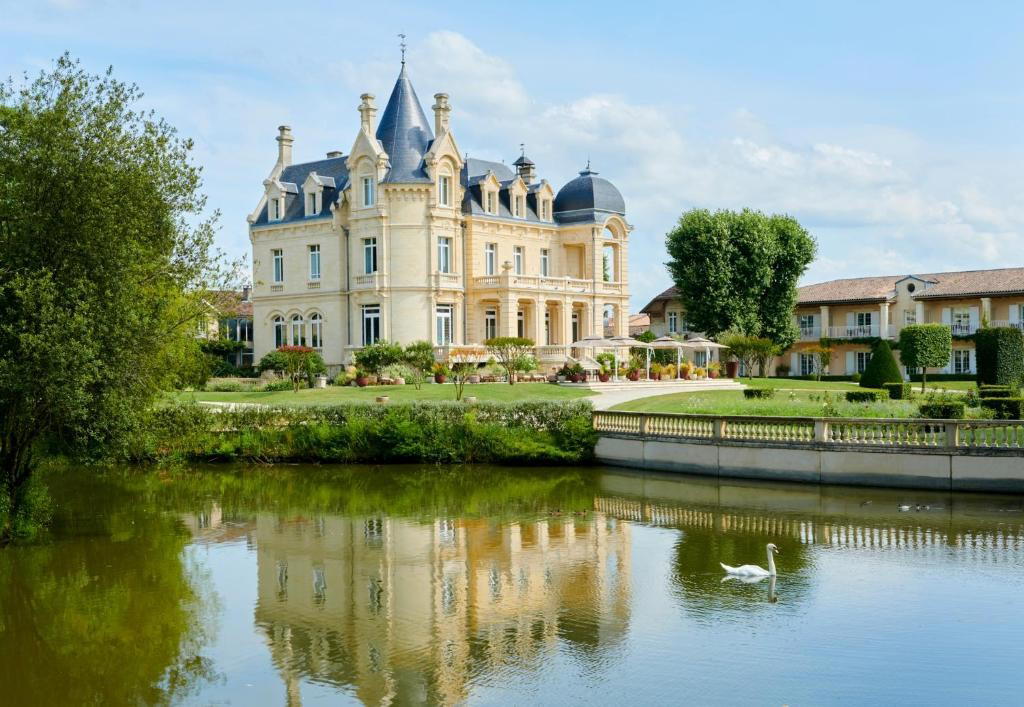
Approaching a Saint-Émilion château on a limestone-clay hillside changes the tempo of wine travel. The village gives way to vineyard rows, cellar walls and the quieter grammar of the Right Bank: Merlot first, Cabernet Franc in support, limestone underfoot, extraction and oak held in service of place. Château Cadet-Bon belongs to that register. It is not built around grand hospitality theatre; its appeal is the smaller estate lens, where the vineyard, the cellar and the classification system explain more than a long tasting-room script ever could.
Saint-Émilion rewards visitors who understand its internal hierarchy. Grand Cru on a label does not mean the same thing as Grand Cru Classé, and the latter sits inside a classification that was most recently revised in 2022. Château Cadet-Bon’s Grand Cru Classé position gives the estate a clear trust signal in a region where reputation, soil and tasting performance are formally scrutinised. For broader trip planning across the appellation, Our full Saint-Émilion wineries guide is the natural starting point, with food, hotels, bars and local programming covered separately in Our full Saint-Émilion restaurants guide, Our full Saint-Émilion hotels guide, Our full Saint-Émilion bars guide and Our full Saint-Émilion experiences guide.
Clay-limestone, Merlot and the Saint-Émilion argument for restraint
The estate’s vineyard scale is compact: 7 hectares, with 6 hectares concentrated in a single plot on the southern slope and limestone plateau. That matters in Saint-Émilion, where the conversation often turns on fine distinctions in exposure, drainage and clay-limestone structure. Here the blend is anchored by Merlot, supported by Cabernet Franc, a classical Right Bank composition rather than a stylistic novelty. The average vine age is around 40 years, another useful marker for readers assessing whether the wine’s identity is likely to come from mature vineyard material rather than cellar cosmetics.
Organic farming, certified under Agriculture Biologique in 2021, gives the estate a contemporary edge without changing the traditional frame. In Saint-Émilion, organic certification is not decorative language; it affects the vineyard calendar, disease pressure decisions and the degree of intervention available in a damp Atlantic-influenced region. The estate’s production remains small, around 18,000 bottles, which puts the emphasis on parcel discipline and cellar choices rather than volume.
The cellar work is more revealing than the usual shorthand of “traditional” or “modern.” Manual pigeage appears early in fermentation, alcoholic fermentation runs for 5 to 7 days, and post-fermentation maceration is carried out at 30°C. Ageing runs for 14 months, with 40% new barrels and 60% barrels from previous vintages. Since 2015, part of the barrel programme has included 500L and 400L formats, a choice that generally reduces the impact of oak surface area compared with smaller barriques and can support a fresher fruit profile. The point is not minimalism for its own sake; it is a measured extraction-and-ageing regime for Merlot-led Saint-Émilion.
A small château visit shaped by cellar format rather than spectacle
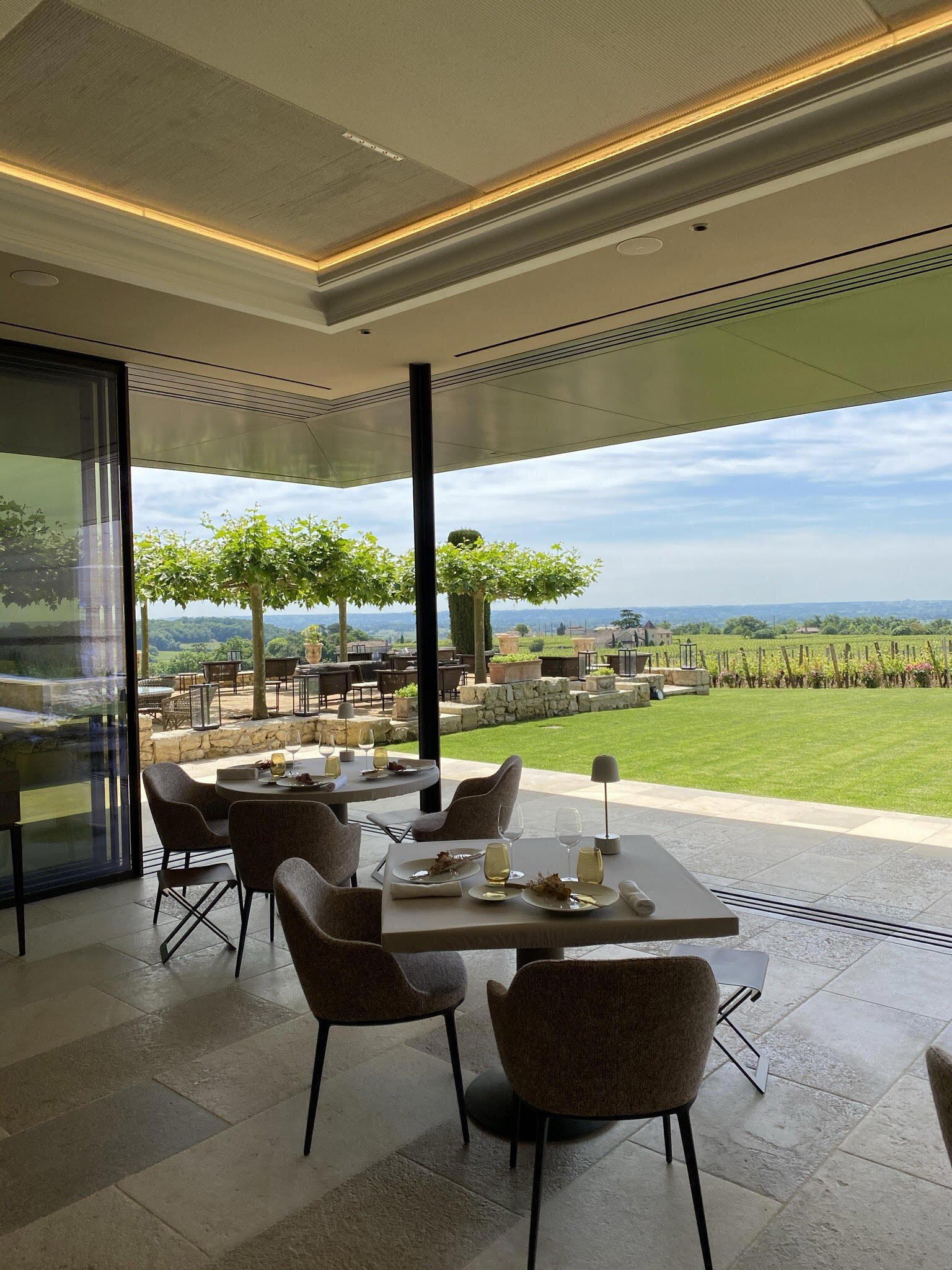
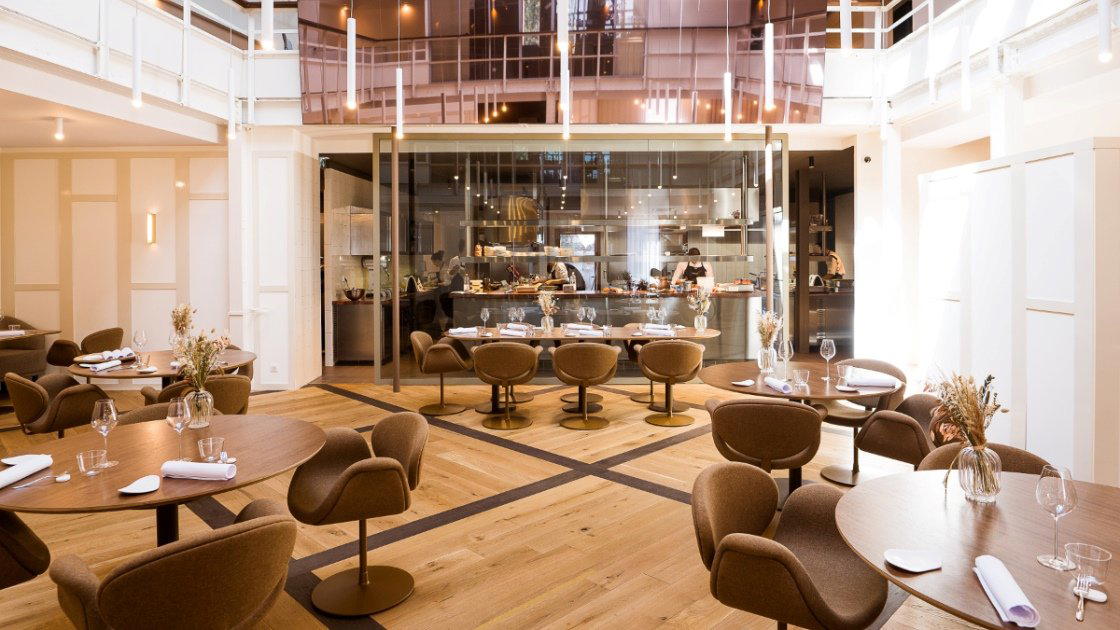
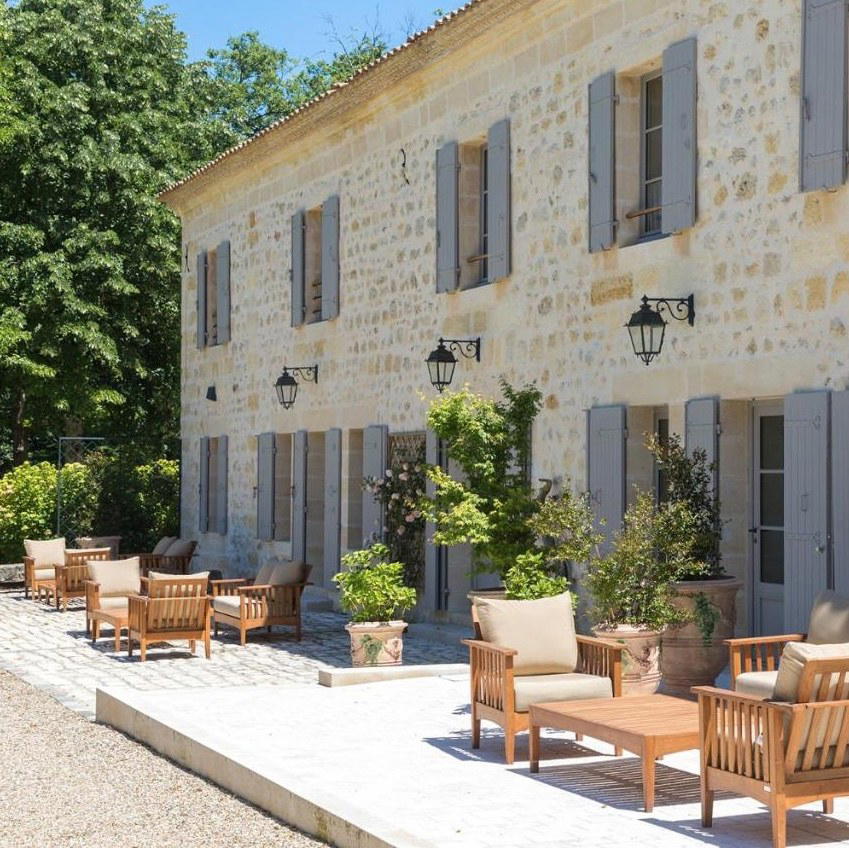
The visitor experience follows the same logic as the wines. The setting is quiet, classic and intimate, with a château-and-cellar feel rather than a resort-style winery model. Guided tastings and vertical tastings suit the estate particularly well because the vineyard scale is small enough for vintage differences to remain legible. A vertical format, when available, is the smarter way to read a property like this: it turns the conversation away from isolated preference and toward soil, season and cellar decisions.
Guy Richard is named as winemaker, and the estate has been under Guy and Mylene Richard’s stewardship since 2001. That ownership date is useful because it places the current chapter across multiple classification cycles, including the 2022 Saint-Émilion classification. The estate’s modern identity is therefore not a recent rebrand; it is a two-decade-plus period of farming, cellar and hospitality decisions inside one of Bordeaux’s more closely watched appellations.
There is a particular kind of Saint-Émilion traveller for whom Château Cadet-Bon makes sense: someone less interested in procession and more interested in how a Grand Cru Classé estate expresses a defined hillside site. The atmosphere is quiet, the production scale is small, and the wine focus is still red. That combination works for wine education, private tastings and group visits where the aim is to understand the appellation rather than collect another grand façade.
How to place it within a wider wine itinerary
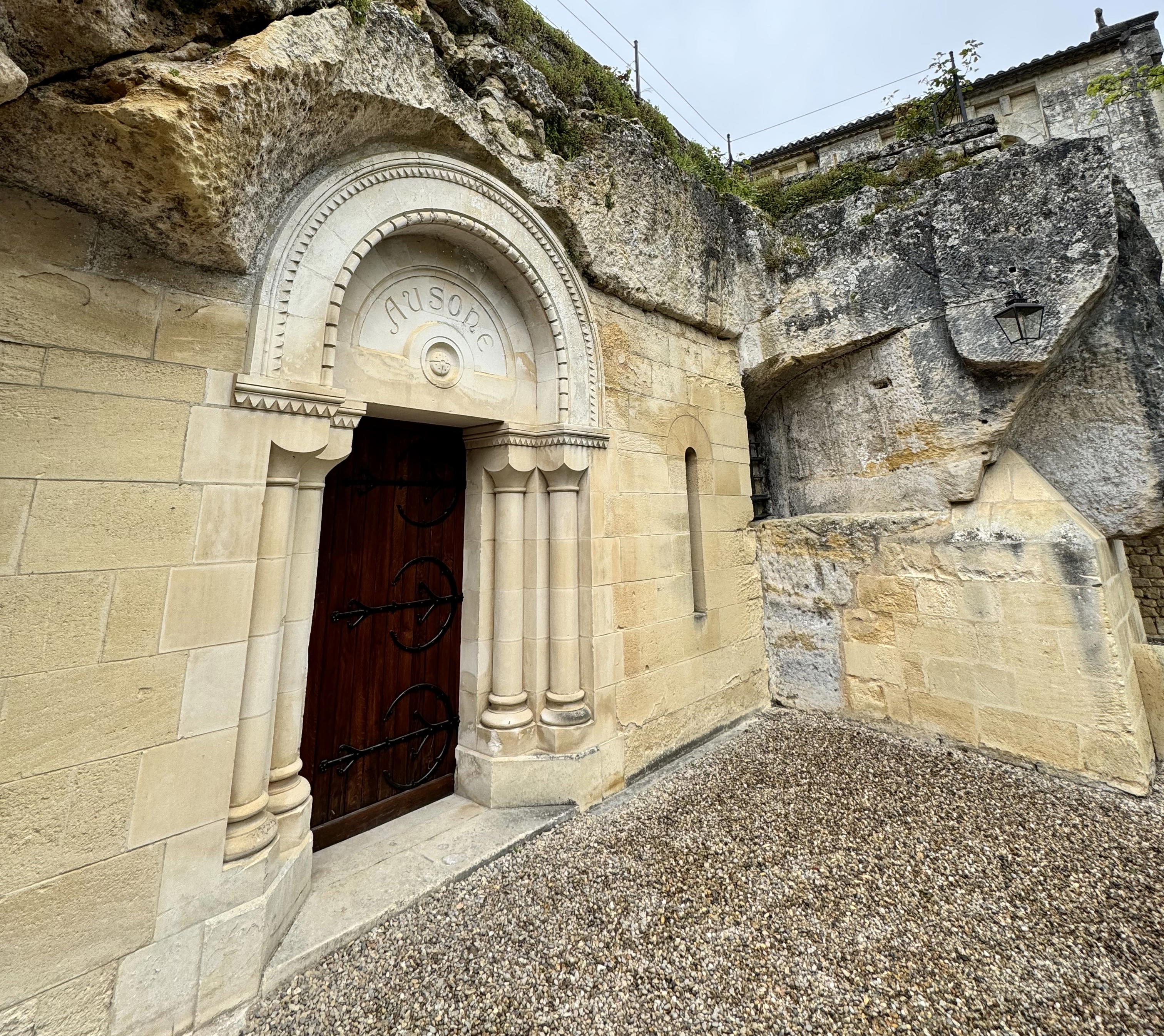
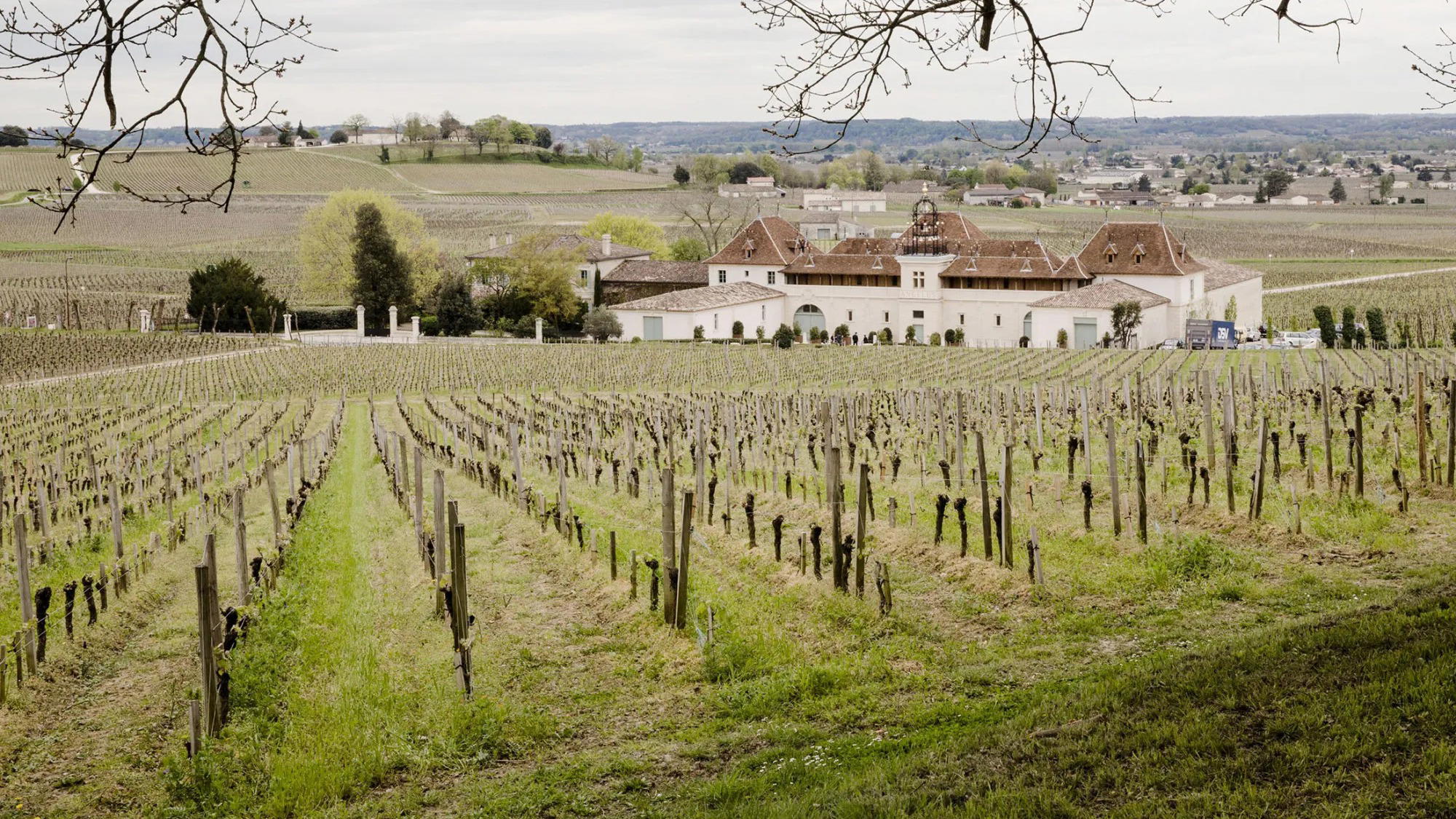
Saint-Émilion’s appeal is strongest when its winery visits are not treated as interchangeable. A compact Grand Cru Classé estate gives one reading of the appellation; larger names, neighbouring villages and non-Bordeaux detours give others. Within Saint-Émilion planning, readers may also want to look at Chateau Ausone, Chateau Beauregard, Chateau Montlisse, Château Amélisse and Château Angelus, not as substitutes but as different ways into the same regional question: how site, classification and cellar intent shape the Right Bank.
For travellers building a broader wine map beyond Bordeaux, the contrast becomes even sharper. Champagne growers such as A. Margaine in Villers-Marmery, southern French estates such as Abbaye de Fontfroide in Narbonne and Abbotts & Delaunay in Marseillette, and Central European addresses such as »der Steiner« Hans Steiner in Podersdorf am See and & Handwein in Mannheim show how differently place can speak once grape variety, climate and cellar tradition change. The winery is a Saint-Émilion argument in a concise form: clay-limestone, Merlot, organic farming, modest scale and a cellar programme calibrated to keep the site in view.
Recognition history
Dated appearances from independent guides and award organizations, with the underlying list record or original source where available.
Falstaff Winery - Listed
Falstaff
Continue exploring
More in Saint-Émilion
Wineries in Saint-Émilion
Browse all →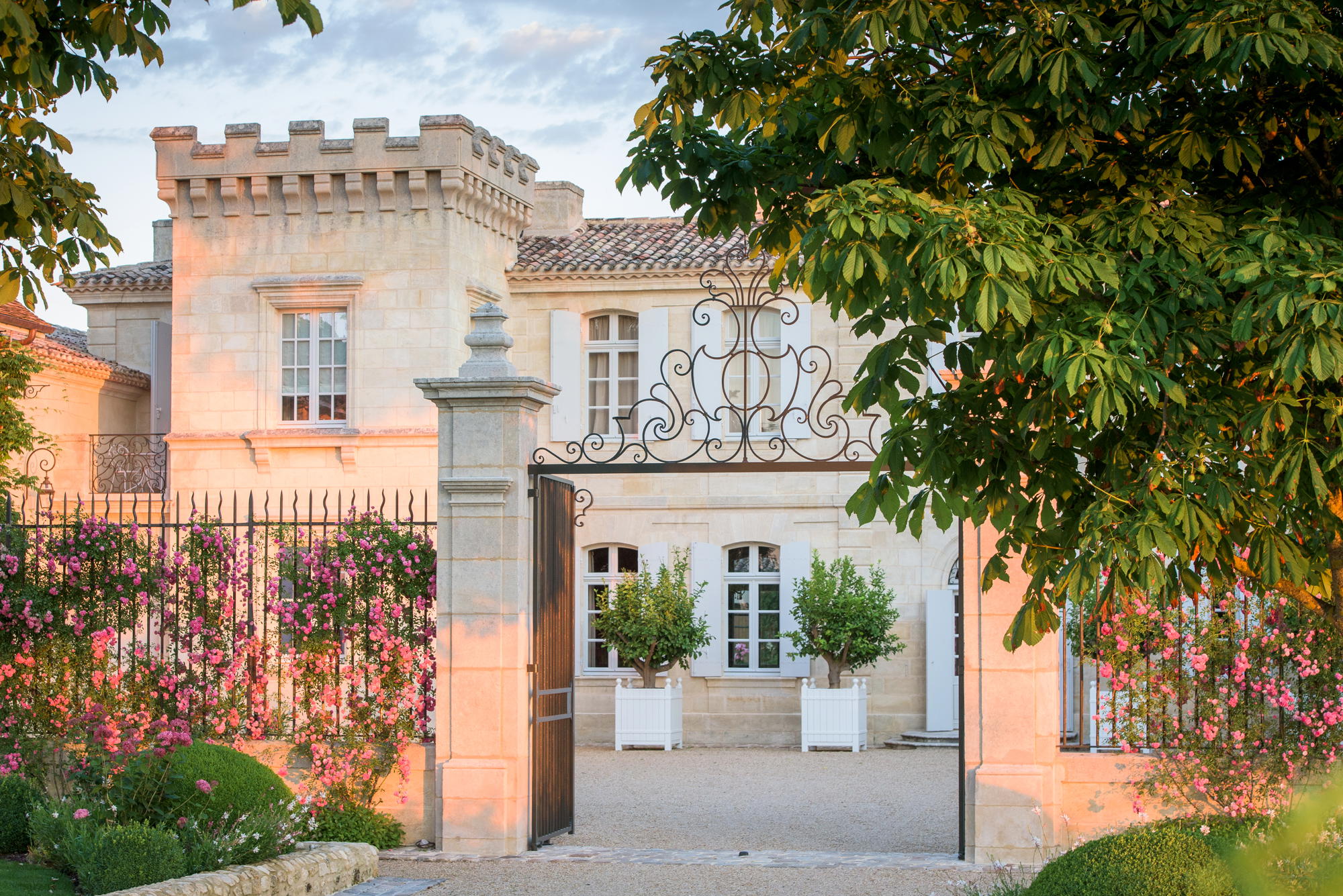
Bars in Saint-Émilion
Browse all →
Restaurants in Saint-Émilion
Browse all →
At a Glance
- Quiet
- Classic
- Scenic
- Intimate
- Elegant
- Wine Education
- Special Occasion
- Group Outing
- Corporate Event
- Historic Building
- Private Tasting
- Cave Tasting
- Organic
- Vineyard
- Saint Émilion Grand Cru
- Merlot
- Cabernet Franc
- Still Red
- Guided Tasting
- Vertical Tasting
Quiet, traditional estate atmosphere with a refined, cellar-and-château feel.