
Falstaff Winery - Listed
Château Brondelle is a family-run Graves estate outside Langon, rooted in gravel soils, mixed red and white production, and a rural approach to Bordeaux hospitality. The draw is terroir rather than spectacle: Cabernet Sauvignon, Merlot, Sauvignon Blanc, Sémillon and Muscadelle shaped by a gravel hilltop estate with a history dating to 1927.
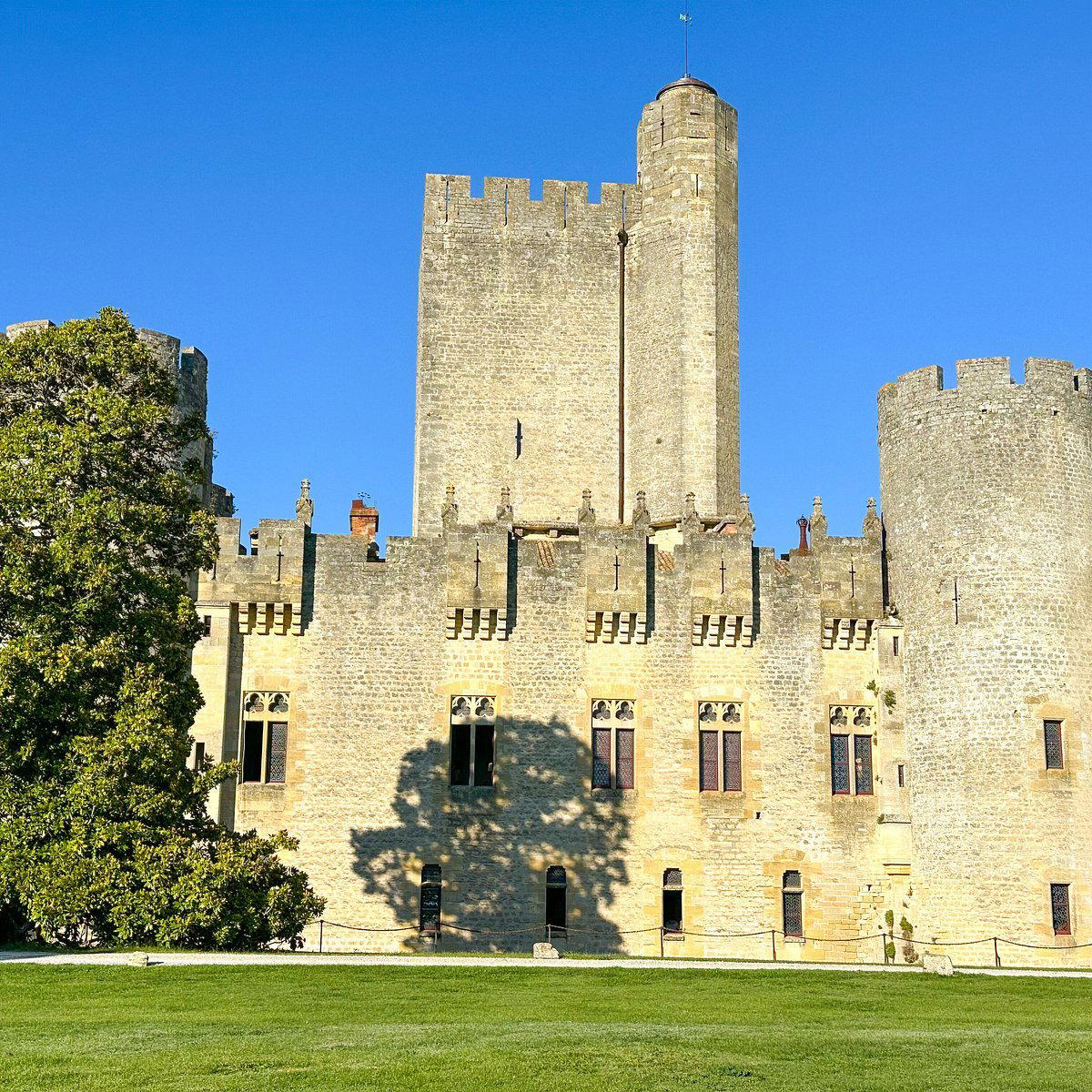
Approaching the area around Langon, the mood is rural and vineyard-focused: gravel underfoot, quiet surroundings, and a landscape where viticulture sets the tone. Château Brondelle belongs to that quieter side of the area, where the land matters more than staged grandeur and the visitor experience should be understood through the character of a working family estate. It is the kind of place whose appeal begins with the setting itself: the sense of being in wine country without needing a polished performance to explain it.
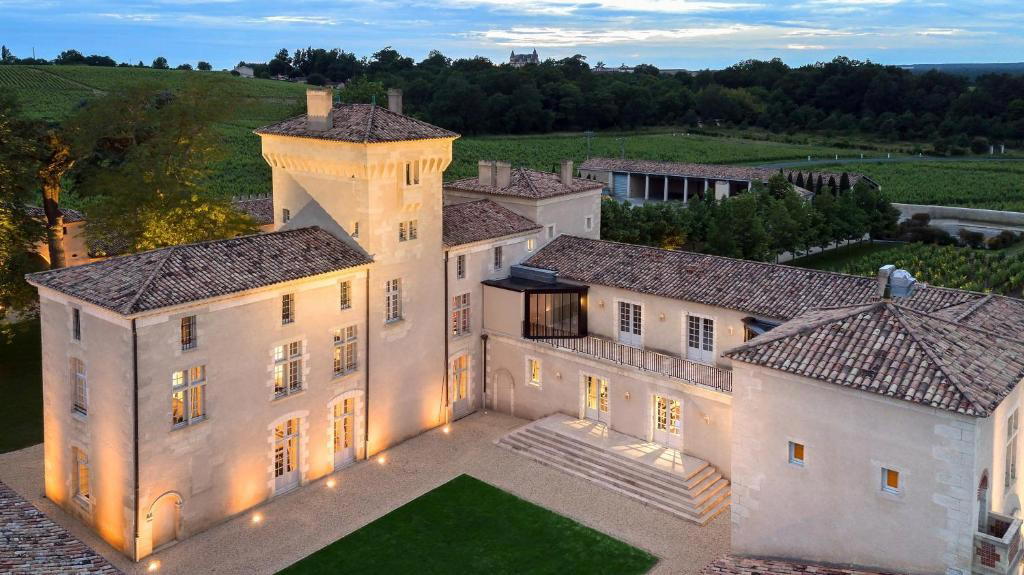
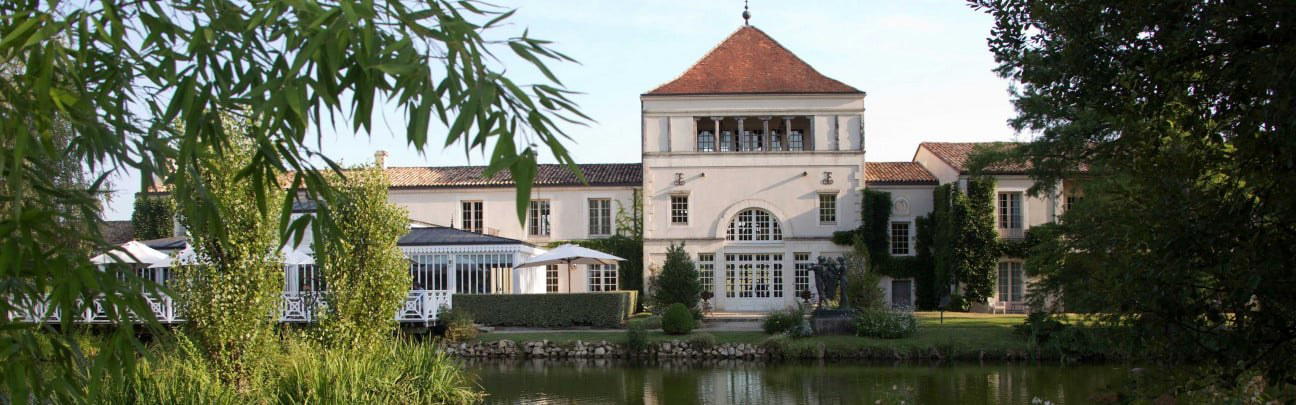
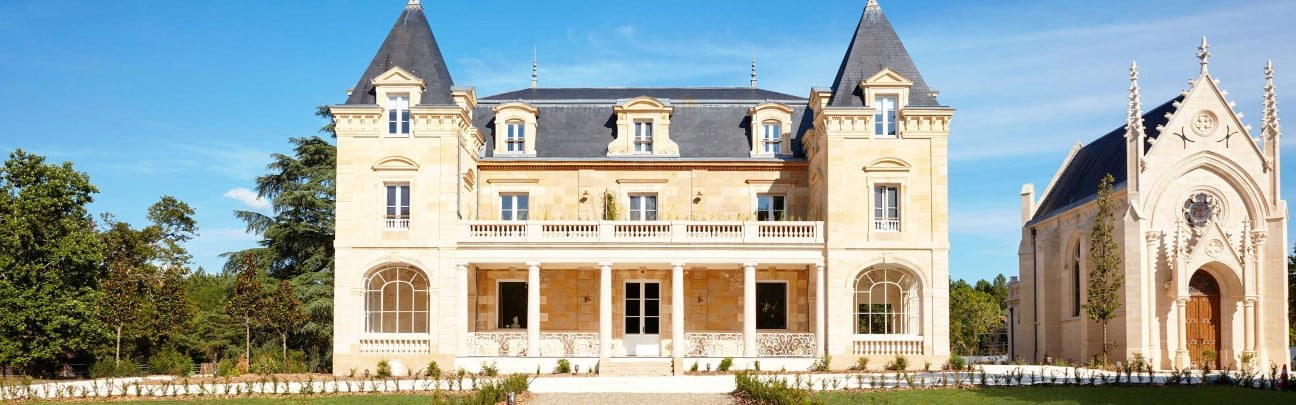
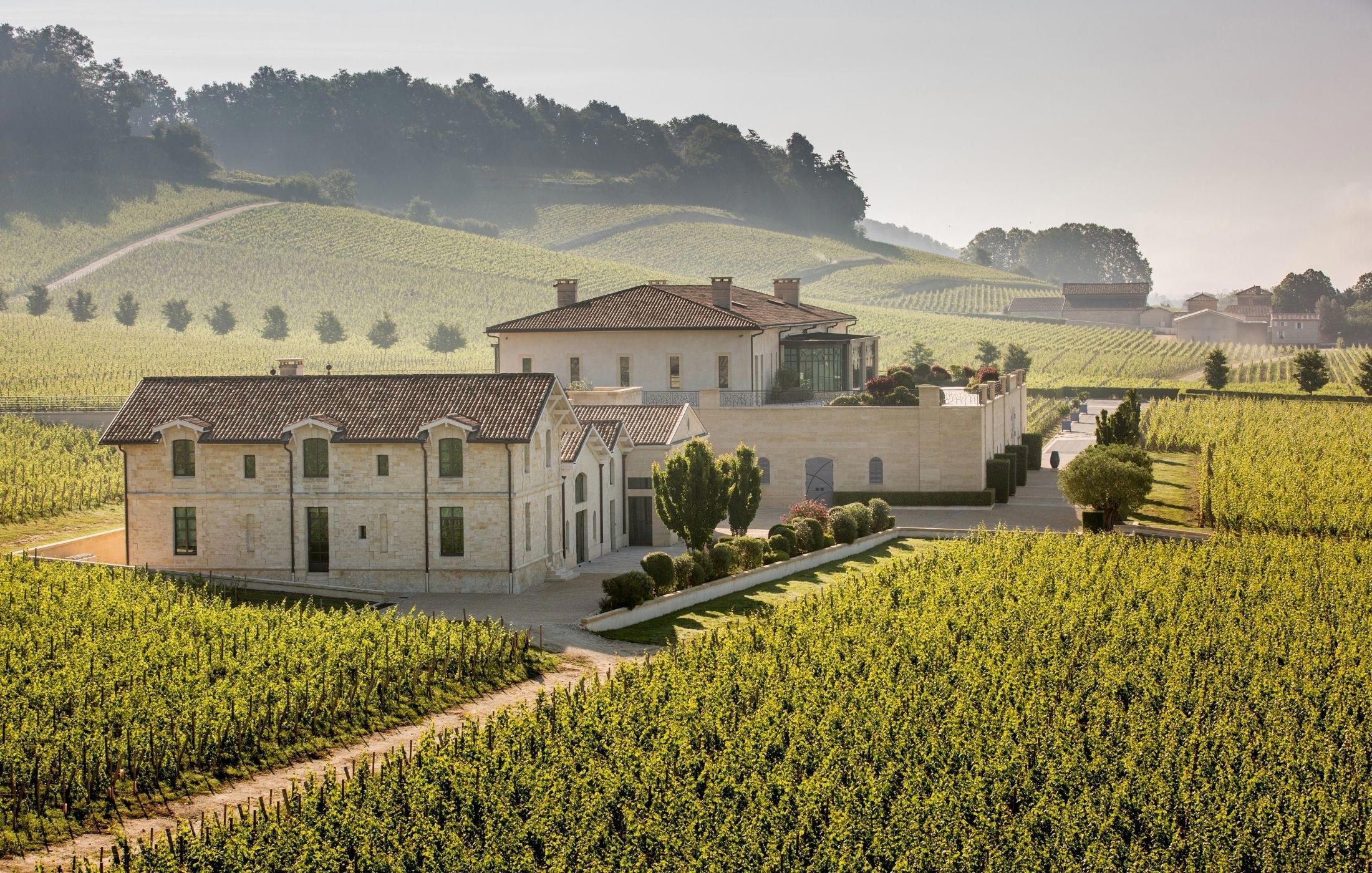
The picture is deliberately simple: Château Brondelle is a traditional Graves family estate on a gravel hilltop near Langon. Its appeal is not built on spectacle or a heavily documented tourism program, but on a classic, rustic, scenic setting and a quiet atmosphere shaped by professional winemaking and relaxed art de vivre. In that respect, the estate is best read through restraint. The important details are not elaborate claims or a long list of visitor features, but the combination of gravel, vines, family ownership and countryside calm.
Gravel soils and the Langon side of Graves
The estate’s strongest context is geological and atmospheric. Graves takes its name from gravel, and Brondelle’s setting on a gravel hilltop near Langon gives the property its core identity. The page should not overstate specific vineyard, grape or production details beyond what is confirmed, but the place can fairly be understood as part of a Graves landscape where soil and viticulture are central. That gravel context is important because it shapes how travellers should approach the estate: less as a detached attraction, and more as part of a working wine landscape where the ground itself is part of the story.
Rather than presenting Château Brondelle as an industrial destination or a grand performance estate, the available information points to a traditional family property. That matters for travellers who want a grounded sense of wine country: a rural hilltop, a calm setting, and an emphasis on vines and estate life rather than tourism theatre. The tone is not one of grand arrival or formal staging, but of a property embedded in its surroundings, where the scenery and the practical reality of winemaking carry much of the interest.
Château Brondelle is best framed as a classic Graves family estate near Langon, with a rustic and scenic character that reflects working wine culture. Its identity is clearest when kept simple: a quiet estate, a gravel-based landscape, and a traditional sense of place that suits travellers looking for authenticity rather than display.
A quiet estate format rather than a performance
Wine travel can sometimes lean toward ceremony. Château Brondelle’s profile suggests a quieter register: a rural family estate focused on viticulture rather than showmanship. The atmosphere is classic, rustic and scenic, with a sense of professional winemaking balanced by relaxed art de vivre. This does not mean the place should be treated as casual in the sense of being unstructured; rather, it suggests an estate where the seriousness lies in the work of wine, while the wider mood remains calm and unforced.
That makes the estate most relevant to travellers who value setting and context over scripted luxury. The draw is the feeling of a Graves property near Langon: gravel, vines, family-estate character and a calm countryside mood. For visitors who enjoy reading a landscape as much as following a formal presentation, this quieter format can be part of the appeal. The experience implied here is not about excess, but about recognising the texture of a traditional wine property in its rural setting.
Specific claims about tours, tasting formats, languages, parking, group capacity, food service or other visitor logistics are not confirmed here. Visitors should therefore treat the information as a starting point and check practical arrangements directly before planning a stop. Planning should remain practical, but expectations should remain focused on the confirmed identity: a family Graves estate near Langon with a quiet, rustic and scenic feel.
How to place it within a Langon wine itinerary
Langon works well for travellers who want a quieter view of wine country. Château Brondelle gives that itinerary a Graves anchor: a family estate on a gravel hilltop, with a traditional, rustic and scenic identity. The stronger reason to include it is contextual rather than decorative: it represents the calmer, viticulture-focused side of the area. In a route that aims to understand the landscape rather than simply collect destinations, that role is valuable, because it connects the traveller to the rural rhythm and geological identity of Graves.
Travellers building a broader wine route can use Château Brondelle as the Langon reference point, then compare other wine destinations generically by region, style and travel rhythm. It is not necessary to make the estate stand for more than is confirmed; its value is already clear as a traditional, scenic family property whose appeal comes from quiet surroundings, gravel-country context and the understated atmosphere of working wine culture.
Frequently asked questions
Is Château Brondelle more formal or casual?
It leans casual rather than formal: this is a traditional Graves family estate in Langon with a quiet, rural setting. The tone matches a working vineyard rather than a staged tasting room.
Where exactly is Château Brondelle?
Château Brondelle is in Langon.
What does it typically cost at Château Brondelle?
Pricing at Château Brondelle is listed as $$.
What makes Château Brondelle worth visiting?
The draw is the setting: a traditional Graves family estate on a gravel hilltop near Langon, with a classic, rustic and scenic atmosphere focused on viticulture rather than tourism.
Recognition history
Dated appearances from independent guides and award organizations, with the underlying list record or original source where available.
Falstaff Winery - Listed
Falstaff
Request a visit to Château Brondelle
Tell us when you would like to go and how many people, and we put the request to the estate and reply to you by email.
Continue exploring
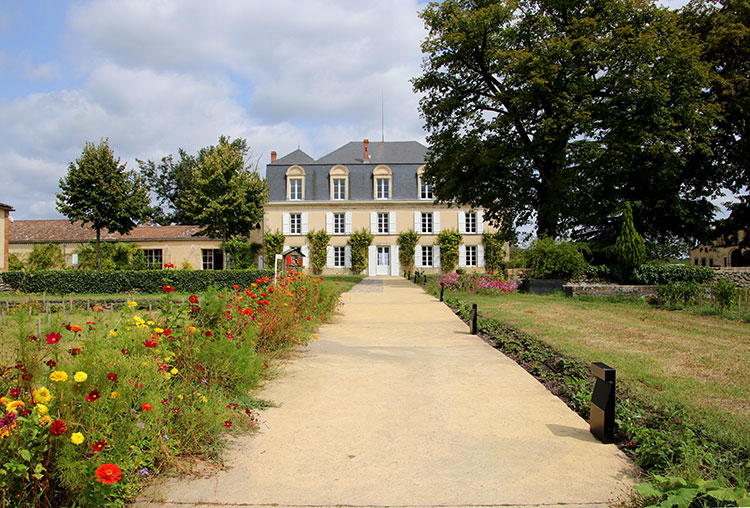
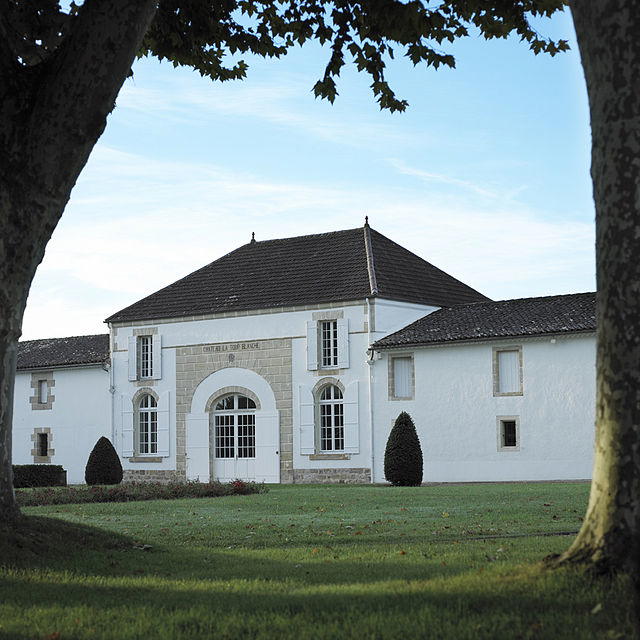
More in Langon
Wineries in Langon
All wineries in Langon →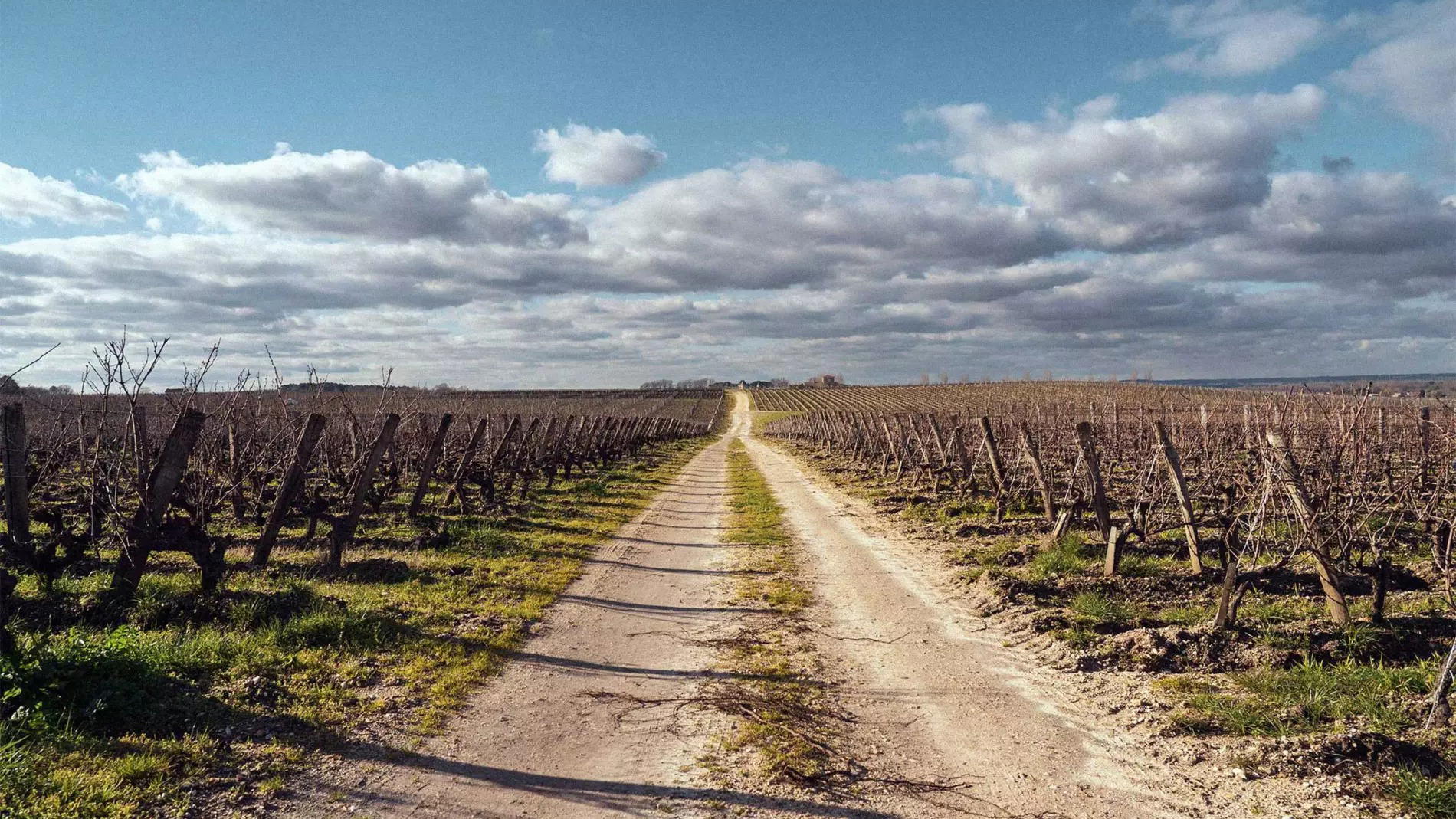
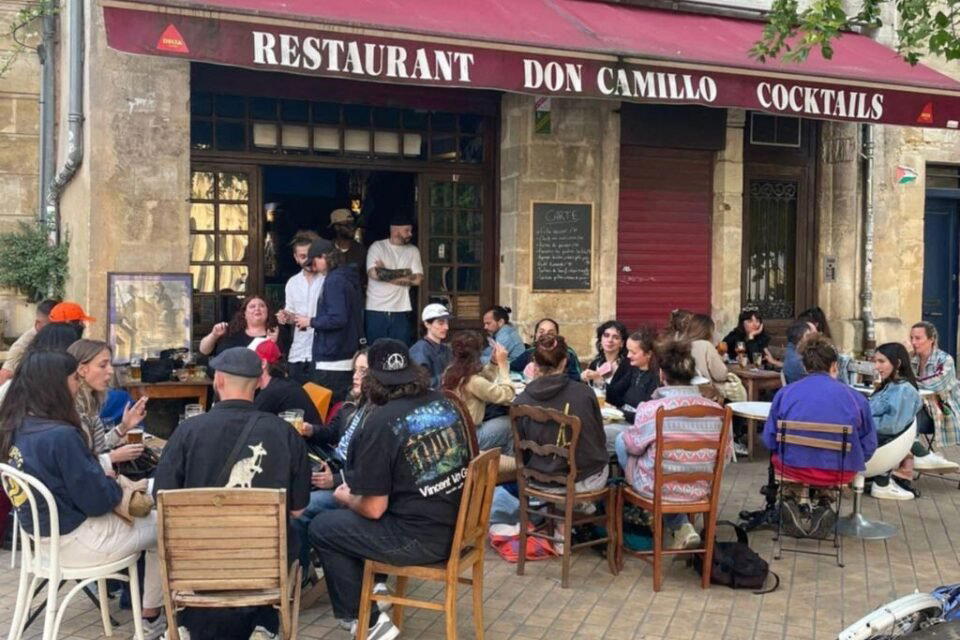
Bars in Langon
Browse all →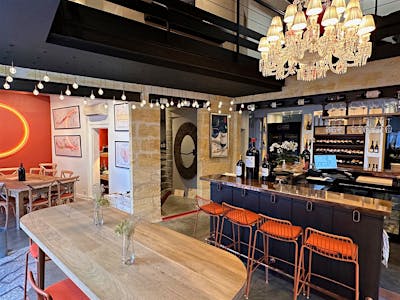
Details
- Classic
- Rustic
- Scenic
- Intimate
- Wine Education
- Group Outing
- Solo Exploration
- Romantic Getaway
- Estate Grounds
- Vineyard Tour
- Private Tasting
- Sustainable
- Vineyard
- Cabernet Sauvignon
- Merlot
- Sauvignon Blanc
- Semillon
- Muscadelle
- Still Red
- Still White
- Dessert
- Standard Tasting
- Private Tasting
- Vineyard Tour
- French
Current opening hours
- Monday
- 9 AM–12:30 PM, 2–5:30 PM
- Tuesday
- 9 AM–12:30 PM, 2–5:30 PM
- Wednesday
- 9 AM–12:30 PM, 2–5:30 PM
- Thursday
- 9 AM–12:30 PM, 2–5:30 PM
- Friday
- 9 AM–12:30 PM, 2–5:30 PM
- Saturday
- Closed
- Sunday
- Closed
Hours can change for holidays and private events. Hours as of .
A traditional Graves family estate on a gravel hilltop near Langon, with a quiet rural atmosphere focused on viticulture rather than tourism, reflecting a balance of professional winemaking and relaxed art de vivre.