Château Bellevue-Mondotte

Château Bellevue-Mondotte is a tiny Saint-Émilion Grand Cru AOC estate on the limestone plateau, focused on concentrated Merlot-led red wine rather than cellar-door tourism. With about 2 hectares, old vines, native-yeast fermentation and 18 months in new French oak, it belongs to the small-production, high-intensity side of Right Bank Bordeaux.
Pearl is the En Primeur Club membership app — saves, bookings, and concierge access live there. Same editors, same standards.
- Address
- Saint-Émilion, Libournais, Nouvelle-Aquitaine, Frankreich
 Saves & bookings on Pearl
Château Bellevue-Mondotte is an ultra-small right-bank Bordeaux estate in Saint-Émilion, known for producing rich, ornate and deeply colored Grand Cru wines. The picture is narrow but clear: this is a serious, concentrated expression of Saint-Émilion, shaped by old vines on a steep, poor, well-drained limestone slope.
Rather than presenting Château Bellevue-Mondotte as a broad hospitality address, a reliable way to understand it is through the wine style and site description. The estate’s identity is tied to intensity: old-vine material, limestone, drainage, slope and a classic Saint-Émilion feel. Its price positioning is listed as $$$$, which places it at the serious end of a Saint-Émilion itinerary.
Limestone slope, old vines and concentration
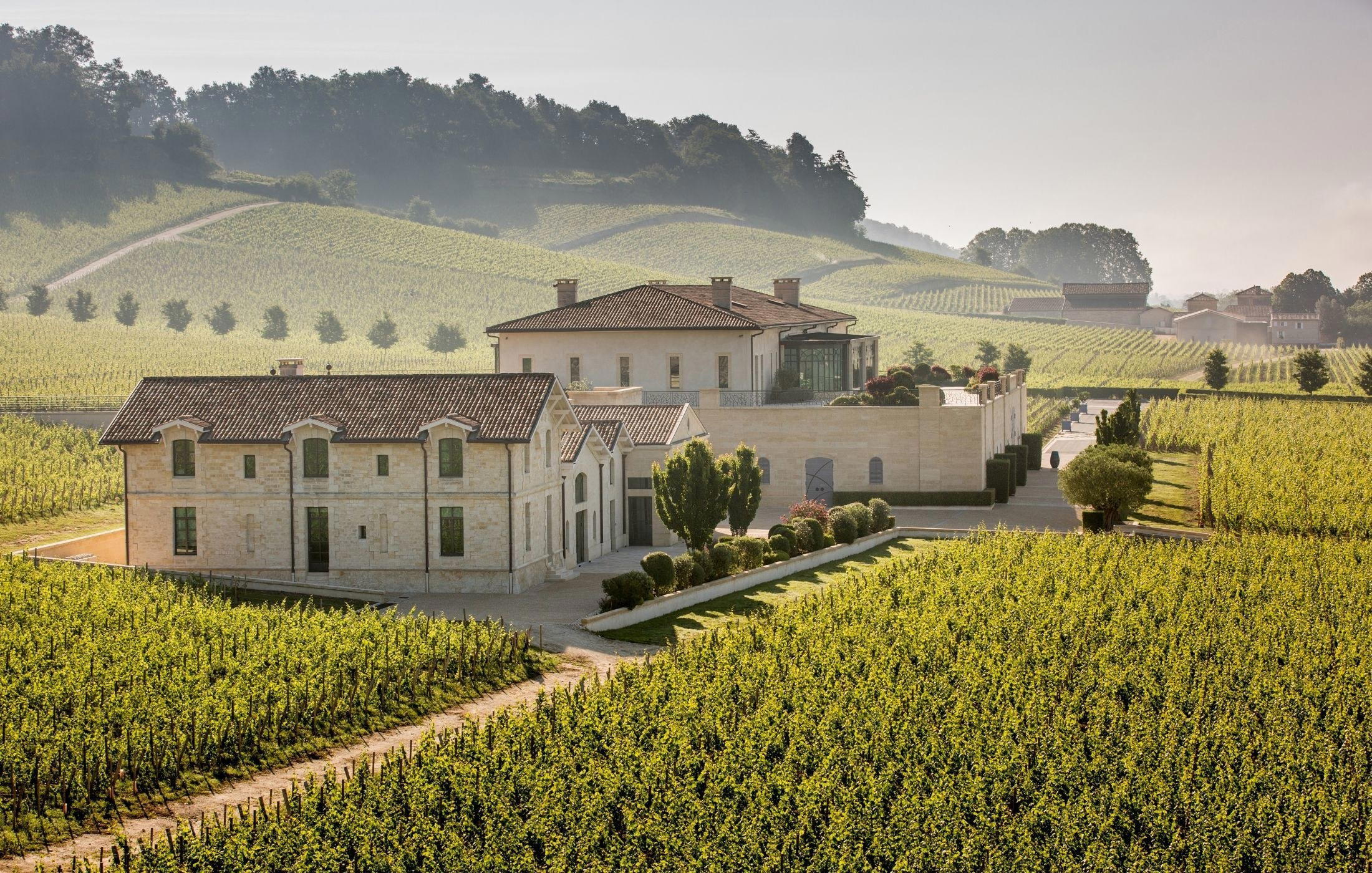
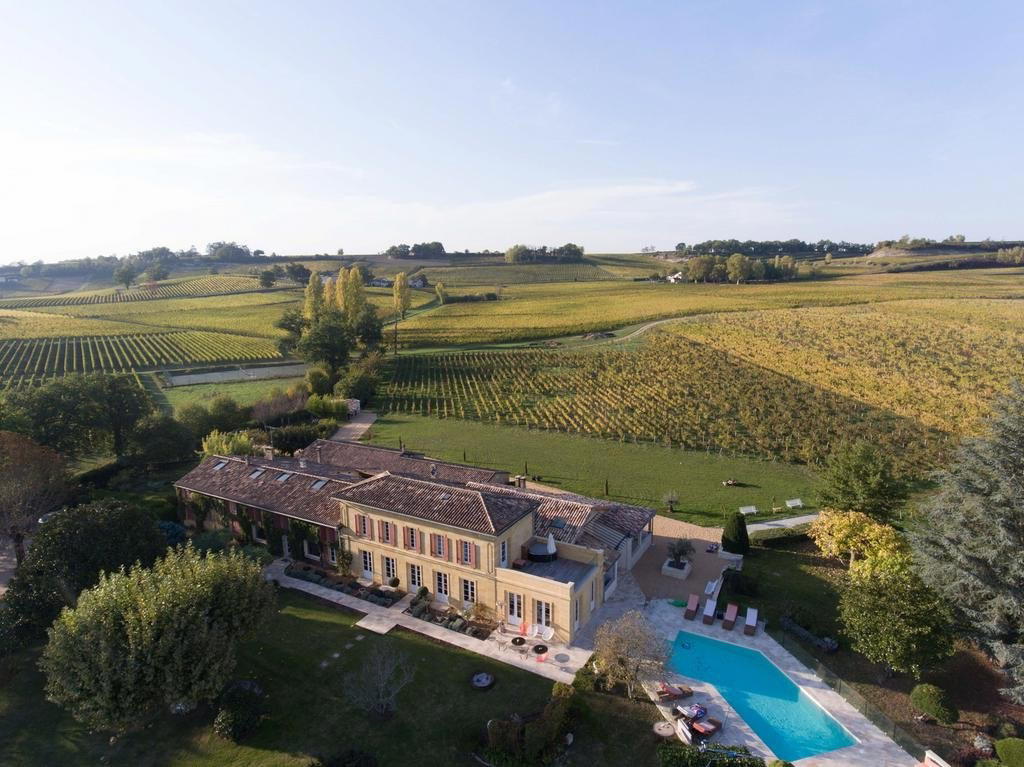
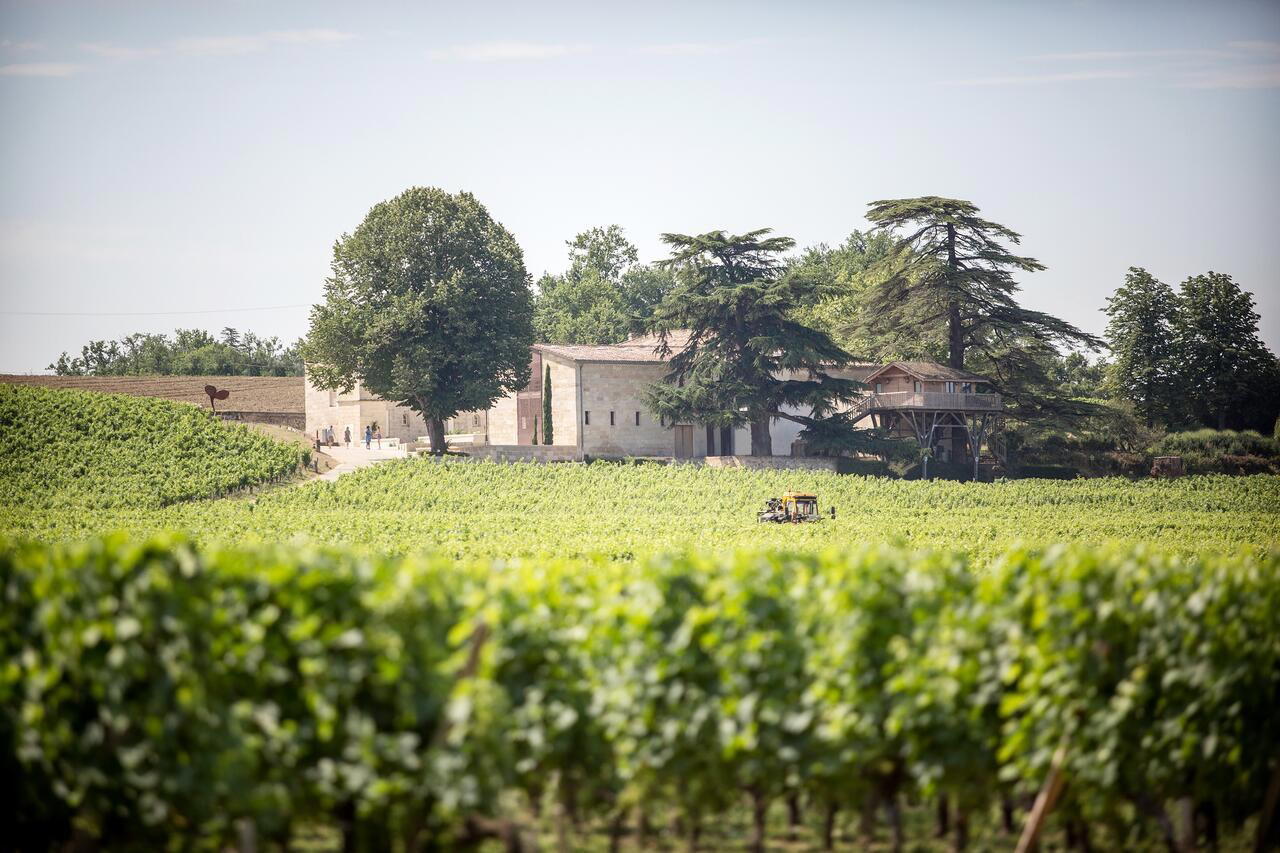
The defining feature here is the vineyard setting: a steep, poor, well-drained limestone slope planted with old vines. Those details matter because they explain the compact, concentrated character associated with Château Bellevue-Mondotte. Poor drainage-resistant limestone terrain and slope can help frame a wine with depth and structure, while old vines are central to the estate’s image of concentration.
The wines are described as rich, ornate and deeply colored Grand Cru wines from Saint-Émilion. That gives the clearest grounded reading of the estate’s style. This is not a page for unsupported claims about exact blends, cellar methods, production volumes, ownership, visitor services or tasting formats. The information supports a simpler conclusion: the winery is a small, intense right-bank Bordeaux estate focused on a powerful Saint-Émilion expression.
Within that frame, the appeal is not breadth. The estate is best understood as a compact, concentrated producer whose reputation rests on site and wine character rather than on a long list of visitor amenities. The language that fits the facts is restrained but strong: old vines, limestone slope, poor well-drained soils, rich color, opulence, concentration and a serious Grand Cru profile.
A small estate in a region of large expectations
Saint-Émilion is often discussed through the relationship between limestone, Merlot-based right-bank Bordeaux traditions and the varied styles of Grand Cru wines. For the winery, the facts point toward the concentrated end of that spectrum. The estate’s wines are presented as intense and classic rather than light or casual.
That concentration is the useful lens for readers planning around Saint-Émilion. Some local experiences may be built around hospitality, dining or broad tourism, but the winery should be read first as a wine estate with a specific identity. Its small scale, old vines and steep limestone setting give the page its grounded substance.
Because the confirmed data is limited, it is important not to overstate what is known. What remains is still meaningful: a high-priced, ultra-small Saint-Émilion Grand Cru estate associated with rich, ornate, deeply colored wines from old vines on limestone.
How to read it within a Saint-Émilion trip
For travelers and collectors, the winery fits best into a Saint-Émilion trip as a reference point for concentrated right-bank Bordeaux rather than as a casual venue description.
As part of a broader Saint-Émilion itinerary, the estate helps illustrate how different local producers can express the same region in different ways. The winery’s profile is about intensity: old vines, steep limestone, poor well-drained soils and Grand Cru wines with richness, opulence and deep color. Other dining and wine experiences in Saint-Émilion can provide context, but this estate’s core identity is the bottle and the site behind it.
The critical point is simple: the winery is a serious, high-end Saint-Émilion Grand Cru estate with an ultra-small scale and a concentrated style. Its strongest claims are not about hospitality extras or technical minutiae, but about terroir and character. Read it as a focused right-bank Bordeaux estate: old vines on a steep limestone slope, producing rich and deeply colored wines with a classic Saint-Émilion feel.
Recognition history
Dated appearances from independent guides and award organizations, with the underlying list record or original source where available.
Falstaff Winery - 4 Stars
Falstaff
Continue exploring
More in Saint-Émilion
Wineries in Saint-Émilion
Browse all →
Bars in Saint-Émilion
Browse all →
Restaurants in Saint-Émilion
Browse all →
At a Glance
- Classic
- Elegant
- Intimate
- Vineyard
- Saint Émilion Grand Cru AOC
- Merlot
- Cabernet Franc
- Cabernet Sauvignon
- Still Red
- Dessert
An ultra-small, highly concentrated right-bank Bordeaux estate producing rich, ornate, deeply colored Grand Cru wines from old vines on a steep, poor, well-drained limestone slope, with a serious, intense and classic Saint-Émilion feel focused entirely on fine wine rather than tourism.