
Falstaff Winery - 1 Stars
Château Barrabaque brings Fronsac’s clay-limestone Right Bank character into focus through Merlot-led wines from a small family estate above the Dordogne. The draw is terroir rather than spectacle: south-facing slopes, Canon-Fronsac reach, Guide Hachette “coup de cœur” recognition, and a compact production model that rewards visitors who care about Bordeaux beyond the famous labels.

Pearl is the En Primeur Club membership app — saves, bookings, and concierge access live there. Same editors, same standards.
- Address
- Fronsac, Libournais, Nouvelle-Aquitaine, Frankreich
- Directions
- Get directions
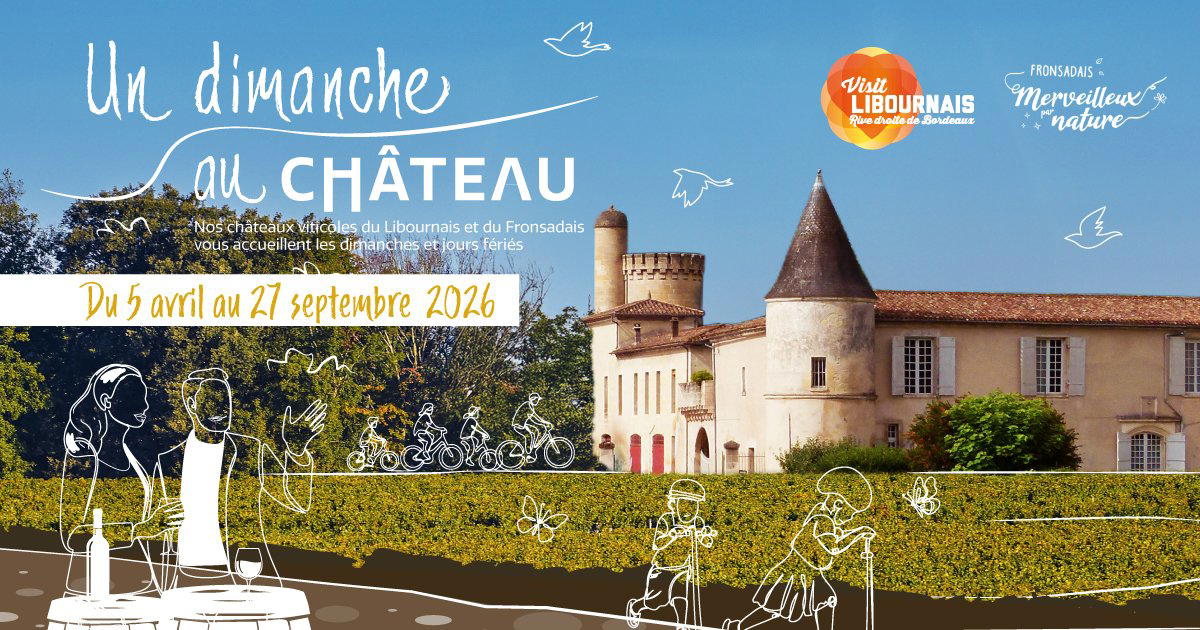
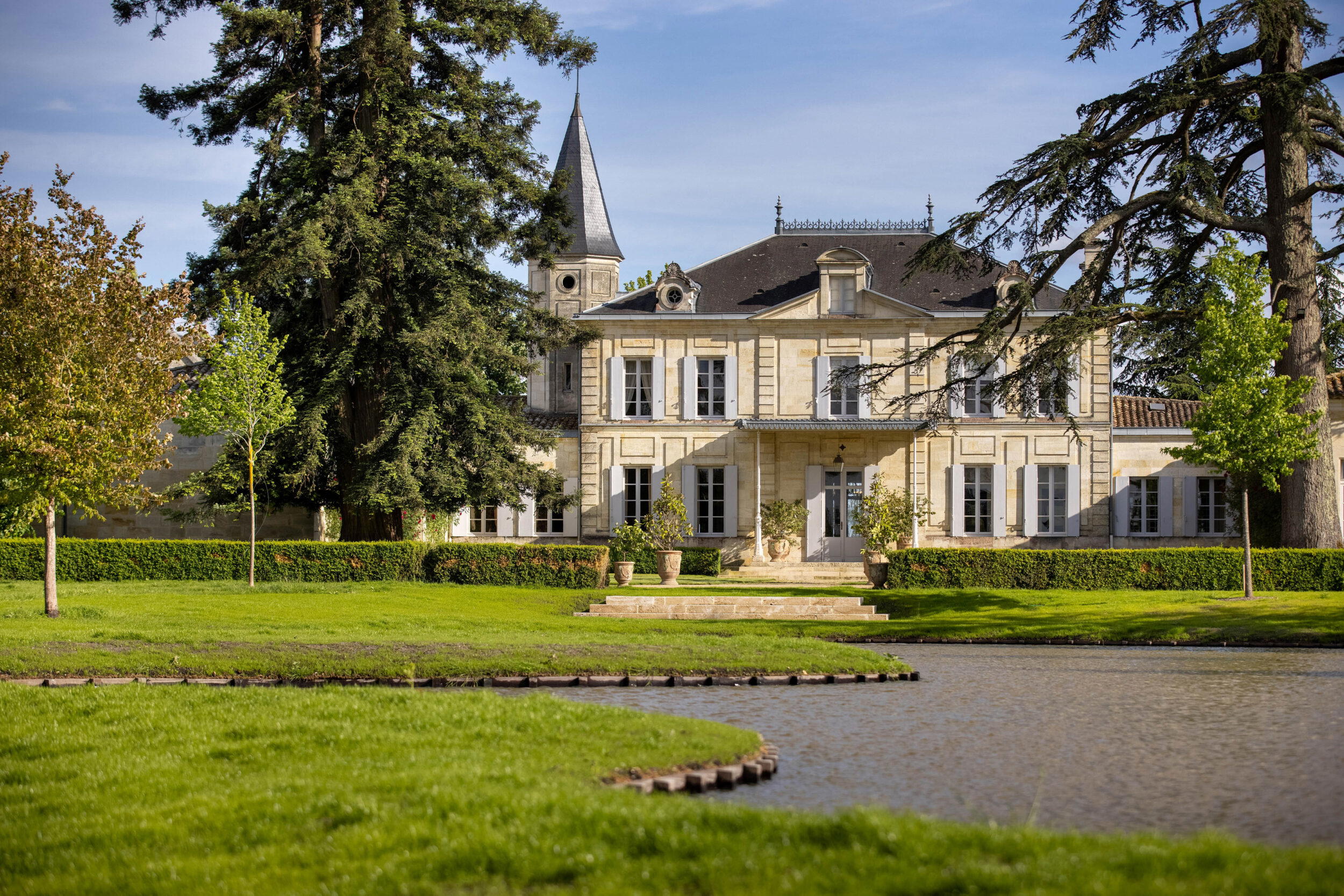
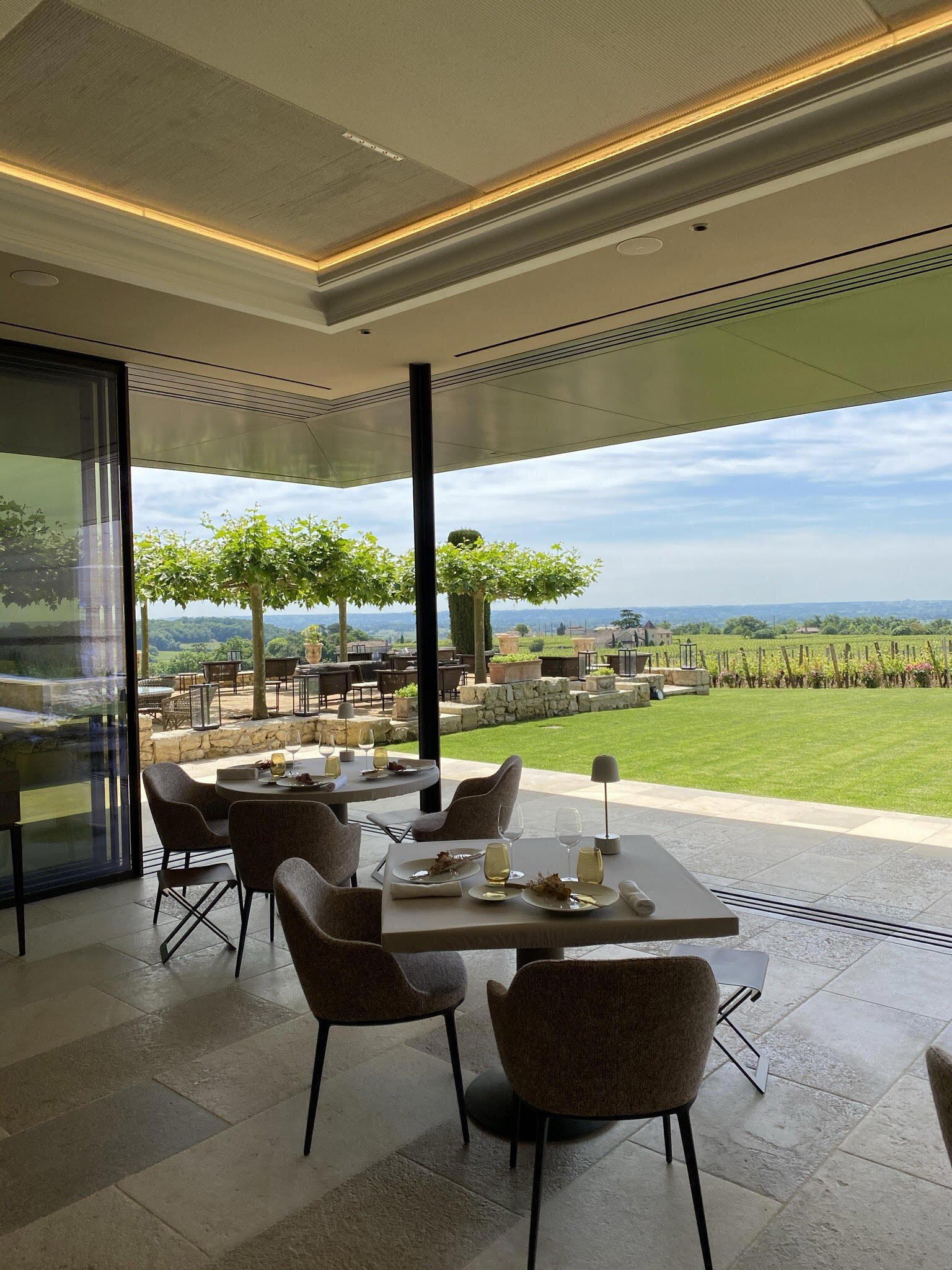
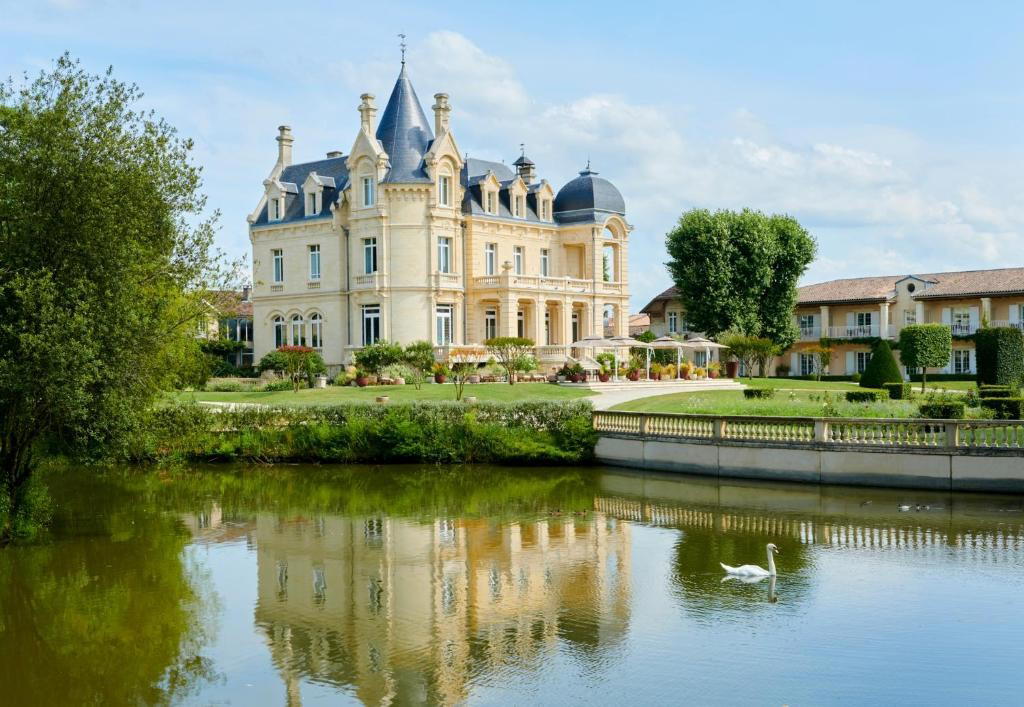
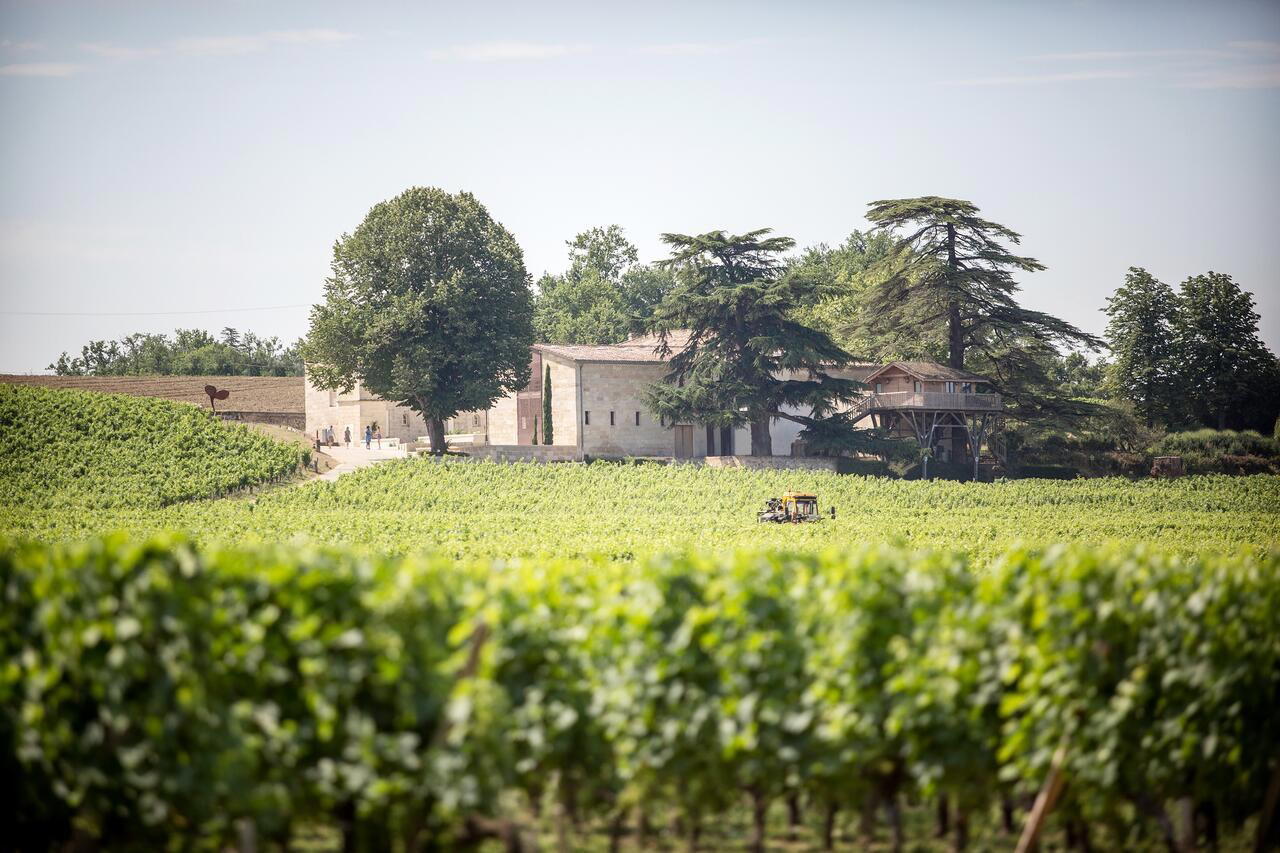
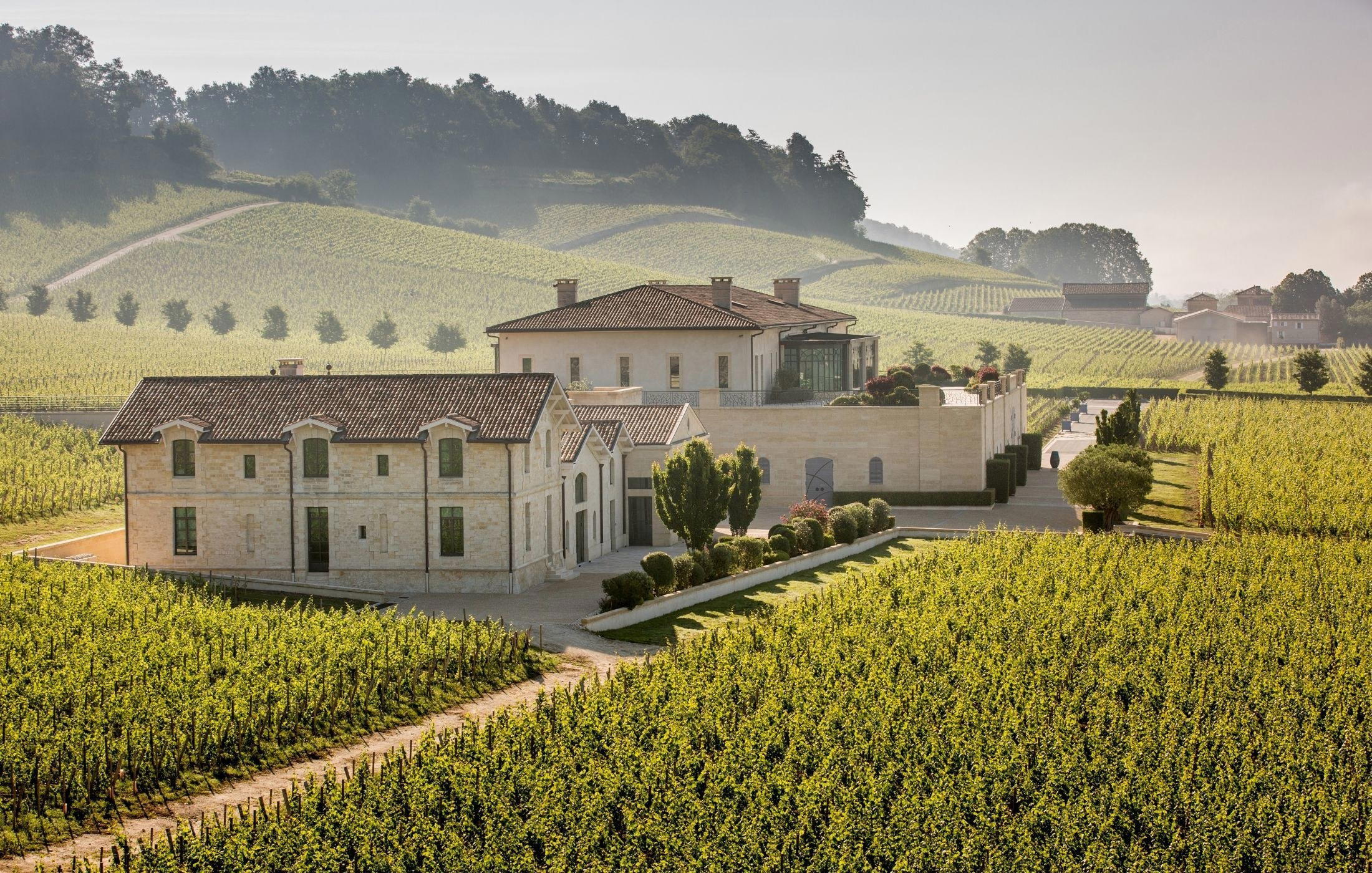
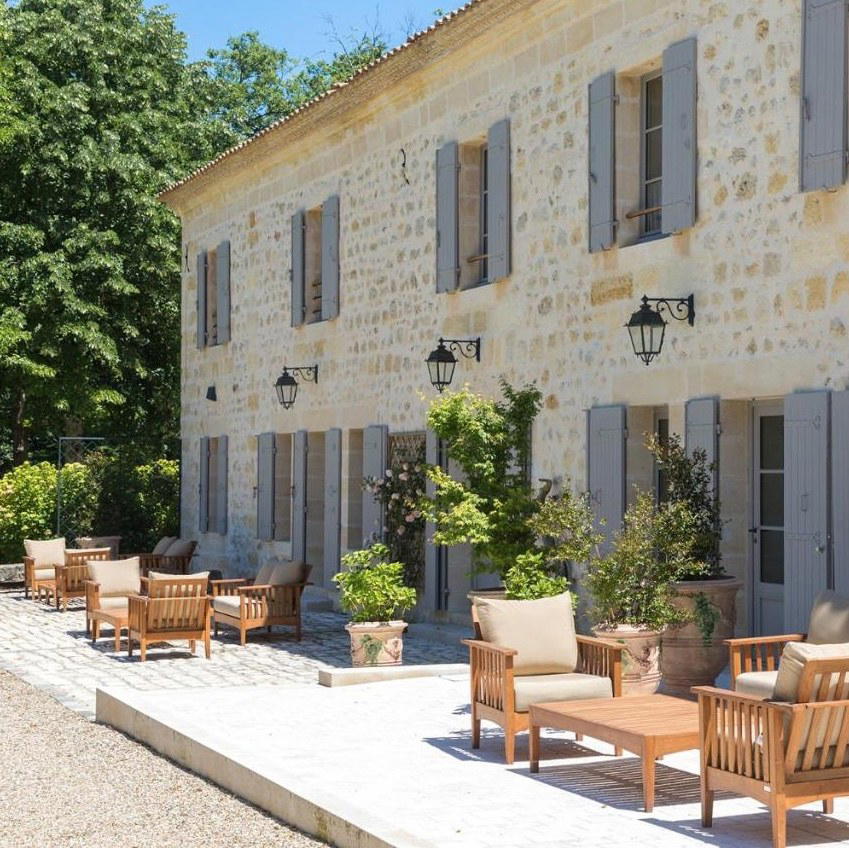
Approaching Château Barrabaque in Fronsac, the appeal is not built around spectacle or invented extras. It is a historic 18th-century family estate in a classic Bordeaux vineyard setting, positioned on south-facing slopes above the Dordogne and centered on Merlot-based Fronsac and Canon-Fronsac wines. That combination is enough to define the tone: the estate reads less like a destination trying to compete through embellishment, and more like a place whose interest comes from its location, its continuity and the quiet confidence of its wines.
The experience is best understood as intimate and appointment-based. Rather than presenting Château Barrabaque through claims about production figures, cellar methods, awards or detailed vineyard composition, the grounded picture is simpler: a family estate sharing elegant Bordeaux wines in a setting shaped by slope, river and Fronsac identity. For visitors, that restraint matters. It keeps expectations focused on what is actually supported, and it suits a wine stop where the pleasure is likely to come from paying attention to the landscape, the appellation context and the character of the bottles being poured.
Merlot-based Fronsac and Canon-Fronsac wines
Château Barrabaque’s wine focus is Merlot-based Fronsac and Canon-Fronsac. That places the estate within a Bordeaux context where Merlot is central to the character of the wines, while the specific blend details, cellar techniques, bottle counts and vintage scores should not be assumed without confirmation from the estate. In editorial terms, the most accurate way to describe the wines is therefore deliberately broad: Bordeaux wines from Fronsac and Canon-Fronsac, led by Merlot, presented through the lens of the estate rather than through technical detail.
For visitors, the useful frame is the one the estate can support directly: elegant Bordeaux wines shared in an appointment-based atmosphere. The emphasis is on the place and its wines rather than on a public checklist of accolades, production numbers or technical claims. This makes the visit especially suited to people who want to understand Fronsac through direct experience rather than through a long list of external markers.
Because the available information is concise, Château Barrabaque is best presented as a focused Fronsac wine stop rather than as a venue defined by ratings, rankings or a broad hospitality program. That does not make the profile thin; it simply means the estate should be approached on its own terms, with attention to the fundamentals already in view: family setting, Bordeaux landscape, Merlot-based wines and the Fronsac and Canon-Fronsac names.
A family estate where the visit is scaled to the vineyard
The setting is a historic 18th-century family estate on south-facing slopes above the Dordogne. That gives the visit a clear sense of Bordeaux vineyard landscape without needing to add unsupported details about owners, founding dates, farming certifications or hospitality capacity. The description is specific enough to place the estate physically and culturally: it belongs to a winegrowing area where slope, exposure and river setting form part of the way visitors understand the property.
The appointment-based atmosphere is part of the appeal. It suggests a more personal, measured way to encounter the estate’s Fronsac and Canon-Fronsac wines, especially for visitors who prefer a quieter experience over a heavily staged venue. The pace implied by an appointment also helps set expectations: this is not being framed as an open-ended visitor complex, but as a wine estate where the encounter is likely to be more contained and connected to the vineyard setting.
Château Barrabaque is listed at a $$ price level. Beyond that, specific tasting fees, tour formats, opening hours, group sizes, dietary accommodations, delivery options or other services should be checked directly with the estate rather than inferred. That direct confirmation is particularly important for an appointment-based visit, where the practical details can shape the experience as much as the general atmosphere.
How to place it within a Fronsac wine day
A visit here suits a Fronsac itinerary built around Bordeaux vineyard setting, family-estate character and Merlot-based wines. The picture is intimate and appointment-based, so planning ahead is sensible. It is the kind of stop that works well when treated as a considered part of the day rather than a casual add-on, because the estate’s appeal rests on its specific context rather than on a large menu of public-facing extras.
For the rest of a Fronsac day, compare Château Barrabaque with other local dining, lodging, bar or experience options only in general terms unless you have separate details. The strongest reason to include the estate is its combination of historic family setting, south-facing slopes above the Dordogne and focus on elegant Fronsac and Canon-Fronsac wines. Those are the points that distinguish it clearly without requiring unsupported claims about service style, production scale or visitor amenities.
Readers comparing wine regions more broadly should treat Château Barrabaque as a Fronsac reference point: Bordeaux at a human scale, with the visit grounded in place, family-estate atmosphere and Merlot-based wines rather than unsupported claims about awards, technical production or expanded services. In that sense, its value on an itinerary is not about excess description. It is about a clean, credible portrait of a historic estate whose identity is tied to Fronsac, Canon-Fronsac, the Dordogne-facing landscape and a quieter way of experiencing Bordeaux wine.
Recognition history
Dated appearances from independent guides and award organizations, with the underlying list record or original source where available.
Falstaff Winery - 1 Stars
Falstaff
Continue exploring
More in Fronsac
Wineries in Fronsac
Browse all →
Bars in Fronsac
Browse all →
Restaurants in Fronsac
Browse all →
Details
- Classic
- Rustic
- Scenic
- Romantic
- Intimate
- Romantic Getaway
- Group Outing
- Celebration
- Solo Exploration
- Wine Education
- Special Occasion
- Estate Grounds
- Vineyard Tour
- Historic Building
- Private Tasting
- Vineyard
- Waterfront
- Garden
- Merlot
- Cabernet Franc
- Cabernet Sauvignon
- Malbec
- Still Red
- Still White
- Still Rosé
- Appointment Tasting
- Group Meal With Tasting
- Open House Events
- French
- English
Historic 18th‑century family estate on south‑facing slopes above the Dordogne, with a classic Bordeaux vineyard setting focused on sharing elegant, Merlot‑based Fronsac and Canon‑Fronsac wines in an intimate, appointment-based atmosphere.