
Falstaff Winery - Listed
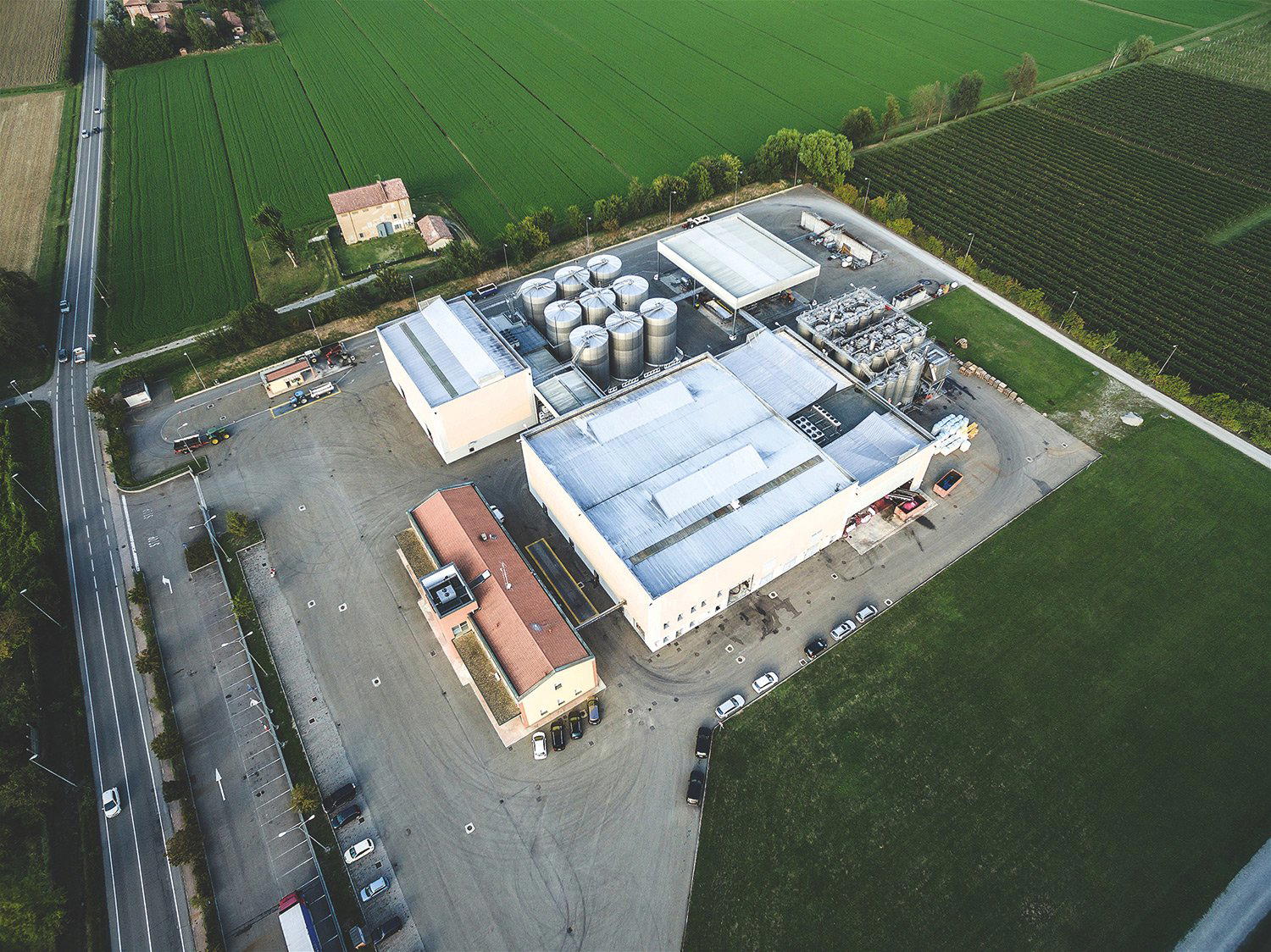
Cantina Carpi e Sorbara is a large Emilia-Romagna cooperative shaped by Lambrusco di Sorbara DOC, local grower culture, and the pragmatic scale of production wine country. The interest here is not boutique theatre but a direct look at how Carpi’s cooperative model turns many vineyards, many families, and a regional sparkling-red tradition into a broad Lambrusco portfolio.

Pearl is the En Primeur Club membership app — saves, bookings, and concierge access live there. Same editors, same standards.
- Address
- Carpi, Emilia-Romagna, Italien
- Directions
- Get directions
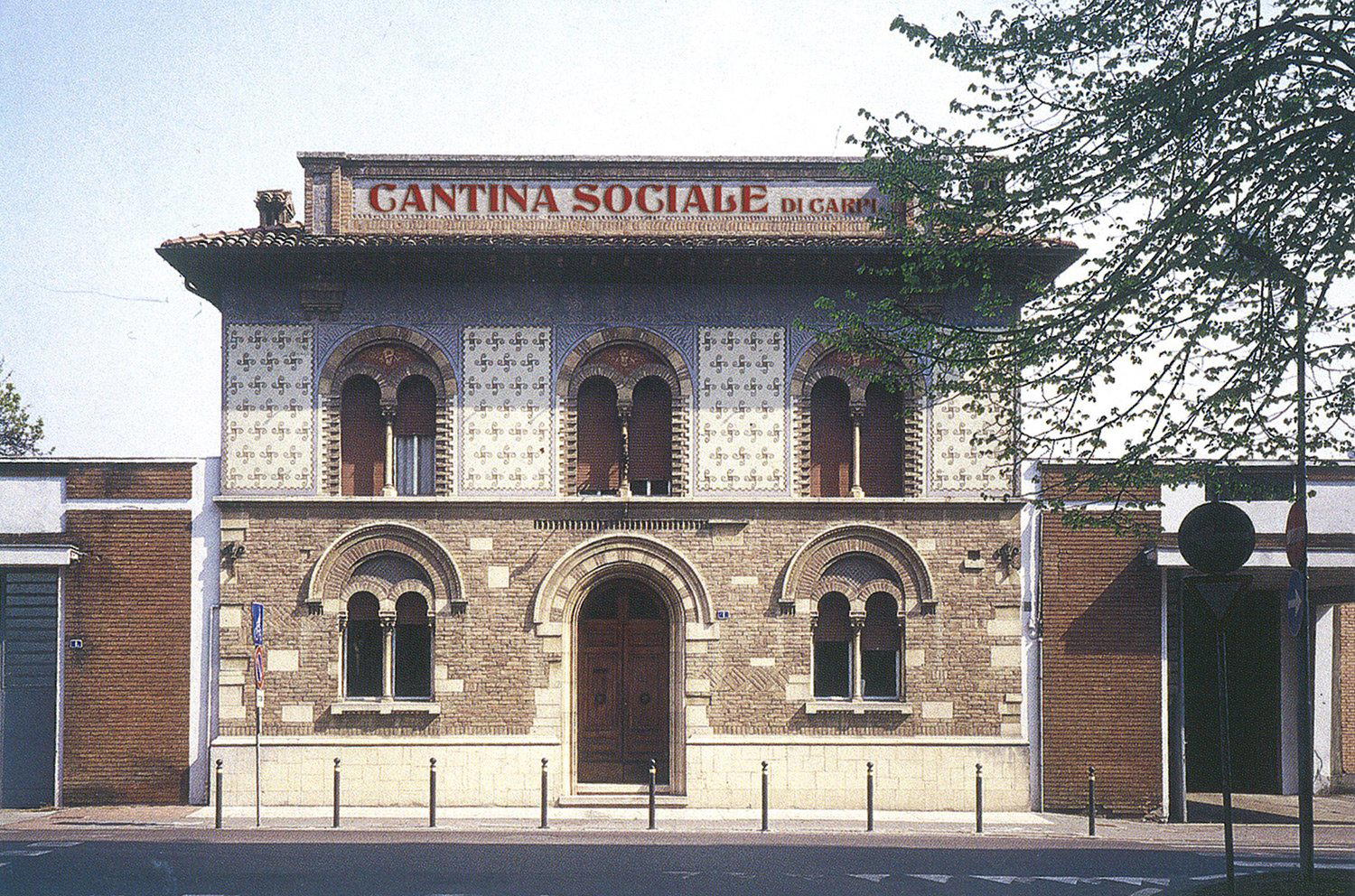
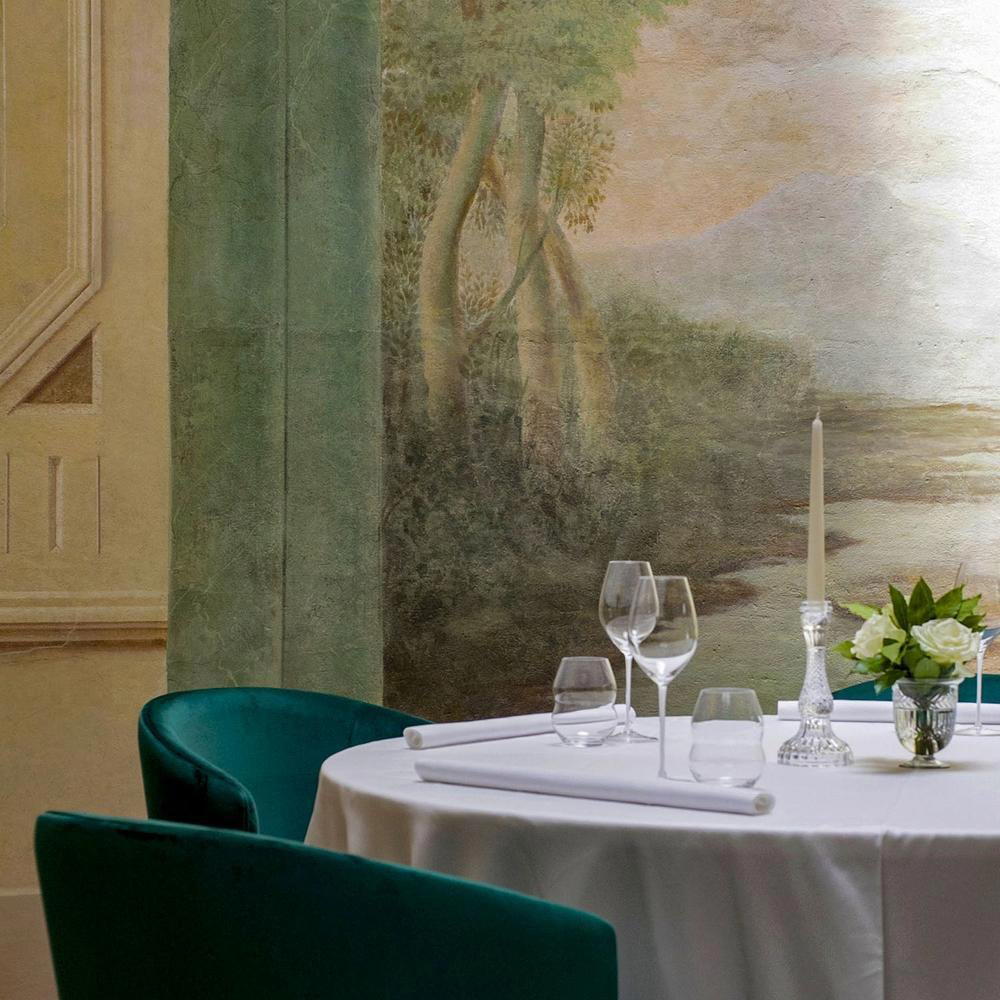
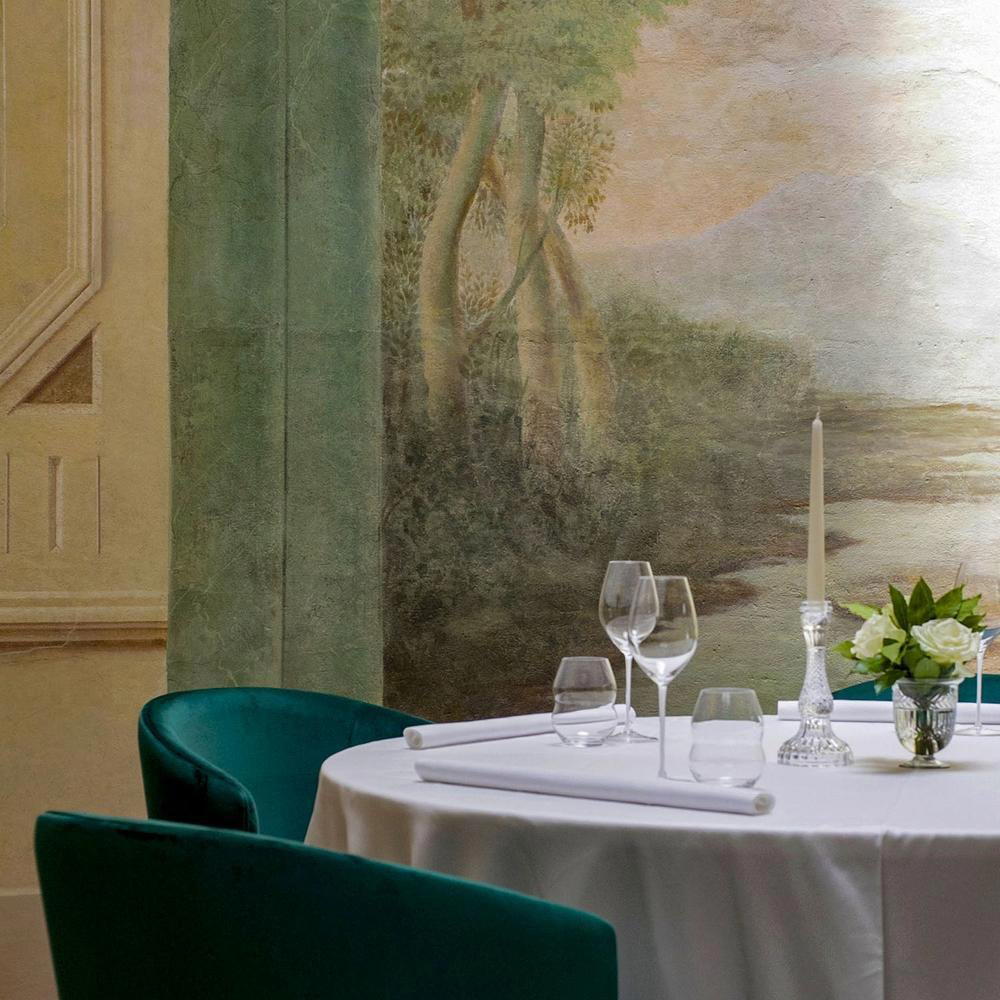
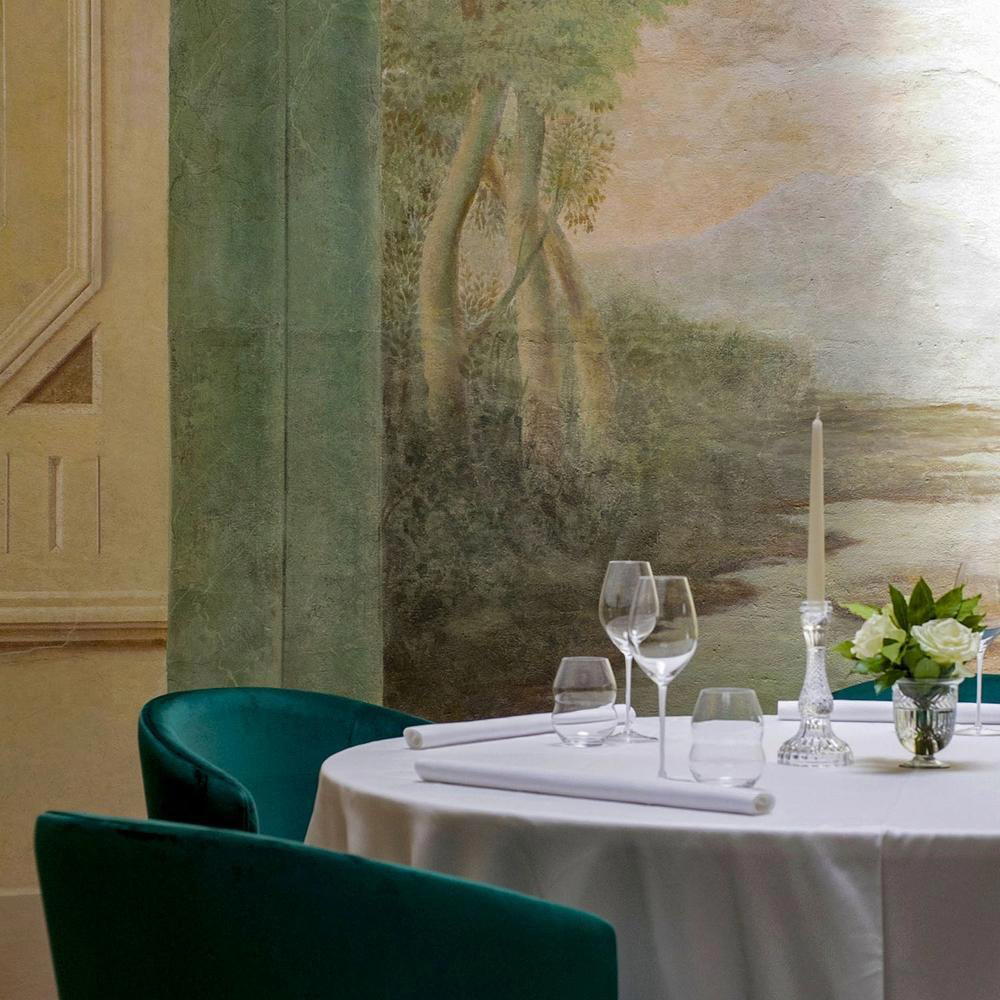
The first impression is functional rather than staged: a cooperative winery built around production, tasting, and the steady rhythm of Lambrusco country. In Carpi, that matters. Emilia-Romagna’s wine identity is often discussed through food, but Lambrusco is also an agricultural system: growers, cellar infrastructure, appellation rules, and a local drinking culture that prizes freshness, fizz, and usefulness at the table.
Cantina Carpi e Sorbara sits inside that system at scale. Its current form dates to 2012, when Cantina Carpi, founded in 1903, and Cantina Sorbara, founded in 1923, merged into a single cooperative. The result is not the private-estate narrative familiar from Tuscany or Piedmont. It is a 1,200-member grower network farming more than 2,300 hectares across Modena, Reggio Emilia, Mantua, and the Bologna area, with six production facilities linked to Carpi, Sorbara, Concordia, Poggio Rusco, Rio Saliceto, and Bazzano.
Lambrusco here is a grower network, not a boutique estate
Carpi’s wine story is inseparable from cooperation. The cooperative model gives small and medium growers access to cellar technology, bottling capacity, and market reach while keeping the region’s grape-growing base intact. That structure explains the atmosphere: practical, traditional, and production-led, with wine education tied to how Lambrusco is actually farmed and made rather than to luxury-cellar performance.
The key lens is Lambrusco di Sorbara DOC, a designation associated with one of the region’s most distinctive Lambrusco expressions. The portfolio also reaches into Lambrusco Salamino, Pignoletto DOC, and Colli Bolognesi DOCG, which places the cooperative across both sparkling red traditions and broader Emilia-Romagna appellation culture. For travelers used to small estates, the scale can recalibrate expectations: the point is not scarcity, it is continuity.
Large production does not make the visit generic when the subject is Lambrusco. This is a wine category historically tied to everyday tables, cured pork, pasta, and regional acidity rather than cellar prestige. A cooperative of this size shows how that identity survives commercially: by pooling vineyard holdings, using consistent technical direction, and keeping multiple local grape expressions in circulation.
Tank-fermented sparkle and the logic of freshness
The production vocabulary is modern but suited to tradition. Lambrusco’s carbonic lift commonly comes through tank fermentation, with the Charmat method used for sparkling styles that depend on freshness and immediacy rather than long bottle aging. That matters because Lambrusco is often misunderstood outside Emilia-Romagna as a simple sweet red. In its local setting, dry and semi-dry sparkling reds operate with far more range: acidity, foam, fruit, and grip all matter at the table.
The cooperative’s core varietal focus includes Lambrusco di Sorbara and Lambrusco Salamino. Those two names are not interchangeable. Sorbara is tied to a lighter, more lifted register, while Salamino often brings more color and structure. A guided tasting makes sense here because the educational value lies in separating the Lambrusco family into its component parts, then seeing how appellation, grape, and method change the glass.
Terroir in this context is less about a single walled vineyard and more about a wide agricultural plain with varied soils, including clay, sand, and limestone across the cooperative’s growing areas. Warm summers and mild winters support ripening, while the sparkling format keeps the wines pointed toward freshness. That combination explains why the region’s reds can feel more agile than their color suggests.
The sustainability signal is also tied to scale. The cooperative works with sustainable sourcing tags and organic farming methods are part of its broader production conversation. In a region where many bottles move through everyday commerce rather than trophy allocation, environmental practice has impact precisely because production is not tiny.
How to read the experience in Carpi
The better way to approach this stop is as wine education with working-cellar context. The setting is conversational and casual, and the visit type centers on guided tasting rather than free-form luxury hospitality. It suits groups, special-occasion drinkers who want regional grounding, and travelers trying to understand why Lambrusco remains one of Italy’s great food wines.
There is no need to force a grand-cru framework onto Carpi. The more useful comparison is between private-estate storytelling and cooperative agriculture. Cantina Carpi e Sorbara belongs to the latter: broad grower participation, multiple facilities, DOC and DOCG production, and a portfolio that keeps Lambrusco at the center while acknowledging Emilia-Romagna’s wider wine map.
For planning around the city, keep the winery within a broader Carpi itinerary rather than treating it as an isolated pilgrimage. EP Club’s local coverage can help shape the rest of the day: Our full Carpi wineries guide, Our full Carpi restaurants guide, Our full Carpi hotels guide, Our full Carpi bars guide, and Our full Carpi experiences guide map the city by category.
Readers extending the wine thread beyond Carpi can also cross-reference Cantina Bassoli, 3GP SRL in Treviso, 47 Anno Domini in Trebaseleghe, A Mano Wine in Noci, a6mani in Fragagnano, Abbadia Ardenga in Torrenieri, Abbazia di Crapolla in Neapel, Abbazia Monte Oliveto in Asciano, »der Steiner« Hans Steiner in Podersdorf am See, and & Handwein in Mannheim.
Recognition history
Dated appearances from independent guides and award organizations, with the underlying list record or original source where available.
Falstaff Winery - Listed
Falstaff
Continue exploring
More in Carpi
Wineries in Carpi
Browse all →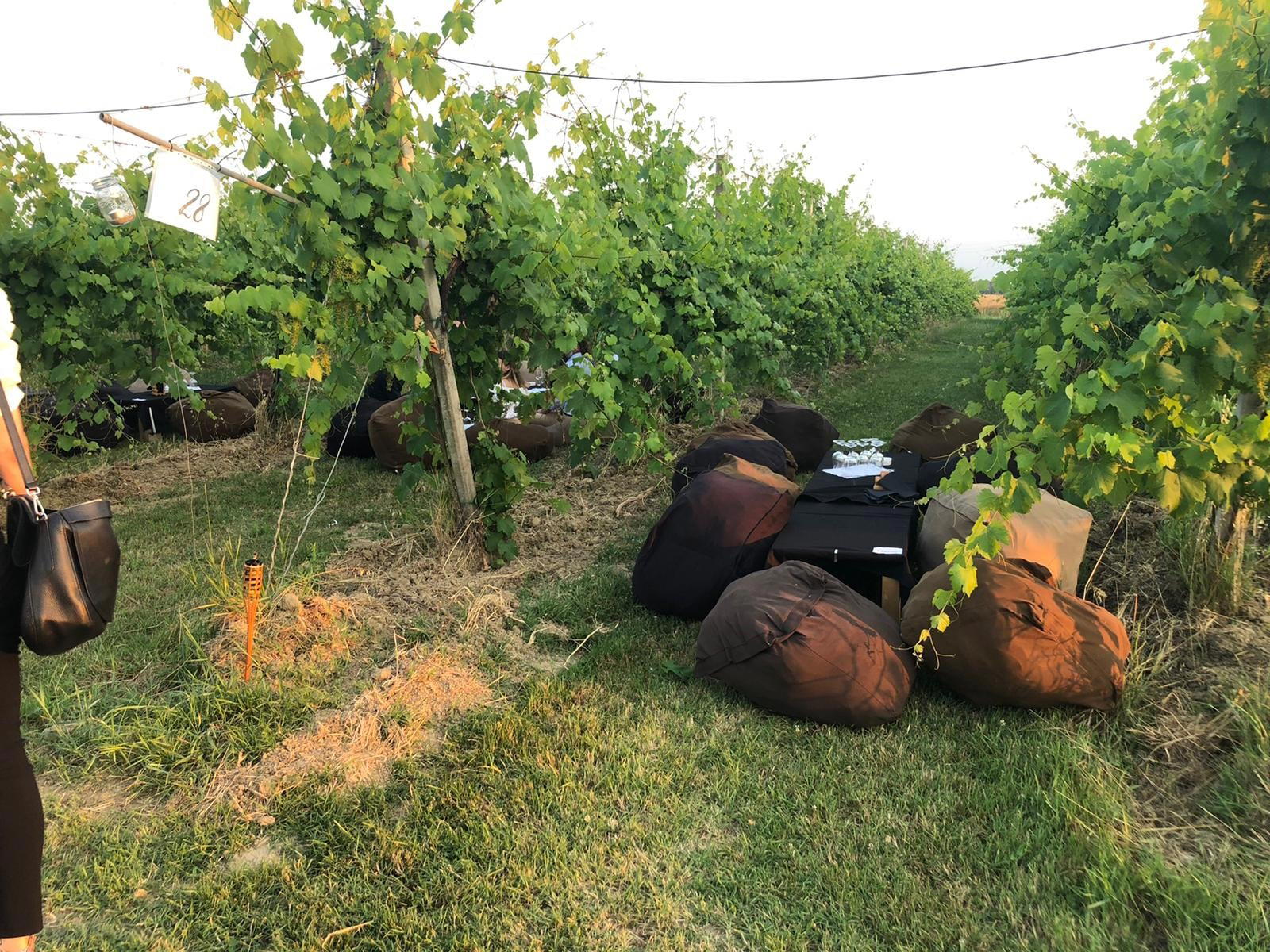

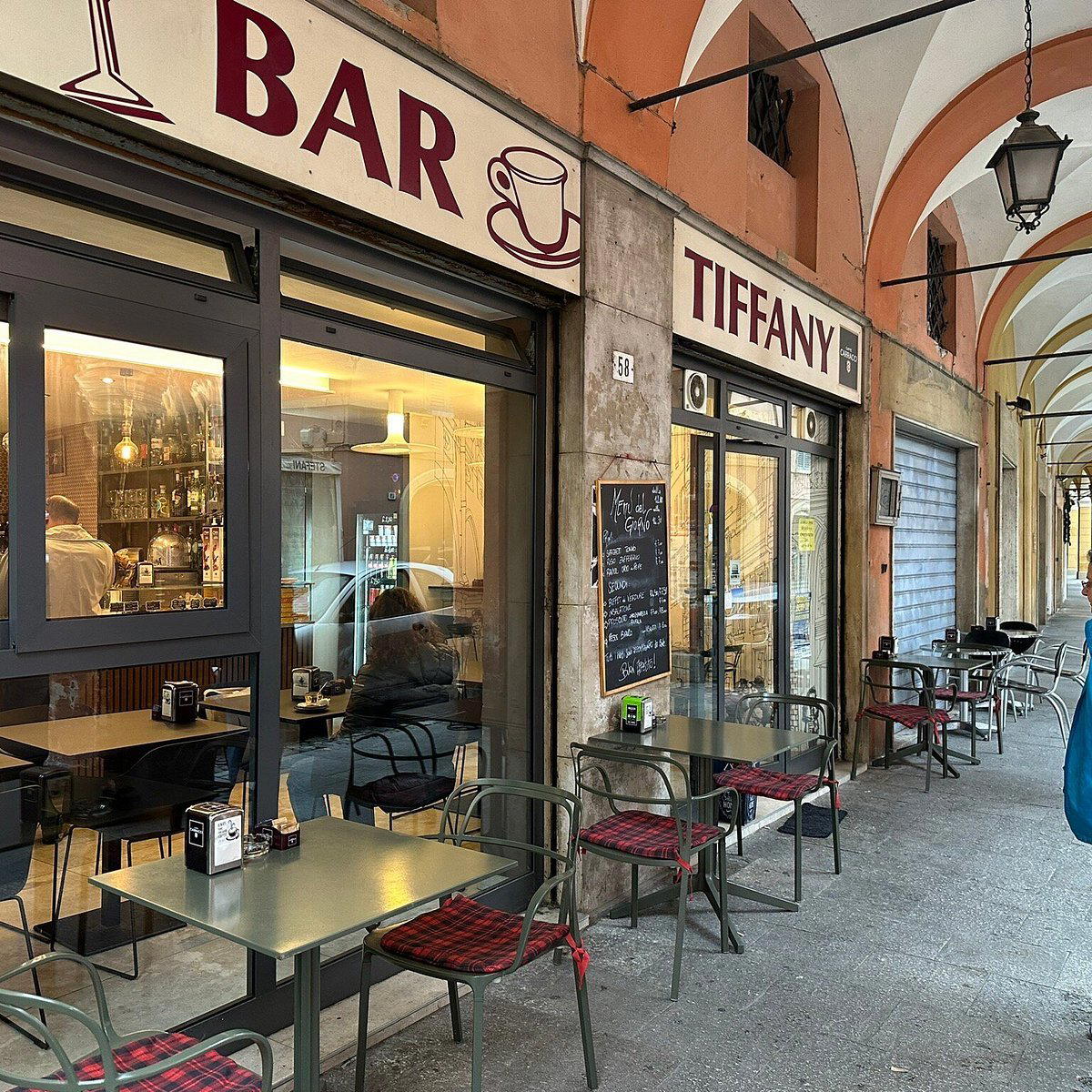
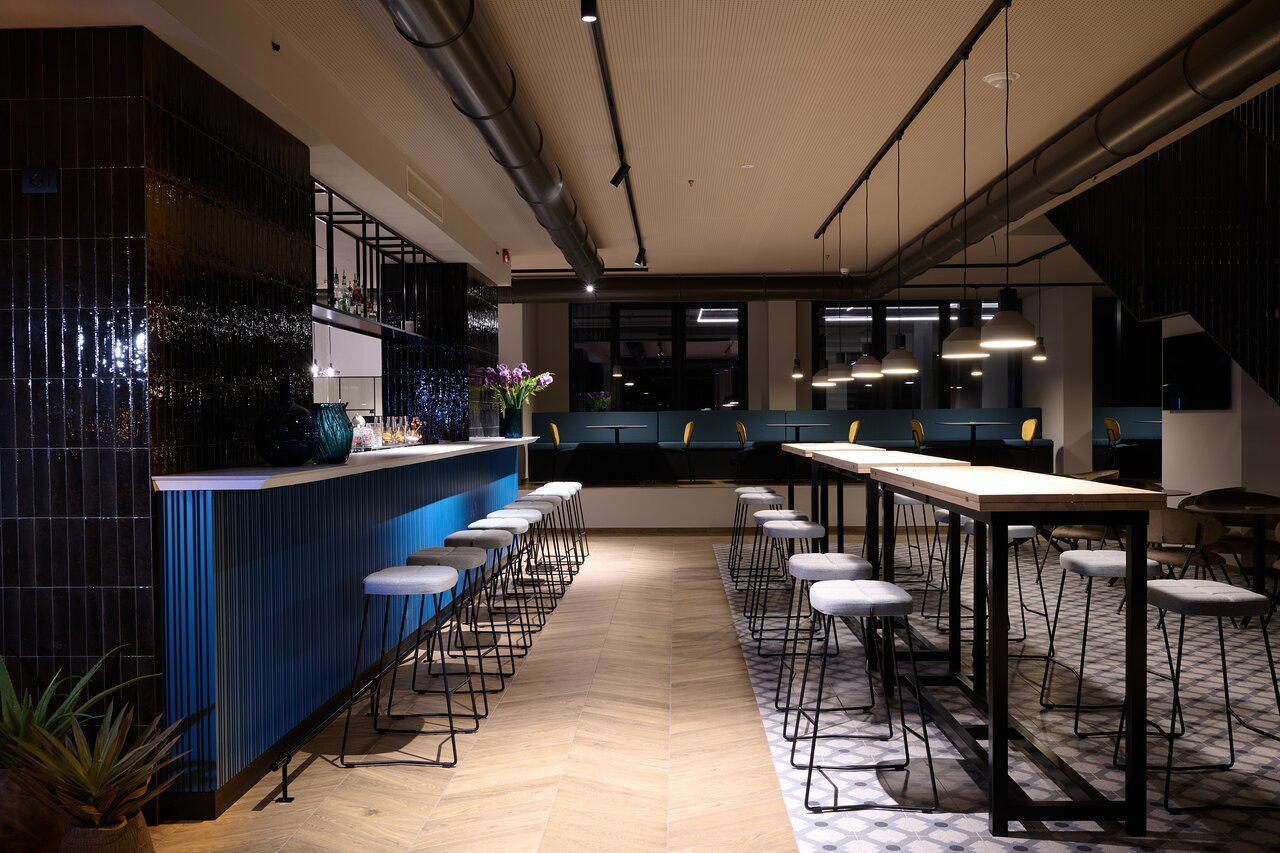
Bars in Carpi
Browse all →
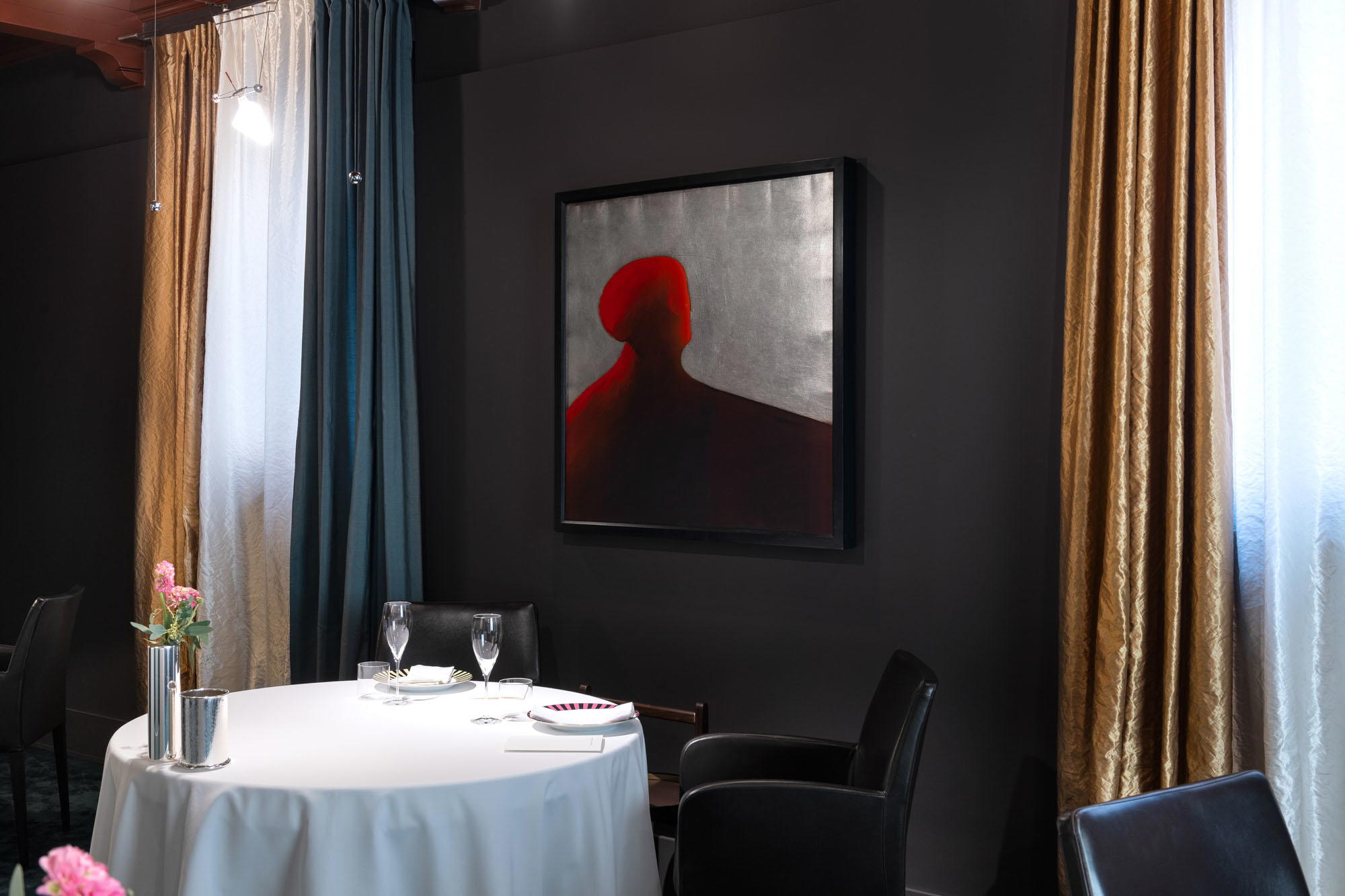
Restaurants in Carpi
Browse all →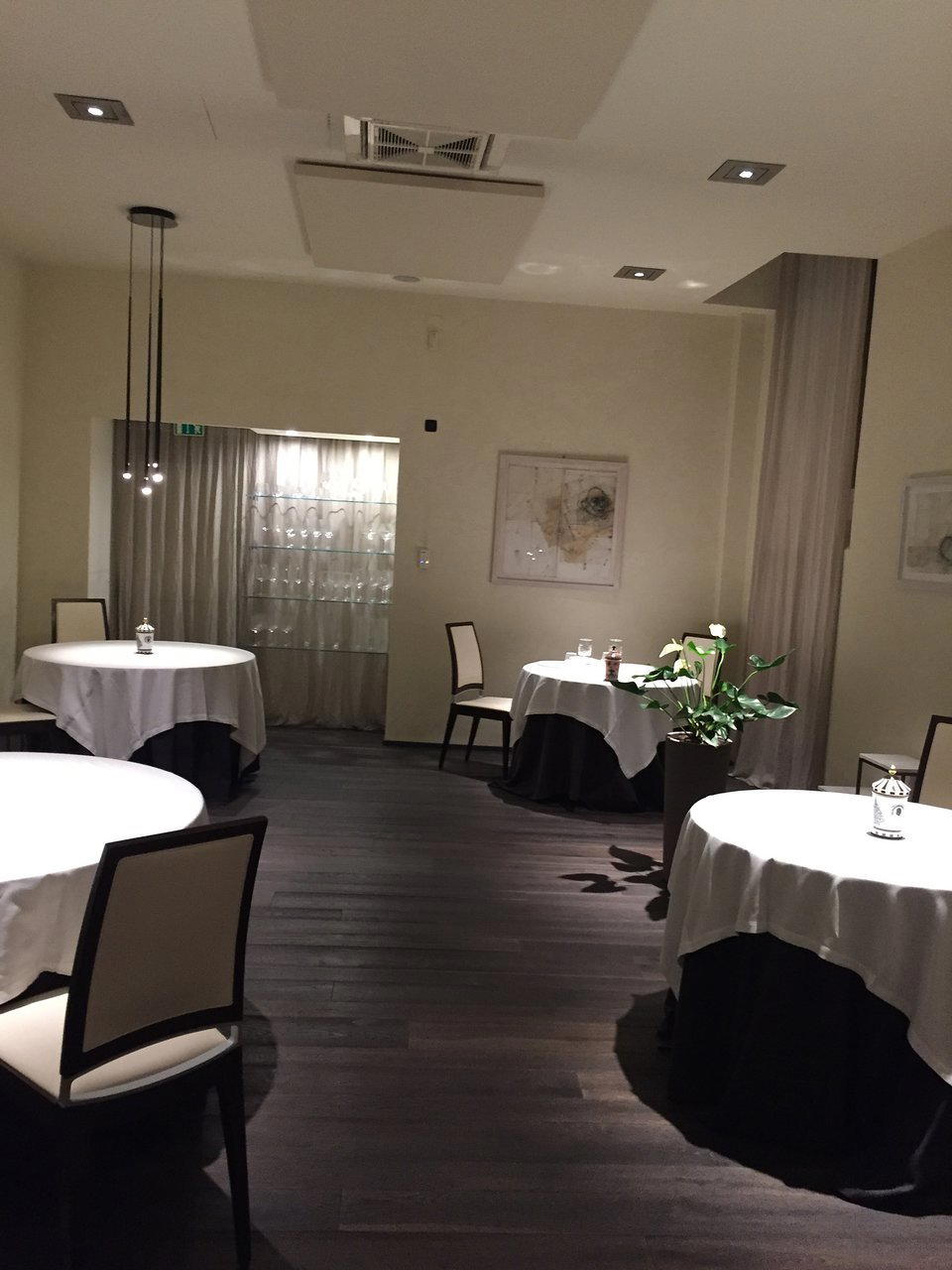
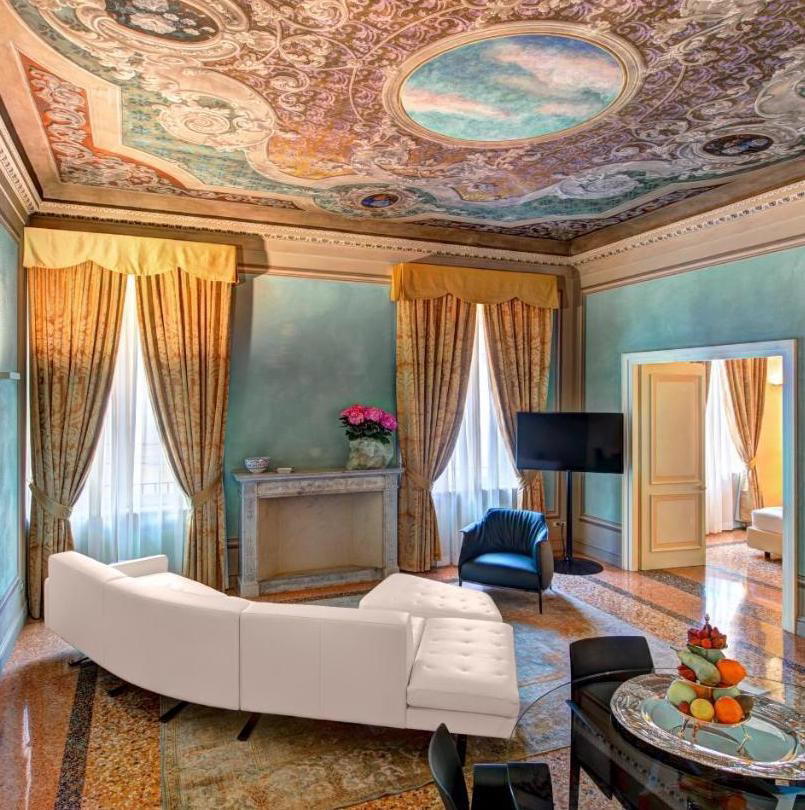
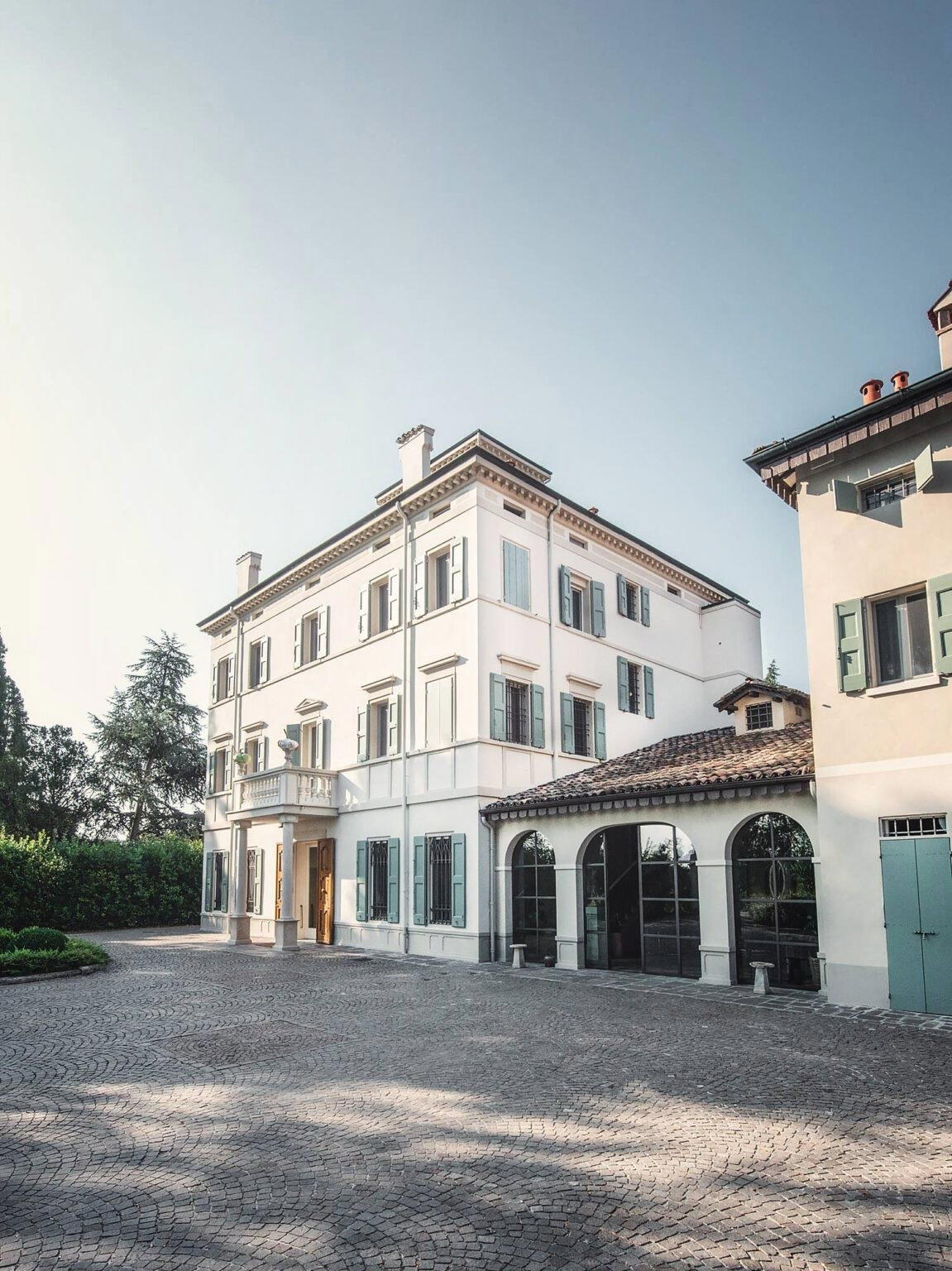
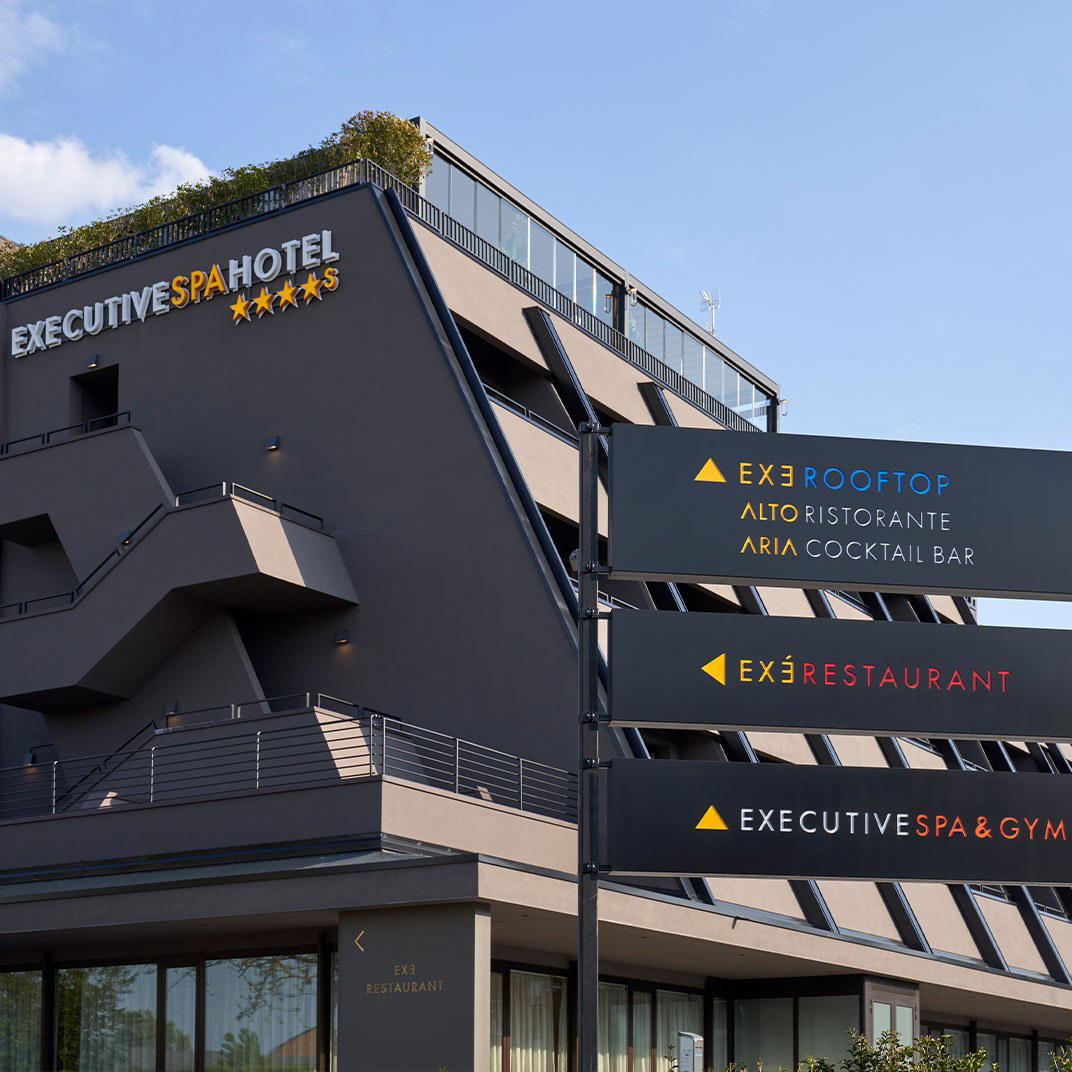
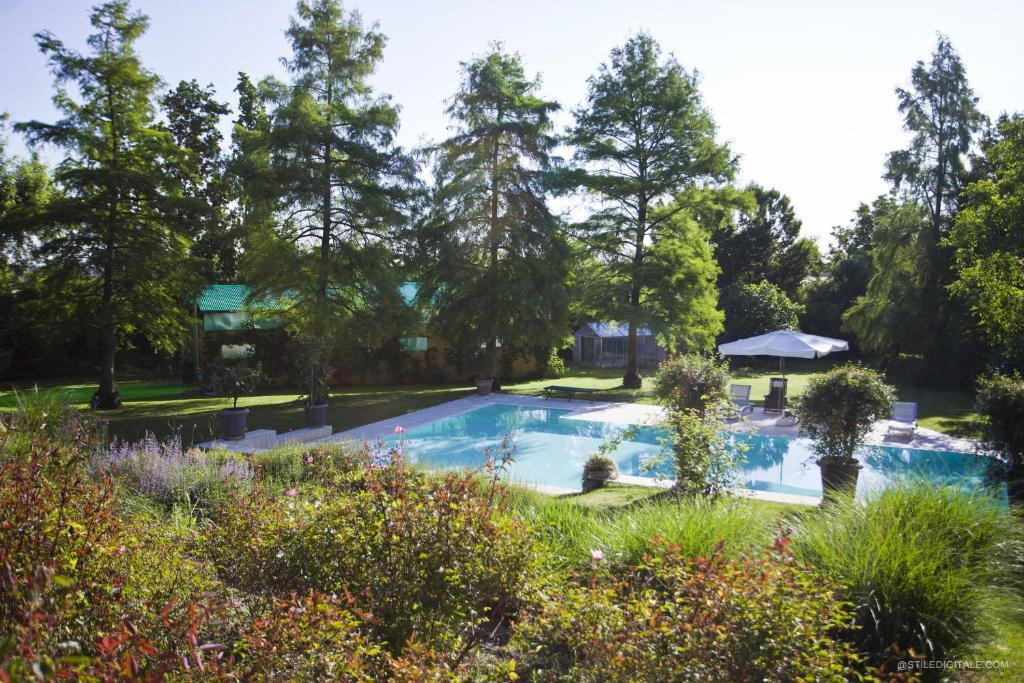
Details
- Classic
- Rustic
- Group Outing
- Wine Education
- Special Occasion
- Historic Building
- Sustainable
- Lambrusco Di Sorbara
- Lambrusco Salamino
- Sparkling
- Still Red
- Guided Tasting
- Italian
- English
A large cooperative winery with a traditional, production-focused atmosphere centered on Lambrusco heritage.