Cantina di Santa Croce

Falstaff Winery - Listed
Cantina di Santa Croce is a historic Lambrusco cooperative in S Croce Di Carpi, founded in 1907 and rooted in the clay plains of Modena. Its strongest editorial case is terroir rather than luxury: Lambrusco Salamino di Santa Croce DOC, cooperative scale, organic labels, and a landmark cellar that connects rural Emilia-Romagna to modern sparkling-wine production.

Pearl is the En Primeur Club membership app — saves, bookings, and concierge access live there. Same editors, same standards.
- Address
- S. Croce di Carpi, Emilia-Romagna, Italien
- Directions
- Get directions
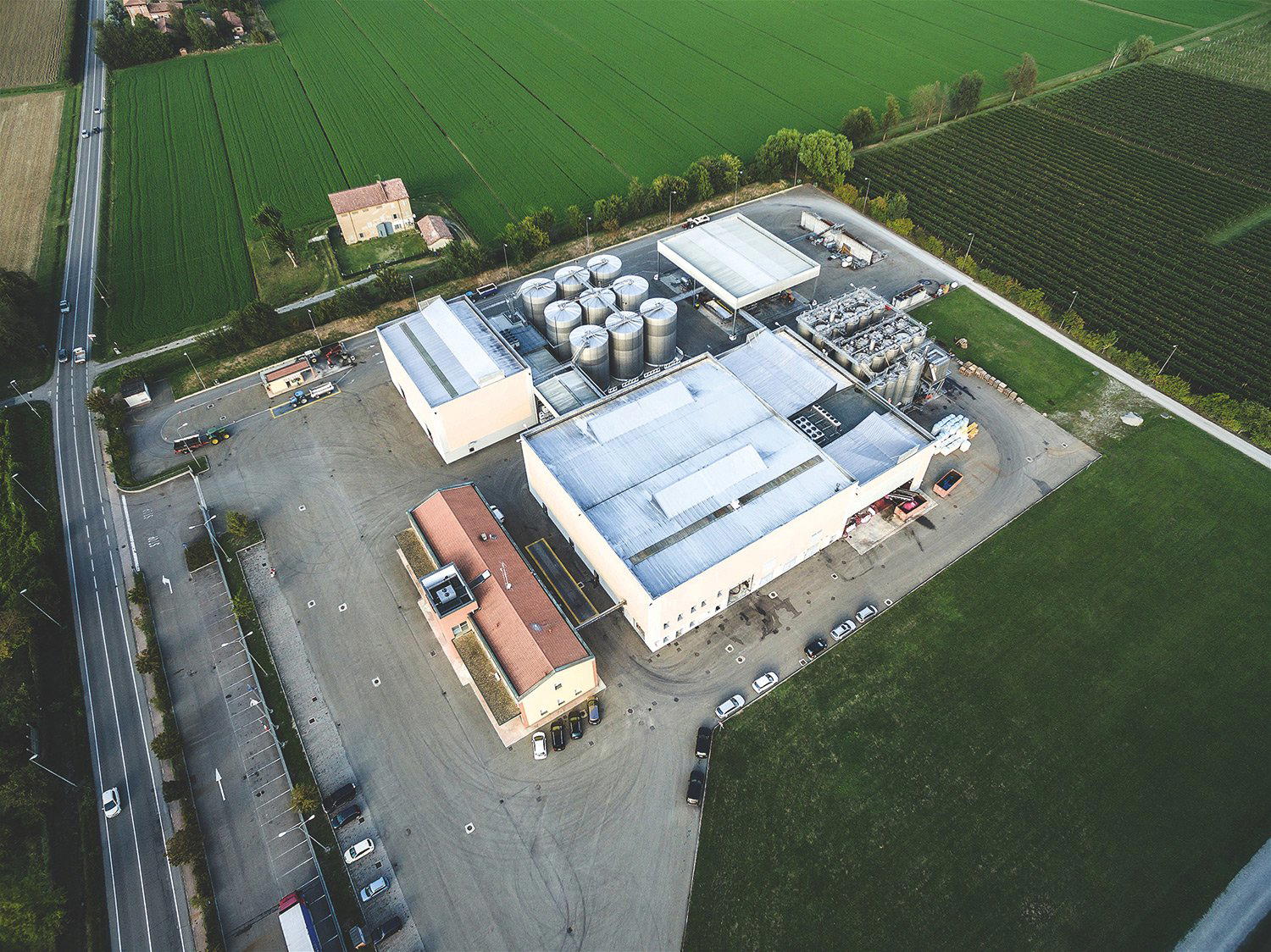
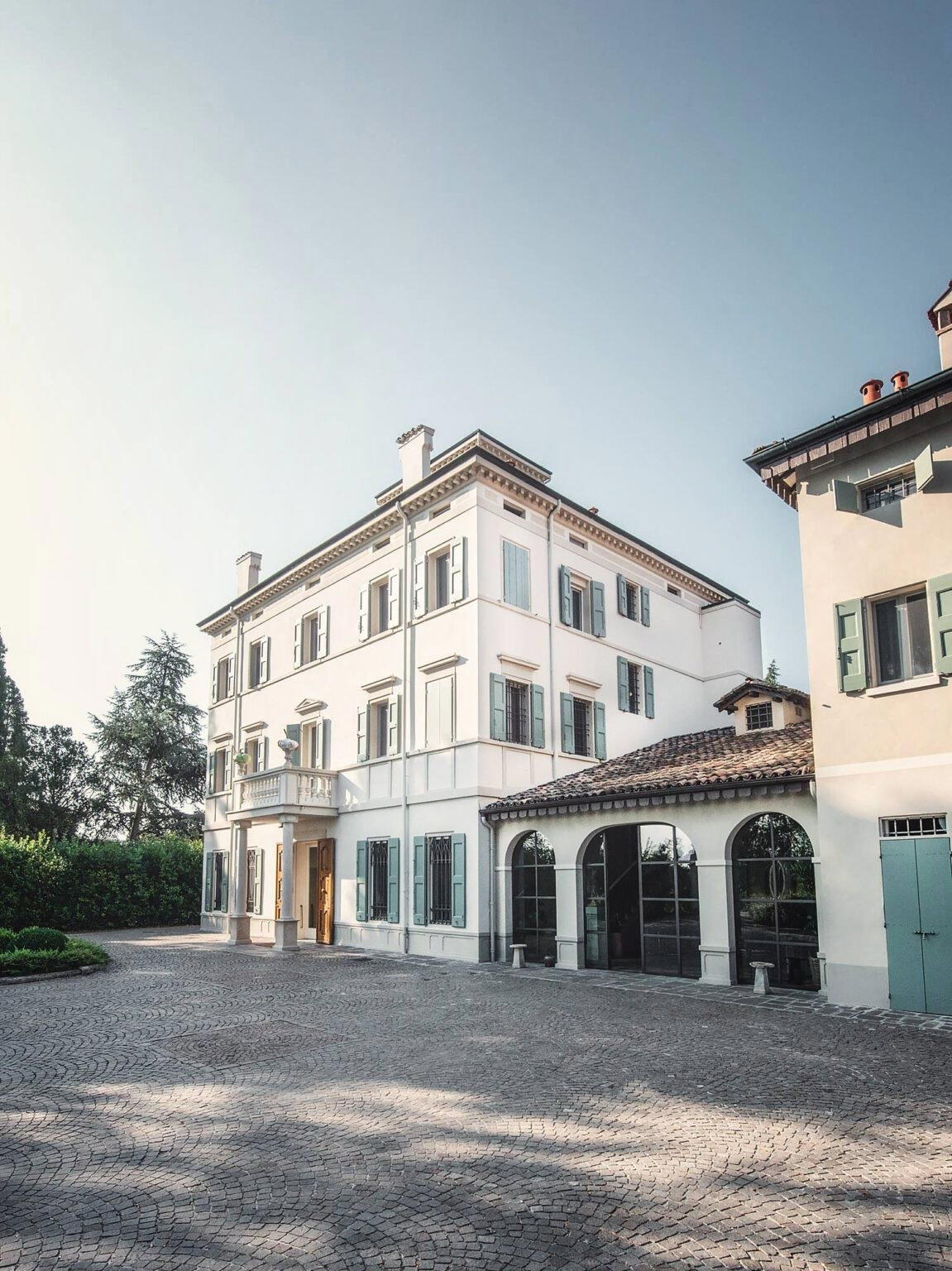
Cantina di Santa Croce in S Croce Di Carpi is best understood from the facts that are firmly documented: it is a historic cooperative winery at the entrance to the Santa Croce hamlet, anchored by the imposing, symbolic architecture of its original 1907 cellar and paired with a modern, technologically advanced production facility. The setting is part of the identity. The surrounding countryside is flat, so the arrival is not framed by dramatic slopes or a resort-style approach, but by a quieter agricultural landscape that helps explain why the place reads as a working cellar rather than a decorative hospitality address.
What can be said with confidence is more architectural and contextual: Cantina di Santa Croce combines a historically significant cooperative cellar from 1907 with a contemporary production site. The contrast between those two elements is the central reason to pay attention.
A historic cooperative winery at the entrance to the hamlet
The most grounded way to read Cantina di Santa Croce is as a site where history and production sit side by side. The original 1907 cellar gives the venue its visual and symbolic weight. It signals continuity, local memory, and the collective character of a cooperative winery. The modern production facility, by contrast, points toward present-day technical capability. Together, they make the venue less about spectacle and more about the relationship between an older rural institution and the systems needed to keep it functioning today.
It does not confirm walk-in tastings, scheduled tours, direct sales, wine education sessions, group capacity, payment methods, parking, food pairings, or any particular bottle, grape, or appellation. For planning purposes, treat Cantina di Santa Croce as a notable cooperative winery in S Croce Di Carpi whose strongest confirmed features are its 1907 cellar, its modern production facility, and its flat countryside setting.
Architecture and production, not an invented hospitality script
Many winery pages lean on language about tastings, cellar-door experiences, awards, signature labels, or dining partnerships. For Cantina di Santa Croce, the safer and more useful reading is narrower. The venue’s character rests on the imposing architecture of the original cellar and the presence of a technologically advanced production facility. That combination is enough to place it on the radar for travelers interested in how a cooperative winery presents itself physically: part historic landmark, part working production site.
The phrase “historic cooperative winery” is important here. It frames the venue differently from a private estate built around a single owner’s narrative or a luxury tasting room designed mainly for visitors. A cooperative winery usually carries a broader local function, and in this case the confirmed information emphasizes the symbolic role of the 1907 cellar. The building is not just an old shell; it is the historic anchor of the site. The modern facility adds the practical counterpart, showing that the venue is not preserved only as a memory of the past.
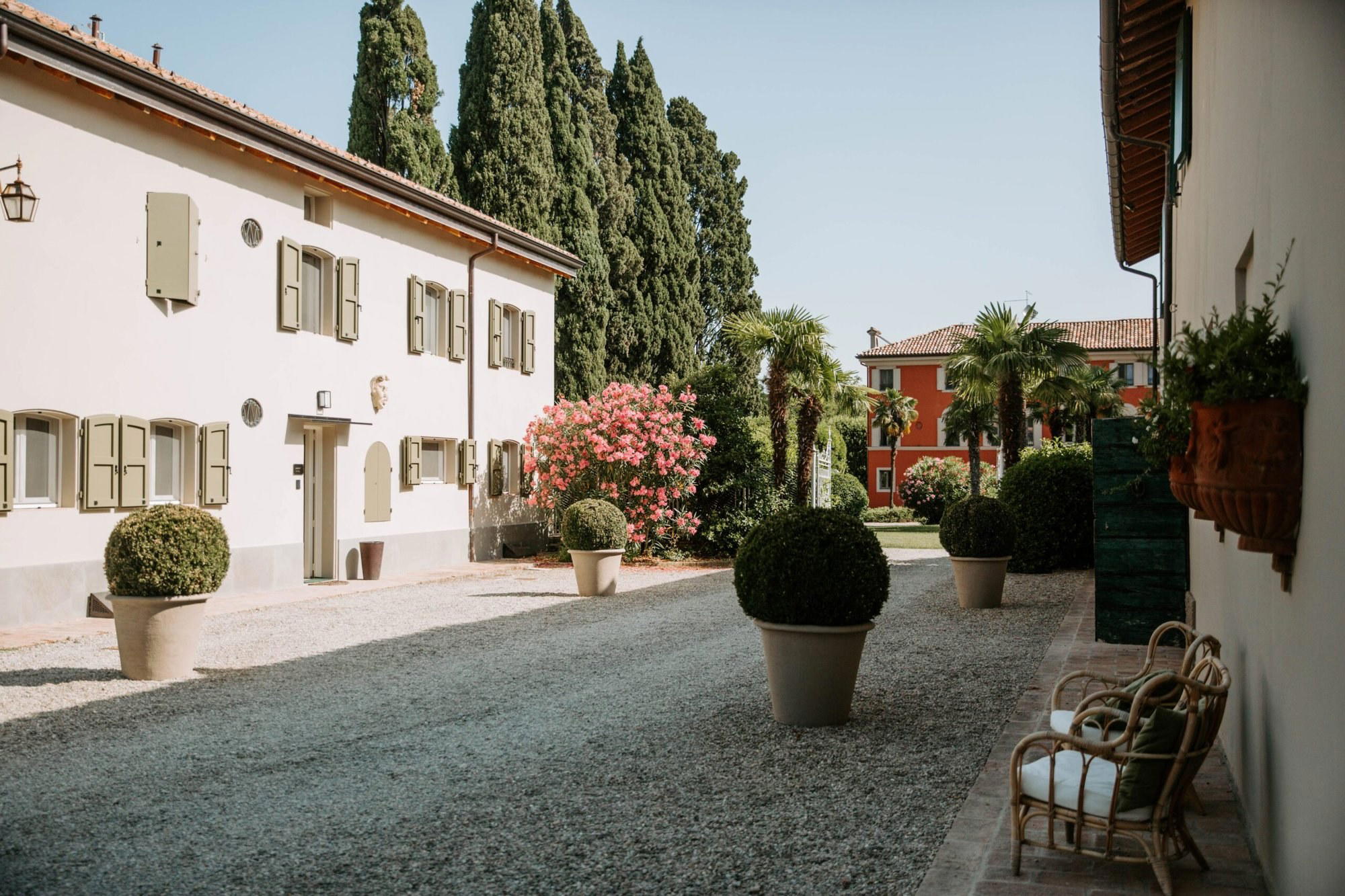
The surrounding flat countryside also shapes the experience. Without relying on claims about views, routes, or nearby landmarks, it is fair to say that the landscape gives the venue an agricultural tone. The approach to the Santa Croce hamlet is part of the context: open, level, and rural rather than urban or theatrical. For visitors who value place over polish, that may be precisely the appeal.
How to use this listing
Before making a special trip, check current operating information directly with Cantina di Santa Croce or through an up-to-date local source.
For a broader itinerary in S Croce Di Carpi, compare Cantina di Santa Croce with other local dining, lodging, drinks, and experience options generically rather than assuming they offer the same kind of visit. Cantina di Santa Croce’s confirmed identity is not that of a restaurant, bar, or hotel; it is a cooperative winery with a historic 1907 cellar and a modern production facility. That makes it most relevant for travelers interested in place, agricultural context, and the continuity between older cellar architecture and contemporary production.
Why it belongs on a S Croce Di Carpi itinerary
Cantina di Santa Croce belongs on a S Croce Di Carpi itinerary because its features are distinctive and coherent. The venue stands at the entrance to the Santa Croce hamlet, carries the architectural presence of an original 1907 cellar, and operates with a modern technologically advanced production facility. Those are concrete reasons to note it, even without unsupported claims about awards, labels, tastings, or service style.
The best expectation is therefore simple: a historic cooperative winery in a flat countryside setting, with moderate pricing and a strong architectural-production identity. Travelers looking for confirmed dining services, specific tasting arrangements, or named wine styles should verify those details separately. Travelers interested in the physical and historical character of a working cooperative winery in S Croce Di Carpi have enough grounded information to understand why Cantina di Santa Croce stands out.
Recognition history
Dated appearances from independent guides and award organizations, with the underlying list record or original source where available.
Falstaff Winery - Listed
Falstaff
Continue exploring
More in S Croce Di Carpi
Wineries in S Croce Di Carpi
Browse all →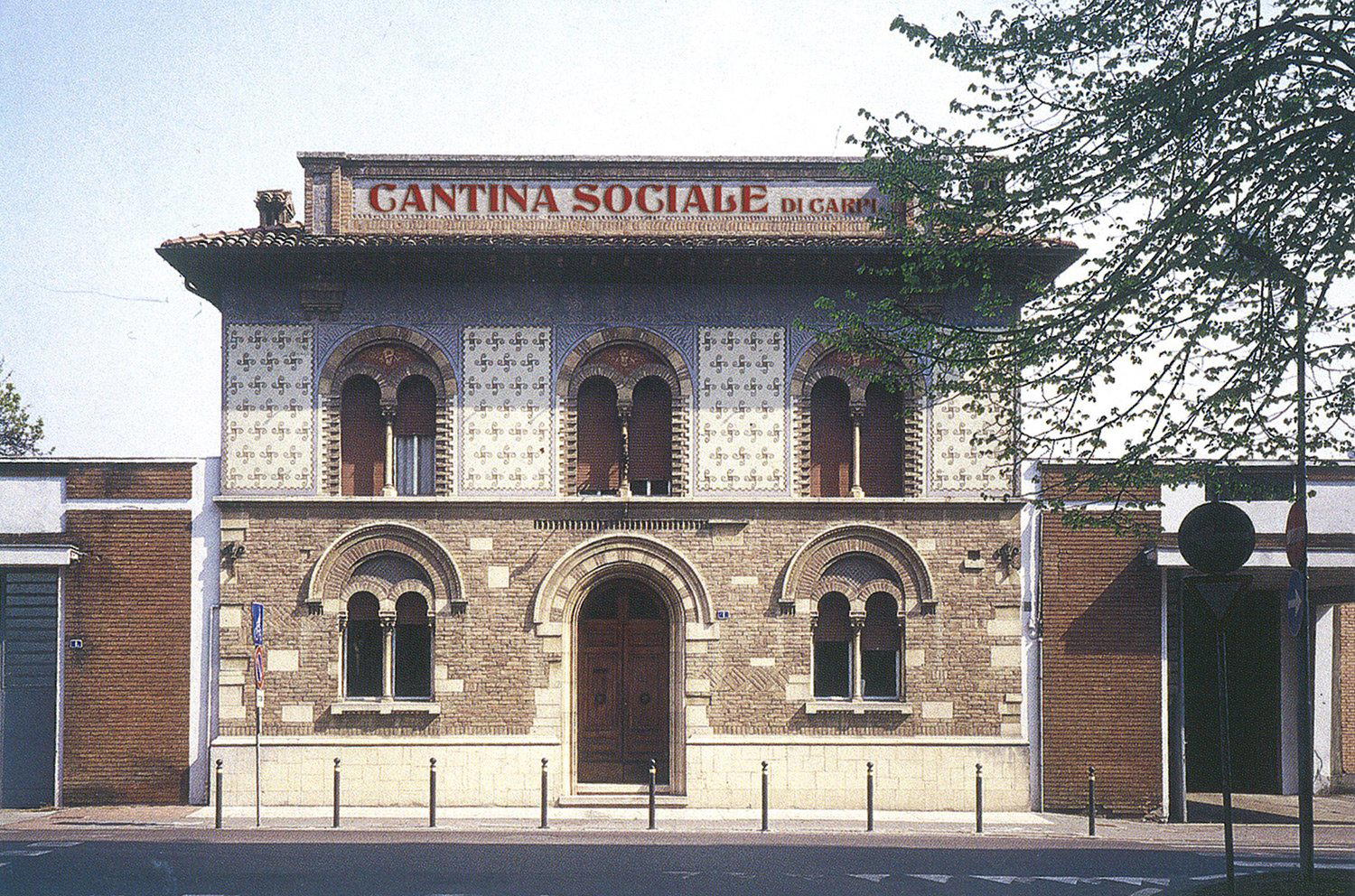

Bars in S Croce Di Carpi
Browse all →
Restaurants in S Croce Di Carpi
Browse all →

Details
- Classic
- Rustic
- Well Known
- Scenic
- Group Outing
- Wine Education
- Solo Exploration
- Family
- Historic Building
- Estate Grounds
- Organic
- Vineyard
- Lambrusco Salamino
- Lambrusco Di Sorbara
- Lambrusco Grasparossa
- Ancellotta
- Pignoletto (grechetto Gentile)
- Sparkling
- Still Red
- Still Rosé
- Still White
- Dessert
- Bar Tasting
- Shop Tasting
- Italian
- English
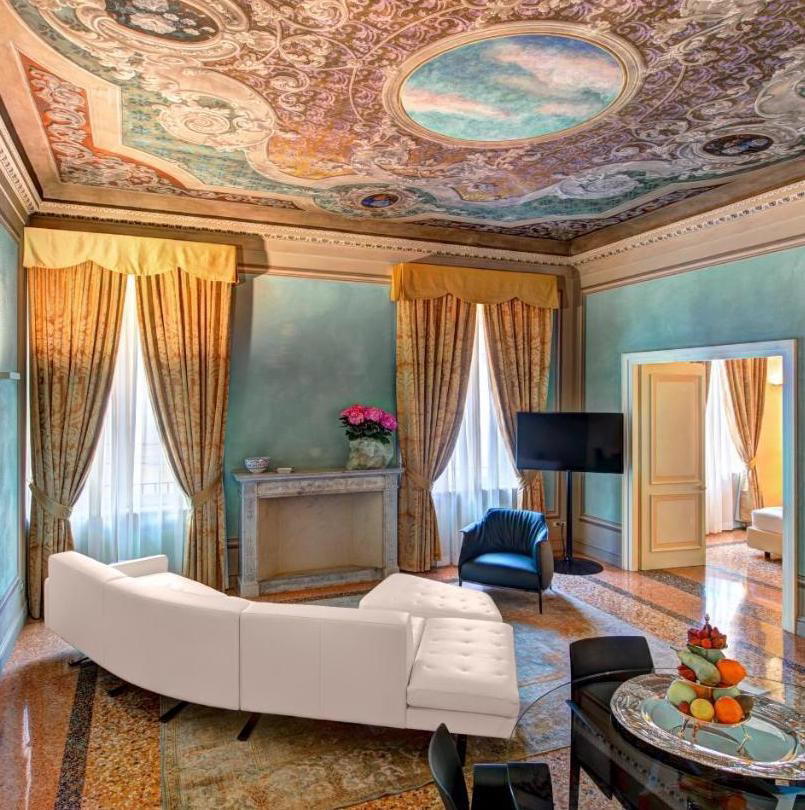
Historic cooperative winery at the entrance to the Santa Croce hamlet, combining the imposing, symbolic architecture of the original 1907 cellar with a modern, technologically advanced production facility; the surrounding flat countryside, oaks and poplars of old villas, and farmhouses create a calm, rural atmosphere rooted in Lambrusco tradition.