
Falstaff Winery - Listed
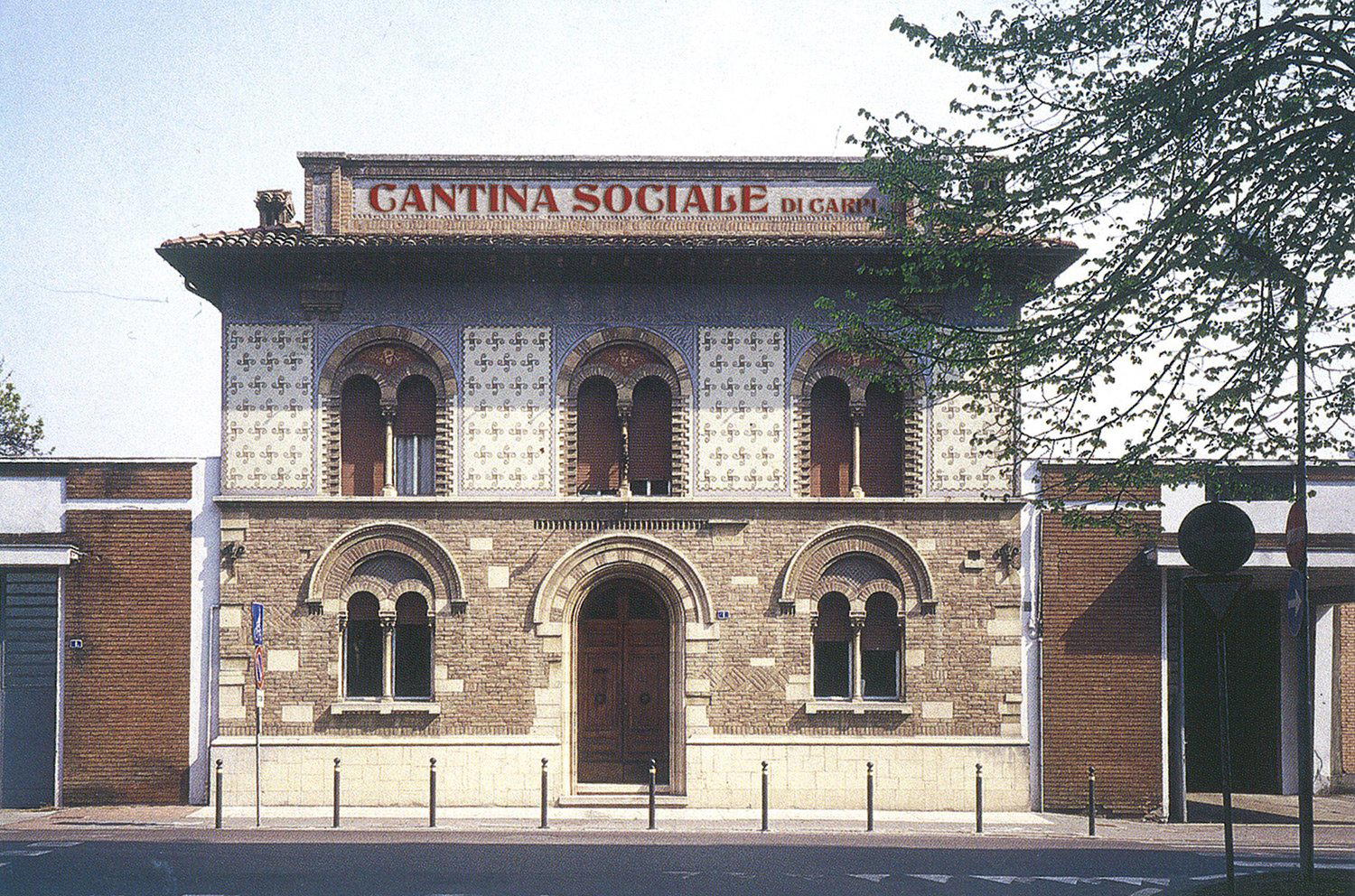
Cantina di Carpi e Sorbara is a large Lambrusco cooperative in Bomporto, built around the Modena plain’s native sparkling reds rather than a boutique estate script. Its scale, 1,200 grower members and roughly 450,000 hectoliters of annual capacity, makes it a serious stop for travelers interested in Emilia-Romagna’s cooperative wine culture and the practical mechanics behind Lambrusco di Modena DOP.

Pearl is the En Primeur Club membership app — saves, bookings, and concierge access live there. Same editors, same standards.
- Address
- Bomporto, Emilia-Romagna, Italien
- Directions
- Get directions
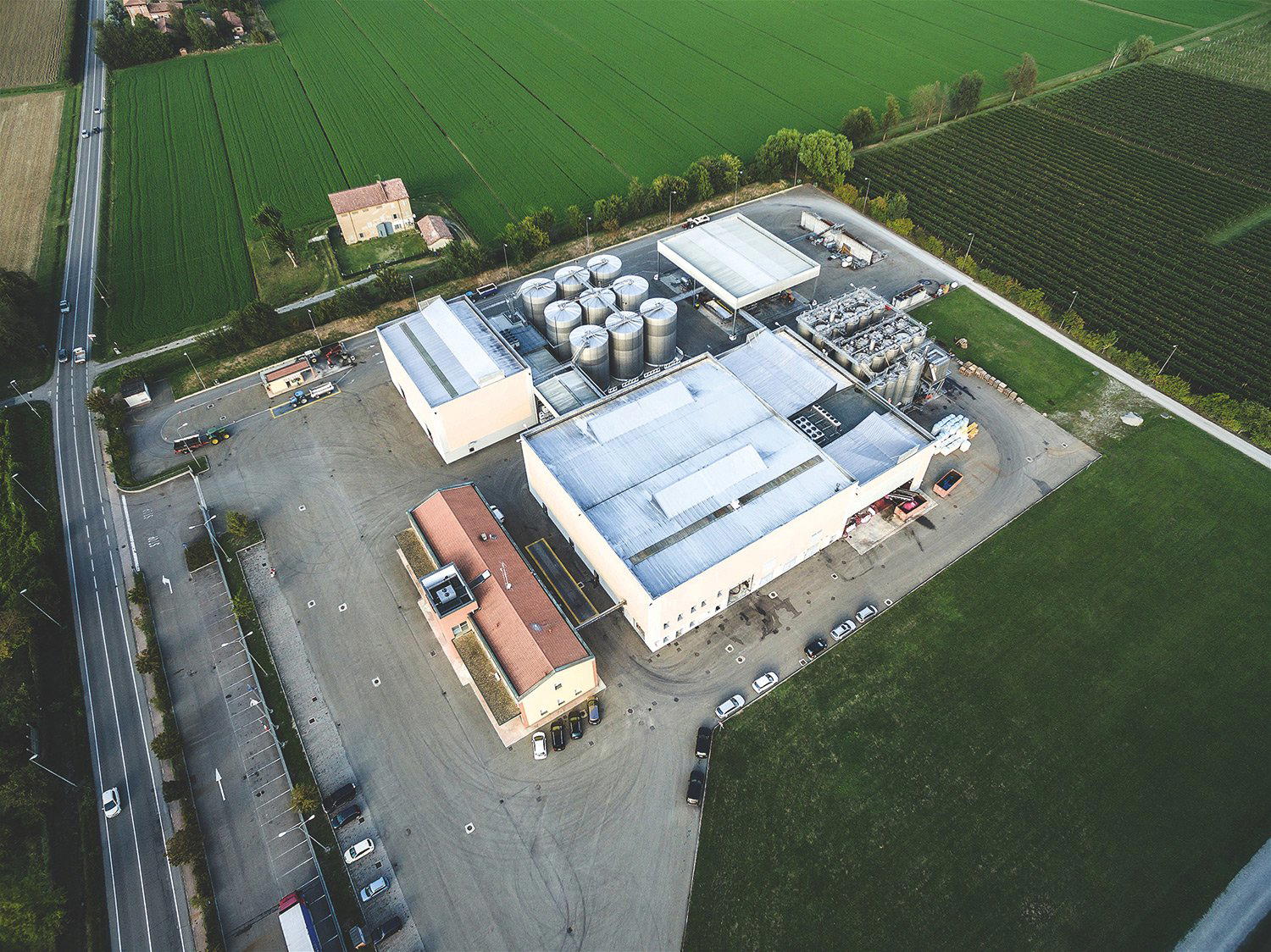
Cantina di Carpi e Sorbara in Bomporto is best understood as a large cooperative winery focused on Lambrusco rather than as a boutique estate built around polished hospitality theater. Its atmosphere is functional, industrial, classic, and production-oriented. That is not a drawback; it is the core of the place. The appeal lies in seeing Lambrusco presented through the language of cooperative wine culture, regional tradition, and the practical genuineness associated with Emilia-Romagna wines.
Travelers looking for a romantic cellar, manicured tasting salon, or highly styled estate experience should set expectations carefully. The character of Cantina di Carpi e Sorbara points in another direction: scale, utility, and a working-winery feel. The venue’s identity is tied to Lambrusco and to a cooperative model, so the mood is closer to production and local wine continuity than to luxury staging. For visitors who want to understand why Lambrusco remains such a defining wine of this part of Emilia-Romagna, that production-first atmosphere is part of the value.
Lambrusco as a cooperative language of the Modena plain
Lambrusco is the central reference point at Cantina di Carpi e Sorbara. That makes it especially relevant for travelers who want to approach the wine as a regional staple rather than as an isolated bottle on a restaurant list. The experience is grounded in tradition and genuineness, with the cooperative setting giving the venue a collective, practical identity.
The word “cooperative” matters here because it shapes the way the venue should be read. Cantina di Carpi e Sorbara is not presented as a small boutique estate, and the atmosphere should not be mistaken for one. Its functional production character is part of its editorial importance: it reflects a way of making and presenting wine that is tied to local continuity, regional agriculture, and the everyday cultural role of Lambrusco in Emilia-Romagna.
Because the information is deliberately narrow, it is important not to overstate specifics. The confirmed picture is a large cooperative winery in Bomporto, focused on Lambrusco, with an industrial and classic production-oriented feel. Details such as exact founding history, named cuvées, awards, winemaking personnel, visit procedures, or production numbers should be checked directly with the venue before being treated as part of a trip plan.
What the production setting teaches better than a polished tasting room
Premium wine travel often leans toward intimacy: small cellars, limited releases, private stories, and estate aesthetics. Cantina di Carpi e Sorbara offers a different kind of usefulness. Its value is not built on boutique scarcity but on the visibility of a large cooperative model. For a traveler, that can be a meaningful contrast. It frames Lambrusco as a living regional wine category supported by production infrastructure rather than merely as a nostalgic or decorative symbol.
The setting is functional and production-led, which helps explain why the venue feels more industrial and classic than curated or design-forward. That tone suits the subject. Lambrusco has a deep association with Emilia-Romagna’s food and wine culture, and a cooperative winery focused on it can communicate the wine’s practical role more directly than a highly staged tasting environment might. The emphasis is on tradition, regional identity, and direct genuineness.
Visitors should also be careful with assumptions. Anyone planning a visit should confirm those practical points directly before arriving. What can be said with confidence is that Cantina di Carpi e Sorbara is a large Lambrusco-focused cooperative in Bomporto with a working, production-oriented character.
How to place it within a Bomporto wine day
Within a Bomporto itinerary, Cantina di Carpi e Sorbara fits best as a stop for travelers interested in Lambrusco, cooperative wine culture, and the less romanticized side of regional production. It is a cooperative winery with a functional atmosphere, and that should guide how visitors frame the experience.
The most honest way to plan around the venue is to treat it as a production-centered Lambrusco reference point. Build the rest of the day around Bomporto generically, using other local dining or travel options as needed, but avoid assuming that Cantina di Carpi e Sorbara itself provides services that have not been confirmed.
For EP Club readers, the appeal is therefore concise but real: Cantina di Carpi e Sorbara represents an iconic, classic, industrial expression of Emilia-Romagna wine culture in Bomporto. It is a place to understand Lambrusco through cooperative scale and production atmosphere rather than through boutique estate romance. That distinction is exactly what makes the venue useful in a premium guide: it clarifies not only where to go, but what kind of wine experience to expect.
Recognition history
Dated appearances from independent guides and award organizations, with the underlying list record or original source where available.
Falstaff Winery - Listed
Falstaff
Continue exploring
More in Bomporto
Wineries in Bomporto
Browse all →

Bars in Bomporto
Browse all →
Restaurants in Bomporto
Browse all →
Details
- Industrial
- Classic
- Well Known
- Group Outing
- Wine Education
- Solo Exploration
- Lambrusco Di Sorbara
- Lambrusco Salamino Di Santa Croce
- Sparkling
Large cooperative winery focused on Lambrusco, with a functional production-oriented atmosphere rather than a boutique estate feel, emphasizing tradition and genuineness of Emilia-Romagna wines.