
Falstaff Winery - Listed
Cantina Canaio is a small family-run Cortona DOC winery focused on Syrah and Merlot, with tastings shaped around vineyard context rather than cellar spectacle. The appeal is the way Cortona’s hills, altitude, and international varieties meet in a compact farmhouse setting where wine, olive oil, and Tuscan food sit in the same agricultural frame.

Pearl is the En Primeur Club membership app — saves, bookings, and concierge access live there. Same editors, same standards.
- Address
- Farneta IT, 52044 Località La Rota AR, Italy
- Phone
- +39 339 456 5239
- Hours
- Mon–Fri 8 AM–5:30 PMSat 8 AM–12 PMSun Closed
- Website
- cantinacanaio.it
- Directions
- Get directions
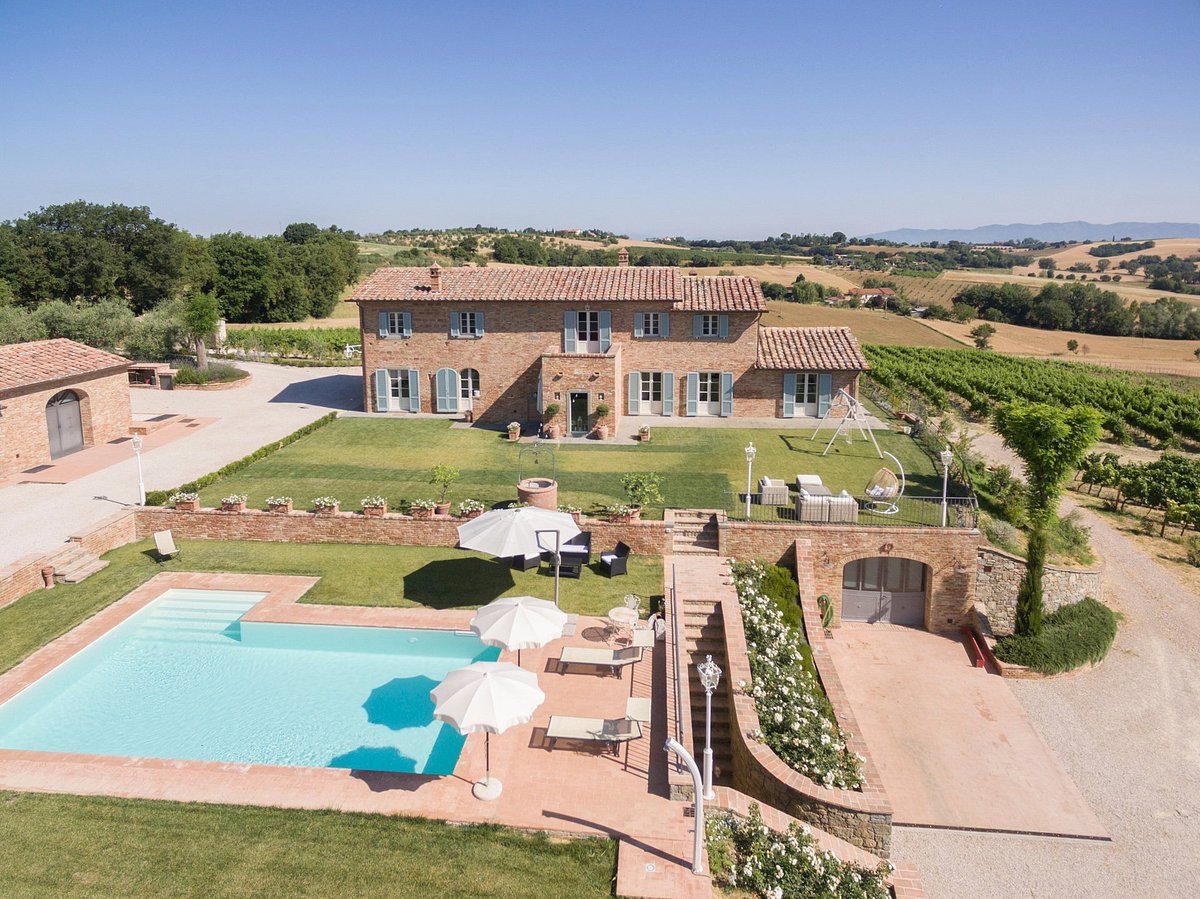
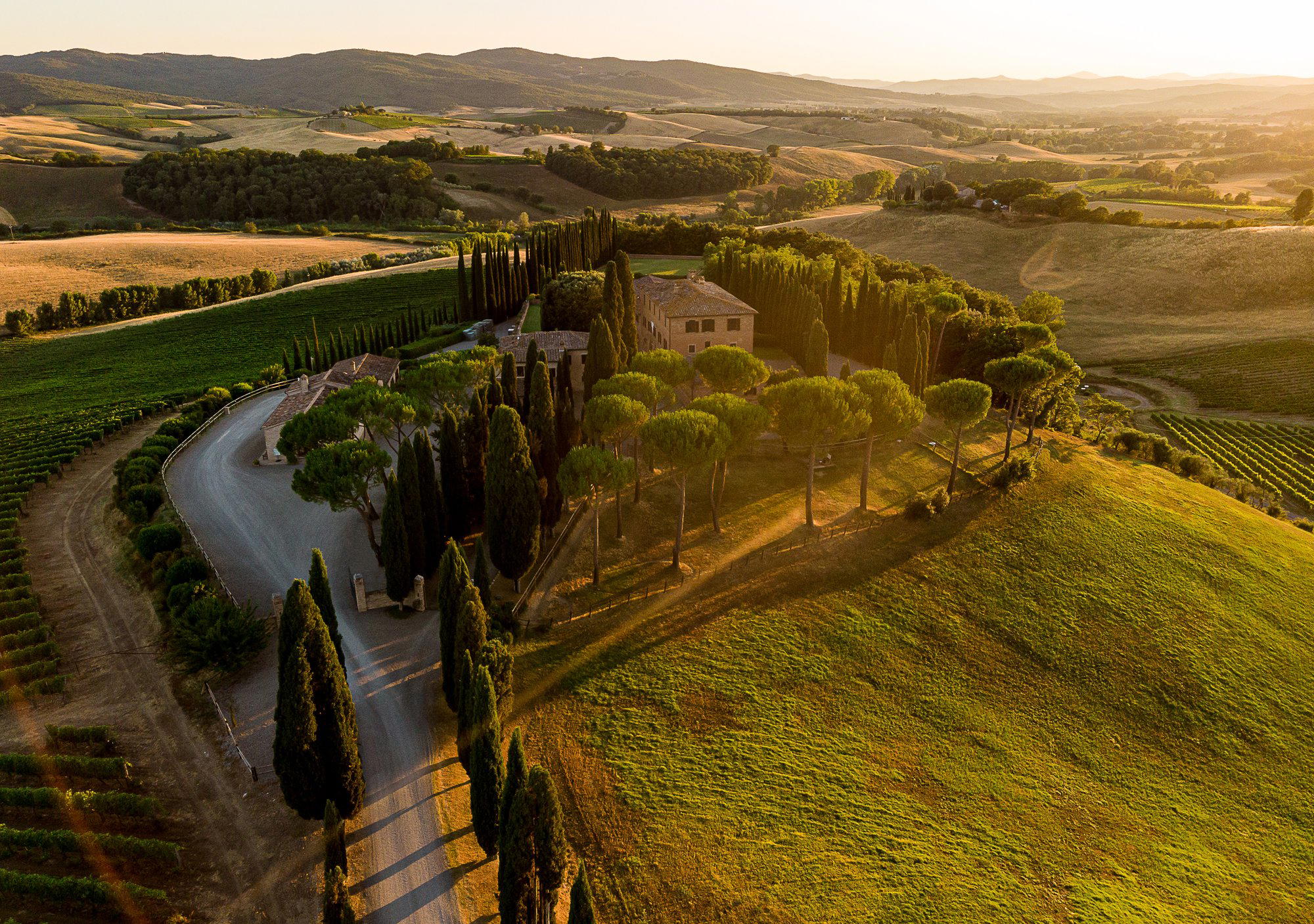
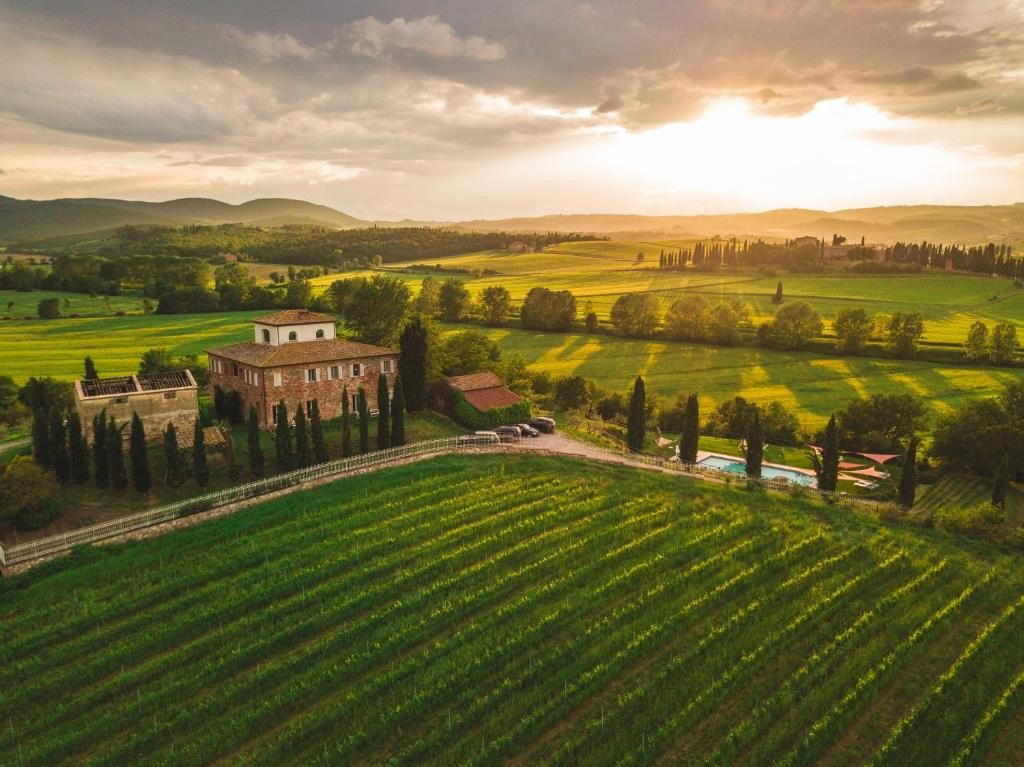
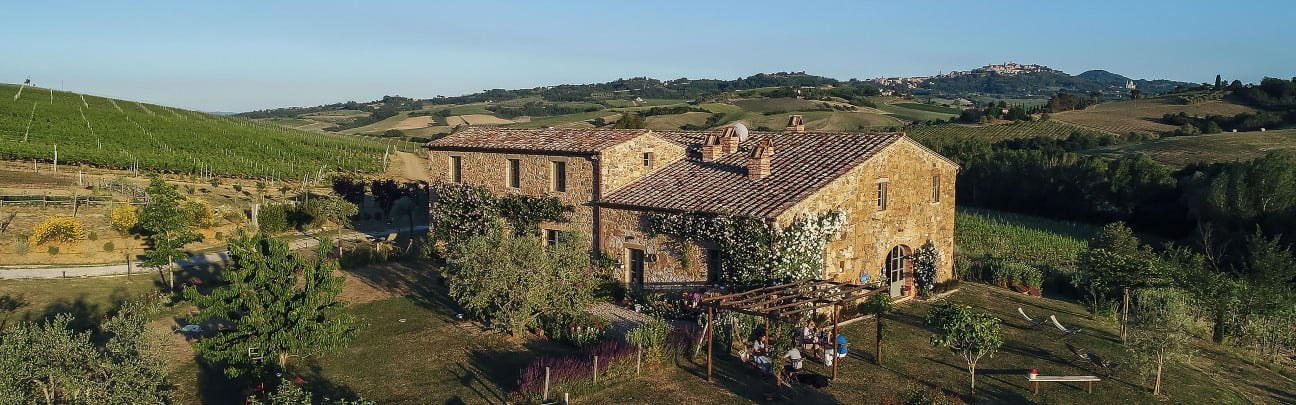
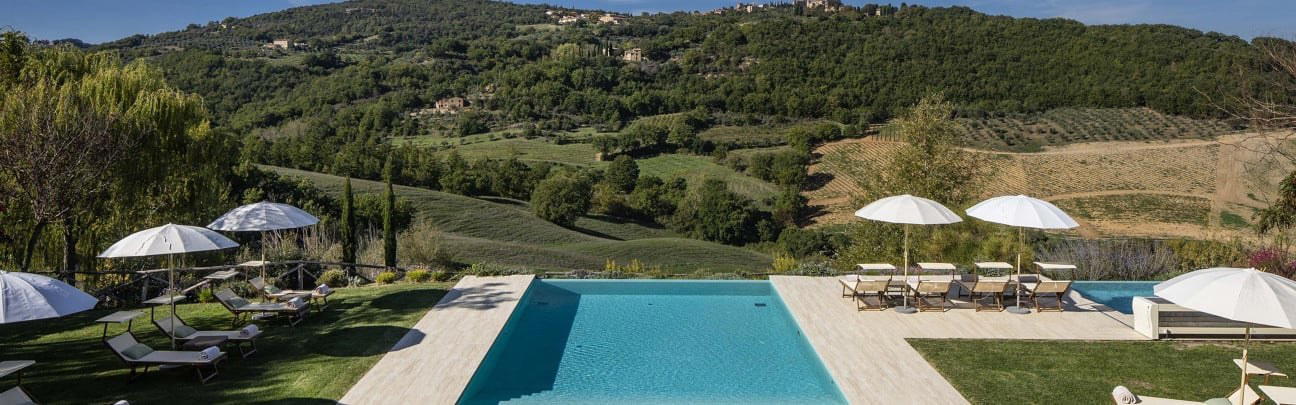
Approaching Cantina Canaio, the first impression is not scale but compression: vineyards, farmhouse, cellar, and tasting table held close together in the Cortona hills. This is the quieter side of Tuscan wine tourism, away from the grand-estate grammar of cypress avenues and architectural tasting rooms. The format suits Cortona, a territory whose modern wine identity has been built less on Sangiovese orthodoxy than on the confidence of Syrah and Merlot in warm, hilly terrain.
The estate works inside the Cortona DOC frame, where international red varieties have become a serious local language rather than a novelty. Syrah carries particular weight here, and Cantina Canaio’s focus on Syrah and Merlot gives the visit a useful clarity. Instead of a long portfolio designed to cover every Tuscan expectation, the tasting reads as a study in how two grapes respond to a specific pocket of Tuscany: hills, sun, altitude, and the cooling effect of a farm set at 320 meters above sea level.
Cortona's Syrah argument, seen at farmhouse scale
Cortona has never needed to imitate Chianti to justify itself. Its stronger argument lies in the way Syrah has settled into the area’s soils and slopes, producing a regional identity that feels both Tuscan and distinctly outside the Sangiovese script. Cantina Canaio sits squarely in that conversation, with a small production model and a narrow varietal focus that make the local conditions easier to read.
The estate covers 4.5 hectares under vine, a scale that changes the visitor’s sense of wine production. In larger Tuscan appellations, hospitality can become theatre: barrel halls, polished retail spaces, choreographed flights. Here, the vineyard and cellar remain close to the domestic life of the farm. That proximity matters because the wines are not presented as luxury objects detached from agriculture. They belong to a working hillside where Syrah is the main lens and Merlot plays a supporting but serious role.
The family’s shift from grape growing into bottling under its own label began after decades of farming and took shape with the winery’s formal establishment in 2014. That timing places the project among Tuscany’s newer estate-bottling stories, but the physical setting carries older weight: the farmhouse dates to the 1600s. The more interesting point is not romance, but continuity. A farm that once supplied fruit now uses its own label to argue for the value of place, variety, and control from vineyard to bottle.
The tasting format favors context over spectacle
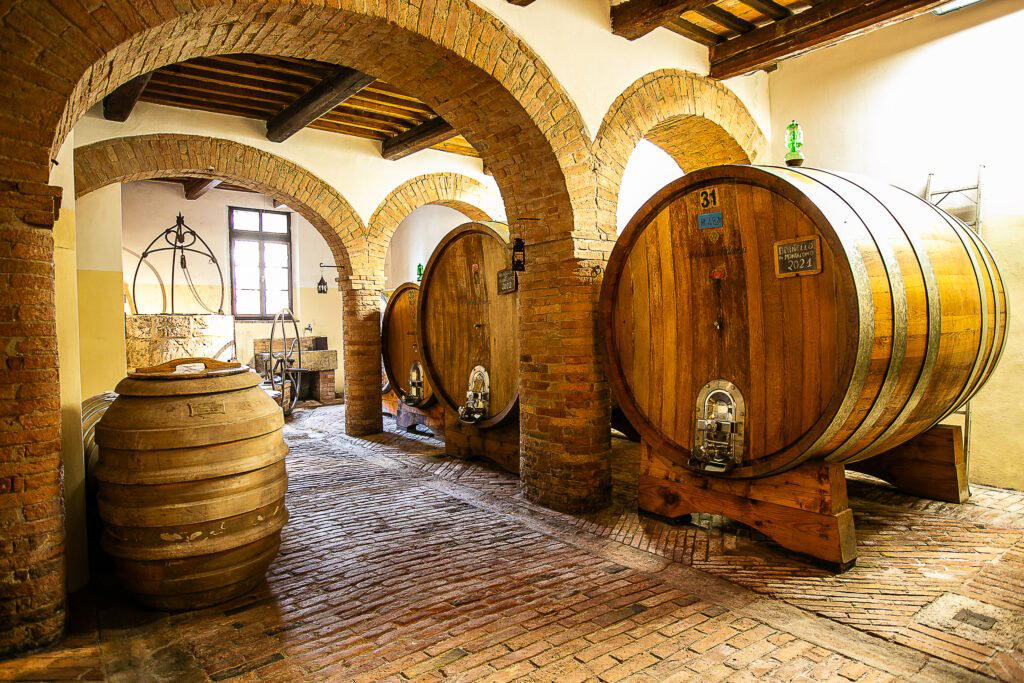
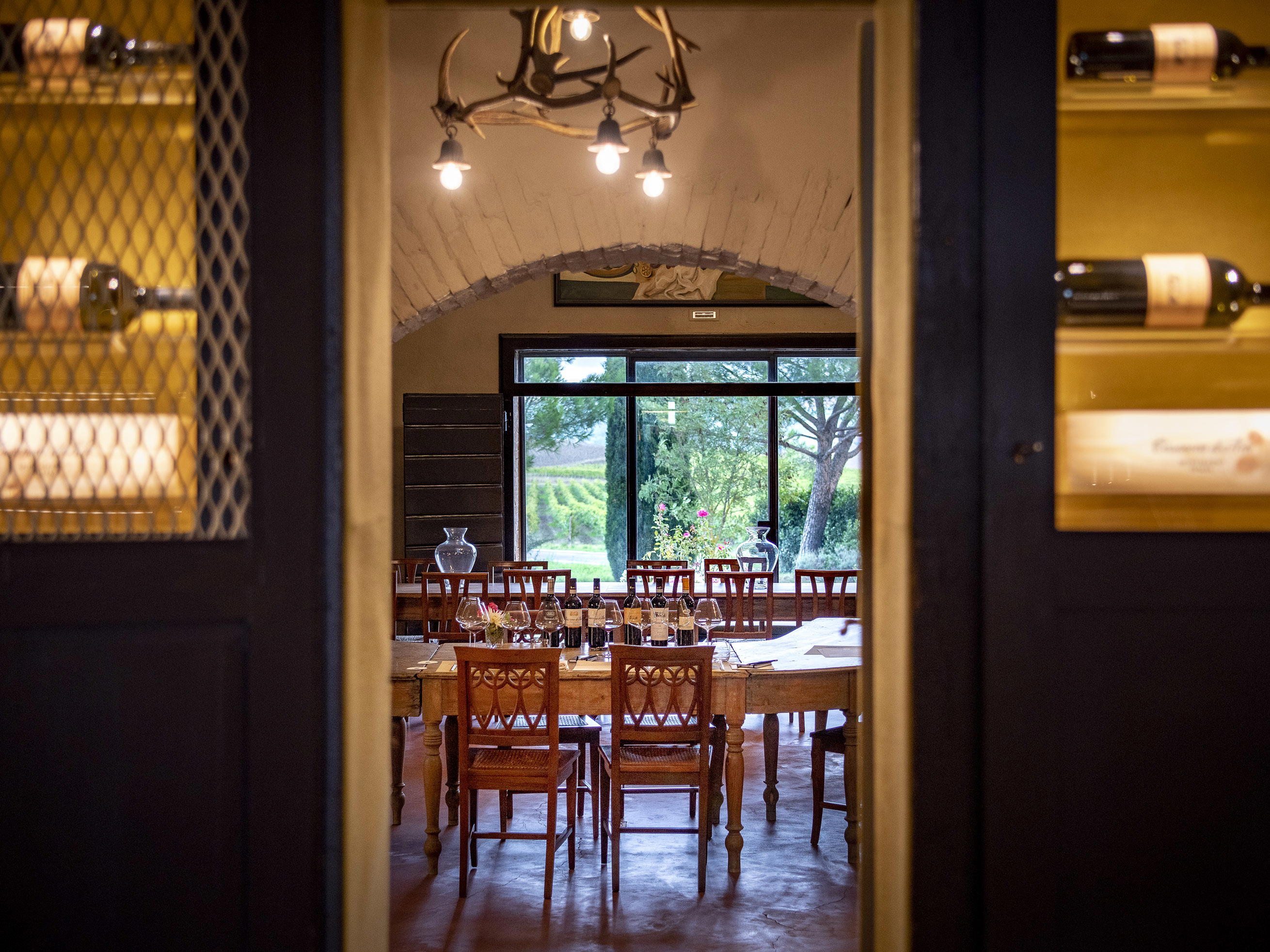
Hospitality model is built around guided tasting, vineyard context, food pairing, and cellar access rather than a quick counter pour. That distinction matters in Cortona, where visitors often arrive with broad Tuscan expectations and leave understanding why this appellation cannot be reduced to the usual regional shorthand. A walk through the vines gives the Syrah-and-Merlot focus practical meaning: slope, exposure, altitude, and farm scale become part of the tasting rather than background scenery.
Experience can include Syrah wines alongside olive oil, Syrah Passito, and grappa in young and reserve styles. That range is useful because it shows how a small estate can stretch one principal grape across several expressions without losing the thread. The presence of Vin Santo and olive oil also keeps the visit anchored in Tuscan mixed farming, where wine is only one part of the table. Food pairings and light lunch formats make sense here, not as luxury padding but as a reminder that these wines are being framed for drinking with local cooking rather than judged only in isolation.
Mirco’s role as winemaker is relevant because the production remains hands-on, but the stronger story is generational land use in a region that has made room for international grapes. Cortona’s reputation for Syrah did not emerge from fashion alone; it depends on conditions that allow ripeness without flattening the wine’s structure. Cantina Canaio’s narrow focus gives that argument a compact, readable form.
How to place it within a Cortona wine itinerary
For travelers building a Cortona wine day, Cantina Canaio works as the intimate, education-led stop rather than the broad survey tasting. It is particularly useful for visitors who want to understand why Cortona DOC speaks so fluently through Syrah and Merlot. The small-capacity format suits couples, families, and small groups that want time in the vineyard and cellar rather than a rapid tasting-room circuit.
The wider Cortona wine scene rewards comparison across styles, but the city’s appeal is not limited to wineries. For broader planning, use Our full Cortona wineries guide alongside Our full Cortona restaurants guide, Our full Cortona hotels guide, Our full Cortona bars guide, and Our full Cortona experiences guide. Nearby winery planning can also include Baldetti, Dublette Santa Cristina, Fabrizio Dionisio, Le Fontanelle - Pasini Roberta, and Tenimenti d’Alessandro.
For readers mapping Italian and European wine travel beyond Tuscany, the broader directory includes 3GP SRL in Treviso, 47 Anno Domini in Trebaseleghe, A Mano Wine in Noci, »der Steiner« Hans Steiner in Podersdorf am See, and & Handwein in Mannheim. Cantina Canaio’s value is clearest when placed in that wider context: a small Cortona estate where the point is not breadth, but a focused reading of Syrah, Merlot, and hillside Tuscany.
Recognition history
Dated appearances from independent guides and award organizations, with the underlying list record or original source where available.
Falstaff Winery - Listed
Falstaff
Continue exploring
More in Cortona
Wineries in Cortona
Browse all →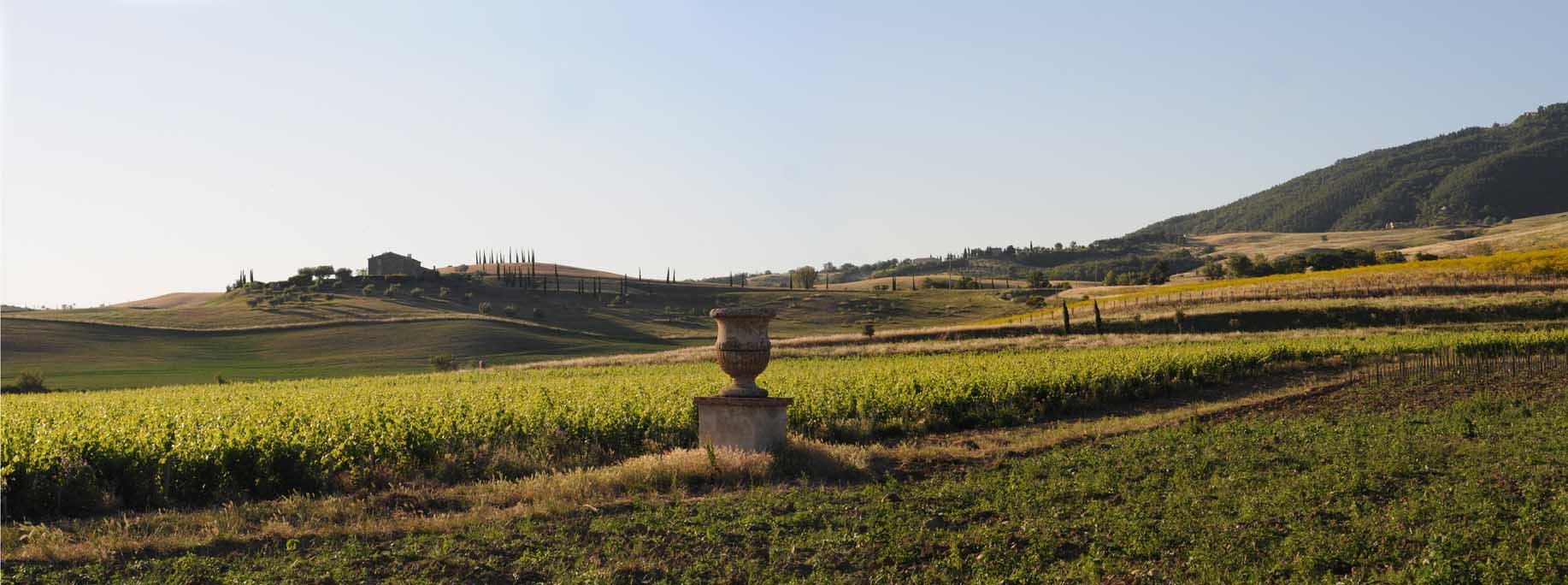
Bars in Cortona
Browse all →
Restaurants in Cortona
Browse all →
Details
- Scenic
- Rustic
- Cozy
- Intimate
- Wine Education
- Special Occasion
- Family
- Group Outing
- Vineyard Tour
- Historic Building
- Private Tasting
- Vineyard
- Mountain
- Syrah
- Merlot
- Still Red
- Still Rosé
- Guided Tasting
- Food Pairing Tasting
- Custom Tasting
Current opening hours
- Monday
- 8 AM–5:30 PM
- Tuesday
- 8 AM–5:30 PM
- Wednesday
- 8 AM–5:30 PM
- Thursday
- 8 AM–5:30 PM
- Friday
- 8 AM–5:30 PM
- Saturday
- 8 AM–12 PM
- Sunday
- Closed
Hours can change for holidays and private events. Last verified .
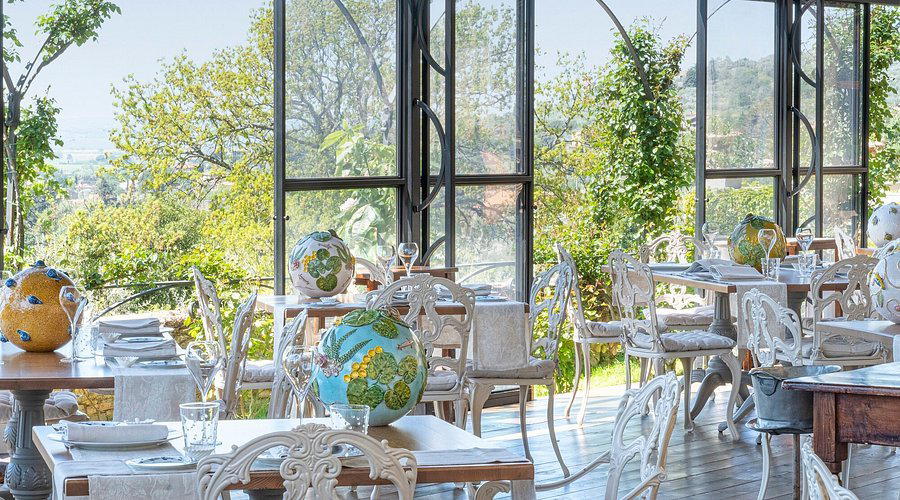
Warm, inviting, and family-run, with a scenic vineyard backdrop and a hands-on cellar-and-vineyard experience.