Canneto

Canneto is a Montepulciano wine estate shaped by organic viticulture, Vino Nobile di Montepulciano DOCG, and a Swiss-Tuscan ownership story dating to 1988. The draw is the estate context: south-facing vineyards at 350–400 meters, cellar-led tastings, terrace views, and a portfolio centered on Sangiovese-led reds rather than spectacle.
Pearl is the En Primeur Club membership app — saves, bookings, and concierge access live there. Same editors, same standards.
- Address
- Montepulciano, Tuscany, Italien
- Directions
- Get directions
 Saves & bookings on Pearl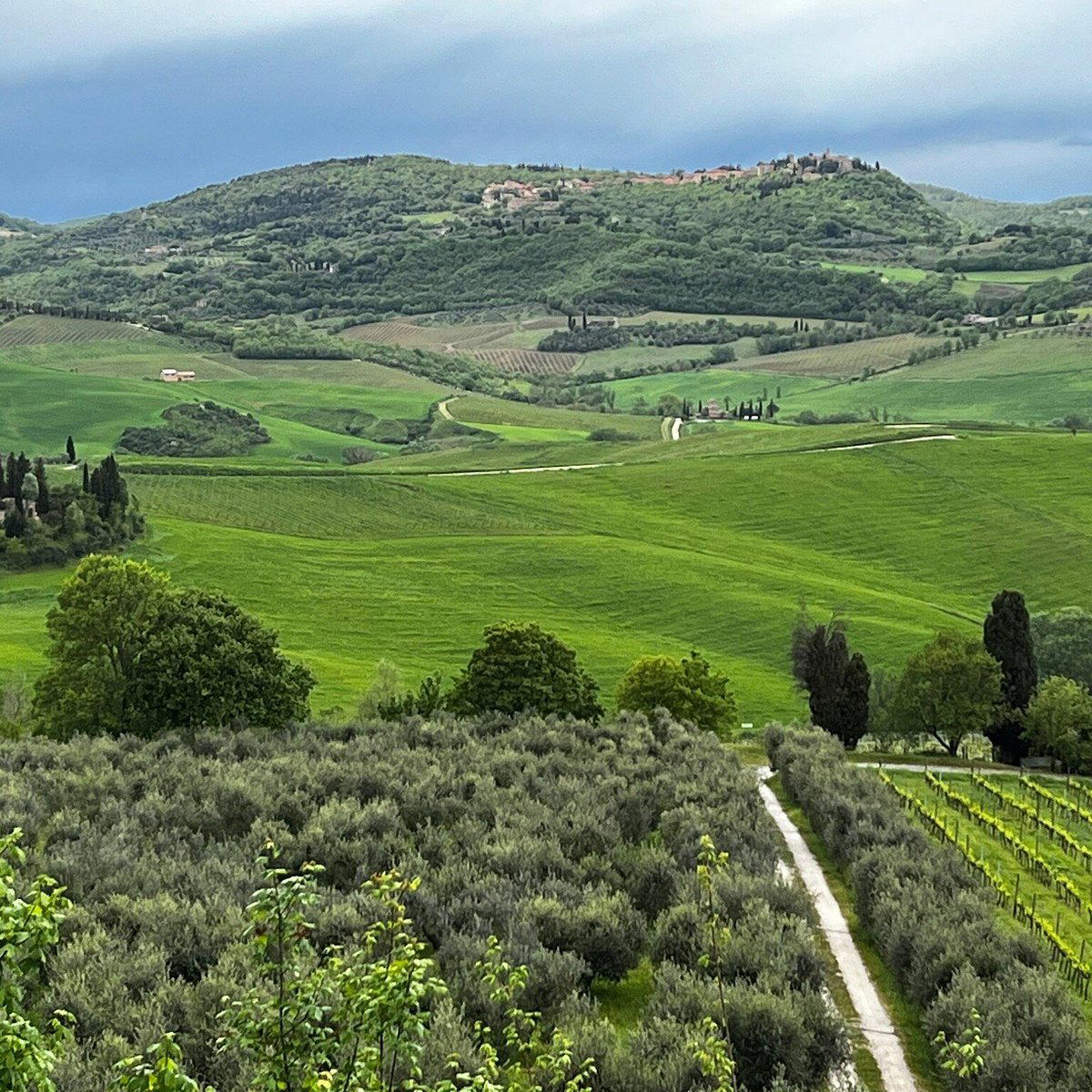
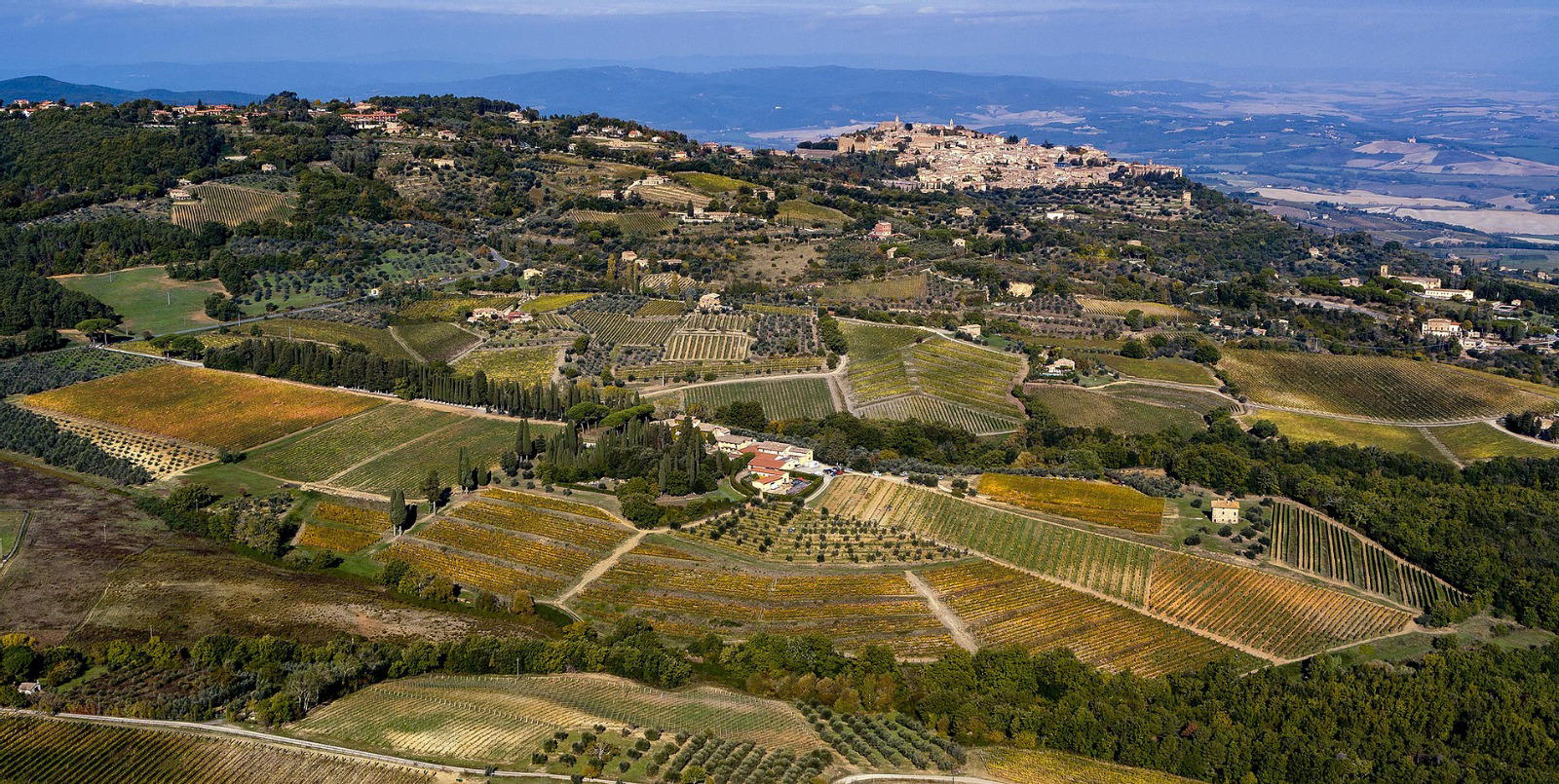
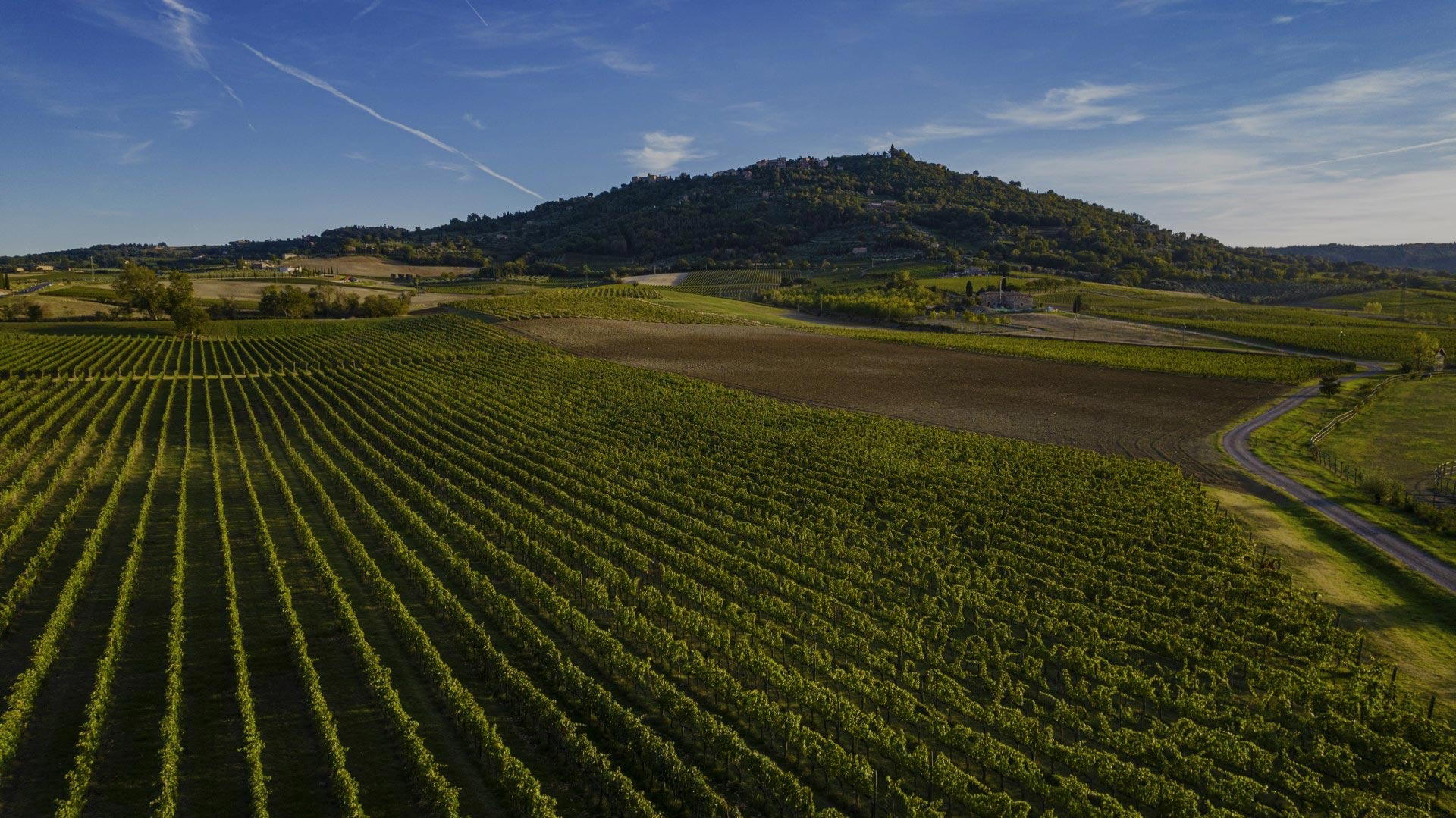
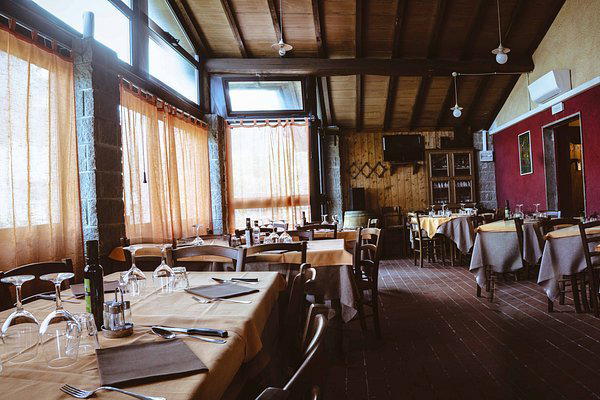
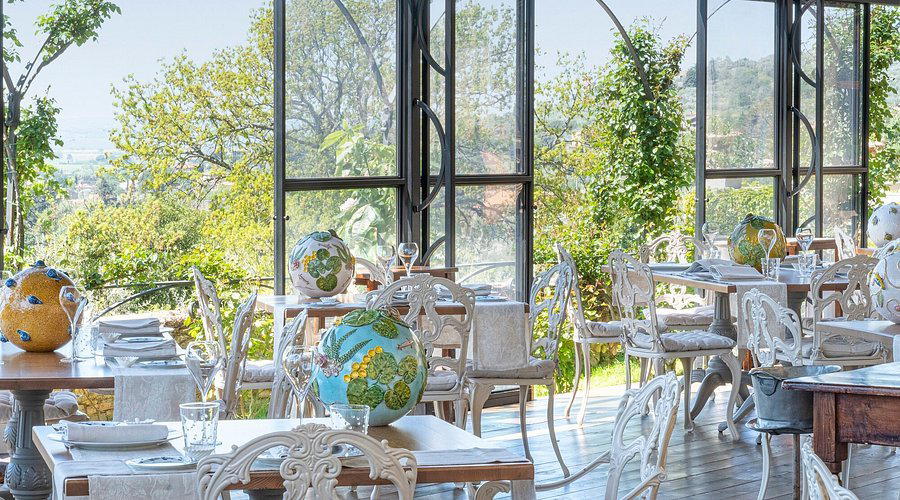
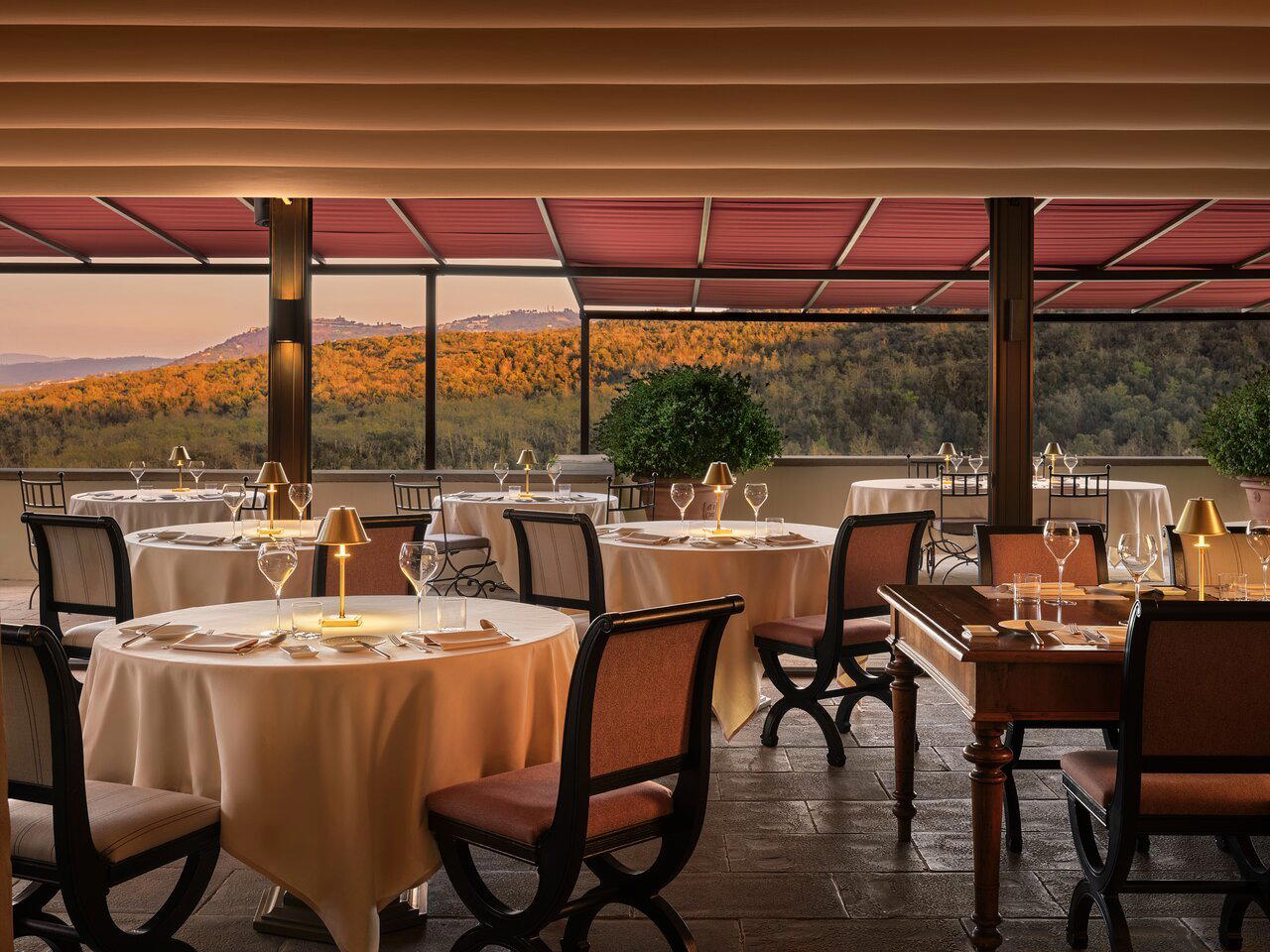
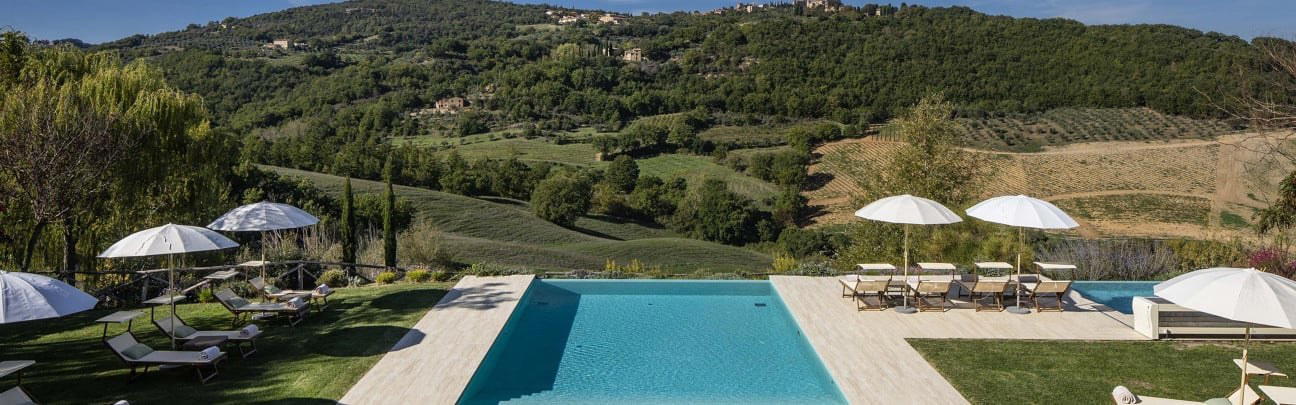
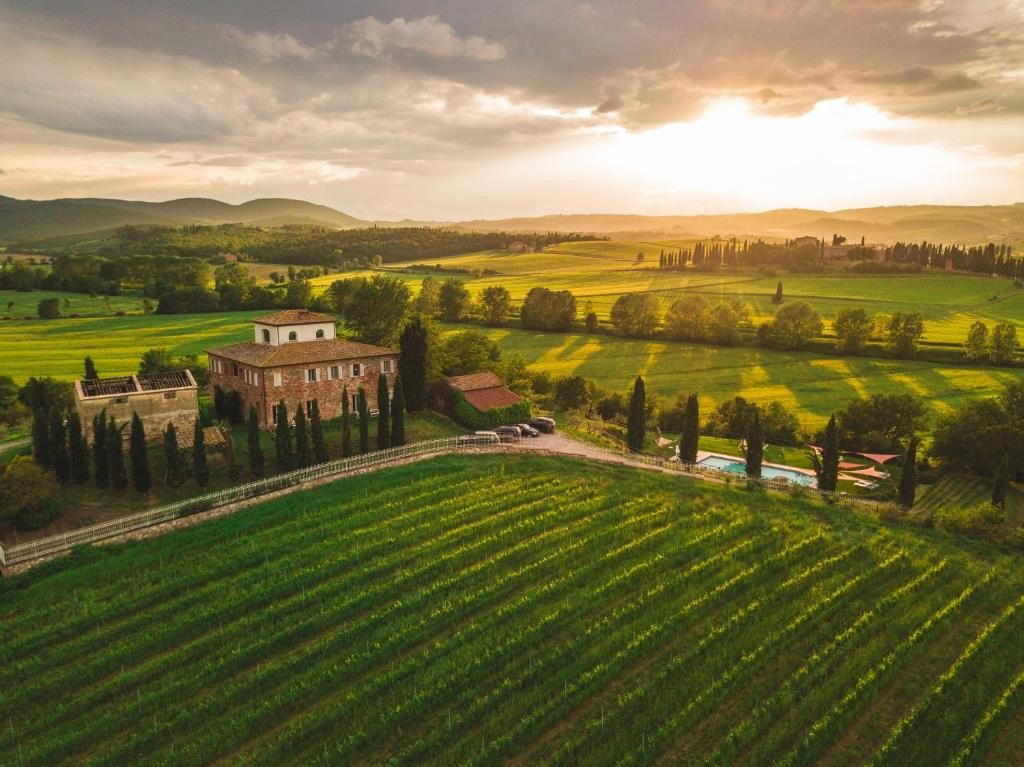
Approaching Canneto, the argument for Montepulciano is visual before it is technical: vines on the western slope, the hill town in view, and a tasting room that uses the estate rather than decoration as its frame. This is the side of Tuscan wine travel where the cellar visit, the vineyard angle, and the pacing of a guided tasting matter as much as the bottle placed on the table.
Montepulciano is often misread as a single-wine town, but the more useful lens is hierarchy. Vino Nobile di Montepulciano DOCG carries the serious aging and appellation weight; Rosso di Montepulciano DOC works as the younger, more immediate counterpoint. Canneto sits squarely in that structure, with production focused on still red wines and a portfolio anchored by Sangiovese, supported by Merlot in certain bottlings.
Western-slope vineyards and an organic Sangiovese brief
The estate’s strongest credential is not a trophy line but a coherent viticultural setting. Canneto covers 48 hectares, with about 30 hectares under vine and 16 hectares dedicated to Vino Nobile di Montepulciano DOCG. The vineyards sit at 350–400 meters, mainly south-facing, on marl mixed with gravel. In Montepulciano, those details are not background color; they shape ripening, structure, and the balance between warmth and acidity in Sangiovese Grosso.
The winemaking philosophy reads as measured rather than theatrical. The estate works organically and describes its production through precision: controlled fermentation for Vino Nobile, extended maceration, French barrel aging, and further bottle rest before release. That places the wines in the disciplined, cellar-led school of Montepulciano, where extraction and oak need to serve the grape’s frame rather than smother it.
Ownership story adds a second layer. Canneto was established in 1988 after Swiss wine enthusiasts moved from importing Montepulciano wine to owning a Tuscan estate. In less careful hands, that cross-border origin could become branding. Here it is more useful as an explanation for the estate’s style: Tuscan appellation logic filtered through a preference for order, consistency, and clearly managed hospitality.
For broader regional context, Our full Montepulciano wineries guide is the natural starting point. Travelers building a longer wine route can also compare how nearby listings such as Antico Colle, Avignonesi, Azienda Casale Daviddi, Bindella, and Bindella - Tenuta Vallocaia frame the appellation from different angles.
Terrace hospitality without turning the cellar into theatre
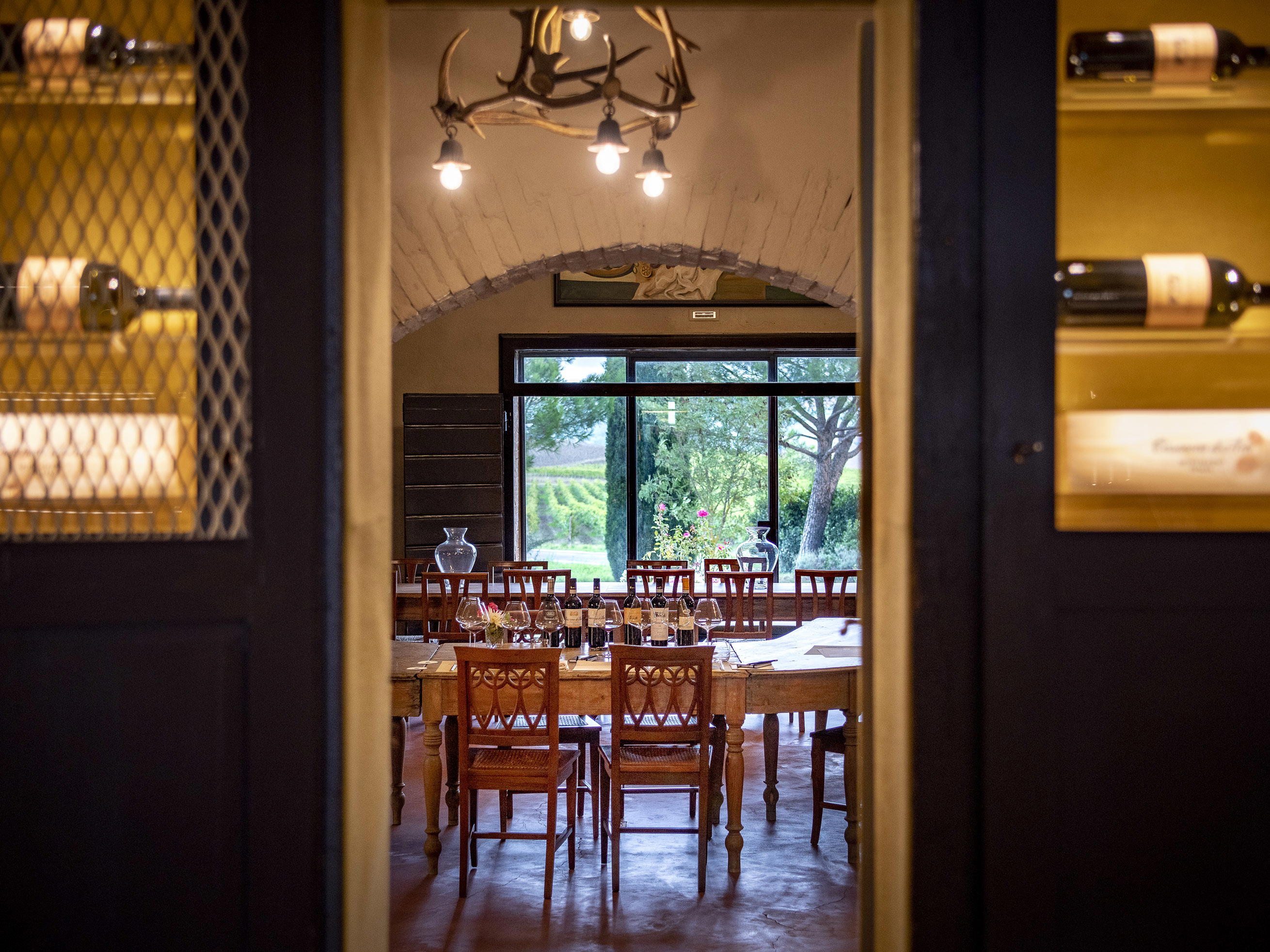
The modern premium winery visit increasingly splits into two formats: heavily staged lifestyle experience or compact technical tasting. Canneto leans toward the second, though the terrace and vineyard outlook soften the edges. The estate offers cellar-led tastings, vineyard access, food pairing formats, and custom options; the useful point is that the visit remains anchored in production rather than performance.
That matters in Montepulciano, where visitors often arrive with the wrong expectation, looking for Chianti-style familiarity or Montalcino-style status shorthand. Vino Nobile asks for more attention to category and producer choices. A tasting here gives a direct route through that distinction: Rosso for immediacy, Vino Nobile for structure and aging context, and local pairing elements such as cheeses, salumi, and bruschetta for the regional table that these wines were built to meet.
The cellar experience also uses a nitrogen preservation system during tastings, a small but telling detail. It signals a concern with bottle condition after opening, especially useful when multiple wines are being poured across visitors and groups. This is not the romance of the dusty barrel alone; it is a hospitality model that treats temperature, oxidation, and service discipline as part of the wine’s presentation.
Daniela’s role in guiding guests gives the visit a named human point of contact, but the broader story is not personality-driven. The stronger editorial read is that Montepulciano’s better estate visits now depend on translation: explaining DOCG hierarchy, vineyard position, and cellar choices to travelers who may know Tuscany but not this appellation in detail.
How to place Canneto in a Montepulciano itinerary
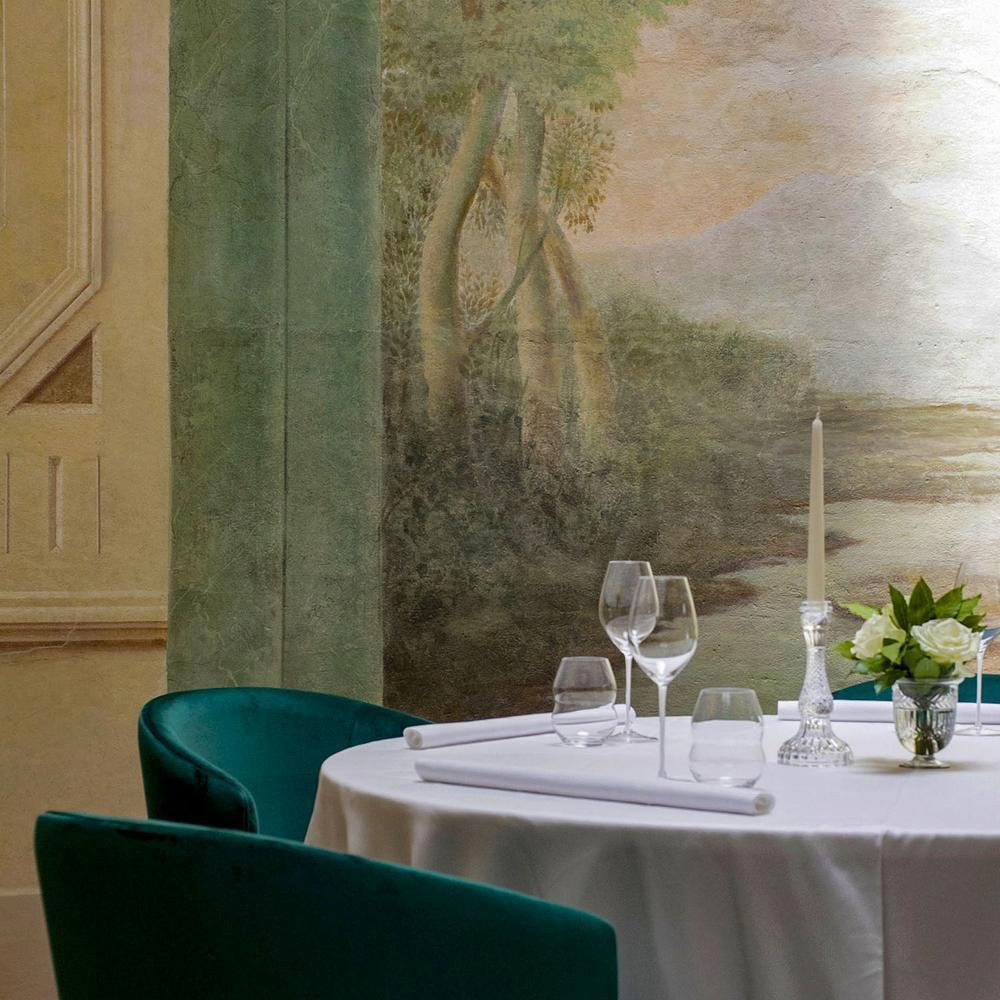
Canneto works for travelers who want a scenic estate visit with enough technical substance to make the tasting feel grounded. The atmosphere is relaxed, the dress code is casual, and the setting suits couples, small groups, and wine education trips more than families with children. On-site parking and a medium-capacity setup make it practical for a countryside route, while the reservation-led format keeps the experience from feeling drop-in and anonymous.
The estate also makes sense as part of a wider Montepulciano day rather than a stand-alone pilgrimage. Pair the winery circuit with town dining research via Our full Montepulciano restaurants guide, lodging options through Our full Montepulciano hotels guide, evening planning in Our full Montepulciano bars guide, and non-wine programming in Our full Montepulciano experiences guide.
Readers extending the wine map beyond Tuscany can use Canneto as a reference point for how estate scale and regional identity change across Europe: 3GP SRL in Treviso, 47 Anno Domini in Trebaseleghe, A Mano Wine in Noci, »der Steiner« Hans Steiner in Podersdorf am See, and & Handwein in Mannheim all sit in different regional conversations.
The editorial call is clear: choose Canneto for a measured Montepulciano tasting with vineyard context, organic farming, and enough cellar detail to make Vino Nobile feel specific rather than generic. It is not a trophy-chasing address. Its value is quieter: a structured estate visit that explains why this hill town’s Sangiovese deserves attention on its own terms.
Recognition history
Dated appearances from independent guides and award organizations, with the underlying list record or original source where available.
Falstaff Winery - Listed
Falstaff
Continue exploring
More in Montepulciano
Wineries in Montepulciano
Browse all →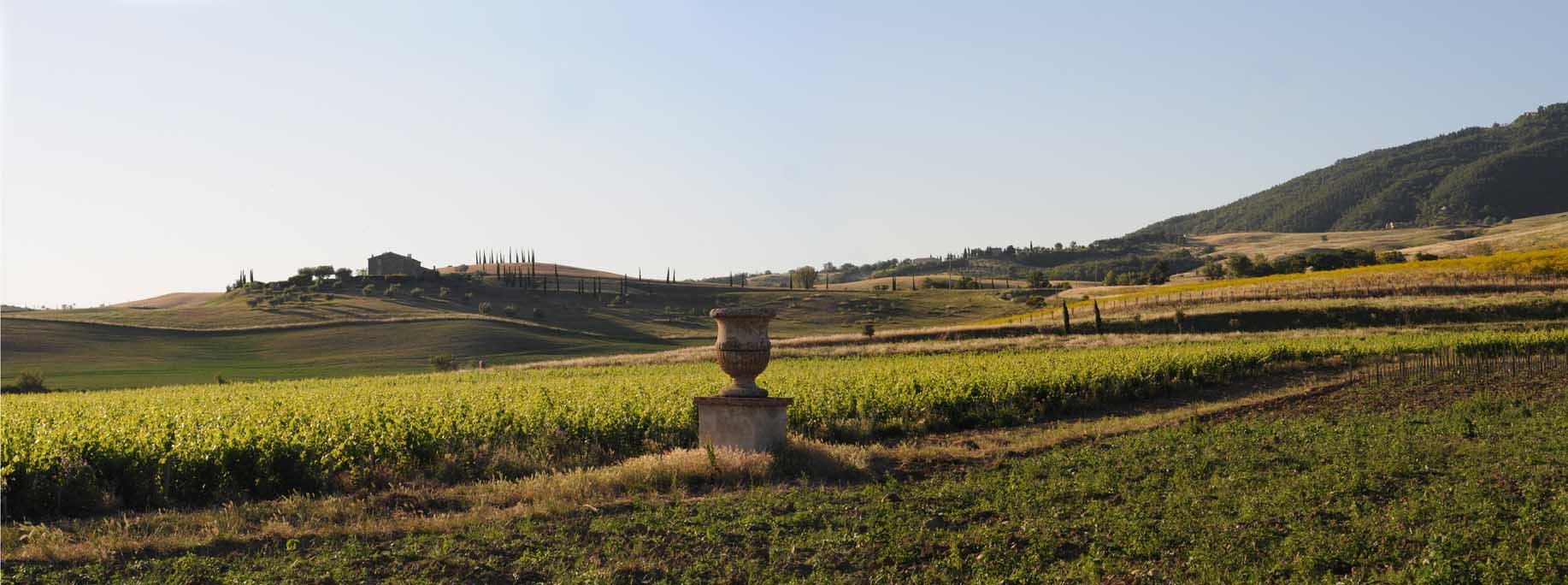
Bars in Montepulciano
Browse all →
Restaurants in Montepulciano
Browse all →

At a Glance
- Scenic
- Rustic
- Romantic
- Classic
- Cozy
- Group Outing
- Romantic Getaway
- Wine Education
- Special Occasion
- Solo Exploration
- Vineyard Tour
- Estate Grounds
- Terrace
- Panoramic View
- Private Tasting
- Organic
- Vineyard
- Mountain
- Vino Nobile Di Montepulciano DOCG
- Sangiovese
- Merlot
- Still Red
- Classic Tasting
- Guided Tasting
- Food Pairing Tasting
- Customized Tasting
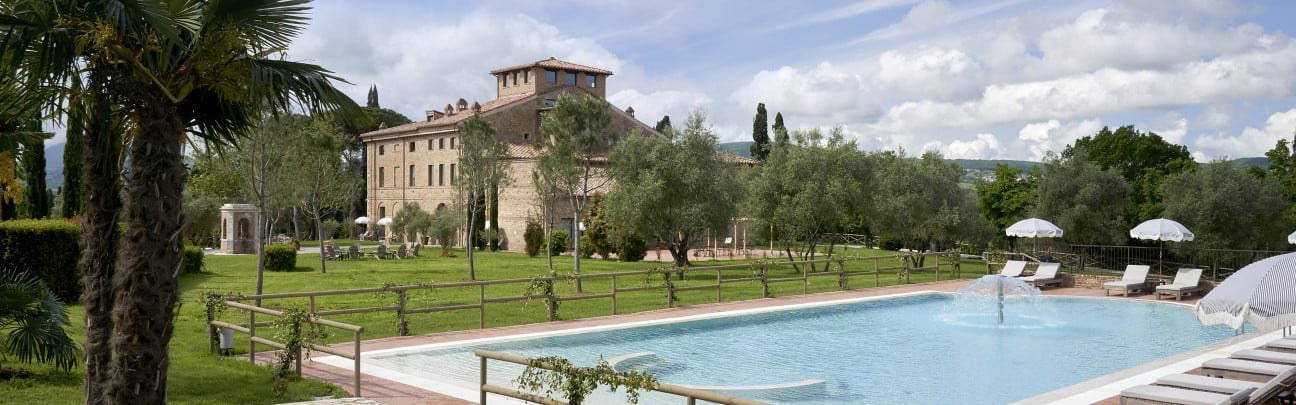
Scenic Tuscan estate on the western slope of Montepulciano with views over vineyards and the hill town, offering a relaxed, welcoming atmosphere where guests are guided by Daniela through cellars and tastings in a dedicated room with a terrace.