Bruwer Vintners

Falstaff Winery - Listed
Bruwer Vintners belongs to the newer Stellenbosch school: small-scale, vineyard-led, and more interested in Cape heritage grapes than estate theatre. Founded in 2014 by Bruwer Raats and Gavin Bruwer Slabbert, the project works with Pinotage, Chenin Blanc, Semillon, Grenache Noir and Cinsault, framing Polkadraai Hills and wider Western Cape fruit through restrained cellar choices.

Pearl is the En Primeur Club membership app — saves, bookings, and concierge access live there. Same editors, same standards.
- Address
- Stellenbosch, Südafrika
Approach the Stellenbosch wine conversation through Bruwer Vintners and the mood is contemporary rather than conventional. The picture is of a modern, terroir-focused Stellenbosch wine project with a thoughtful, storytelling approach to heritage varietals. It is positioned as a forward-looking “vine exploration company” rather than a traditional estate, which gives the project its clearest identity. That framing immediately changes the expectation: this is less about arriving at a classic wine-estate set piece and more about engaging with a producer whose interest sit in vineyards, context and interpretation.
The sharper point here is not a long list of facilities, releases or technical details. What can be said with confidence is that Bruwer Vintners belongs in the more exploratory lane of Stellenbosch wine: a project framed around place, heritage and modern interpretation rather than a broad hospitality spectacle. Its appeal is therefore quieter and more editorial. It asks to be read as part of the newer Stellenbosch conversation, where the value is not only in regional reputation, but in how a producer chooses to explain and express that region.
Heritage grapes, handled with a modern Stellenbosch accent
Bruwer Vintners is best understood through its stated emphasis on heritage varietals and terroir. The project’s language is thoughtful and narrative-driven, presenting wine as a way to explore place and memory rather than simply as a cellar-door product. For travellers, that makes the appeal more about focus and point of view than about a checklist of amenities. The important distinction is that heritage is not treated here as a nostalgic label on its own. It is placed inside a contemporary Stellenbosch frame, where older associations and site-specific thinking can be reconsidered with a more current sensibility.
The dependable takeaway is broader: Bruwer Vintners is a sophisticated, modern Stellenbosch wine project with a hidden-gem feel and a site-conscious approach. That hidden-gem quality comes less from secrecy than from scale of emphasis. The centre of gravity is not spectacle, volume or a heavily signposted visitor proposition. It is the impression of a producer being deliberate about what it stands for, and about how wine can carry a relationship to origin.
That restraint matters. In a region where wine tourism can range from polished estates to smaller exploratory producers, Bruwer Vintners reads as a project for visitors who are interested in how Stellenbosch heritage can be interpreted in a contemporary way. It suits a traveller who is willing to slow down around the idea of place, and who finds as much interest in a producer’s angle of approach as in the broader scenery of wine country.
Stellenbosch and the case for site over estate theatre
Stellenbosch is not a single flavour or mood. Its strength lies in the range of producers and perspectives working under the regional name. Bruwer Vintners fits into that landscape as a terroir-focused project rather than a conventional estate identity. In that sense, it helps widen the way Stellenbosch can be experienced: not only through established estate imagery, but through producers whose language is more analytical, intimate and site-led.
The phrase “vine exploration company” is the most useful lens. It suggests a producer thinking through vineyards, heritage and narrative, with the wine project itself presented as a form of exploration. That is the grounded appeal here: not a list of formats or services, but a clear positioning around place-led modern Stellenbosch wine. The wording also keeps the emphasis active. Exploration implies movement, curiosity and interpretation, which aligns with a project that appears more interested in asking what Stellenbosch can say through specific vines and inherited grape culture than in resting on a standard regional template.
This is also where Bruwer Vintners separates itself from more obvious wine-country formulas. The tone is modern, hidden-gem and sophisticated, with a thoughtful storytelling approach at the centre. Nothing in the available picture suggests that the project needs to be understood through grand hospitality claims. Its personality is better captured through restraint, focus and the sense that its identity is being built from ideas of place, memory and vineyard expression.
How it fits a Stellenbosch wine itinerary
The practical appeal is focused rather than broad. Bruwer Vintners is listed at $$, placing it in an accessible but serious bracket for travellers who want a considered Stellenbosch wine stop. That makes it feel suited to an itinerary where the priority is not simply luxury signalling, but a more thoughtful encounter with a producer positioned around terroir and heritage. It can sit comfortably alongside other Stellenbosch plans without needing to dominate the day.
For a fuller Stellenbosch trip, treat Bruwer Vintners as one part of a broader city and wine-country itinerary. Build the rest of the day around other Stellenbosch dining, lodging, bars and experiences according to current opening times and booking information, rather than assuming any programme or format at the venue itself. The safest way to approach it is to let its known strengths define the role it plays: a modern, site-conscious wine project with a clear point of view, best folded into a day that leaves space for the different shades of Stellenbosch rather than expecting every stop to offer the same kind of experience.
Recognition history
Dated appearances from independent guides and award organizations, with the underlying list record or original source where available.
Falstaff Winery - Listed
Falstaff
Continue exploring
More in Stellenbosch
Wineries in Stellenbosch
Browse all →
Bars in Stellenbosch
Browse all →
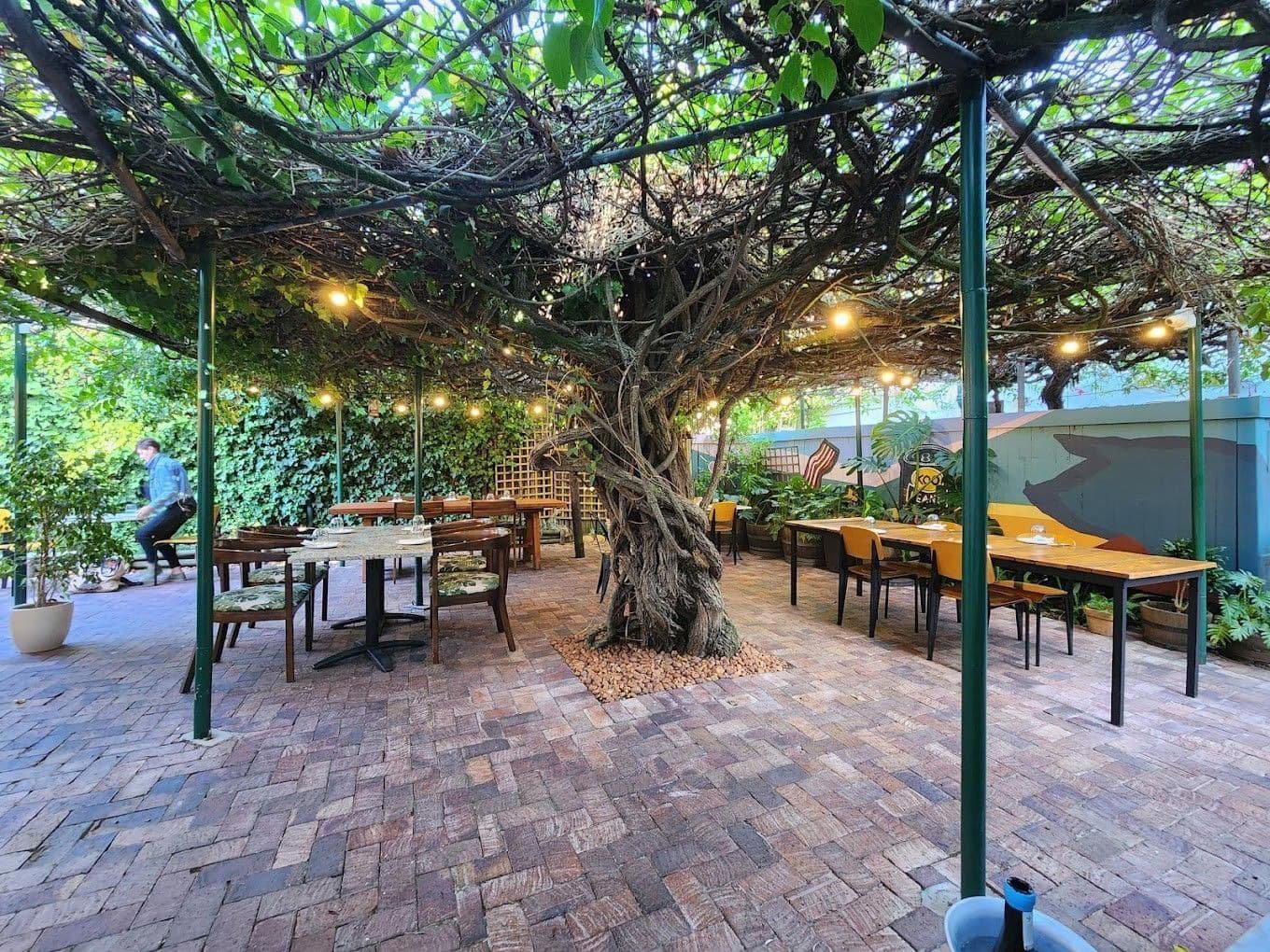
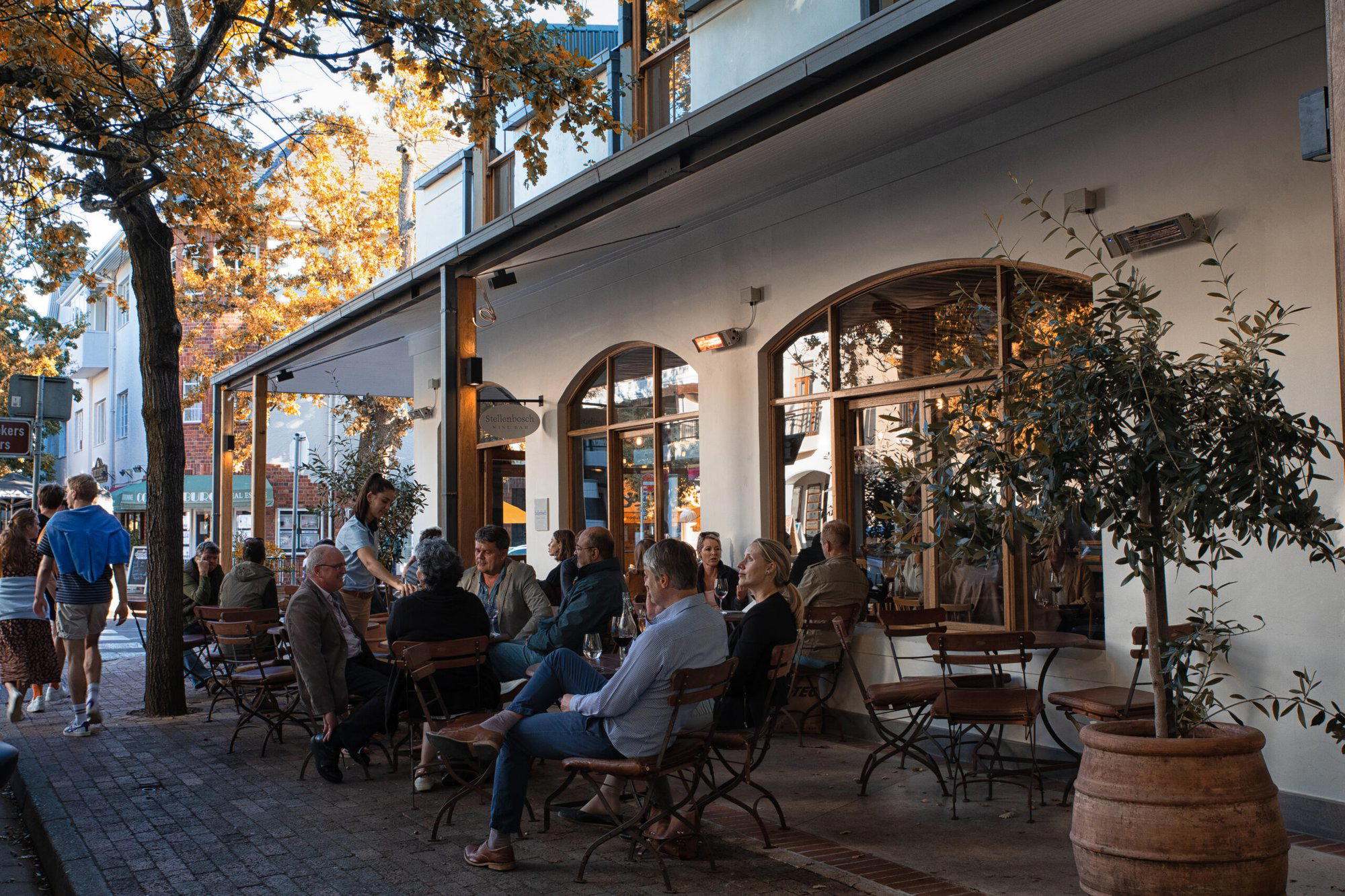
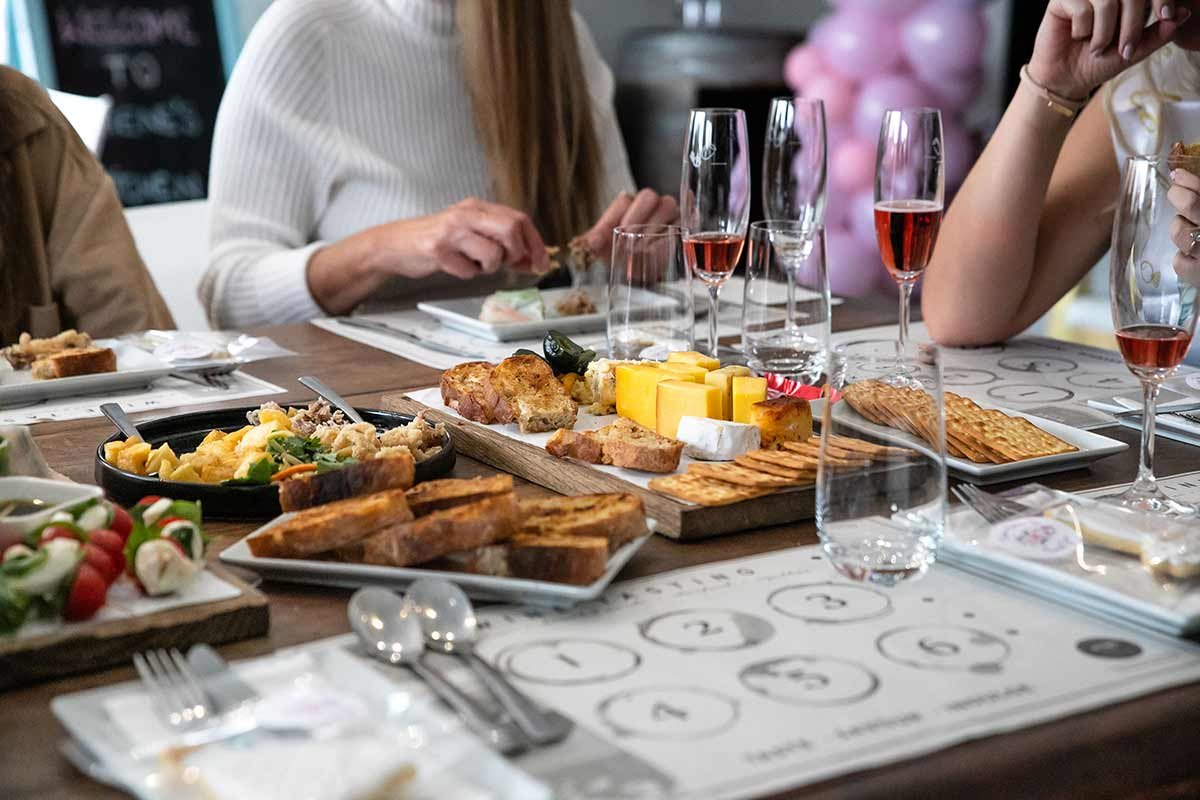
Restaurants in Stellenbosch
Browse all →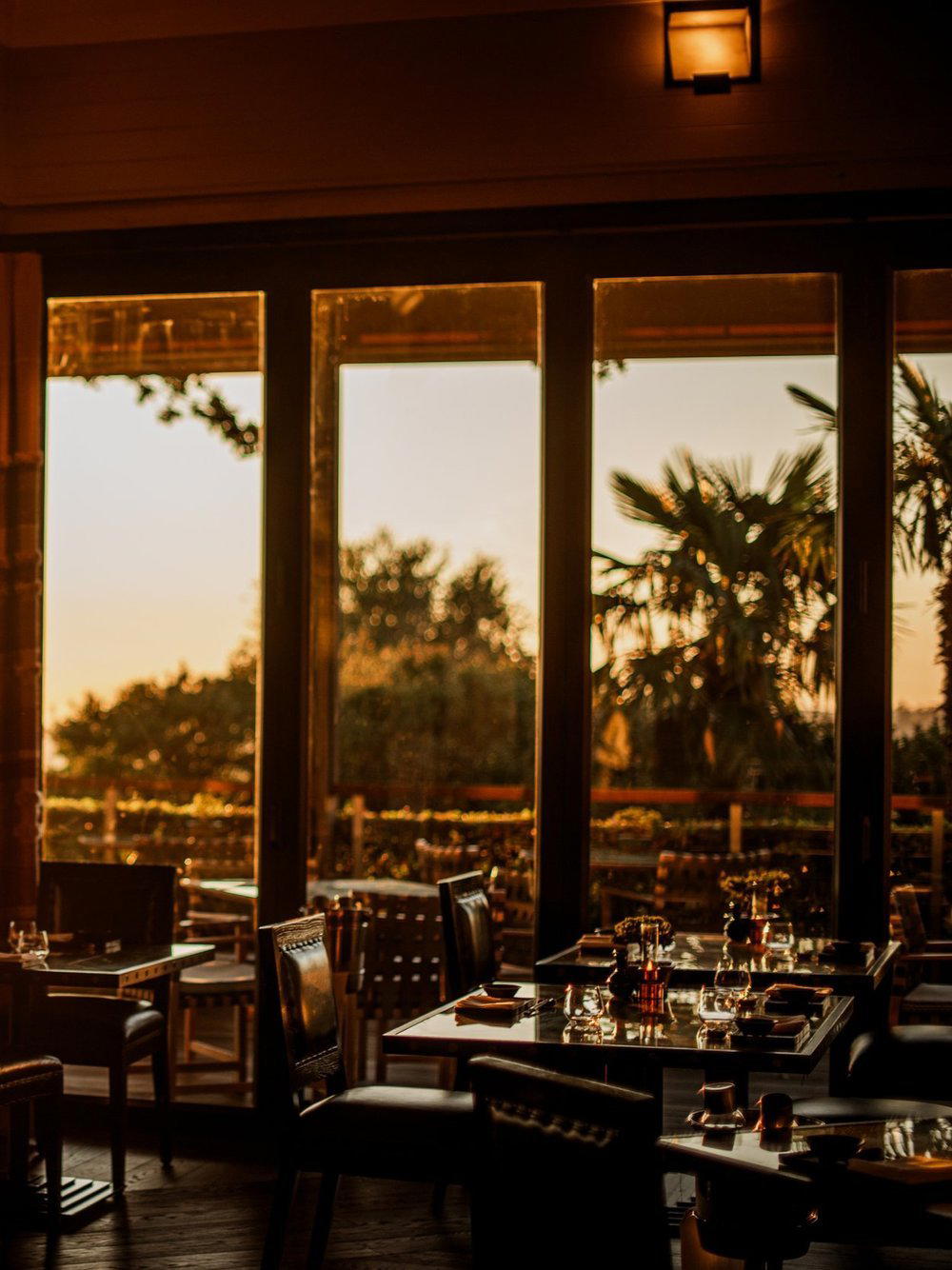


Details
- Modern
- Sophisticated
- Wine Education
- Solo Exploration
- Group Outing
- Sustainable
- Vineyard
- Pinotage
- Chenin Blanc
- Semillon
- Grenache Noir
- Cinsault
- Still Red
- Still White
- Still Rosé
- Sparkling
- Pet Nat
A modern, terroir-focused Stellenbosch wine project with a thoughtful, storytelling approach to heritage varietals, positioned as a forward-looking “vine exploration company” rather than a traditional estate.