Brennerei Kirchbichler

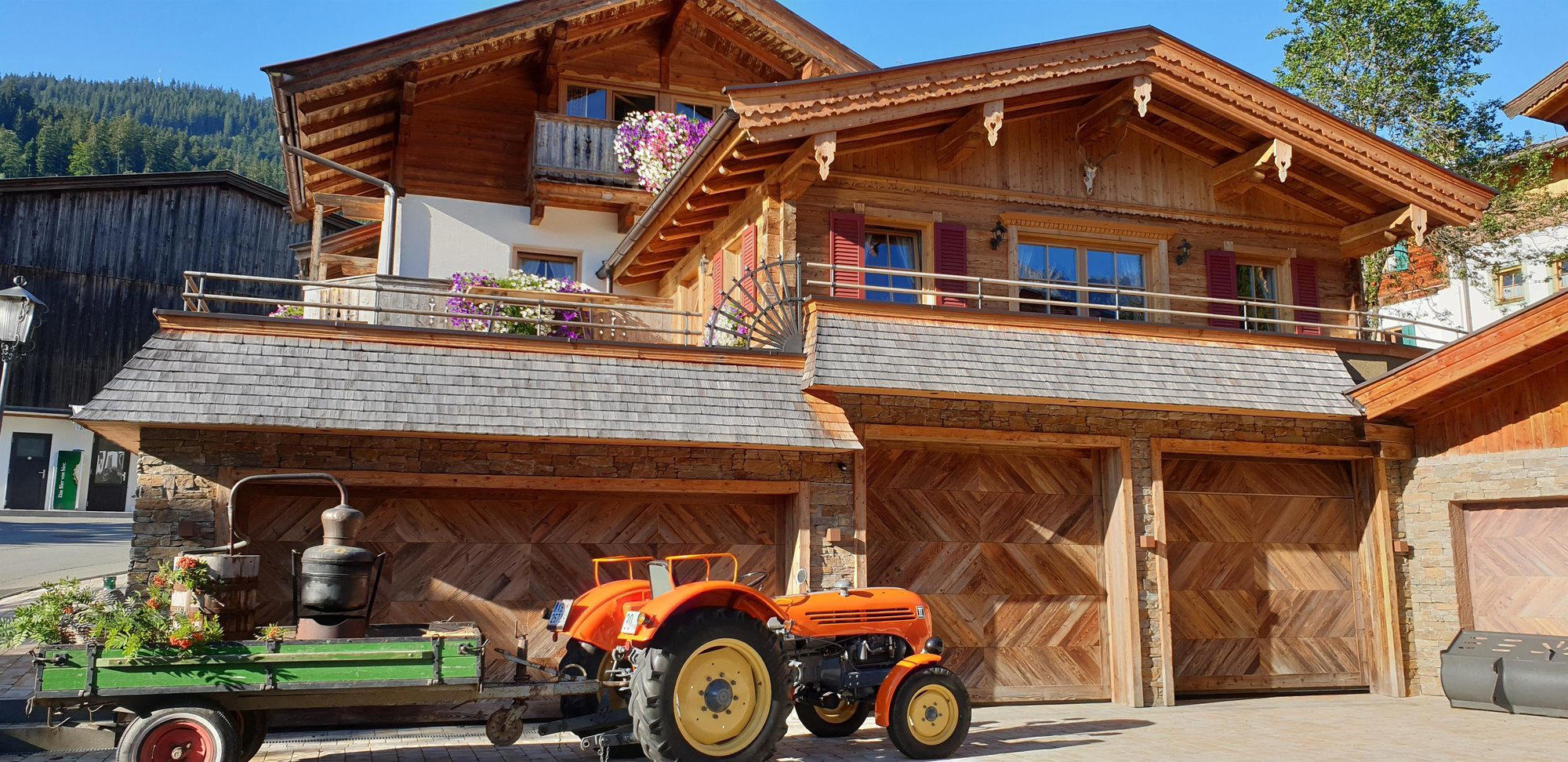
Brennerei Kirchbichler operates out of Wildschönau, an Alpine valley in Tyrol where the farming tradition of fruit distillation runs as deep as the surrounding mountain terrain. Awarded a Pearl 1 Star Prestige in 2025, the distillery sits within a broader Austrian craft spirits scene that has gained serious recognition in recent years. For visitors exploring the region, it represents a direct expression of high-altitude agriculture converted into spirit form.
 Discover on Pearl
Pearl is the En Primeur Club membership app — saves, bookings, and concierge access live there. Same editors, same standards.
Alpine Distillation and the Wildschönau Tradition
The Wildschönau valley sits at elevations where fruit cultivation operates at the edge of what the climate permits. Short summers, cold nights, and glacially influenced soils produce orchard fruit with concentrated flavour profiles and sharp acidity, characteristics that have historically made this corner of Tyrol one of Austria's more serious regions for agricultural distillation. Brennerei Kirchbichler works within that tradition, drawing on the same terroir logic that governs how growers in the valley have converted their harvests into spirits for generations.
Austrian fruit distillation, particularly the production of Schnaps from pears, apples, and plums grown in mountain valleys, occupies a specific place in the country's broader drinks culture. Unlike the wine regions of Lower Austria or Burgenland, where estates like Weingut Bründlmayer in Langenlois or Weingut Emmerich Knoll in Dürnstein have built internationally recognised programmes around terroir-driven viticulture, Tyrolean distilleries work with raw material shaped primarily by altitude and microclimate rather than vineyard management. The resulting spirits carry a different kind of place signature, less about soil mineralogy, more about the thermal stress and slow sugar accumulation that mountain conditions force on fruit.
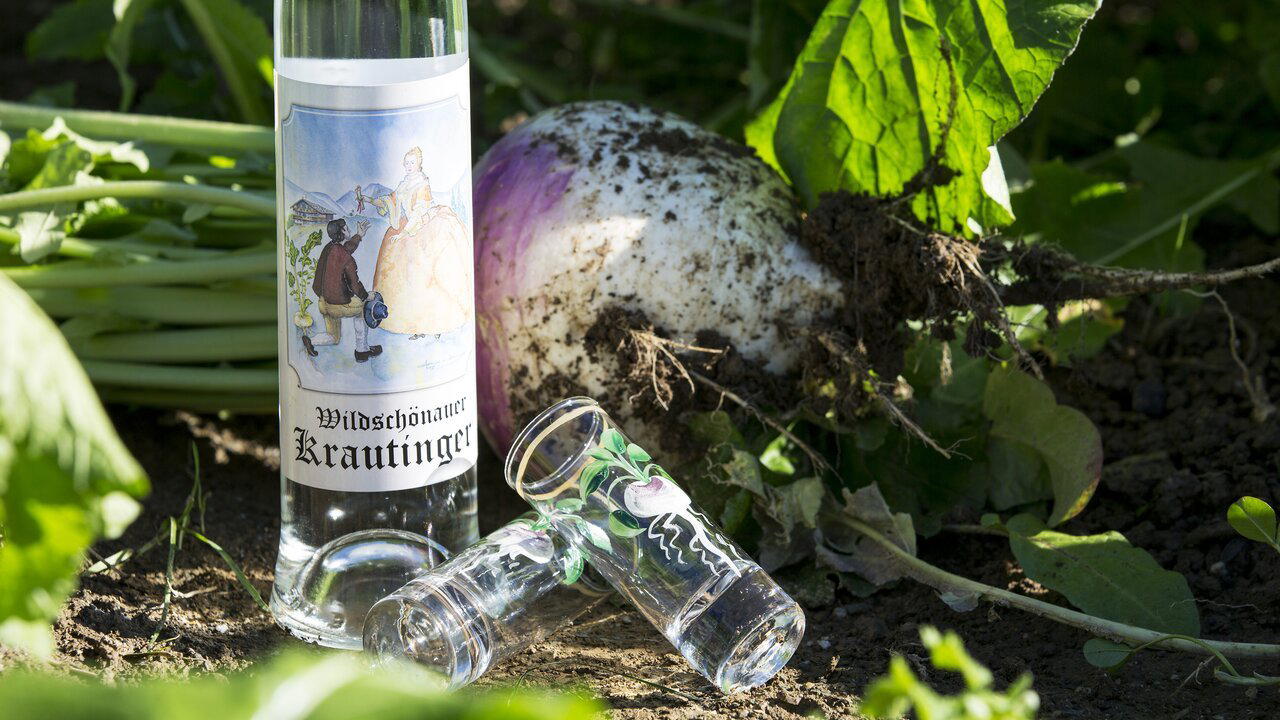
Wildschönau itself has a documented connection to a hyper-local distillate: Krautinger, a spirit produced from a specific turnip variety grown in the valley. The Krautinger Distillery in Wildschönau represents the most direct institutional carrier of that tradition, and Brennerei Kirchbichler operates in that same range of small-scale, place-specific production. In the context of Austrian craft distilling, these valley operations stand apart from the larger industrial producers by the simple fact that their raw material cannot be replicated elsewhere, altitude and valley microclimate are not transferable.
What the 2025 Pearl 1 Star Prestige Recognition Signals
Brennerei Kirchbichler received a Pearl 1 Star Prestige in 2025, the venue's only listed award. For a small valley distillery, this kind of recognition functions differently than it does for large estate producers. It does not signal volume or export reach. It signals that the production standards and the character of what comes out of the still have cleared a threshold of quality that merits editorial and critical tracking.
Austria's premium distilling scene has expanded considerably over the past decade. Operations like Weingut Scheiblhofer Distillery in Andau work at the intersection of viticulture and distillation, while producers such as 1310 Spirit of the Country Distillery in Sierning and 1404 Manufacturing Distillery in Sankt Peter-Freienstein have built programmes that are increasingly visible beyond domestic markets. Kirchbichler occupies a different position in that map: rooted in a specific valley, working with fruit that is a direct product of that valley's conditions, and now carrying formal recognition that distinguishes it from the many small Tyrolean producers that operate without external critical assessment.
Compared to the grain and botanical-focused Austrian craft operations, including 1516 Brewing Company Distillery in Vienna or A. Batch Distillery in Bergheim, Kirchbichler's terroir story is fundamentally different. Where urban or semi-urban craft distilleries often source raw material from outside their immediate geography, a valley distillery in Wildschönau is constrained and defined by what grows above a certain elevation. That constraint is also the point: the spirits carry a specificity of origin that broader sourcing cannot replicate.
The Terroir Logic of Mountain Fruit Spirits
Understanding what Brennerei Kirchbichler produces requires understanding what high-altitude fruit distillation actually involves. In Alpine valleys, fruit trees, particularly older, unimproved varieties of pear and apple, produce smaller yields of fruit with higher sugar density and more pronounced aromatic compounds than lowland orchards. The cold nights slow the fruit's respiration, locking in volatile esters that translate directly into the distillate's aromatic profile. The result is spirits with a structural intensity that is harder to achieve with fruit grown in warmer, more productive climates.
This is not unlike the logic that governs how Austria's premium wine estates think about site selection. Producers in the Wachau, including those in the comparable set of Weingut Emmerich Knoll, have long argued that the thermal differential between day and night temperatures along the Danube is what preserves acidity and aromatic precision in Riesling and Grüner Veltliner. Alpine distillers make a structurally similar argument about their fruit, that the cold is not a liability but the mechanism that produces quality. The parallel holds even across different raw materials and production methods.
Further south, estates like Weingut Wohlmuth in Kitzeck work at some of the highest vineyard elevations in Styria for similar reasons: altitude-driven stress concentrates character. The logic translates directly to what a distillery in the Wildschönau valley is doing with its fruit sourcing. Place is not incidental; it is the production argument.
Visiting Wildschönau and Planning Around Kirchbichler
Wildschönau is a working agricultural valley rather than a polished wine-tourism destination, and visiting distilleries here operates on different terms than visiting an estate in the Wachau or Burgenland. Production schedules in fruit distillation are seasonal and harvest-dependent, which means the rhythm of a visit is tied to when fruit is being processed rather than to a permanent tasting-room infrastructure. Visitors planning a trip to the valley are advised to contact the distillery in advance to confirm availability, as the operational calendar will differ from the year-round accessibility of larger wine estates.
The broader Wildschönau area rewards travellers who are making deliberate choices rather than passing through. For those building a longer Austrian spirits or wine itinerary, the valley can be combined with visits to other recognised producers across the country. Weingut Pittnauer in Gols, Weingut Kracher in Illmitz, and Weingut Heinrich Hartl in Oberwaltersdorf represent the wine-dominant end of Austria's premium producer map, and contrast usefully with the alpine distillation tradition that Kirchbichler represents.
International comparisons for craft distilleries operating at altitude and with strict geographic raw material sourcing include producers in Scotland's Highland and Speyside regions, where Aberlour in Aberlour operates with a similar logic of place-specific production. The parallel is not direct, grain versus fruit, whisky versus Schnaps, but the underlying argument that geographic conditions shape spirit character is shared. Napa Valley estate distillers, including operations adjacent to producers like Accendo Cellars in St. Helena, make comparable terroir arguments from the wine side. Kirchbichler's 2025 recognition positions it within a global conversation about place-driven spirits, even if its physical scale and local market orientation keep it far from that conversation's most visible nodes.
At-a-Glance Comparison
Comparable venues nearby, for context on price, style, and recognition.
| Venue | Cuisine | Price | Awards | Notes |
|---|---|---|---|---|
| Brennerei KirchbichlerThis venue — the venue you are viewing | Winery | , | 1 recognition | |
| Krautinger Distillery | Wildschönau | , | 1 recognition | |
| Weingut Setzer | Grüner Veltliner, Roter Veltliner | $$ | 1 recognition | Hohenwarth |
| 1310 Spirit of the Country Distillery | Sierning | $$ | 1 recognition | |
| Aeijst Gin Distillery | Südsteiermark | $$ | 1 recognition | Sankt Nikolai im Sausal |
| Weingut Arndorfer | Grüner Veltliner, Riesling | $$ | 1 recognition | Straß im Straßertale |
Continue exploring