
Falstaff Winery - 1 Stars
Bodegas Naia S. L. belongs to the production-led side of La Seca, where Rueda’s Verdejo identity is shaped more by old bush vines, dry continental weather, and cellar restraint than by visitor theatre. Founded in 2002, it works with Verdejo and Sauvignon Blanc, with a focus on still white wines from a rural estate setting.

Pearl is the En Primeur Club membership app — saves, bookings, and concierge access live there. Same editors, same standards.
- Address
- La Seca, Madrid, Comunidad de, Spanien
- Directions
- Get directions
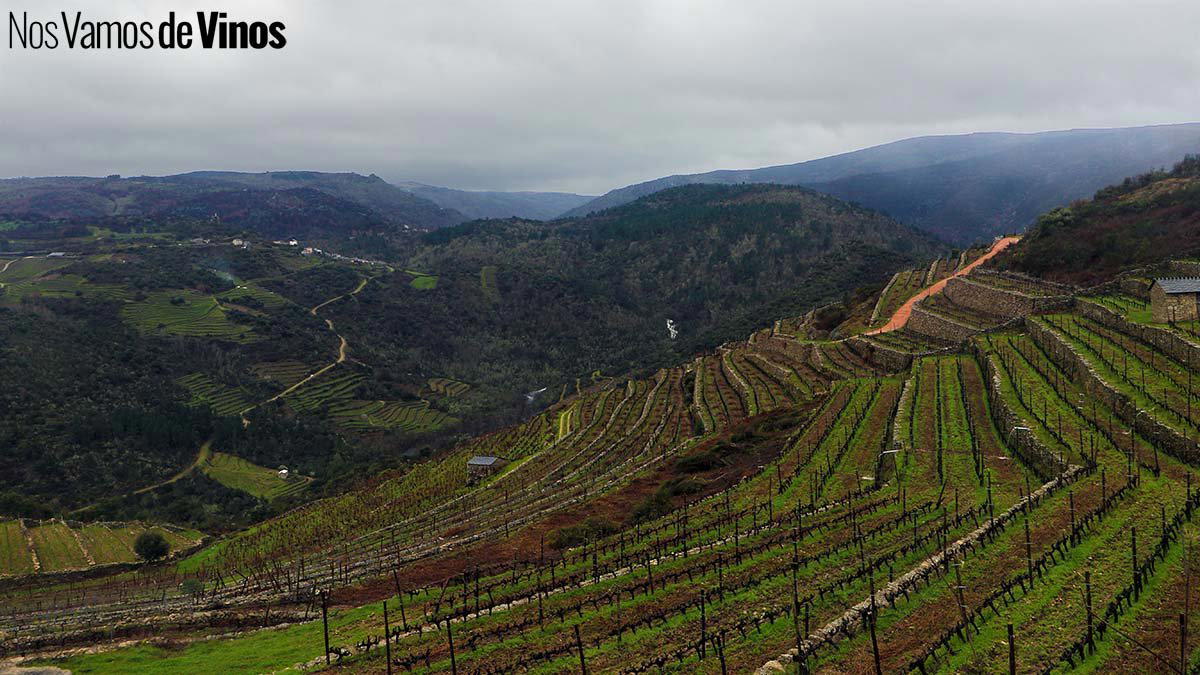
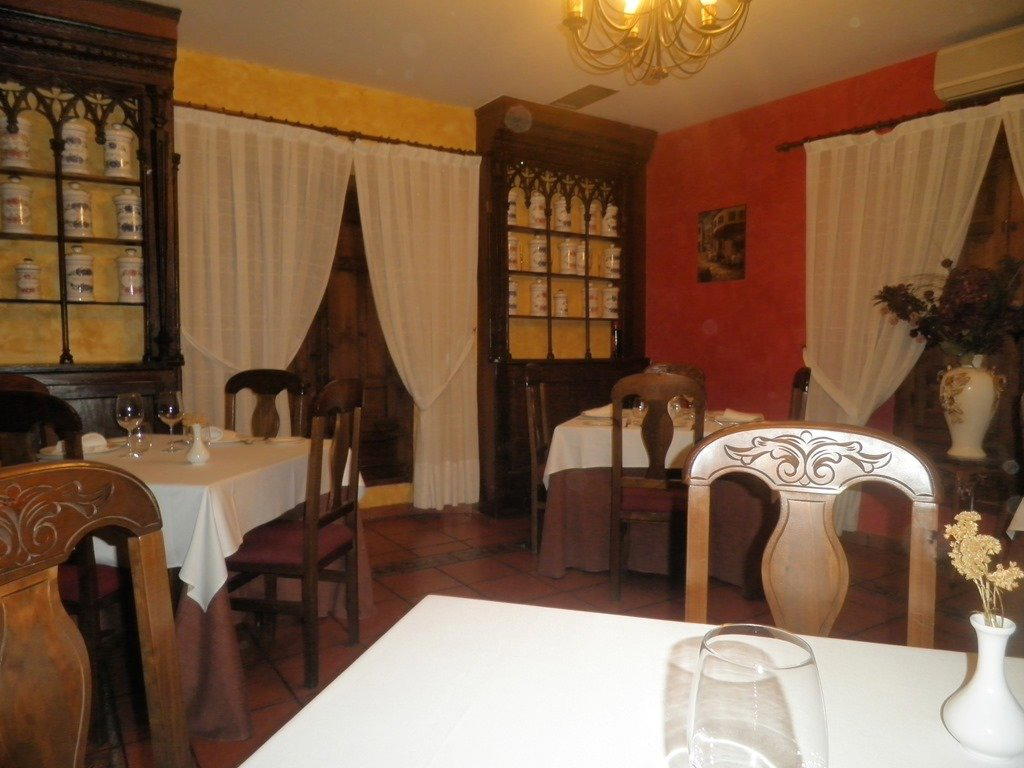
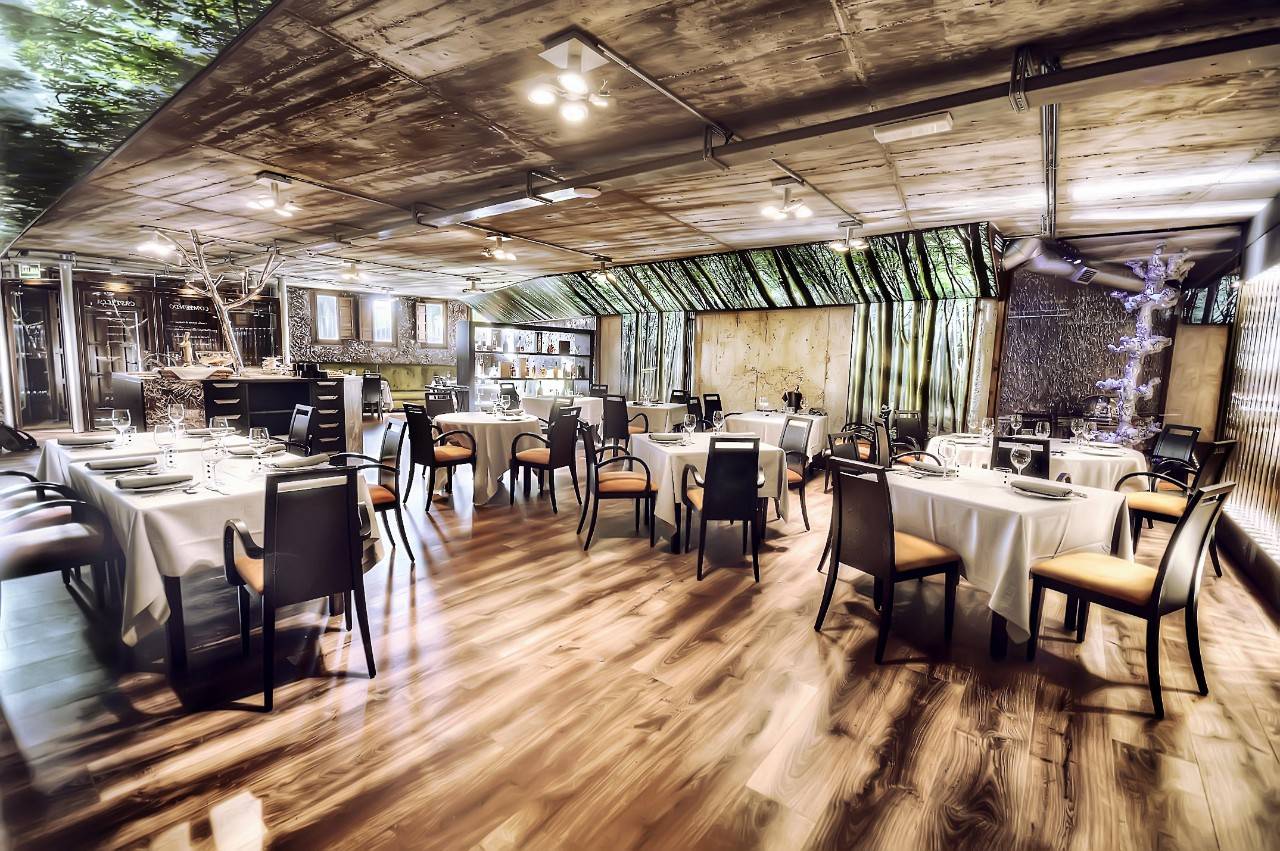
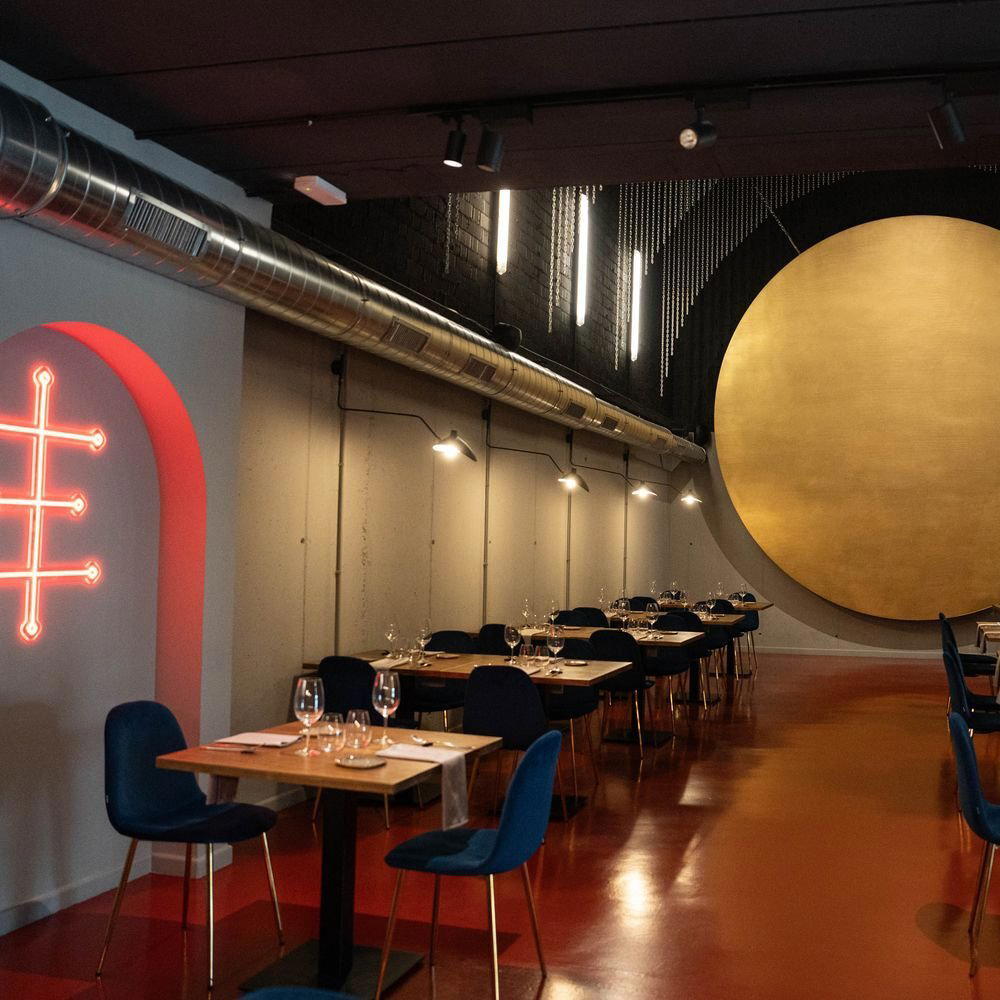
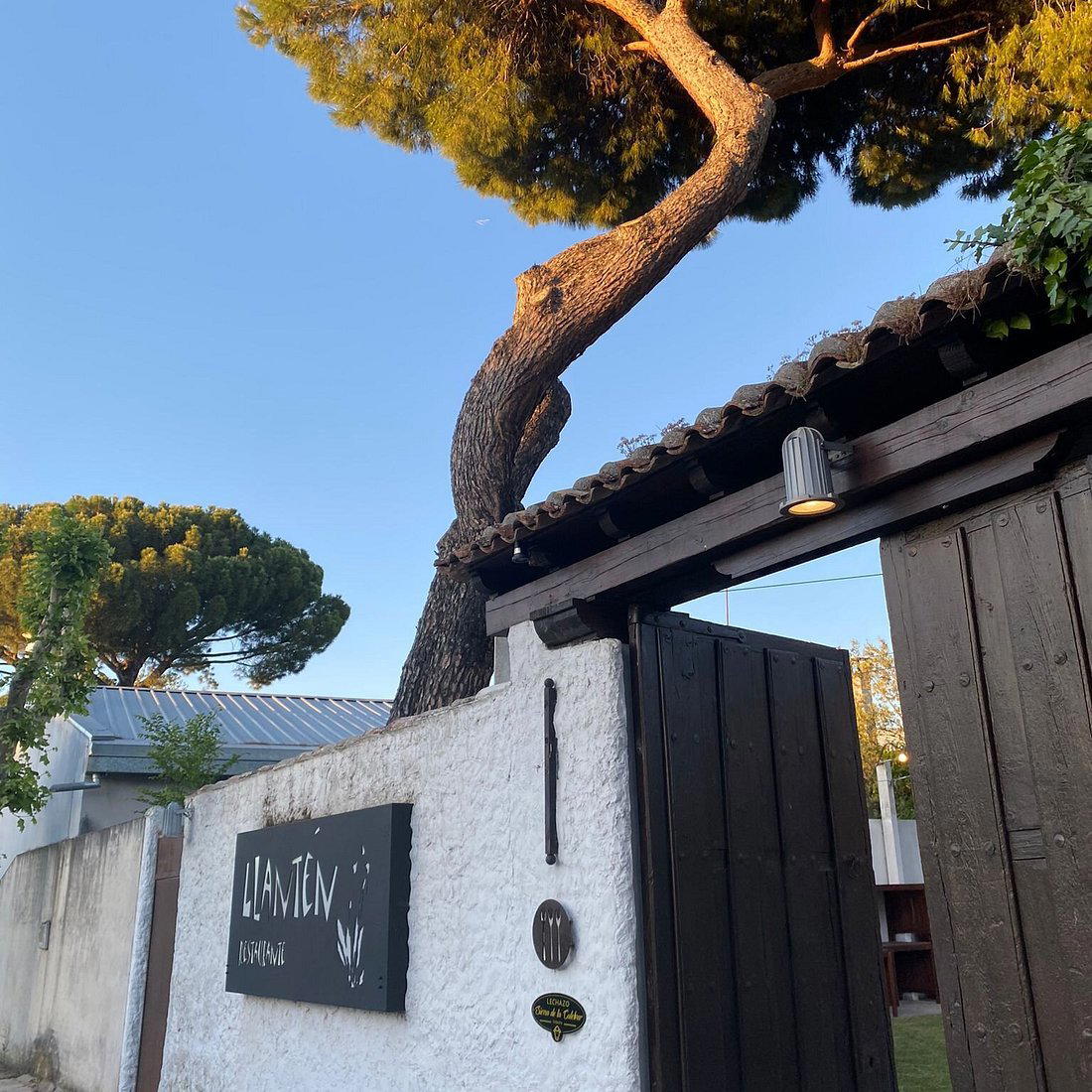
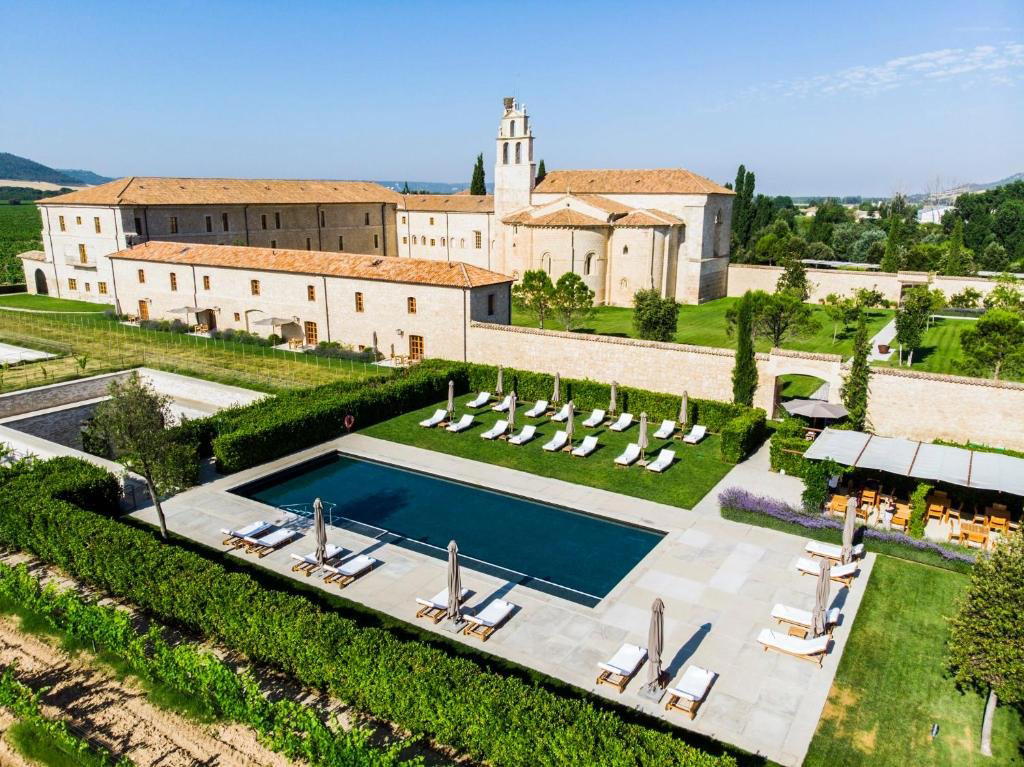
Bodegas Naia S. L. is a production-focused winery in La Seca, in the Rueda region. The picture is direct: this is not presented as a venue built around elaborate visitor facilities, but as a rural working winery associated with classic Verdejo and fresh, lively, characterful white wines. That distinction matters, because the available description gives more weight to wine style and regional identity than to hospitality staging or architectural spectacle.
For readers considering it in the context of La Seca, the useful frame is simple. Bodegas Naia S. L. belongs to the area’s white-wine identity, with Verdejo as the central reference point. Specific claims about vineyard size, founding date, production volume, harvest methods, individual bottlings, ratings, or visitor formats are not confirmed here, so the safest way to understand the venue is as a working Rueda winery rather than as a detailed hospitality destination. In practical terms, the emphasis should stay on what is actually supported: place, grape identity, freshness, and a production-led character.
Classic Verdejo, not elaborate visitor theatre
The strongest impression is stylistic rather than architectural. Bodegas Naia S. L. is best described as a direct winery in La Seca, focused on classic Verdejo and fresh, lively white wines. Its appeal is tied to the Rueda region’s white-wine character rather than to elaborate tasting-room theatre. The point is not that the winery lacks interest, but that its interest is framed through the clarity of its wine identity, not through a catalogue of visitor experiences.
That makes the tone rustic and production-led. Visitors and drinkers should not read the venue as a luxury leisure complex from the available information. The grounded description points instead to a rural working-winery feel, with the wines and the regional Verdejo identity doing the work. This is a useful expectation to set before arriving or researching further: the available profile suggests a place defined by production and regional expression, not by a heavily packaged hospitality narrative.
Beyond that, the details should be kept general. The reliable takeaway is that Bodegas Naia S. L. represents a classic, characterful Rueda white-wine address in La Seca. Anything more specific would require confirmed information that is not present here.
A Rueda winery with a Verdejo focus
The wine identity is centered on classic Verdejo and fresh, lively, characterful white wines. That is enough to place Bodegas Naia S. L. within the broader Rueda conversation without inventing a detailed portfolio or naming cuvées. The description points toward the kind of white-wine profile for which the area is broadly understood, while staying deliberately cautious about unsupported particulars.
Rather than claiming specific blends, vintages, oak regimes, or ratings, it is more accurate to describe the house in broad terms: a La Seca winery associated with Rueda’s white-wine tradition and a direct, workmanlike expression of Verdejo. The price level is listed as $$. That price marker gives a basic orientation, but it should not be stretched into assumptions about tasting formats, bottle lists, or service style.
The setting reinforces that reading. Bodegas Naia S. L. is described as production-focused and rural, with a direct working-winery feel rather than elaborate visitor facilities. For many readers, that means it is best understood through its regional style and wine identity, not through hospitality details. The most accurate emphasis remains on a winery rooted in La Seca and associated with crisp, energetic white wines rather than on any unconfirmed extras.
Where it fits in La Seca's wine map
La Seca is the location, and Bodegas Naia S. L. should be understood within that Rueda-region context. Its role is not framed here by confirmed awards, rankings, visitor programming, or a detailed service model, but by its association with classic Verdejo and fresh, lively white wines. That makes it a direct point of reference for readers mapping the area through wine style rather than through tourism infrastructure.
For planning, keep expectations grounded. Other dining and travel options in La Seca can be considered separately, but no specific comparison venue is here beyond Bodegas Naia S. L. itself. The useful distinction is between a working winery with a rural feel and a venue designed around extensive visitor amenities. In other words, it should be approached as part of the local wine landscape first, and only secondarily as a potential visitor stop, unless further confirmed information is available.
In that wider reading, Bodegas Naia S. L. is a La Seca winery for those interested in Rueda’s Verdejo identity. The confirmed facts support a concise profile: $$ price level, production-focused character, classic Verdejo emphasis, and fresh, lively, characterful white wines. Kept within those limits, the venue’s identity is clear, modestly framed, and closely tied to the white-wine reputation of its region.
Recognition history
Dated appearances from independent guides and award organizations, with the underlying list record or original source where available.
Falstaff Winery - 1 Stars
Falstaff
Continue exploring
More in La Seca
Wineries in La Seca
Browse all →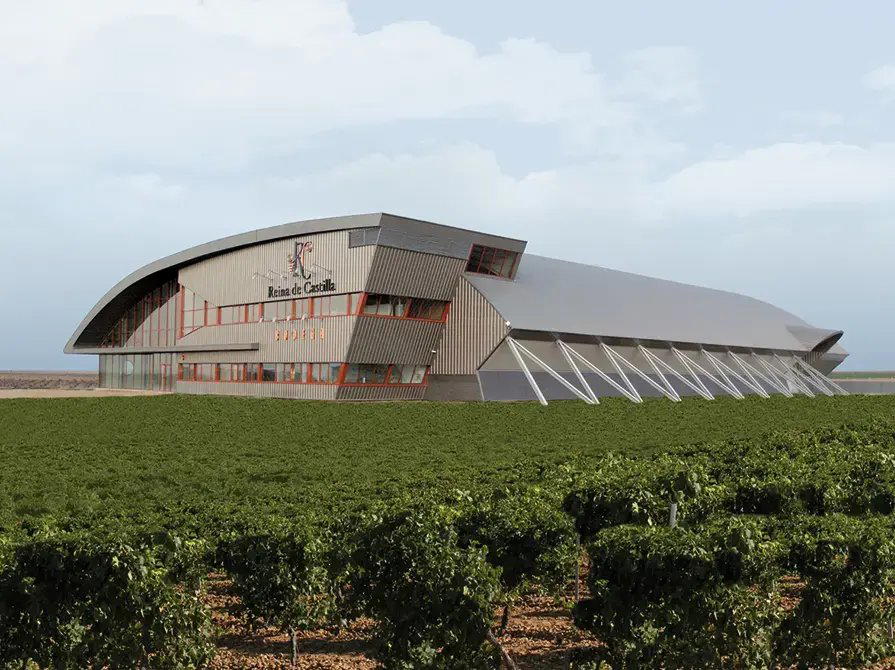
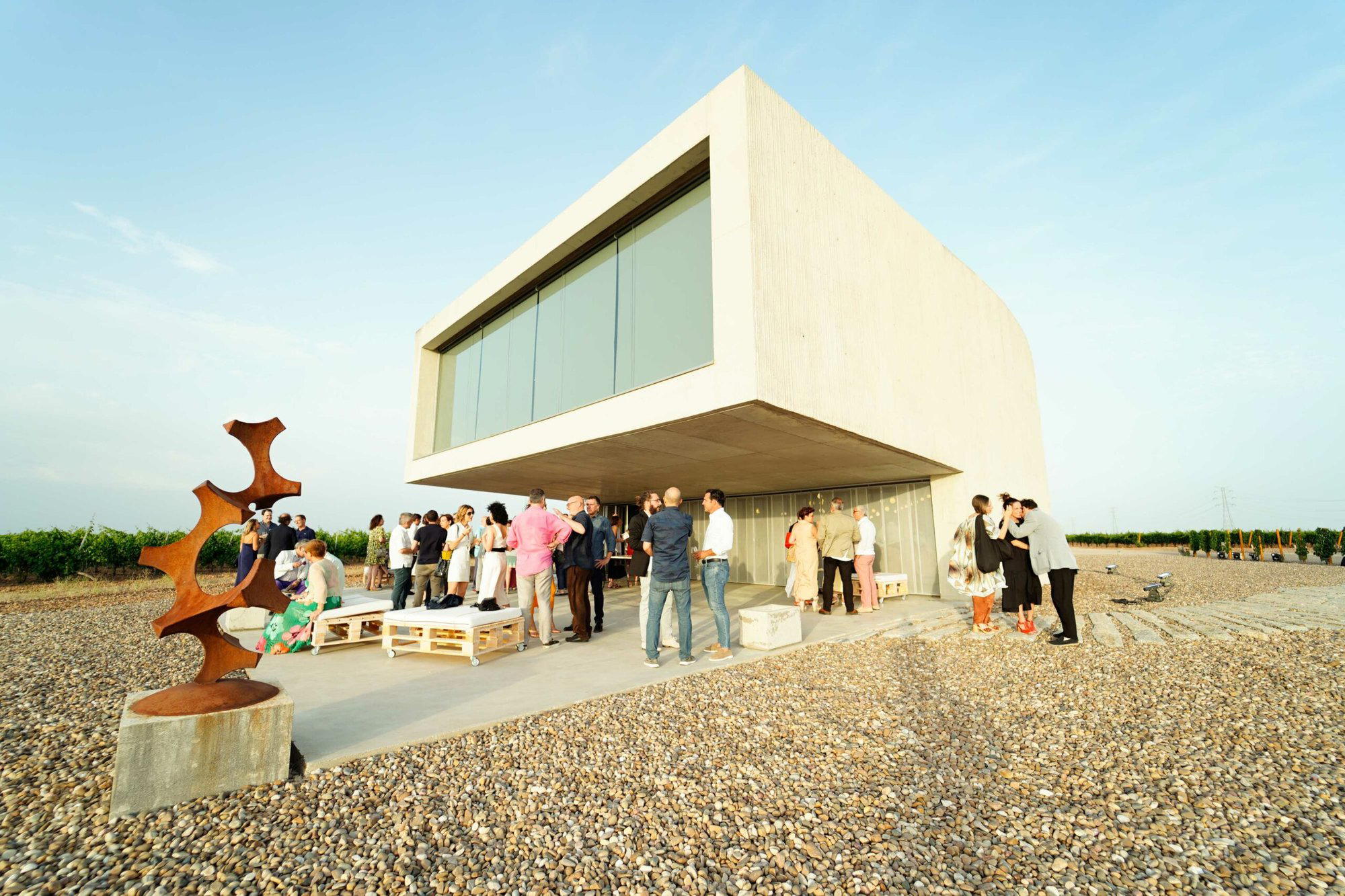
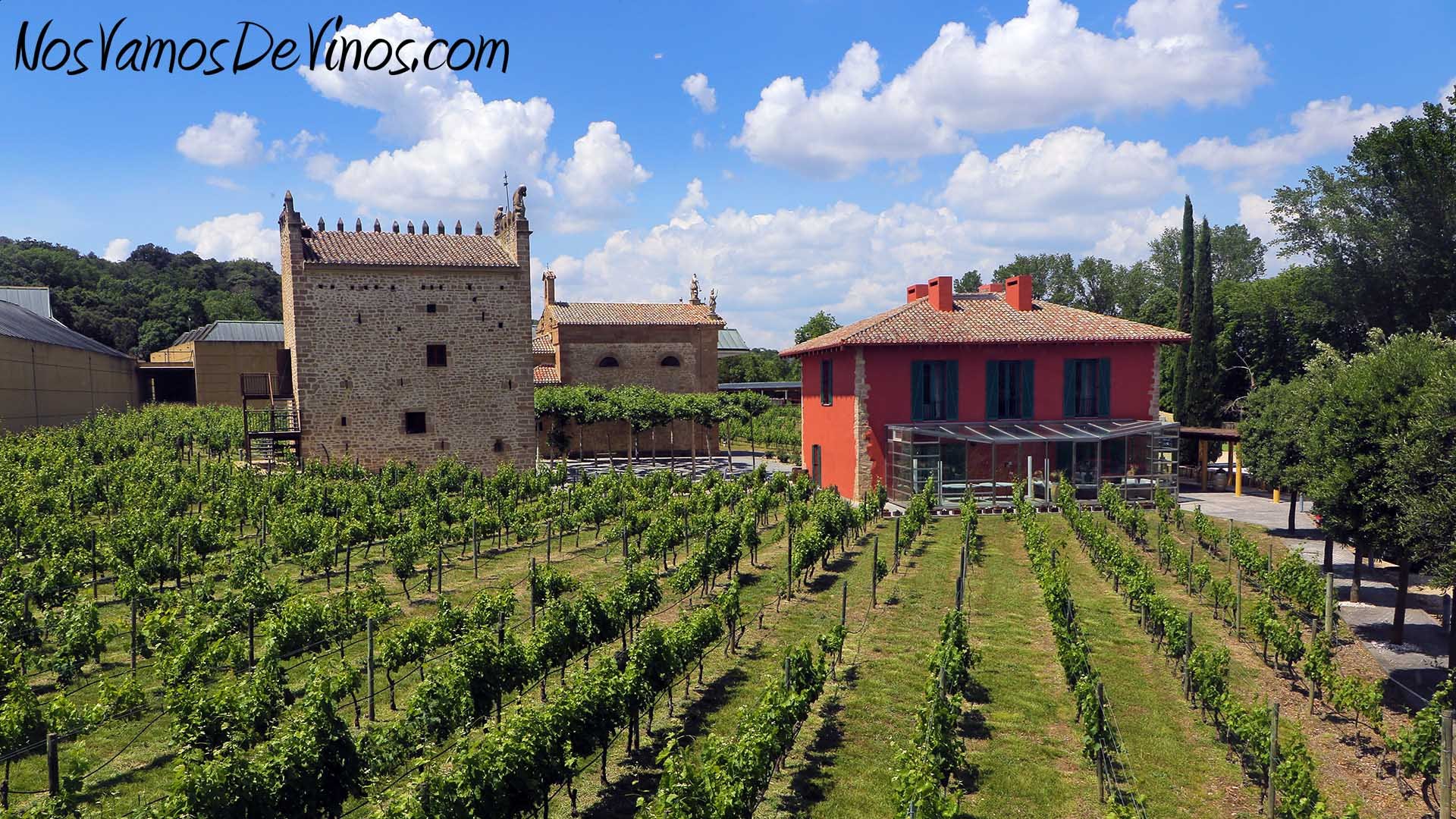
Bars in La Seca
Browse all →
Restaurants in La Seca
Browse all →
Details
- Classic
- Rustic
- Quiet
- Wine Education
- Solo Exploration
- Group Outing
- Dry Farmed
- Vineyard
- Verdejo
- Sauvignon Blanc
- Still White
Production-focused winery in the Rueda region, emphasizing classic Verdejo with fresh, lively, and characterful white wines rather than elaborate visitor facilities, giving a direct, rural working-winery feel.