Bodegas Covila

Falstaff Winery - 1 Stars
Bodegas Covila gives Rioja Alavesa in a working-cellar register: cooperative roots, estate vineyards, Tempranillo-led wines and a tasting format built around cellar visits rather than polished luxury. In Lapuebla De Labarca, it is a useful stop for travellers who want the mechanics of Rioja production, from old-vine holdings to barrel ageing, set against a practical, wine-first atmosphere.

Pearl is the En Primeur Club membership app — saves, bookings, and concierge access live there. Same editors, same standards.
- Address
- Lapuebla De Labarca, País Vasco, Spanien
- Directions
- Get directions
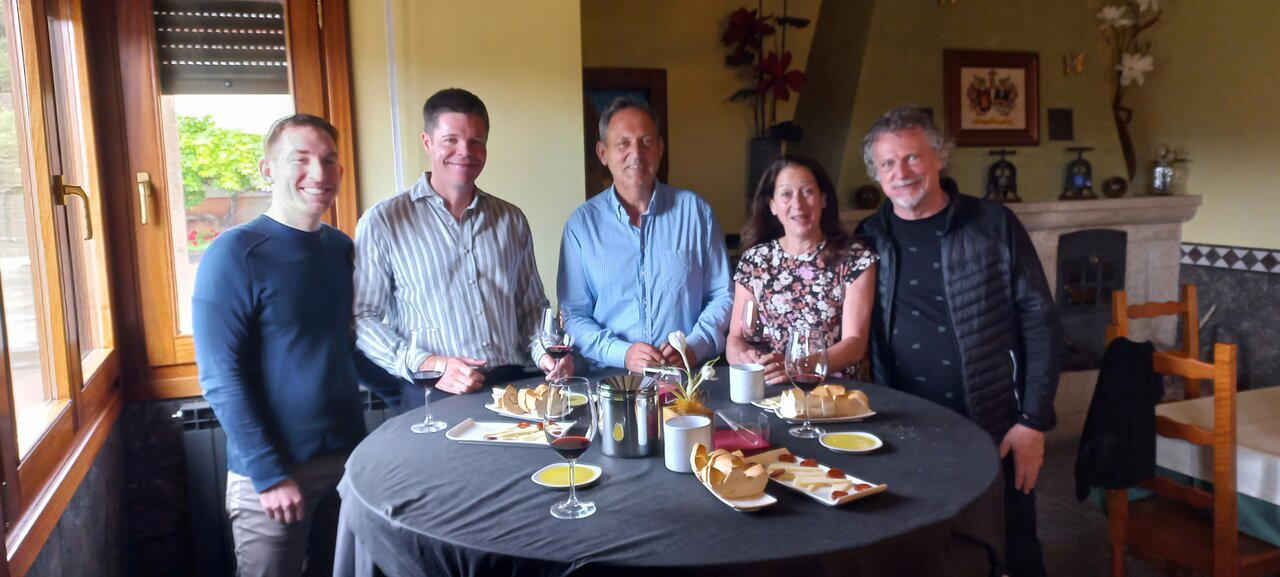
Approaching wine country in Lapuebla De Labarca, the glamour dial drops and the cellar logic takes over: vineyards, barrel work, tasting rooms built for explanation rather than theatre. Bodegas Covila belongs to that practical side of Rioja Alavesa. The experience is less about polished hospitality choreography than about understanding why this sub-zone, protected by the Sierra Cantabria and shaped by the Ebro River, produces Tempranillo with colour, acidity and ageing structure.
Rioja tourism often splits between architectural showpieces and working bodegas. The more useful visits are not always the flashier ones. Here, the point is the cooperative model: founded in 1989 by 60 local vine growers, the winery reflects a version of Rioja Alavesa where small plots, family farming and shared production capacity remain central to the region’s identity. That origin matters because it explains the scale and tone of the visit. This is not a personality-led estate built around a single winemaker narrative; it is a collective cellar translating local vineyards into a broad Rioja DOCa portfolio.
Rioja Alavesa through old plots, clay-limestone soils and cooperative scale
The main argument for the wines begins in the vineyard. The cooperative works around 250 hectares, with average vine age around 25 years and some plots reaching up to 80 years. In Rioja Alavesa, where calcareous clay soils and a dry climate meet the moderating influence of mountain and river, those older parcels are not decorative backstory. They are the reason the wines lean into freshness, fruit definition and structure rather than sheer weight.
The regional numbers are instructive: roughly 2,000 hours of sun and less than 400mm of rain annually. That combination pushes ripeness while keeping disease pressure low, but the protective Sierra Cantabria is what keeps Rioja Alavesa from reading simply as warm-climate Spain. Tempranillo dominates the reds, with Graciano and Mazuelo used for structure and complexity. White and rosé wines sit in the wider range, but the cellar’s centre of gravity is clearly red Rioja across Joven, Semicrianza, Crianza, Reserva, Gran Reserva and premium bottlings.
Production signals are conventional in the right way. Estate-grown fruit gives the cooperative control over farming decisions across its holdings, while hand harvesting suits the older, less uniform plots. Temperature-controlled fermentation in stainless steel keeps the young wines clean and direct; barrel ageing does the longer work. A cellar with around 2,000 barrels is not a boutique affectation, it is infrastructure for Rioja’s age-classification system, where oak and time define how Crianza, Reserva and Gran Reserva are read by drinkers.
What the tasting teaches about Rioja classification
A visit works well for travellers who want Rioja’s categories explained through the glass rather than through a textbook. Joven wines show the fresher end of the spectrum, where fruit and acidity carry the conversation. Crianza introduces the wood-fruit balance that many drinkers associate with everyday Rioja. Reserva and Gran Reserva move into longer ageing, where tannin, acidity and oak integration become the measure of the wine rather than simple ripeness.
Critic scores give the portfolio useful external reference points. The 2021 Tinto has been scored 90 by International Wine Review, while the 2020 Crianza received 90 from James Suckling. The 2018 Reserva received 92 from both International Wine Review and Wine Enthusiast, and the 2016 Gran Reserva reached 95 from Wine Enthusiast. Scores are not the reason to visit, but they do show that the cooperative’s working-bodega format is not merely rustic charm; the wines have performed in blind and critical contexts.
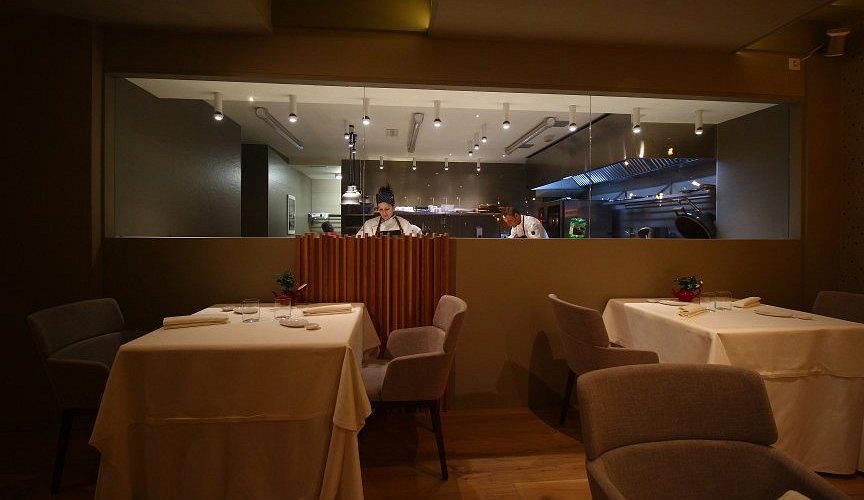
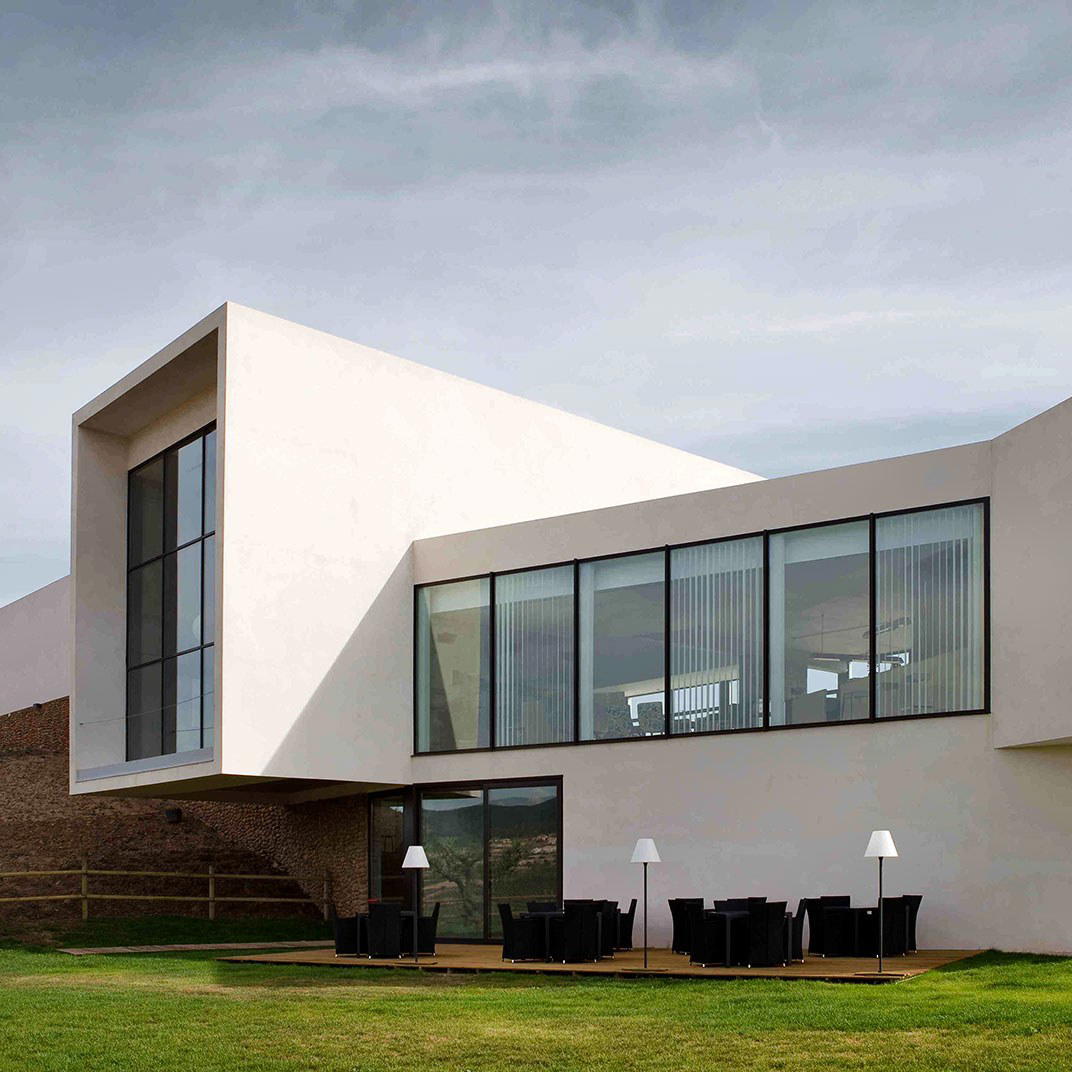
The tasting venue is set up for cellar visits and group tastings, with capacity for groups of more than 60 people. That scale changes the rhythm. Expect a format oriented toward explanation, range and accessibility rather than hushed, low-capacity luxury. The price positioning is moderate for wine tourism, and the atmosphere suits casual dress. For travellers planning a broader Lapuebla De Labarca wine day, the city’s appeal lies in stacking these grounded cellar experiences with time in the surrounding vineyard country.
There is also a useful editorial contrast within Spain’s wine scene. Many premium visits now sell scarcity, architecture or allocation drama. Bodegas Covila sells comprehension: how a cooperative can preserve small-grower identity while commercialising wine at a scale large enough for domestic and international distribution. The split of production, about 75 percent domestic and 25 percent international, reinforces that dual role. It is local first, export-aware second.
How to place it in a Lapuebla De Labarca wine day
Because the format is cellar-led, this is a strong first or middle stop rather than a finale built around a long lunch. The practical value is highest for drinkers who want to calibrate Rioja Alavesa styles before moving through more specialised producers. The breadth of the portfolio gives context quickly: young red, Crianza, Reserva and Gran Reserva form a vertical lesson in how the region uses time.
For the rest of the city plan, use our full Lapuebla De Labarca restaurants guide, our full Lapuebla De Labarca hotels guide, our full Lapuebla De Labarca bars guide and our full Lapuebla De Labarca experiences guide.
For a wider Spanish and European wine map, compare planning notes across 3 Ases Bodegas y Viñedos in Quintanilla De Arriba, 4Kilos Vinícola in Felanitx, Aalto Bodegas y Vinedos in Quintanilla De Onesimo Valladolid, Abadia de Aribayos in Moraleja Del Vino, Abadía Retuerta in Sardón de Duero, Abel Mendoza Monge in San Vicente de la Sonsierra, Acústic Celler in Els Guiamets, »der Steiner« Hans Steiner in Podersdorf am See and & Handwein in Mannheim.
Recognition history
Dated appearances from independent guides and award organizations, with the underlying list record or original source where available.
Falstaff Winery - 1 Stars
Falstaff
Continue exploring
More in Lapuebla De Labarca
Wineries in Lapuebla De Labarca
Browse all →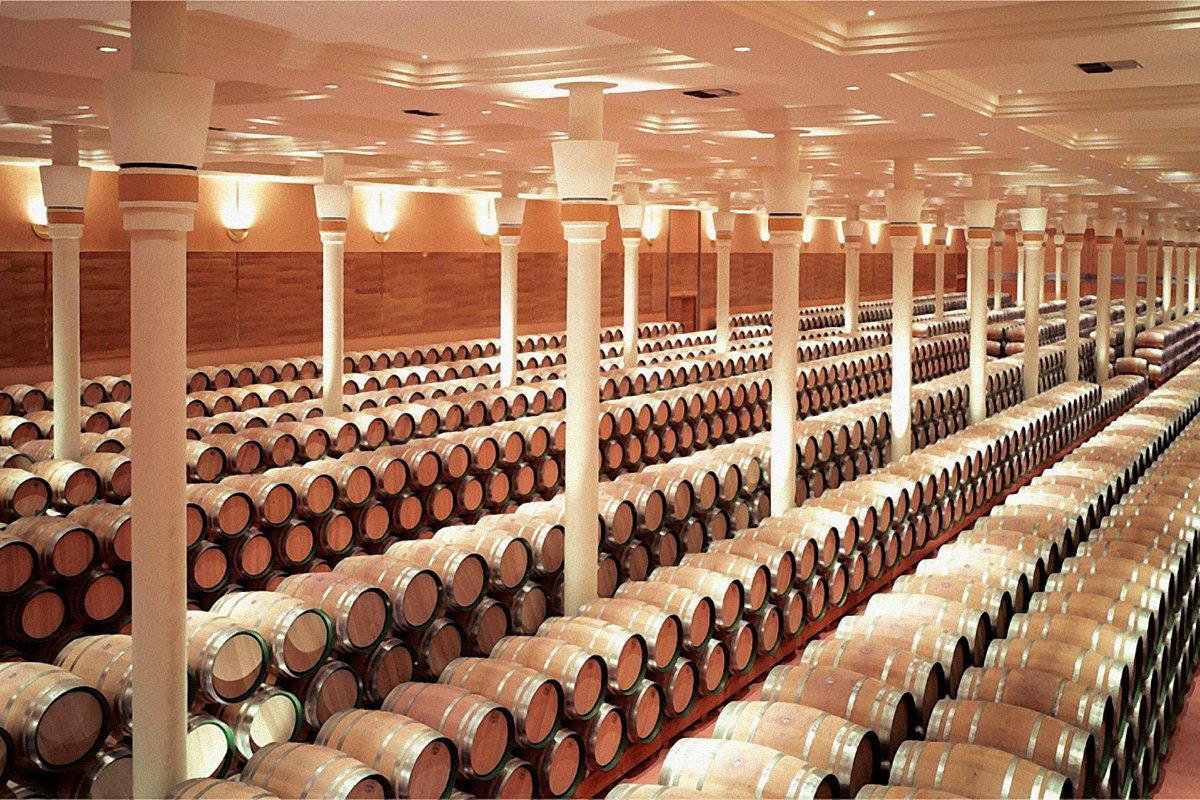
Bars in Lapuebla De Labarca
Browse all →
Restaurants in Lapuebla De Labarca
Browse all →
Details
- Rustic
- Classic
- Scenic
- Group Outing
- Wine Education
- Special Occasion
- Vineyard Tour
- Historic Building
- Private Tasting
- Dry Farmed
- Vineyard
- Tempranillo
- White Grape Varieties
- Rosé Blends
- Still Red
- Still White
- Still Rosé
- Guided Tasting
- Paired Tasting
- Spanish
- English
A working winery and tasting venue in Rioja Alavesa with a practical, wine-focused atmosphere centered on cellar visits and tastings rather than luxury presentation.