Bodega Spinoglio

Bodega Spinoglio holds a Pearl 2 Star Prestige rating (2025) and sits in Las Piedras, Uruguay's most concentrated wine-producing corridor outside Canelones proper. The bodega occupies a position among the departamento's serious production houses, where Tannat-led programs and Atlantic-influenced viticulture define the regional identity. For visitors planning a Uruguayan wine circuit, it belongs in the same conversation as the region's better-credentialed estates.
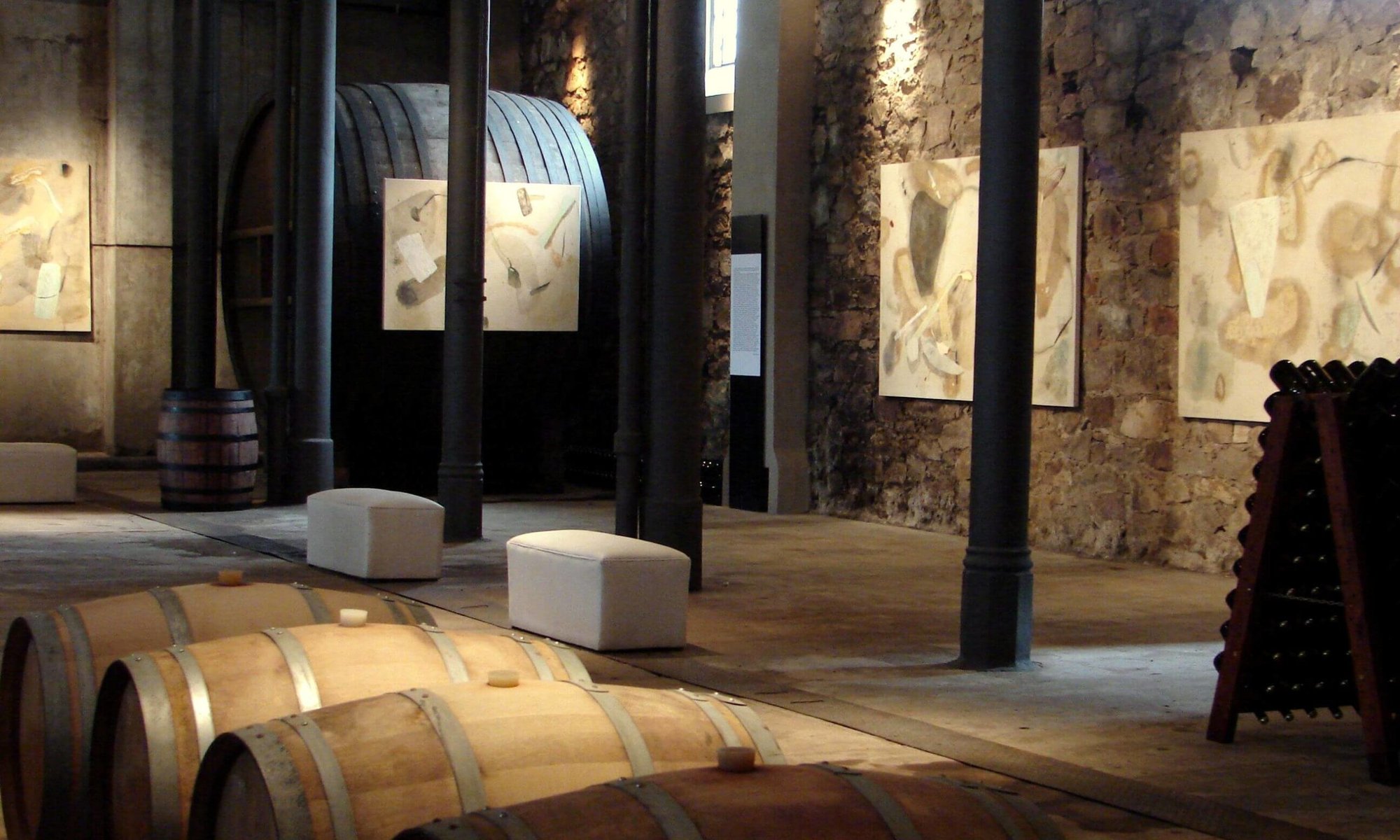
Las Piedras and the Case for Uruguay's Overlooked Wine Corridor
The road into Las Piedras from Montevideo passes through a landscape that does not announce itself the way Napa or Mendoza does. There are no grand gates, no curated vistas designed for social media. What the departamento offers instead is density: a concentration of working bodegas, many with roots going back several generations, operating in the kind of low-profile seriousness that Uruguay's wine industry has quietly built over the past three decades. Bodega Spinoglio, addressed on Avenida Don Pedro de Mendoza in the 12400 postcode, sits within this corridor and carries a Pearl 2 Star Prestige rating from EP Club for 2025, a credential that places it among the more serious production houses in a region that increasingly demands that kind of verification before visitors commit a visit.
Uruguay's wine identity is not reducible to a single grape, but Tannat is the thread that connects nearly every serious producer in the country, from Bodega Cerro del Toro in Piriápolis to Bodega Oceánica José Ignacio in Maldonado. The grape arrived with Basque settlers and found in Uruguay's humid Atlantic climate a different expression than it achieves in its native Madiran: softer tannin structures over time, but with the same underlying density that makes it a genuinely age-worthy variety when handled with discipline. Las Piedras, positioned on clay-loam soils with proximity to the Río de la Plata's moderating influence, is one of the more reliable sub-zones for that kind of production.
The Regional Frame: Where Las Piedras Sits in the National Picture
Uruguay produces roughly 70 to 80 million litres of wine annually, a fraction of Argentina or Chile's output, and that relative scarcity shapes how the industry operates. Producers here do not have the volume economics to compete on price at the global commodity level, so the serious houses have leaned into appellation identity, cellar-door tourism, and quality-tier signalling. The Pearl 2 Star Prestige designation that Bodega Spinoglio carries in 2025 is part of that signalling architecture. In EP Club's framework, that rating positions the bodega above entry-level production and inside the tier where wine-focused visitors should expect genuine engagement with the viticulture and winemaking rather than a generic tasting experience.
For comparison purposes, the Las Piedras corridor sits alongside Canelones as one of the two most active production zones close to Montevideo. Varela Zarranz in Canelones and Bodega Bouza in Montevideo represent the kind of established producers that international visitors tend to reach first, partly because of stronger marketing infrastructure. Las Piedras bodegas, Spinoglio among them, have historically operated with less international profile, which makes the EP Club recognition more useful as a filter. See our full Las Piedras wineries guide for a broader map of the corridor's producers.
Winemaking Philosophy in the Atlantic South
The editorial angle on any serious Uruguayan producer ultimately returns to philosophy: how does a house approach the tension between Tannat's structural weight and the desire for drinkability, and what does the cellar program reveal about long-term intent? Uruguay's more deliberate producers have generally moved away from the aggressive extraction that defined the country's early export push in the 1990s and early 2000s. The shift mirrors what happened in Mendoza over a similar period: a generational recognition that international markets reward restraint and site expression over power for its own sake.
Without confirmed biographical detail for Bodega Spinoglio's winemaking team in the verified record, it would be speculative to characterise individual philosophy in specific terms. What the Pearl 2 Star Prestige rating does confirm is that the production meets a quality threshold that EP Club's framework associates with deliberate winemaking decisions rather than commodity output. That distinction matters in Las Piedras, where the range between serious and perfunctory production can be wide, and where visitors without a reliable quality signal can waste a half-day on a cellar door that doesn't reward the detour.
Producers in this tier across Uruguay, from Bodega Carrau in Las Piedras itself to Campotinto in Carmelo and Bodega Los Cerros de San Juan in Colonia del Sacramento, tend to share certain characteristics: controlled yields, oak programs calibrated to variety rather than applied uniformly, and a willingness to hold wine back rather than release it before it is ready. These are not dramatic commitments, but in a small wine country where volume pressure is real, they represent genuine choices.
Visiting the Bodega: Practical Context
Las Piedras sits north of Montevideo, accessible by road in under an hour from the capital's centre, making it a viable half-day excursion or a logical stop on a longer circuit that might include Cerro Chapeu (Carrau) in Rivera to the north or a western swing through comparable prestige estates if the trip extends internationally. The bodega's address on Avenida Don Pedro de Mendoza places it within the main production belt of the departamento rather than on a remote rural road, which tends to make logistics simpler for visitors arriving by rental car or hired transfer from Montevideo.
Website and phone contact details are not confirmed in the current verified record, which means direct outreach before visiting is advisable rather than optional. Uruguayan bodegas at this quality tier generally operate structured visit programs rather than casual walk-in tastings, and arriving without a confirmed appointment at a working production facility can result in a limited experience. The practical recommendation is to approach the visit as you would any appointment-first cellar door: confirm in advance, allow time for a proper tasting rather than a rushed stop, and position it as one anchor in a broader Las Piedras circuit.
For those building a fuller picture of the region, the Las Piedras restaurants guide, hotels guide, bars guide, and experiences guide provide the surrounding infrastructure context. A wine-focused day in the departamento pairs naturally with lunch at one of the region's estancia-style dining rooms, and a single overnight stay, if available, allows for an evening visit to a second producer without the time pressure of a day trip from the capital.
How Spinoglio Fits the Broader Uruguayan Circuit
For visitors assembling a wine-focused Uruguay itinerary, the question is less about any individual bodega and more about building a circuit that covers the country's range: Atlantic-influenced production near Montevideo, the limestone and chalk soils further west toward Colonia, and the elevation and continental influence of the northern departments. Bodega Spinoglio's position in Las Piedras makes it a natural component of the Montevideo-adjacent leg, representing the kind of serious mid-size producer that gives a circuit credibility alongside the larger names that anchor most international itineraries.
The Pearl 2 Star Prestige rating for 2025 is the clearest public signal currently available about where the bodega sits in the quality hierarchy, and it is sufficient to recommend inclusion in a considered visit program. Uruguay's wine scene has spent twenty years earning the attention of the international market; producers in this tier are part of the reason that attention is now substantiated rather than speculative.
Frequently Asked Questions
- What's the vibe at Bodega Spinoglio?
- Bodega Spinoglio operates within Las Piedras, a working wine corridor rather than a polished tourist destination, so the atmosphere is closer to a serious production facility than a resort-style cellar door. The EP Club Pearl 2 Star Prestige rating (2025) suggests a level of presentation and quality that goes beyond basic, but visitors should expect a wine-focused rather than lifestyle-focused experience. Confirming visit details directly with the bodega before arriving will give the clearest picture of current format and facilities.
- What should I taste at Bodega Spinoglio?
- Uruguay's Tannat-led production is the reference point for any serious tasting in Las Piedras, and at a Pearl 2 Star Prestige house, the range is likely to extend beyond single-varietal Tannat into blends and potentially white or rosé programs that reflect the Atlantic climate. Without confirmed tasting menu details in the verified record, the most reliable approach is to ask the bodega directly what the current release program covers. The EP Club 2025 rating confirms that the quality bar is worth the inquiry.
- What makes Bodega Spinoglio worth visiting?
- The EP Club Pearl 2 Star Prestige recognition for 2025 places Bodega Spinoglio inside the tier of Las Piedras producers where a visit will reward genuine wine interest rather than casual curiosity. Las Piedras is one of Uruguay's most concentrated production zones and is accessible from Montevideo in under an hour, making Spinoglio a logical anchor in any Montevideo-adjacent wine circuit. For visitors comparing options across the departamento, the EP Club rating provides an evidence-based reason to prioritise this bodega over unrecognised alternatives.
- Do they take walk-ins at Bodega Spinoglio?
- Phone and website details are not confirmed in the current verified record, so direct walk-in feasibility cannot be stated with certainty. Uruguayan bodegas at the Pearl 2 Star Prestige tier generally operate on a structured-visit or appointment basis rather than open-door access, and arriving unannounced at a working production facility carries a real risk of a limited or unavailable experience. Contacting the bodega through local tourism channels or a Montevideo-based travel arranger before visiting is the more reliable approach.
- How does Bodega Spinoglio compare to other Pearl-rated producers in the Las Piedras and greater Montevideo region?
- Bodega Spinoglio's Pearl 2 Star Prestige rating (2025) places it within a select group of EP Club-recognised producers in Uruguay's most active wine corridor. Neighbouring producers such as Bodega Carrau in Las Piedras represent the longer-established names in the same geography, while Bodega Bouza in Montevideo offers a point of comparison for Atlantic-zone production closer to the capital. Within this peer set, a Pearl 2 Star designation signals production depth and consistency that distinguishes Spinoglio from the departamento's entry-level cellar doors.
Comparison Snapshot
Comparable venues for orientation, based on our database fields.
| Venue | Classification | Awards | First Vintage | Notes |
|---|---|---|---|---|
| Bodega Spinoglio | 1 awards | This venue | ||
| Bodega Bouza | World's 50 Best | |||
| Varela Zarranz | 1 awards | |||
| Bodega Carrau | 1 awards | |||
| ANCAP Alcoholes | 1 awards | |||
| Antigua Bodega Stagnari | 1 awards |
Access the Cellar?
Our members enjoy exclusive access to private tastings and priority allocations from the world's most sought-after producers.
Access the Concierge