Bodega Los Cerros de San Juan

Bodega Los Cerros de San Juan sits on Ruta 21 in the Colonia department, where the rolling countryside east of Colonia del Sacramento transitions into one of Uruguay's quieter wine corridors. A Pearl 2 Star Prestige recipient in 2025, the bodega operates in a region where maritime influence and clay-heavy soils shape Tannat and white varieties in ways distinct from the Canelones heartland.
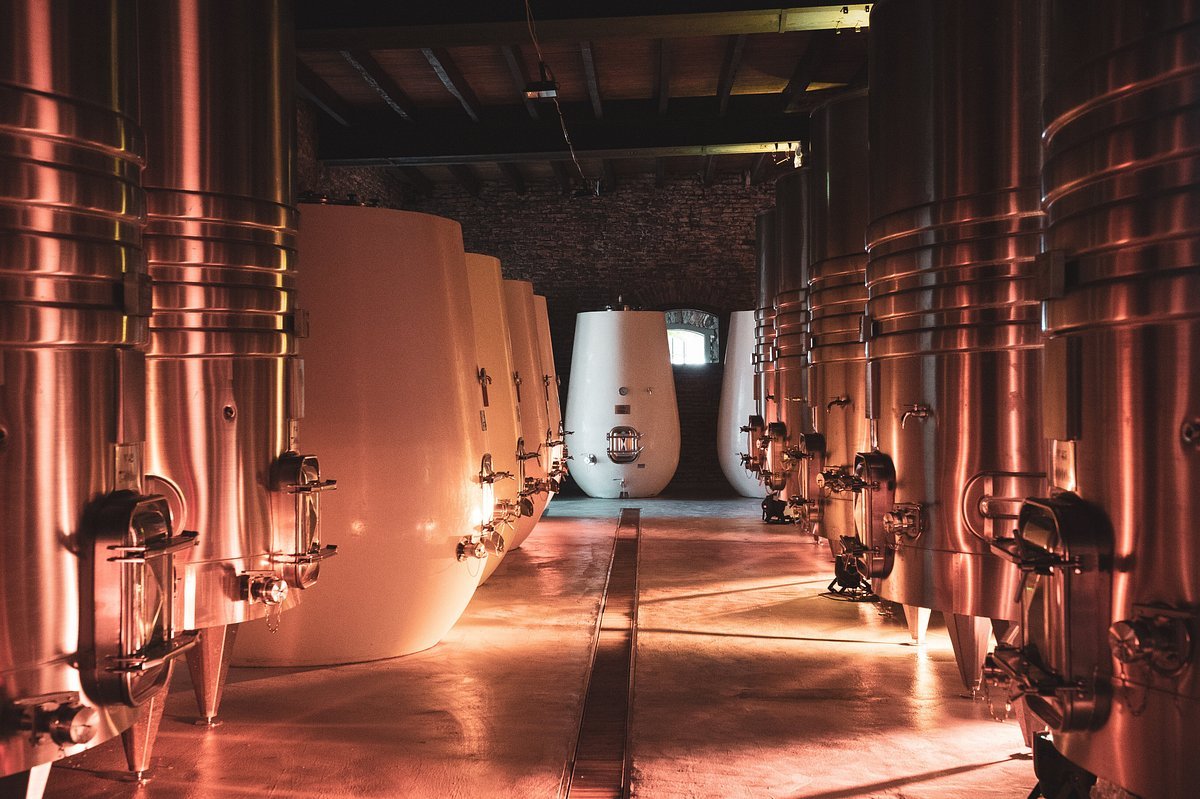
Where the Colonia Countryside Meets the Vine
Drive east from Colonia del Sacramento on Ruta 21 and the colonial cobblestones give way quickly to open farmland. By kilometre 204, the terrain has settled into the kind of gently undulating cattle country that defines the Departamento de Colonia: wide skies, eucalyptus windbreaks, and a horizon that feels further away than it actually is. Bodega Los Cerros de San Juan sits inside this landscape at an address that doubles as a coordinate for a particular expression of Uruguayan wine — one shaped less by the metropolitan influence of Montevideo and more by the specific soils and Atlantic air that move inland from the Río de la Plata estuary.
The Colonia department has historically operated in the shadow of Canelones, which produces the bulk of Uruguay's commercial wine and houses celebrated addresses like Varela Zarranz. But the department's distinct terroir — heavier clay content, cooler overnight temperatures influenced by proximity to the estuary, and a growing season that runs slightly later than the warmer interior , gives producers here a different set of tools. The wines that emerge from this corridor tend toward structure over fruit-forward exuberance, and that character is legible across the region's serious producers.
Terroir as the Primary Argument
Uruguay's wine identity has been inseparable from Tannat since the grape arrived with Basque settlers in the nineteenth century and found in the country's clay-rich soils something that amplified its natural tannin structure without overwhelming its fruit. In the Colonia department, that dynamic takes on an additional dimension. The proximity to the Río de la Plata introduces humidity and a moderating maritime influence that slows ripening and preserves acidity , a combination that, in capable hands, produces Tannat with more tension and less of the broad, jammy character that warmer inland sites can encourage.
This is the backdrop against which Bodega Los Cerros de San Juan operates. The bodega earned a Pearl 2 Star Prestige rating from EP Club in 2025, a designation that places it within a tier of Uruguayan producers whose work is considered both regionally significant and worth the deliberate detour. That positioning aligns it with a peer set that includes producers working across Uruguay's varied wine zones: Bodega Bouza in Montevideo, Bodega Carrau in Las Piedras, and Bodega Oceánica José Ignacio in Maldonado, each of which expresses a distinct terroir argument through a shared national grape vocabulary.
What distinguishes the Colonia corridor from these other zones is precisely its lower profile. Where Maldonado benefits from the tourism pull of José Ignacio and Rivera's Cerro Chapeu (Carrau) draws attention as a high-altitude outlier, Colonia's wine story has been slower to reach international audiences. That quietness is partly a function of geography , the region is well-connected to Buenos Aires by ferry but sits outside the main domestic wine tourism circuits , and partly a function of a regional identity still consolidating around its strongest producers.
The Colonia Wine Corridor in Context
Uruguay's wine regions are rarely discussed with the same granularity applied to Argentina's Mendoza or Chile's coastal zones, but the country's serious producers have been building a credible terroir argument for decades. The national focus on Tannat is not simply marketing; it reflects a genuine case of variety-to-soil fit that researchers and international critics have noted since the 1990s. What has changed in recent years is the range of varieties being planted alongside Tannat, with white grapes and Bordeaux blending varieties gaining ground as producers respond to both climate patterns and shifting export demand.
In the Colonia department, that diversification has particular logic. The cooler, more humid conditions that define the zone are better suited to white varieties and to Tannat expressions that emphasize freshness over power. Campotinto in Carmelo, situated further along the same coastal corridor, represents another node in this geography. Together, these producers form a loose constellation of Colonia wine addresses that reward visitors willing to map a route along Ruta 21 rather than gravitating solely toward the historic quarter of the town itself.
Comparable producers working at the Prestige tier in other parts of Uruguay, such as Bodega Cerro del Toro in Piriápolis, illustrate how Uruguay's wine geography stretches across very different coastal and inland conditions. The Colonia producers are unified not by shared style but by a shared reliance on estuary influence , an argument from climate that gives the department's wines a specific atmospheric quality that is difficult to replicate in warmer zones.
Visiting and Planning
Bodega Los Cerros de San Juan is located at Ruta 21 Km 204, in the Cerros de San Juan locality within the Departamento de Colonia. Reaching the bodega requires a vehicle; the address sits outside the walkable range of Colonia del Sacramento's historic centre and is leading approached as a deliberate half-day excursion rather than a casual stop. Visitors combining the bodega with Colonia del Sacramento's broader offer , the UNESCO-listed Barrio Histórico, the colonial-era streets, and the ferry connections to Buenos Aires , will find the Ruta 21 corridor a natural extension of a trip already built around the region's heritage character.
For visitors interested in the full range of what the Colonia department and wider Uruguay offer in spirits and fermented drinks, Destilería Artesanal Sur 34 Gin represents a different but complementary strand of the local drinks scene. The EP Club guides to Colonia del Sacramento wineries, restaurants, hotels, bars, and experiences provide the fuller picture for anyone planning time in the department. Booking ahead is advisable; producers at the Prestige tier in Uruguay's quieter wine zones typically do not carry walk-in capacity equivalent to larger tourist-facing operations, and the bodega's rural address makes confirming arrangements before arrival a practical necessity rather than a formality.
For those building a wider Uruguayan wine itinerary, the contrast between Colonia's maritime influence and the warmer continental character of producers in Canelones and Las Piedras is worth planning around. The difference is not simply stylistic; it reflects distinct soil types, drainage patterns, and growing season dynamics that become legible in the glass when wines from both zones are tasted side by side. That comparative dimension is part of what makes Uruguay's wine geography more nuanced than its relatively compact size suggests , and it is the argument that producers along Ruta 21, including Bodega Los Cerros de San Juan, are leading positioned to demonstrate.
Frequently Asked Questions
- What is the general vibe of Bodega Los Cerros de San Juan?
- The bodega operates in a rural setting along Ruta 21, approximately 204 kilometres from Colonia del Sacramento's urban centre. The atmosphere is defined by the open Colonia countryside rather than by a curated visitor experience, which places it in the quieter, more agricultural end of the Uruguayan winery spectrum. Its Pearl 2 Star Prestige recognition from EP Club in 2025 indicates a producer working at a considered level, though the setting itself is low-key rather than destination-resort in character.
- What do visitors recommend trying at Bodega Los Cerros de San Juan?
- Specific current releases are not confirmed in available data. In general, Colonia department producers working at this tier tend to produce Tannat and Tannat-based blends that reflect the zone's cooler, estuary-influenced growing conditions. Uruguay's Colonia wine corridor is worth approaching with an interest in how maritime climate shapes the country's signature grape variety. For the most current release information, contacting the bodega directly before visiting is recommended.
- What is Bodega Los Cerros de San Juan known for?
- The bodega holds a Pearl 2 Star Prestige rating from EP Club (2025), which positions it among Uruguay's regionally significant wine producers. It operates in the Colonia department, a zone whose terroir , clay-heavy soils, Atlantic-influenced humidity, and a moderating estuary proximity , produces wines with a distinct structural character relative to the warmer Canelones heartland. Among comparable Uruguayan addresses at this tier, names like Bodega Bouza and Bodega Carrau help frame the peer set.
- Can I walk in to Bodega Los Cerros de San Juan?
- The address at Ruta 21 Km 204 is a rural location outside the walkable range of Colonia del Sacramento's centre, meaning a vehicle is required to reach it. Walk-in visits to Prestige-tier producers in Uruguay's rural wine zones are generally not reliable without prior arrangement. Specific hours, booking methods, and contact details are not confirmed in current data , reaching out in advance through the bodega's own channels is the practical approach before making the trip.
Similar Picks
A quick context table based on similar venues in our dataset.
| Venue | Classification | Awards | First Vintage | Notes |
|---|---|---|---|---|
| Bodega Los Cerros de San Juan | 1 awards | This venue | ||
| Bodega Bouza | World's 50 Best | |||
| Varela Zarranz | 1 awards | |||
| ANCAP Alcoholes | 1 awards | |||
| Antigua Bodega Stagnari | 1 awards | |||
| Artesana | 1 awards |
Access the Cellar?
Our members enjoy exclusive access to private tastings and priority allocations from the world's most sought-after producers.
Access the Concierge