A neighbourhood brewery and taproom in Calgary's Inglewood district, Annex Ale Project occupies the kind of no-pretense space that craft beer culture tends to produce when it roots itself in a working community. The focus is local, the crowd is regular, and the beer does the talking. For those tracking Calgary's craft scene, it sits alongside the city's more established independent houses as a reference point rather than a destination novelty.

Pearl is the En Primeur Club membership app — saves, bookings, and concierge access live there. Same editors, same standards.
- Address
- 4323 1st St SE, Calgary, AB T2G 2L2, Canada
- Phone
- (403) 475-4412
- Hours
- Mon–Wed 12–9 PMThu 12–10 PMFri–Sat 12–11 PMSun 12–7 PM
- Website
- annexales.com
- Directions
- Get directions
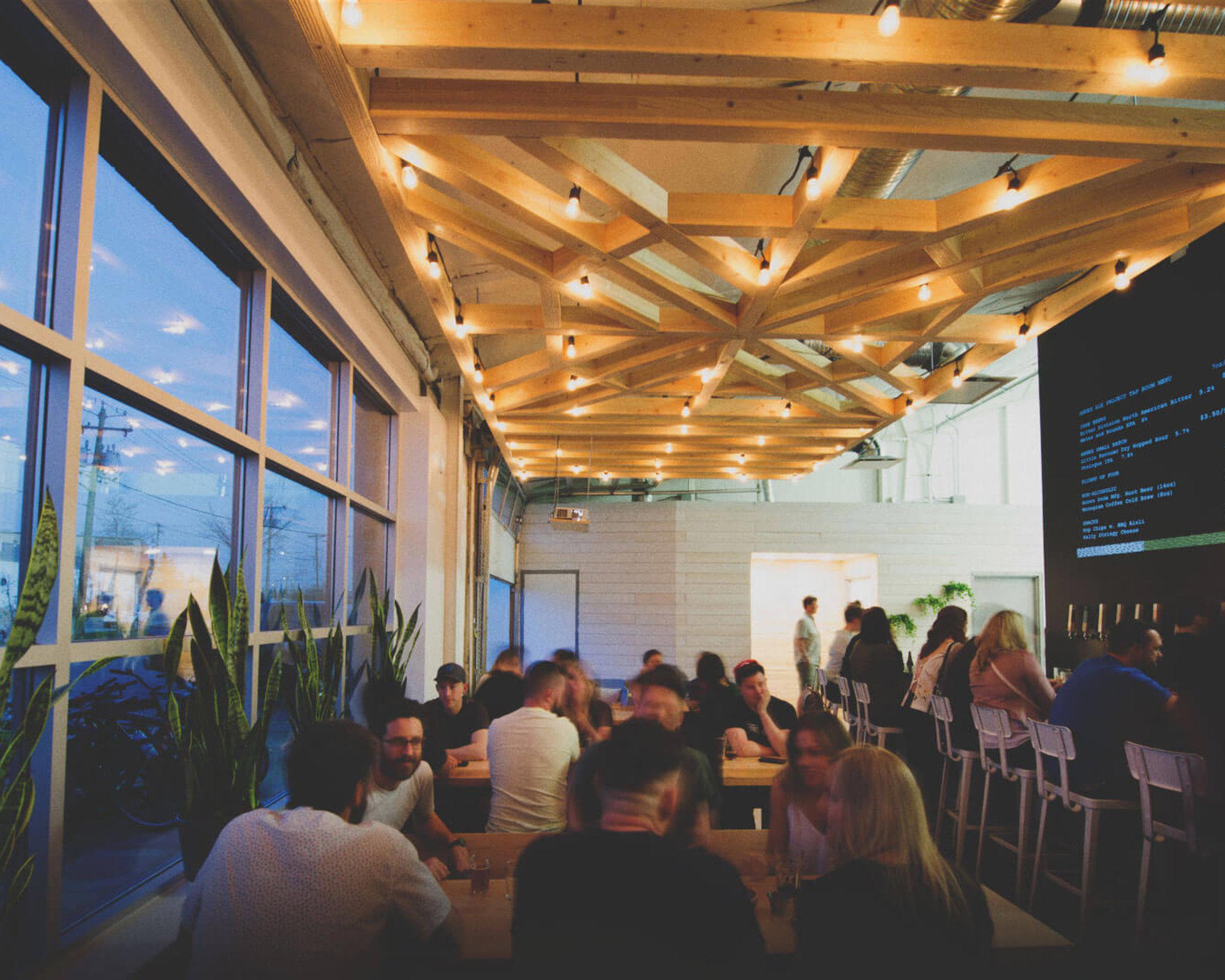
Where Inglewood Drinks
Calgary's Inglewood neighbourhood has long operated as the city's creative pressure valve: independent retail, music venues, and food businesses cluster along 9th Avenue and its surrounding blocks in a way that resists the polish of the downtown core. The area's drinking culture reflects that disposition. Neighbourhood taprooms here tend to earn regulars through consistency and community proximity rather than tasting menus or bar-program theatrics. Annex Ale Project, at 4323 1st St SE, sits inside that tradition. The address places it slightly off the main commercial strip, which, in a neighbourhood like Inglewood, tends to mean the crowd that finds you is the crowd that was looking for you.
That dynamic shapes what craft taprooms in this part of Calgary do well. They function as gathering infrastructure: the place where the same faces appear on Tuesday evenings, where local knowledge circulates, where the bar earns its reputation not from a single celebrated visit but from the accumulation of ordinary ones. In a city where cocktail bars like Proof and Shelter anchor the more formal end of the drinking spectrum, and where Missy's has carved out a distinct identity in the casual bar tier, the neighbourhood taproom occupies its own category. It is less about craft as performance and more about craft as daily habit.
The Brewery Taproom Format in Calgary's Context
Calgary's craft beer scene developed later than Vancouver's but has matured into a reasonably dense network of independent producers. The taproom model that accompanies most of these operations follows a familiar structure across Canadian cities: a production facility with a front-of-house drinking space, a rotating tap list anchored by house brands, and an atmosphere that borrows as much from the warehouse it occupies as from any deliberate design programme. 33 Acres Brewing Company Calgary represents one iteration of that model in the city. Annex Ale Project represents another.
What distinguishes taprooms in this mould from bars or gastropubs is precisely the directness of the relationship between production and service. There is no import list to manage, no cocktail programme to staff, no kitchen identity to maintain. The beer on tap is made in the building or sourced within a tight local radius. That constraint, which would feel like a limitation in a different format, tends to concentrate quality in a specific way. The brewer knows exactly what is on the bar because they put it there.
Across Canada, the brewery taproom has become one of the more reliable formats for understanding a city's independent drinking culture. Atwater Cocktail Club in Montreal and Bar Mordecai in Toronto represent the cocktail end of the independent bar spectrum in their respective cities. At the other end, places like Annex Ale Project represent the beer-focused, production-rooted anchor of the same ecosystem. Both matter to a complete picture of how Canadians actually drink.
Reading the Room: What a Neighbourhood Taproom Signals
The physical environment of a taproom like this one tends to communicate clearly. Exposed structure, concrete or reclaimed wood, a bar that faces the fermentation tanks or at least acknowledges their presence somewhere in the sightline. The seating arrangement in neighbourhood taprooms usually prioritises group tables over intimate two-tops, which is a spatial decision that also functions as a social one: the room is designed for conversation that spills between parties, not for contained dining experiences.
That design logic produces a specific kind of atmosphere. It is loud in the way that people talking freely are loud, not in the way that sound design produces loudness. It rewards arriving with a group but does not punish arriving alone, because the bar itself tends to function as a social node. For visitors to Calgary exploring the neighbourhood, that quality is worth noting: Inglewood taprooms are not spaces that require a particular occasion to justify entry.
Compared to the more destination-oriented drinking experiences that pull visitors to other Canadian cities, such as Botanist Bar in Vancouver or Bearfoot Bistro in Whistler, or the character bars in smaller markets like Humboldt Bar in Victoria and Grecos in Kingston, the neighbourhood taproom format operates on different terms entirely. It is not trying to be a reason to travel. It is trying to be a reason to come back on Thursday.
Craft Beer and Community Proximity
The craft beer boom in North America has produced two broadly distinct categories of producer. The first is the regional brand that scales distribution, loses direct consumer contact, and competes in retail alongside international imports. The second stays small, keeps the taproom central to the business model, and treats the local neighbourhood as both customer base and quality signal. The regulars at a well-run neighbourhood taproom function as a standing jury: they are too familiar with the product to be impressed by novelty and too invested in the space to tolerate a dip in standard.
Annex Ale Project operates within the second category. Its address in Inglewood places it in a neighbourhood that has the demographics to support that model: residents who value local production, who prefer a taproom over a chain bar, and who bring visitors there as a form of civic pride rather than as a tourist recommendation. That social function is harder to manufacture than a good tap list, and it is what separates a taproom with genuine community standing from one that merely occupies a warehouse.
For anyone building a picture of how Calgary drinks outside its hotel bars and downtown cocktail programmes, Inglewood is a necessary stop, and the taproom format is a necessary category. Our full Calgary restaurants and bars guide covers the broader spread of the city's food and drink scene. At the independent, neighbourhood-rooted end of that spectrum, Annex Ale Project is a useful address to hold.
Planning Your Visit
The 4323 1st St SE address puts Annex Ale Project within the walkable core of Inglewood, close enough to 9th Avenue to combine with a broader neighbourhood sweep but sufficiently off the main strip to feel like a local find rather than a stop on an organised route. No reservations are typically required for this format, but weekend evenings in a neighbourhood with Inglewood's foot traffic can fill a taproom quickly. Arriving before the post-dinner wave gives you the leading pick of seating. If you are comparing peer taprooms on the same visit, 33 Acres Brewing Company Calgary offers a useful point of contrast within the same format category. For a broader evening in the neighbourhood, pairing a taproom stop with a visit to Missy's or Shelter covers the range of what independent drinking in this part of Calgary looks like. For cocktail-focused alternatives, Bar Leather Apron in Honolulu provides a useful international benchmark for craft bar programmes if you are travelling the wider circuit.
Recognition, Side-by-Side
| Venue | Price | Awards |
|---|---|---|
| Annex Ale ProjectThis venue — the venue you are viewing | $20–30 | Not listed |
| Missy's | Not listed | World's 50 Best #79 · Star Wine List |
| Shelter | $30–50 | World's 50 Best #98 · Canada's 100 Best Bars #45 |
| Paper Lantern | Not listed | Canada's 100 Best Bars #33 |
Continue exploring
More in Calgary
Bars in Calgary
Browse all →

Restaurants in Calgary
Browse all →
Hotels in Calgary
Browse all →
Wineries in Calgary
Browse all →
Details
- Lively
- Modern
- Trendy
- Casual
- Casual Hangout
- Group Outing
- After Work
- Beer Garden
- Live Music
- Standalone
- Seated Bar
- Outdoor Terrace
- Craft Beer
- Zero Proof
Current opening hours
- Monday
- 12–9 PM
- Tuesday
- 12–9 PM
- Wednesday
- 12–9 PM
- Thursday
- 12–10 PM
- Friday
- 12–11 PM
- Saturday
- 12–11 PM
- Sunday
- 12–7 PM
Hours can change for holidays and private events. Last verified .
Casual, airy, and inviting taproom with sleek black bar against white wooden backdrop; spacious beer garden with dog-friendly patio.