
A small family-run Barolo estate for readers who care about Nebbiolo, vineyard specificity, and cellar-aged structure rather than polished visitor-center theatre. Bergadano Cav. Enrico Azienda Agricola works at intimate scale, with appointment-based tastings and a portfolio anchored in Barolo DOCG, Langhe Nebbiolo DOC, and Barolo Riserva DOCG from historic Piedmont sites.

Pearl is the En Primeur Club membership app — saves, bookings, and concierge access live there. Same editors, same standards.
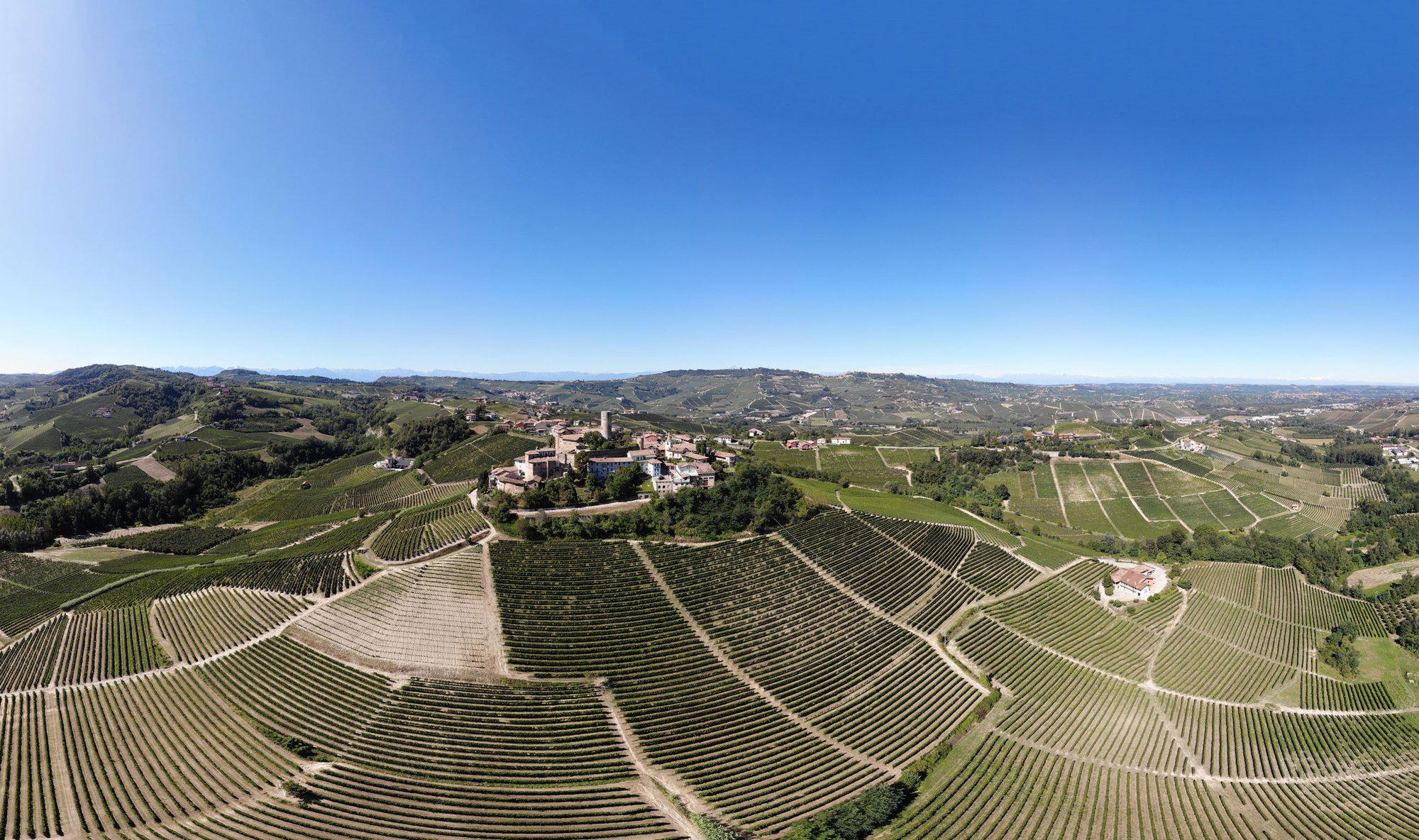
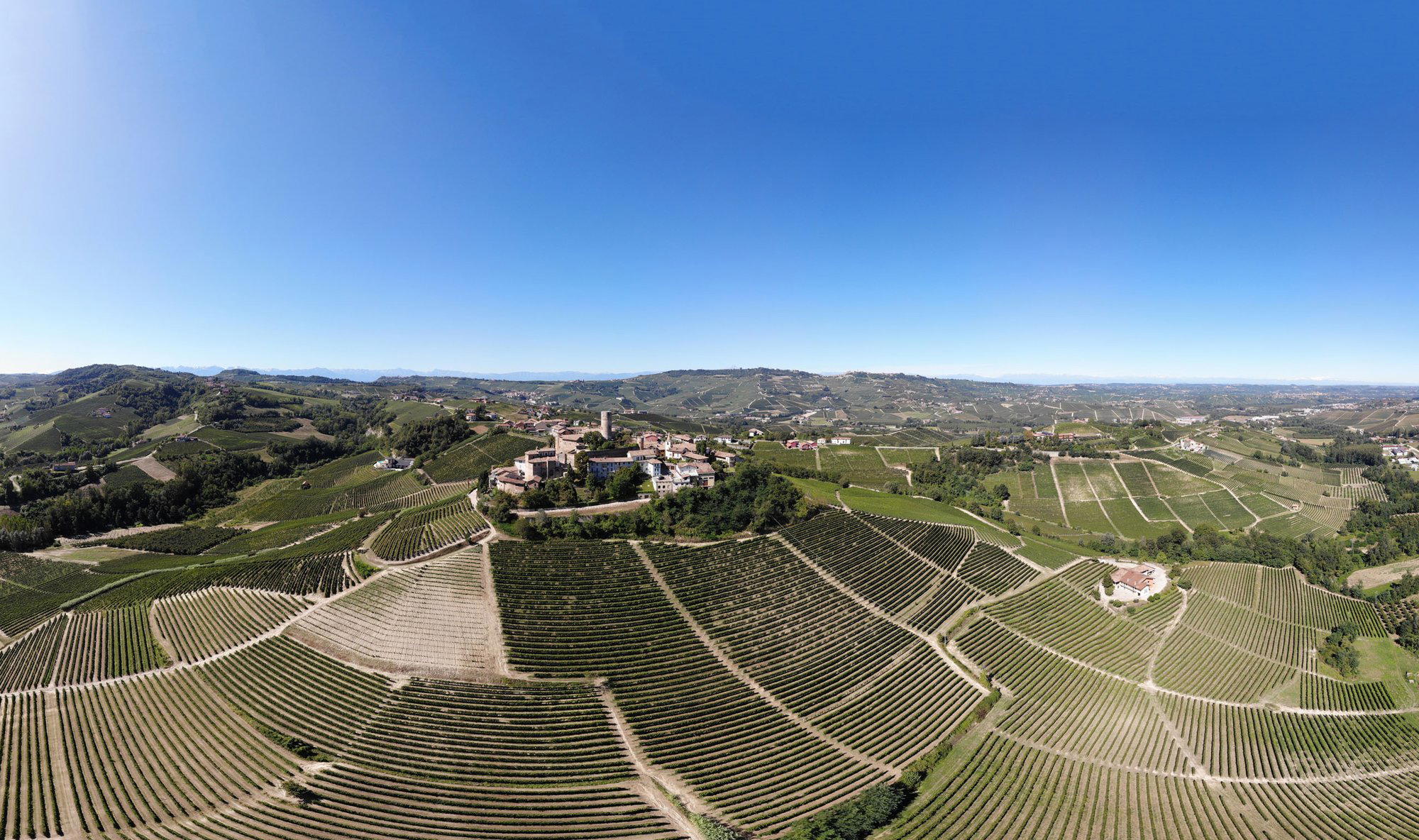
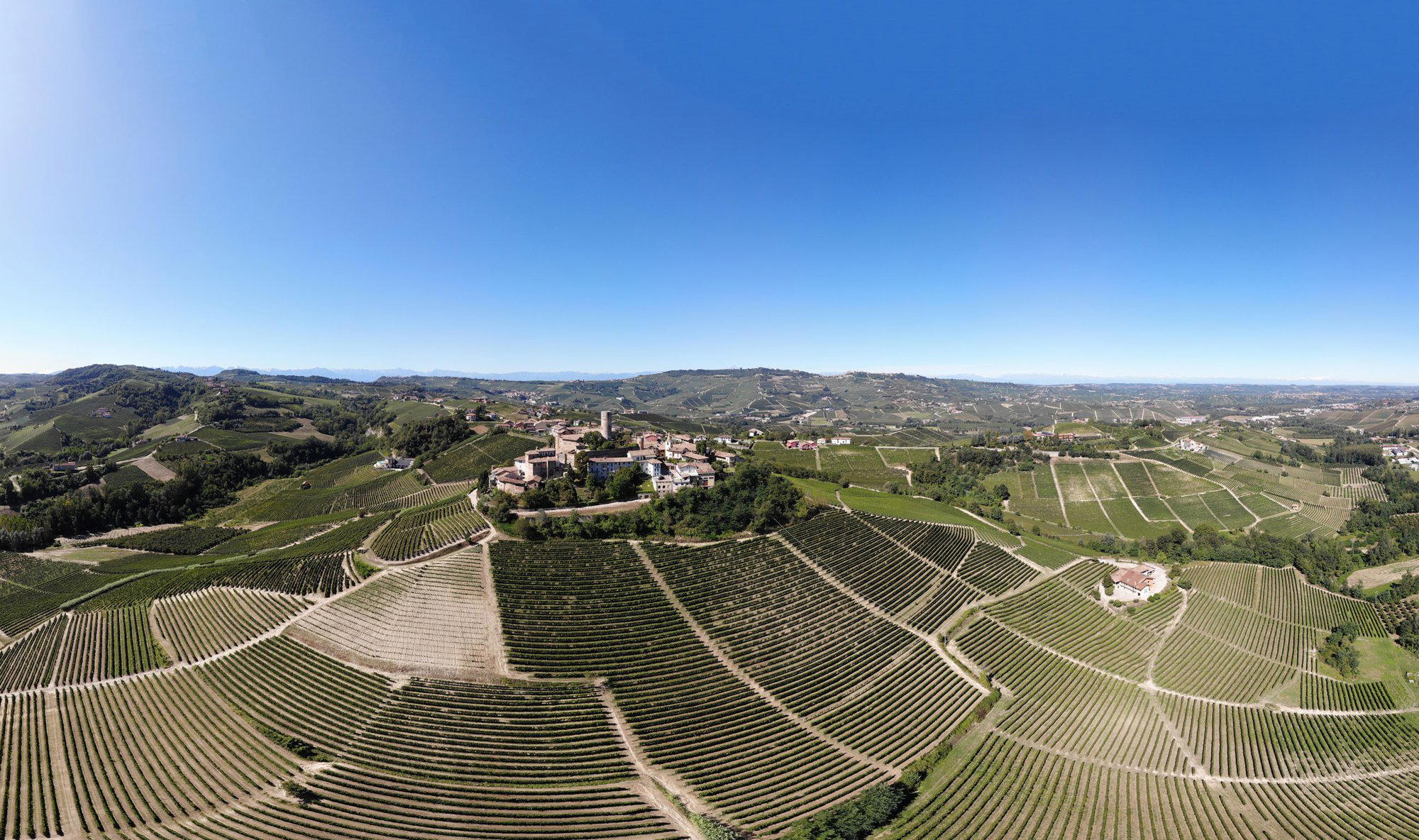
Barolo rewards patience before the first glass: compact streets, vineyard slopes, and cellar doors that can feel closer to working farms than hospitality stages. Bergadano Cav. Enrico Azienda Agricola belongs to that quieter register of Piedmont wine travel, where the draw is not spectacle but a classic, rustic setting and a focus on Nebbiolo with time in the cellar. The pleasure here is not built around instant impact or a polished destination-winery script. It is more about slowing down enough to notice the surroundings, the scale of the place, and the way a traditional estate can make Barolo feel grounded rather than performed.
The estate’s character matters. This is presented as a small, traditional, family-run Barolo estate rather than a large, touristic visitor center. That changes the visitor experience in practical and atmospheric ways: the emphasis is intimate, appointment-based tasting, a hidden-gem feel, and a scenic Piedmont backdrop. Instead of assuming a drop-in format or a broad hospitality program, visitors should think of this as the sort of address where the value comes from focus, context, and personal pacing. For travelers mapping a wine day in Barolo, it suits visitors who want a measured, traditional estate encounter more than a casual, high-volume tasting stop.
Nebbiolo through the slower Barolo clock
Bergadano Cav. Enrico Azienda Agricola is best understood through its focus on cellar-aged Nebbiolo. Rather than leaning on an expansive hospitality concept, the appeal is the slower Barolo rhythm: a small estate, a traditional family setting, and wines approached with patience. In this context, “slower” is not just a romantic idea; it is the organizing principle of the visit. Nebbiolo asks for attention, and Barolo’s reputation is tied to time, structure, and development. A tasting at a place like this is therefore less about rushing through a list and more about giving the wines and the setting enough space to make sense together.
Because only limited public detail is available here, the safest way to frame the visit is by feel rather than by unconfirmed technical specifications. Expect the conversation to revolve around Nebbiolo, Barolo tradition, and the estate’s classic Piedmont identity, not a broad destination-winery format. That distinction is important for setting expectations. The interest is not in cataloguing every cellar detail or dressing the experience in invented polish, but in understanding the estate as part of a traditional Barolo landscape where modest scale and seriousness can be more revealing than elaborate presentation.
That restraint is part of the appeal. Bergadano Cav. Enrico Azienda Agricola reads as a rustic, intimate Barolo address for people who prefer a quieter cellar experience and are comfortable arranging the visit in advance. The hidden-gem quality comes from that modesty: it does not need to announce itself as a major hospitality production to have value. For the right visitor, the lack of spectacle can make the encounter feel more direct, especially when the purpose of the stop is to spend time with Nebbiolo in the place that shaped it.
A cellar visit for drinkers who want detail over theatre
The hospitality format follows the estate’s profile: intimate, traditional, and appointment-based. Tastings are not presented as part of a large public visitor center or touristic complex. The useful comparison is not to a resort winery but to the older Piedmont model of an estate visit, where the family-run character and the cellar-aged Nebbiolo carry the experience. That means a useful approach is to arrive with curiosity rather than a checklist. The reward is in detail: how the wines feel with age, how the estate presents its Barolo identity, and how the rustic setting frames the tasting without overwhelming it.
For a broader Barolo itinerary, pair this kind of appointment with other dining and wine stops in Barolo generically, keeping the day paced rather than crowded. The winery is the kind of stop that benefits from attention and time. It would be easy to overpack a Barolo day, but this style of visit argues for a more deliberate rhythm. Leave room around the appointment, not because the format is grand or sprawling, but because traditional cellar visits can lose their meaning when treated as quick errands between more visible addresses.
The point of the winery is narrow and classical: a Barolo visit shaped by Nebbiolo, a small traditional estate atmosphere, and the patience the appellation asks from anyone paying attention. Travelers looking for a polished tourism complex may find the appeal understated. Those drawn to Barolo for its restraint, its cellar culture, and its quieter rural texture are more likely to understand why this sort of estate belongs on a thoughtful itinerary.
Recognition history
Dated appearances from independent guides and award organizations, with the underlying list record or original source where available.
Falstaff Winery - Listed
Falstaff
Continue exploring
More in Barolo
Wineries in Barolo
Browse all →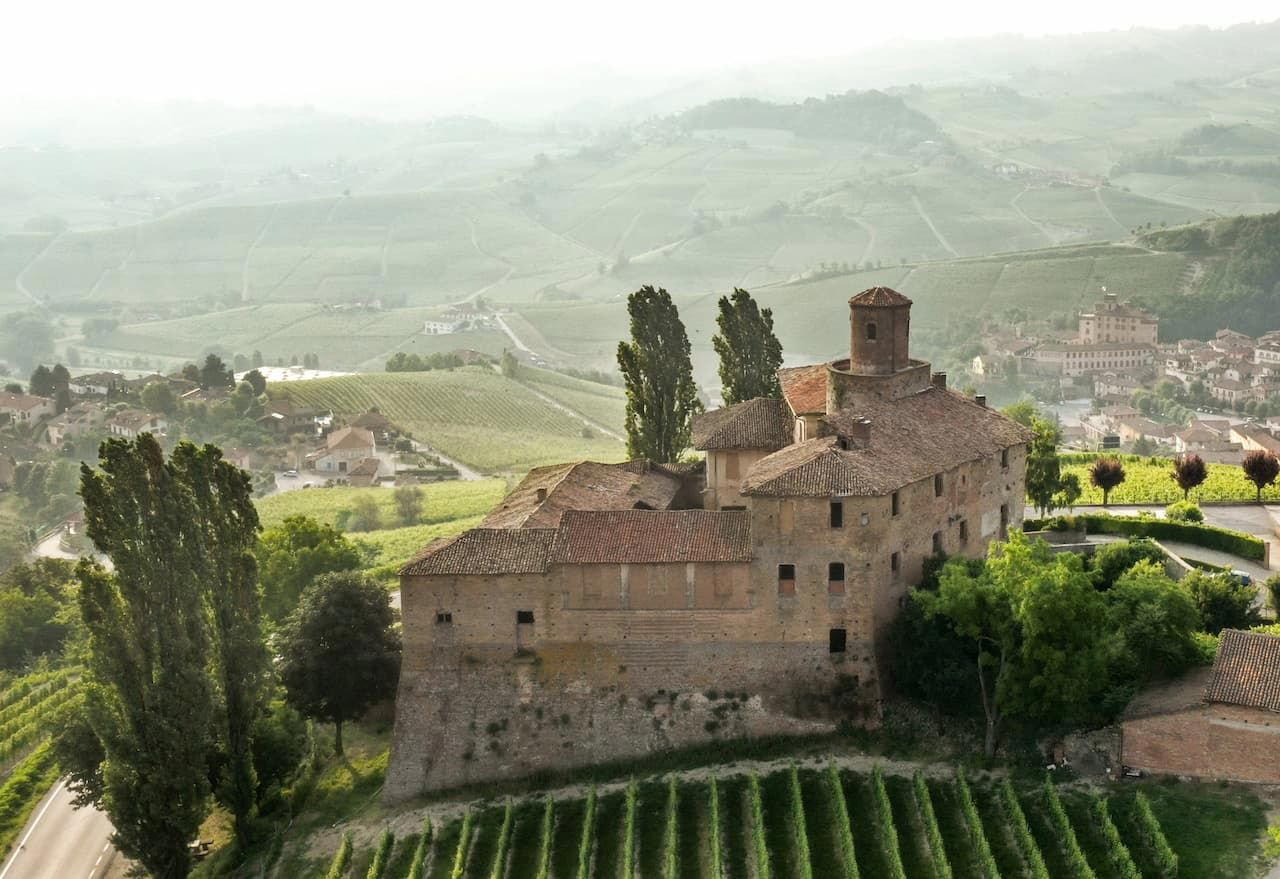
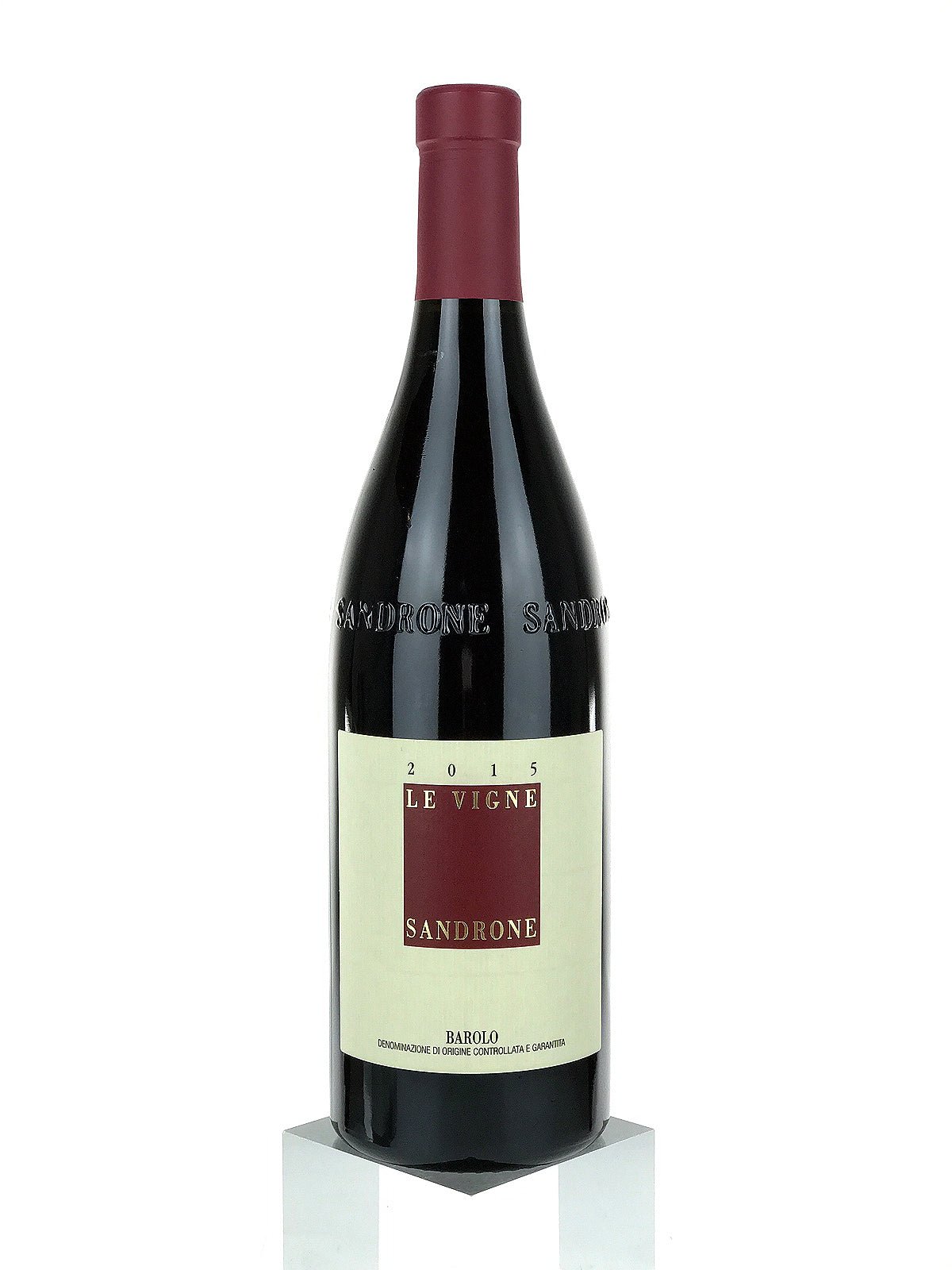
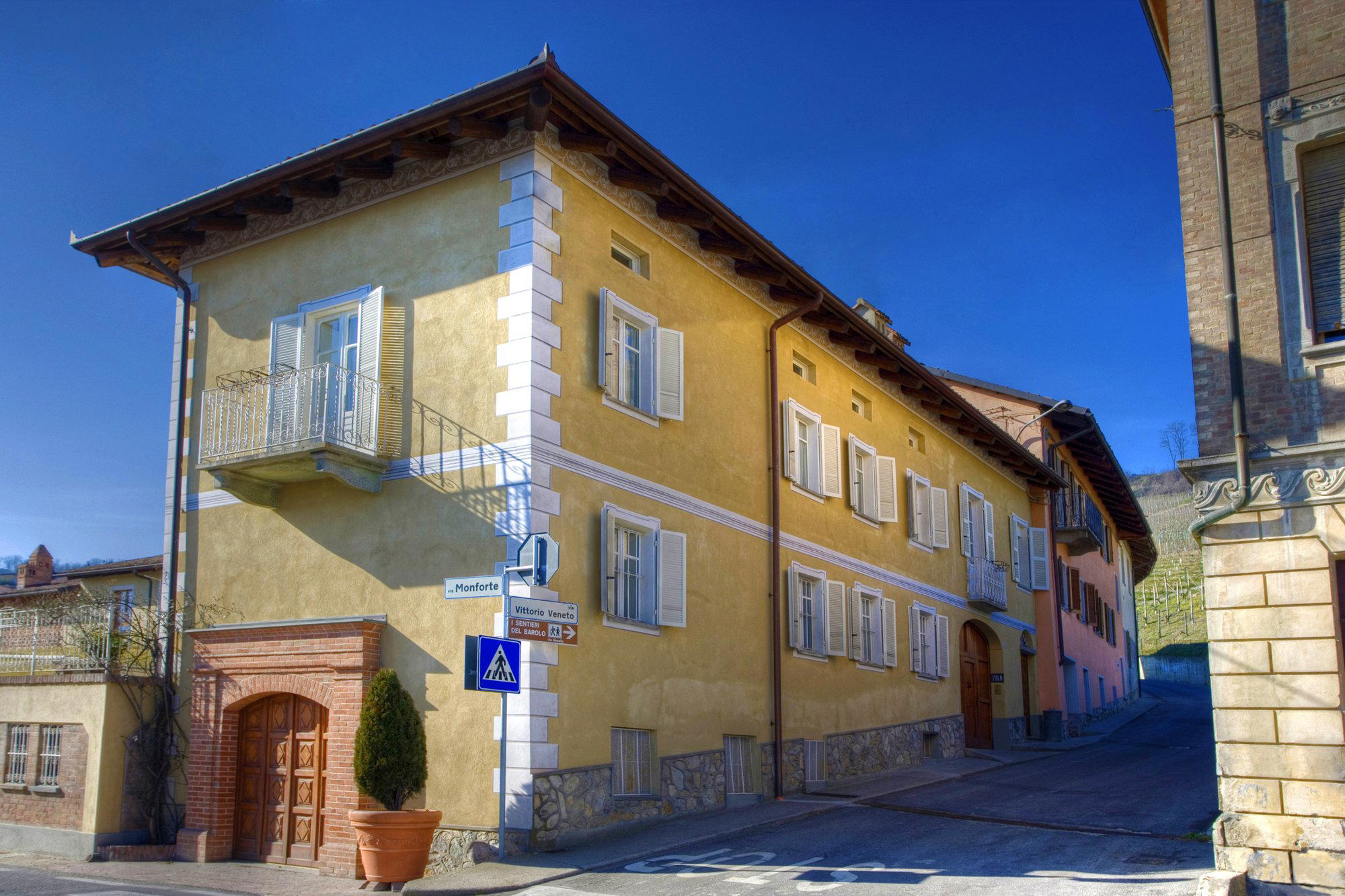
Bars in Barolo
Browse all →
Restaurants in Barolo
Browse all →
At a Glance
- Classic
- Rustic
- Intimate
- Scenic
- Romantic Getaway
- Solo Exploration
- Wine Education
- Special Occasion
- Group Outing
- Estate Grounds
- Private Tasting
- Vineyard
- Barolo DOCG
- Nebbiolo
- Still Red
- Seated Tasting
- Private Tasting
- Cellar Tasting
Small, traditional family-run Barolo estate with a classic Piedmont feel, focused on cellar-aged Nebbiolo and intimate, appointment-based tastings rather than a large, touristic visitor center.