
A small organic Barolo estate in the village of Barolo, Azienda Agricola E. Pira E Figli is strongest when read through its vineyard map: Cannubi, Via Nuova, Mosconi and other Nebbiolo sites rather than through hospitality theatrics. The experience is quiet, cellar-led and appointment-based, with Chiara Boschis’s organic approach giving the wines their contemporary relevance inside a deeply traditional appellation.

Pearl is the En Primeur Club membership app — saves, bookings, and concierge access live there. Same editors, same standards.
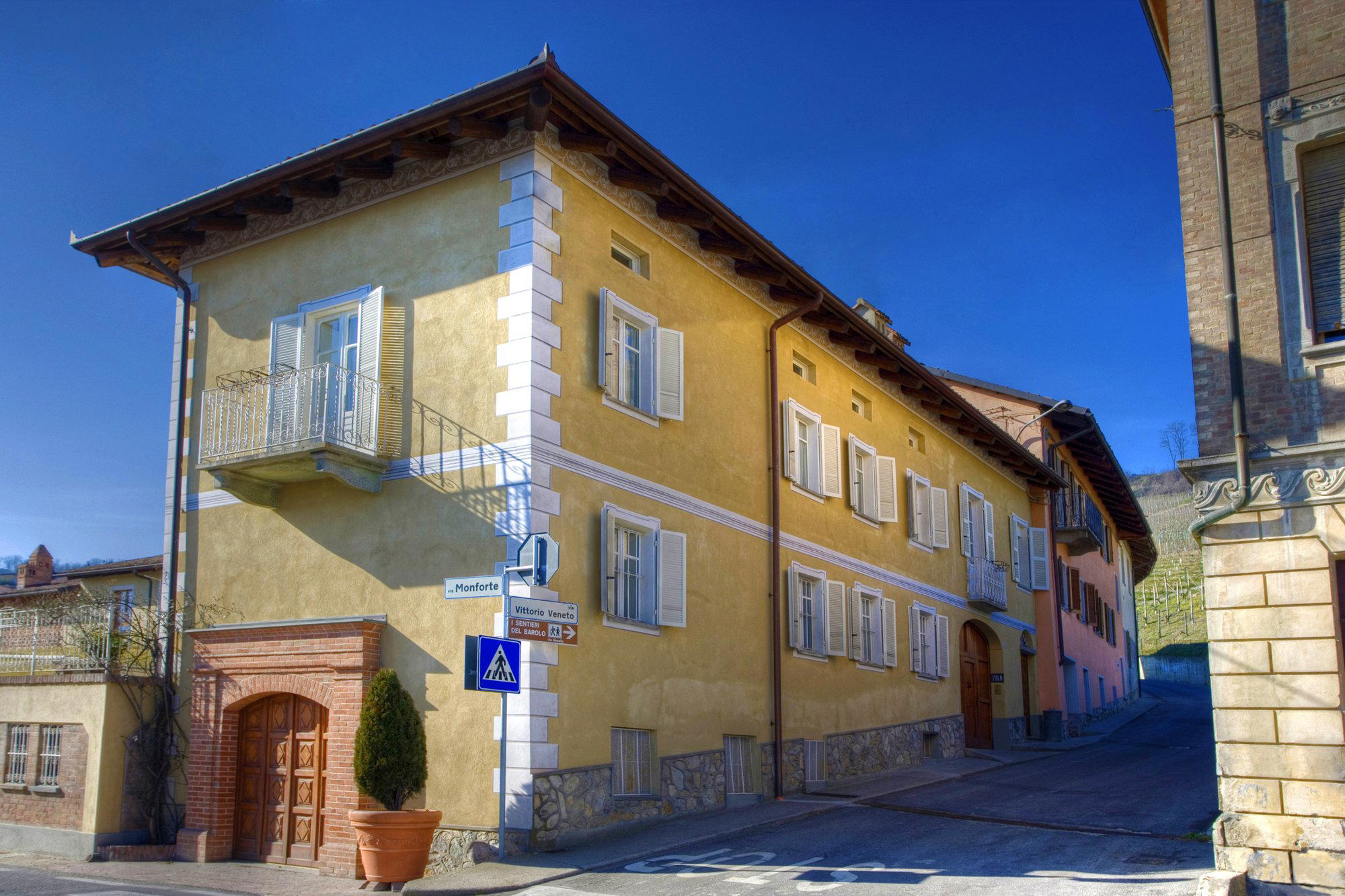
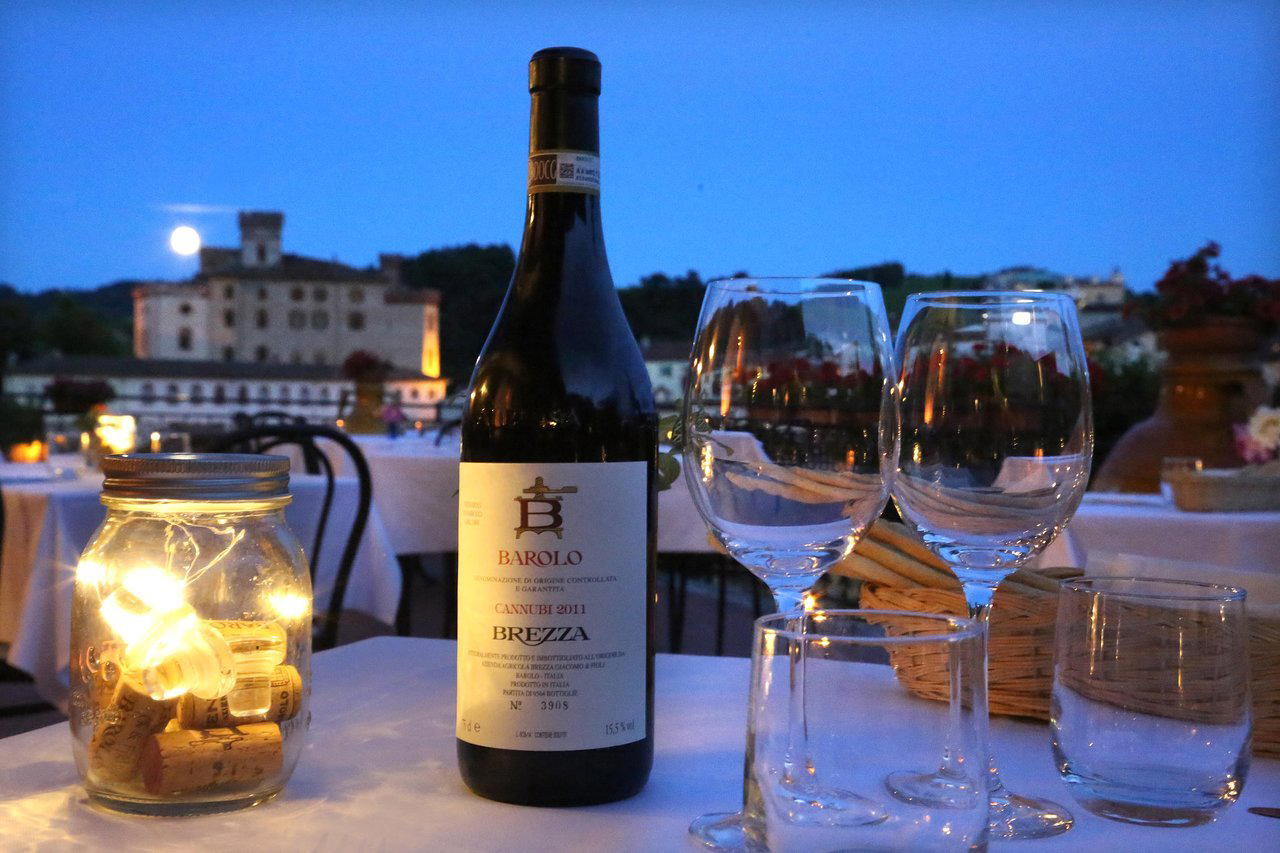
In Barolo, Azienda Agricola E. Pira E Figli is best understood through a cellar-and-vineyard focus rather than through spectacle. The picture is concise: a historic, traditional winery atmosphere in a quiet, scenic and intimate setting. Its appeal lies in that clarity. This is not a venue that needs to be framed through excess detail or an inflated sense of occasion; the essential point is the feeling of being close to Barolo’s wine landscape, with the cellar and surrounding vineyard context doing most of the interpretive work.
The atmosphere is correspondingly restrained. This is a classic Barolo winery environment, with the character of a small organic winery led by Chiara Boschis. It suits visitors who want a grounded Barolo setting and a focused sense of place, rather than a broad hospitality experience built around extras. The tone is best read as quiet confidence: a place where the visit is anchored in the estate’s identity, the traditional winery setting and the larger cultural weight of Barolo itself.
Barolo Through a Cellar-and-Vineyard Lens
The draw here is the estate’s traditional Barolo atmosphere and its emphasis on the relationship between cellar and vineyard. Rather than presenting the visit as a checklist of specific wines, vineyard names, formats or services that are not confirmed here, one reliable frame is simpler: Azienda Agricola E. Pira E Figli is a small organic winery in Barolo with a quiet, historic tone. That simplicity is useful, because it keeps the attention on what can be stated with confidence: the estate’s scale, setting and rooted connection to the place.
That makes the estate most useful for travellers who want Barolo itself to be the context. The experience should be approached as a scenic, intimate winery setting rather than as a guaranteed source of particular bottles, tastings, food pairings, tour structures or hospitality features unless those details are confirmed directly before visiting. In practice, that means treating the visit less as a fully packaged activity and more as a chance to understand a traditional winery environment within one of Piedmont’s most recognizable wine towns.
For planning, keep the focus on Barolo and the estate’s classic winery character. Other dining, hotel, bar and experience choices in Barolo can be considered separately, but they should not be used to infer specific services at Azienda Agricola E. Pira E Figli. The strength of the listing is not a long menu of promises, but a clean editorial signal: this is a quiet, intimate winery stop whose value is tied to atmosphere, setting and cellar-and-vineyard context.
Chiara Boschis and a Small Organic Barolo Winery
Chiara Boschis is part of the identity of the winery, which is described as a small organic winery. That is the strongest grounded detail to carry into a visit: the estate is not being presented here through unconfirmed awards, rankings, exact production figures, opening dates or a detailed wine list, but through its scale, organic identity and traditional Barolo atmosphere. Those details are enough to define the editorial positioning without overreaching.
That restraint matters because Barolo is often discussed in highly specific terms. The reliable editorial point is that the winery offers a classic, quiet and scenic Barolo setting with a cellar-and-vineyard focus. In a region where visitors may arrive with particular expectations, this narrower framing is helpful: it encourages confirmation of particulars while still recognizing the estate’s clear appeal.
Within a Barolo itinerary, this makes the winery a focused winery stop to consider alongside other Barolo planning. Travellers can pair it with other dining, lodging, bar and experience choices in Barolo, while keeping this estate’s role clear: a small organic winery in a historic, traditional setting. It is best positioned as one carefully chosen component of a wider Barolo visit, not as a catch-all destination expected to provide every hospitality element on its own.
Who Gets full value from the Visit
This is a stronger choice for visitors who want a calm, intimate Barolo winery atmosphere rather than a high-energy or heavily programmed experience. The description points to a classic, quiet, scenic estate with a cellar-and-vineyard focus, so strong expectation is a serious sense of place rather than unconfirmed amenities. Visitors who appreciate understatement, traditional surroundings and a slower read of Barolo are the natural fit.
The price tier is listed as $$$. The editorial case is clear: consider the winery for a grounded Barolo winery atmosphere, led by the identity of a small organic estate associated with Chiara Boschis. Plan around the confirmed character of the place, verify any practical details directly, and let the visit stand on its core strengths: quiet setting, historic tone and a focused connection between cellar, vineyard and Barolo.
Recognition history
Dated appearances from independent guides and award organizations, with the underlying list record or original source where available.
Falstaff Winery - 5 Stars
Falstaff
Continue exploring
More in Barolo
Wineries in Barolo
Browse all →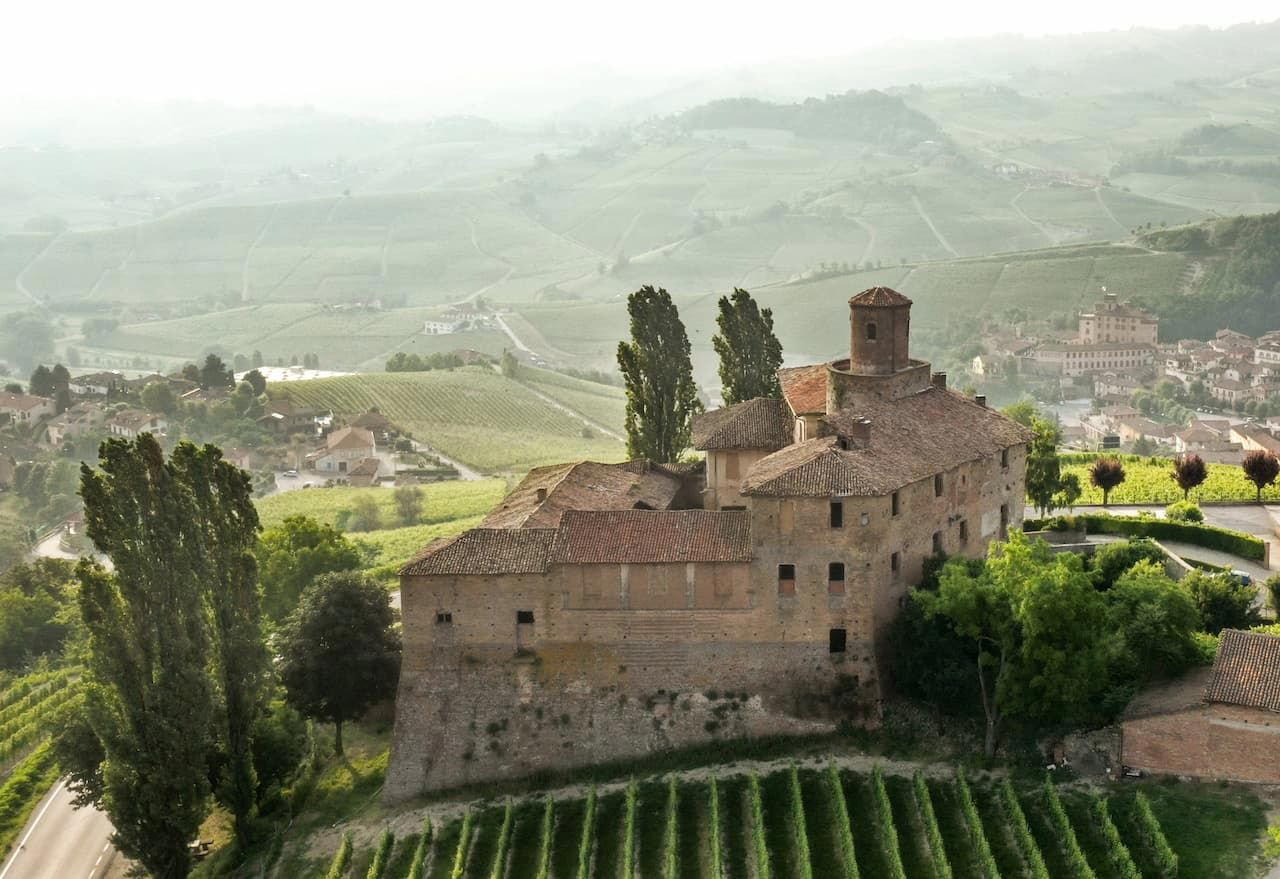
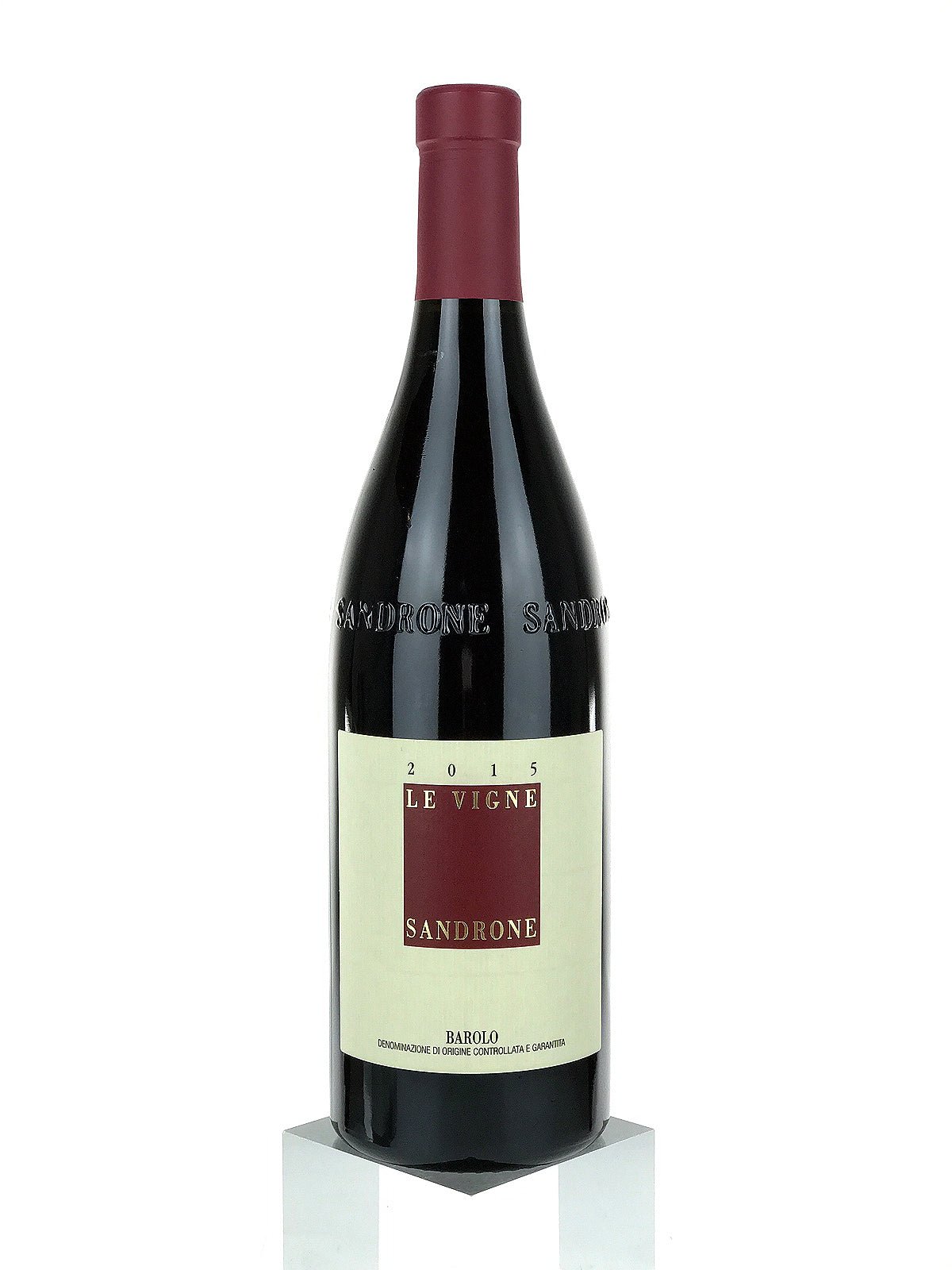
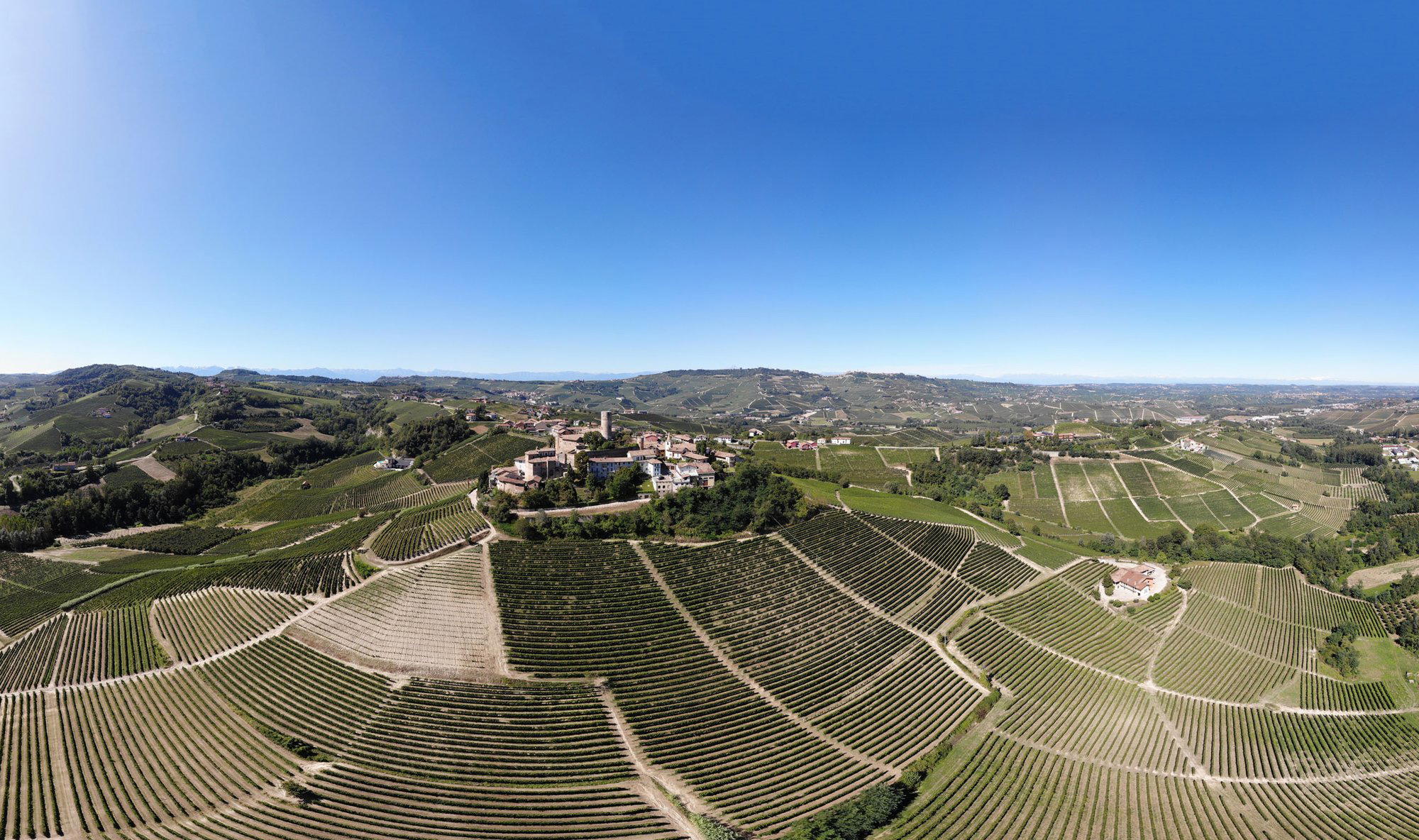
Bars in Barolo
Browse all →
Restaurants in Barolo
Browse all →
At a Glance
- Classic
- Quiet
- Scenic
- Intimate
- Solo Exploration
- Special Occasion
- Wine Education
- Historic Building
- Private Tasting
- Vineyard
- Street Scene
- Barolo DOCG
- Nebbiolo
- Dolcetto
- Still Red
- Private Tasting
Historic, traditional Barolo winery atmosphere with a cellar-and-vineyard focus; described as a small organic winery led by Chiara Boschis.