Allée Bleue

Falstaff Winery - Listed
Allée Bleue is a historic Cape Dutch wine farm in Groot Drakenstein where the Franschhoek Valley’s mountain shelter, vineyard rows and garden lawns shape the visit as much as the glass. The estate dates to 1690 and now works across still wines, rosé, sparkling wine, bistro dining, picnics and events, with a notable agricultural side in herbs and produce.

Pearl is the En Primeur Club membership app — saves, bookings, and concierge access live there. Same editors, same standards.
- Address
- Groot Drakenstein, Walker Bay, Südafrika
- Directions
- Get directions
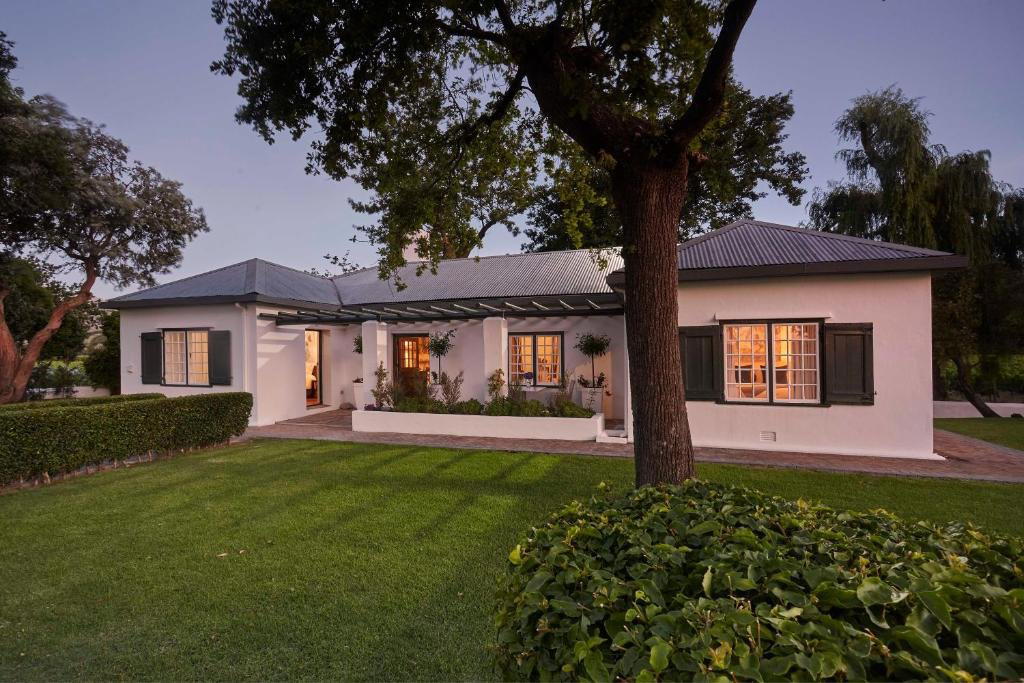
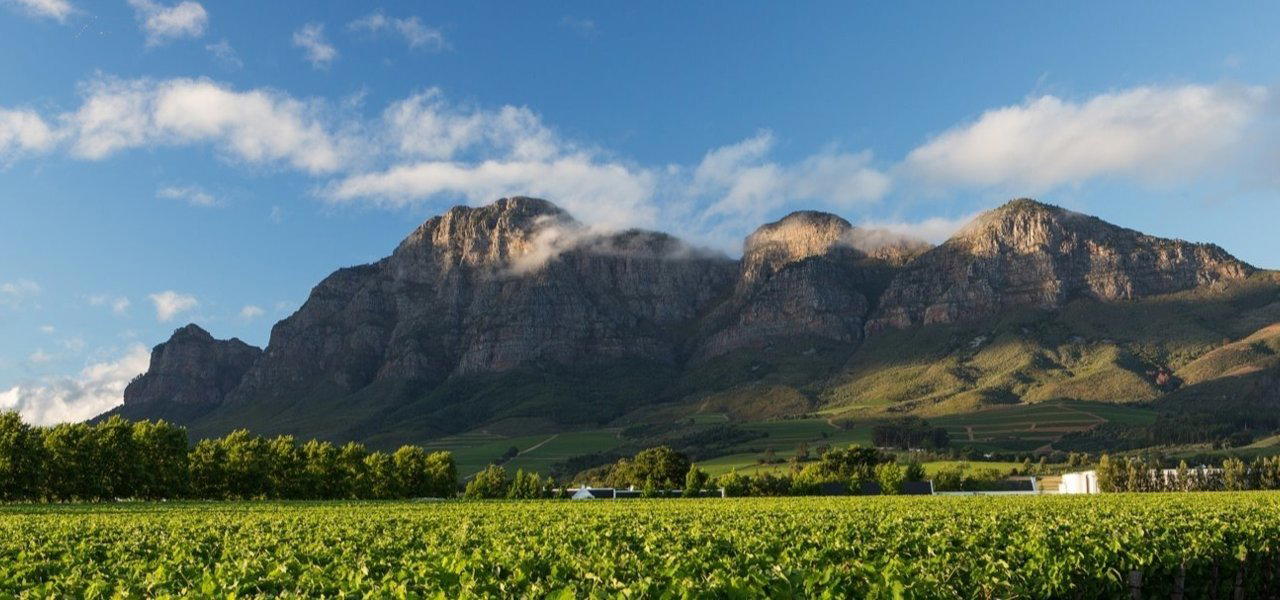
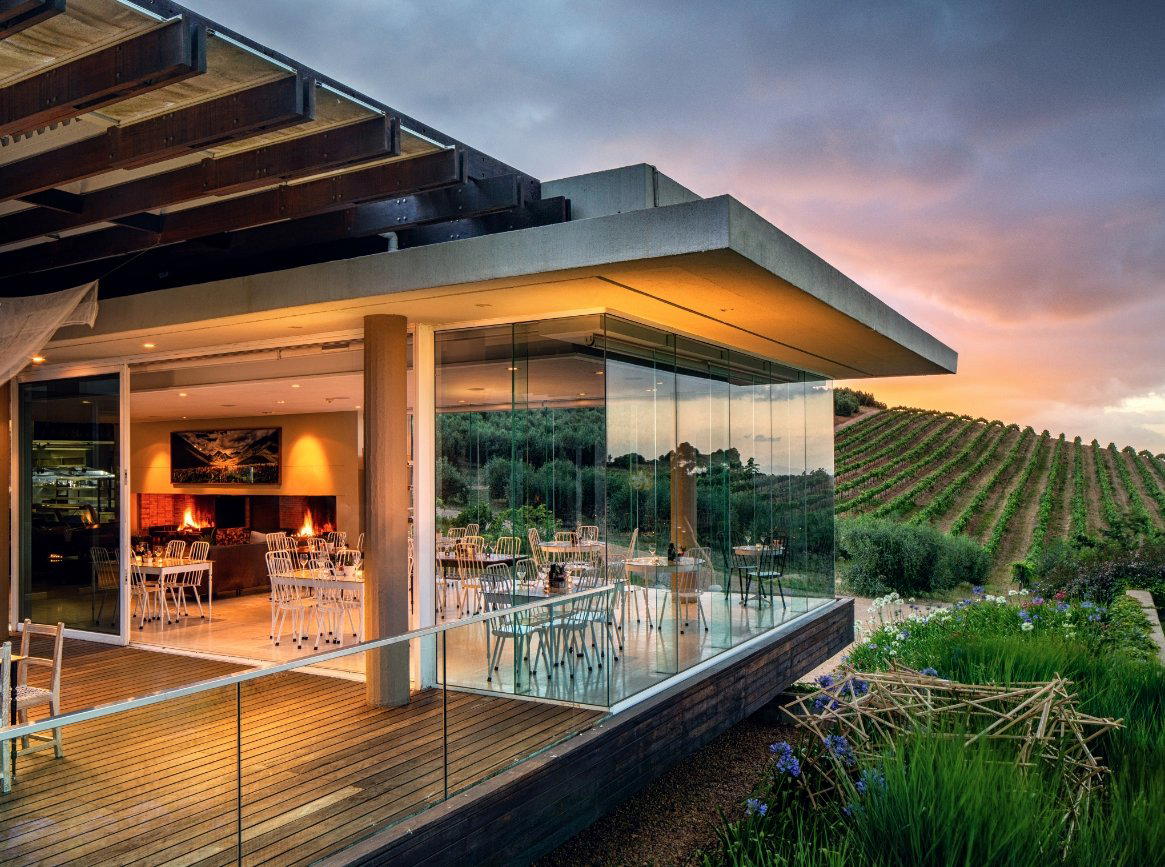
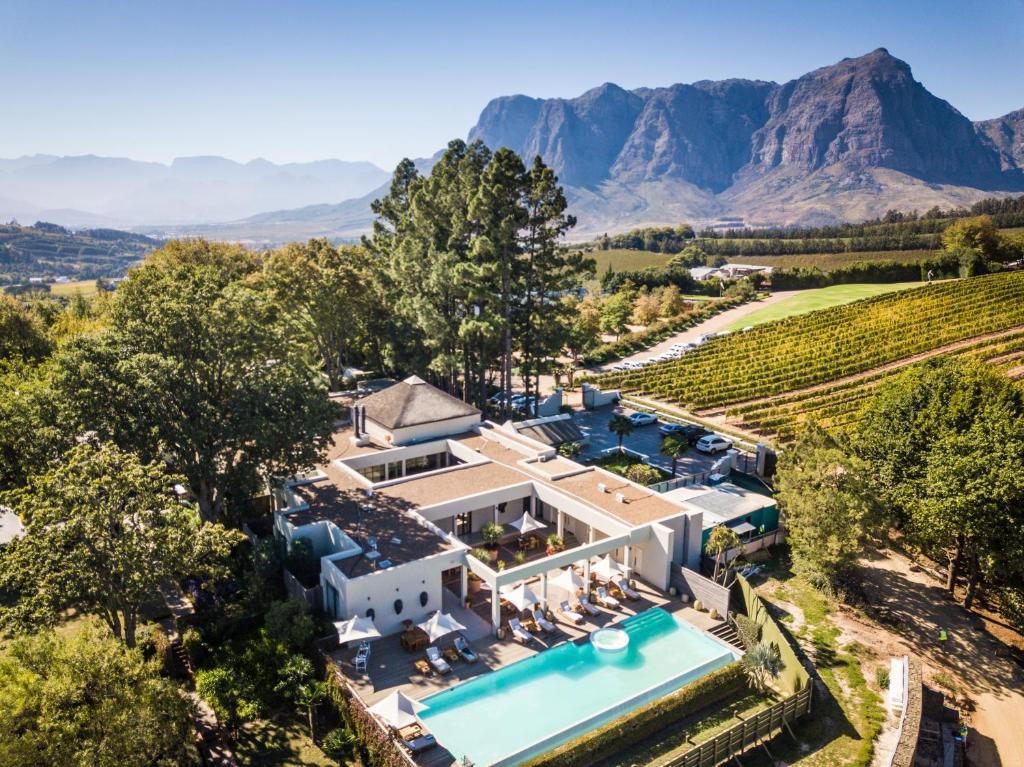
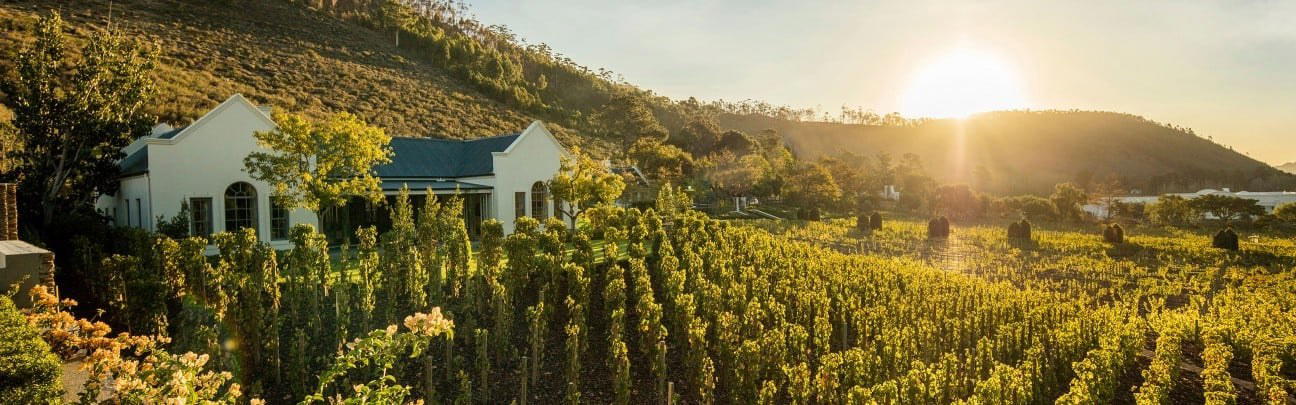
The approach to a Cape wine farm sets expectations before the first pour: avenue trees, whitewashed gables, vineyard lines, mountain edges and the slower tempo of a rural estate. At Allée Bleue, that sense of place is not decorative background. It is the main argument for going. Groot Drakenstein sits within the broader Franschhoek Wine Valley, where the old Huguenot farming story and contemporary hospitality economy overlap in a way that is specific to this corner of the Cape.
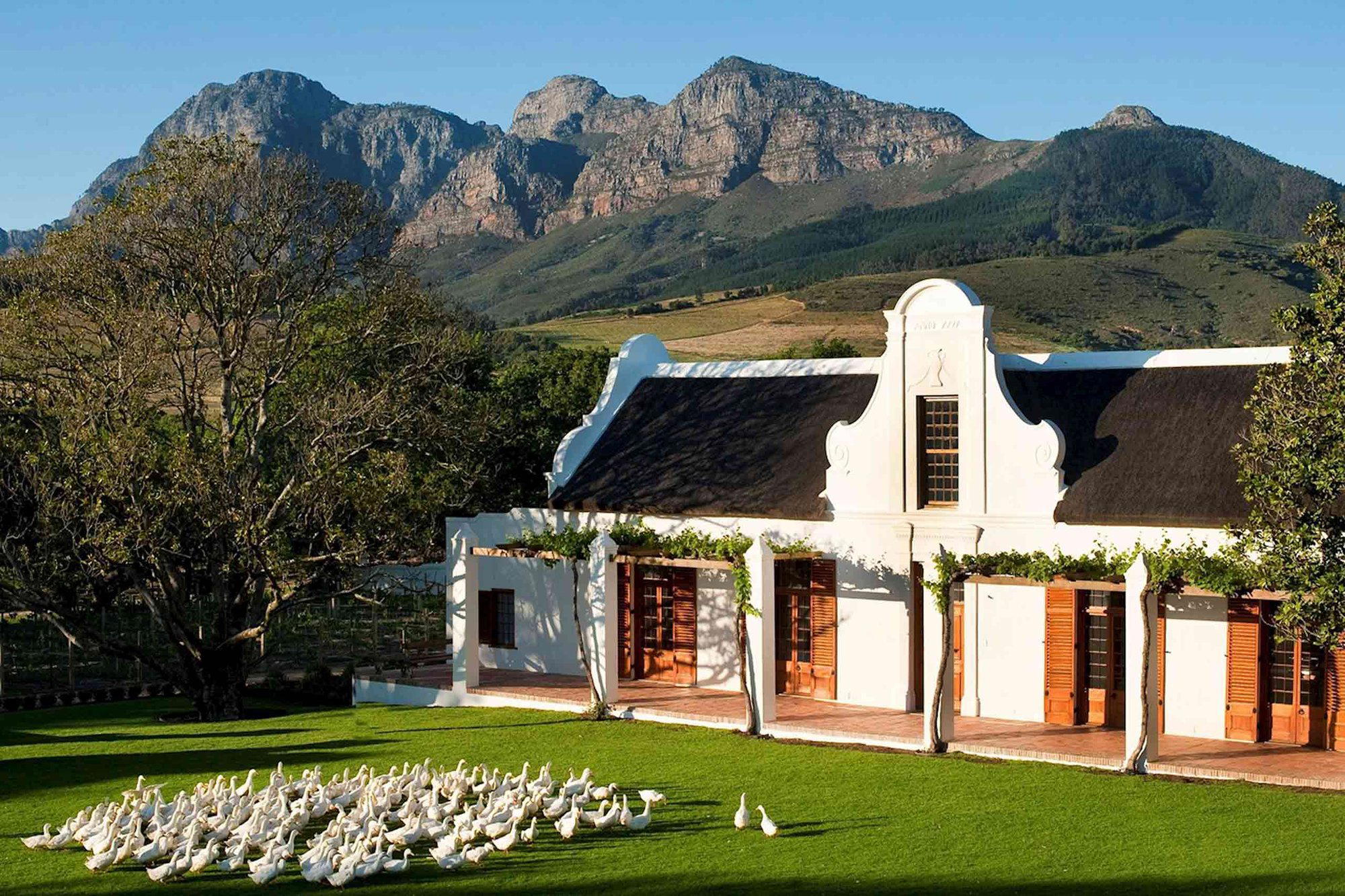
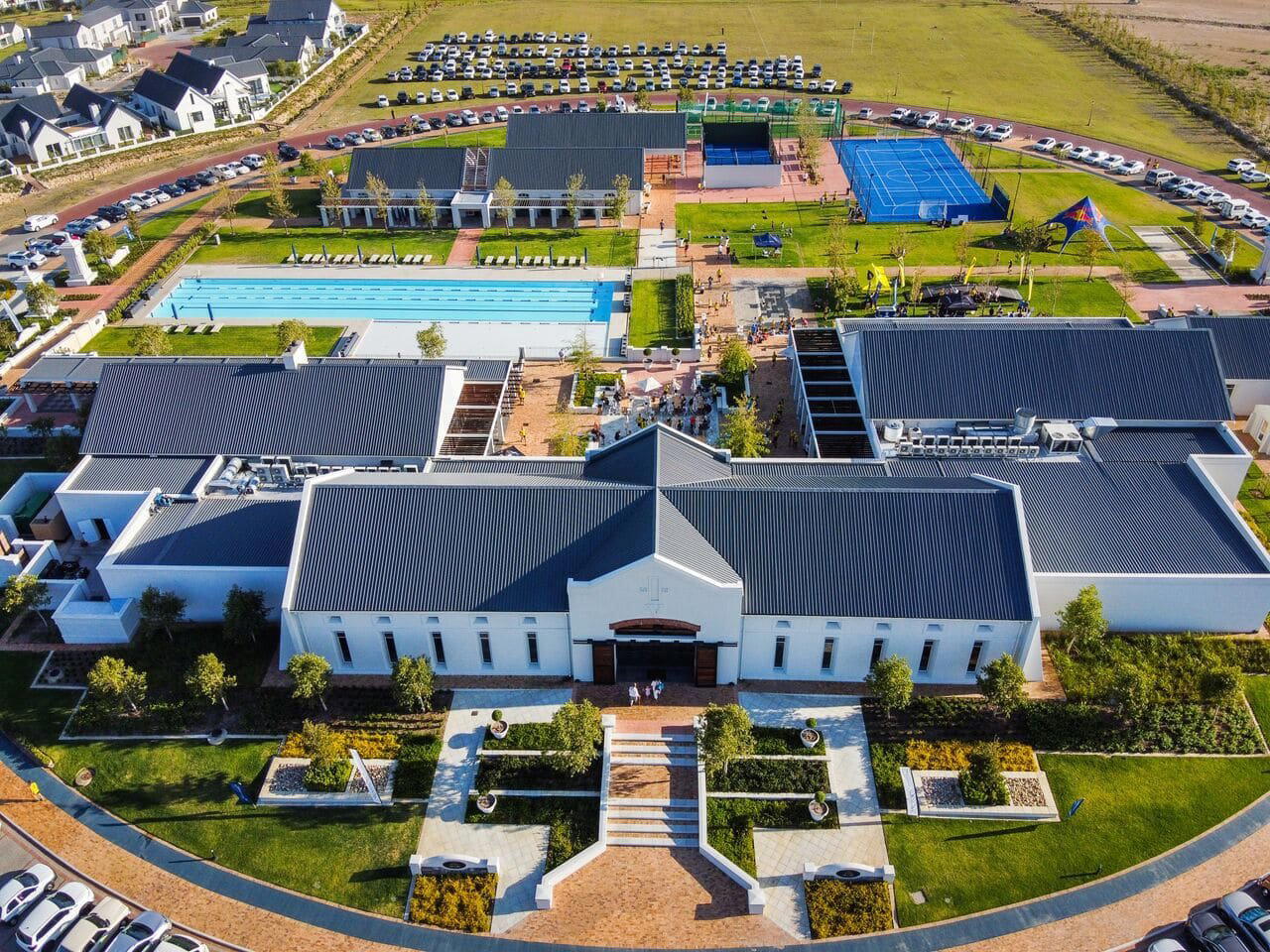
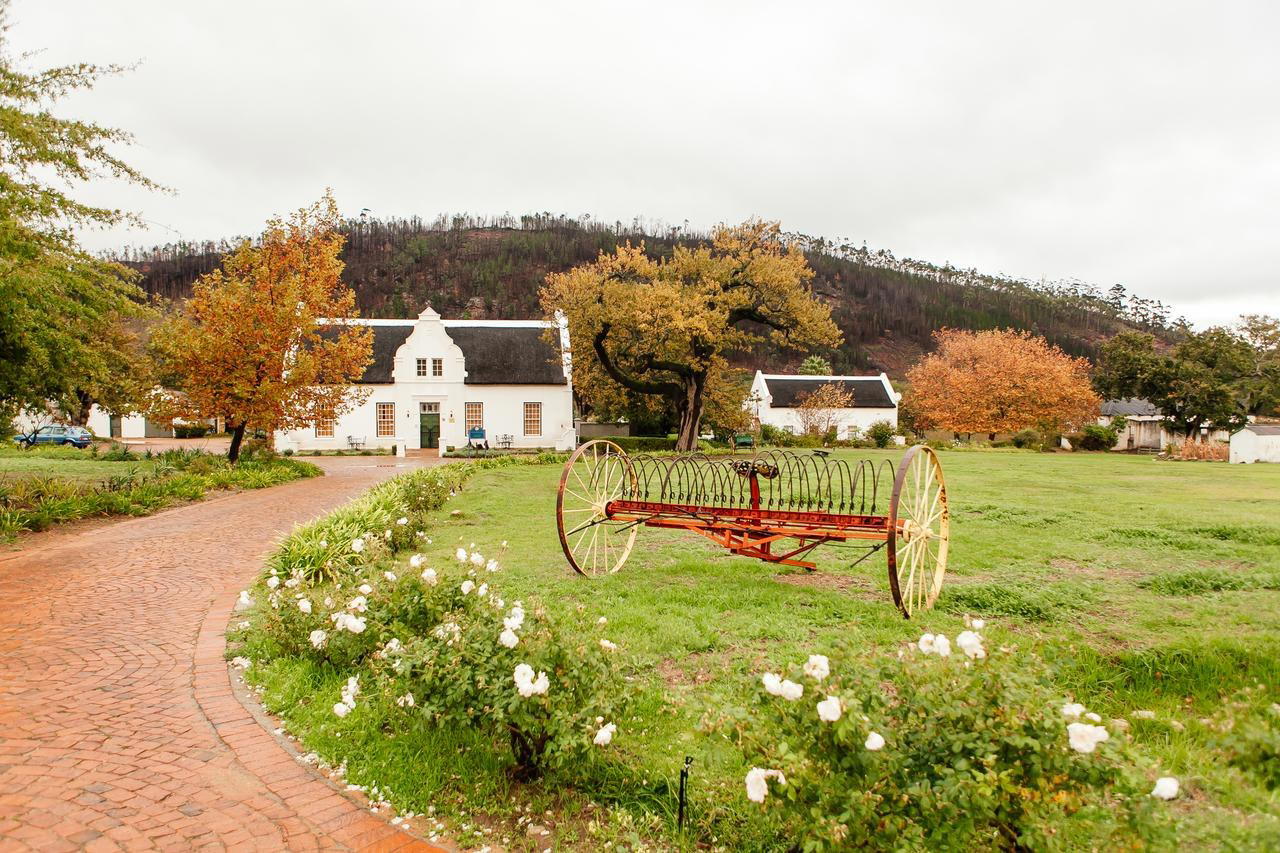
The estate dates to 1690, which gives it a different weight from newer cellar-door projects built primarily around tastings and events. Its current appeal lies in the layered format: wine farm, bistro, picnic lawns, gardens, historic buildings, vineyard tours, private tastings and event spaces operating on one agricultural property. That makes the visit less about a single flight and more about how Cape wine tourism has expanded into a full-day rural format.
Franschhoek terroir seen through Chardonnay, Chenin, Pinotage and Syrah
Valley’s wine identity is built on mountain protection, fertile soils and a climate that can support both freshness-led whites and fuller reds. Allée Bleue works across Chardonnay, Chenin Blanc, Sauvignon Blanc, rosé, Pinotage, Shiraz, Syrah, red blends, sparkling wine and dessert styles, a range that reflects the mixed-varietal reality of many South African estates rather than the narrower single-grape messaging common in some Old World regions.
Production signals are useful because they explain the glass without resorting to cellar-door romance. Whites are associated with steel-tank fermentation, a practical choice for preserving fruit clarity and acidity. Reds such as Pinotage, Shiraz and Syrah are linked to oak maturation of about a year, placing structure and darker-fruited weight at the centre of that part of the portfolio. Méthode Cap Classique adds the Cape’s traditional-method sparkling category to the mix, giving the estate a broader hospitality range for tastings, lunches and celebrations.
Pinotage matters here beyond any one label. As South Africa’s homegrown grape, it remains a useful test of how an estate handles national identity without turning the wine into a slogan. In a valley with strong French historical associations, the presence of Pinotage alongside Chenin, Chardonnay and Syrah shows the Cape’s hybrid character: European inheritance, local adaptation and commercial hospitality all in the same glass.
A wine farm that also works as an agricultural estate
The more interesting Cape estates are rarely only about vines. Allée Bleue’s scale and agricultural breadth change the reading of the place. The property is described as a medium estate with extensive vineyards, fruit orchards and large-scale herb production, including 33 hydroponic tunnels and a net house producing more than 1.2 tons of herbs weekly. That detail matters because it places the estate inside a working-farm tradition rather than a tasting-room-only model.
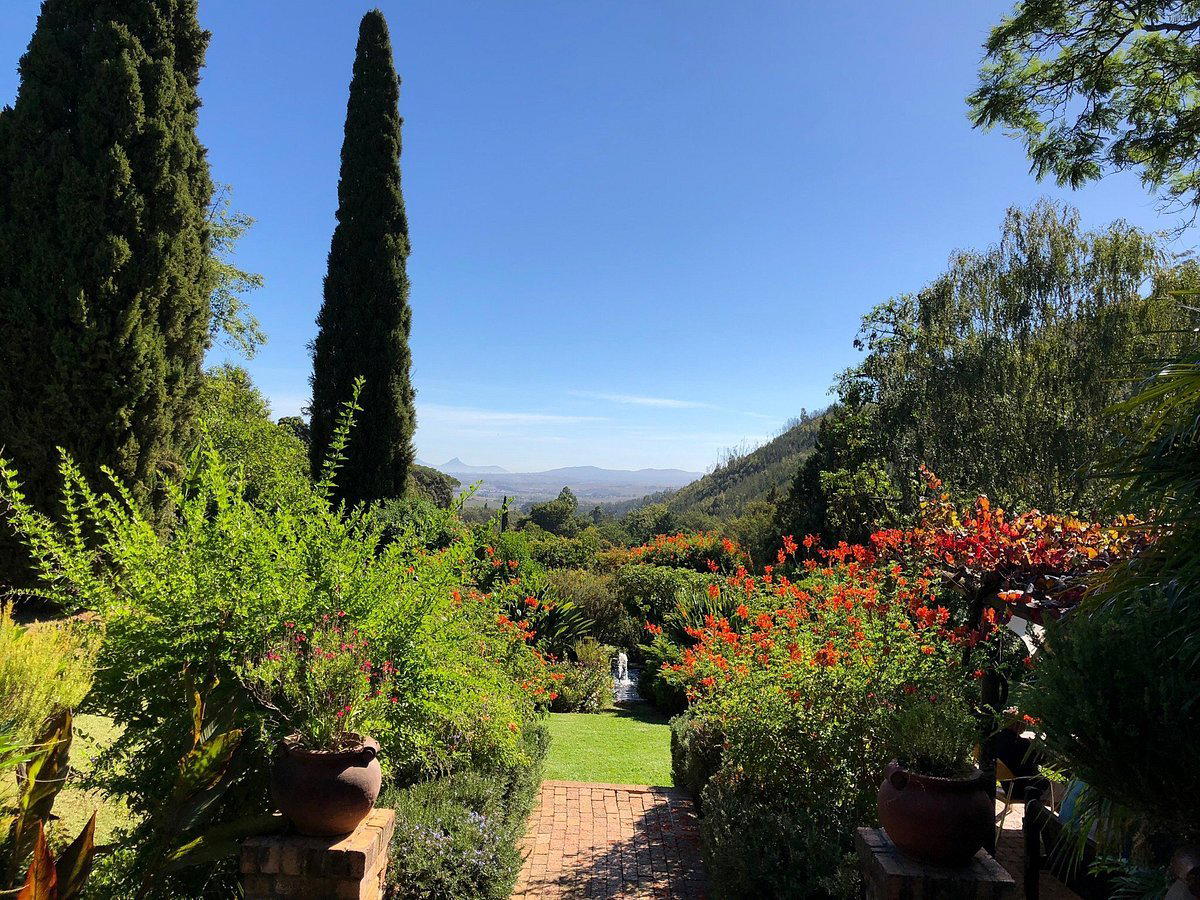
Certified organic practices are part of the farming picture for the estate’s herbs, produce and broader agricultural activity, while cover crops between vineyard rows support soil health and protection. For visitors, the practical effect is a more grounded kind of wine tourism: gardens, picnic areas, herb fields and vineyard views all support the idea that the farm’s value is agricultural first and scenic second.
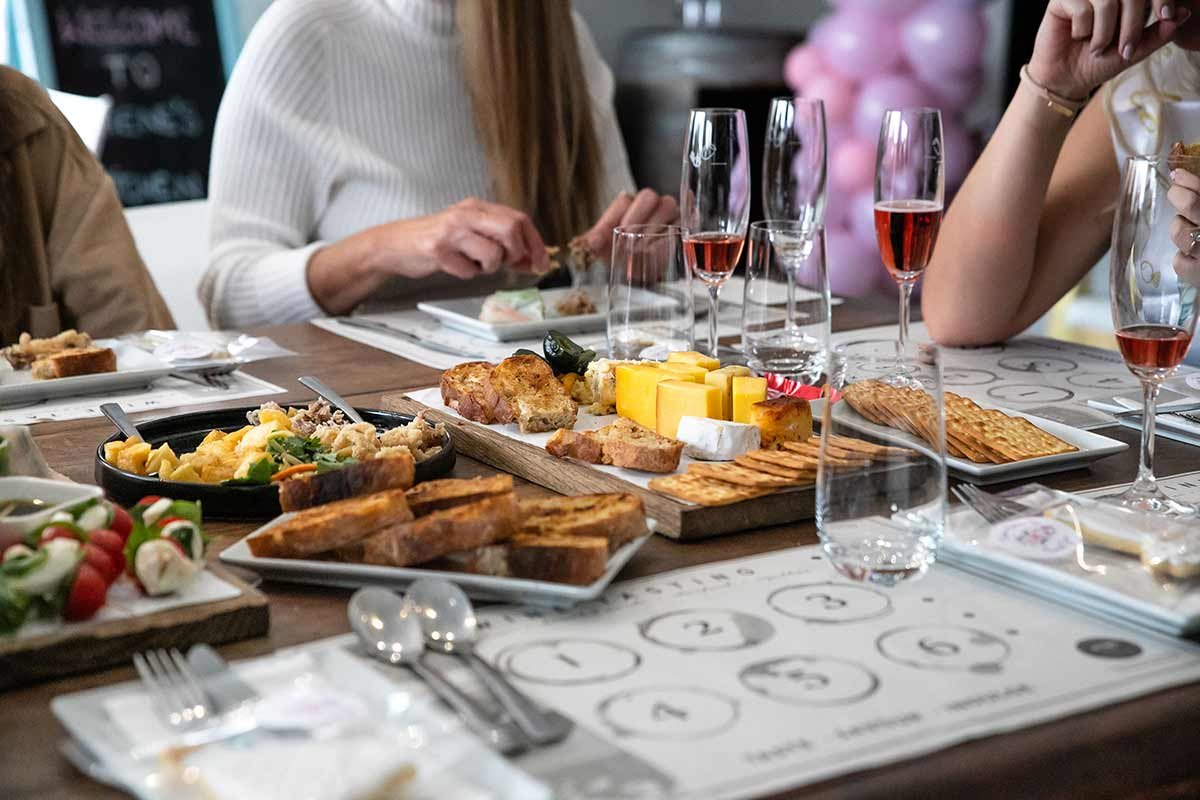
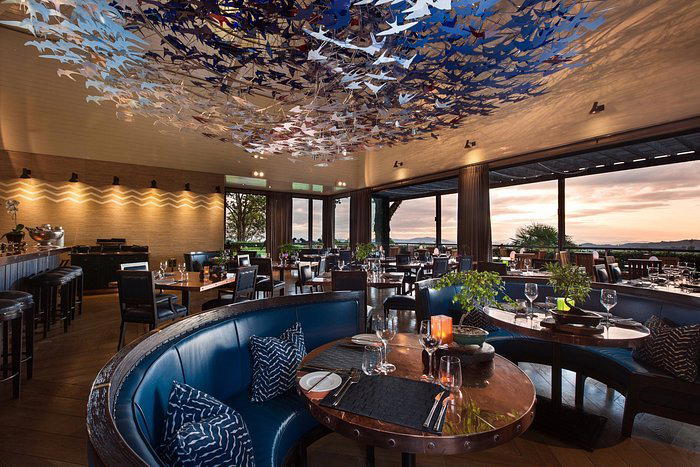
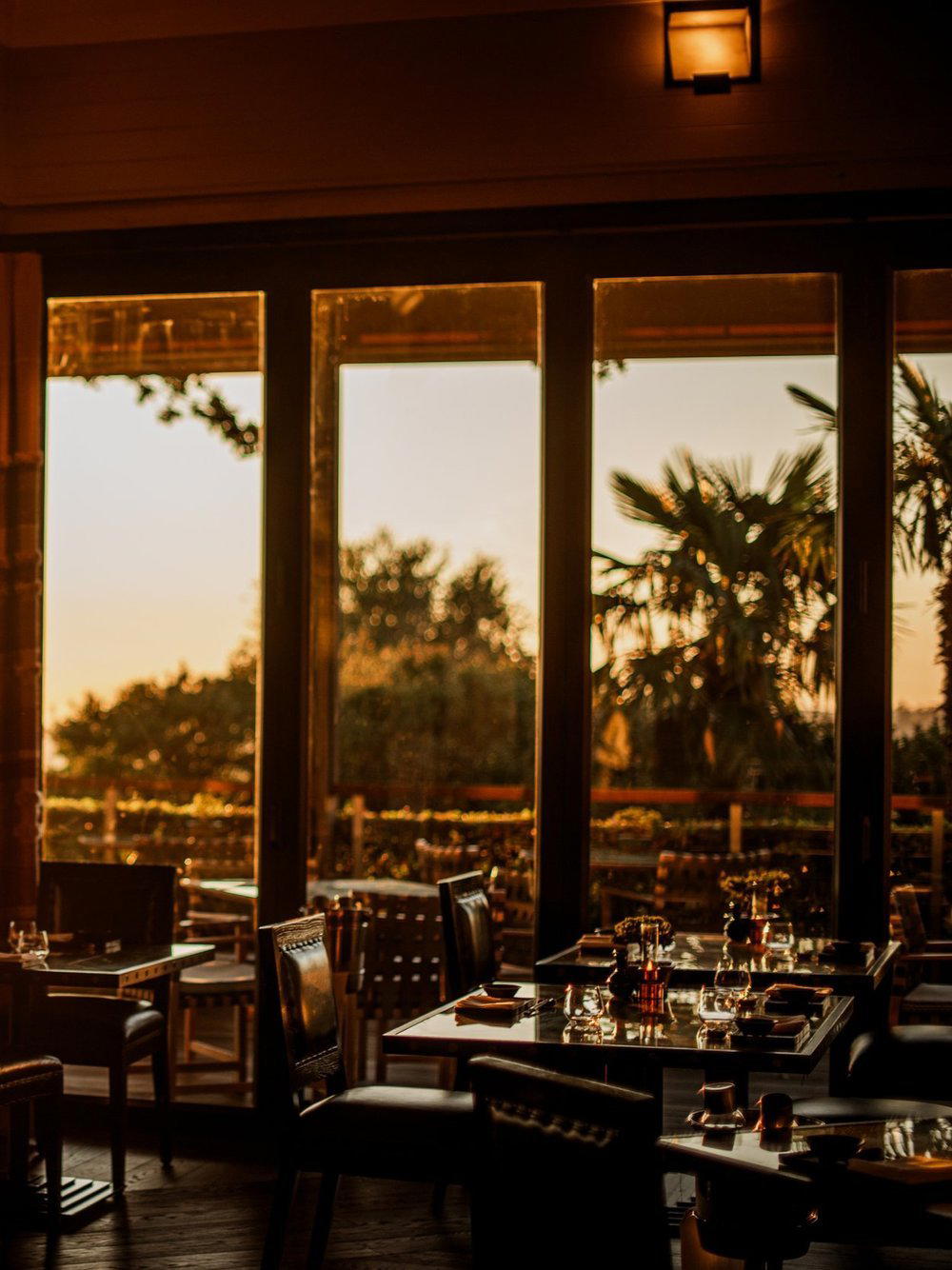
The hospitality format follows that logic. Bar tastings, seated indoor and outdoor tastings, food pairing, blending experiences, vineyard tours and private tastings give different levels of engagement without forcing the estate into a formal temple-of-wine mood. The tone is conversational rather than hushed, with outdoor seating, lawns and family-friendly features making it suited to groups as well as couples. This is not the austere end of Cape wine culture; it is the relaxed country-estate version, where a tasting can expand into lunch, a picnic or a longer walk through the grounds.
How to place Allée Bleue in a Groot Drakenstein itinerary
Groot Drakenstein rewards visitors who treat wineries as part of a broader day rather than isolated appointments. Allée Bleue fits that rhythm because it combines wine, food, gardens and event-scale infrastructure in one place. It is especially strong for travellers who want the estate experience without giving up ease: on-site parking, accessible parking, wheelchair access, card payments and outdoor seating all support a low-friction visit.
The editorial case is strongest for readers interested in terroir as lived environment, not just soil type. Here, the land is expressed through varietal breadth, agricultural side projects, picnic lawns, garden views and historic Cape Dutch architecture. The wine is central, but the farm context is what gives the visit its shape.
For wider planning, start with Our full Groot Drakenstein wineries guide, then cross-check meals, stays and after-dark options through Our full Groot Drakenstein restaurants guide, Our full Groot Drakenstein hotels guide, Our full Groot Drakenstein bars guide and Our full Groot Drakenstein experiences guide. Broader South African wine planning can also connect to 4G Wines in Kapstadt, A. A. Badenhorst Family Wines in Paardeberg, Aaldering Estate in Stellenbosch, Alheit Vineyards in Hermanus, Allesverloren in Riebeeck West, Anthonij Rupert in Franschhoek, Babylonstoren in Simondium and Backsberg in Paarl. For readers extending the cellar itinerary beyond South Africa, note »der Steiner« Hans Steiner in Podersdorf am See and & Handwein in Mannheim.
Recognition history
Dated appearances from independent guides and award organizations, with the underlying list record or original source where available.
Falstaff Winery - Listed
Falstaff
Continue exploring
More in Groot Drakenstein
Wineries in Groot Drakenstein
Browse all →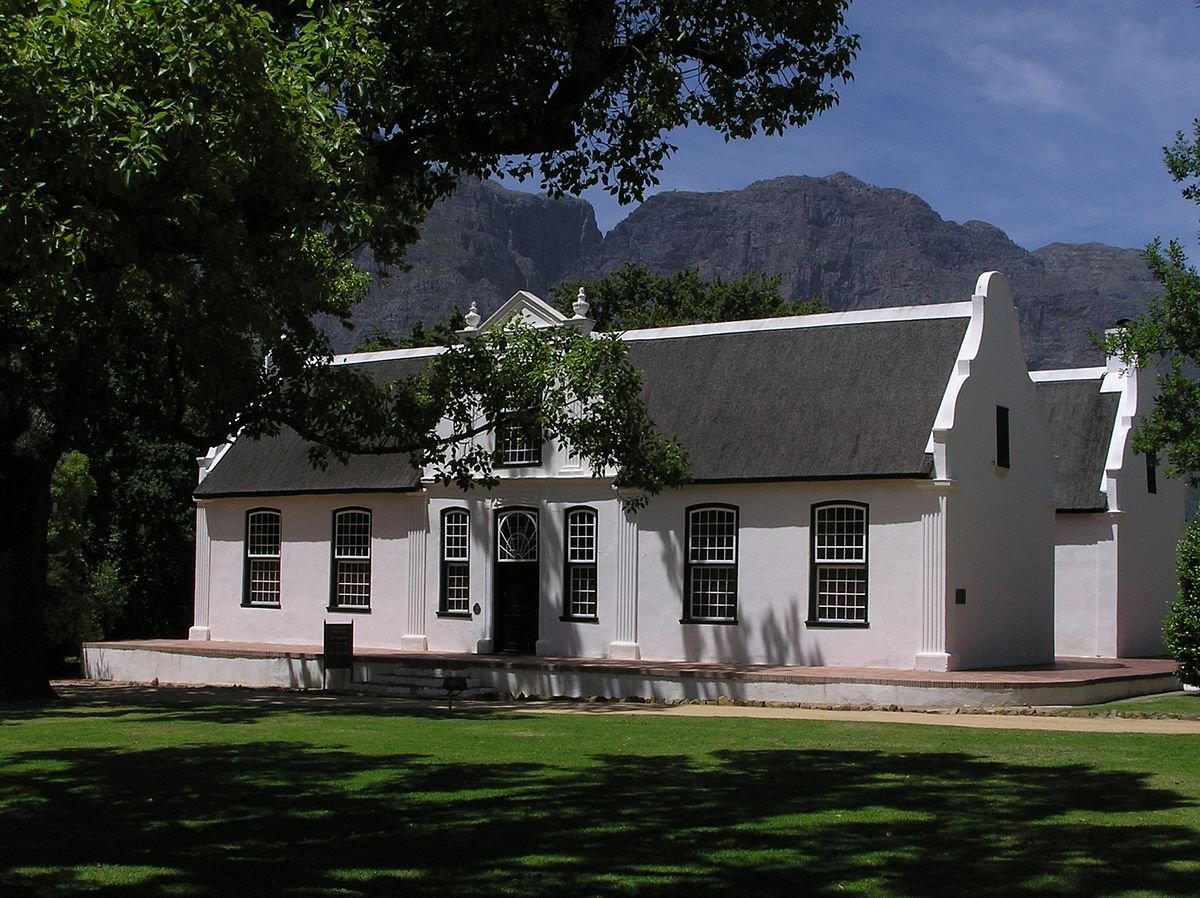
Bars in Groot Drakenstein
Browse all →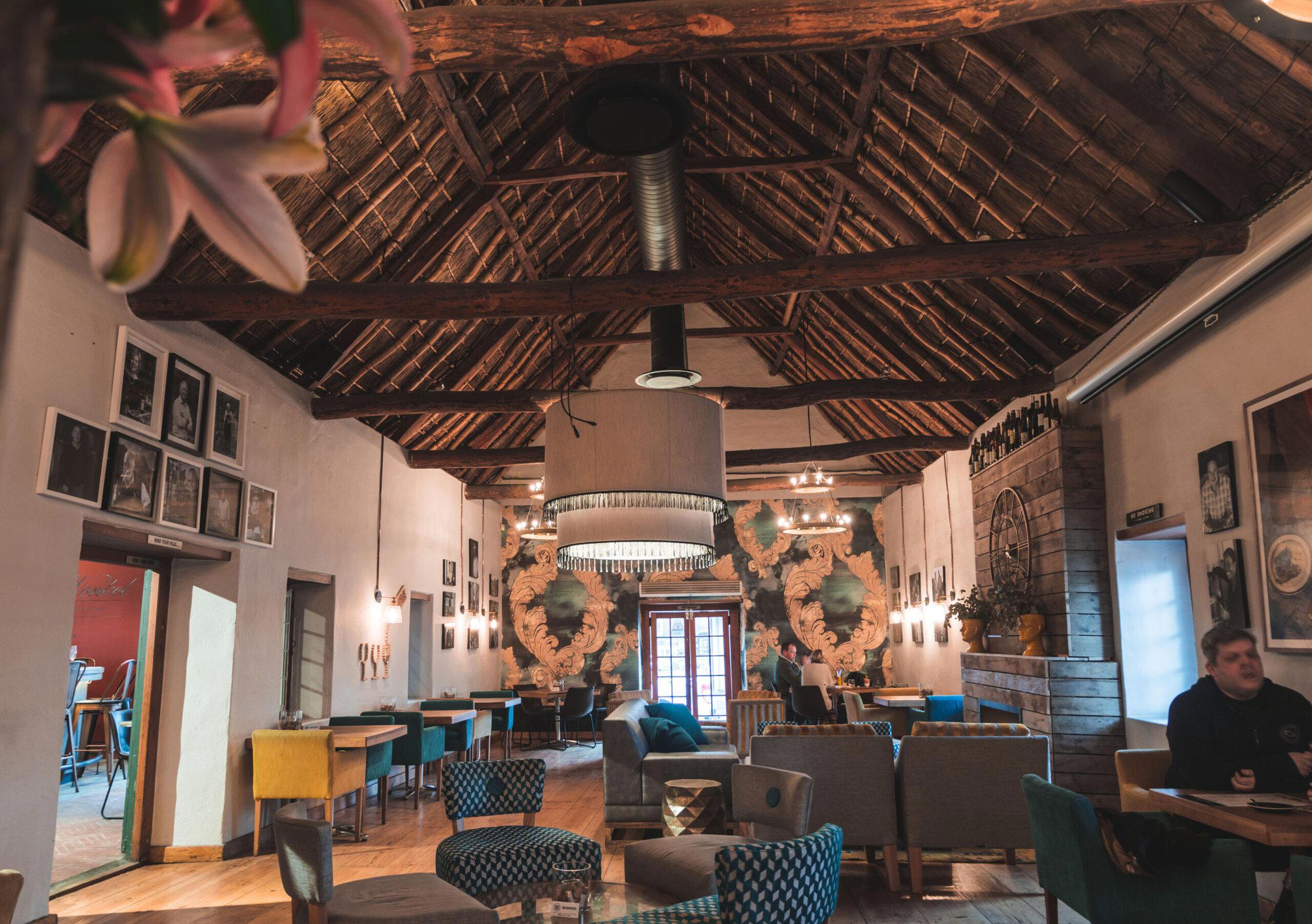
Restaurants in Groot Drakenstein
Browse all →
Details
- Scenic
- Romantic
- Rustic
- Classic
- Elegant
- Family
- Group Outing
- Celebration
- Corporate Event
- Romantic Getaway
- Special Occasion
- Estate Grounds
- Picnic Area
- Vineyard Tour
- Historic Building
- Private Tasting
- Mountain
- Vineyard
- Garden
- Chardonnay
- Chenin Blanc
- Sauvignon Blanc
- Rosé
- Pinotage
- Shiraz
- Syrah
- Red Blend
- Still Red
- Still White
- Still Rosé
- Sparkling
- Dessert
- Bar Tasting
- Seated Indoor
- Seated Outdoor
- Food Pairing
- Blending Experience
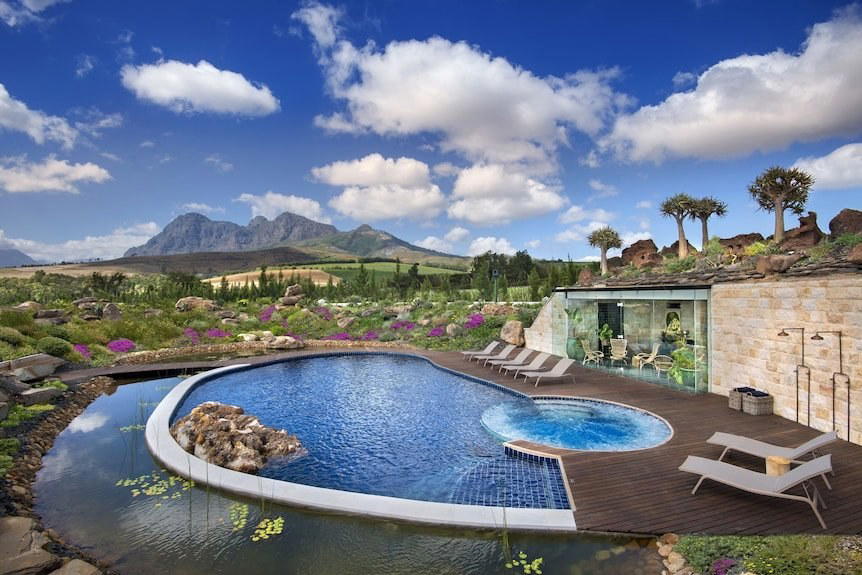
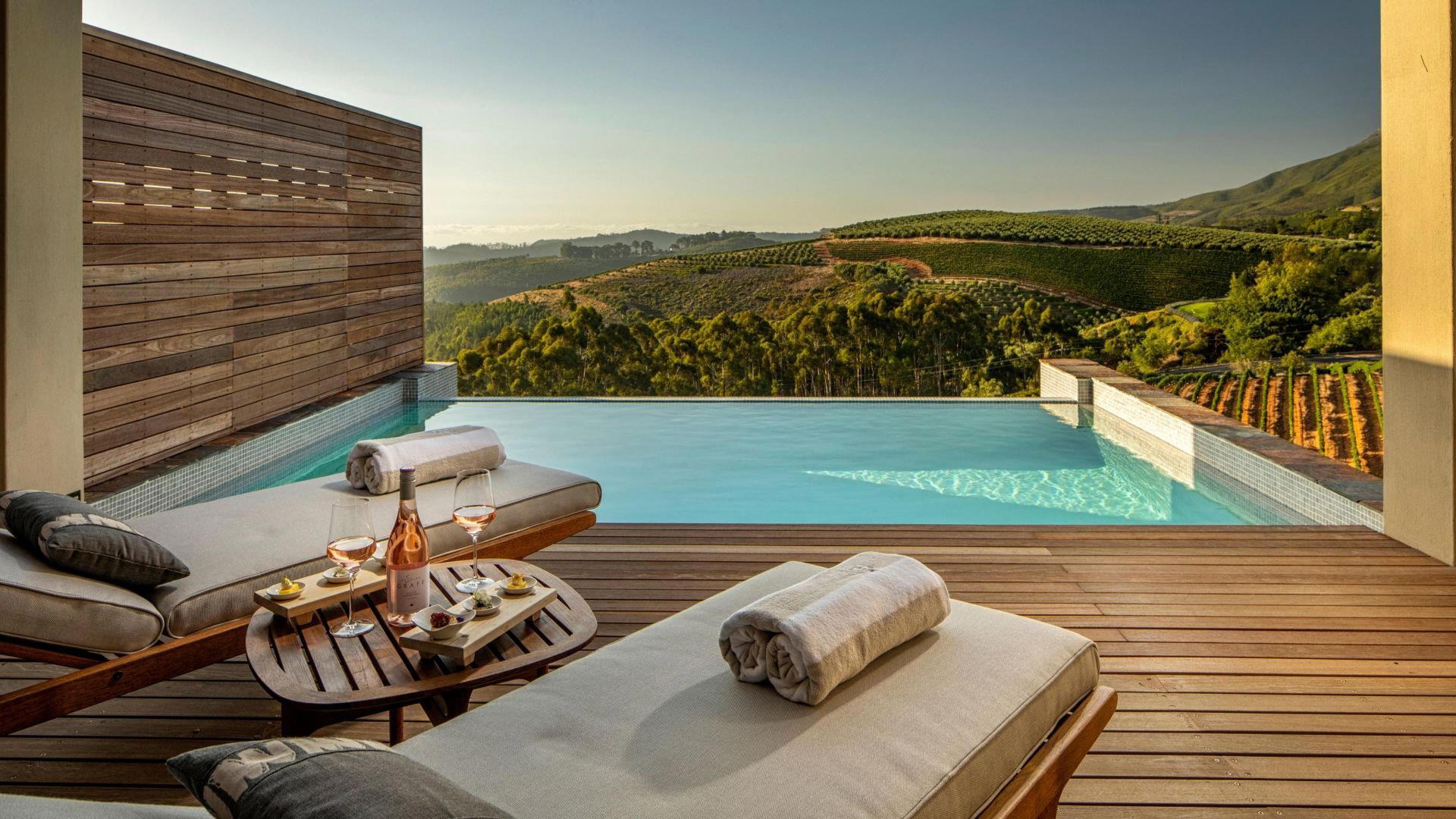
Historic Cape Dutch wine farm with warm hospitality, relaxed bistro dining and picnic lawns, set among vineyards and mountains for a scenic, tranquil country atmosphere.