Zwyssighaus

Zwyssighaus sits in the village of Bauen on Lake Uri, holding a Michelin Plate in both 2024 and 2025 for its classic cuisine at €€€ pricing. The setting alone, where the alpine shore meets a house tied to Swiss cultural history, gives the kitchen a context few dining rooms in central Switzerland can match. For the region, that combination of formal recognition and geographic character puts it in a distinct position.
Pearl is the En Primeur Club membership app — saves, bookings, and concierge access live there. Same editors, same standards.
- Address
- Zwyssighaus, 10, 6466 Bauen, Switzerland
- Phone
- +41 41 878 11 77
- Website
- zwyssighaus.ch
- Directions
- Get directions
 Saves & bookings on Pearl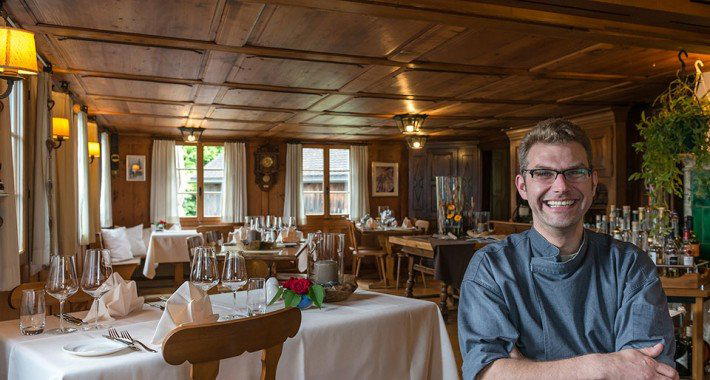
Where Lake Uri Sets the Table
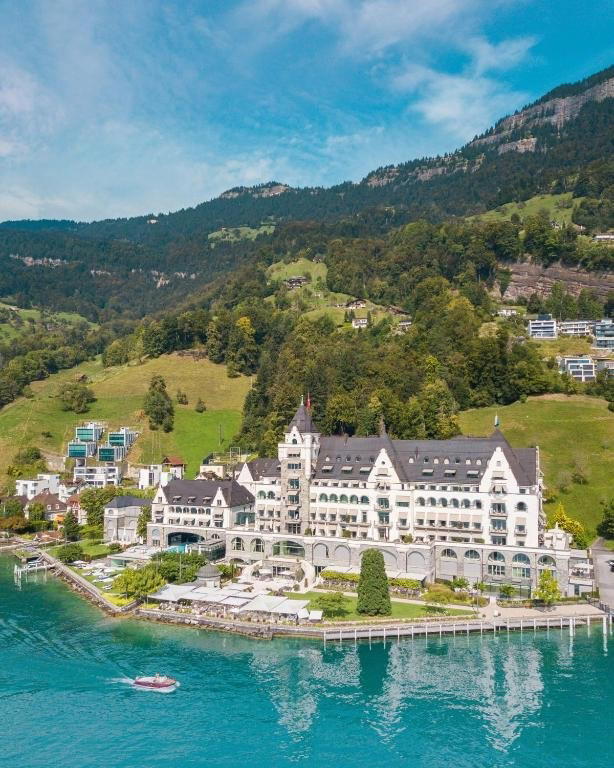
The village of Bauen occupies a narrow strip of land between the cliffs of the Uri Alps and the southern arm of Lake Lucerne, known locally as the Urnersee. There are no through-roads here in the conventional sense; arrival is by boat or by the Axenstrasse, a road carved into the rock face above the water. That physical isolation shapes everything about what dining in Bauen means. Restaurants in this part of central Switzerland do not draw passing trade. The guests who arrive have made a deliberate choice, and the kitchen has to justify it.
Zwyssighaus is a restaurant in Bauen, Switzerland, serving Modern Swiss Fine Dining at the €€€ price tier. Zwyssighaus occupies a building with a specific place in Swiss cultural memory. The house is named for Xaver Schnyder von Wartensee, but more relevantly for visitors, it is associated with the composition of the Swiss national anthem, the Schweizer Psalm. That layer of historical identity sits beneath the dining experience without being performed at the guest. The room earns its context through restraint rather than pageantry, which is consistent with how serious classic cuisine tends to operate in this part of Europe.
Classic Cuisine in an Alpine Setting: What It Means Here
The classification of classic cuisine carries weight in Switzerland, where the category occupies a specific position relative to the country's expanding modern-Swiss movement. Venues like Memories in Bad Ragaz and focus ATELIER in Vitznau work at the €€€€ tier with modern Swiss and creative frameworks. Zwyssighaus holds a different register: €€€ pricing and a classic cuisine designation signal a commitment to established culinary grammar rather than continuous reinvention. In the Swiss context, that is not a concession. It reflects a school of cooking where the sourcing, execution, and consistency of familiar preparations are the measure of quality, not novelty.
Central Switzerland's larder is not abstract. The canton of Uri produces dairy at altitude, the lake provides freshwater fish, and the broader region trades in the kind of ingredient provenance that classic cuisine handles well. When the framework is French-influenced classical technique applied to alpine and lacustrine ingredients, the sourcing story becomes the editorial argument. A pike-perch or whitefish from the Urnersee, prepared without elaborate distraction, arrives with the lake still in the narrative. That directness is what classic cuisine, at its better end, does with local material.
The restaurant has received two awards, a substantive marker in this context. The Plate, which Michelin describes as a recognition of good cooking rather than a step toward starred status, positions Zwyssighaus within a cohort of restaurants worth seeking out on merit without the expectation of the tasting-menu theatre that accompanies Switzerland's higher-starred tables. Compare this tier with Cheval Blanc by Peter Knogl in Basel or Hotel de Ville Crissier in Crissier, both of which operate at the three-star level with prices and formats to match. Zwyssighaus is not competing in that register, and does not need to.
The Sourcing Argument in Central Switzerland
Ingredient sourcing in mountainous, lake-adjacent cantons follows a particular logic. Proximity to water means that the question of what fish appears on the menu is not a branding decision but a seasonal one, dependent on what the Urnersee and its tributaries are producing. Alpine dairy, local vegetables from the valley floors, and game from the surrounding hills form the seasonal backbone of classic Swiss kitchens. The elevation and climate constrain the growing season in ways that concentrate flavour and push kitchens toward preservation and careful timing.
This is the context in which a Michelin-recognised classic cuisine restaurant in Bauen operates. The ingredient story is geographic before it is anything else. A location on Lake Uri at the foot of the Rütli meadow region, among the more symbolically charged landscapes in Switzerland, supplies the kitchen with a sense of place that extends beyond the plate. Classic cuisine, which tends to honour ingredients through technique rather than transformation, is better suited to that kind of provenance than more interventionist approaches.
For comparison, Schloss Schauenstein in Fürstenau built much of its reputation on the estate's own kitchen garden and the Graubünden sourcing network around it. In central Uri, the equivalent logic runs through the lake and the alps. Zwyssighaus sits within that regional sourcing tradition without needing to declare it loudly.
Placing Zwyssighaus Among Switzerland's Broader Dining Map
Switzerland's fine dining scene concentrates heavily around Zurich, Geneva, and the larger resort towns. The central cantons, particularly Uri, attract less editorial attention despite the quality of what the region produces. 7132 Silver in Vals and Einstein Gourmet in Sankt Gallen demonstrate that serious kitchens operate throughout the country's smaller centres, not only in its financial capitals. Bauen, with its ferry access and alpine enclosure, represents a more remote end of that distribution, which is precisely what gives Zwyssighaus its value for the traveller who has already covered the more obvious Swiss dining itinerary.
For classic cuisine at the €€€ level outside Switzerland's urban centres, the comparison set includes KOMU in Munich and, at the more formal end of the European tradition, Maison Rostang in Paris. Zwyssighaus operates in a quieter key than either, shaped more by its geography than by the demands of a metropolitan dining public. That is a genuine distinction, not a limitation.
Colonnade in Lucerne, roughly an hour from Bauen by boat across the lake, anchors the urban end of the region's dining options. IGNIV Zürich by Andreas Caminada and L'Atelier Robuchon in Geneva belong to a different scale of operation entirely, with international brand recognition and the pricing that follows. Da Vittorio in St. Moritz draws on the luxury resort market. Zwyssighaus draws on the lake and the rock face above it.
Planning a Visit
Bauen is accessible from Lucerne by regular ferry services on the lake, which remain a practical way to arrive given the village's position on the Urnersee's southern edge. Road access via the Axenstrasse is possible but the ferry approach frames the experience correctly. The restaurant's €€€ pricing sits below the upper tier of Swiss fine dining, making it accessible for a serious lunch or dinner without the commitment of a tasting menu at starred level. Confirm availability in advance, particularly for visits tied to seasonal lake ferry schedules.
Side-by-Side Snapshot
Comparable venues nearby, for context on price, style, and recognition.
| Venue | Cuisine | Price | Awards | Notes |
|---|---|---|---|---|
| ZwyssighausThis venue — the venue you are viewing | Modern Swiss Fine Dining | $$$ | Michelin Plate | Not listed |
| Elisa - Bistro & Terrasse | Seasonal Swiss Bistro | $$$ | Michelin Plate | Giessbach |
| Bären | Swiss Regional Game & Fish | $$$ | Michelin Plate | Grüningen |
| Schotte-Sepp-Stube / Flickflauder | Seasonal Appenzell Farm-to-Table | $$$ | Michelin Plate | Weissbad |
| Sternen | Modern Swiss Classic | $$$ | Michelin Plate | Walchwil |
| Stiva Veglia | Modern Regional Swiss | $$$ | Michelin Plate | Schnaus |
Recognition history
Dated appearances from independent guides and award organizations, with the underlying list record or original source where available.
Michelin Plate
Michelin
Michelin Plate
Michelin
Continue exploring
More in Bauen
Restaurants in Bauen
Browse all →
Bars in Bauen
Browse all →
Hotels in Bauen
Browse all →

At a Glance
- Cozy
- Elegant
- Scenic
- Historic
- Intimate
- Sophisticated
- Date Night
- Special Occasion
- Celebration
- Terrace
- Historic Building
- Panoramic View
- Extensive Wine List
- Local Sourcing
- Waterfront
- Mountain
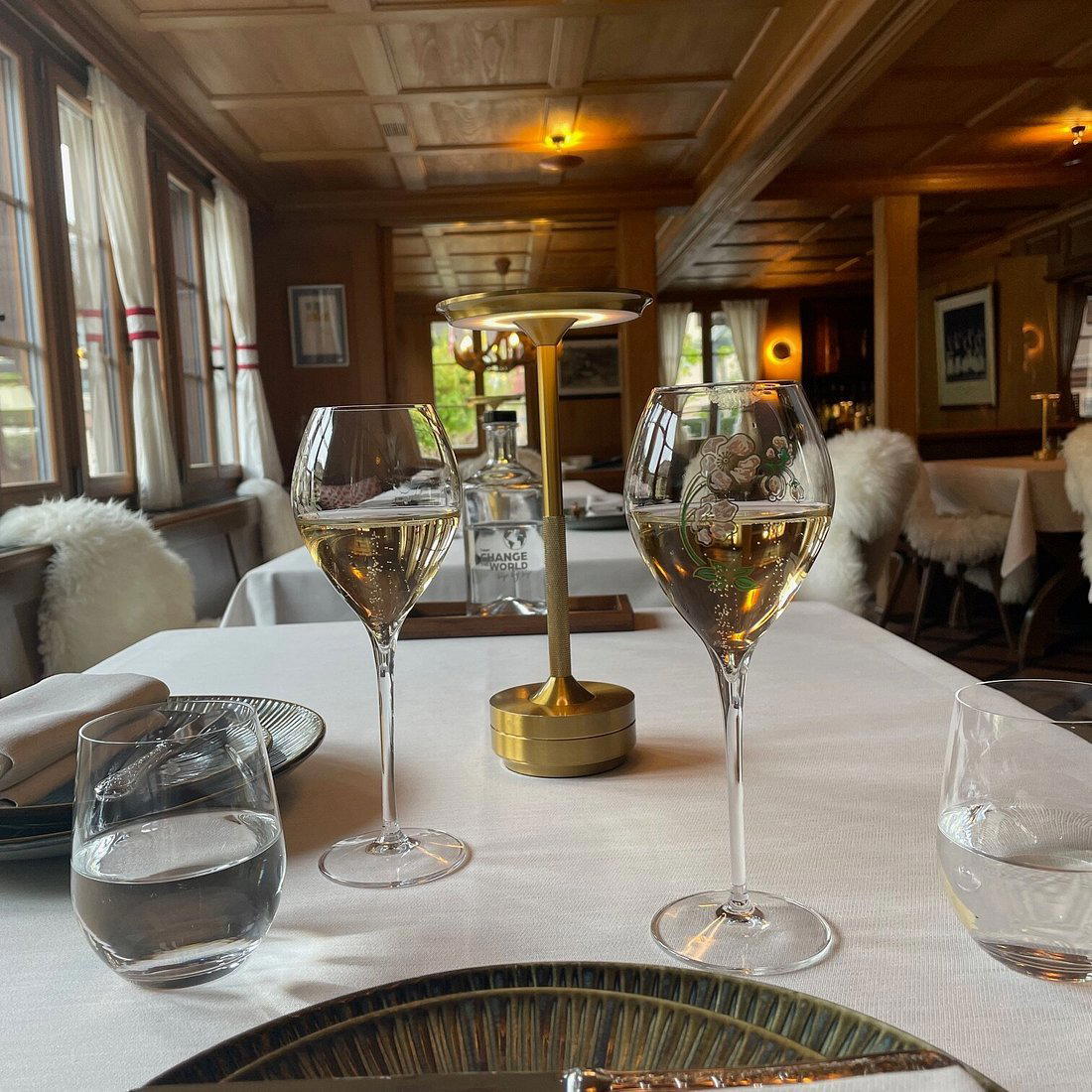
Cozy wood-paneled interiors with warm lighting, complemented by romantic terraces overlooking the lake and mountains.