Gasthaus zum Kreuz - Bijou

Inside a Nidwalden inn built in 1570, Bijou earns its Michelin star through a six-course surprise menu that fuses Swiss and Asian ingredients with notable precision. The format is deliberately small-scale and personal, with expert wine pairings and service that matches the cooking's ambition. Thursday to Sunday evenings only, with weekend lunch added on Friday through Sunday.
Pearl is the En Primeur Club membership app — saves, bookings, and concierge access live there. Same editors, same standards.
- Address
- Stettlistrasse 3, 6383 Dallenwil, Switzerland
- Phone
- +41 41 628 20 20
- Website
- kreuz-dallenwil.ch
- Directions
- Get directions
 Saves & bookings on Pearl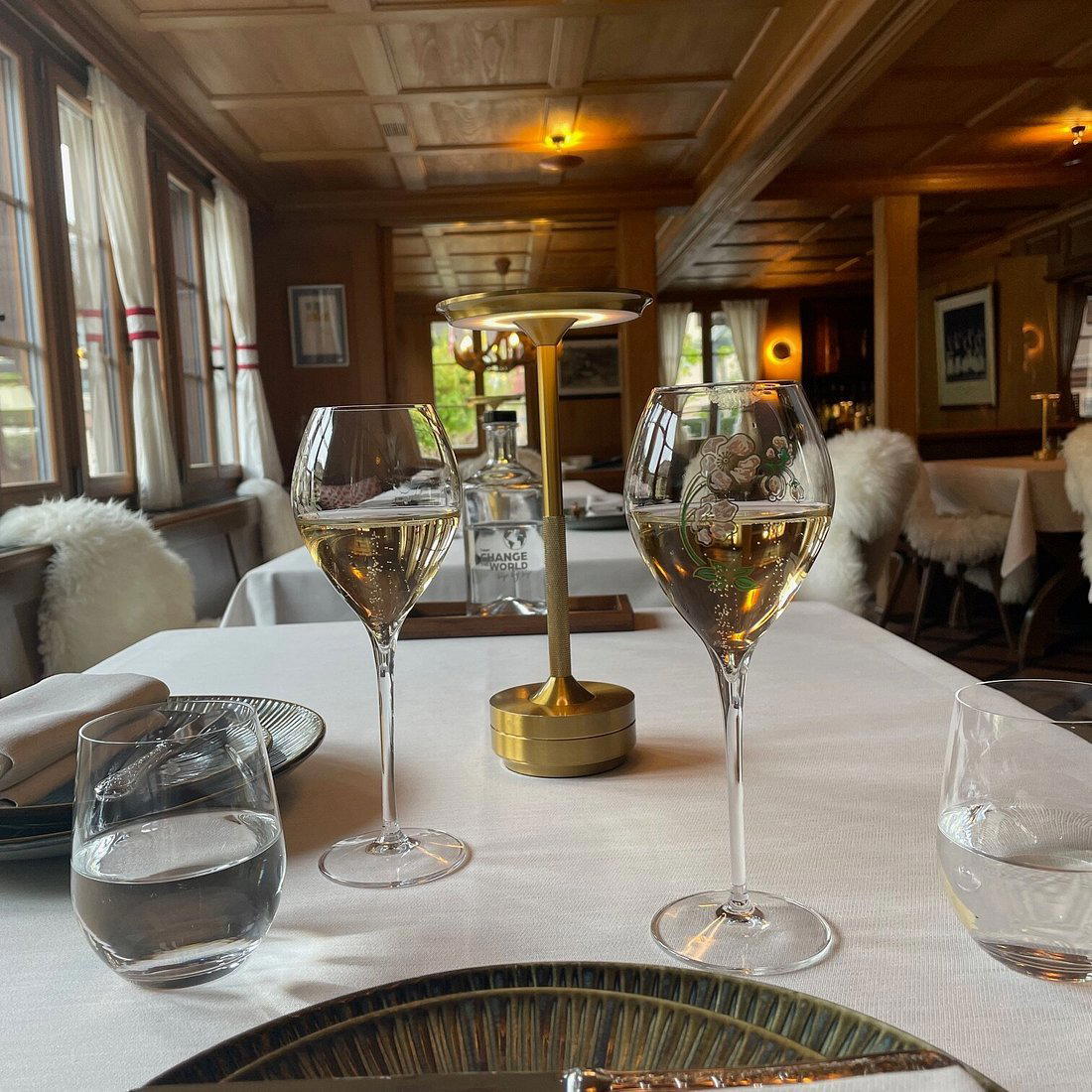
A Village Inn, a Star, and a Fusion That Earns Both
Switzerland's Michelin-starred restaurant circuit tends to cluster around its financial and tourist centres: Zurich, Basel, St. Moritz, the Graubünden valleys. The canton of Nidwalden sits outside that gravitational pull. Dallenwil, a village of a few thousand residents south of Lake Lucerne, does not advertise itself as a dining destination. That is precisely what makes the Bijou's single Michelin star, awarded in 2024, worth examining as a statement about where serious cooking can take root when it is not propped up by hotel infrastructure or urban foot traffic.
The building at Stettlistrasse 3 dates to 1570, a timber-framed Gasthaus that has absorbed centuries of Alpine use. The atmosphere inside Bijou is intimate in the way that old structures naturally impose: low ceilings, a scale that prevents anonymity, a room where the number of covers is necessarily limited. Dietmar and Nicole Sawyere run the Bijou operation as a micro-restaurant experience, with a room that sits structurally closer to the private dining room than to the conventional restaurant. The term is precise rather than promotional. A micro-restaurant means fewer covers, tighter mise en place, more attentive service ratios, and a menu architecture that works at low volume.
The Fusion Frame: Where Swiss Meets Asian at Michelin Level
Asian-Western fusion as a culinary category has a complicated reputation. It peaked in the 1990s as a fashionable shorthand, contracted under the weight of incoherent execution, and has since re-emerged in more considered forms at the summit end of the market. The versions that hold up under scrutiny share a common logic: they are not about mixing techniques indiscriminately but about sourcing ingredients and flavour principles from both traditions and finding structural affinities between them. Alpine Switzerland and East Asian cuisines share more than first impressions suggest: a common regard for fermentation, umami-adjacent depth in aged dairy and cured meats on the Swiss side, precision in cutting and temperature control that runs through Japanese and Chinese professional kitchens.
Bijou's six-course surprise set menu positions itself inside this more disciplined fusion tradition. The surprise format is significant. It removes the negotiation between kitchen ambition and guest preference, allowing the menu to follow an internal logic rather than a commercial one. Guests can extend the menu or swap a course, which preserves flexibility without collapsing the underlying structure. That combination of fixed architecture with optional adjustment is a format that Michelin inspectors increasingly reward because it signals kitchen confidence without rigidity. The result earned Bijou its star in 2024, placing it in company with focus ATELIER in Vitznau and IGNIV Zürich by Andreas Caminada in Zurich.
Sourcing Logic in an Alpine Village Context
Bijou's sourcing logic is central to its appeal. A six-course fusion menu in Nidwalden cannot rely on the supply chains available to urban kitchens in Zurich or Basel. The proximity to Central Switzerland's agricultural belt, however, is a structural advantage rather than a constraint. Nidwalden and the surrounding cantons produce dairy of pronounced quality, river fish from Lake Lucerne and its tributaries, and seasonal mountain produce with a compressed growing season that intensifies flavour. A kitchen fusing Swiss and Asian culinary thinking in this location has natural material to work with: aged Swiss cheese and dairy fats that carry depth analogous to long-fermented Asian condiments, freshwater fish that suits delicate preparation methods drawn from Japanese technique, and wild and cultivated herbs from the valley floor and lower Alpine meadows.
The wine programme at Bijou, noted for expert recommendations by Michelin, reflects the same sourcing intelligence. Switzerland produces serious wine in volumes largely invisible to international markets, particularly in Valais, Vaud, and Graubünden. A sommelier working a six-course surprise menu without advance knowledge of guest preferences must build pairings that are versatile enough to track a fusion menu's lateral moves. The wine programme is noted for expert recommendations, which signals that the beverage dimension is integrated into the overall proposition.
The Stübli as Counter-Programme
Same building houses the Gasthaus zum Kreuz - Stübli, which operates as a regional-style alternative to the Bijou's tasting menu format. This dual-register model, where a Gasthaus runs a starred kitchen alongside a traditional dining room under the same roof, reflects a hospitality logic that predates the modern restaurant. The Bijou is the starred restaurant at Gasthaus zum Kreuz. The Stübli functions as the inn's civic anchor, accessible to the village; Bijou functions as its culinary argument. The coexistence is architecturally natural in a 450-year-old building and avoids the problem of a starred kitchen that alienates its local community by pricing entirely out of everyday reach.
Where Bijou Sits in the Swiss Starred Circuit
Switzerland runs one of the densest concentrations of Michelin-starred restaurants per capita in Europe. The top of that pyramid, occupied by tables like Schloss Schauenstein in Fürstenau and Memories in Bad Ragaz at three stars, operates at a price and production level that requires significant overhead. One-star tables at the €€€€ tier represent a different proposition: the cooking justifies the price tier, but the format is not necessarily built for extended gastro-tourism in the way three-star destinations are. Bijou's rurality is an honest expression of its operating model. It draws from within the Lake Lucerne orbit rather than from international itineraries, and its.
For context on the Asian-Western fusion category at a comparable tier, Aamara in Dubai and BALOCI in Birmingham represent how this culinary frame operates in urban environments with larger populations to draw from. Bijou's version is quieter in register and rooted in a more specific geography, which makes the Michelin recognition a different kind of argument: the guide is not rewarding scale or spectacle but precision at small volume in an unlikely location.
Other Michelin-recognised tables worth considering in the broader region include Cheval Blanc by Peter Knogl in Basel, Hotel de Ville Crissier in Crissier, Colonnade in Lucerne, Einstein Gourmet in Sankt Gallen, 7132 Silver in Vals, and Da Vittorio - St. Moritz in St. Moritz.
Planning a Visit
Bijou operates on a restricted schedule that reflects its micro-restaurant model. The kitchen opens Thursday evenings from 6:30 PM to 9:30 PM, Friday through Sunday for both lunch (11:30 AM to 2 PM) and dinner (6:30 PM to 9:30 PM), with Monday, Tuesday, and Wednesday fully closed. The compressed weekly window and the intimate format mean advance booking is essential.
At-a-Glance Comparison
Comparable venues nearby, for context on price, style, and recognition.
| Venue | Cuisine | Price | Awards | Notes |
|---|---|---|---|---|
| Gasthaus zum Kreuz - BijouThis venue — the venue you are viewing | Swiss-Asian Fusion Fine Dining | $$$$ | Michelin 1 Star | Not listed |
| Gasthaus zum Kreuz - Stübli | Alpine Gourmet Cuisine | $$$$ | Michelin 1 Star | Dallenwil |
| Das Stübli beim Kreuz | Modern Alpine Cuisine | $$$$ | Not listed | Dallenwil |
| META | Mediterranean-Asian Fusion Fine Dining | $$$$ | Michelin 1 Star | Paradiso |
| Wöschi | Modern European Fine Dining | $$$$ | Michelin 1 Star | Wollishofen |
| Schlüssel - Nidbergstube | Modern Regional Swiss Fine Dining | $$$$ | Michelin 1 Star | Mels |
Recognition history
Dated appearances from independent guides and award organizations, with the underlying list record or original source where available.
Michelin 1 Star
Michelin
Michelin 1 Star
Michelin
Continue exploring
More in Dallenwil
Restaurants in Dallenwil
Browse all →
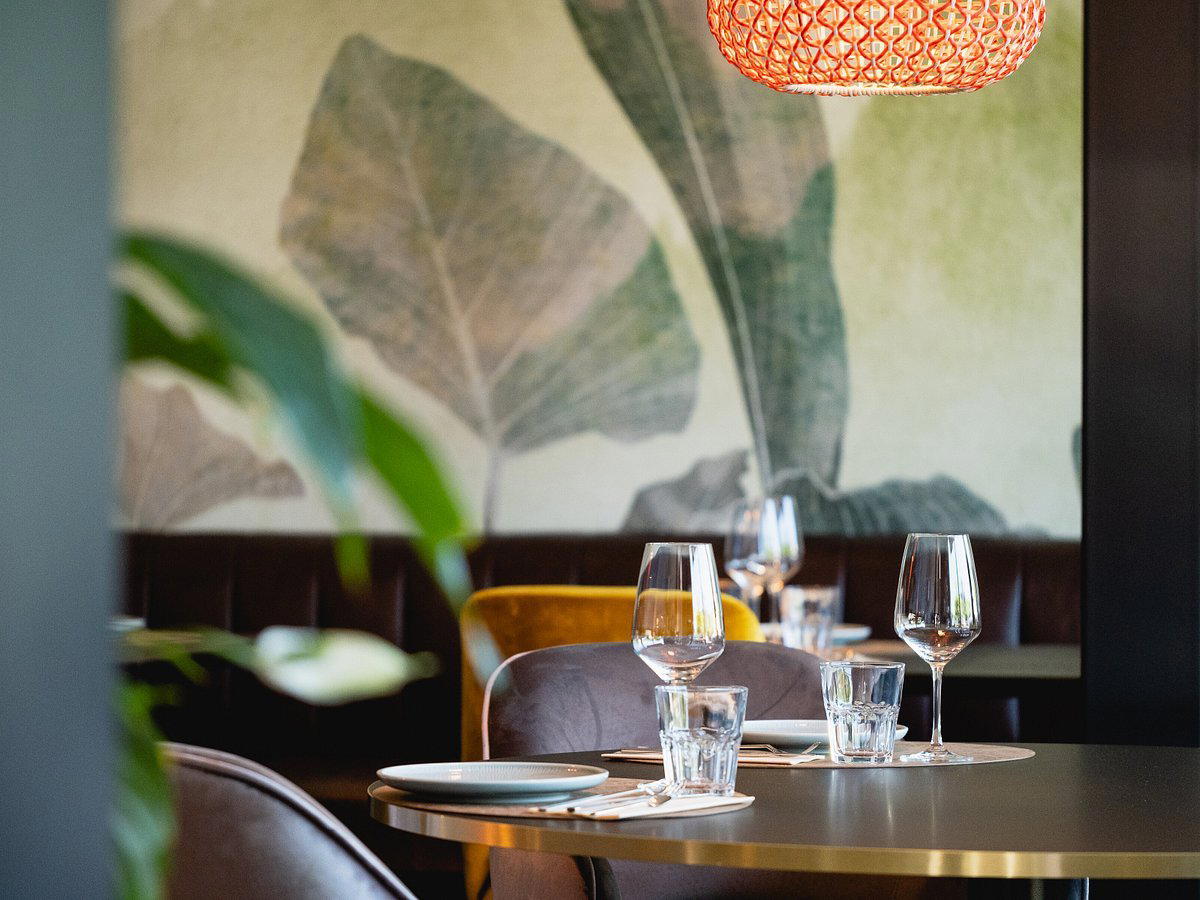
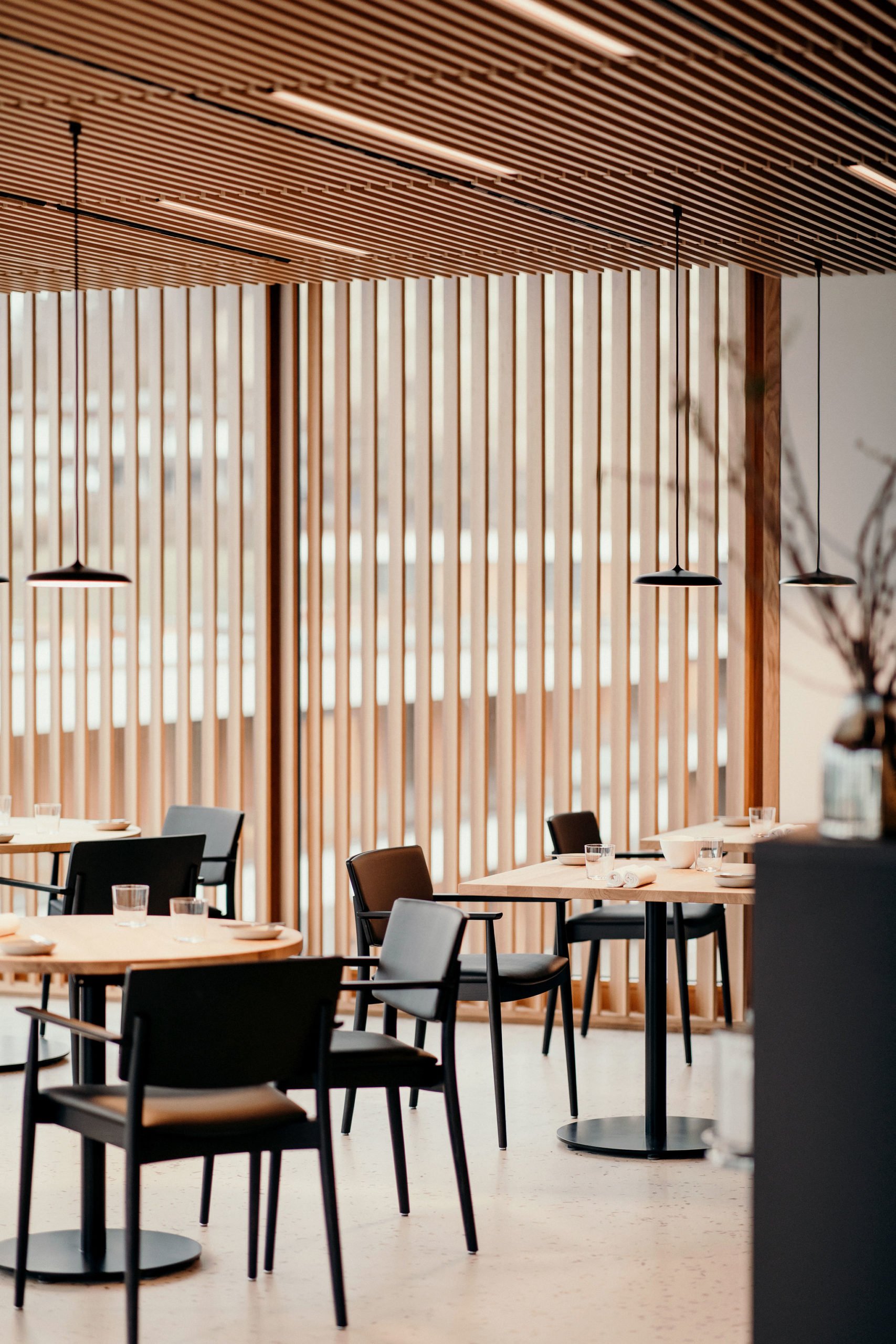
Bars in Dallenwil
Browse all →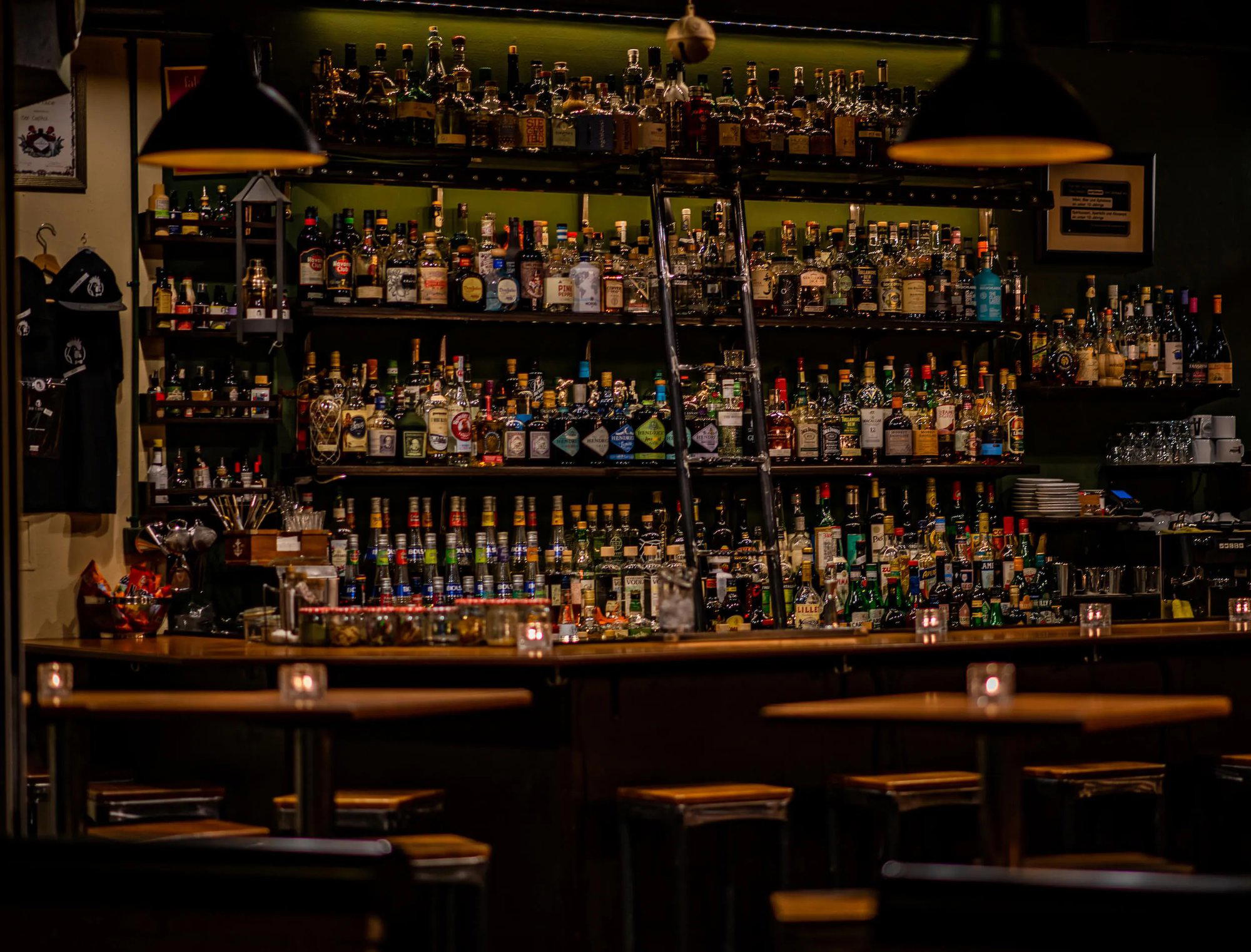
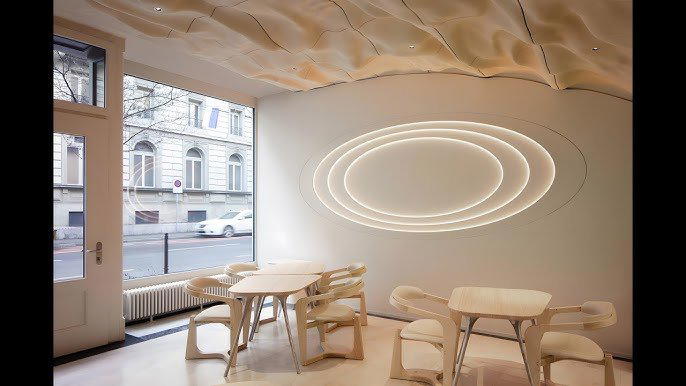
Hotels in Dallenwil
Browse all →

At a Glance
- Intimate
- Cozy
- Elegant
- Rustic
- Date Night
- Special Occasion
- Celebration
- Historic Building
- Private Dining
- Extensive Wine List
- Local Sourcing
Current opening hours
- Monday
- Closed
- Tuesday
- Closed
- Wednesday
- Closed
- Thursday
- 6:30–9:30 PM
- Friday
- 11:30 AM–2 PM, 6:30–9:30 PM
- Saturday
- 11:30 AM–2 PM, 6:30–9:30 PM
- Sunday
- 11:30 AM–2 PM, 6:30–9:30 PM
Hours can change for holidays and private events. Last verified .
Charming wood-panelled interior with personal, cordial service; shaded terrace in summer; intimate and elegant atmosphere.