Zushi
On Knokke-Heist's main commercial strip, Zushi occupies a position that reflects the Belgian coast's broader appetite for Japanese-influenced dining alongside its classical French tradition. Compared to the heavier tasting-menu format that dominates the area's higher-end tables, Zushi offers a lighter, more casual register on Lippenslaan — the boulevard that anchors the town's restaurant density.
Pearl is the En Primeur Club membership app — saves, bookings, and concierge access live there. Same editors, same standards.
- Address
- Lippenslaan 124, 8300 Knokke-Heist, Belgium
- Phone
- +3250960660
- Website
- zushiknokke.be
- Directions
- Get directions
 Saves & bookings on Pearl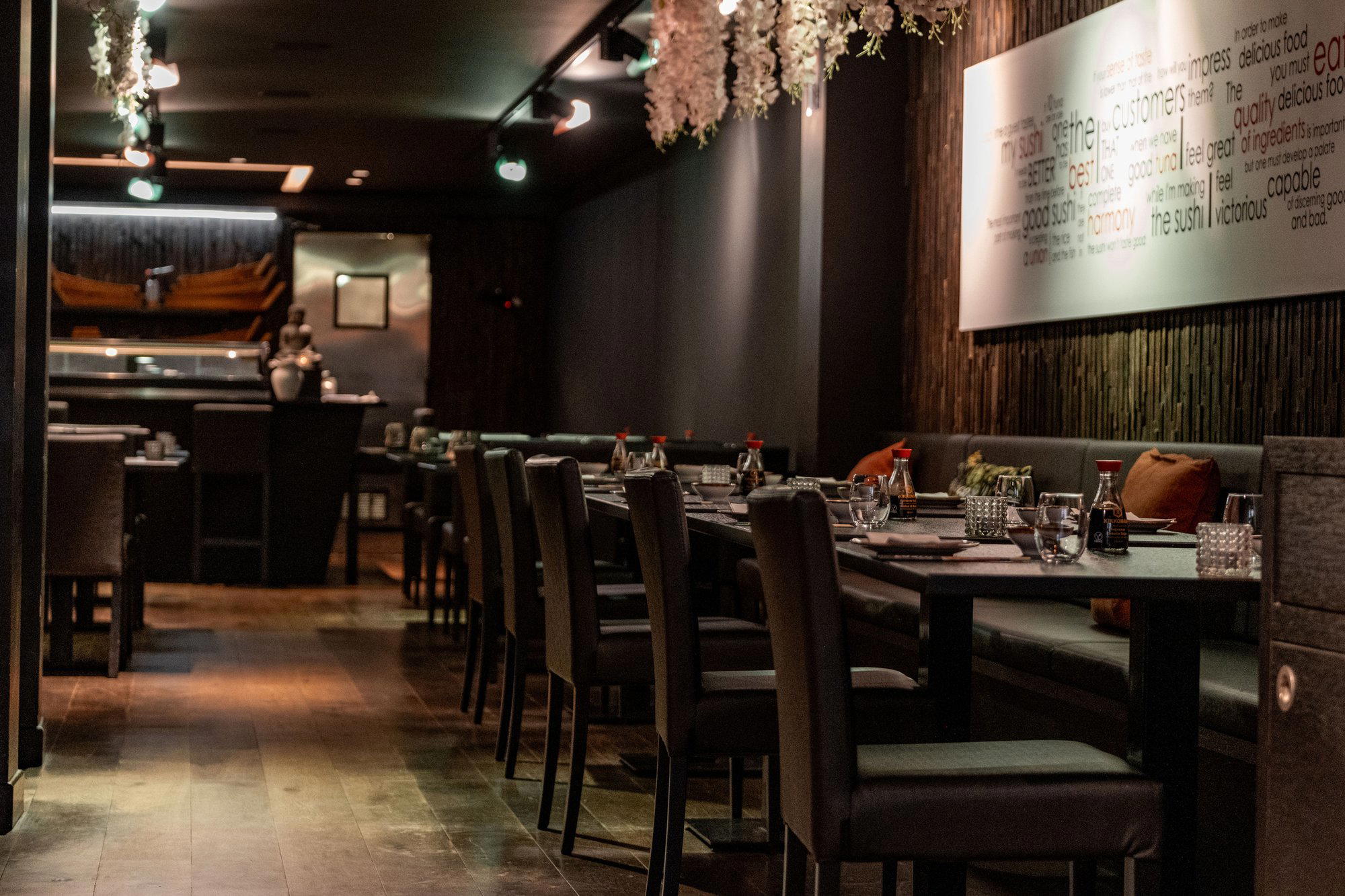
Lippenslaan and the Coastal Appetite for Japanese Dining
Knokke-Heist's restaurant culture has long been defined by a tension between its classical French inheritance and the lighter, more ingredient-focused formats that have arrived over the past two decades. The main artery, Lippenslaan, concentrates much of that contrast into a single walkable stretch: white-tablecloth brasseries and wine-forward bistros sit alongside sushi counters and fusion addresses that reflect how Belgian coastal dining has quietly diversified. Zushi, at number 124 on that boulevard, belongs to the Japanese-influenced tier that has carved out consistent demand in a town where the summer season compresses dining decisions into a short, high-footfall window.
That seasonal rhythm matters for understanding how Zushi functions within its neighbourhood. Knokke-Heist draws a wealthier day-tripper and second-home crowd from Brussels, Ghent, and Antwerp, particularly between June and September, and its restaurants tend to calibrate around that pressure. Japanese and Japanese-adjacent formats have benefited from this: lighter sourcing profiles, cleaner flavour lines, and formats that accommodate faster table turns without sacrificing the sense of occasion that coastal visitors expect. On Lippenslaan specifically, Zushi sits in a peer group that includes Café de Paris, bablut., and Alexandra — each occupying a distinct register, with Zushi holding the Japanese-leaning position in that spread.
The Sustainability Argument for Lighter Sourcing Formats
One of the less discussed advantages of Japanese-influenced dining in coastal European contexts is the structural alignment with lower-impact sourcing. Where classical French haute cuisine often demands long-aged proteins, heavy reductions, and cream-intensive sauces that require significant resource input at every stage, sushi and sashimi formats are built around minimal intervention: fish sourced as close to service as logistics allow, rice as the primary starch, and a reliance on quality of raw material rather than transformation through heat and fat. That is not automatically a sustainability argument — industrial sushi operations can be as wasteful as any other format, but the discipline, when applied seriously, does tend to produce a lower-waste kitchen profile.
Belgium's North Sea coastline sits at the edge of one of Europe's most scrutinised fishing zones, and the sourcing choices made by coastal restaurants carry real environmental weight. The species on a menu at any given Knokke-Heist table reflect, in aggregate, whether the town's hospitality sector is pushing toward or away from pressure on depleted stocks. Addresses that take that seriously, whether through MSC-certified supply chains, seasonally adjusted menus, or preference for smaller, faster-reproducing species, position themselves differently from those that treat the menu as static. For a venue like Zushi, the question of how that discipline is applied is one that prospective visitors with sourcing concerns would reasonably want answered directly before booking.
The broader Belgian fine dining conversation around sustainability has been led by addresses considerably further inland and up the prestige ladder. L'air du temps in Liernu has built a reputation precisely on that ground, as has Willem Hiele in Oudenburg, whose proximity to the West Flemish coast makes it a useful reference point for how seriously sourcing ethics can be applied at the high end of coastal Belgian dining. Boury in Roeselare and Hof van Cleve in Kruishoutem operate in adjacent territory.
Knokke-Heist's Japanese Tier: Where Zushi Sits
The Belgian coast has not developed the kind of destination sushi culture that certain Japanese-heavy European cities have built. There is no equivalent of London's omakase counter scene or Amsterdam's premium Nikkei wave operating at Knokke-Heist's scale. What exists instead is a cluster of Japanese and pan-Asian addresses that serve a tourist-weighted, quality-conscious clientele that wants something lighter than a full tasting menu but is not interested in entry-level takeaway formats. Zushi occupies that middle band on Lippenslaan.
For context on what the upper end of European Japanese dining looks like, addresses like Atomix in New York City or the sourcing rigour applied at Le Bernardin in New York City in its treatment of seafood define what serious commitment to a single protein category at the premium tier can produce. Closer to home, Zilte in Antwerp and Bozar Restaurant in Brussels represent the kind of Belgian fine dining infrastructure that visitors trading up from casual coastal tables might benchmark against. Zushi is not in competition with those addresses, but they frame what quality at different price points and ambition levels looks like in this country.
Within Knokke-Heist itself, the comparison set is more relevant. Bel-Etage operates in a different register entirely, as do Caillou and the town's other more formally structured addresses. Bartholomeus in Heist represents the serious end of local seafood dining, with credentials that place it in a different conversation. Zushi's positioning is less about competing with those tables and more about serving a visitor who wants Japanese format, coastal setting, and the ease of Lippenslaan's density of options around it.
Planning a Visit
Zushi sits at Lippenslaan 124 in Knokke-Heist, on the main commercial boulevard that runs through the centre of town and is walkable from most of the coastal accommodation in the immediate area. Knokke-Heist is approximately 15 kilometres from Bruges by road, and the town is accessible by train from Bruges and Ghent, with the station a reasonable walk or short taxi ride from Lippenslaan. For visitors coming from Brussels, the drive runs roughly 115 kilometres via the E40, making it a feasible day excursion during summer. Booking in advance is advisable during the June-to-August peak season, when coastal restaurants across the area operate at high capacity and walk-in availability compresses. Shoulder season, particularly May and September, tends to offer more flexibility. For a broader picture of what the town's dining scene covers across formats and price points, EP Club's full Knokke-Heist restaurants guide maps the options in detail. Further afield, Castor in Beveren, De Jonkman in Sint-Kruis, and d'Eugénie à Emilie in Baudour offer useful regional reference points for visitors building a wider Belgian itinerary.
How Zushi Knokke Heist compares with similar nearby venues.
| Venue | Cuisine | Price |
|---|---|---|
| Il Trionfo | Italian | €€€ |
Continue exploring
More in Knokke Heist
Restaurants in Knokke Heist
Browse all →
Bars in Knokke Heist
Browse all →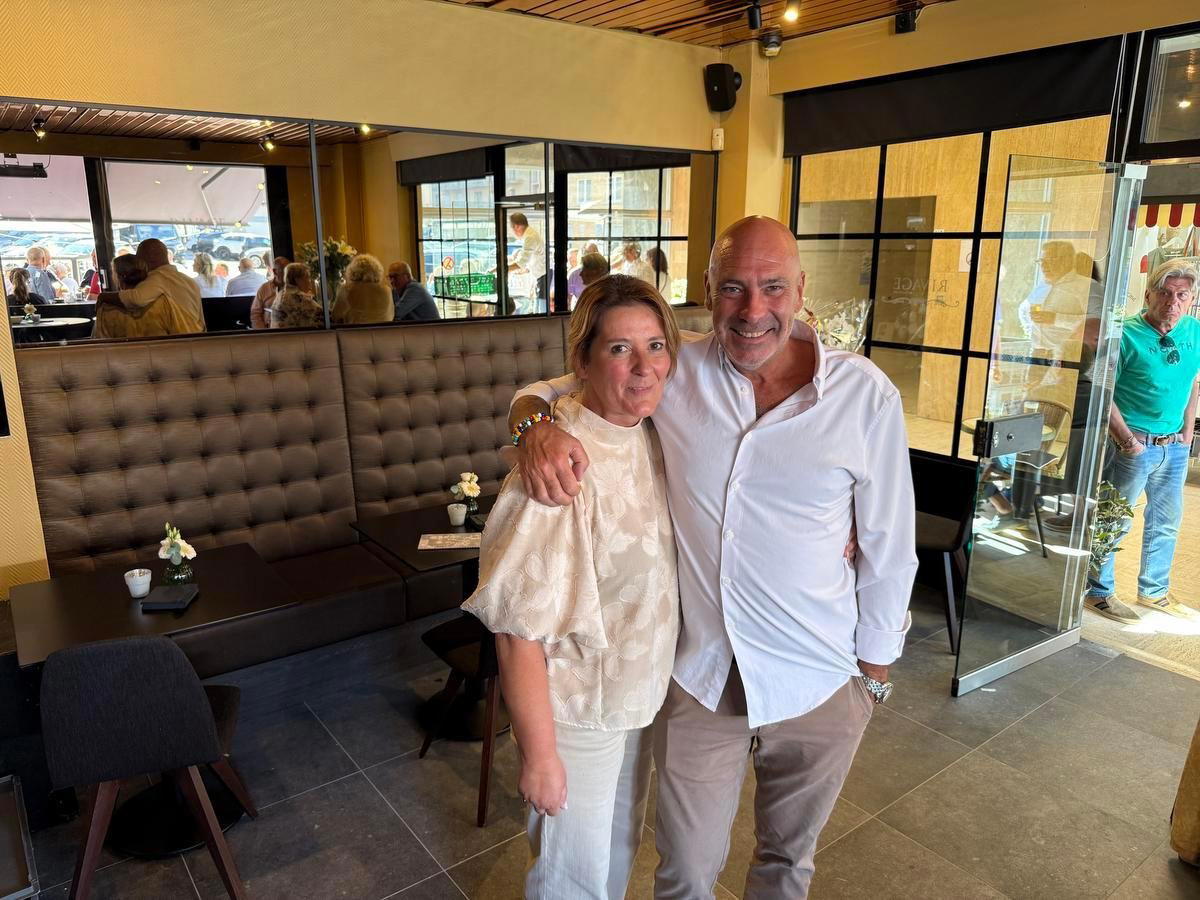
At a Glance
- Cozy
- Date Night
- Casual Hangout
Current opening hours
- Monday
- 4:30–9:30 PM
- Tuesday
- 4:30–9:30 PM
- Wednesday
- 4:30–9:30 PM
- Thursday
- 4:30–9:30 PM
- Friday
- 4:30–9:30 PM
- Saturday
- 12:30–9:30 PM
- Sunday
- 12:30–9:30 PM
Hours can change for holidays and private events. Last verified .
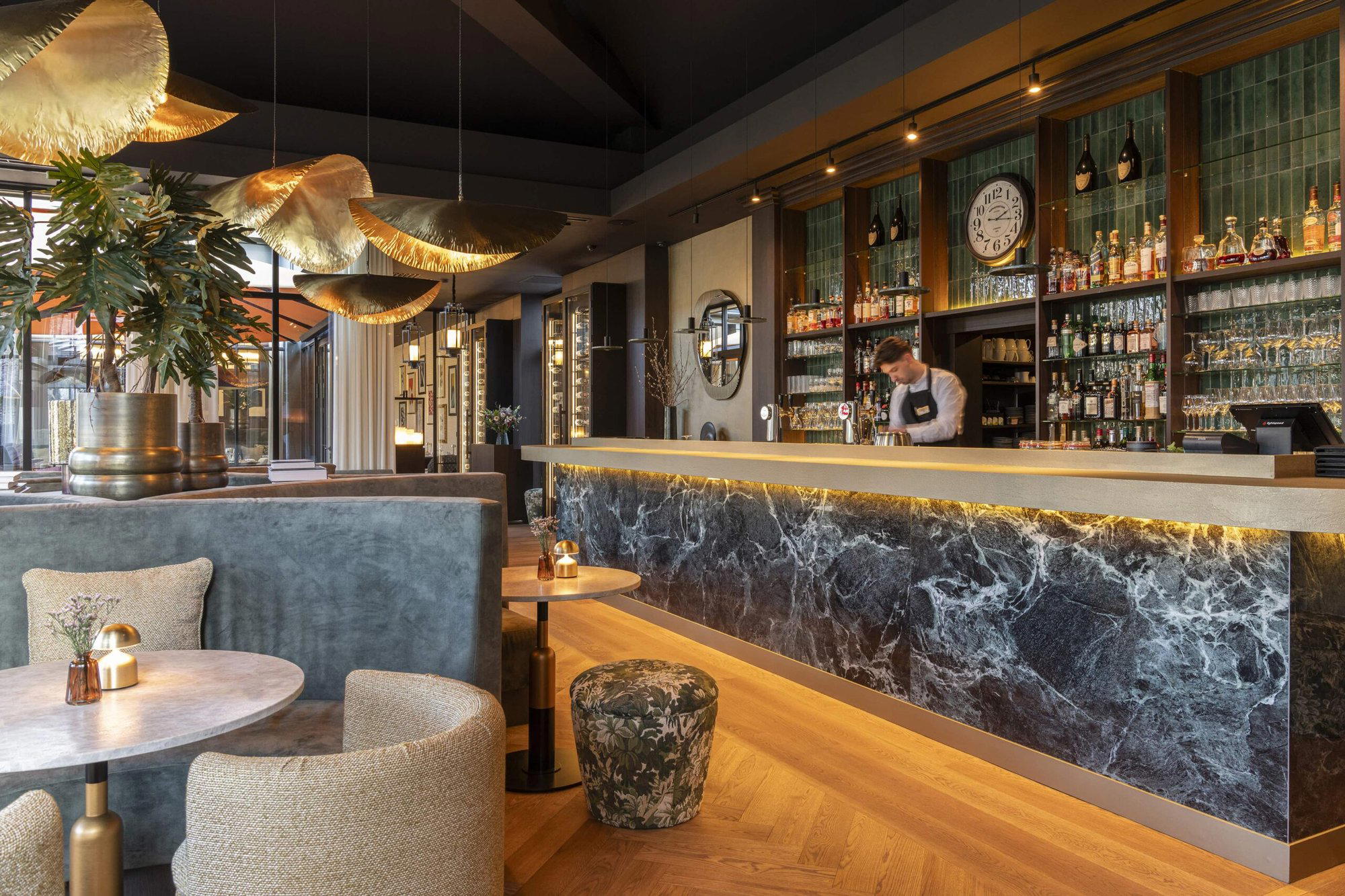
Sfeervolle and gezellig atmosphere in a cozy restaurant setting.
Know Before You Go
- Getting there
- Lippenslaan 124, 8300 Knokke-Heist, Belgium