Zur Mägd
Our verdict
A longstanding address on St. Johanns-Vorstadt, Zur Mägd sits in Basel's inner left bank, a neighbourhood where old guild-house traditions and contemporary dining have coexisted for decades. The venue occupies a place in Basel's mid-range dining conversation, drawing locals and visitors alike to a street that connects the Rhine waterfront to the city's art-district edge. Booking ahead is advisable, particularly around Art Basel and the Fasnacht season.

Pearl is the En Primeur Club membership app — saves, bookings, and concierge access live there. Same editors, same standards.
- Address
- St. Johanns-Vorstadt 29, 4056 Basel, Switzerland
- Phone
- +41612815010
- Hours
- Mon–Fri 11:30 AM–2 PM, 6–10 PMSat 6–10 PMSun Closed
- Website
- zurmaegd.ch
- Directions
- Get directions
- Booking
- Book on the venue's website
The menu
What to order
- Risotto Acquerello ai funghi
- Tortelli di zucca mantovani
- Spaghettone alla carbonara
- Osso buco
St. Johanns-Vorstadt and the Durability of the Neighbourhood Dining Room
Basel's left bank has never chased the same headline energy as the grand hotel dining rooms on the right. St. Johanns-Vorstadt, running roughly parallel to the Rhine as it bends through the city's northern quarter, has instead cultivated a different kind of reputation: long-running addresses with roots in the city's guild-house culture, punctuated by newer kitchens that arrived with the art-fair crowd. Zur Mägd, at number 29, belongs to the former tradition. It is the kind of address that does not need to announce itself, because the neighbourhood already knows it.
That durability is itself an editorial point. In a Swiss city where restaurant turnover in the premium bracket has accelerated since the early 2010s, driven partly by the gravitational pull of Art Basel money and partly by the arrival of internationally trained chefs at venues like Stucki - Tanja Grandits and roots, the older neighbourhood restaurant has had to define its own position more deliberately. Zur Mägd's location on St. Johanns-Vorstadt places it slightly outside the city's prestige dining corridor, which is both a competitive constraint and a kind of insulation.
How the Neighbourhood Shapes the Room
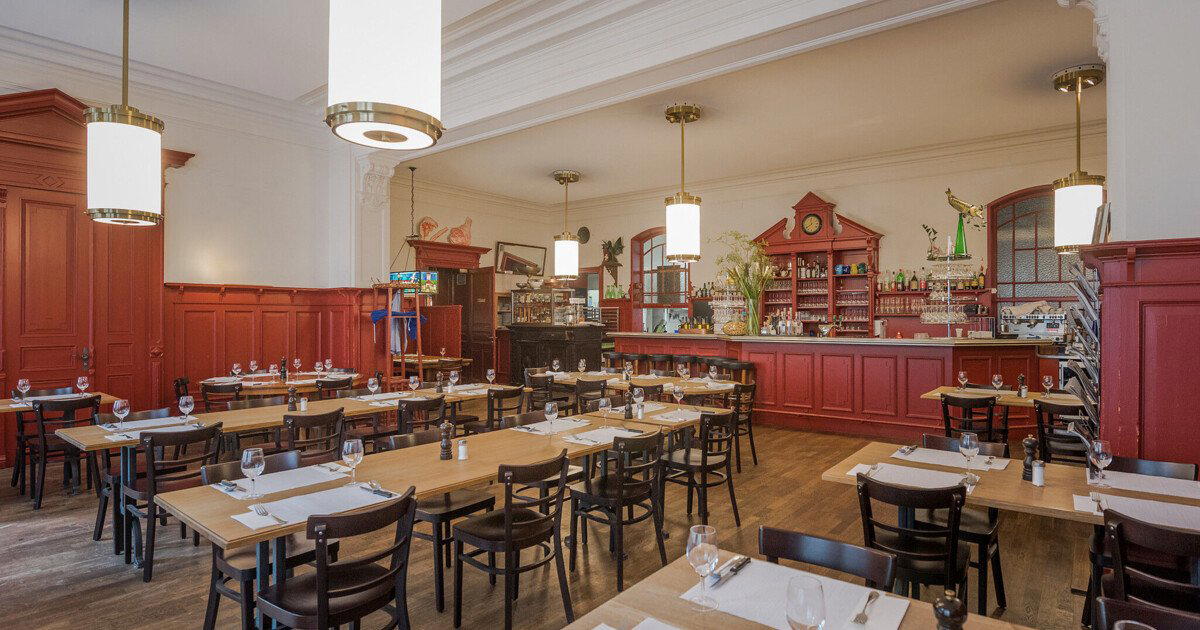
Approaching from the Schifflände direction, St. Johanns-Vorstadt narrows perceptibly as it moves away from the Rhine waterfront. The architecture shifts from the broad mercantile facades of the old trading quarter to something more residential and compressed. At number 29, the building sits within this compressed grain, the kind of structure that in Basel typically dates its current form to the eighteenth or early nineteenth century, with modifications layered in across subsequent decades. Inside, the room carries the physical memory of those layers: low ceilings, structural elements that cannot be moved, proportions dictated by the original footprint rather than by any contemporary hospitality brief.
This is the physical condition that defines a significant tier of Basel dining — not the purpose-built hotel restaurant or the converted industrial space, but the room that has been a room for a very long time and has simply adapted its programme around that fact. It positions Zur Mägd alongside venues like Ackermannshof and the classic end of the Basel brasserie tradition, rather than with the kitchen-forward destination restaurants that have reshaped the city's upper end over the past decade.
The Evolution Question: What Changes, What Stays
The editorial angle that matters most for an address like Zur Mägd is not what it is today in isolation, but how it has moved across time. Basel's dining scene has undergone two distinct pressures since roughly 2010. The first was the institutionalisation of Art Basel as a global cultural event, which brought sustained international visitor spend and raised the ceiling for what premium dining could charge and offer in the city. The second was a generational shift in Swiss fine dining, visible in venues like Cheval Blanc by Peter Knogl and at the national level in the ambitions of kitchens such as Schloss Schauenstein in Fürstenau and Memories in Bad Ragaz, where Swiss produce and technique began to define a distinct identity rather than simply reflecting French influence.
Neighbourhood restaurants in Basel that survived both pressures did so by doing one of two things: raising their kitchen ambition to compete in the new conversation, or deepening their commitment to the local regulars who were never part of the art-fair circuit in the first place. The evidence from St. Johanns-Vorstadt suggests Zur Mägd sits closer to the second path. That is not a criticism. It reflects a genuine market position that the city needs, and that the premium end cannot fill: the reliable address where the format is familiar, the prices are accessible relative to the tasting-menu bracket, and the dining occasion is not a production.
Zur Mägd operates at a different register, which is precisely what makes it relevant to a different kind of visitor.
Basel's Wider Dining Architecture
Understanding where Zur Mägd sits requires mapping the broader structure of eating in Basel. The city punches well above its population size in dining density and quality, partly because of its position at the confluence of three countries, partly because of the wealth concentration that comes with the pharmaceutical and financial sectors, and partly because of the cultural infrastructure that Art Basel, the Museum of Art, and the Kunsthalle generate year-round. That architecture has a clear tier system.
At the leading, Michelin-recognised kitchens compete nationally and draw visitors making deliberate dining-destination trips, the same logic that sends people to Hotel de Ville Crissier in Crissier or 7132 Silver in Vals. Below that, a middle tier of creative and internationally inflected kitchens serves the professional and visiting classes who want quality without the full tasting-menu commitment. Then there is the neighbourhood tier, where longevity, local loyalty, and format familiarity are the relevant currencies. Zur Mägd occupies that third register on a street that has historically been one of Basel's most coherent neighbourhood dining corridors.
Visitors arriving for Art Basel in June, or for Fasnacht in the late winter weeks, will find St. Johanns-Vorstadt considerably busier than its ambient character suggests. The neighbourhood absorbs visitor demand without fully transforming around it, which is a quality that distinguishes it from the immediately adjacent tourist circuits near the Marktplatz. For a broader overview of how Basel's dining scene maps across neighbourhoods and price points, the EP Club Basel restaurants guide provides a full picture, including comparisons with venues at the level of IGNIV Zürich by Andreas Caminada, Colonnade in Lucerne, Da Vittorio in St. Moritz, and L'Atelier Robuchon in Geneva.
How does Zur Mägd fit into Basel's neighbourhood dining tradition compared to its St. Johanns-Vorstadt peers?
St. Johanns-Vorstadt has functioned as one of Basel's more coherent neighbourhood dining streets for several decades, distinct from the grand-hotel corridors and the Marktplatz tourist circuit. Zur Mägd at number 29 represents the older end of that tradition, where format continuity and local familiarity carry more weight than kitchen reinvention.
Frequently asked questions
Where exactly is Zur Mägd?
Zur Mägd is located at St. Johanns-Vorstadt 29, 4056 Basel, Switzerland, Basel.
How does Zur Mägd compare to other dining options on St. Johanns-Vorstadt in Basel?
St. Johanns-Vorstadt functions as one of Basel's more coherent neighbourhood dining streets, with a character shaped by the left bank's residential density rather than tourist foot traffic. Zur Mägd at number 29 sits within that peer group rather than above it, which is precisely what makes it representative of the street's appeal. Visitors expecting the production values of Basel's Michelin-recognised rooms will find a different register here — closer to the dining-room-as-local-institution model that the right bank's hotel addresses cannot replicate.
What's the signature dish at Zur Mägd?
EP Club does not hold confirmed menu data for Zur Mägd, and publishing invented dish descriptions would be a disservice to any reader planning a visit. check the venue's official channels at St. Johanns-Vorstadt 29, Basel, for current menu details before making a reservation.
Should I book Zur Mägd in advance?
Advance booking is advisable. Art Basel in June and Fasnacht in late February both compress available covers across the city, and St. Johanns-Vorstadt addresses fill faster during those windows than the rest of the year suggests. Outside those peaks, the street draws a consistent local crowd that keeps demand reasonably steady.
What is Zur Mägd known for?
Zur Mägd occupies a position on St. Johanns-Vorstadt 29 that places it firmly within Basel's left-bank neighbourhood dining tradition, distinct from the grand-hotel rooms and destination-tasting-menu circuit on the opposite bank. The address has functioned as a local dining room within a street that carries several decades of guild-house heritage. That continuity, rather than trend-chasing, is the defining characteristic.
Is Zur Mägd allergy-friendly?
No allergen or dietary accommodation data for Zur Mägd is held in EP Club's records. Basel restaurants operating at the neighbourhood dining tier are generally accustomed to fielding these requests directly, so calling ahead or emailing the venue at St. Johanns-Vorstadt 29 before arrival is the practical approach.
Pricing, Compared
Comparable venues nearby, for context on price, style, and recognition.
| Venue | Cuisine | Price | Notes |
|---|---|---|---|
| Zur MägdThis venue — the venue you are viewing | Modern Italian | $30–50 | Not listed |
| Artigiano Café | Authentic Neapolitan Pizza | $20–30 | Aeschen, Authentic Neapolitan Pizza |
| Chez Donati | Classic Italian Fine Dining | $50–100 | Aeschen, Classic Italian Fine Dining |
| Trattoria Antichi Sapori | Seasonal Italian Trattoria | $50–100 | Messe, Seasonal Italian Trattoria |
| Ramazzotti | Italian Pizza & Pasta | $20–30 | Messe, Italian Pizza & Pasta |
| Lora | Contemporary Italian Pizza & Mediterranean | $30–50 | Aeschen, Contemporary Italian Pizza & Mediterranean |
Continue exploring
More in Basel
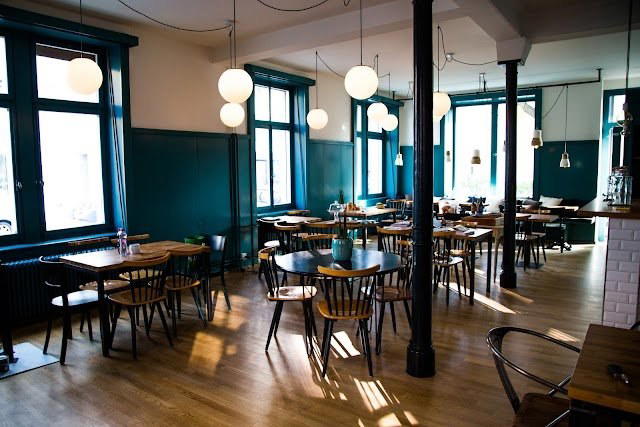
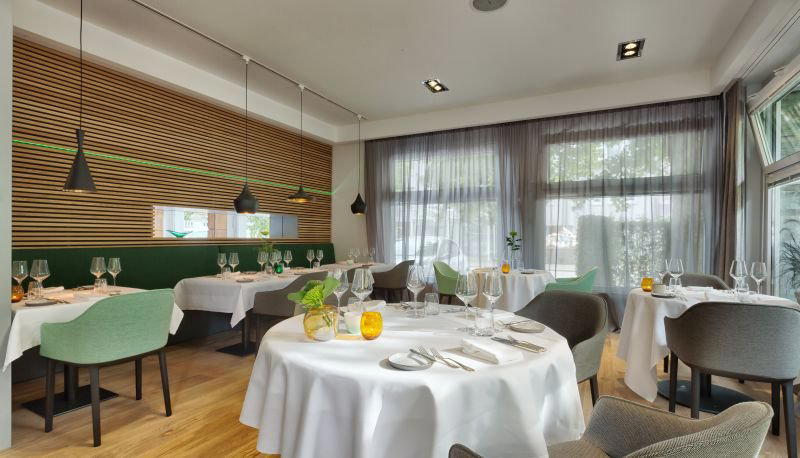
Restaurants in Basel
Browse all →
Bars in Basel
Browse all →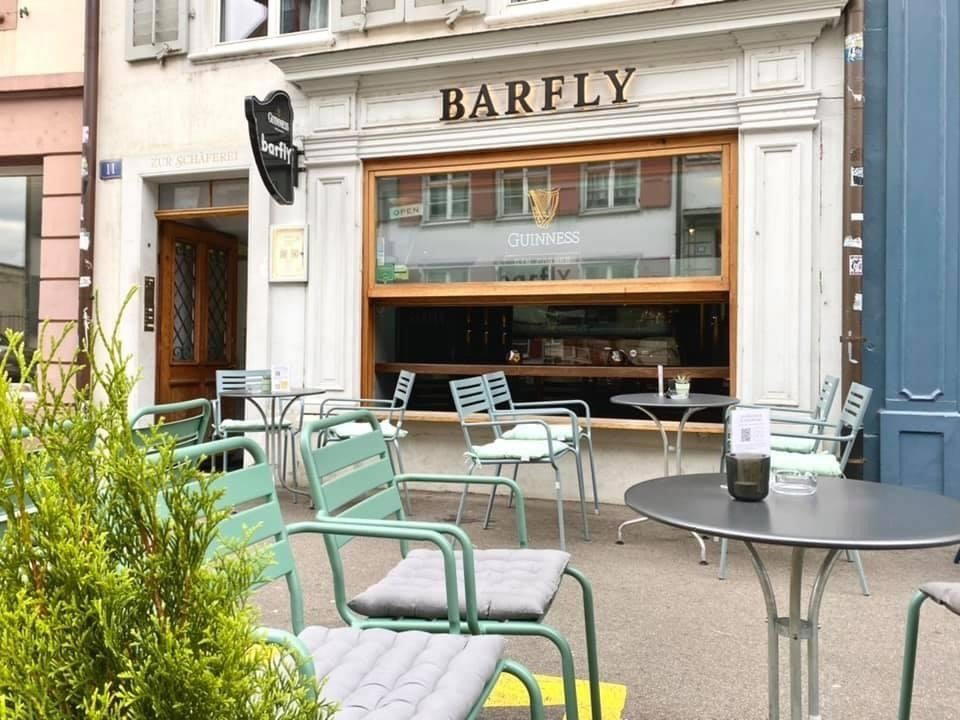
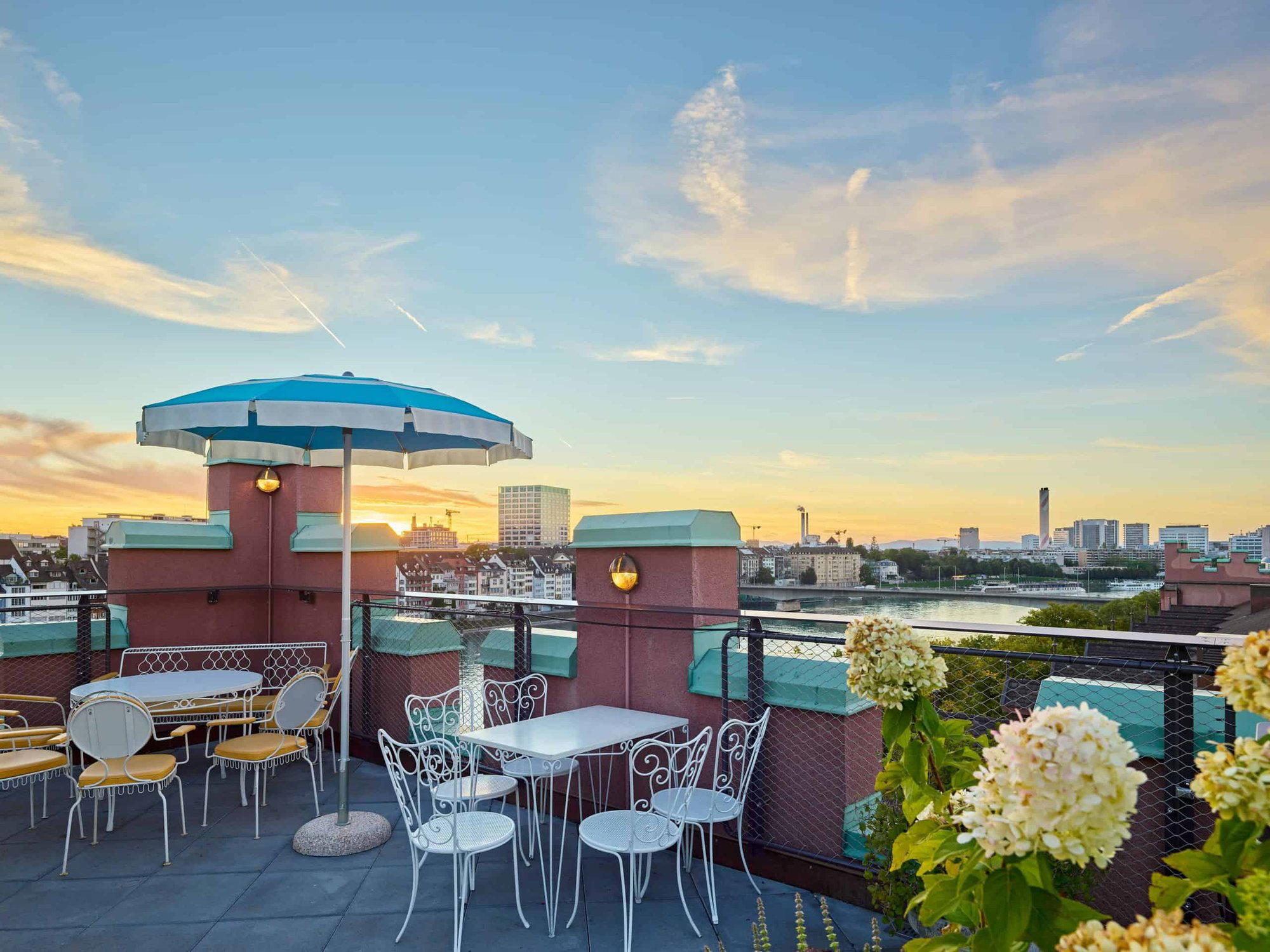
Hotels in Basel
Browse all →

Details
- Cozy
- Lively
- Classic
- Group Dining
- Date Night
- Casual Hangout
- Garden
- Private Dining
- Terrace
- Extensive Wine List
- Garden
- A La Carte
- Vegetarian Friendly
Current opening hours
- Monday
- 11:30 AM–2 PM, 6–10 PM
- Tuesday
- 11:30 AM–2 PM, 6–10 PM
- Wednesday
- 11:30 AM–2 PM, 6–10 PM
- Thursday
- 11:30 AM–2 PM, 6–10 PM
- Friday
- 11:30 AM–2 PM, 6–10 PM
- Saturday
- 6–10 PM
- Sunday
- Closed
Hours can change for holidays and private events. Last verified .
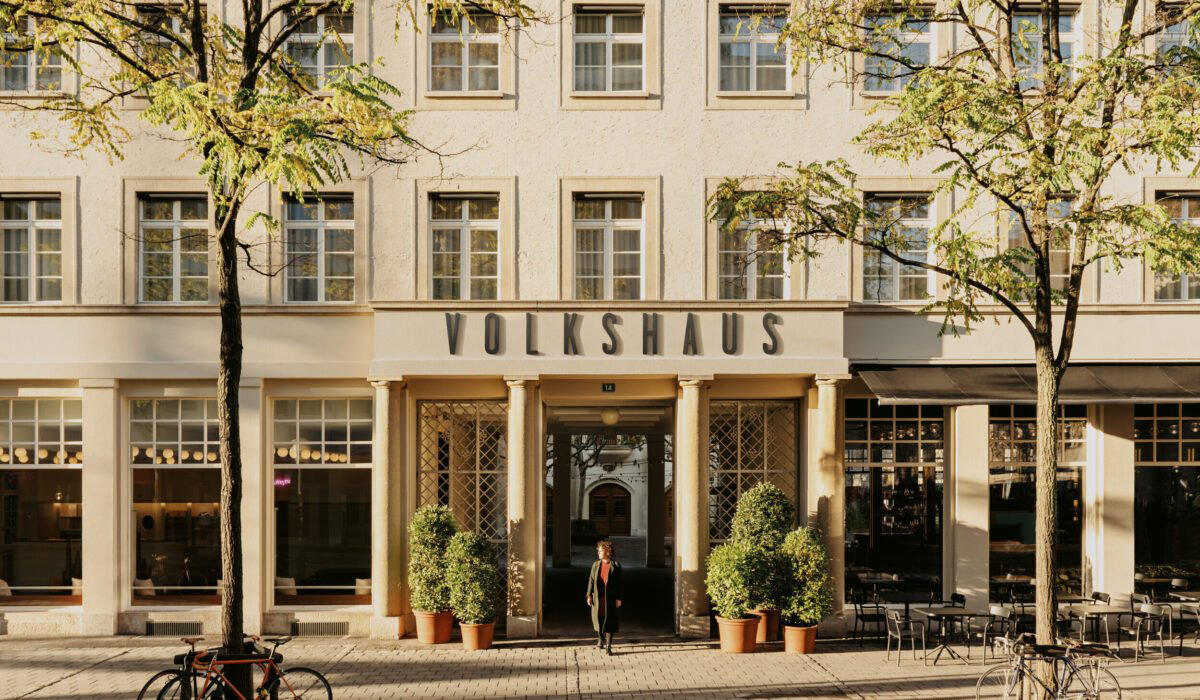
Stylish dining room with lively, warm hospitality and a beautiful greened inner courtyard garden.