Zum Pfifferhus
Our verdict
Zum Pfifferhus occupies a historic address on Ribeauvillé's Grand'Rue, placing it inside one of Alsace's most concentrated corridors of traditional winstub dining. The setting draws on centuries of Franco-German culinary exchange, where choucroute, tarte flambée, and regional Pinot Gris define the table as much as any individual kitchen. For visitors working through Ribeauvillé's dining scene, it represents the traditional anchor against which the town's modern-leaning alternatives are best understood.

Pearl is the En Primeur Club membership app — saves, bookings, and concierge access live there. Same editors, same standards.
The menu
What to order
- Choucroute garnie
- Bouchée à la reine
- Coquelet au riesling
- Tarte aux oignons
Where Alsatian Tradition Holds the Table
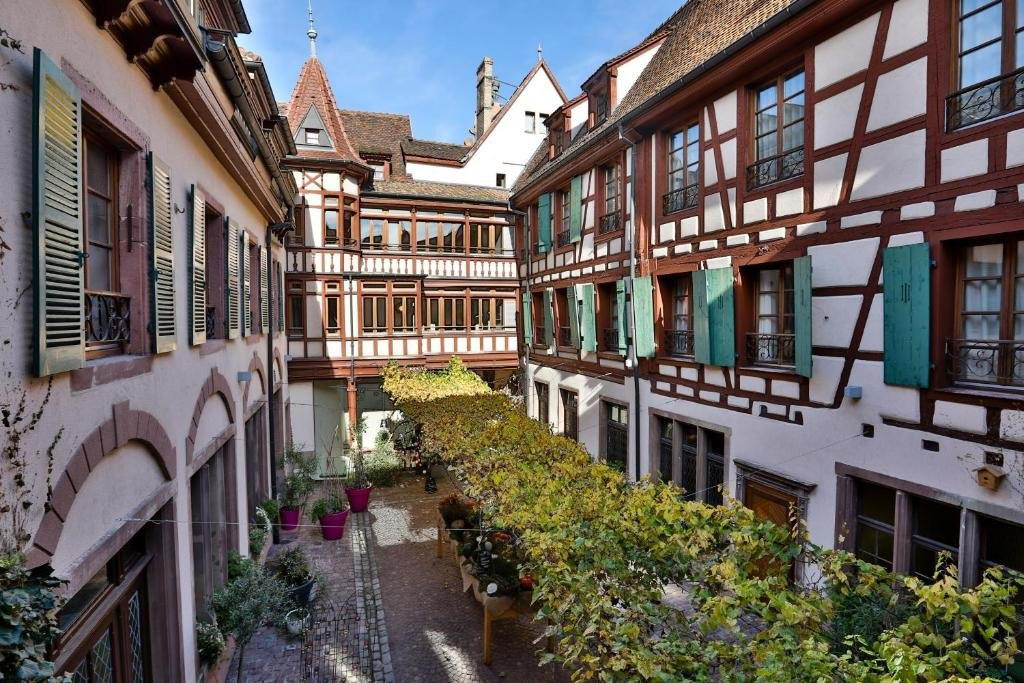
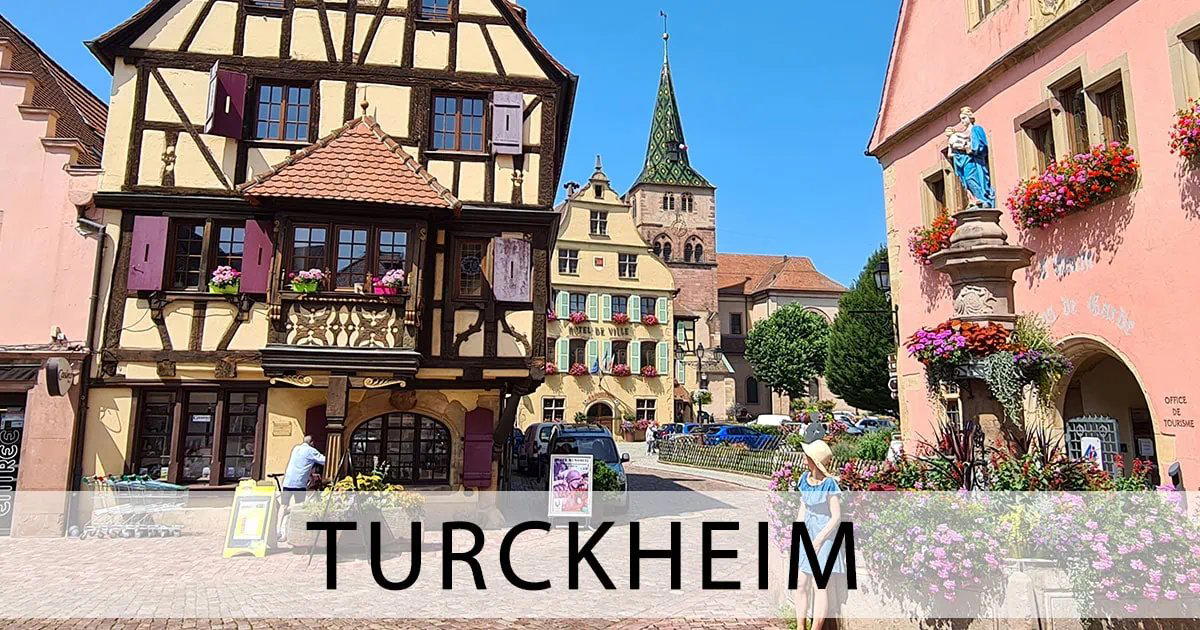
Grand'Rue in Ribeauvillé is not a street where dining is incidental to the visit. The long, stone-paved axis that connects the town's medieval gates functions as a living record of Alsatian civic life, and the restaurants along it have historically reflected that continuity. Zum Pfifferhus, at number 14, sits within this corridor in the manner of a building that predates the question of whether it belongs there. The half-timbered facades, the painted signage, the low-ceilinged interiors typical of the winstub form: these are not decorative choices but architectural inheritances that shape how food is served and received inside.
Ribeauvillé itself occupies a specific position within Alsace's broader dining map. It is a smaller, more contained town than Colmar or Strasbourg, and its restaurant culture reflects that scale: fewer large-format destination restaurants, a stronger gravitational pull toward the traditional auberge and winstub model, and a visitor base that arrives specifically to experience what the region has preserved rather than what it has invented. That context matters when reading any table here.
The Franco-German Table: What Alsatian Cuisine Actually Is
Alsatian cooking is one of the few regional traditions in France where the German culinary inheritance is not a historical footnote but a structural fact. The Alsace region changed national hands four times between 1871 and 1945, and the food absorbed that oscillation at every stage. Choucroute garnie, the region's most-exported dish, is as much a product of Central European fermentation culture as of French bourgeois cooking. Baeckeoffe, the slow-cooked meat and potato casserole sealed in a luted pot, belongs to a tradition of oven-braised dishes that runs from Strasbourg to Munich without interruption. Flammekueche, known in French as tarte flambée, arrived from the farming practice of testing wood-fired ovens with thin dough before the weekly bread bake.
What Alsatian restaurants working in the traditional register offer, then, is access to a cuisine with a traceable material history. This is not about nostalgia tourism. It is about a cooking tradition that developed specific techniques, specific fermentation practices, and a specific relationship between pork, cabbage, and Riesling that has no direct equivalent elsewhere in France. The wine list at any serious Alsatian table should reflect the same logic: Riesling and Pinot Gris from the nearby Route des Vins dominate because they were grown to accompany this food, not because Alsatian sommeliers default to the local by habit.
For wider reference, the Alsatian fine-dining tradition is anchored at Auberge de l'Ill in Illhaeusern, which has held three Michelin stars for decades and represents the region's highest formal register. The gap between that level and the traditional winstub is wide, but both draw from the same pantry. Elsewhere in France, the relationship between regional identity and haute technique plays out differently at tables like Troisgros - Le Bois sans Feuilles in Ouches, Flocons de Sel in Megève, and Bras in Laguiole, each of which treats its terroir as primary material rather than backdrop.
Ribeauvillé's Dining Scene: The Competitive Context
Within Ribeauvillé, the restaurant offering splits along fairly clear lines. The traditional end of the spectrum, which includes Zum Pfifferhus, operates in the winstub and auberge register: regional dishes, local wines, interiors that reflect the town's architectural character. The modern end has grown in recent years, with Au Relais des Ménétriers and Le Cammissar both operating in a contemporary mode at the €€€ tier, and Auberge du Parc Carola offering a middle register between tradition and refinement. BISTRO by Foreign Local represents a more recent and distinctly international inflection in the town's offer.
The decision between these options is partly about price tier and partly about what kind of Alsace a visitor wants to read. The traditional winstub format, with its communal seating logic, its reliance on preserved and braised preparations, and its preference for by-the-carafe Pinot Gris, is a format that has genuine historical weight. The modern alternatives are not replacements for it; they are a separate conversation. The full picture of what Ribeauvillé's tables offer is mapped in our full Ribeauvillé restaurants guide.
For those building a broader Alsatian itinerary, the comparison set extends westward into France. Au Crocodile in Strasbourg sits at a more formal register, while tables at the national level, including Alléno Paris au Pavillon Ledoyen, AM par Alexandre Mazzia in Marseille, Assiette Champenoise in Reims, Auberge du Vieux Puits in Fontjoncouse, and Paul Bocuse - L'Auberge du Pont de Collonges, each demonstrate how French regional cooking gets formalized at the highest levels. For international comparison, Mirazur in Menton and destinations further afield like Le Bernardin in New York City and Atomix in New York City show how European fine dining traditions translate across markets.
Planning Your Visit
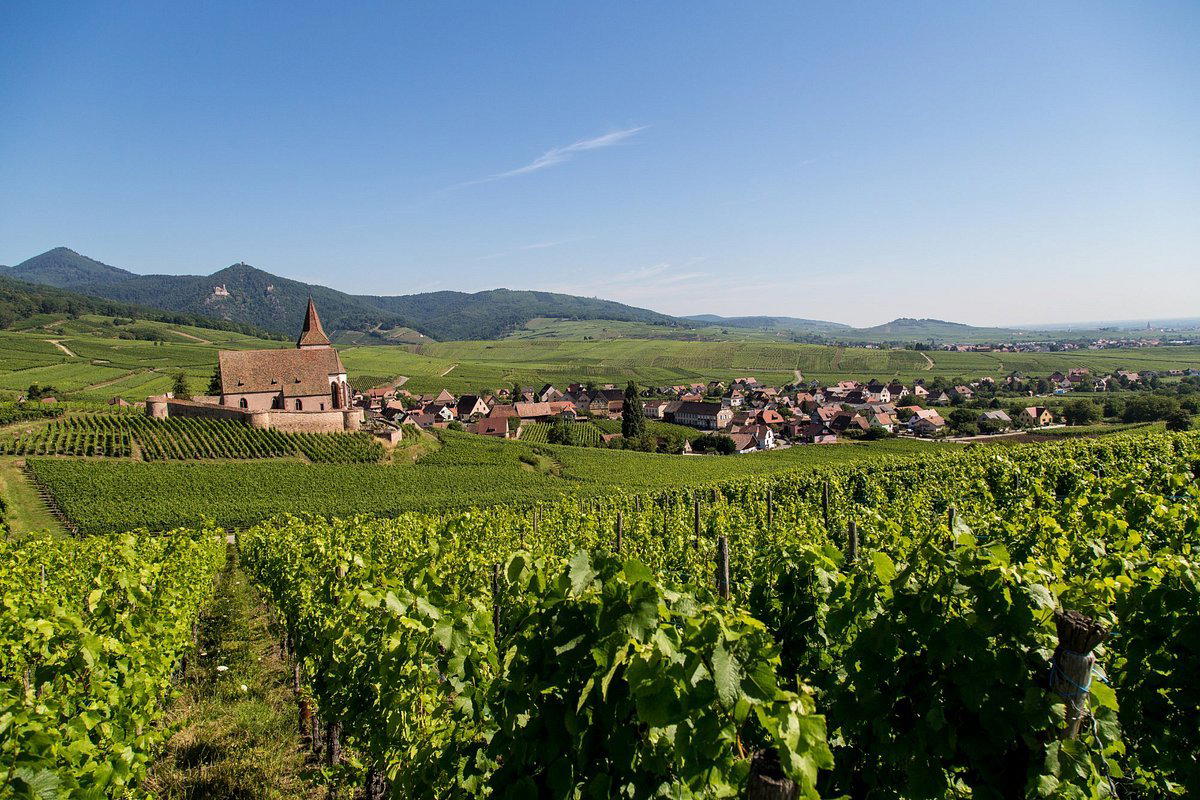
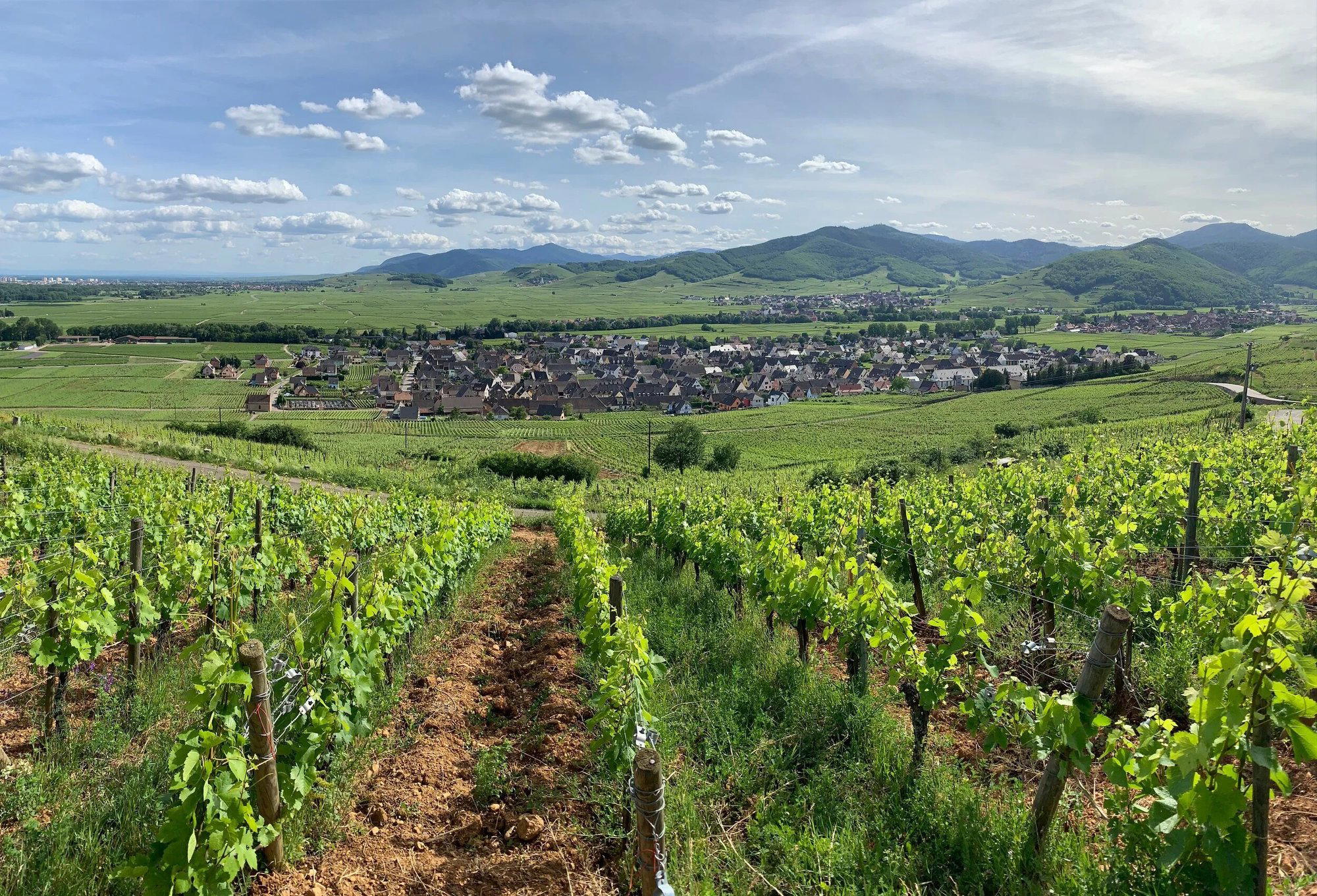
Zum Pfifferhus is located at 14 Grand'Rue in Ribeauvillé, placing it at the centre of the town's pedestrian axis and within walking distance of the main market square and the lower tower gate. The town is accessible by train via Colmar, approximately 15 kilometres to the south, with onward bus or taxi connections. For those arriving by car, Ribeauvillé sits directly on the Route des Vins d'Alsace, the viticultural corridor that runs north-south through the foothills of the Vosges. Seasonal timing matters here: the town draws its largest visitor volume in late October during the Foire aux Vins and in late November through December during the Christmas market season, when Grand'Rue becomes heavily congested. Early autumn, when the vine harvest is active in the surrounding villages, offers a more grounded visit.
Frequently asked questions
What's Zum Pfifferhus's location?
Zum Pfifferhus is located at 14 Grand'Rue, 68150 Ribeauvillé, France, Ribeauvillé.
Is Zum Pfifferhus worth visiting if you're based in Colmar or Strasbourg for the day?
Ribeauvillé sits roughly 20 kilometres north of Colmar, making it a practical half-day excursion from either city. Zum Pfifferhus at 14 Grand'Rue places you at the centre of the town's pedestrian axis, so a meal fits naturally into a walk between the medieval gates and the surrounding vineyard slopes. For anyone travelling specifically to eat within the Alsatian winstub tradition rather than its modern interpretations, the detour from Colmar carries more culinary purpose than staying in the city's tourist-heavy centre.
What should I eat at Zum Pfifferhus?
The kitchen sits firmly within the Alsatian winstub tradition, which means the menu is built around braised, preserved, and oven-cooked preparations rather than à la minute technique. Expect dishes rooted in the Franco-German culinary crossover that defines Ribeauvillé and the wider Haut-Rhin: think choucroute, baeckeoffe-style constructions, and pork-forward plates that reflect the region's Germanic inheritance. These are not dishes designed for novelty; they are the anchoring preparations of a centuries-old table culture.
Do they take walk-ins at Zum Pfifferhus?
Ribeauvillé runs at high capacity during summer weekends, the October wine fair, and the December Christmas market season — at those times, tables at established winstubs on Grand'Rue fill quickly. Arriving without a reservation in peak periods carries real risk, particularly for dinner. Outside those windows, the town's pace slows considerably and walk-in availability improves. Contacting the restaurant directly before your visit remains the safest approach regardless of season.
Booking and Cost Snapshot
Comparable venues nearby, for context on price, style, and recognition.
| Venue | Cuisine | Price | Awards | Notes |
|---|---|---|---|---|
| Zum PfifferhusThis venue — the venue you are viewing | Traditional Alsatian Winstub | $20–30 | Not listed | Not listed |
| Auberge du Parc Carola | Bistronomic French | $50–100 | Michelin Plate | Ribeauvillé, Bistronomic French |
| Le Cammissar | Modern French Alsatian Fine Dining | $50–100 | Michelin Plate | Grand'Rue, Modern French Alsatian Fine Dining |
| BISTRO by Foreign Local | Modern Fusion Bistro with Asian Influences | Not listed | Not listed | Ribeauville, Modern Fusion Bistro with Asian Influences |
| Au Relais des Ménétriers | Authentic Alsatian French Bistro | $30–50 | Michelin Plate | Ribeauvillé, Authentic Alsatian French Bistro |
Continue exploring
More in Ribeauvillé
Restaurants in Ribeauvillé
All restaurants in Ribeauvillé →
Bars in Ribeauvillé
All bars in Ribeauvillé →
Zum Pfifferhus
The wine
- Wine program
- Curated wine list
- Extensive wine list
Details
- Rustic
- Cozy
- Classic
- Casual Hangout
- Family
- Historic Building
- Extensive Wine List
- Local Sourcing
- A La Carte
- Local Wine
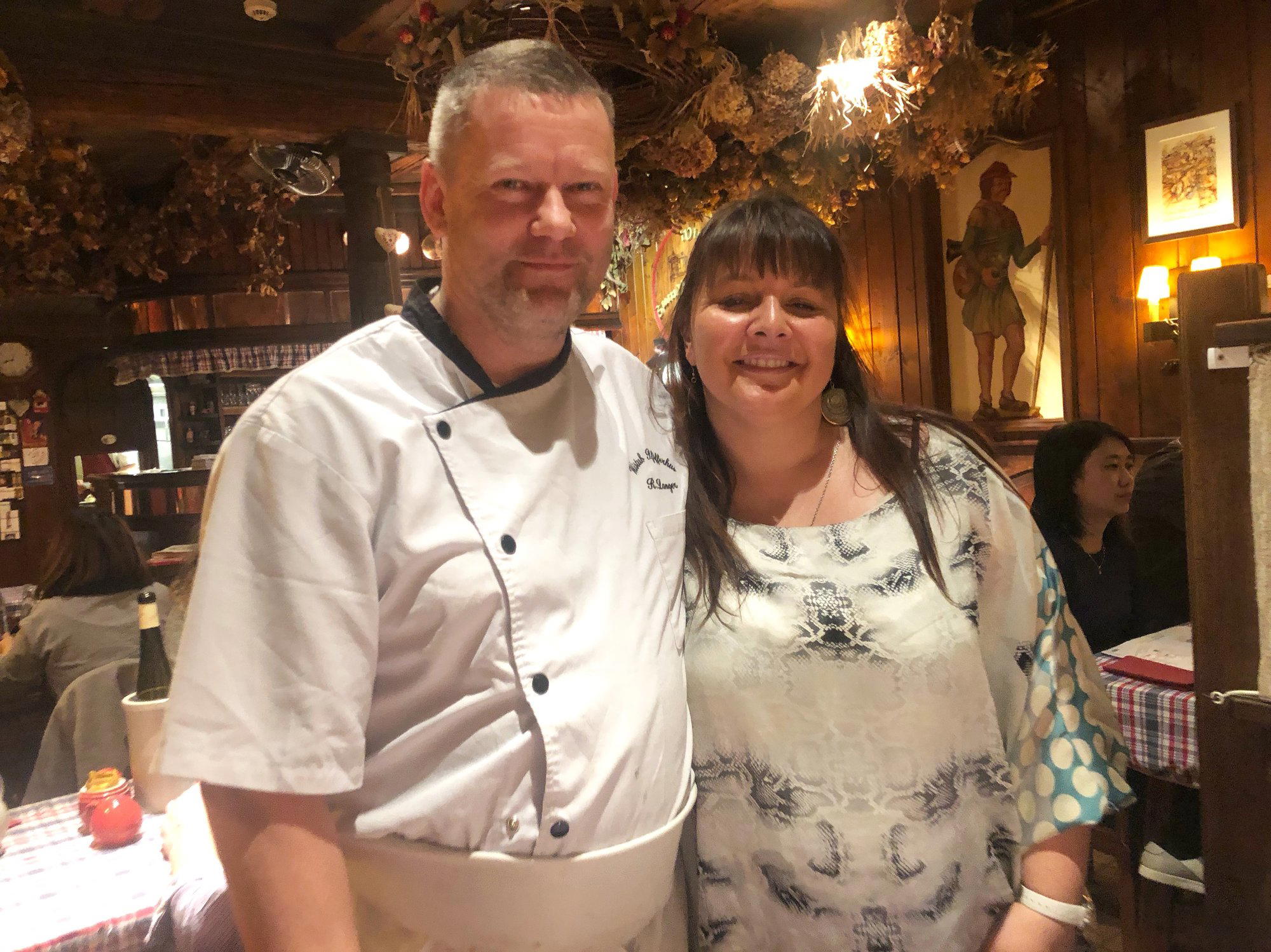
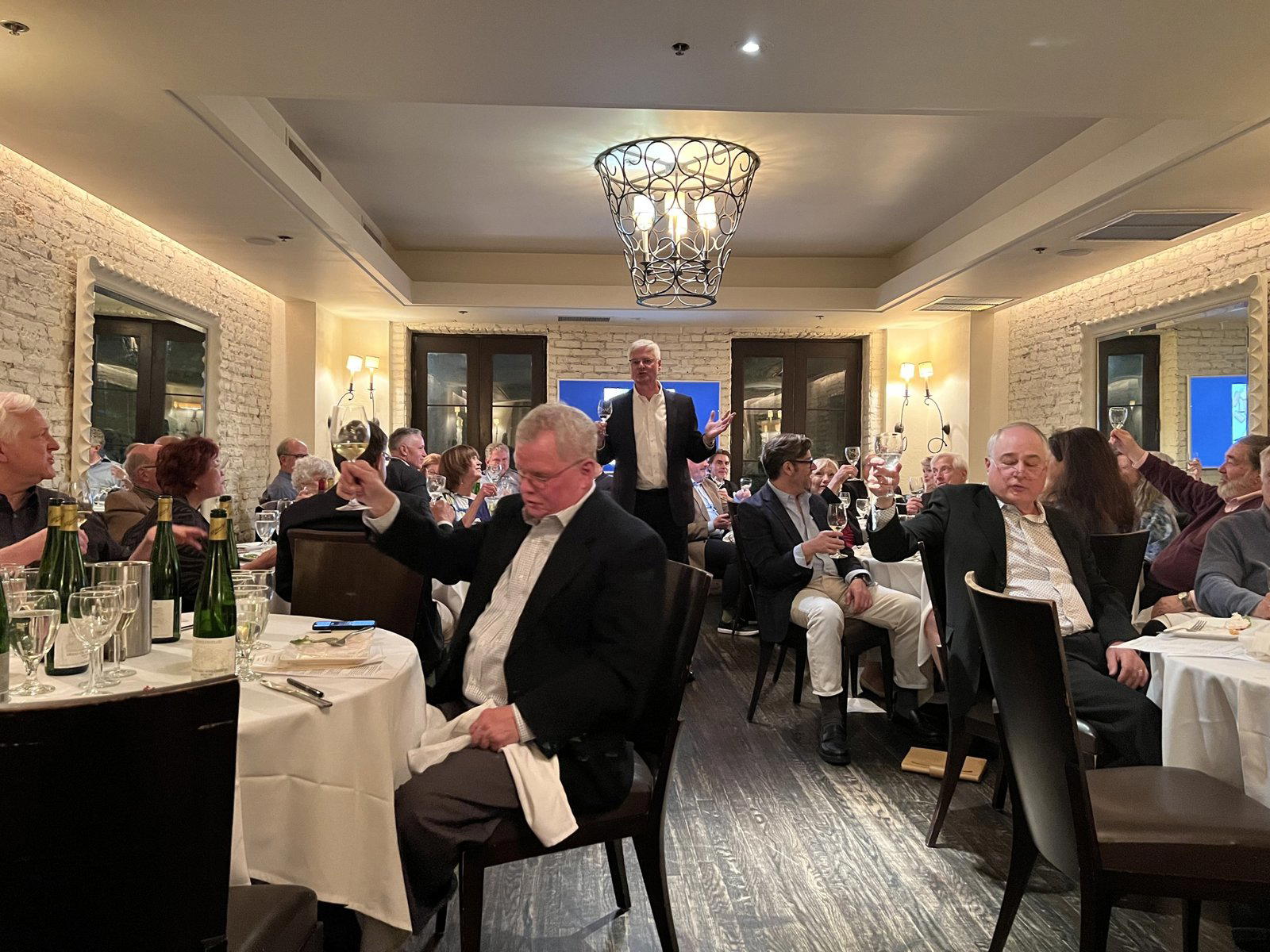
Cozy rustic interior with traditional Alsatian decorations, checkered tablecloths, and a warm, convivial atmosphere like a neighborhood pub.