BISTRO by Foreign Local
On Ribeauvillé's medieval Grand'Rue, BISTRO by Foreign Local occupies an intriguing position in Alsace's dining scene: a name that signals cross-cultural intent in a town defined by deep regional tradition. The format reads as a casual bistro, but the address and framing suggest something more considered. Expect the kind of cooking that treats local Alsatian sourcing as a starting point rather than a constraint.
Pearl is the En Primeur Club membership app — saves, bookings, and concierge access live there. Same editors, same standards.
- Address
- 135 Grand'Rue, 68150 Ribeauvillé, France
- Phone
- +33973880793
- Website
- foreign-local.fr
- Directions
- Get directions
 Saves & bookings on Pearl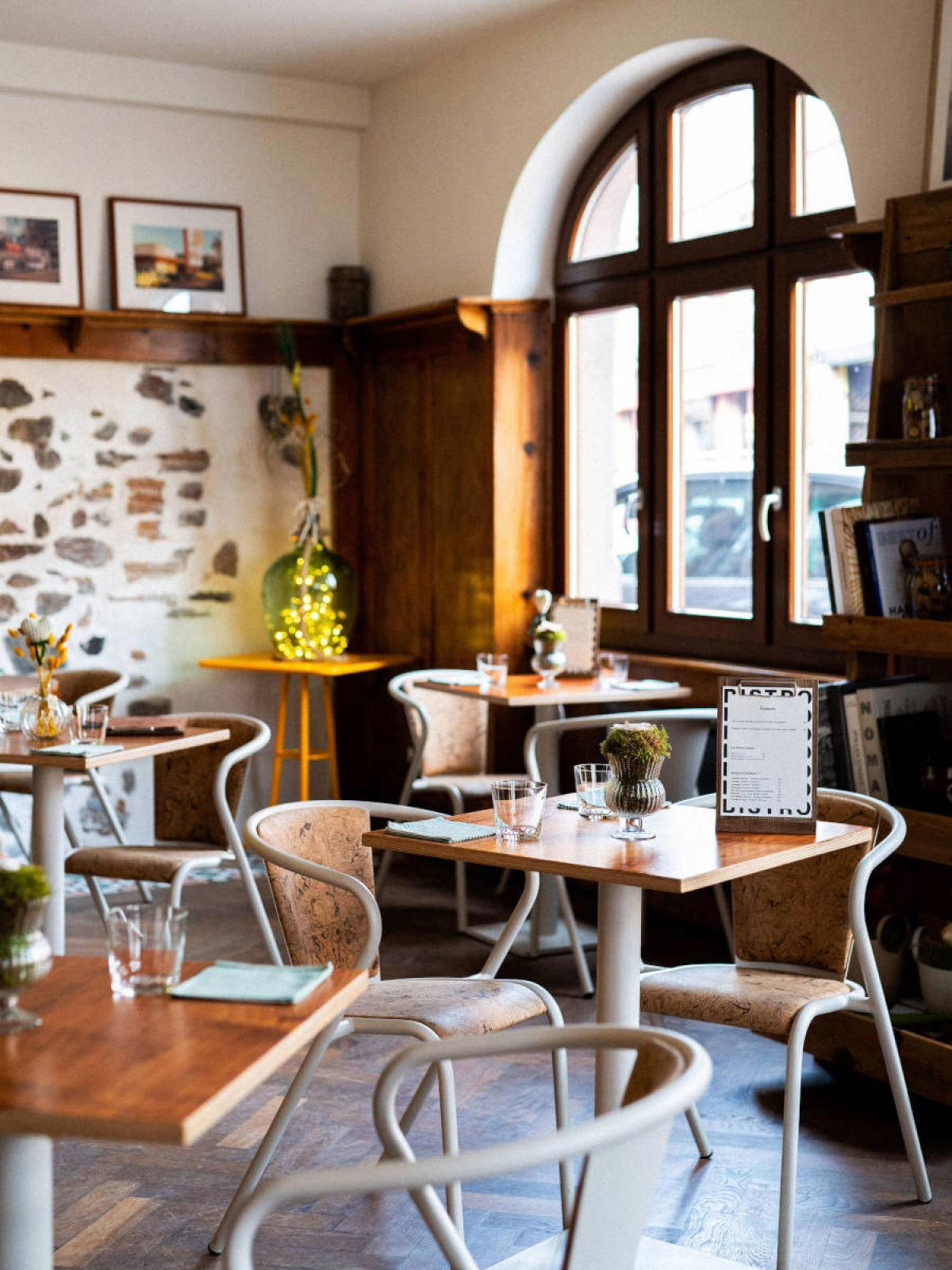
Grand'Rue and the Question of Where Food Comes From
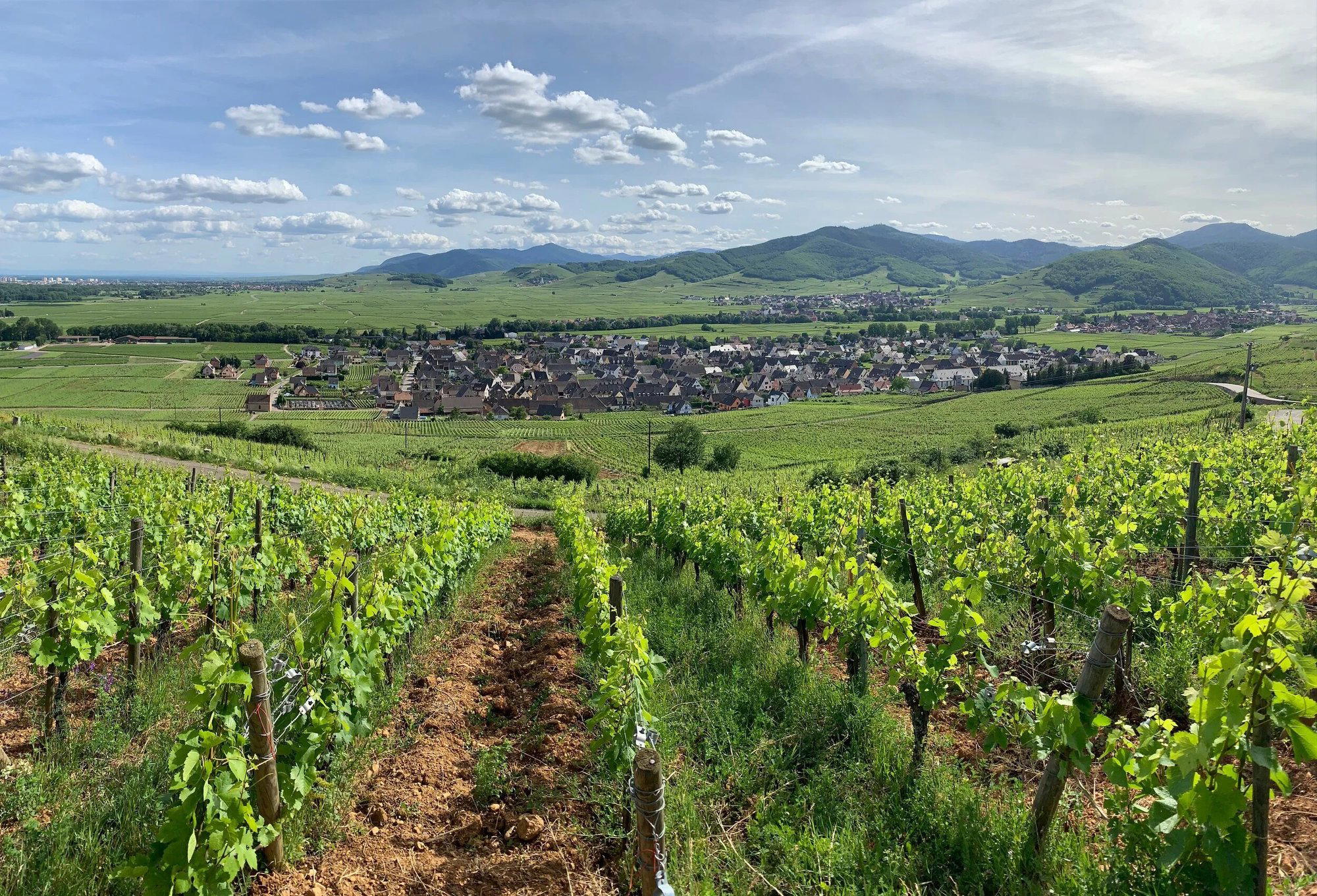
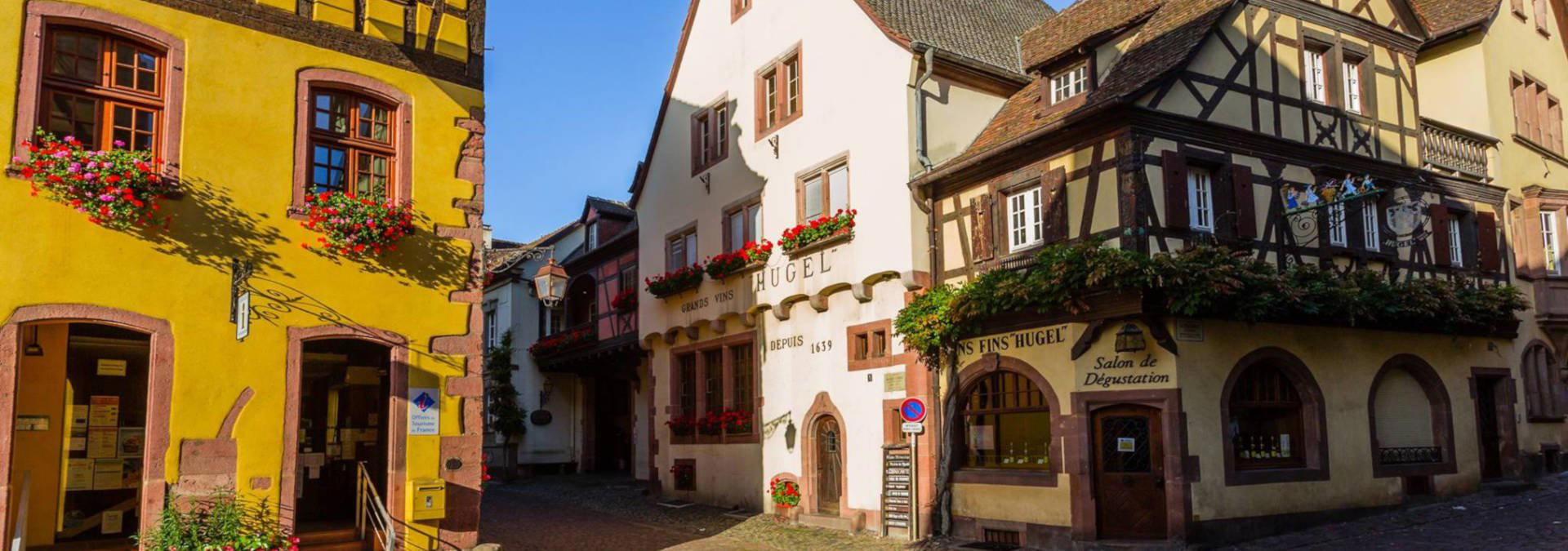
Ribeauvillé sits at the northern edge of the Route des Vins d'Alsace, a town where the architecture is half-timbered and the wine list defaults to Riesling and Pinot Gris. The Grand'Rue, which runs the length of the old centre, is lined with addresses that have served versions of choucroute and tarte flambée for generations. At number 135, BISTRO by Foreign Local positions itself against that backdrop with a name that advertises a different conversation entirely: one between a local ingredient tradition and an outside perspective.
That tension, between what a place grows and what an outside eye does with it, sits at the heart of a broader shift in Alsatian dining. The region's most established kitchens, including Auberge de l'Ill in Illhaeusern, have long treated Alsatian produce as the non-negotiable foundation of serious cooking here. The range of reference points brought to that produce has widened. The bistro format, lighter and less ceremonial than the grande table tradition, has become the preferred vehicle for that kind of experimentation across provincial France.
Sourcing in Alsace: What the Region Provides
Alsace offers a specific larder. The foothills of the Vosges supply game and foraged produce across autumn and winter. The Rhine plain to the east produces vegetables and grain. The vineyards themselves generate not just wine but byproducts: marc, grape must, and the fruit itself in season. Towns like Ribeauvillé, positioned between vineyard and mountain, sit at a natural crossroads of these supply chains.
For a kitchen operating under the Foreign Local name, the sourcing question is central. The "local" half of that equation is geographically specific: Alsace, the Vosges, the immediate wine country surrounding the town. The "foreign" half implies that the interpretation of those ingredients is not bounded by regional habit. This is a different proposition from the strictly Alsatian maison, and it places the bistro in a small peer group alongside addresses like Le Cammissar and Auberge du Parc Carola, both of which work within a modern idiom while remaining rooted in regional material.
At a national level, the ingredient-first approach has defined some of France's most discussed kitchens in recent decades. Bras in Laguiole built an entire philosophy around the Aubrac plateau's raw material. Mirazur in Menton draws its menu from a kitchen garden directly above the dining room. In both cases, the point of departure is not what the chef trained on, but what the land outside the kitchen door actually provides. A bistro format applies the same logic at a more accessible price register and a less formal table.
What the Bistro Format Means on the Ground
The bistro designation carries real weight in provincial France. It is not simply a casual restaurant; it is a specific contract with the diner about format, pacing, and expectation. Plats du jour driven by market availability. A shorter menu that changes with season. A wine list that prioritises the immediate region. The format demands discipline because there is no tasting menu architecture to absorb a bad dish, and no theatrical ceremony to distract from the cooking itself.
In Ribeauvillé, the bistro format also serves a practical function. The town draws significant visitor traffic through the summer wine season and the winter Christmas market period, bringing diners whose appetite is for regional character rather than destination fine dining. The addresses that perform well here across both audiences tend to be those that commit to a clear point of view rather than hedging toward generic European comfort food. Zum Pfifferhus and Au Relais des Ménétriers each hold a distinct position in that local hierarchy.
At the fine dining end of Alsace's broader regional spectrum, the discipline required is more visible still. Au Crocodile in Strasbourg represents the city-based end of that tradition. Elsewhere in France, kitchens like Assiette Champenoise in Reims and Flocons de Sel in Megève demonstrate how regional specificity and serious technique can coexist at award level. Internationally, the conversation about ingredient sourcing and cultural cross-reference has produced kitchens as different as Atomix in New York City and Le Bernardin in New York City, both of which treat sourcing as an editorial statement rather than a logistical footnote.
Arriving on Grand'Rue
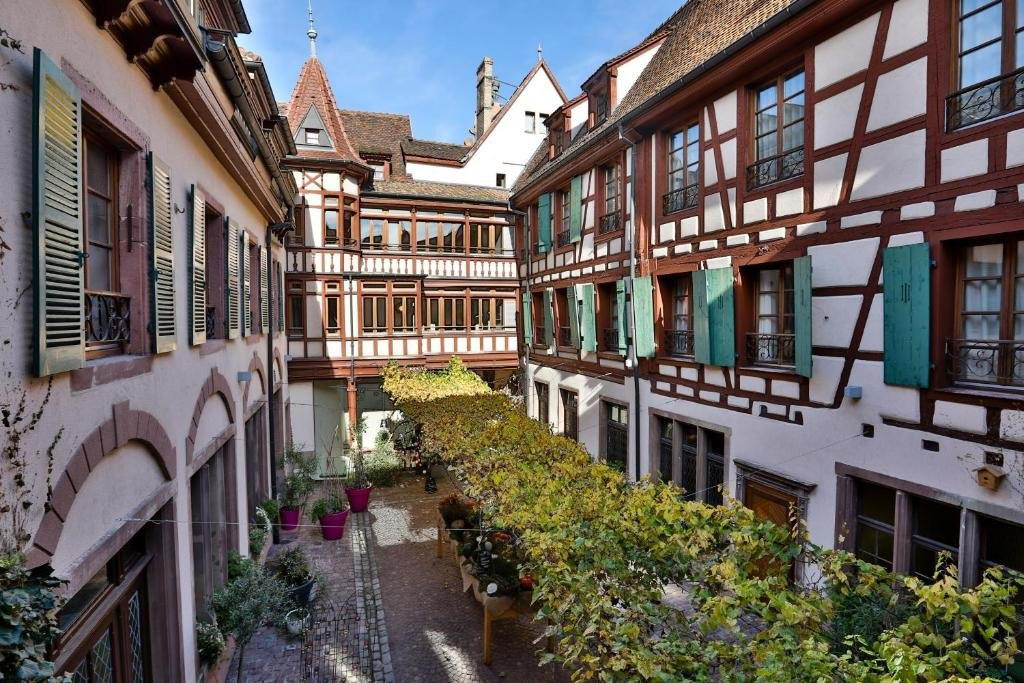
135 Grand'Rue places the bistro in the middle of Ribeauvillé's pedestrian corridor. The medieval streetscape here is well-preserved: stone buildings, geranium-filled window boxes in the warmer months, and a view up toward the three ruined châteaux that give the town its silhouette. The address is walkable from the main car parks at either end of the old town, and Ribeauvillé itself sits approximately 15 kilometres north of Colmar, which has the nearest train connections via the Colmar gare. Visitors arriving by car from Strasbourg cover roughly 60 kilometres on the A35 before turning into the wine villages.
For weekend evenings in the wine season and during the Marché de Noël, booking ahead is sensible.
Where BISTRO by Foreign Local Sits in the Local Order
Within Ribeauvillé's current dining tier, the bistro occupies a position that is neither especially formal address in town nor especially casual. The name signals intent: local produce interpreted through a frame of reference that is not exclusively Alsatian. That is a specific enough proposition to distinguish it from the town's traditional winstubs and from the more ambitious modern cuisine tables like Auberge du Parc Carola. Whether the kitchen delivers consistently on that proposition is the question that warrants a visit.
How It Stacks Up
Comparable venues nearby, for context on price, style, and recognition.
| Venue | Cuisine | Price | Awards | Notes |
|---|---|---|---|---|
| BISTRO by Foreign LocalThis venue — the venue you are viewing | Modern Fusion Bistro with Asian Influences | $$ | Not listed | Not listed |
| Zum Pfifferhus | Traditional Alsatian Winstub | $$ | Not listed | Grand Rue |
| Auberge du Parc Carola | Bistronomic French | $$$ | Michelin Plate | Ribeauvillé |
| Au Relais des Ménétriers | Authentic Alsatian French Bistro | $$ | Bib Gourmand | Ribeauvillé |
| Le Cammissar | Modern French Alsatian Fine Dining | $$$ | Michelin Plate | Grand'Rue |
Continue exploring
More in Ribeauvillé
Restaurants in Ribeauvillé
Browse all →
Bars in Ribeauvillé
Browse all →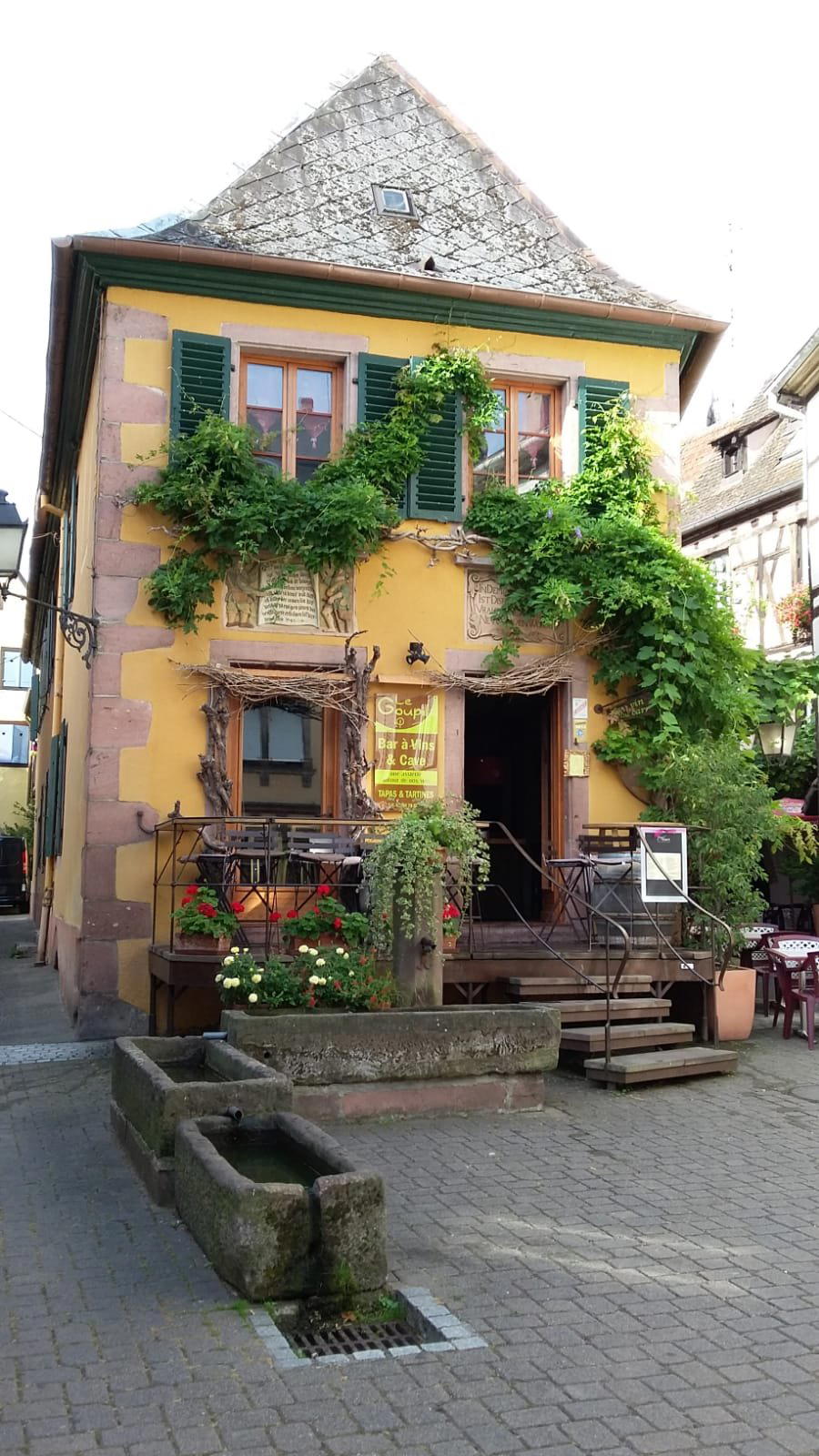
Hotels in Ribeauvillé
Browse all →
At a Glance
- Cozy
- Rustic
- Intimate
- Date Night
- Casual Hangout
- Terrace
- Extensive Wine List
- Local Sourcing
Current opening hours
- Monday
- Closed
- Tuesday
- 6:30–9 PM
- Wednesday
- 12:15–4 PM, 6:30–9 PM
- Thursday
- 12:15–4 PM, 6:30–9 PM
- Friday
- 6:30–9 PM
- Saturday
- 12:15–4 PM, 6:30–9 PM
- Sunday
- Closed
Hours can change for holidays and private events. Last verified .
Warm and cozy atmosphere in a renovated wooden former épicerie with vintage American decor and music.