Roter Delfin
On Langstrasse, Zurich's most contested dining street, Roter Delfin operates at the intersection of neighbourhood credibility and serious kitchen ambition. The address alone signals intent: this is District 4, where the city's dining identity has shifted most sharply over the past decade. How daytime and evening service diverge here is the clearest measure of what the venue is actually trying to do.
Pearl is the En Primeur Club membership app — saves, bookings, and concierge access live there. Same editors, same standards.
- Address
- Langstrasse 31, 8004 Zürich, Switzerland
- Phone
- +41442910088
- Website
- roterdelfin.ch
- Directions
- Get directions
 Saves & bookings on Pearl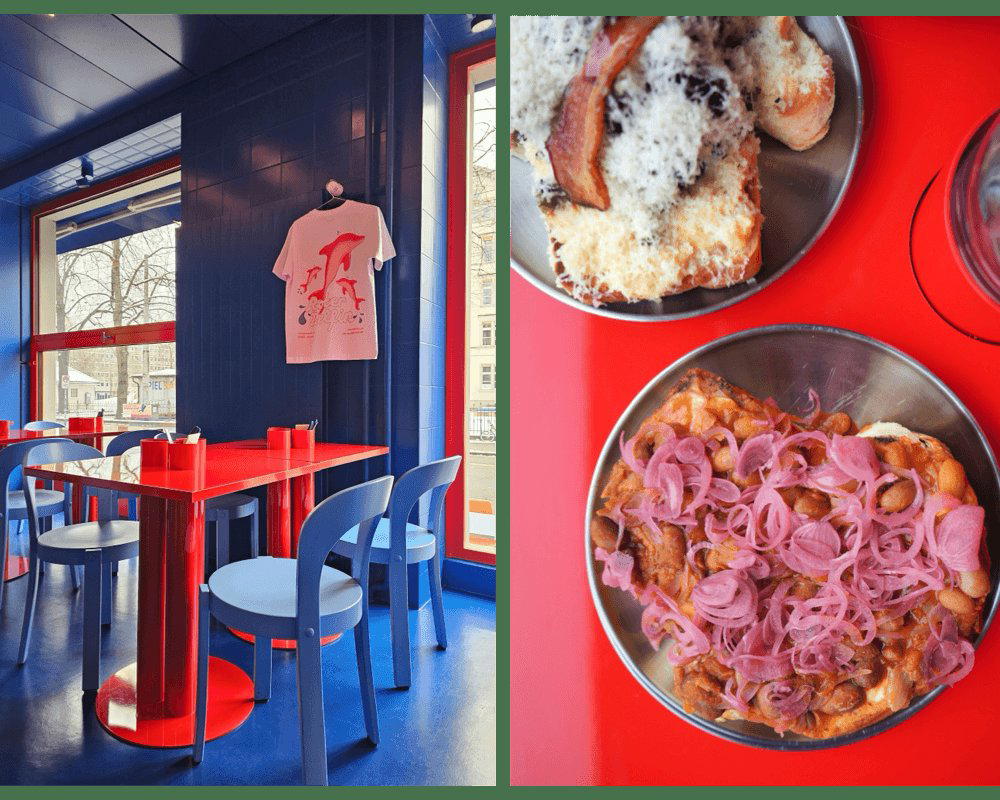
District 4 and the Dining Stakes on Langstrasse
Langstrasse has a reputation that precedes any individual restaurant on it. Zurich's District 4 spent years as the city's rougher edge, and that history is now an asset: the neighbourhood draws a dining crowd that is specifically not looking for the white-tablecloth formality of Bahnhofstrasse or the tourist circuit around the lake. The restaurants that work here tend to have a directness about them, a willingness to price against local expectations rather than international visitor assumptions. Roter Delfin, at Langstrasse 31, sits squarely inside that context. The red-dolphin signage marks the address, and the room reads as part of the street's current character rather than apart from it.
For readers building a Zurich itinerary around food, the neighbourhood context matters. District 4 functions as a counterweight to the city's higher-ticket fine-dining tier, which clusters around hotel dining rooms and Michelin-chasing kitchens elsewhere. Venues like IGNIV Zürich by Andreas Caminada and The Counter occupy the upper bracket of the city's creative-restaurant tier, with pricing and booking depth to match. Roter Delfin operates with a different proposition, one grounded in the street's identity rather than in competition with those rooms.
The Lunch-to-Dinner Shift: How the Day Changes the Room
In most Zurich restaurants of this type, the lunch and dinner formats are not simply different mealtimes, they are distinct experiences shaped by different clienteles, different pacing expectations, and often different value calculations. This divide is particularly pronounced in District 4, where the working-week lunch crowd skews local and value-conscious, while evening service draws a broader mix, including visitors who have specifically sought out the neighbourhood's atmosphere.
At lunch, the tendency across Langstrasse's better rooms is toward sharper pricing, more concise menus, and a pace that respects the working day. The midday version of a kitchen like this one typically strips the menu to its most focused expression: fewer courses, faster turnover, and a wine list that functions more as support than as destination. This is where value is genuinely available in Zurich's otherwise expensive dining market, and it is the period when a first visit makes practical sense for a traveller trying to cover ground efficiently.
Evening service changes the calculation. The room slows, the menu opens, and the kitchen has room to work at the pace it prefers. District 4 at night has a different density to it, the street is louder, the foot traffic heavier, and the restaurants that succeed in this slot tend to hold the room rather than turn it. Whether Roter Delfin extends its evening format into a fuller tasting structure or keeps a shorter à-la-carte format in the style of its Langstrasse neighbours is information confirmed directly with the venue before booking.
Reading the Address Against the Wider Swiss Fine-Dining Map
Zurich is not Switzerland's highest-density destination for three-star ambition, that distinction belongs to a dispersed set of addresses including Hotel de Ville Crissier, Schloss Schauenstein in Fürstenau, and Cheval Blanc by Peter Knogl in Basel. The city does have serious kitchens, The Restaurant and Widder among them, but the more interesting creative energy in recent years has emerged from independent addresses outside the hotel-dining infrastructure. District 4 is one concentrated example of that shift.
Across Switzerland more broadly, the fine-dining map rewards detours: Memories in Bad Ragaz, 7132 Silver in Vals, focus ATELIER in Vitznau, and Einstein Gourmet in Sankt Gallen all represent the country's tendency to distribute serious cooking across smaller cities and resort addresses rather than concentrating it in a single capital. Zurich's version of that story is that its most interesting independent rooms tend not to compete with those resort-format kitchens at all, they operate on a different logic, one shaped by the city's density and its dining-out culture. The restaurant's Langstrasse address fits that logic.
For travellers who move between cities, the comparison set widens further. Colonnade in Lucerne, Da Vittorio in St. Moritz, and L'Atelier Robuchon in Geneva each anchor their city's dining tier in a way that restaurant does not attempt to do for Zurich. Its position is more specific: a neighbourhood restaurant for a neighbourhood with strong opinions about what it wants, operating within a street that has become one of the city's more closely watched dining corridors. That is a different kind of relevance, and for the right visit, a more useful one.
Placing Roter Delfin in the Zurich Dining Tier
Zurich's mid-market independent restaurant tier is smaller than the city's expense-account dining tier, which is sustained by finance and consulting culture and skews toward rooms like Eden Kitchen and Bar with their Italian polish and price points to match. The genuinely independent addresses, those without hotel backing, group infrastructure, or celebrity-chef capital, occupy a narrower band. The restaurant sits in that band, drawing credibility from the address and from the neighbourhood's collective reputation rather than from individual awards or press citations.
That positioning is a description of how a specific category of Zurich restaurant operates. The city has enough starred and award-tracked rooms that an independent neighbourhood address competes on different terms: accessibility, atmosphere, and the kind of consistency that generates a local following rather than a touring one. For the traveller who has already covered the higher-ticket tier and wants to understand how the city actually eats on a mid-week evening, District 4 and Langstrasse specifically are especially instructive corridor.
For international reference points, Le Bernardin in New York and Atomix are useful comparisons.
Know Before You Go
- Address: Langstrasse 31, 8004 Zürich, Switzerland
- Neighbourhood: District 4 (Langstrasse), Zurich
- Phone: unavailable
- Website: unavailable
- Booking: Walk-in availability varies by service; evening slots on Langstrasse tend to fill earlier in the week than the neighbourhood's reputation might suggest
- Ideal time to visit: Lunch for value and pace; evening for the full neighbourhood atmosphere
- Dress code: casual
The Quick Read
Comparable venues nearby, for context on price, style, and recognition.
| Venue | Cuisine | Price | Notes |
|---|---|---|---|
| Roter DelfinThis venue — the venue you are viewing | Aussersihl, Modern Swiss Comfort Food | $$ | Not listed |
| Drei Stuben | Oberstrass, Seasonal Swiss | $$$ | Not listed |
| Lotti | Oberstrass, Swiss Grill & Small Plates | $$ | Not listed |
| Gertrudhof | Not listed | $$ | Aussersihl, Swiss Cordon Bleu Specialists |
| Frau Gerolds Garten | Industriequartier, Swiss Seasonal Garden | $$ | Not listed |
| Kultur Lokal Rank | Oberstrass, Modern Swiss with live music | $$$ | Not listed |


At a Glance
- Modern
- Cozy
- Trendy
- Casual Hangout
- Brunch
- Open Kitchen
- Terrace
- Local Sourcing
- Organic
Current opening hours
- Monday
- Closed
- Tuesday
- 6 PM–12 AM
- Wednesday
- 6 PM–12 AM
- Thursday
- 6 PM–12 AM
- Friday
- 6 PM–12 AM
- Saturday
- 11 AM–12 AM
- Sunday
- Closed
Hours can change for holidays and private events. Last verified .
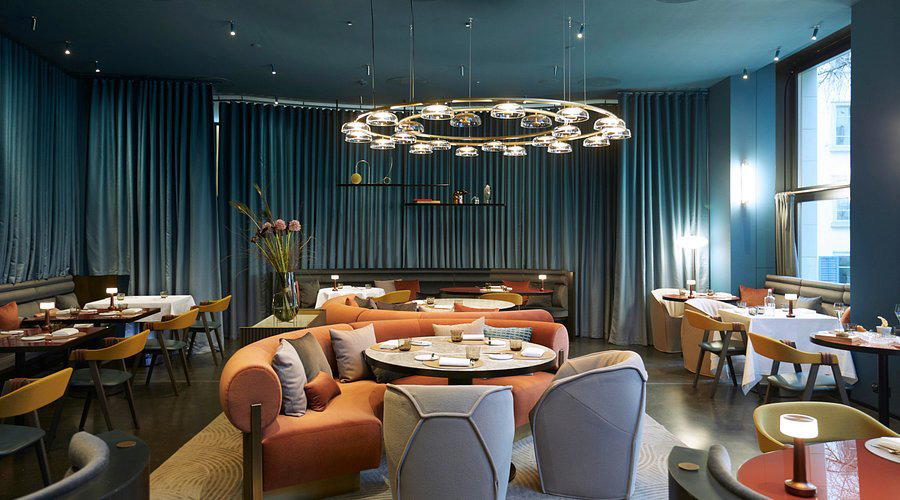
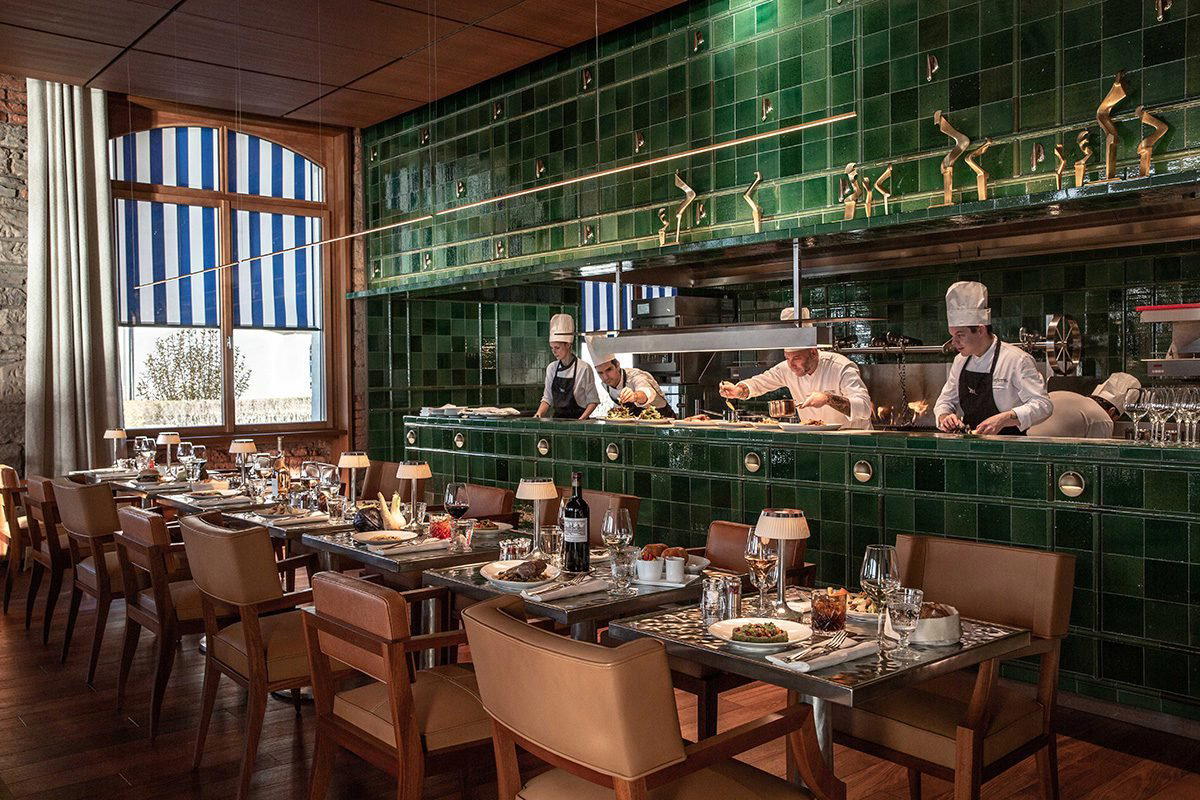
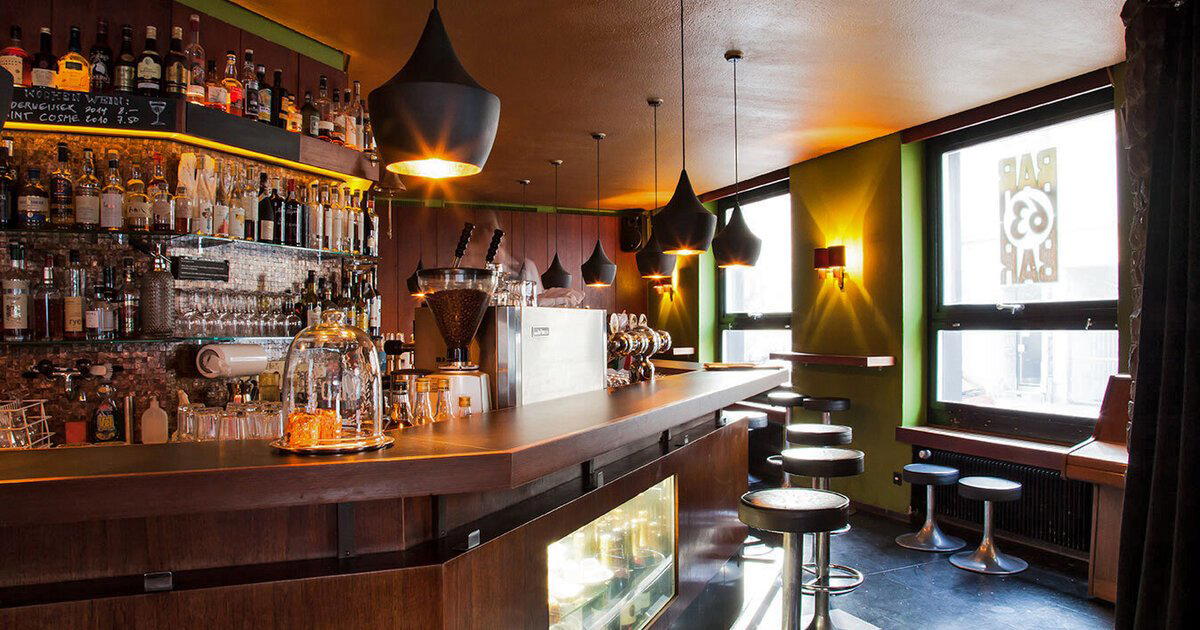
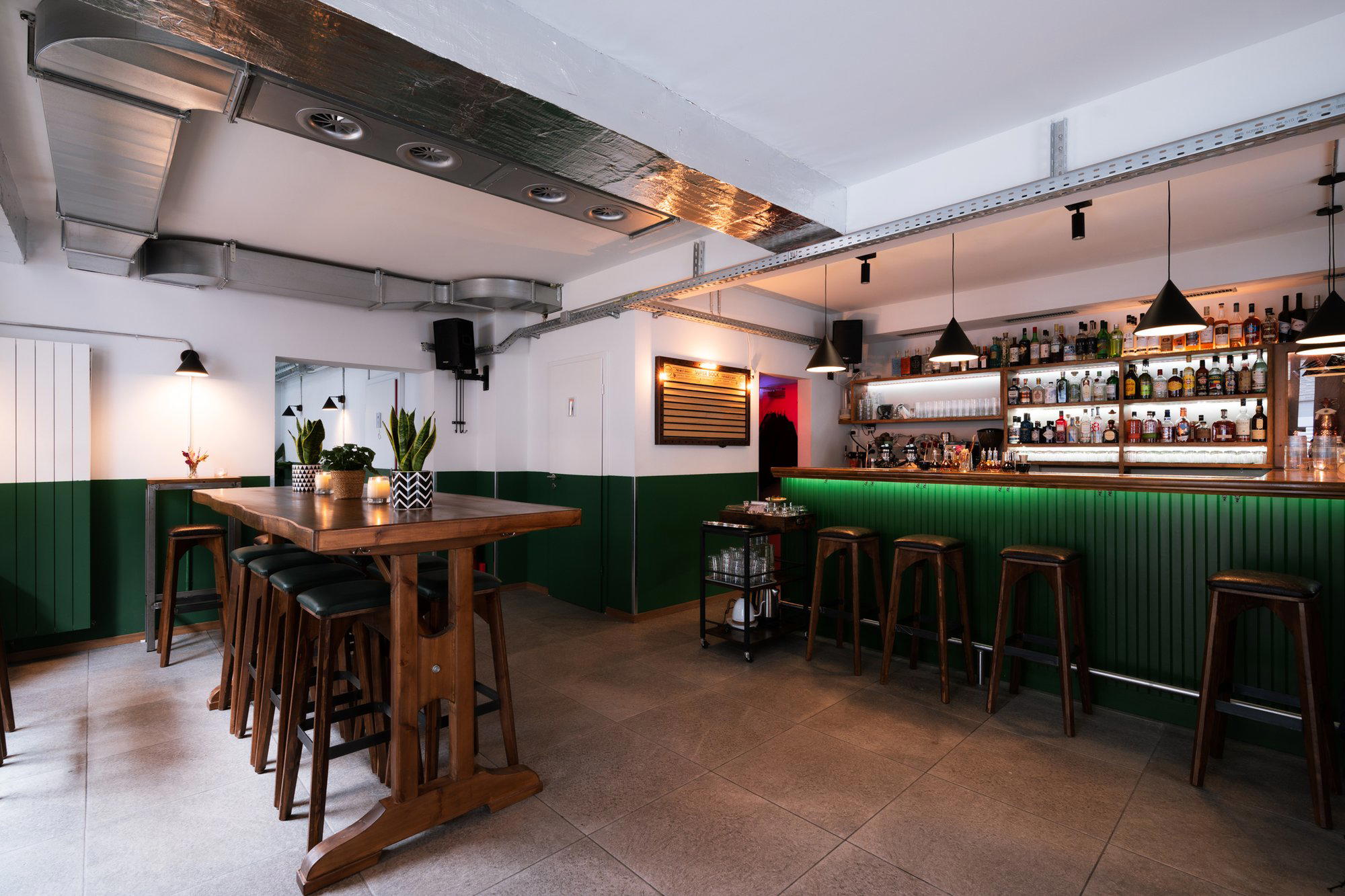
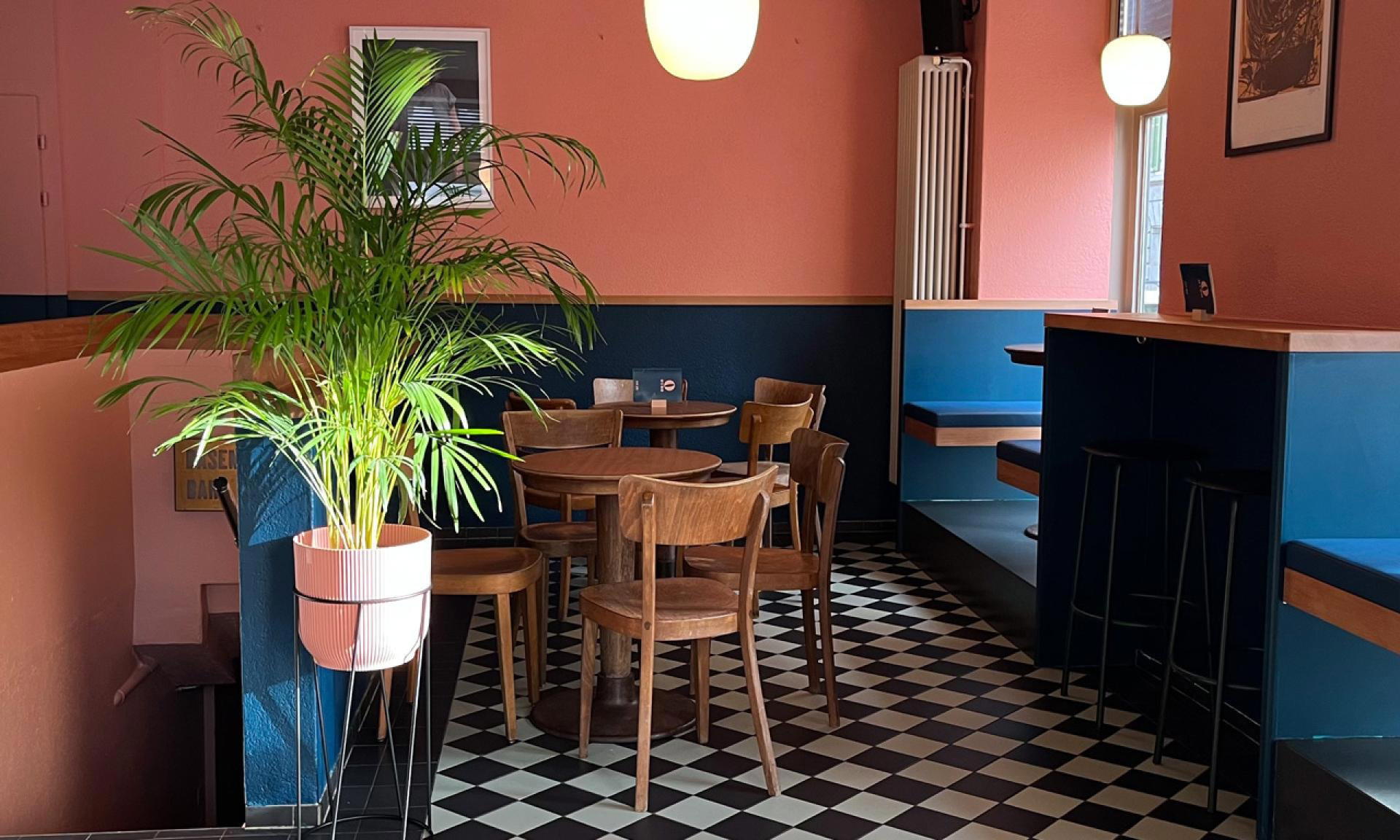
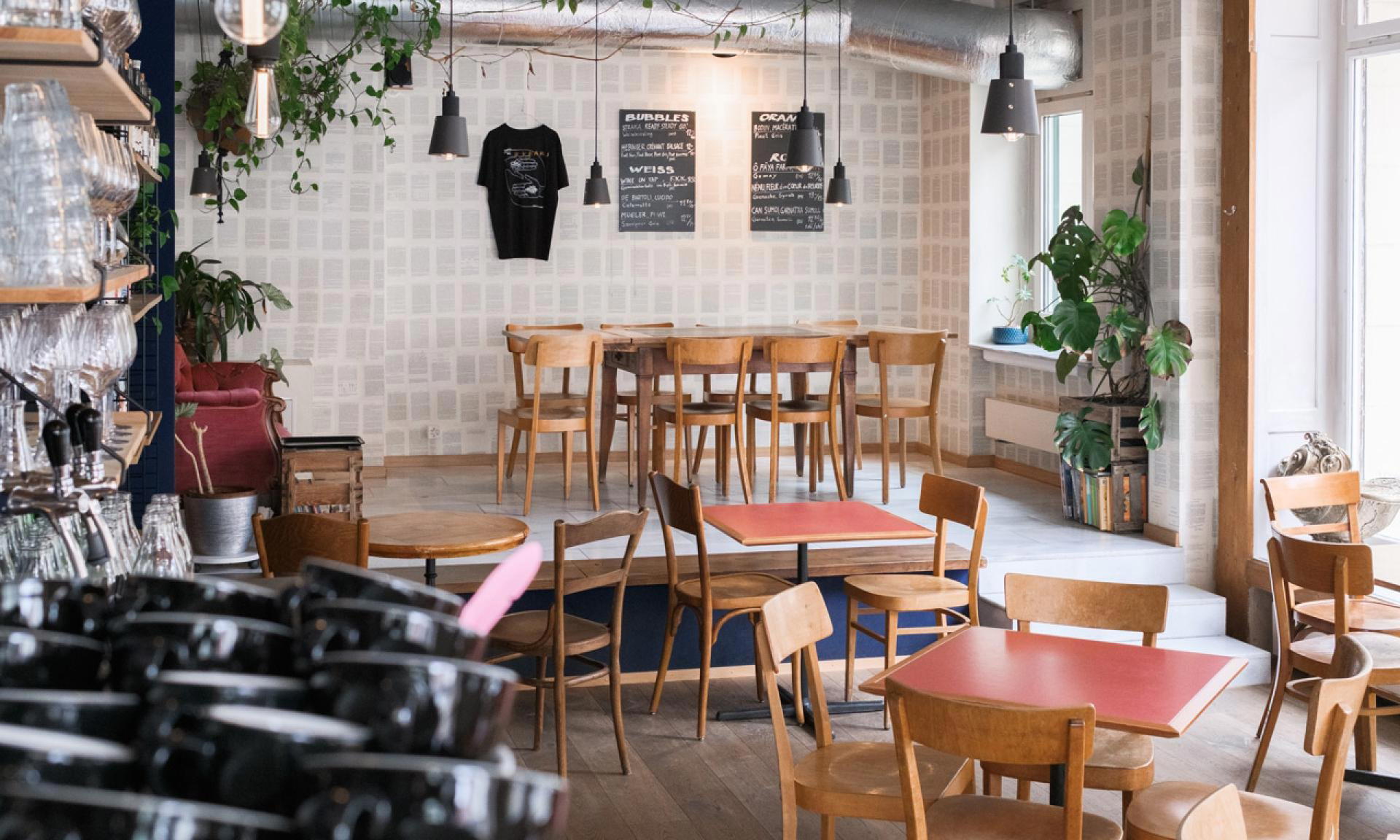
Casual and welcoming bar-cafe atmosphere focused on bread, butter, and innovative flavor combinations in a modern, design-forward space.