Blockhus
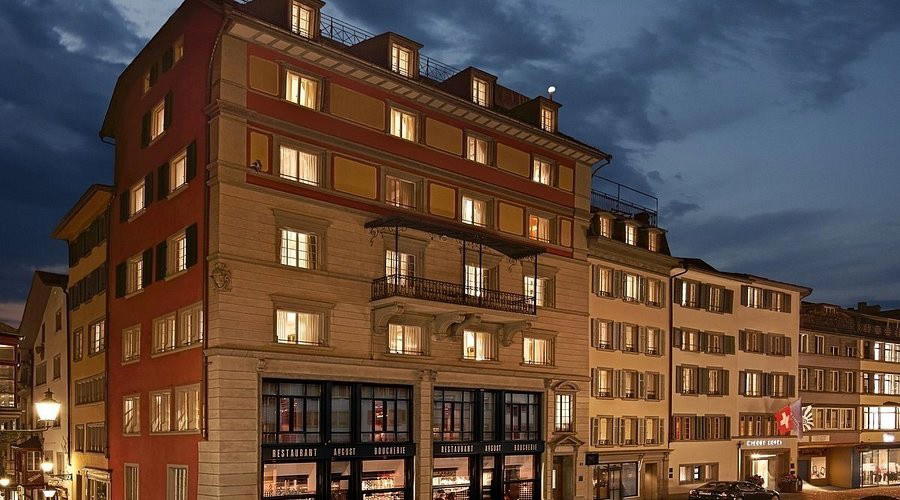
Blockhus sits at Schifflände 4 in Zurich's Limmatquai district, steps from the river and the city's older hospitality corridor. The address places it within walking distance of the Old Town's densest concentration of dining rooms, positioning it as part of a neighbourhood scene where provenance, format, and room character tend to carry as much weight as the menu itself. Zurich diners who follow the city's independent restaurant tier will want to assess it accordingly.
Pearl is the En Primeur Club membership app — saves, bookings, and concierge access live there. Same editors, same standards.
- Address
- Schifflände 4, 8001 Zürich, Switzerland
- Phone
- +41442521453
- Website
- restaurant-blockhus.ch
- Directions
- Get directions
 Saves & bookings on Pearl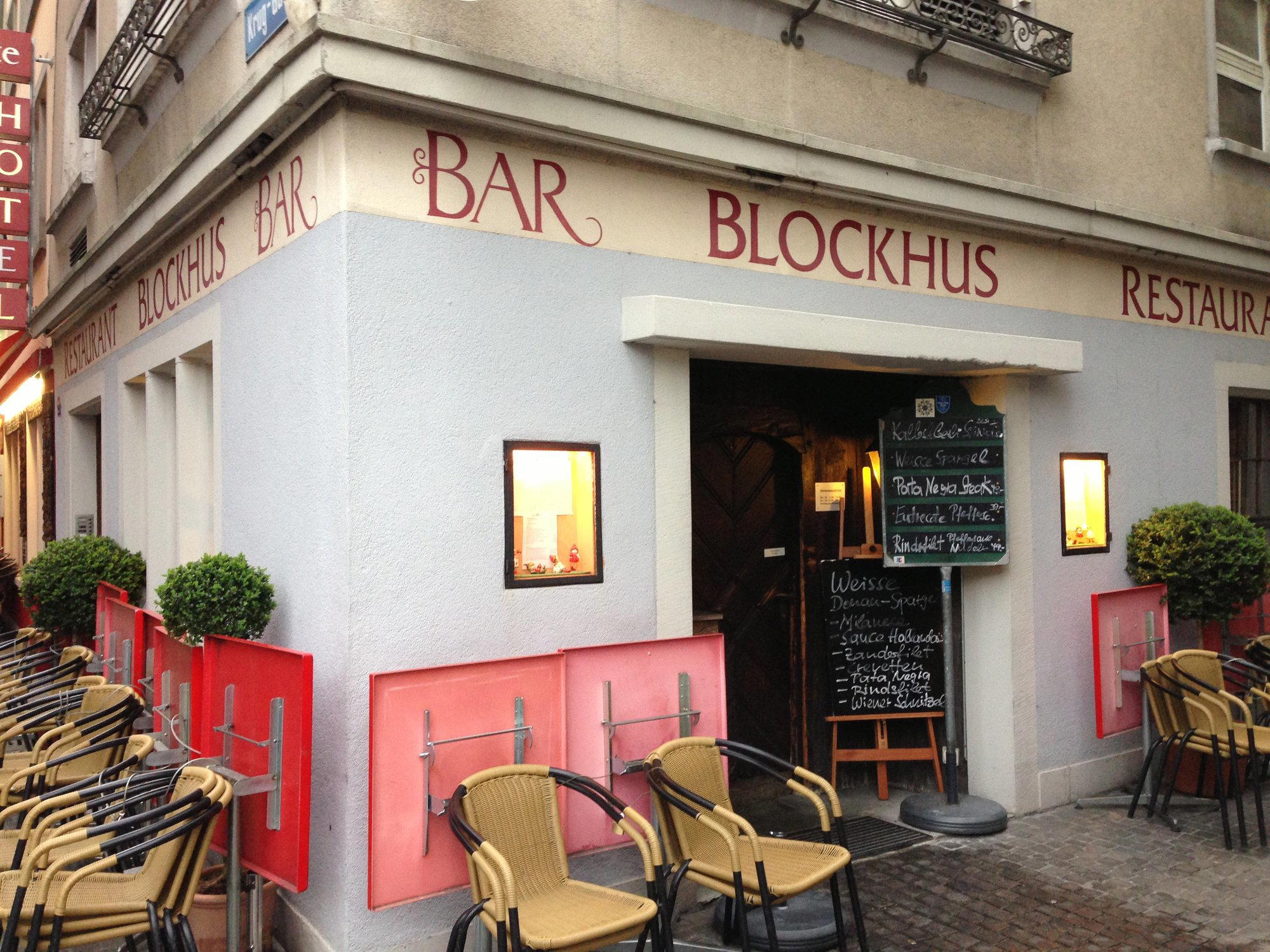
Waterfront Address, Serious Expectations
The stretch of Zurich waterfront running along Schifflände frames Blockhus in central Zurich, at Schifflände 4, where Swiss cooking with eclectic influences is served in a smart casual setting. Arriving at number four, you are already in a part of the city where restaurants tend to earn their reputation through consistency. That physical setting shapes expectations before you sit down: this is not the part of Zurich that courts novelty.
Zurich's dining culture has long divided along a fault line between the internationally oriented, format-driven rooms, the kind that compete against IGNIV Zürich by Andreas Caminada and The Counter for a globally mobile clientele, and the rooms that serve the city on its own terms, drawing a local crowd that returns across seasons. Blockhus at Schifflände 4 belongs to the geography of that second category: a location that faces the river and the old town simultaneously, which in Zurich tends to signal a certain seriousness of intent.
How the Meal Is Likely to Move
Across Switzerland's higher-end independent rooms, the sequencing of a meal tends to follow a well-established arc: an early passage of lighter preparations designed to calibrate the palate, a middle section where the kitchen commits its most technically demanding work, and a close that either returns to restraint or builds toward something richer. This structure reflects a broader Swiss approach to pacing: the meal is understood as a sequence with internal logic, not as a collection of individual dishes.
At the address level, Schifflände 4 connects Blockhus to the kind of Zurich room where that sequencing is taken as a given. The city's most technically ambitious multi-course formats have established a local expectation that progression through a meal carries weight. Diners arriving at Blockhus from within that reference frame will read each course as part of a larger argument the kitchen is making, whether the format is explicitly tasting-menu or a more fluid à la carte structure.
What distinguishes the Zurich approach from comparable Swiss cities is the influence of the financial sector on portion scale and wine program depth. Basel rooms like Cheval Blanc by Peter Knogl operate in a different register, shaped by a different civic identity. Zurich's independent rooms tend to serve a clientele that moves between the city and international financial centers, which raises the baseline expectation for list depth and service precision without necessarily pushing toward formal tasting-menu rigidity.
The Neighbourhood as Context
The Limmatquai district, of which Schifflände forms the southern anchor, is one of Zurich's most historically layered dining corridors. The guild houses that line the opposite bank have defined the area's civic character for centuries, and that weight presses on the restaurants that occupy this stretch. Rooms here rarely survive on design alone; the neighbourhood selects for substance. The comparison set is partly local, including the longstanding Swiss room at Widder, and partly drawn from the broader Swiss restaurant circuit, where the standard for independent dining at this address level is set by places like Hotel de Ville Crissier and Maison Wenger in Le Noirmont.
For Zurich visitors assessing which rooms warrant their limited evenings, the Schifflände address is itself a data point. It is not the address of a room that opened to capture a trend; it is the address of a room that understood where in the city serious diners tend to look. The nearby Eden Kitchen & Bar represents a different angle on the same catchment area, with an Italian-oriented menu that draws from a partly overlapping clientele. The two rooms do not directly compete, but they share a geography that rewards repeat visits across formats.
How Blockhus Fits the Broader Swiss Circuit
Switzerland's restaurant circuit extends well beyond Zurich, and positioning any Zurich room requires some acknowledgment of what the wider national picture looks like. The country's three-star rooms, Schloss Schauenstein, Hotel de Ville Crissier, and others operating at that tier, including focus ATELIER in Vitznau, represent one end of a spectrum that runs through regional one-star rooms and strong independents before reaching casual neighbourhood restaurants. Blockhus, based on its address and the character of its location, reads as a serious independent room.
Rooms in the same geographic tier that have earned recognition include Einstein Gourmet in Sankt Gallen, Mammertsberg in Freidorf, and Da Vittorio in St. Moritz. Each of those rooms has built a specific identity within the Swiss circuit, and each occupies a distinct position in the national dining narrative.
For readers building a wider Switzerland itinerary around a Zurich base, the national room quality is consistent enough that the Zurich-only argument is rarely the strongest one. La Table du Valrose in Rougemont and Memories in Bad Ragaz both offer day-trip distances that make them plausible additions to a Zurich-based week. The city's rooms, including those along Schifflände, gain force when read as part of that wider circuit rather than as isolated destinations.
For international reference, the progression-driven tasting format that Swiss rooms favor finds parallels in a small number of international rooms where the meal's arc carries similar weight. Lazy Bear in San Francisco and Le Bernardin in New York City both operate with a strong sense of internal sequence, though each reflects its own city's particular dining logic. The Swiss version tends to be quieter in register, less demonstrative in plating, and more reliant on ingredient quality as the primary argument.
Know Before You Go
- Address: Schifflände 4, 8001 Zürich, Switzerland
- Neighbourhood: Limmatquai / Old Town, central Zurich
- Booking: Contact details not confirmed; check current listings or walk-in availability
- Price range: About USD 40 per person
- Nearest transit: Central tram and bus stops on Limmatquai within short walking distance
- Context: Sits on the waterfront corridor connecting Old Town to the Grossmünster; part of a historically layered dining district
Price Lens
Comparable venues nearby, for context on price, style, and recognition.
| Venue | Cuisine | Price | Notes |
|---|---|---|---|
| BlockhusThis venue — the venue you are viewing | Fluntern, Swiss with eclectic influences | $$ | Not listed |
| Tessin Grotto | Wipkingen, Ticino Swiss Grotto | $$ | Not listed |
| Madrid | Oberstrass, Traditional Swiss | Not listed | Not listed |
| Bürgli | Not listed | $$$ | Wollishofen, Swiss Seasonal with Entrecote Specialty |
| Shiso Burger Zürich | Fluntern, Asian Fusion Burgers | $$ | Not listed |
| Tibits | Hottingen, Vegetarian & Vegan Buffet | $$ | Not listed |
Continue exploring
More in Zürich
Restaurants in Zürich
Browse all →
Bars in Zürich
Browse all →
Hotels in Zürich
Browse all →

At a Glance
- Rustic
- Cozy
- Classic
- Casual Hangout
- Business Dinner
- Historic Building
- Extensive Wine List
Current opening hours
- Monday
- 11:30 AM–2 PM, 5:30–11:30 PM
- Tuesday
- 11:30 AM–2 PM, 5:30–11:30 PM
- Wednesday
- 11:30 AM–2 PM, 5:30–11:30 PM
- Thursday
- 11:30 AM–12 AM
- Friday
- 11:30 AM–12 AM
- Saturday
- 11:30 AM–12 AM
- Sunday
- Closed
Hours can change for holidays and private events. Last verified .
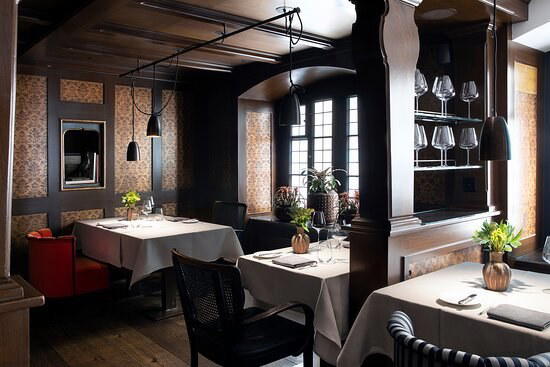
Rustic wooden interior with a cozy, historic atmosphere in Zurich's Old Town.