Zeru Lomas

Zeru Lomas brings a Basque culinary framework to Lomas de Chapultepec, one of Mexico City's most established residential enclaves. The wine program is overseen by Andrés Amor, among the more recognized sommeliers working in Mexico today. The address on Monte Everest places it firmly within the quieter, money-old western tier of the city's dining scene, distinct from the Condesa and Roma circuits.
Pearl is the En Primeur Club membership app — saves, bookings, and concierge access live there. Same editors, same standards.
- Address
- Monte Everest 635, Lomas de Chapultepec, Miguel Hidalgo, 11000 Ciudad de México, CDMX, Mexico
- Phone
- +52 55 1857 6565
- Website
- grupozeru.com
- Directions
- Get directions
 Saves & bookings on Pearl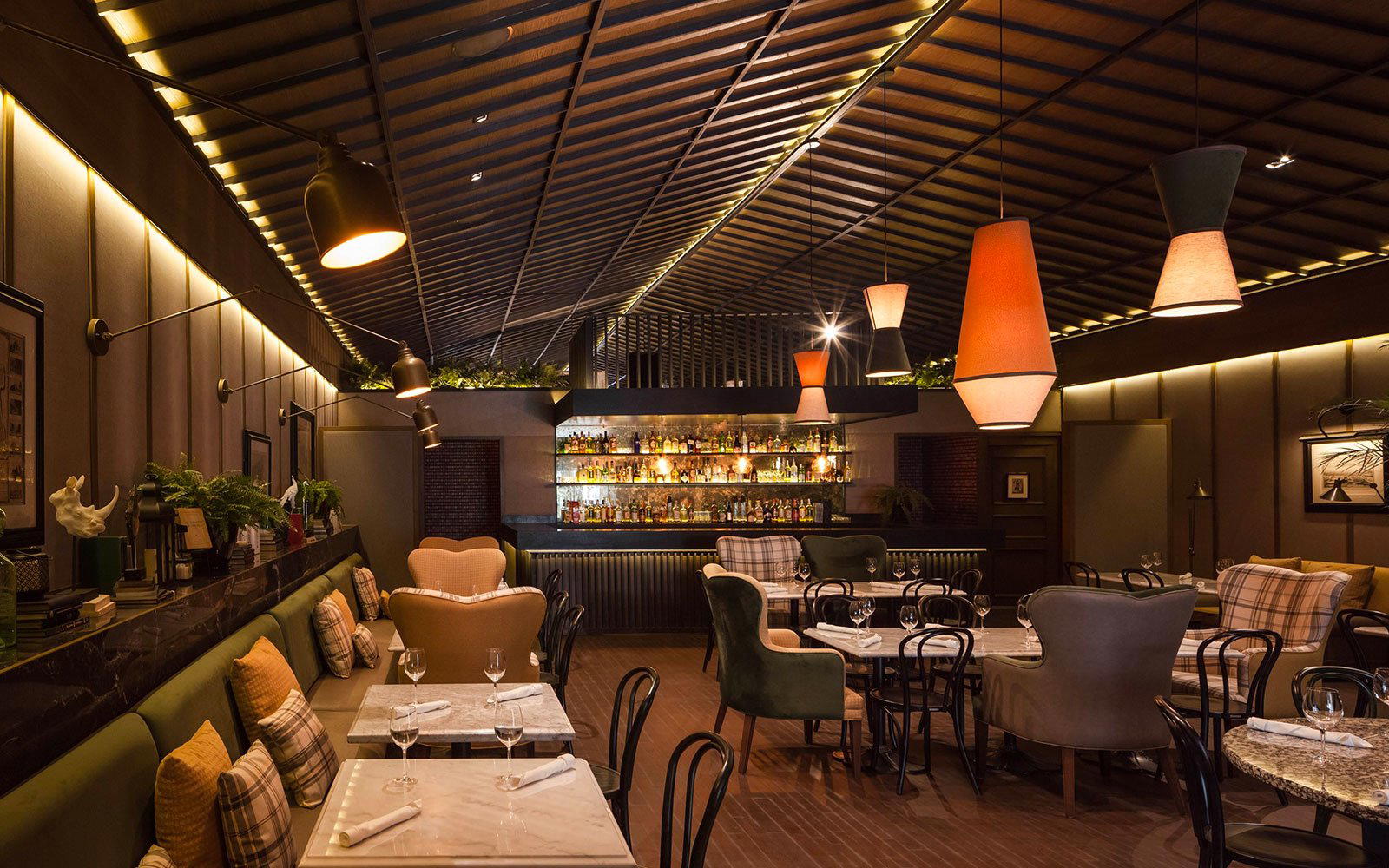
Where Lomas de Chapultepec Sets Its Own Dining Terms
Mexico City's restaurant geography has long been read along a familiar axis: Roma Norte for the creative independents, Polanco for international capital and Michelin ambition, Santa Fe for corporate lunch. Lomas de Chapultepec operates on different terms entirely. The neighbourhood sits west of Bosque de Chapultepec, composed of wide residential streets and a dining scene that tends toward established operators over trend-chasing openings. Zeru Lomas, at Monte Everest 635, fits that pattern. It is not positioned against Pujol or Quintonil on the fine-dining circuit; it occupies a different register, anchored in Basque culinary tradition and pitched at a clientele that lives or works in the western corridors of Miguel Hidalgo.
The Physical Container: Reading Lomas Through Its Architecture
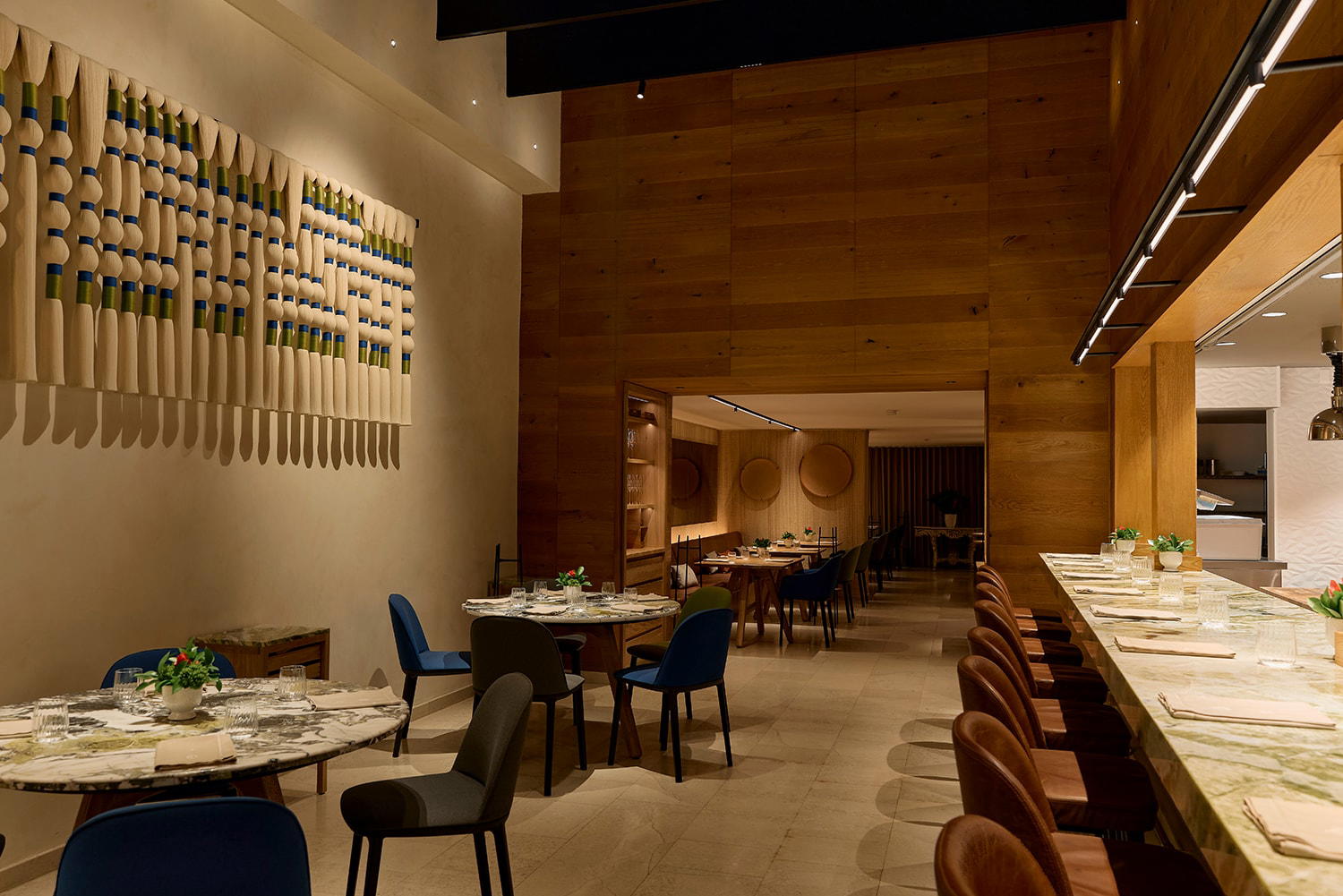
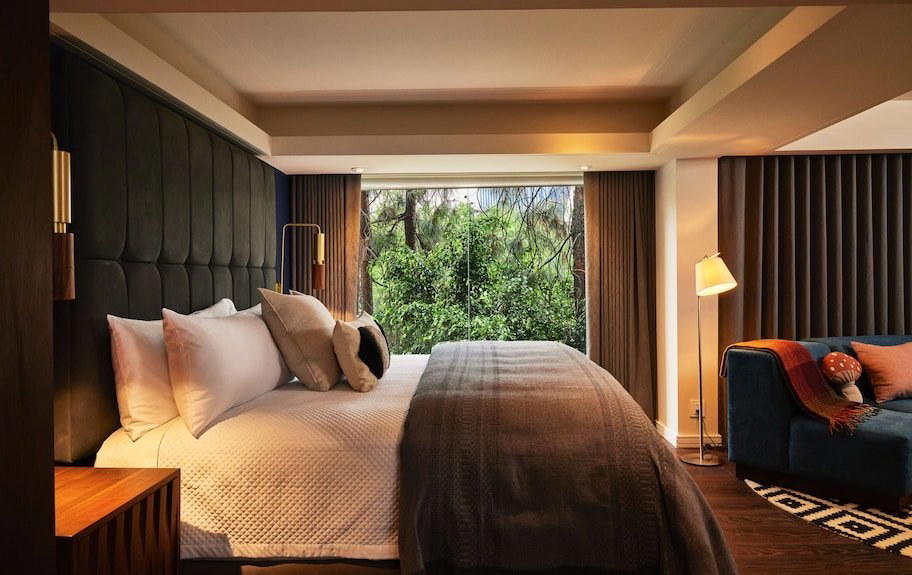
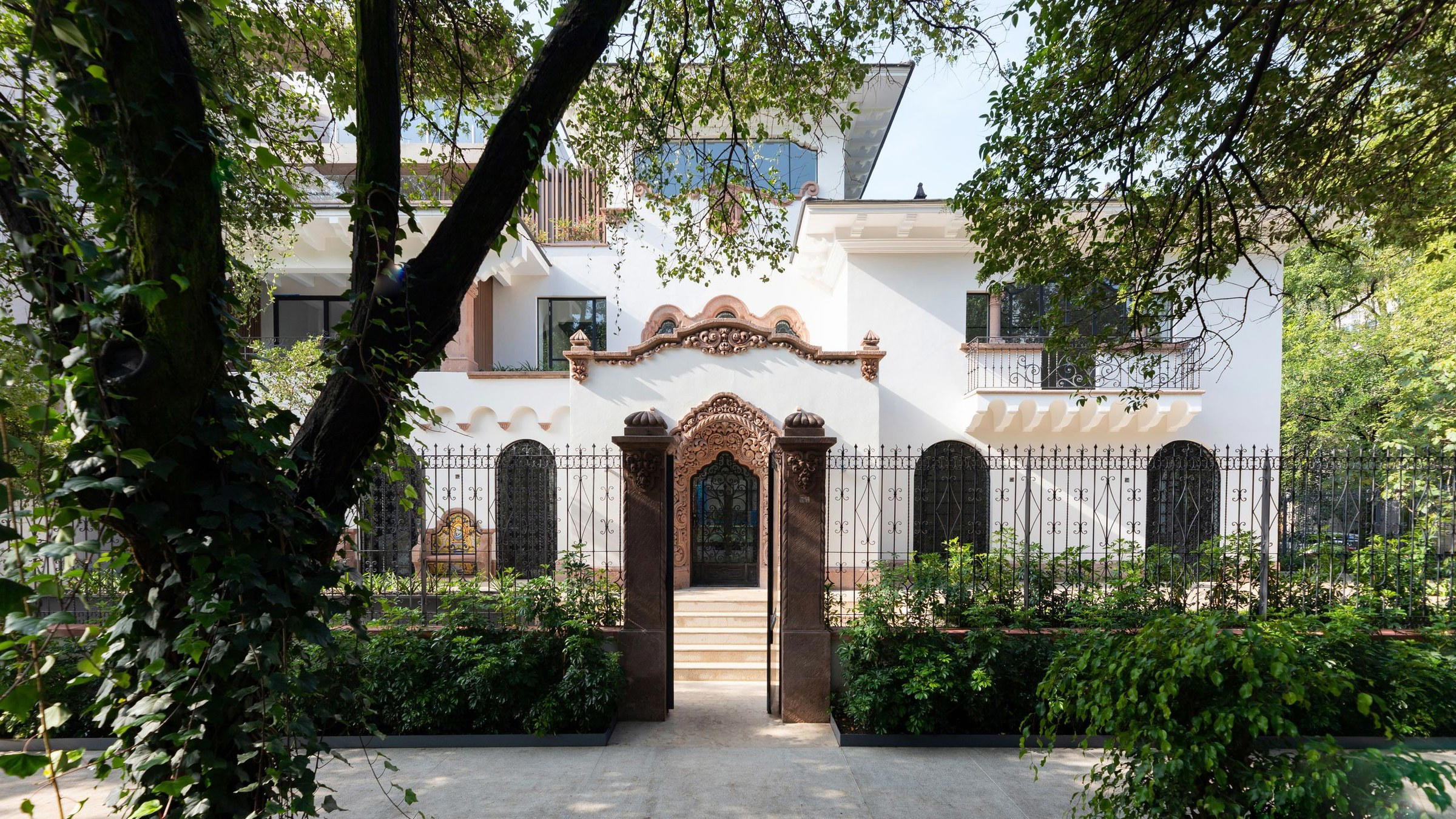
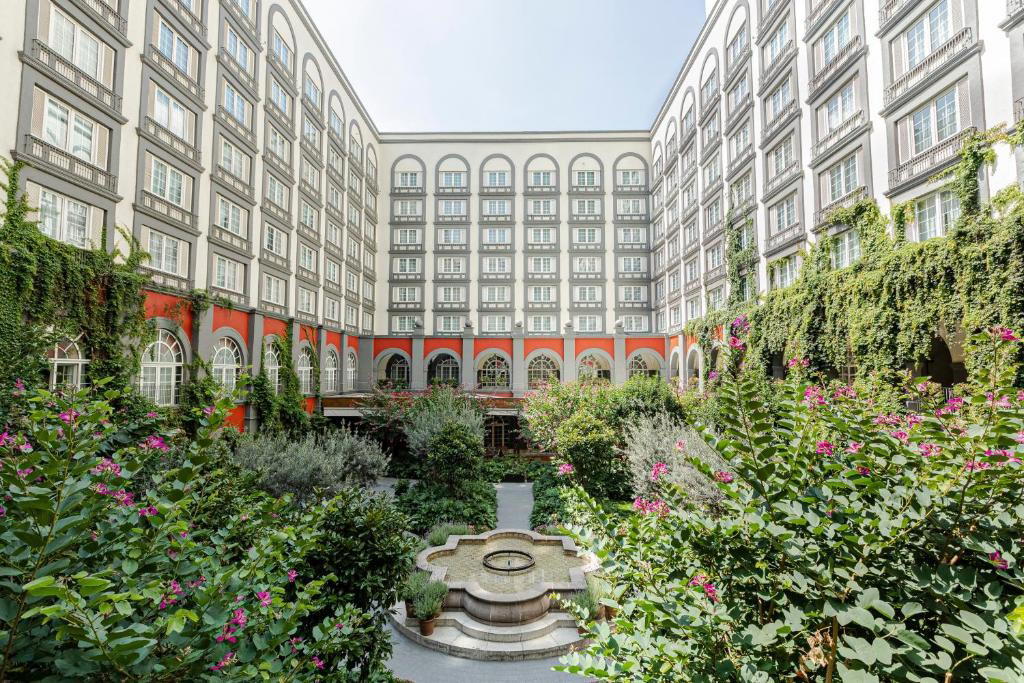
The address on Monte Everest, a street name that carries a certain absurdist grandeur in a city that already competes with everywhere, gives a first indication of the register Zeru Lomas operates in. Lomas properties of this generation tend to sit in low-rise buildings or converted residential structures, with setbacks from the street and interiors that lean toward restraint over spectacle. That architectural logic shapes the dining experience before a dish arrives.
In Basque restaurant culture, the physical room has traditionally served the food rather than competing with it. The txoko tradition, private gastronomic societies where the table, not the decor, is the event, established a spatial philosophy that many Basque-influenced restaurants carry into commercial form. Zeru Lomas sits within that inheritance. The design approach in venues of this lineage tends toward materials that age well and arrangements that allow for conversation at a normal register, neither the silence of a formal European room nor the ambient noise of a cantina in full service. Whether the specific interior here follows that pattern precisely is something the room itself will confirm on arrival.
Basque Lineage in a Mexican Capital
The Basque culinary tradition is among the more precisely defined in Europe. It encompasses a commitment to ingredient quality over technique complexity, a specific relationship to the sea (particularly to salt cod, anchovies, and fresh fish prepared with minimal interference), and a formal grammar of pintxos and grilled proteins that has exported well to cities with the economic base to support it. In Mexico City, that export arrives with a particular local inflection. The city's altitude, its markets, and its produce supply create conditions that no Basque restaurant operating here can fully ignore, and particularly coherent operations in this category find ways to hold both references simultaneously.
The comparison set for the restaurant is not the modern Mexican tasting-menu circuit where Em, Sud 777, or Rosetta are relevant references. It is the subset of European-tradition restaurants operating in Mexico City that have earned local authority not through awards cycles but through consistency and a clear culinary identity. Elsewhere in Mexico, there are parallels: Animalón in Valle de Guadalupe works within a different European-meets-Mexico framework, and KOLI Cocina de Origen in Monterrey demonstrates how regional identity can anchor a serious kitchen. Internationally, the Basque approach to seafood and product-first cooking finds its clearest counterpart in operations like Le Bernardin in New York City, where restraint is the method, not the limitation.
Andrés Amor and the Wine Architecture
Wine program at the restaurant is overseen by Andrés Amor, whose standing in Mexican sommellerie is substantive and documented. The Basque country's relationship to wine has historically centred on Txakoli, the local slightly effervescent white, and the broader Rioja and Ribera del Duero regions of northern Spain. A wine program built to complement Basque-influenced cooking could follow that northern Spanish spine, but Mexico's own growing wine culture, centred on Baja California's Valle de Guadalupe and the emerging producers catalogued in our full Mexico City wineries guide, adds another dimension. Amor's presence signals that the list will be curated with genuine critical intelligence rather than assembled from a standard import portfolio. That matters at this price point and in this neighbourhood, where the clientele arrives with expectations and experience.
A sommelier with Amor's profile operates in the same tier as the wine directors at the city's most recognised restaurants. For the visitor arriving from outside Mexico City, this is a wine program worth engaging rather than defaulting to familiar bottles. Those planning a broader exploration of Mexico's wine regions will find context in Lunario in El Porvenir and the wine-adjacent dining culture around HA' in Playa del Carmen.
Planning a Visit: Logistics for the Western Corridor
Monte Everest 635 sits in a part of the city that rewards a car or ride-share rather than metro access. Lomas de Chapultepec is not pedestrian-hostile in the way that Santa Fe is, but the neighbourhood's residential scale means that spontaneous walk-ins are less part of the culture than in Condesa or Roma. For visitors anchored in Polanco or the area around Bosque de Chapultepec, the distance is short. Those staying further east or south should account for Mexico City's traffic patterns, particularly on weekday evenings when the western axials into Lomas can slow considerably. For a fuller orientation to the city's hospitality infrastructure, the full Mexico City hotels guide, bars guide, and experiences guide provide the surrounding context.
Reputation First
Comparable venues nearby, for context on price, style, and recognition.
| Venue | Cuisine | Price | Notes |
|---|---|---|---|
| Zeru LomasThis venue — the venue you are viewing | Modern Basque-Spanish Grill | $$$$ | Not listed |
| Centro Castellano | Traditional Spanish | $$$ | Casa Blanca |
| Tigre Masaryk | Italo-Argentine Grill | $$$$ | Los Morales Secc Palmas |
| Ling Ling Mexico | Modern Pan-Asian Izakaya | $$$$ | Nva Anzures |
| La Mallorquina Arcos | Authentic Spanish | $$$$ | Cooperativa Palo Alto |
| La Nacional | Modern Mexican Regional (Comida Regia) | $$$$ | Centro Urbano Benito Juarez |
Recognition history
Dated appearances from independent guides and award organizations, with the underlying list record or original source where available.
Star Wine List
Star Wine List
Continue exploring
More in Mexico City
Restaurants in Mexico City
Browse all →
Bars in Mexico City
Browse all →
At a Glance
- Cozy
- Elegant
- Intimate
- Sophisticated
- Date Night
- Business Dinner
- Special Occasion
- Terrace
- Open Kitchen
- Private Dining
- Extensive Wine List
- Craft Cocktails
Current opening hours
- Monday
- 1:30–11 PM
- Tuesday
- 1:30–11 PM
- Wednesday
- 1:30–11 PM
- Thursday
- 1:30–11 PM
- Friday
- 1:30–11 PM
- Saturday
- 1:30–11 PM
- Sunday
- 1:30–6 PM
Hours can change for holidays and private events. Last verified .
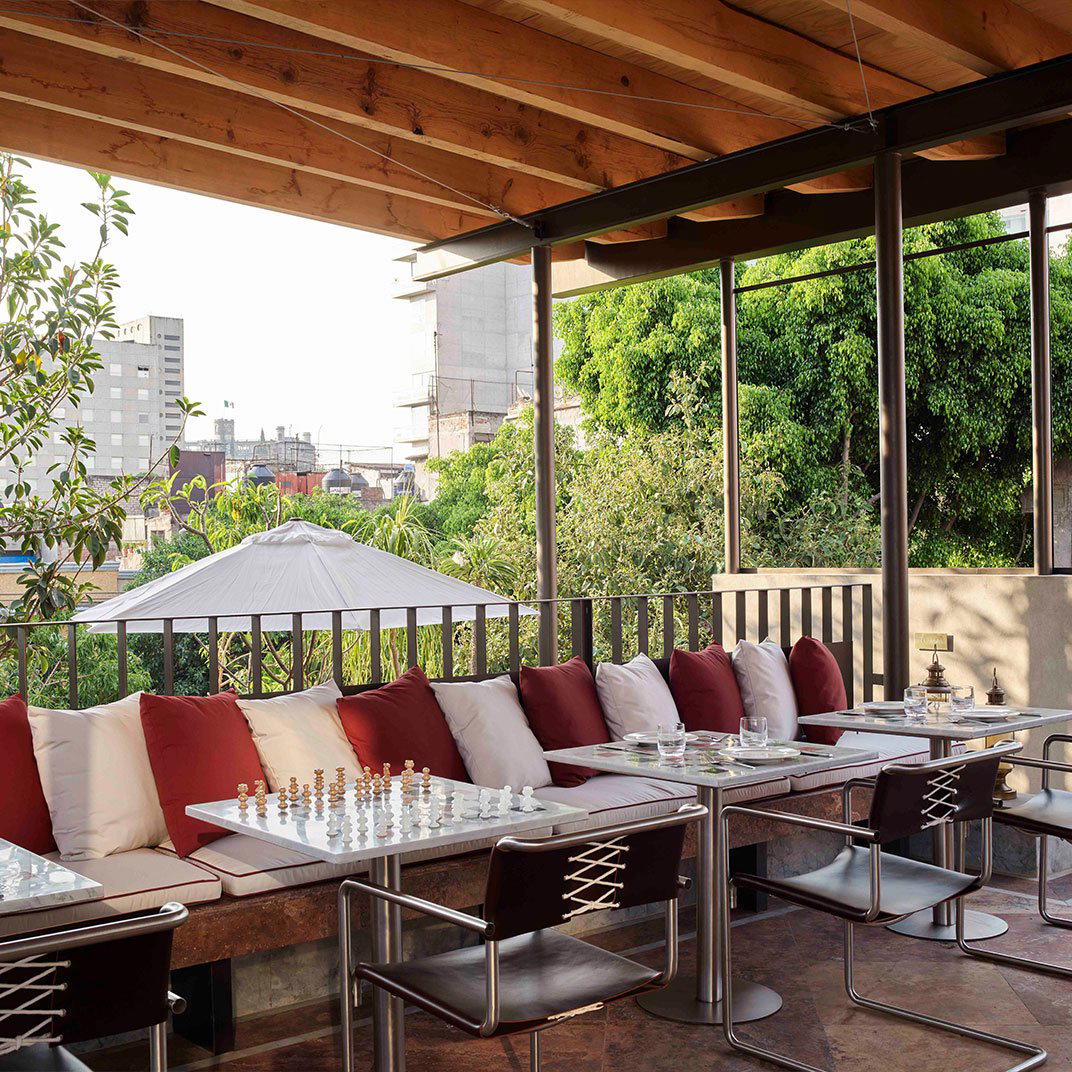
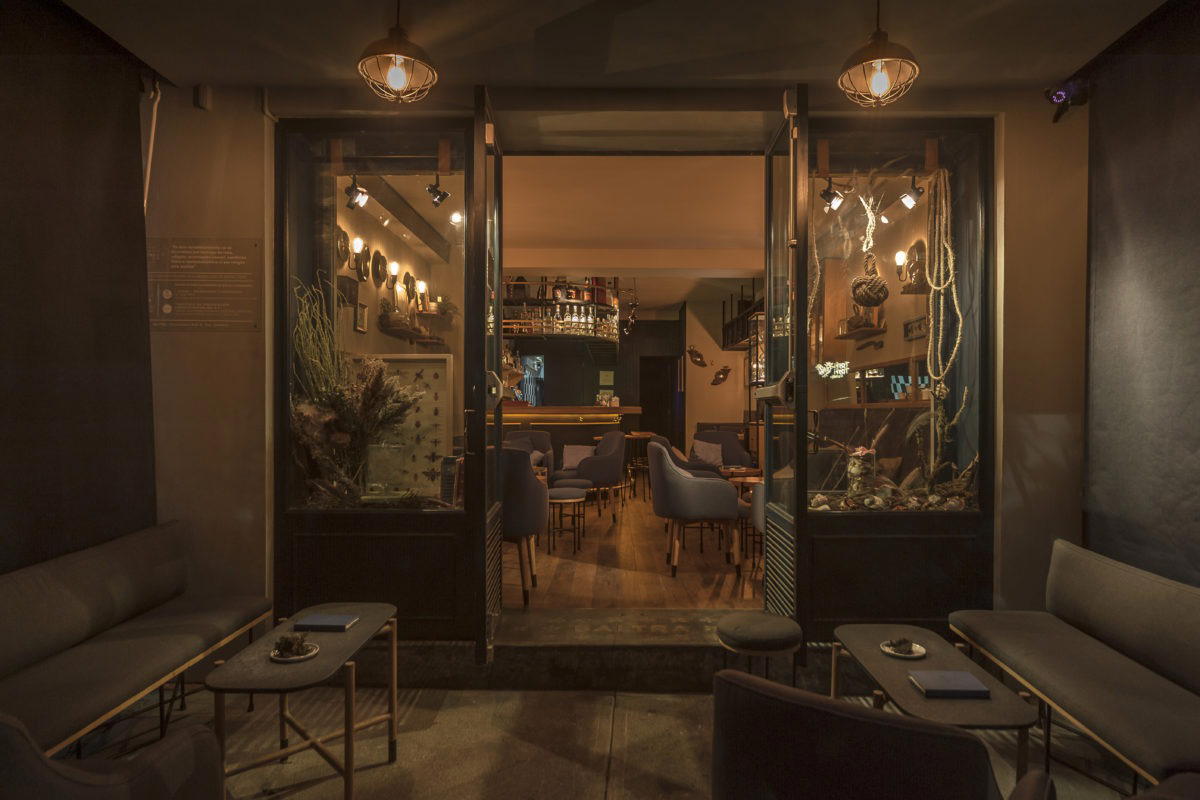
Cozy terrace with quiet, intimate atmosphere, warm lighting, and elegant sophistication praised in reviews.