Zaru

Michelin Bib Gourmand
Our verdict
A Michelin Bib Gourmand recipient in Orlando's Mills 50 district, Zaru builds its menu around wheat noodles sourced from Japan's Kagawa Prefecture, pairing chewy, hand-crafted bowls with broths of notable depth alongside ingredients like Hokkaido uni and A5 Kagoshima wagyu. The room is compact and lively, the team knowledgeable, and the price point sits well below the city's top-tier Japanese counters.

Pearl is the En Primeur Club membership app, where members save venues, book tables and use the concierge.
The menu
What to order
- Miso tantan udon
- Nori udon
- Eggplant appetizer
Mills 50's Noodle Standard
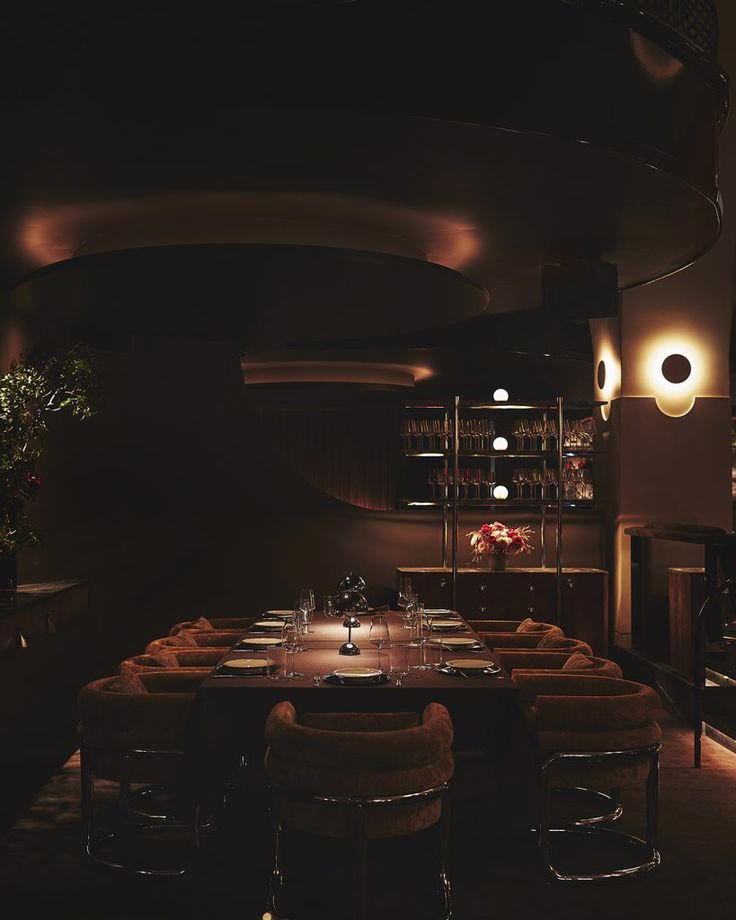
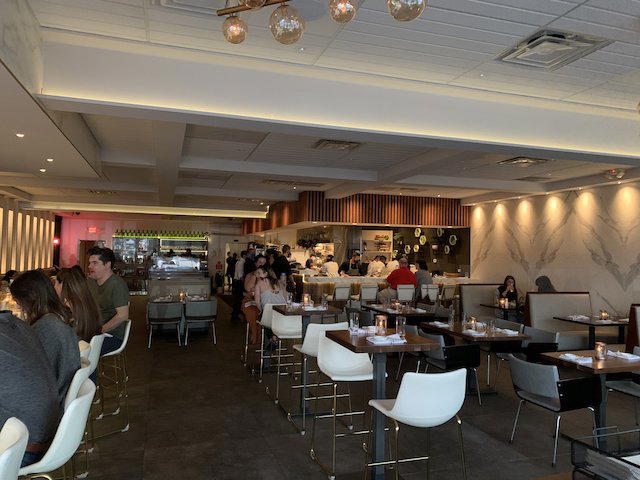
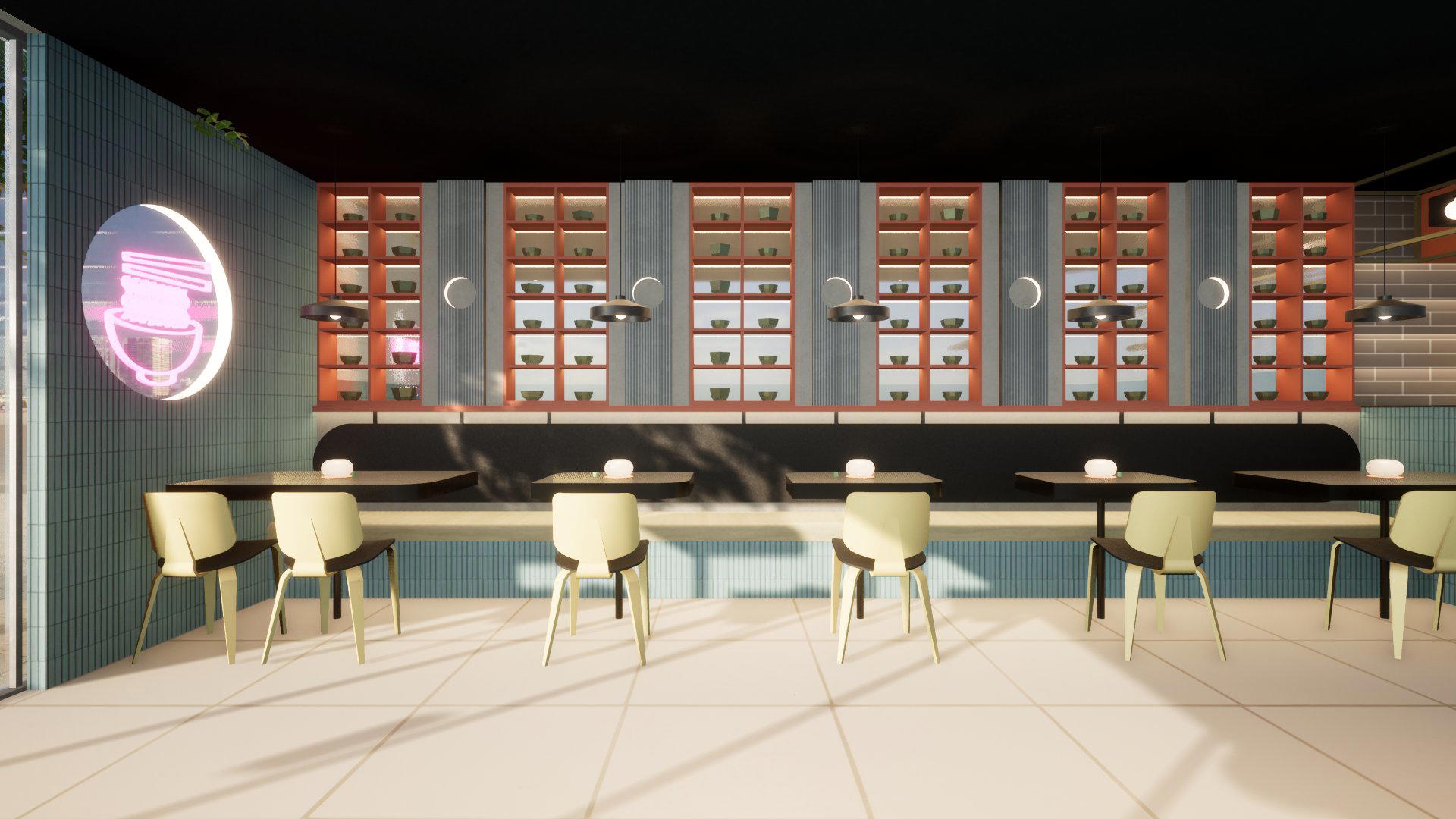
On East Colonial Drive, where the Tien Hung Market anchors a stretch of Asian grocers and mid-range restaurants, Zaru occupies a strip-mall slot that has become one of the more-discussed addresses in Mills 50 dining. The room leans into a clean, contemporary aesthetic rather than rustic noodle-shop minimalism: an upbeat playlist runs at a volume that encourages conversation without covering it, and the dining room's lines are tight enough that tables fill quickly on most nights. The energy is closer to a neighbourhood izakaya than a formal Japanese counter, which matters because it shapes who keeps coming back and why.
Mills 50 has earned a reputation as Orlando's most food-literate neighbourhood, a corridor where price and ambition are routinely decoupled. Zaru fits that pattern precisely. Its 2025 Michelin Bib Gourmand recognition positions it in a tier that rewards value without softening expectations around craft, placing it alongside the city's most carefully run mid-range tables rather than against the $$$$-price-point Japanese counters like Kadence or Sorekara. That distinction is worth holding onto when you're deciding what kind of evening you want.
The Noodle and What Drives It
The spine of the menu is wheat noodles sourced from Kagawa Prefecture, the region on Shikoku island that produces Sanuki udon and takes its noodle standards with a seriousness that most of Japan respects. The chewiness that regulars return for is not incidental texture but a function of flour origin and preparation discipline. In a city where Japanese restaurants frequently source generic Asian-market noodles and present them as artisanal, the Kagawa provenance is a verifiable differentiator.
What builds around those noodles is where Zaru separates itself from direct noodle houses. The broth programme draws consistent attention for smokiness and depth, characteristics that require either extended dashi work or careful layering of bonito, kombu, and aged elements. The kitchen pairs those broths with premium proteins: Hokkaido uni for clean oceanic salinity, ikura for brine and richness, and A5 Kagoshima wagyu at a price point that makes the $$-range designation feel like a genuine editorial commitment rather than a rounding error. Japan's A5 wagyu grading is set by strict marbling, colour, and yield standards, and seeing it appear on a mid-price menu in Florida's tourist corridor without a correspondingly inflated price is not the norm.
What Regulars Actually Order
The loyal clientele at Zaru has developed a shorthand that diverges from first-visit logic. The tatsuta-age, fried chicken prepared in the classic Japanese style with soy and ginger marinade, and the yaki gyoza (pan-fried pork dumplings) are reliable entry points: familiar, technically sound, and easy to recommend to anyone new to the room. They're what you order when half the table needs orienting.
But the dish that regulars tend to push is the ikura onsen. A softly poached egg, cooked low and slow until the white sets just past translucent and the yolk sits at a loose, warm-liquid state, is crowned with salmon roe and finished with crispy garlic. The combination of cold brine from the ikura against the warm egg and the textural contrast of the garlic is the kind of preparation that becomes a reference point. It's not on every table by accident: the team is active about steering guests toward it, and repeat visitors have absorbed that guidance into their standing order.
The broader pattern among returning diners is that they follow the team's lead. Chef William Shen's kitchen operates with what the Michelin inspectors described as precision and intentionality, and the floor staff translate that into table-side direction that works well when guests treat it as actual advice rather than upselling. That dynamic, a dining room where the staff's suggestions have demonstrably paid off for previous visitors, is one of the harder things to cultivate and one of the clearest reasons return rates hold.
Where Zaru Sits in Orlando's Japanese Picture
Orlando's Japanese dining scene has expanded considerably over the past several years, splitting into a multi-tier spread. At the leading, reservation-only omakase and premium kaiseki formats occupy a small but increasingly serious niche, represented by addresses like Kadence and Sorekara. Below that, a wider middle tier covers ramen shops, sushi bars, and Japanese-inflected casual dining of uneven quality. Natsu and Gyukatsu Rose each occupy recognisable positions within that range.
Zaru sits at a point where the mid-tier meets genuine sourcing and technique. Its Bib Gourmand recognition in the 2025 Michelin guide is a specific signal: Michelin awards Bib Gourmands to restaurants delivering quality meals at moderate prices, a category that requires inspectors to confirm both dimensions independently. For context, many cities with deep Japanese dining cultures, Tokyo among them (see Myojaku and Azabu Kadowaki), have Bib Gourmand noodle and casual Japanese addresses that function as the informed diner's default. Zaru is beginning to occupy that role in Orlando's Mills 50.
At a national scale, restaurants carrying this kind of Michelin recognition in the accessible price range sit in a different competitive conversation from full-star fine dining. Le Bernardin in New York City, Alinea in Chicago, and The French Laundry in Napa operate in a register where the price itself is part of the editorial proposition. Zaru's recognition is a different argument: that craft and sourcing rigour are achievable without requiring a $$$$ commitment.
Planning Your Visit
Zaru is at 1114 East Colonial Drive, in the same strip as the Tien Hung Market, making it easily combined with a pre-dinner browse of the market or a walk through the broader Mills 50 stretch. The $$ price range means a full meal with starters sits comfortably below what you'd spend at the neighbourhood's $$$$-tier options, and the format rewards ordering widely rather than anchoring to a single bowl. The team's willingness to guide the table is most useful on a first visit, so it's worth signalling openness to their suggestions when you sit down. For context on the wider neighbourhood and what else is worth plotting into the same evening, see Juju nearby, or consult our full Orlando restaurants guide. If you're building out a broader trip, our Orlando hotels guide, bars guide, wineries guide, and experiences guide cover the city's other tiers in the same register.
Frequently asked questions
Has Zaru won any awards?
Zaru has received recognition including: Michelin Bib Gourmand (2025); This sleek, Mills 50 eatery is located in the same strip as the Tien Hung Market. With an upbeat playlist and an attractive dining room, the restaurant specializes in chewy noodles made from wheat sourced from ….
What does dinner at Zaru typically cost?
Pricing at Zaru is listed as $$.
What do regulars order at Zaru?
Returning diners anchor to the wheat noodle bowls made from Kagawa Prefecture flour, which produce the chewy, dense texture that defines the menu's identity. The ikura onsen, a softly poached egg topped with crispy garlic and salmon roe, is the starter that separates first-time visitors from regulars. For those spending up, the Hokkaido uni and A5 Kagoshima wagyu add-ons are the moves worth making. Zaru holds a 2025 Michelin Bib Gourmand, meaning this level of sourcing at a $$ price point is the core proposition.
Is Zaru focused on a specific cuisine style?
How do I find Zaru?
Zaru is located at 1114 E Colonial Dr, Orlando, FL 32803, Orlando.
Who is the chef at Zaru?
The chef associated with Zaru is William Shen.
A Lean Comparison
| Venue | Cuisine | Price | Awards | Notes |
|---|---|---|---|---|
| ZaruThis venue (the venue you are viewing) | Sanuki Style Udon | $20–30 | Michelin Bib Gourmand | Not listed |
| Sorekara | Modern Japanese Omakase | $300–500 | 2 Michelin Stars · La Liste Top Restaurants | Japanese |
| Camille | Modern French-Vietnamese Fine Dining | $150–200 | 1 Michelin Star | Vietnamese |
| Papa Llama | Modern Peruvian | $150–200 | Michelin Plate | Peruvian |
| Capa | Spanish-Influenced Steakhouse | $100–150 | Michelin Plate · Wine Spectator Best of Award of Excellence | Steakhouse |
| Victoria & Albert's | Contemporary American Fine Dining | $200–300 | 1 Michelin Star · La Liste Top Restaurants | New American, Contemporary |
Recognition history
Dated appearances from independent guides and award organizations, with the underlying list record or original source where available.
Michelin Bib Gourmand
Michelin
Full recognition history (3 entries)
Michelin Bib Gourmand
Michelin
Michelin Bib Gourmand
Michelin