
Michelin Plate
Our verdict
Zao reads as part of Hanoi’s newer ingredient-led dining tier: Vietnamese roots, global technique, and a room calibrated for both quiet dinners and small-group meals. The strongest signal is the produce-driven menu language, from tomato bingsu with buffalo cheese and lime-basil granita to razor clam pâté, placing local freshness inside a more international format.

Pearl is the En Primeur Club membership app, where members save venues, book tables and use the concierge.
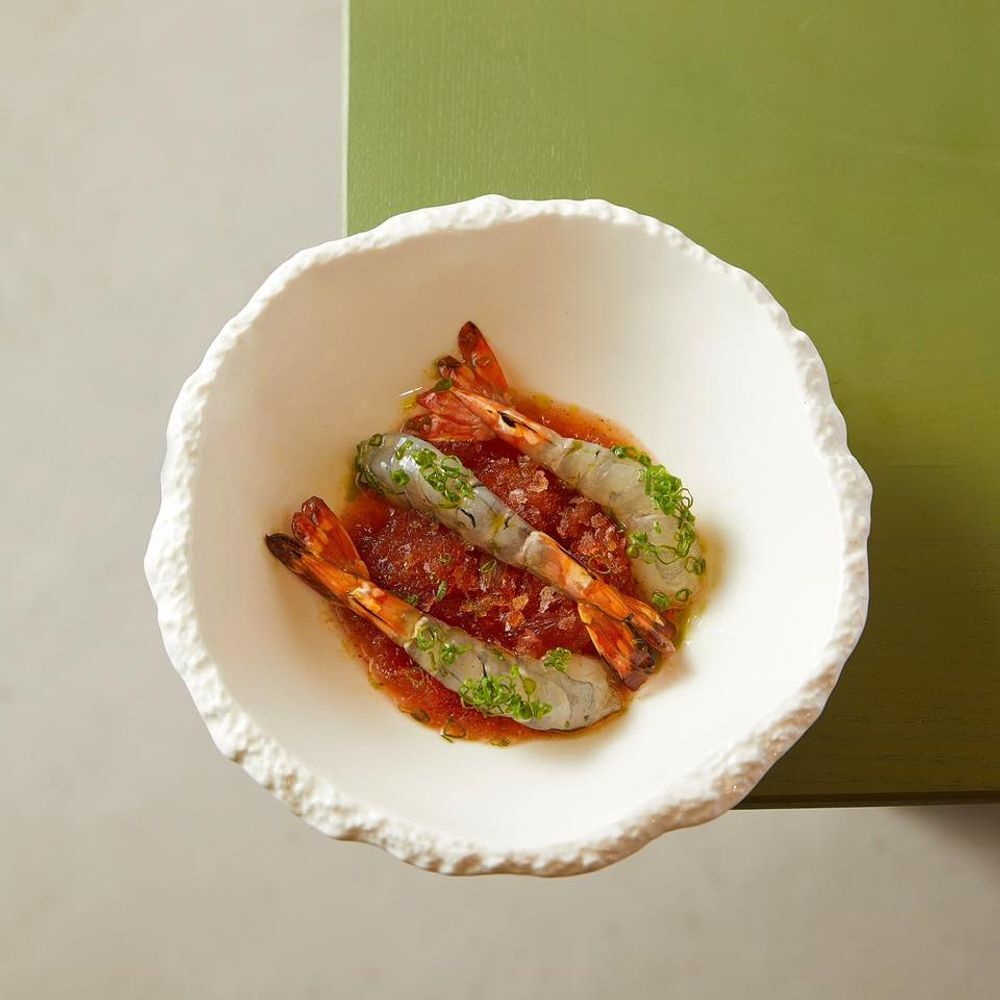
The menu
What to order
- Tomato bingsu with heirloom cherry tomatoes, buffalo cheese and lime-basil granita
- Razor clam pâté
- Salmon with baby vegetables
- ZAO Shrimp with tiger prawns, shaved ice and spicy Thai granita
Inside Zao, the register is framed as calmer than Hanoi’s pavement-food tempo. The appeal is best described in broad terms: a more composed restaurant experience in a city where eating can move quickly from casual local stops to more polished contemporary dining. Here, the point is not volume or spectacle. It is the idea of a quieter evening in Hanoi, with Zao positioned as part of the city’s broader restaurant conversation rather than as a direct substitute for its everyday street-food rhythm.
Hanoi has long rewarded specialization: one address for a quick signature bite, another for a relaxed local meal, another for vegetarian cooking or contemporary formats. Zao belongs in that wider spread of choices. Compared with the street-food directness of Bún Chả Hương Liên (Hai Ba Trung), the vegetarian clarity of Ưu Đàm, or the contemporary positioning of Vien Dining, this restaurant is best understood as another way into Hanoi dining. It sits within the city’s more polished restaurant register while remaining part of the same local dining map.
Local focus, contemporary technique, and a lighter Hanoi register
The useful lens here is not a fixed cuisine label or a named signature dish, but the broader question of how Hanoi restaurants balance local references with more composed dining formats. Zao can be read in that context: a restaurant in Hanoi that belongs to the city’s contemporary dining conversation without needing to be treated as a formal ceremony. The attraction is the shift in pace, away from purely quick meals and toward a more measured evening.
That same logic carries through the way the restaurant is best planned. Rather than approaching it as a checklist of specific dishes or a chef-led narrative, it makes more sense to think of Zao as a polished Hanoi stop for diners who want the city’s restaurant scene in a quieter key. In a city where premium tables can compete through luxury cues, the stronger argument here is proportion: a meal framed around composure, setting, and the pleasure of slowing down.
This makes Zao a useful counterpoint to more tradition-bound Hanoi meals. For a classic local reference point, other Hanoi dining rooms sit closer to heritage cooking, while different addresses point toward other contemporary or vegetarian formats. Zao’s lane is different: not a preservation project, not a hotel-style claim, and not something that needs to be described through unsupported specifics. It is best kept in view as a contemporary Hanoi restaurant with MICHELIN Guide recognition.
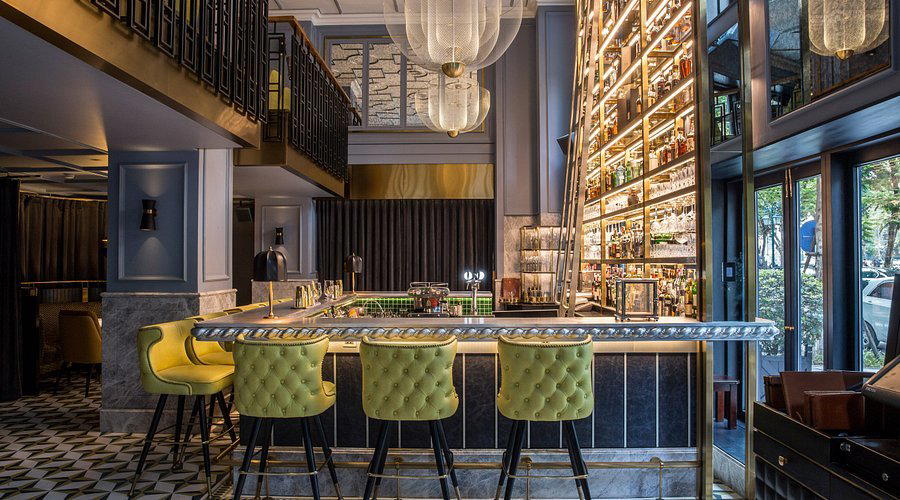
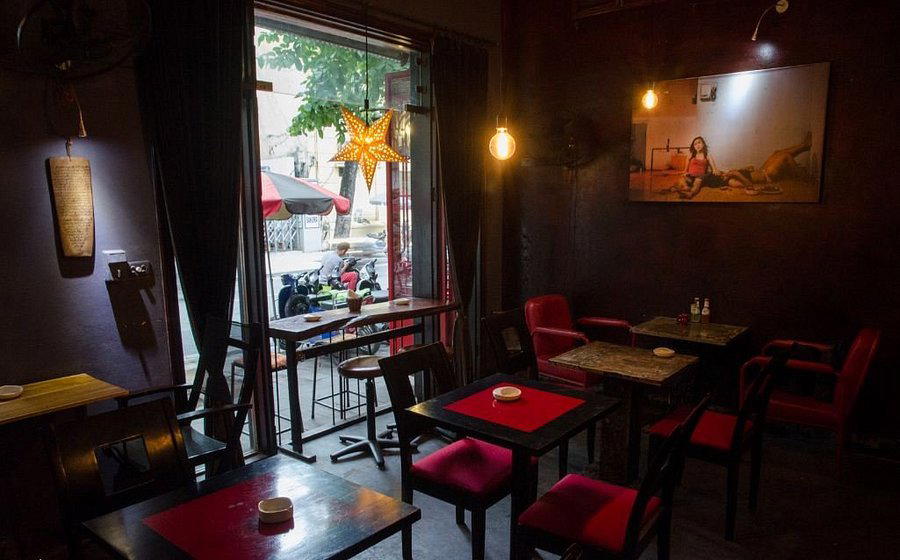
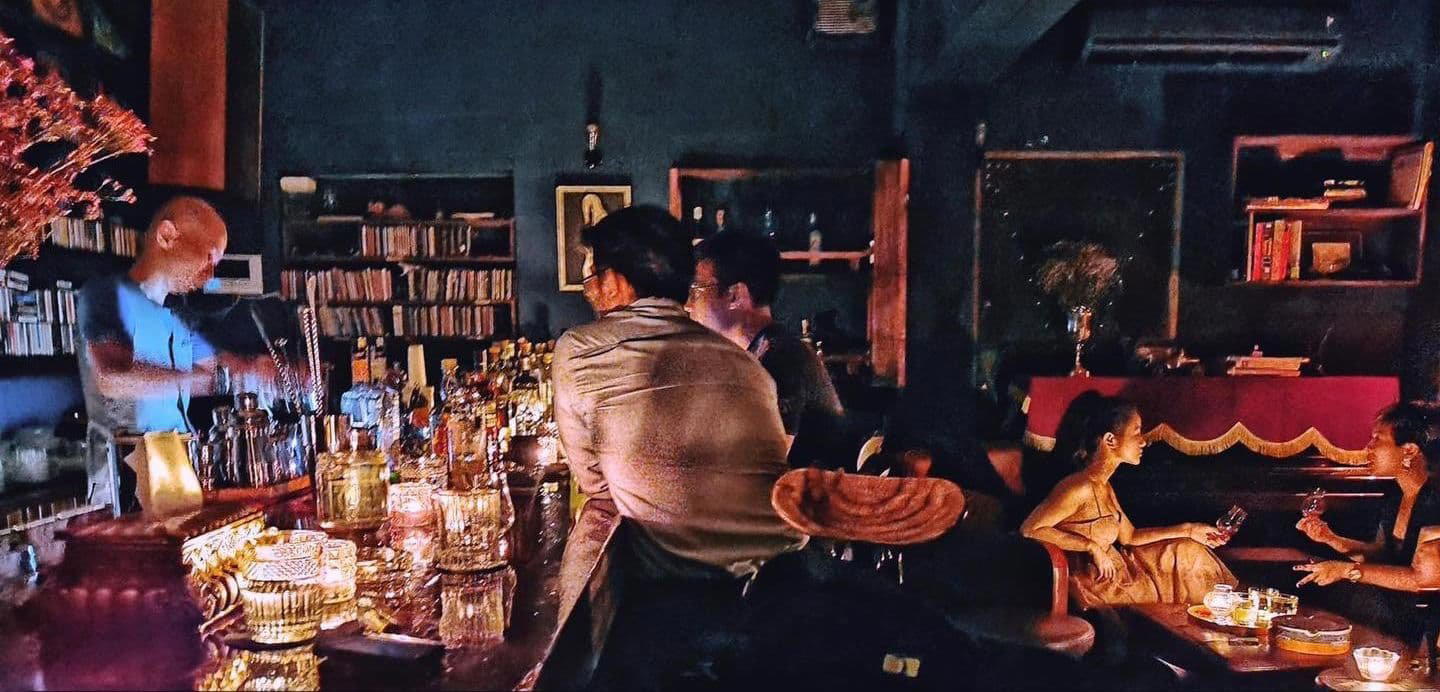
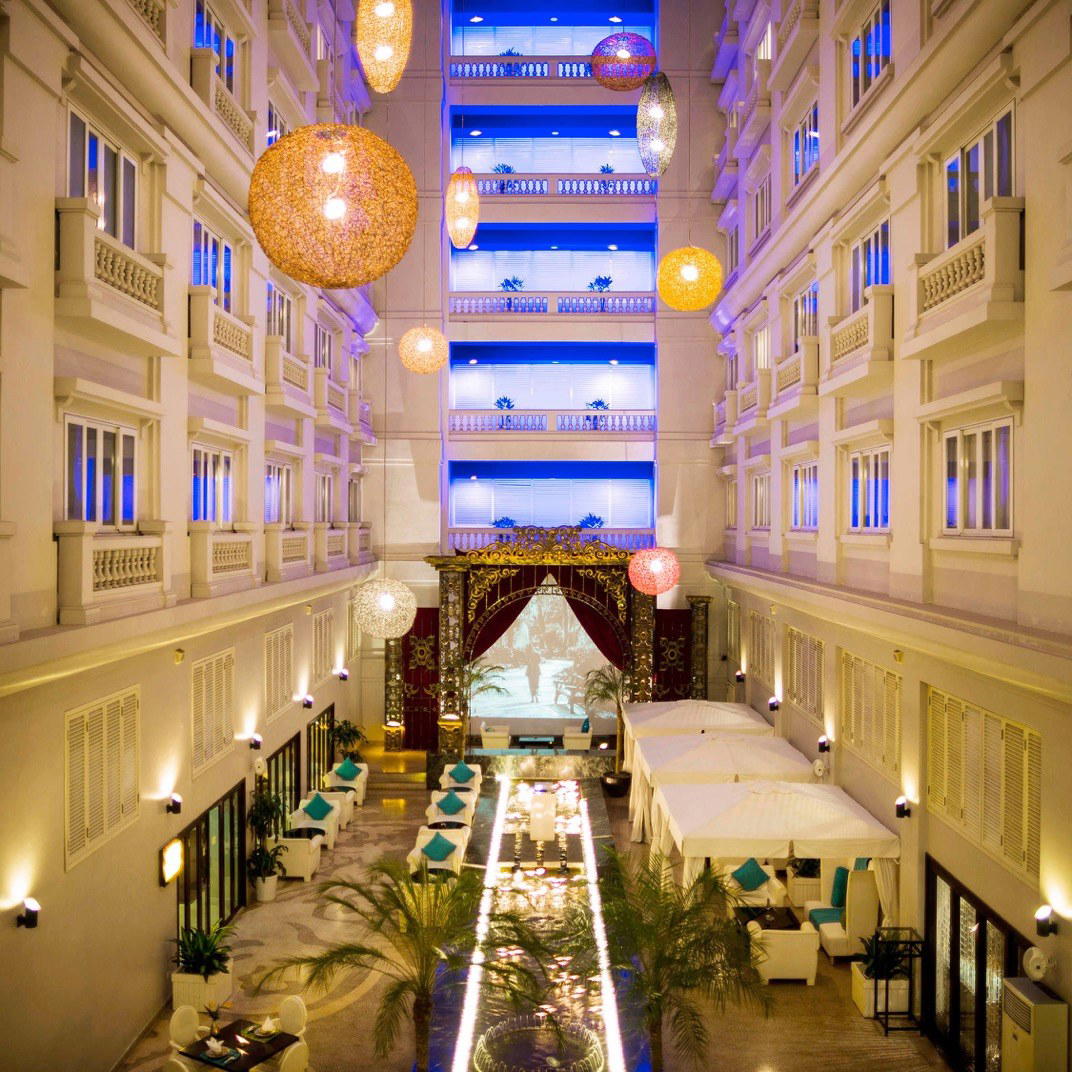
The room suits Hanoi's quieter contemporary-dining mood
It belongs to the more composed side of Hanoi dining: a choice for diners looking beyond a casual street-food stop, but without assuming the rituals of a destination tasting menu. That middle register is useful for visitors and locals who want a calmer restaurant experience in the city.
Hanoi also gives it a rhythm that is central to the restaurant’s appeal. The balance is best described broadly: a polished meal in Hanoi that does not need heavy choreography to make sense. For travellers mapping a fuller Hanoi itinerary, the surrounding scene is worth reading alongside other contemporary and casual dining in the city, each of which reflects a different part of Hanoi’s dining spread.
The broader point is that Hanoi’s serious restaurant culture is no longer split neatly between street food and high ceremony. A middle tier has become more interesting: design-aware, comfortable with contemporary formats, and open to different styles of service and pacing. Labri, with its contemporary positioning, occupies one side of that conversation; Zao is another Hanoi reference point, notable here for its MICHELIN Plate listing and its place in the city’s restaurant mix.
How to place Zao in a Hanoi eating plan
Zao makes sense when a meal needs polish without stiffness. It is better framed as a contemporary Hanoi dinner than as a first introduction to the city’s most canonical dishes. Travellers who have already covered bowls, grills, and market-driven snacks may read it more clearly, because the appeal lies in placing a calmer, more composed restaurant stop inside a wider Hanoi itinerary.
For broader planning, Our full Hanoi restaurants guide gives the city’s dining context, while Our full Hanoi hotels guide, Our full Hanoi bars guide, Our full Hanoi wineries guide, and Our full Hanoi experiences guide help place the meal inside a wider stay. Vietnam’s regional dining differences are also worth comparing in general terms: coastal, central, island, and major-city dining scenes can express themselves very differently. For a wider contrast, other Asian casual and contemporary formats outside Vietnam sit in a different context entirely.
Frequently asked questions
Has Zao won any awards?
Zao is listed in the MICHELIN Guide with a MICHELIN Plate distinction.
What part of town is Zao in?
Hanoi.
Do I need a reservation for Zao?
Advance planning is sensible for a polished restaurant meal. Zao is in Hanoi.
What's the standout thing about Zao?
The clearest point of difference is its place in Hanoi’s contemporary dining mix, supported by a MICHELIN Plate listing.
Do they accommodate allergies at Zao?
Those details are not published. Check the venue's official channels for the latest details before booking or ordering.
Is Zao okay with children?
Those details are not published. Zao is in Hanoi, and families should check the venue's official channels for the latest details before booking.
In Context: Similar Options
Comparable venues by cuisine and price in the same metro.
| Venue | Cuisine | Price | Awards | Notes |
|---|---|---|---|---|
| ZaoThis venue (the venue you are viewing) | Modern Vietnamese-European Fusion | $30–50 | Michelin Plate | Not listed |
| Bánh Mỳ Phố Huế | Traditional Hanoi Banh Mi | $1–10 | Not listed | Not listed |
| Labri | Oriental Neo-Bistro | $50–100 | Michelin Plate | European Contemporary, ₫₫₫ |
| Bún Chả Hương Liên (Hai Ba Trung) | Traditional Hanoi Bún Chả | $1–10 | Michelin Plate | Street Food, ₫ |
| Vien Dining | Modern Vietnamese | Not listed | Michelin Plate | Innovative, ₫₫ |
| Ưu Đàm | Modern Vietnamese Vegetarian | $20–30 | Michelin Bib Gourmand | Vegetarian, ₫ |
Recognition history
Dated appearances from independent guides and award organizations, with the underlying list record or original source where available.
Michelin Plate
Michelin
Continue exploring
More in Hanoi
Restaurants in Hanoi
All restaurants in Hanoi →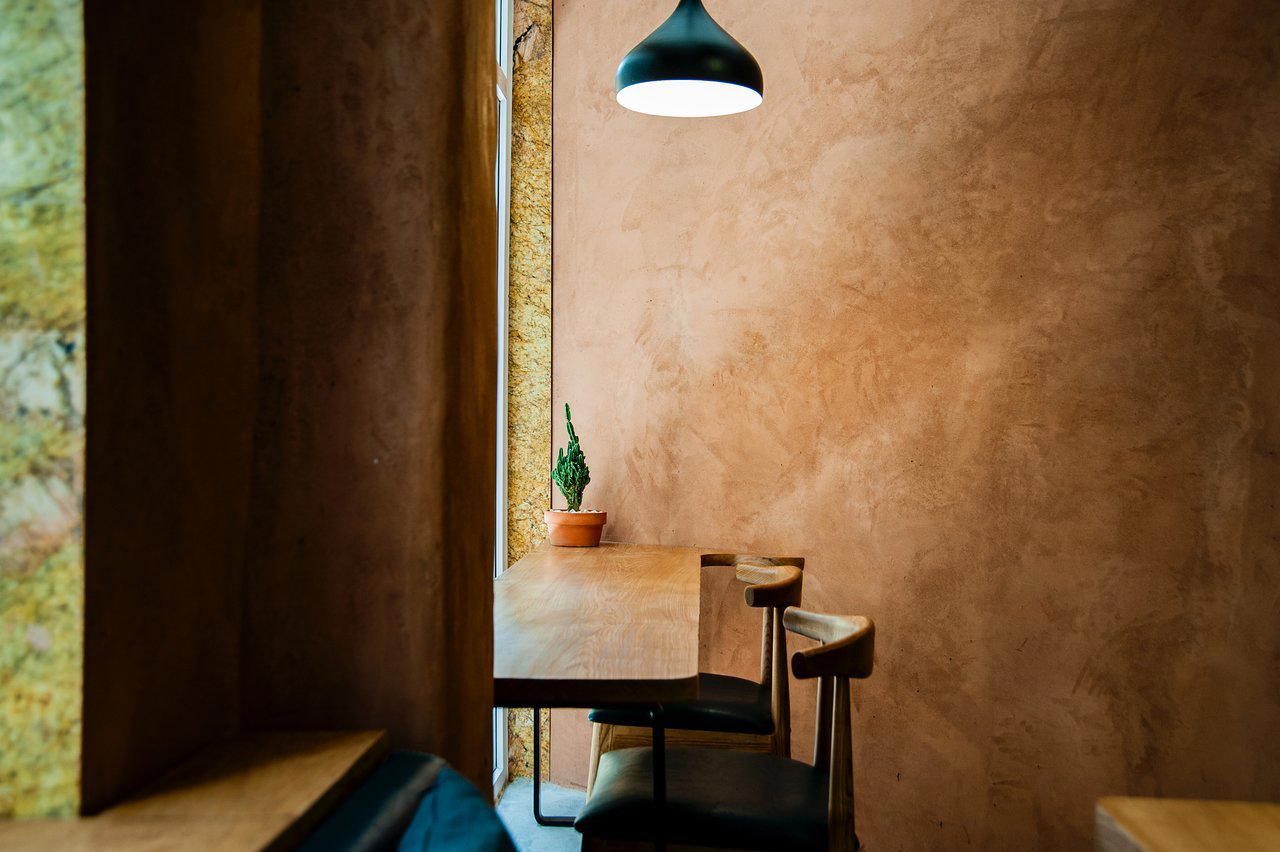
Bars in Hanoi
All bars in Hanoi →

Details
- Modern
- Cozy
- Trendy
- Lively
- Intimate
- Date Night
- Business Dinner
- Group Dining
- Celebration
- Special Occasion
- Open Kitchen
- Design Destination
- Standalone
- Craft Cocktails
- Extensive Wine List
- Local Sourcing
- A La Carte
- Small Plates
- Wine
- Cocktails
- Vegetarian Friendly
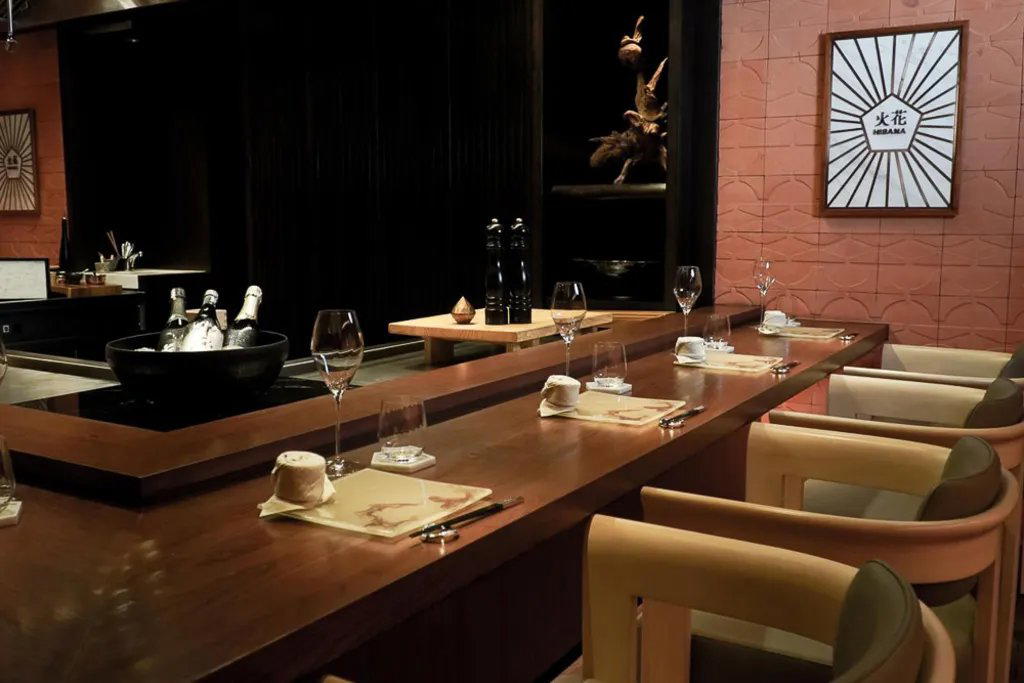
Warm, modern and intimate, with an open kitchen and relaxed wine-bar feel on the first floor and a quieter, more serene dining room upstairs; lighting and music create an upscale-casual atmosphere suited to dates and small groups rather than loud crowds.