
Michelin Plate
Our verdict
The format is uncompromisingly traditional: charcoal-grilled pork patties and sliced belly served with vermicelli, herbs, and a warm dipping broth. The price point sits at the lowest tier in Hanoi's Michelin-recognised eating.

Pearl is the En Primeur Club membership app — saves, bookings, and concierge access live there. Same editors, same standards.
- Address
- 24 P. Lê Văn Hưu, Phan Chu Trinh, Hai Bà Trưng, Hà Nội, Vietnam
- Phone
- +84 24 3943 4106
- Hours
- Daily 8 AM–8 PM
- Website
- facebook.com
- Directions
- Get directions
Where Hanoi's Street Food Recognition Converges
Lê Văn Hưu is not a tourist artery. The street cuts through the Phan Chu Trinh ward of Hai Bà Trưng district, a predominantly residential and administrative quarter south of Hoàn Kiếm Lake, where the dining scene runs on local appetite rather than visitor footfall. That context matters for understanding what Bún Chả Hương Liên represents within Hanoi's broader eating map. When Michelin extended its Plate recognition to this address in 2024 and again in 2025, it wasn't discovering a venue that had reinvented anything. That combination of volume and score is a more honest signal of daily performance than almost any critic's single visit.
Bún Chả as a Northern Tradition
Bún chả is emphatically a Hanoi dish. Unlike phở, which has migrated across Vietnam and adapted to regional palates, bún chả has largely stayed where it originated, shaped by the northern preference for balance over intensity. The format is fixed: a bowl of warm, slightly sweet-sour fish-sauce broth arrives with floating grilled pork, both minced patties and sliced shoulder or belly, alongside a plate of cold rice vermicelli and a generous herb arrangement that typically includes perilla, mint, and green papaya or carrot pickle. The eating protocol is interactive; diners dip vermicelli and herbs into the broth, building each mouthful from the components on the table. No two bites are identical, which partly explains why a dish this structurally simple sustains decades of loyalty among Hanoians.
The charcoal grill is the point of differentiation between a competent bún chả kitchen and a memorable one. The smoke infuses the fat of the pork belly slices and chars the edges of the patties in a way that gas or electric heat cannot replicate. Kitchens that maintain a live charcoal setup, and accept the heat, the smoke, and the labour that involves, are signalling something about their priorities. Hương Liên's two consecutive Michelin Plates position it within the tier of street-food addresses that have made that commitment consistently enough for independent recognition.
Hanoi's Michelin-recognised eating covers a wide price spectrum in 2025, from single-starred contemporary Vietnamese restaurants at the ₫₫₫₫ tier, Gia and Tầm Vị sit at opposite ends of that formality range, down to single-symbol street addresses where a full meal costs less than a coffee at most European café chains. Hương Liên operates firmly at that lower end, in the ₫ tier, which means the Michelin Plate functions differently here than it does in a fine-dining context. It signals that an inspector ate here, ate well, and found the kitchen executing its format reliably.
For comparison within the bún chả category specifically, Bún Chả Đắc Kim on Hang Manh Street occupies the Old Quarter end of the city's recognised addresses for this dish, drawing a different visitor mix. Hương Liên's Hai Bà Trưng location tends to serve a higher proportion of local regulars, which influences the pace and the ordering rhythm of the room. The broader Hanoi noodle scene also includes strong addresses in adjacent formats: Phở Bò Lâm and Phở Bò Ấu Triệu anchor the beef noodle end, while Bánh Cuốn Bà Hoành and Bánh Cuốn Bà Xuân represent the steamed rice-roll tradition that shares the same breakfast-to-lunch window.
How This Fits the Region's Recognised Street Food Tier
Southeast Asia's Michelin-recognised street food addresses have expanded steadily since the Singapore guide first catalogued hawker stalls in 2016. The argument that recognition at this level is meaningful rests on execution discipline rather than ingredient luxury: dishes with fewer components have fewer places to hide inconsistency. A bún chả kitchen that has sustained Plate recognition across two consecutive years has cleared that bar. The parallel at the extreme end is something like Hill Street Tai Hwa Pork Noodle in Singapore, which holds a full Michelin Star for a single-dish format, or A Noodle Story, which has built sustained recognition around a hybrid hawker concept. The Vietnamese street food tier is a different register, but the logic of recognition is similar: the format is simple, the execution is the entire argument. 545 Whampoa Prawn Noodles, 888 Hokkien Mee in George Town, and 91 Fried Kway Teow Mee all operate within the same recognitional framework. For context on how Vietnam's premium end looks by comparison, Akuna in Ho Chi Minh City and La Maison 1888 in Da Nang represent the country's more formal dining tier, which helps frame how wide the country's Michelin-recognised range now runs.
Planning Your Visit
Bún chả is a lunch dish by convention in Hanoi, and most dedicated kitchens close once the day's prep is exhausted, typically by mid-afternoon. Arriving before noon reduces the chance of a sold-out close. The address at 24 Lê Văn Hưu, Phan Chu Trinh, Hai Bà Trưng sits in a district well served by taxi apps and motorbike hire, a roughly ten-minute ride from the Old Quarter depending on traffic. No booking infrastructure applies at this price point; the format is walk-in. The ₫ price tier means a full meal for one, including the standard set of broth, pork, vermicelli, and herbs, costs a fraction of what Hanoi's Michelin-starred contemporary venues charge per head, which is part of what makes the back-to-back Plate recognition worth contextualising carefully. The recognition is for quality of execution within the format, not for premium inputs or formal service. Come with that expectation and the experience aligns correctly.
For a fuller picture of what Hanoi offers across categories, our full Hanoi restaurants guide maps the city's eating scene in detail. Our full Hanoi hotels guide, our full Hanoi bars guide, our full Hanoi wineries guide, and our full Hanoi experiences guide cover the rest of the planning picture. If you plan to build a street food-focused itinerary around this meal, consider A Pong Mae Sunee in Phuket as a regional comparator when your itinerary takes you further south, it occupies a similar single-format, recognition-backed position within Thai street food.
Frequently asked questions
Is Bún Chả Hương Liên (Hai Ba Trung) award-winning?
Bún Chả Hương Liên (Hai Ba Trung) has received recognition including: Michelin Plate (2025); Michelin Plate (2024).
How much does it cost to eat at Bún Chả Hương Liên (Hai Ba Trung)?
Pricing at Bún Chả Hương Liên (Hai Ba Trung) is listed as ₫.
What do regulars order at Bún Chả Hương Liên (Hai Ba Trung)?
The menu is narrow by design. Bún chả is the sole format: a bowl of warm dipping broth with charcoal-grilled pork patties and sliced pork belly, served alongside rice vermicelli and a plate of fresh herbs. That focused approach is part of what earned the kitchen a Michelin Plate in both 2024 and 2025.
Where do I go for Bún Chả Hương Liên (Hai Ba Trung)?
Bún Chả Hương Liên (Hai Ba Trung) is located at 24 P. Lê Văn Hưu, Phan Chu Trinh, Hai Bà Trưng, Hà Nội, Vietnam, Hanoi.
Can I walk in to Bún Chả Hương Liên (Hai Ba Trung)?
Yes. At the ₫ price tier, Hương Liên operates on a walk-in basis with no reservation system. Bún chả is a lunch dish by convention in Hanoi, and most kitchens close once the day's prep runs out, so arriving before the early-afternoon lull is advisable.
A quick peer list to put this venue’s basics in context.
| Venue | Cuisine | Price | Awards | Notes |
|---|---|---|---|---|
| Bún Chả Hương Liên (Hai Ba Trung)This venue — the venue you are viewing | Traditional Hanoi Bún Chả | $1–10 | Michelin Plate | Not listed |
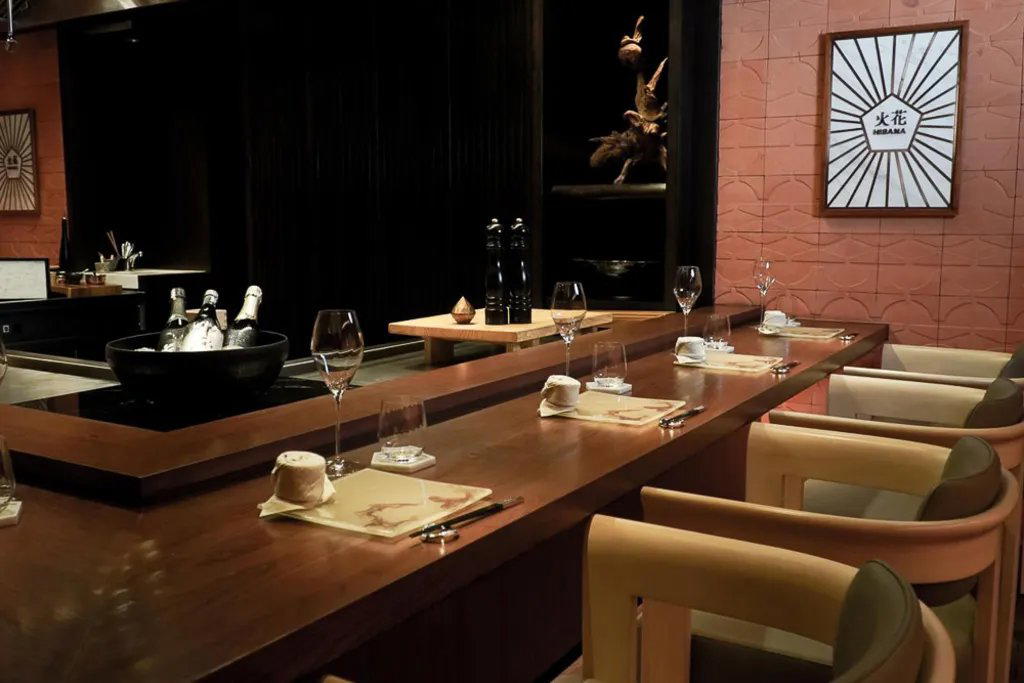
| Hibana by Koki | Michelin-Starred Japanese Teppanyaki | $200–300 | 1 Michelin Star · La Liste Top Restaurants | Teppanyaki, ₫₫₫₫ |
| Tầm Vị | Northern Vietnamese Home-Style | $10–20 | 1 Michelin Star | Vietnamese, ₫₫ |
| Gia | Modern Vietnamese Fine Dining | $100–150 | 1 Michelin Star · La Liste Top Restaurants | Vietnamese Contemporary, ₫₫₫₫ |
| 1946 Cua Bac | Northern Vietnamese | $10–20 | Michelin Bib Gourmand | Vietnamese, ₫ |
| Bun Cha Ta (Nguyen Huu Huan Street) | Authentic Vietnamese Bun Cha | $1–10 | Michelin Bib Gourmand | Noodles, ₫ |
Recognition history
Dated appearances from independent guides and award organizations, with the underlying list record or original source where available.
Michelin Plate
Michelin
Full recognition history (3 entries)
Michelin Plate
Michelin
Michelin Plate
Michelin
Details
- Well Known
- Rustic
- Casual Hangout
- Historic Building
- Standalone
- Beer Program
- A La Carte
- Beer
- Vegetarian Friendly
Current opening hours
- Monday
- 8 AM–8 PM
- Tuesday
- 8 AM–8 PM
- Wednesday
- 8 AM–8 PM
- Thursday
- 8 AM–8 PM
- Friday
- 8 AM–8 PM
- Saturday
- 8 AM–8 PM
- Sunday
- 8 AM–8 PM
Hours can change for holidays and private events. Last verified .
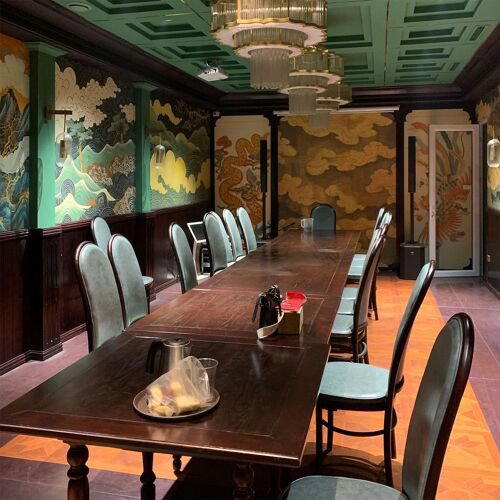
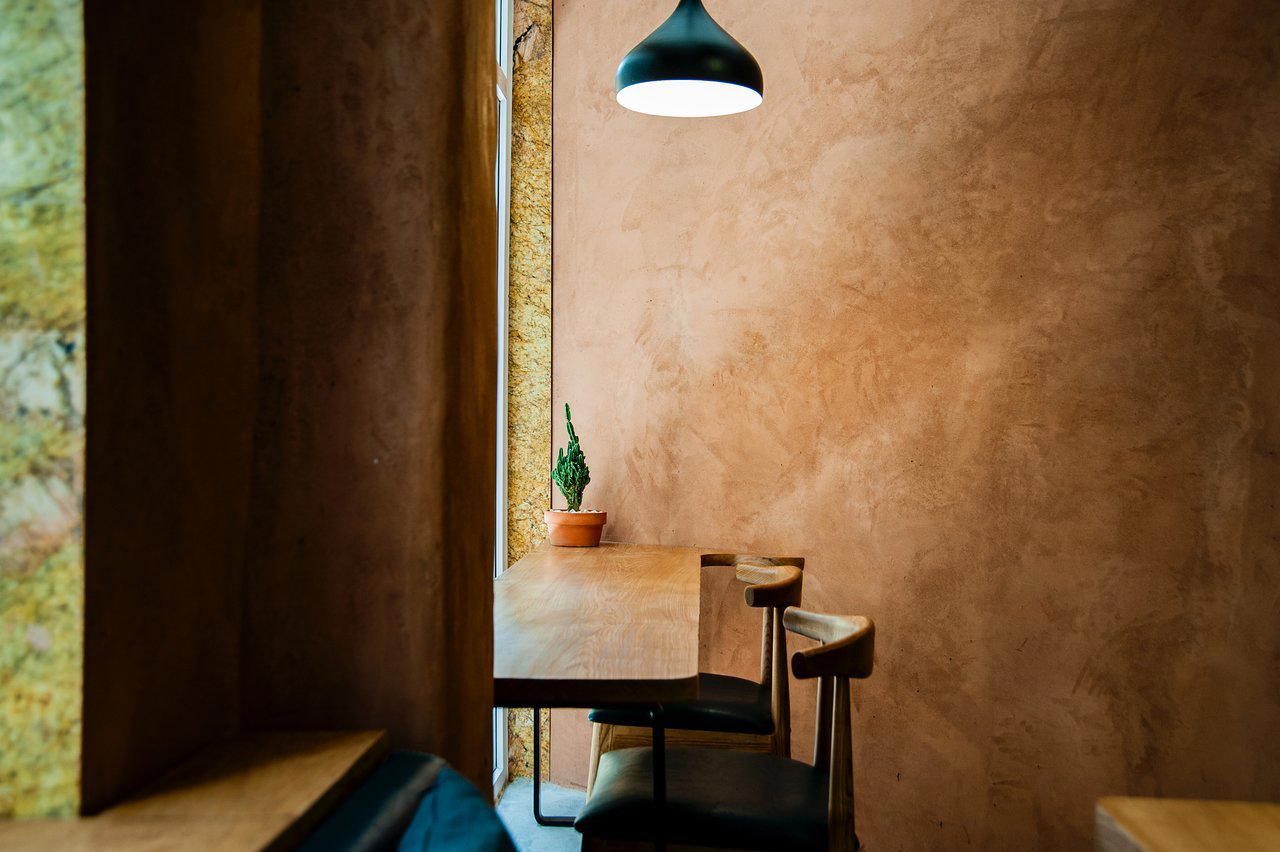
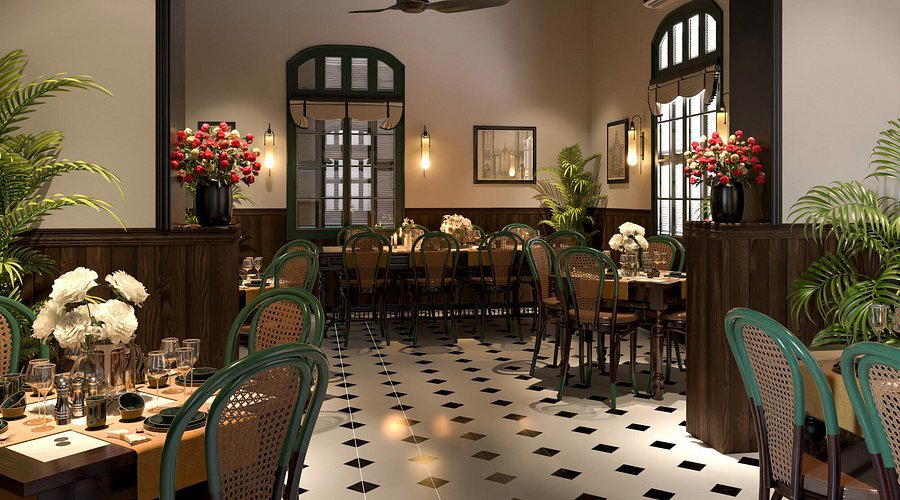
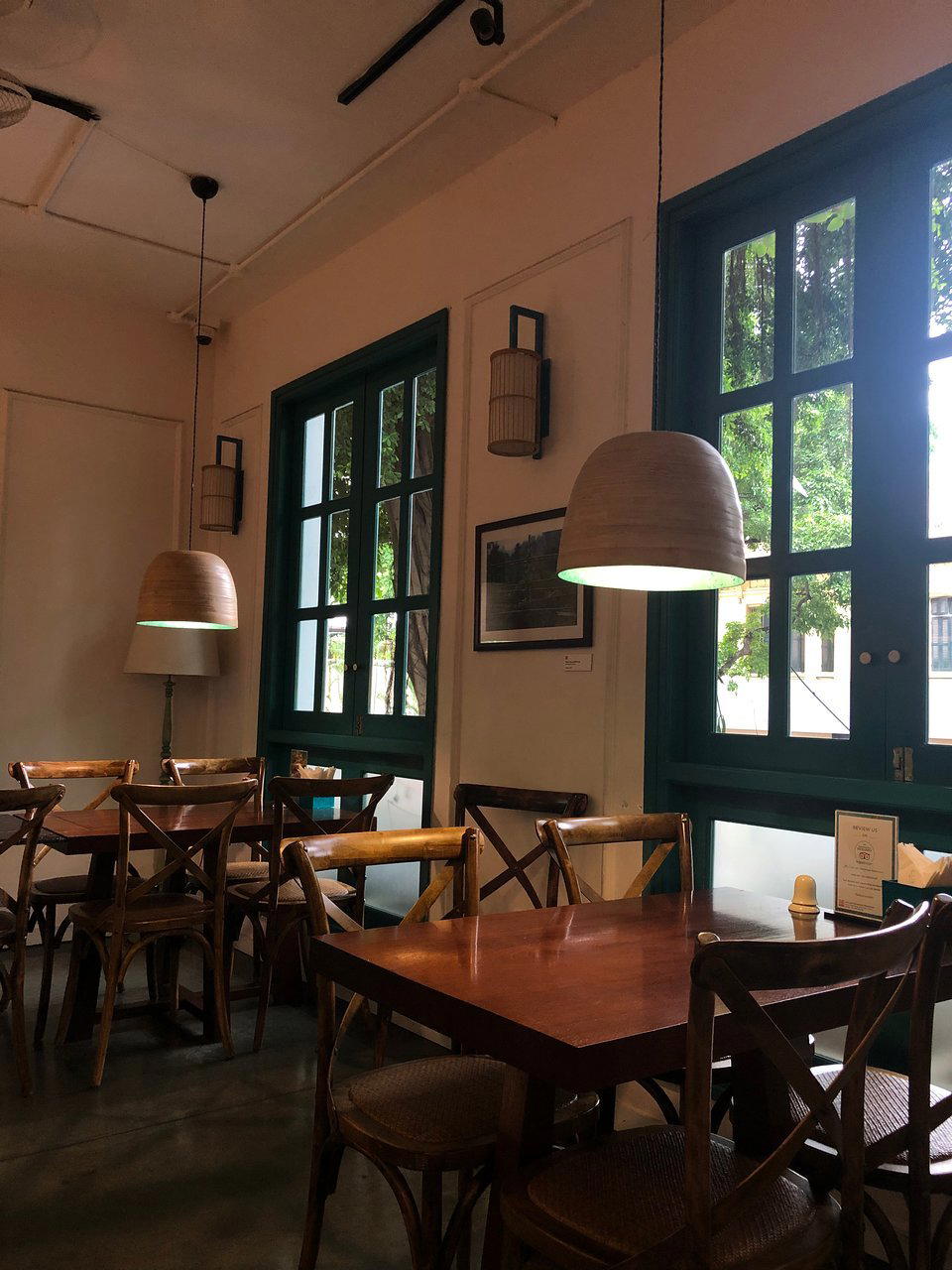
Utilitarian multi-story space with formica tables, plastic chairs, crowded and bustling atmosphere focused on quick turnover.