Yuki Yama Sushi
"Ski-In, Ski-Out Sushi Tired of regular ski lodge lunch? Take the Town Lift from Park City Mountain Resort down to Main Street and dine on sushi for a change. The historic storefront belies the chic contemporary interiors and an extensive sashimi, sushi and Asian tapas menu. Try the special maki sushi Jupiter Access, with tempura shrimp, cucumber and lemon zest rolled inside-out and topped with yellowtail and albacore."
Pearl is the En Primeur Club membership app — saves, bookings, and concierge access live there. Same editors, same standards.
- Address
- 586 Main St, Park City, UT 84060
- Phone
- +1 435 649 6293
- Website
- yukiyamasushi.com
- Directions
- Get directions
 Saves & bookings on Pearl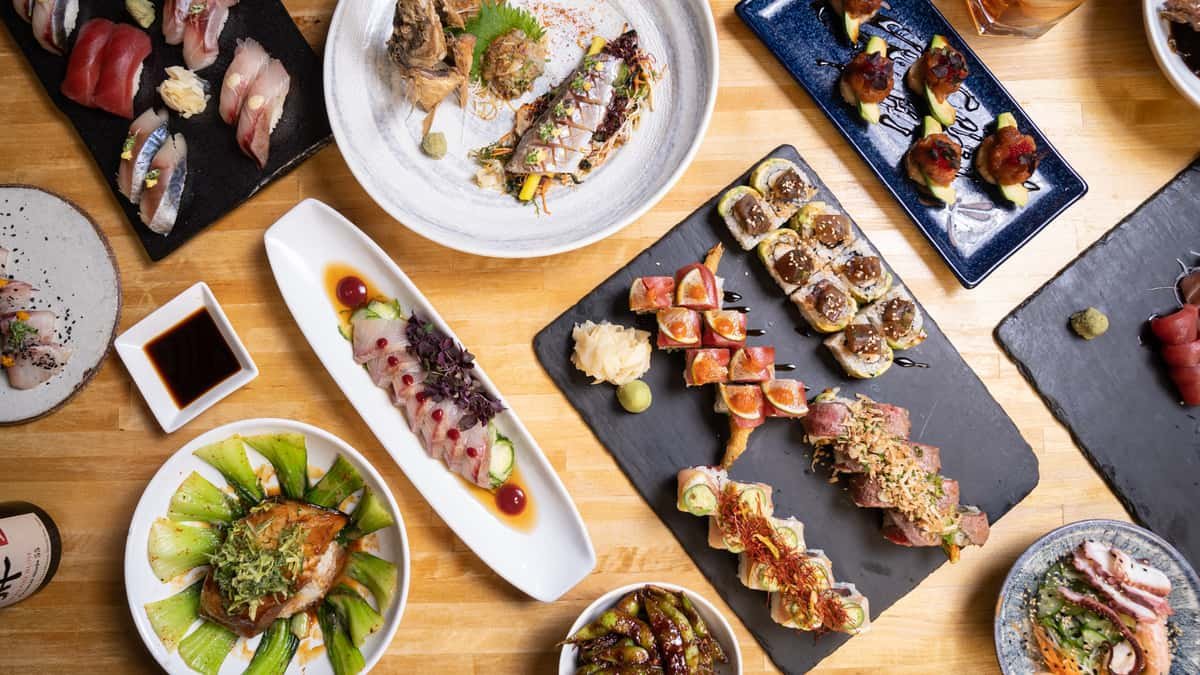
Sushi on the Mountain: Where Park City's Dining Scene Gets Precise
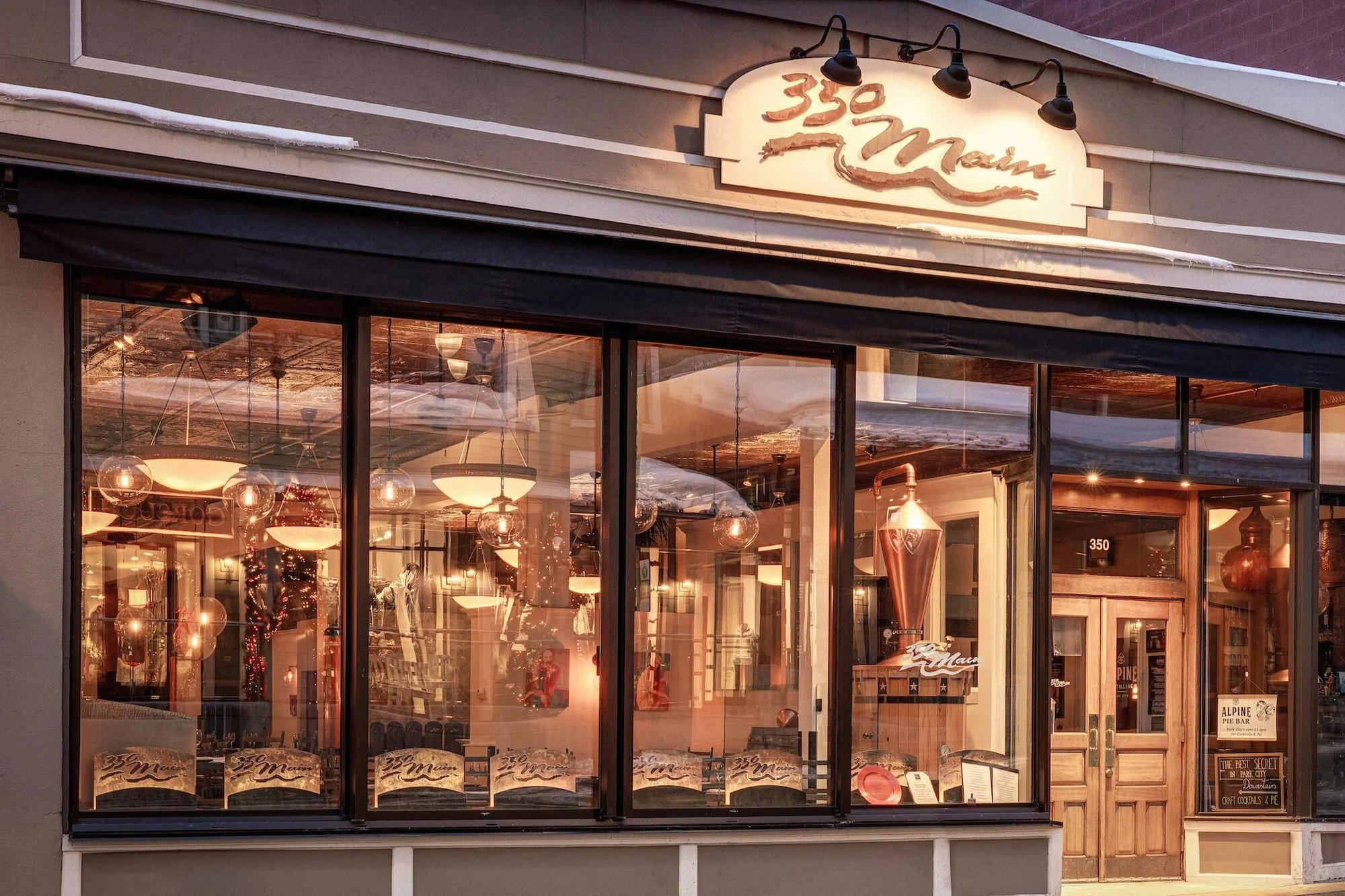
Main Street in Park City runs through one of the more unusual dining corridors in the American West: a resort town that draws serious money and international visitors for roughly six months of ski season, then pivots just as hard for summer hiking and festival traffic. The dining strip reflects that pressure, with steakhouses, gastropubs, and brasseries competing for après-ski covers. Yuki Yama Sushi, at 586 Main St, Park City, UT 84060, is a Modern Japanese Sushi restaurant offering a Japanese-focused alternative in a street otherwise dominated by American formats like Yuta (American Steakhouse), 350 Main Brasserie, and 501 On Main.
The category it occupies matters because Japanese counter dining and sushi-focused menus have not saturated Park City the way they have Denver, Salt Lake City, or coastal markets. That relative scarcity gives the address more weight than it might carry in a city with a deeper Japanese restaurant bench.
The Physical Container: What the Space Says Before You Sit Down
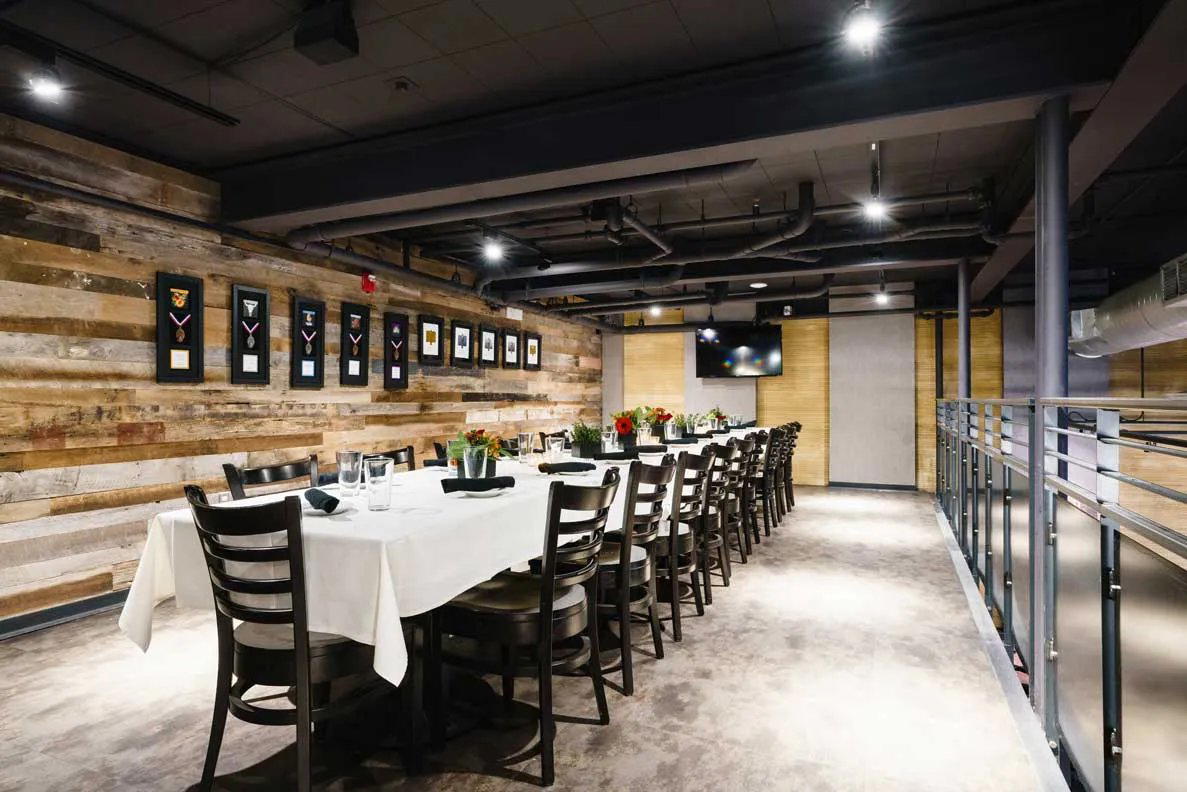
Mountain resort towns present a specific interior design problem: the architecture wants to read rustic (exposed timber, slate, low light), but a sushi counter demands clean sightlines, a sense of minimal order, and the kind of surface-level precision that reassures a diner about what is about to happen to a piece of raw fish. The tension between those two logics is one of the more interesting design challenges in resort-town hospitality.
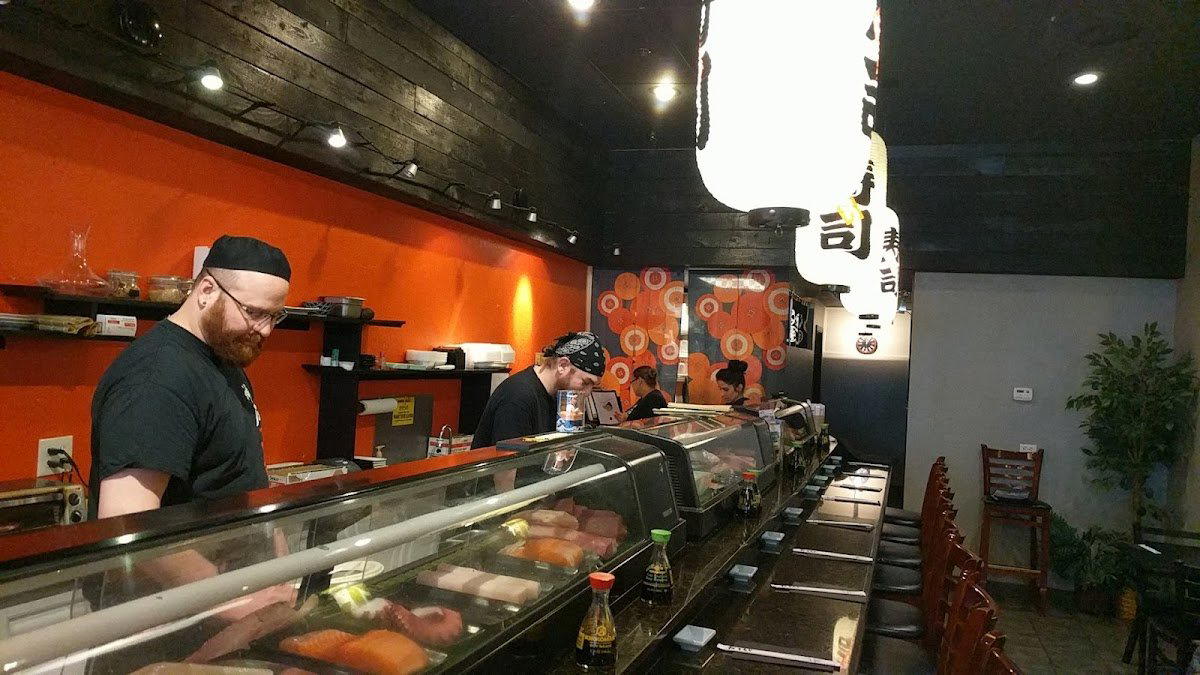
Sushi counters, when they work, function as theater with a specific grammar: the chef's workspace is the stage, the bar is the front row, and the gap between them is small enough that the preparation ritual becomes part of the meal. That counter format separates the experience from a standard Japanese restaurant with booth seating and a conventional kitchen door. It demands more from the room's proportions, its acoustics, and its lighting than most resort casual spaces bother to deliver.
Within Park City's Main Street corridor, which runs toward resort-scale volume and high turnover in season, a counter-oriented format signals a different operating philosophy. The room becomes an argument in itself: that precision and pace matter here, that this is not a place designed to turn tables as fast as possible during peak après-ski hours.
Sushi as a Category in a Non-Coastal Market
Inland sushi markets operate under constraints that coastal ones do not. Supply chain distance from major fish markets, altitude effects on ingredient transit, and a customer base that skews seasonal rather than local-year-round all shape what a non-coastal sushi operation can credibly execute. Park City at roughly 7,000 feet elevation sits far enough from both coasts that sourcing decisions carry real weight.
The American interior has seen a notable expansion of serious Japanese dining in the past decade, driven partly by high-net-worth resort and destination markets where visitors arrive with coastal dining expectations. Aspen, Jackson Hole, and Scottsdale have all developed more sophisticated Japanese options than their population size would suggest, precisely because the visitor demographic creates demand that the resident population alone would not sustain. Park City fits that pattern. The Sundance Film Festival in January and the ski season from November through April bring exactly the kind of diner who has eaten at reference-level sushi counters in New York or Los Angeles and arrives with calibrated expectations.
For a broader view of what premium fish-forward dining looks like at the summit of the American market, the gap between resort-town sushi and destination-restaurant sushi becomes clear when you look at something like Le Bernardin in New York City or the tasting-menu precision of Atomix in New York City. Those are different categories, but they establish the ceiling that well-traveled diners carry in their heads when they sit down anywhere.
Where Yuki Yama Sits in the Park City comparable set
Park City's dining options cluster into a few identifiable tiers. At the high end of the American format, you have operations like Apex and the steakhouse category. At the casual end, spots like Alberto's Mexican Restaurant serve a different function for locals and budget-conscious visitors. Yuki Yama Sushi occupies the mid-to-upper portion of the Japanese/Asian specialty niche, which is a less crowded competitive position on Main Street than the steakhouse or American comfort categories.
That positioning matters for how you approach a visit. Japanese counter dining in a resort town rarely benchmarks against Michelin-level omakase operations like The French Laundry in Napa or Smyth in Chicago. The more useful comparisons are lateral: other serious sushi operations in comparable resort or mid-size inland markets, and what they manage to execute given similar supply and demographic constraints.
For visitors moving between high-end American tasting formats and the broader restaurant scene, destinations like Single Thread Farm in Healdsburg, Providence in Los Angeles, Blue Hill at Stone Barns in Tarrytown, Addison in San Diego, The Inn at Little Washington, Lazy Bear in San Francisco, and Emeril's in New Orleans provide the reference frame. Yuki Yama operates at a different scale and category, but the visitor who has eaten at those restaurants is exactly the visitor that Park City's better specialty restaurants need to satisfy. Even destinations as far afield as Atelier Moessmer Norbert Niederkofler in Brunico illustrate how far the international dining traveler now ranges, and what kind of standards they carry with them.
Planning a Visit
Yuki Yama Sushi sits at 586 Main St, Park City, UT 84060, which places it on the central corridor of historic Main Street, walkable from most in-town accommodation and a short ride from the major resort base areas. Park City's peak dining pressure runs from late December through early March and again during Sundance in January, when reservation availability tightens across the whole street. Visiting outside peak ski season, particularly in the shoulder periods of October-November and April-May, gives more flexibility. Our full Park City restaurants guide provides additional context on the broader dining scene and how to plan across different neighborhoods and categories.
The Quick Read
Comparable venues nearby, for context on price, style, and recognition.
| Venue | Cuisine | Price | Notes |
|---|---|---|---|
| Yuki Yama SushiThis venue — the venue you are viewing | Old Town, Modern Japanese Sushi | $$$ | Not listed |
| The Brass Tag | Not listed | $$$ | Deer Valley, Rustic Italian Brick-Oven Pizza & Pasta |
| Silver Star Cafe | Not listed | $$$ | Park City Mountain Resort base, American Roots Cuisine |
| 350 Main Brasserie | Main Street, Modern American Brasserie | $$$ | Not listed |
| Tupelo Park City | Not listed | $$$ | Off Main, Southern-Influenced Farm-to-Table American |
| Butcher's Chop House & Bar | Not listed | $$$ | Old Town, Classic American Steakhouse & Chophouse |
Continue exploring
More in Park City
Restaurants in Park City
Browse all →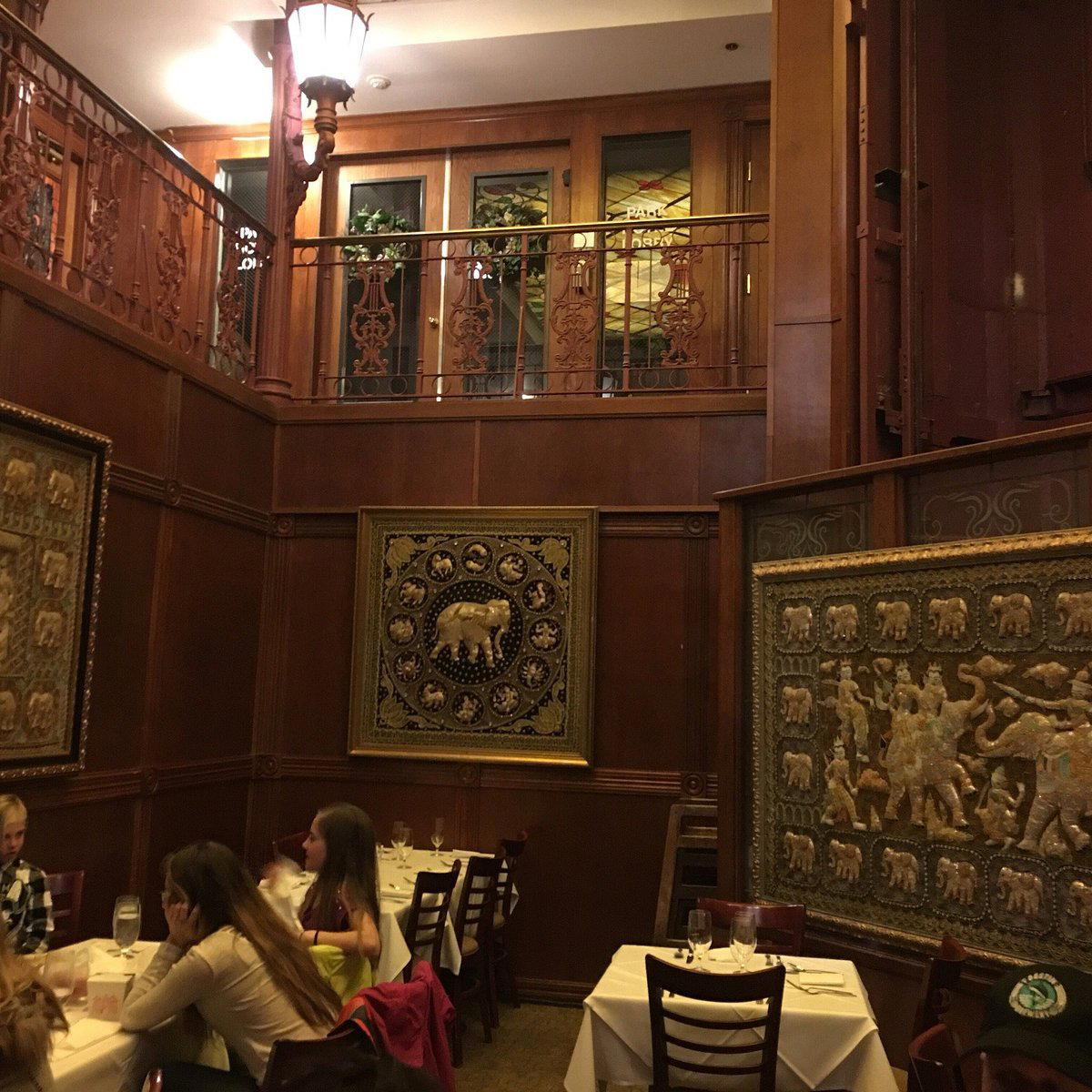
Bars in Park City
Browse all →
Hotels in Park City
Browse all →

Wineries in Park City
Browse all →
At a Glance
- Lively
- Cozy
- Trendy
- Date Night
- Casual Hangout
- Business Dinner
- Standalone
- Sake Program
- Sustainable Seafood
A lively, welcoming sushi spot with a good atmosphere that feels energetic rather than quiet.