Yonggeumok

Michelin Bib Gourmand
Our verdict
Yonggeumok in Seoul's Jongno District has earned back-to-back Michelin Bib Gourmand recognition in 2024 and 2025 for its chueotang, a loach soup that sits at the quieter end of Seoul's traditional food canon. Under Han Jeong-ja, the kitchen keeps the format spare and the bowl central.

Pearl is the En Primeur Club membership app, where members save venues, book tables and use the concierge.
The menu
What to order
- Chueotang
- Seoul-style chueotang
A Bowl That Does the Talking
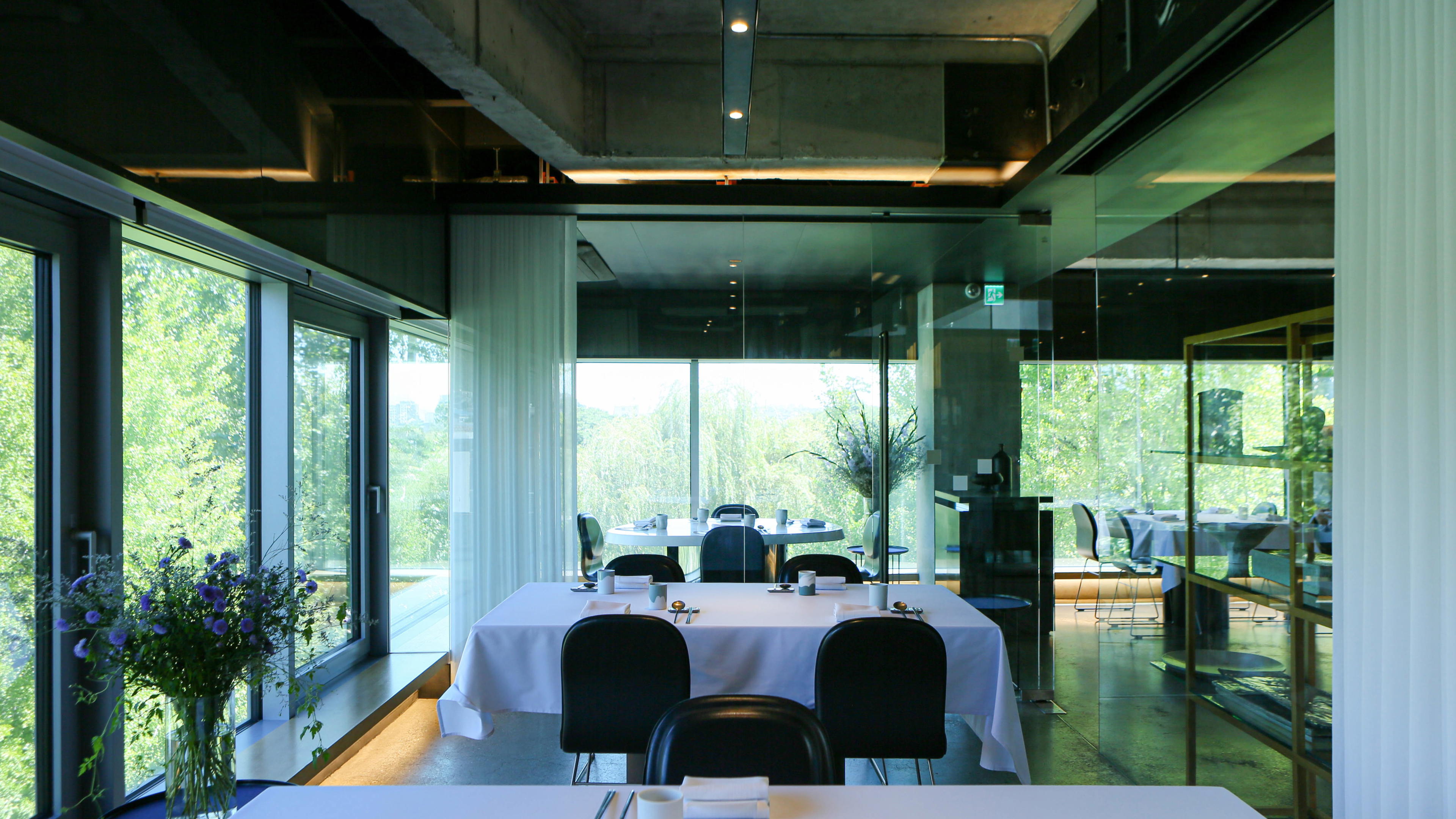
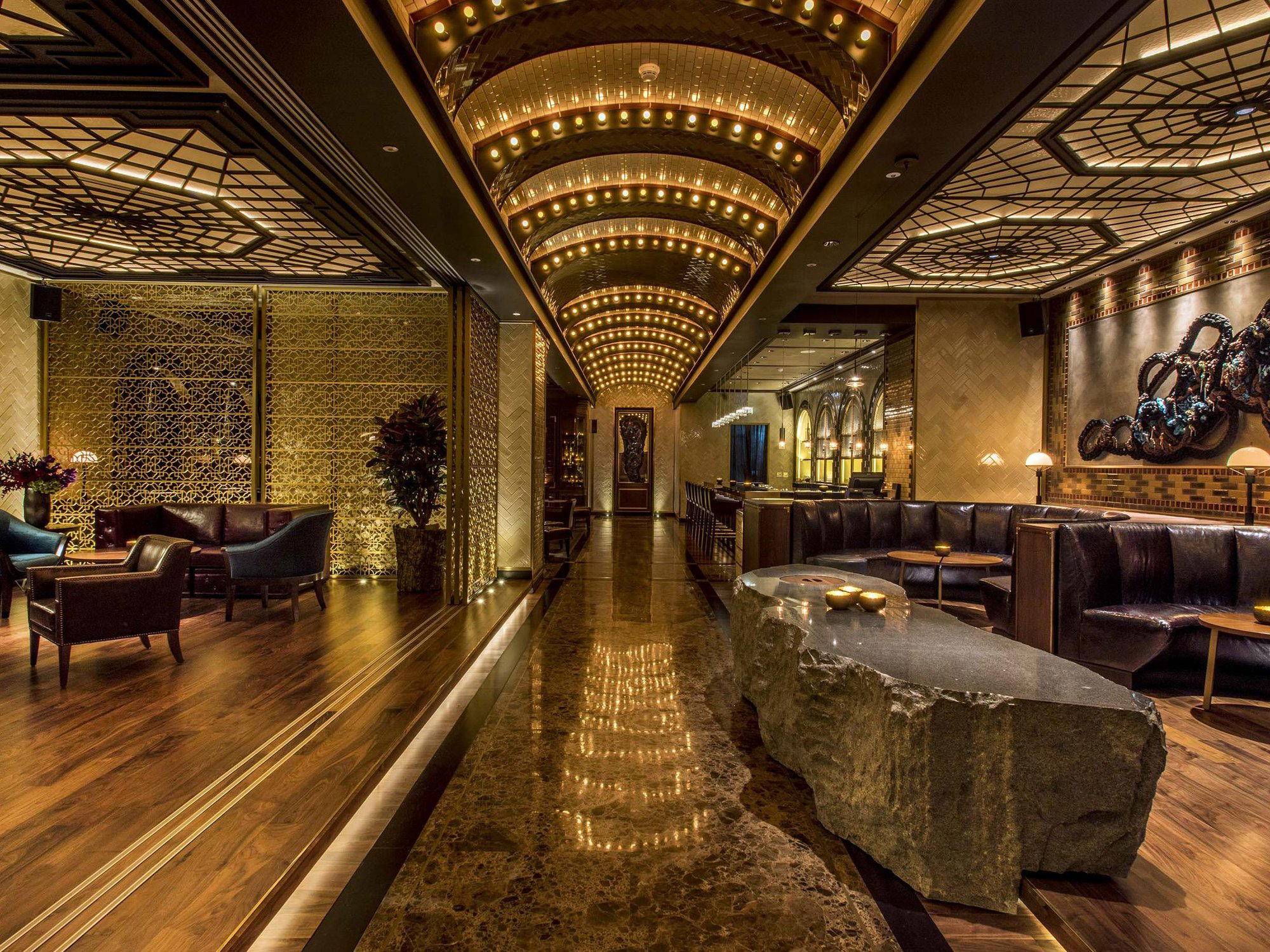
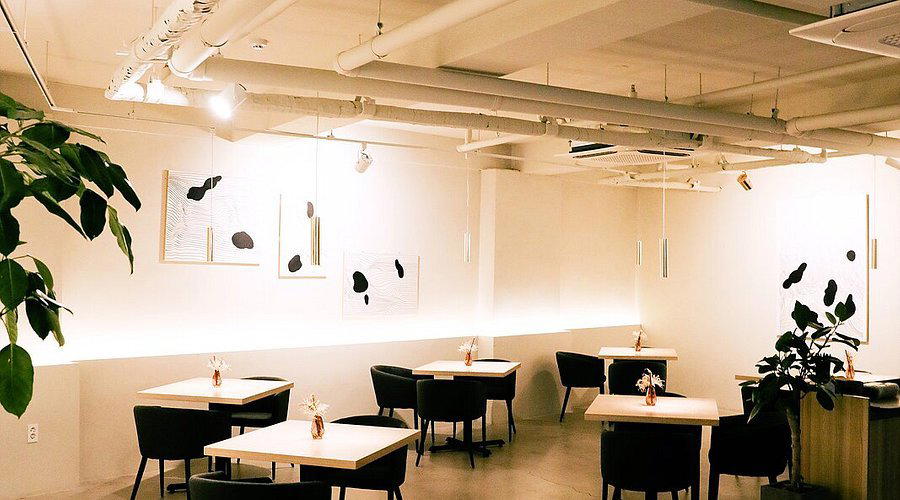
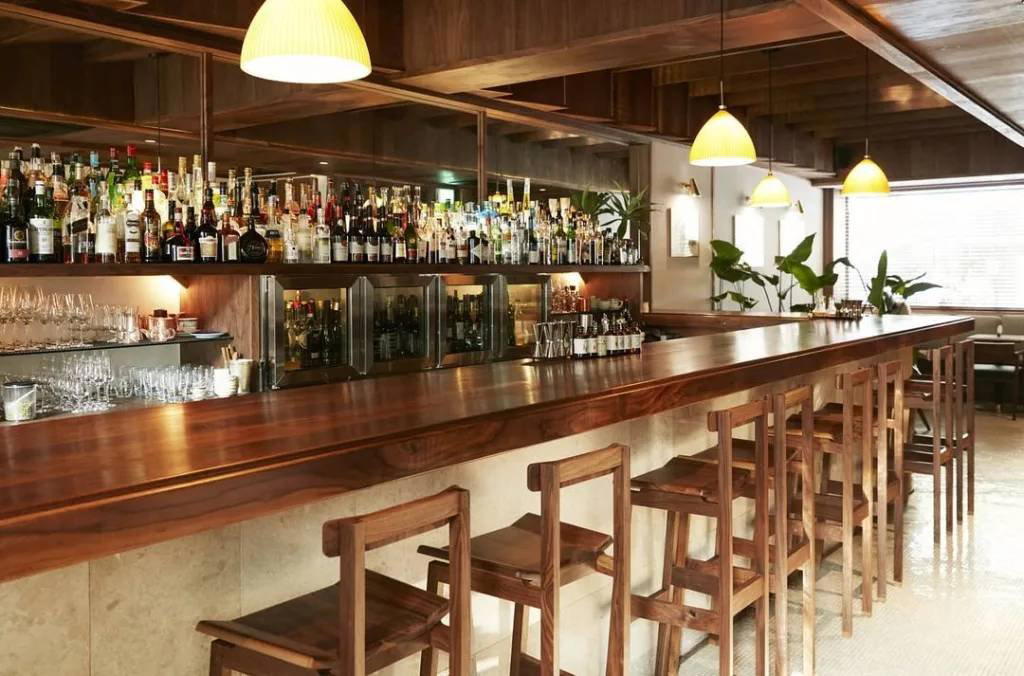
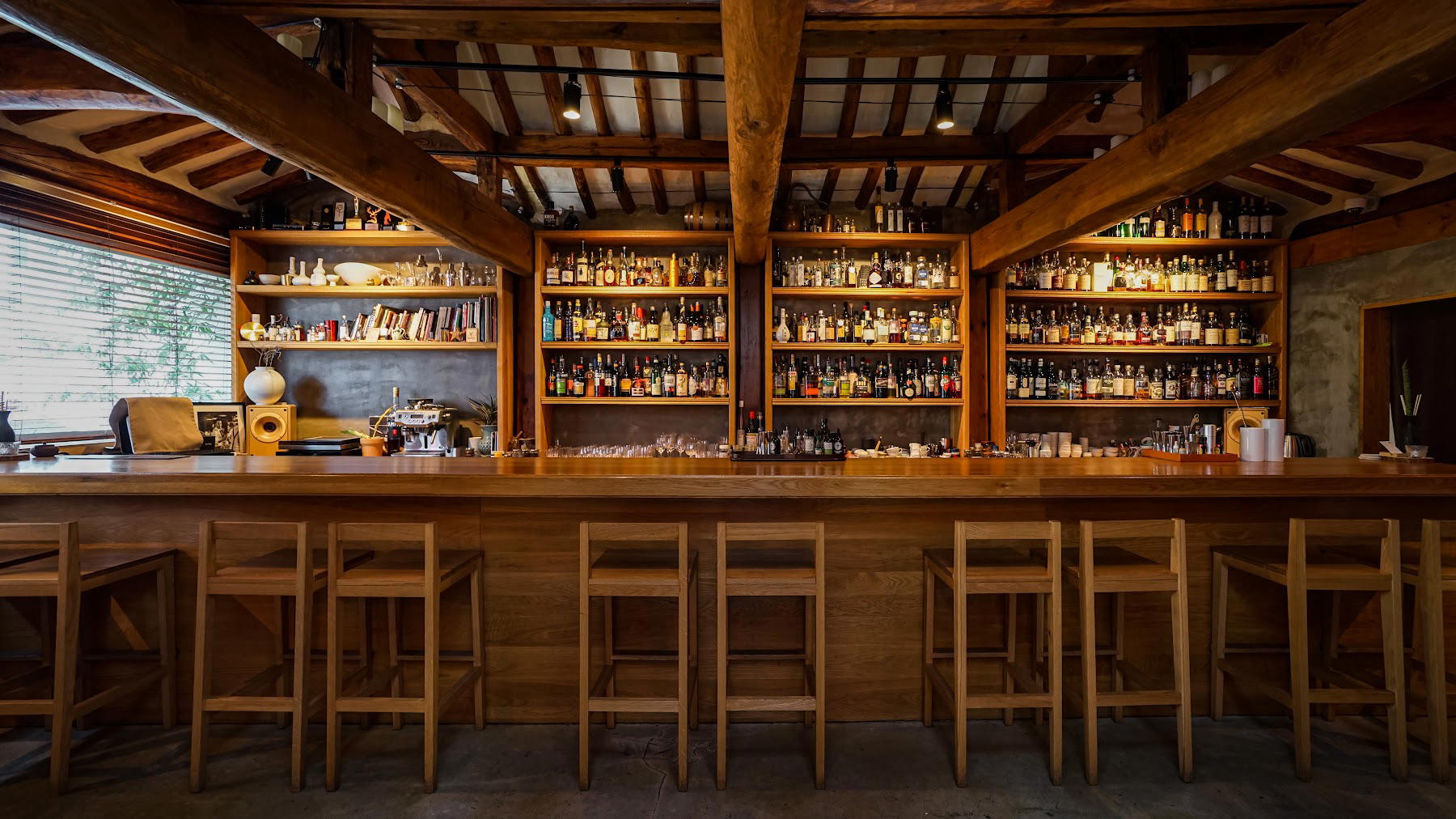
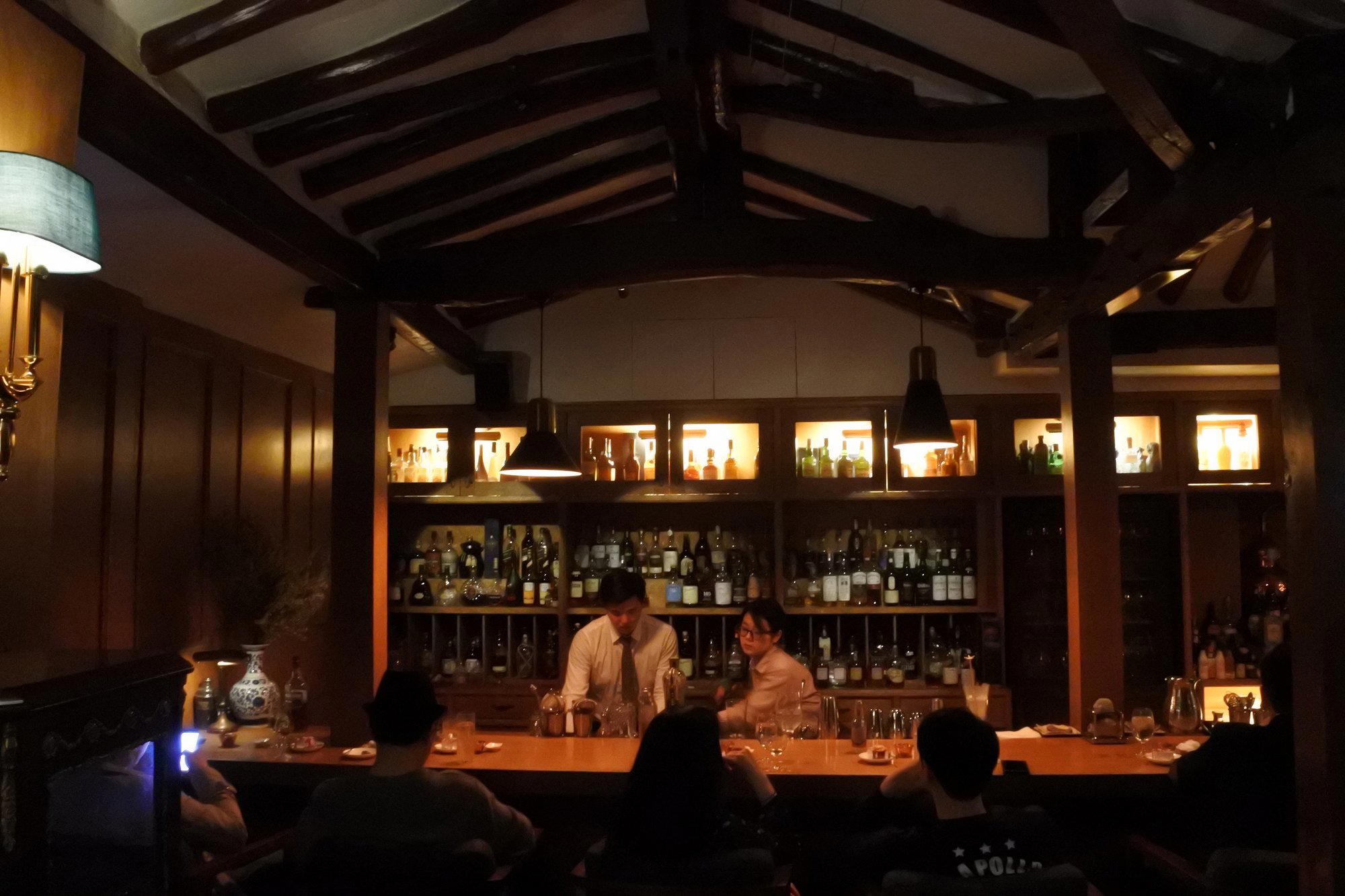
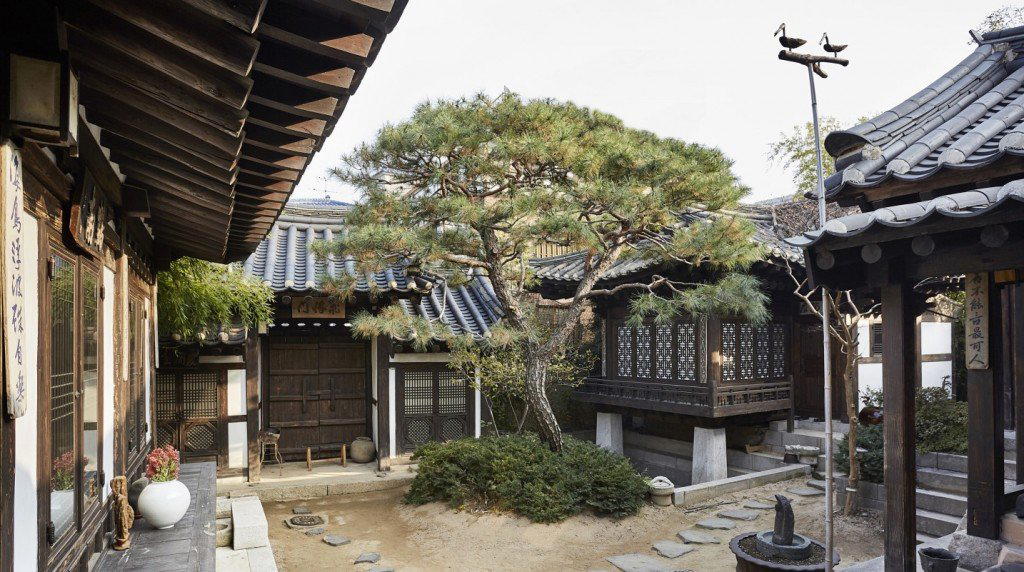
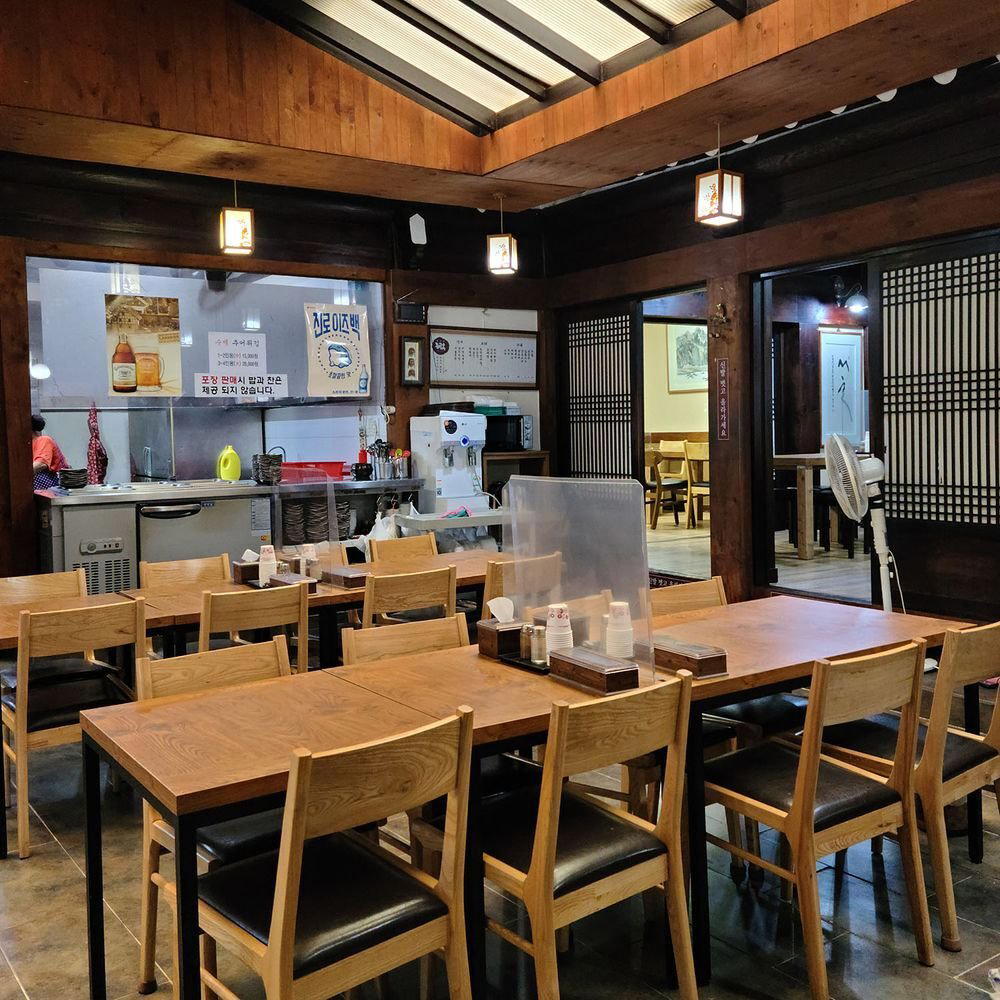
On Jahamun-ro in the Jongno District, the surrounding neighbourhood offers a particular kind of orientation. This is old Seoul, the hillside ward that climbs toward Bugaksan, where hanok lanes and independent restaurants coexist with the administrative weight of the area's civic past. Dining here does not unfold against a backdrop of glass towers or hotel lobbies. It arrives in rooms where the fit-out is secondary and the food is not. Yonggeumok belongs to that register. The draw is chueotang, and the room exists to serve it.
What Chueotang Actually Is
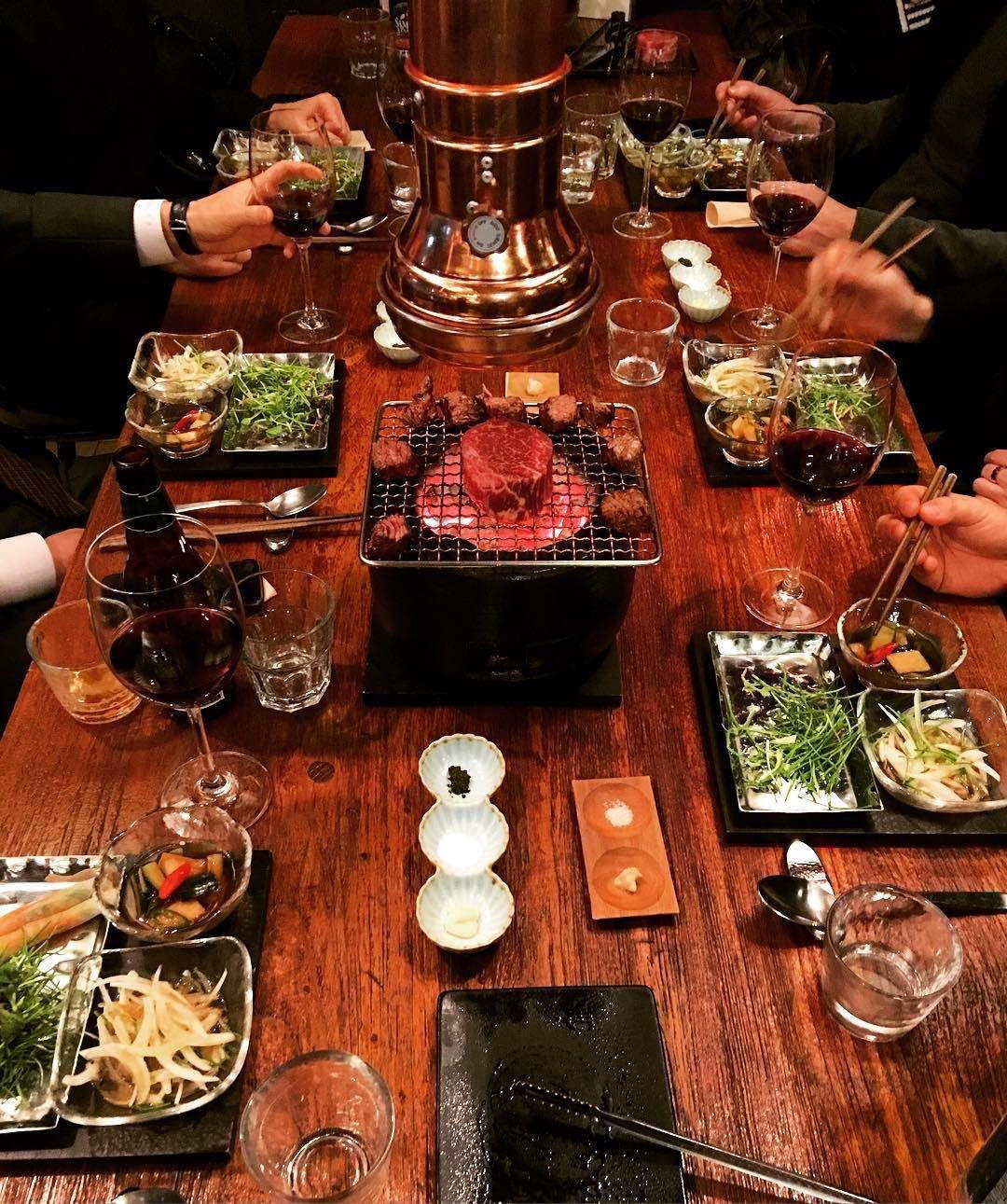
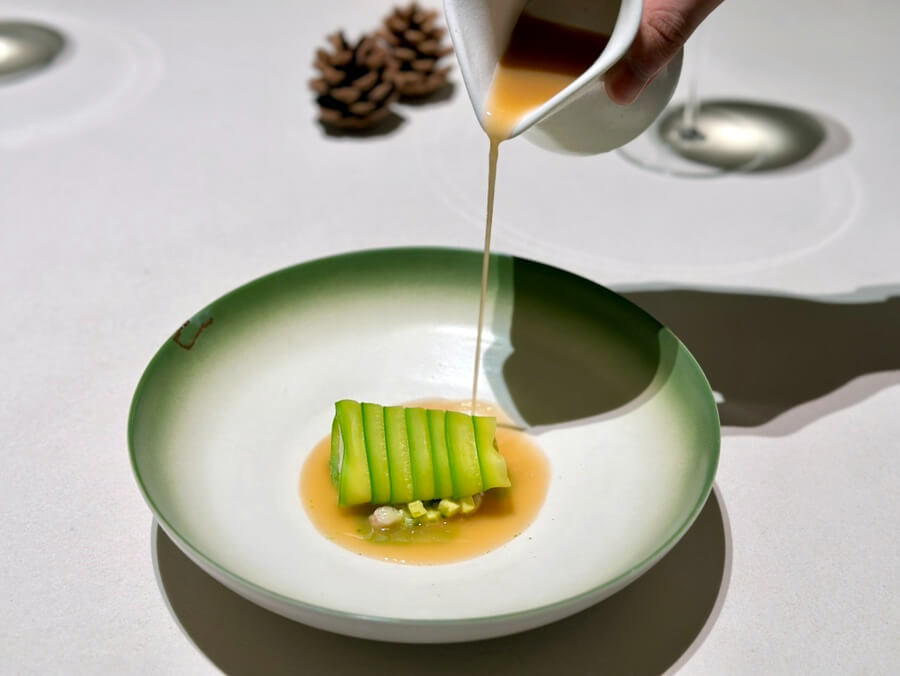
Chueotang is loach soup, one of the older entries in the Korean medicinal-food tradition, valued historically for its warming properties and dense protein content. Loach, a small freshwater fish, is simmered until the flesh breaks down entirely, producing a broth of considerable depth. Depending on the house style, doenjang (fermented soybean paste) and ground spices are incorporated at different ratios, and the result sits somewhere between a stew and a restorative tonic. It is not a dish that photographs in the way that modern tasting menus do, and it makes no attempt to. The appeal is nutritional logic made edible, the kind of cooking that Korean grandmothers cite as nourishing and that food anthropologists cite as ancestral.
In Seoul's dining conversation, chueotang specialists occupy a different competitive tier than the city's celebrated fine-dining operations. Venues like Jungsik, Mingles, or Soigné operate at the multi-course, high-spend end of the Seoul restaurant scene. Yonggeumok operates at the other end of that axis: single-dish focus, low price point, and a format built around repetition rather than novelty. The Michelin Bib Gourmand, awarded in both 2024 and 2025, is precisely the recognition designed for this category, identifying value at a standard that the Guide's inspectors consider worth the trip.
Menu Architecture: Why a Single-Dish Kitchen Tells You More
The editorial angle on any specialist restaurant is almost always the menu structure, because structure encodes priorities. A tasting menu with sixteen courses signals something about ambition, pacing, and the kitchen's relationship to theatre. A menu built around a single dish signals something else entirely: confidence in the product, rejection of distraction, and a direct relationship between the kitchen's craft and the customer's experience.
Chueotang specialists like Yonggeumok run the narrowest possible menu architecture. The question is not what to order, it is how deeply you understand what you are eating. Accompaniments, side dishes, and condiment ratios become the variables the diner adjusts. The kitchen's skill is expressed not through diversity but through consistency and calibration. This is a structural philosophy that aligns Yonggeumok more closely with dedicated naengmyeon houses or sul jip (traditional tavern) formats than with the contemporary Korean restaurants that dominate Seoul's international press.
Compare that framework to what Kwonsooksoo or alla prima are doing, both operating through multi-course architecture where each element is placed in deliberate sequence. Neither approach is superior; they answer different questions. The single-dish format asks: how good is this one thing? The answer, given two consecutive Bib Gourmand years, is: good enough for Michelin's inspectors to return.
Han Jeong-ja and the Specialist Kitchen
Chef Han Jeong-ja's name is attached to this kitchen, and in the context of a single-dish specialist, that attachment carries a specific meaning. Running a chueotang house with Michelin recognition is not about menu innovation or cross-cultural reference. It is about sourcing, broth management, and the calibration of a recipe that has been made the same way, or nearly the same way, for decades. The craft is iterative rather than creative. That distinction matters when thinking about what kind of dining this is and who it is for.
Across the broader Korean dining scene, there is a pattern worth noting. Internationally recognised venues such as Gaon or Kwon Sook Soo operate in the fine-dining register, interpreting traditional Korean cuisine for a global audience at price points that reflect their ambitions. Yonggeumok sits at the opposite pole, traditional in the unselfconscious sense, where the dish predates the concept of a dining experience and continues to be cooked without apology for its lack of visual spectacle.
Positioning and Price
A Bib Gourmand in Seoul functions as a clear signal: the inspectors found something worth noting at a price that does not require planning around. The crowd is likely composed of Jongno-area regulars, office workers from nearby government buildings, and visitors who have done enough research to find a traditional specialist rather than a more visible name.
For those building a fuller Seoul itinerary, the city's drinking and accommodation layers are as considered as its food. See our full Seoul experiences guide. For Korean dining beyond Seoul, Mori in Busan and Baegyangsa Temple in Jangseong-gun represent two very different expressions of regional food culture. And for reference points in a global context, venues where a single discipline defines the entire operation, Le Bernardin in New York City offers a useful parallel in how focus, rather than breadth, can produce enduring recognition. Atomix in New York City and Emeril's in New Orleans represent further contrasts in how a kitchen's identity gets structured around a central proposition. The Flying Hog in Seogwipo offers another point of comparison for informal, focused Korean dining outside the capital.
Planning Your Visit
Location: 41-2 Jahamun-ro, Jongno District, Seoul. The address sits in the upper Jongno area, accessible from Gyeongbokgung Station on Line 3. Budget: Single-₩ tier, one of Seoul's more accessible price points for a Michelin-recognised kitchen.
Frequently asked questions
Is Yonggeumok chef-led?
The chef associated with Yonggeumok is Han Jeong-ja.
Has Yonggeumok won any awards?
Yonggeumok has received recognition including: Michelin Bib Gourmand (2025); Michelin Bib Gourmand (2024).
Is Yonggeumok focused on a specific cuisine style?
Yonggeumok is a chueotang restaurant.
What does dinner at Yonggeumok typically cost?
Pricing at Yonggeumok is listed as ₩.
How do I find Yonggeumok?
Yonggeumok is located at 41-2 Jahamun-ro, Jongno District, Seoul, South Korea.
Cuisine and Awards Snapshot
A quick peer check to anchor this venue’s price and recognition.
| Venue | Cuisine | Price | Awards | Notes |
|---|---|---|---|---|
| YonggeumokThis venue (the venue you are viewing) | Traditional Korean Chueotang | Not listed | Michelin Bib Gourmand | Not listed |
| 7th Door | Modern Korean Fermentation Fine Dining | $100–150 | 1 Michelin Star · World's 50 Best #49 | Korean, Contemporary |
| Solbam | Contemporary Neo-Classical Korean | $200–300 | 1 Michelin Star · World's 50 Best #55 | Contemporary |
| Onjium | Modern Korean Royal Court Cuisine | Not listed | 1 Michelin Star · World's 50 Best #14 | Korean |
| L'Amitié | Classic French Fine Dining | $100–150 | 1 Michelin Star · La Liste Top Restaurants | French |
| Zero Complex | Modern French Neo-Bistro | $100–150 | 1 Michelin Star · La Liste Top Restaurants | Korean-French, Innovative |
Recognition history
Dated appearances from independent guides and award organizations, with the underlying list record or original source where available.
Michelin Bib Gourmand
Michelin
Full recognition history (3 entries)
Michelin Bib Gourmand
Michelin
Michelin Bib Gourmand
Michelin