
Michelin Plate
Our verdict
Yong Jiang Zhen belongs to Shanghai’s private-room dining culture, where the room matters as much as the table. In Sinan Mansions, the draw is not spectacle but controlled hospitality: a Chinese restaurant format built for hosted meals, ingredient-led ordering, and the quieter end of Huangpu dining.

Pearl is the En Primeur Club membership app, where members save venues, book tables and use the concierge.
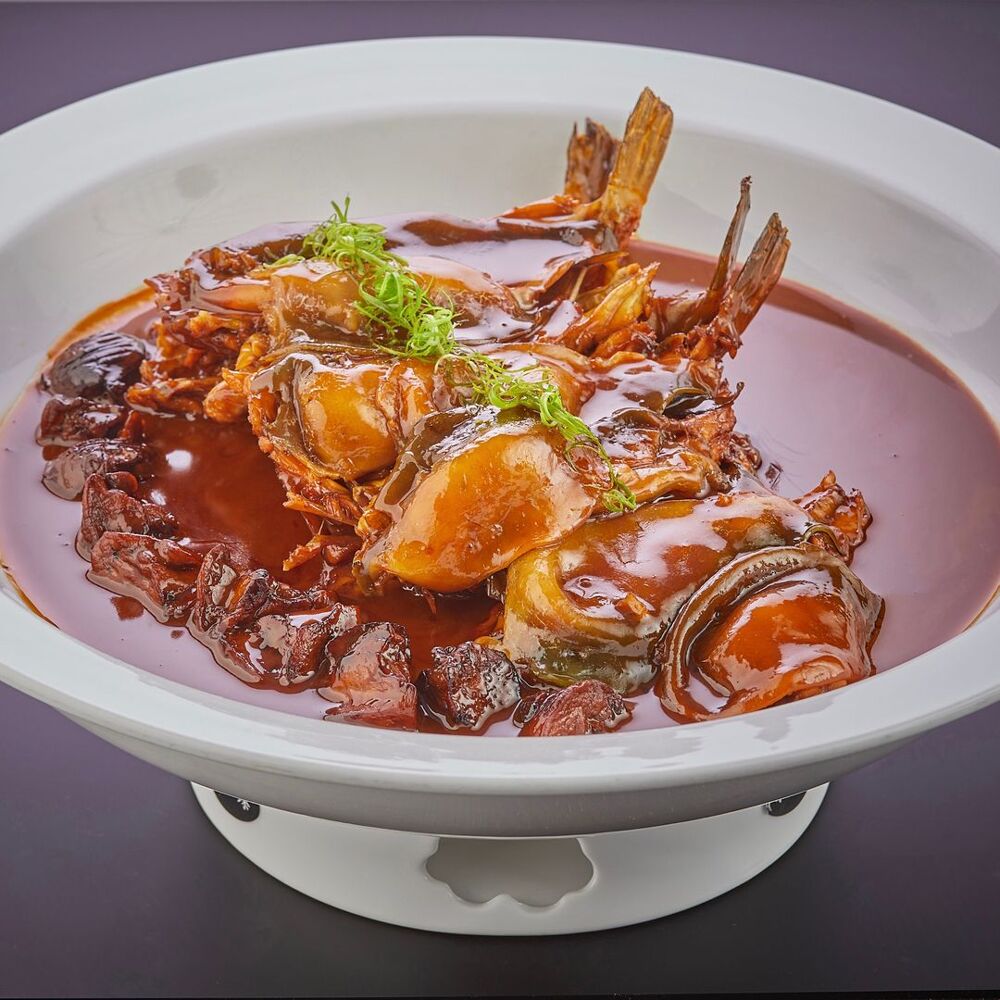
The menu
What to order
- Tapertail anchovy in red sauce
- Braised puffer fish in white broth
- Steamed fourfinger threadfin served chilled
Shanghai changes the tempo before the meal begins. The city’s dining scene moves between highly visible rooms, discreet hosted meals, and specialist addresses where the point is not spectacle but confidence in the booking. Yong Jiang Zhen fits into that broader Shanghai context. The public signal attached to it is concise but meaningful: it is listed by the Michelin Guide with a MICHELIN Plate distinction, which gives diners a verified point of reference without requiring the restaurant to be read through rankings or theatre.
That kind of recognition also changes how expectations should be set. In many Shanghai dining rooms, quality is not only expressed through service speeches or elaborate menu language. It can be read through pacing, ingredient choice, the way a table is organised, and whether the meal feels composed for the occasion. Shanghai’s location gives restaurants a broad pantry and a demanding audience. The city sits between local habits, regional supply chains, and a long culture of hosted meals, so diners often judge a meal through texture, timing, balance, and restraint as much as through rarity.
Shanghai dining is built around control, not spectacle
The useful way to approach Yong Jiang Zhen is through control rather than display. In Shanghai, a serious meal often serves multiple purposes at once: a social occasion, a business meal, a family gathering, or a chance to show that the host has chosen the room carefully. The setting, the sequence, and the pace all matter. A table can move through a full meal without needing the energy of a public dining-room performance to justify the booking.
Yong Jiang Zhen’s position in Shanghai reinforces that reading. This is not a page built on a celebrity-chef story, a founding myth, or a single signature dish. It is better understood as part of the city’s preference for high-context dining, where the person arranging the meal is expected to understand the room, the occasion, and the ingredients. In this tier, reputation is rarely built by one detail alone. It is built by whether the restaurant can handle sequence, portioning, service rhythm, and privacy of experience without turning the meal into ceremony for its own sake.
For readers comparing Shanghai categories, this is a different decision from booking a visible hotel dining room or a casual specialist shop. The city can stretch from polished dining rooms to narrow specialists and regional rooms, including Yong Xing, A Niang Mian Guan, Easeful Cuisine (Jingan), Oriental Sense & Palate, and Torikaze. The useful distinction is not price alone. It is whether the meal is meant to be public-facing, chef-led, quick, regional, formal, or arranged around a hosted table.
Ingredient-led ordering rewards planning more than improvisation
The strongest hosted meals in Shanghai are often planned before anyone sits down. That is especially true when the meal depends on seasonal produce, fresh seafood, slow-cooked preparations, or dishes that need portioning for a specific group size. Ingredient-led dining does not always announce itself through long written narratives. It often depends on the host or organiser asking the right questions in advance: what is in season, what needs pre-ordering, what suits the number of guests, and whether the kitchen is better approached through familiar classics or a broader shared-table structure.
Yong Jiang Zhen should be read through that lens. With no verified public chef figure or tasting-menu structure defining the restaurant here, the relevant editorial question is how it functions inside Shanghai’s dining ecosystem. The answer is format and occasion rather than biography. It is a useful candidate for diners who want a composed meal in Shanghai and who are willing to plan the booking with some care, rather than treating the visit as a casual walk-in.
The ingredient angle also shapes expectations for vegetarians. Shanghai dining can be strong on greens, tofu, mushrooms, bean products, pickles, and seasonal vegetables, but shared-table ordering often centres the meal around seafood, poultry, meat, or soup. A vegetarian meal can work only if the requirements are stated before the menu is set, because stock bases, sauces, dried seafood, and shared-plate sequencing can complicate what looks simple on paper. In this format, clarity in advance matters more than scanning a menu at the table.
For broader context, the city’s dining map is worth reading across categories rather than as a single hierarchy. Start with Our full Shanghai restaurants guide, then cross-check the hotel, bar, winery, and experience ecosystems through Our full Shanghai hotels guide, Our full Shanghai bars guide, Our full Shanghai wineries guide, and Our full Shanghai experiences guide. Comparisons across other Chinese cities can also sharpen the point without turning Shanghai into a single category: room format, regional tradition, and ingredient base all change how a meal should be ordered. Even outside restaurant categories, the same editorial lesson holds: format tells the reader how to order before the menu does.
Frequently asked questions
What's Yong Jiang Zhen's location?
Shanghai.
What distinctions does Yong Jiang Zhen have?
Yong Jiang Zhen is listed by the Michelin Guide with a MICHELIN Plate distinction.
How far ahead should I plan for Yong Jiang Zhen?
Plan ahead if the meal needs to be arranged for a group or a specific occasion. In Shanghai, higher-demand dining rooms are often easier to manage when the host confirms timing, table needs, and menu direction in advance.
What has Yong Jiang Zhen built its reputation on?
Its clearest public marker is Michelin Guide recognition with a MICHELIN Plate distinction. For diners, the practical appeal is a composed Shanghai meal where planning, pacing, and the occasion matter.
Is Yong Jiang Zhen good for vegetarians?
It may suit vegetarian diners if the menu direction is confirmed in advance. For diners prioritizing plant-based food, the safest approach is to explain dietary requirements before going.
Side-by-Side Snapshot
Comparable venues to calibrate price, style, and recognition.
| Venue | Cuisine | Price | Awards | Notes |
|---|---|---|---|---|
| Yong Jiang Zhen | Jiangyin and Jiangzhe Seafood | Not listed | Michelin Plate · Black Pearl 1 Diamond | Not listed |
| Oriental Sense & Palate | Modern Chinese Fine Dining | Not listed | 1 Michelin Star · Black Pearl 1 Diamond | Not listed |
| Torikaze | Tokyo-Style Yakitori | $100–150 | Michelin Plate · Star Wine List | Not listed |
| Yong Xing | Chinese and Shanghainese | Not listed | Michelin Plate | Shanghainese |
| A Niang Mian Guan | Shanghai-Style Noodles | $10–20 | Michelin Bib Gourmand | Noodles |
| Easeful Cuisine (Jingan) | Jiangzhe Cuisine | Not listed | Michelin Bib Gourmand | Jiangzhe |
Recognition history
Dated appearances from independent guides and award organizations, with the underlying list record or original source where available.
Michelin Plate
Michelin
Continue exploring
More in Shanghai
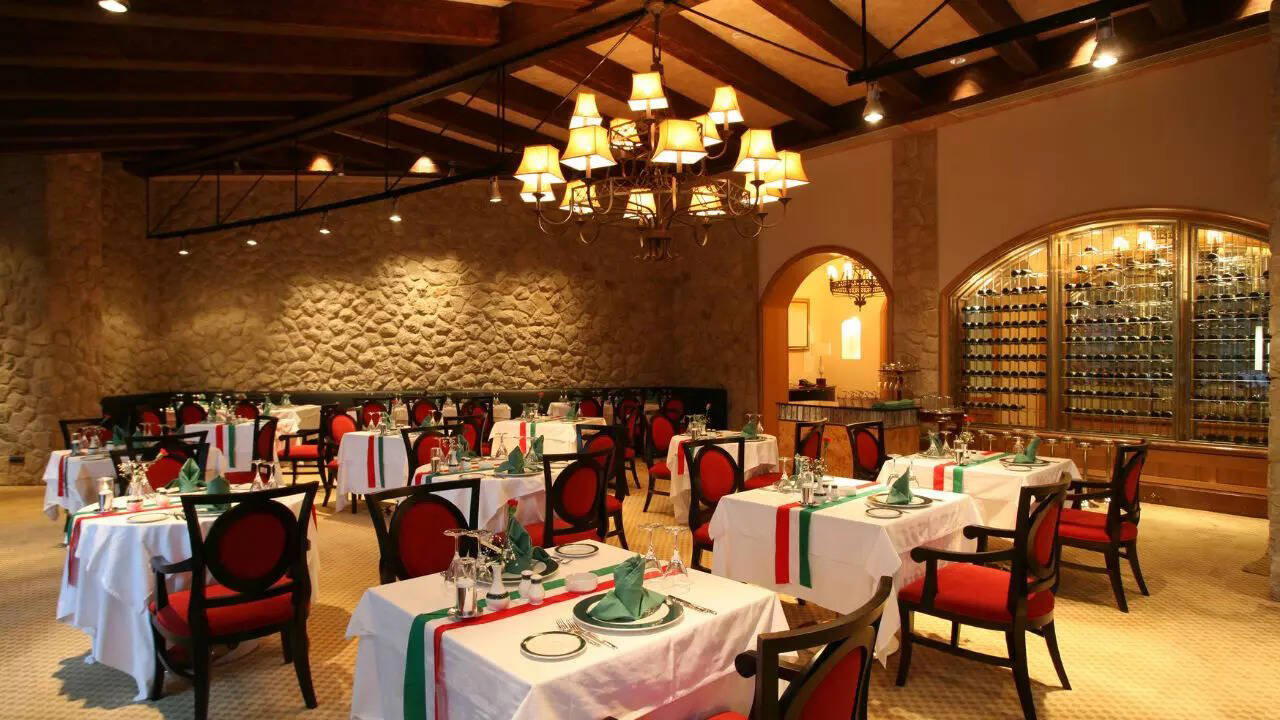
Restaurants in Shanghai
All restaurants in Shanghai →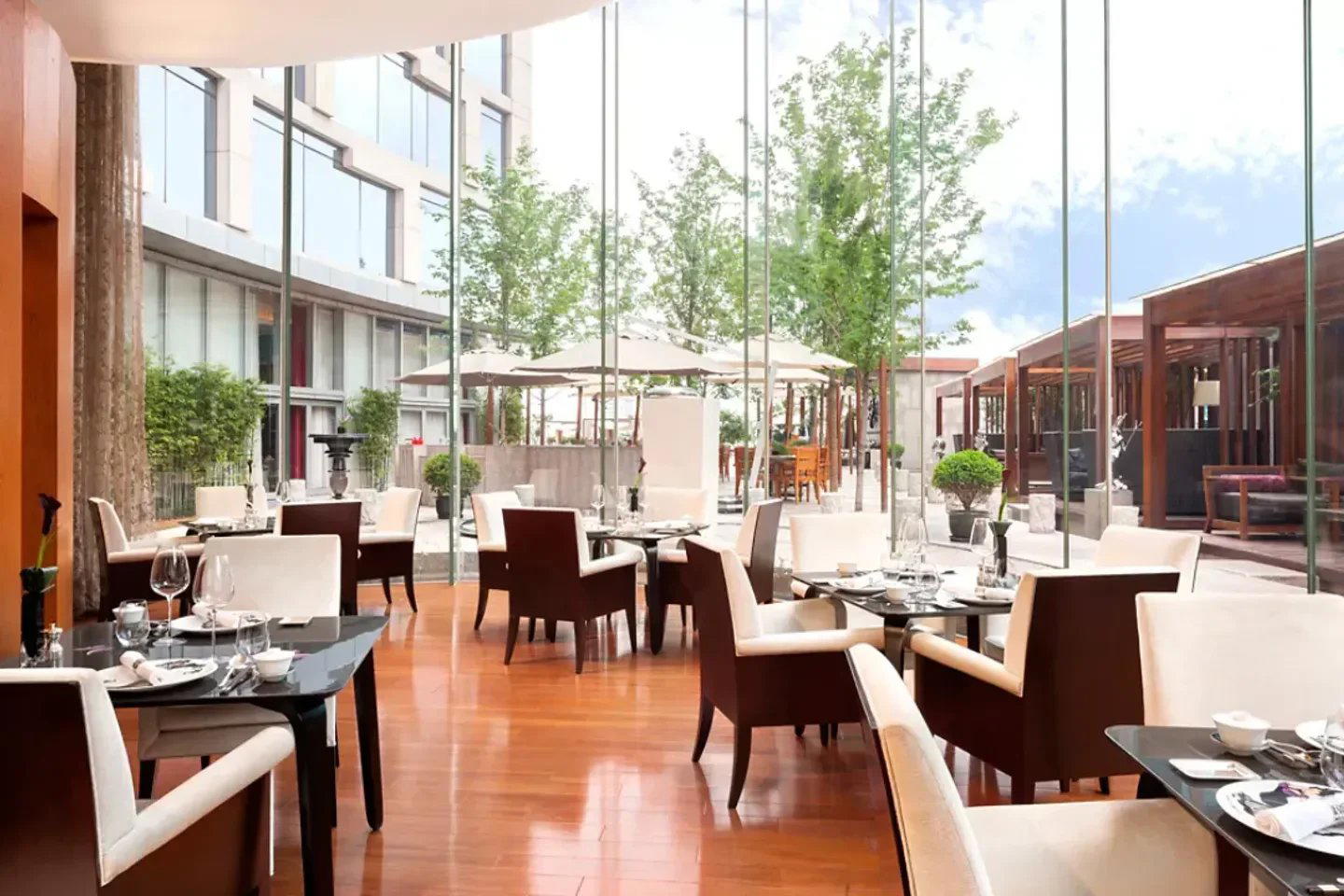
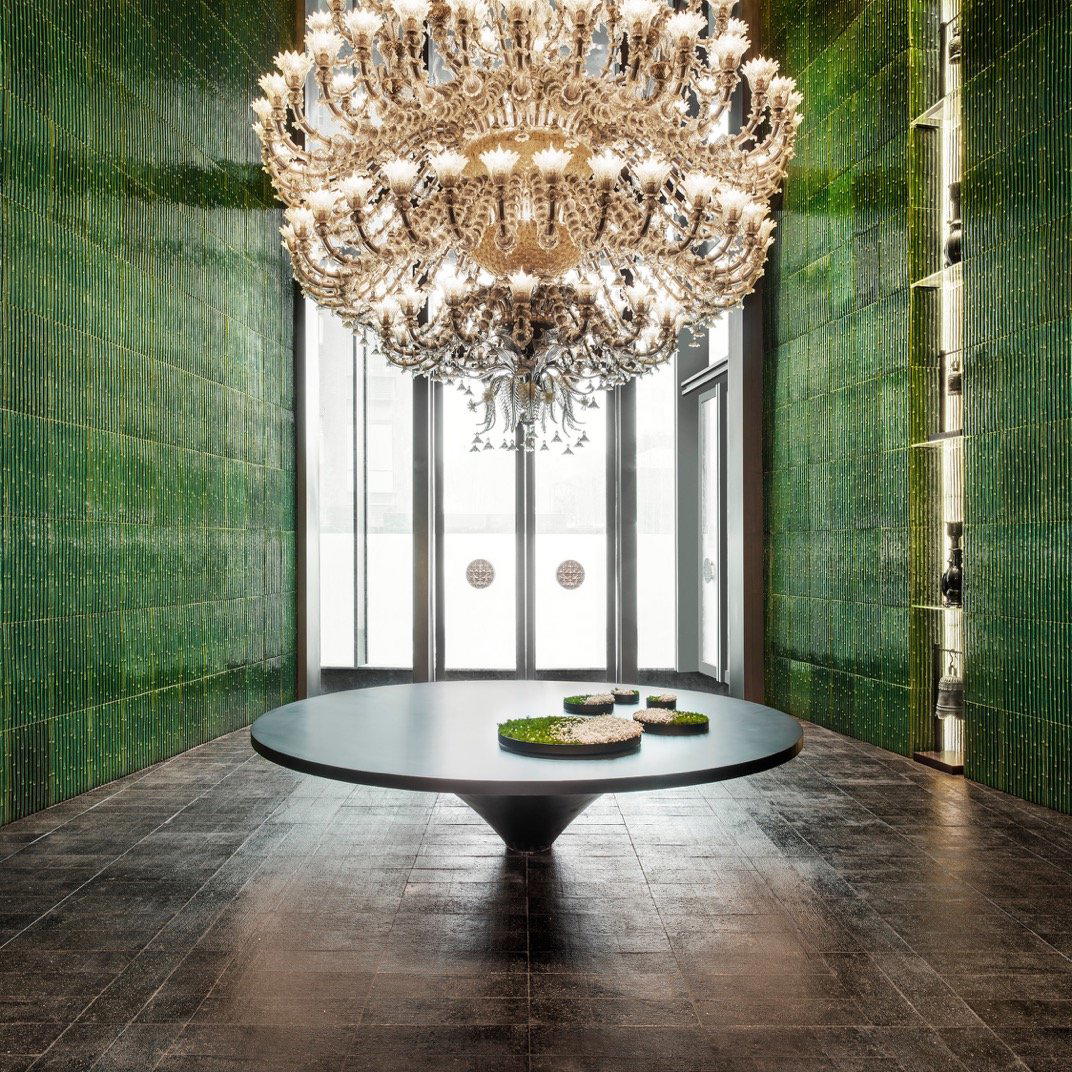
Bars in Shanghai
All bars in Shanghai →
Details
- Elegant
- Classic
- Cozy
- Intimate
- Business Dinner
- Special Occasion
- Date Night
- Group Dining
- Private Event
- Private Dining
- Design Destination
- Historic Building
- Standalone
- Local Sourcing
- Sustainable Seafood
- A La Carte
- Set Menu
- Pescatarian Friendly
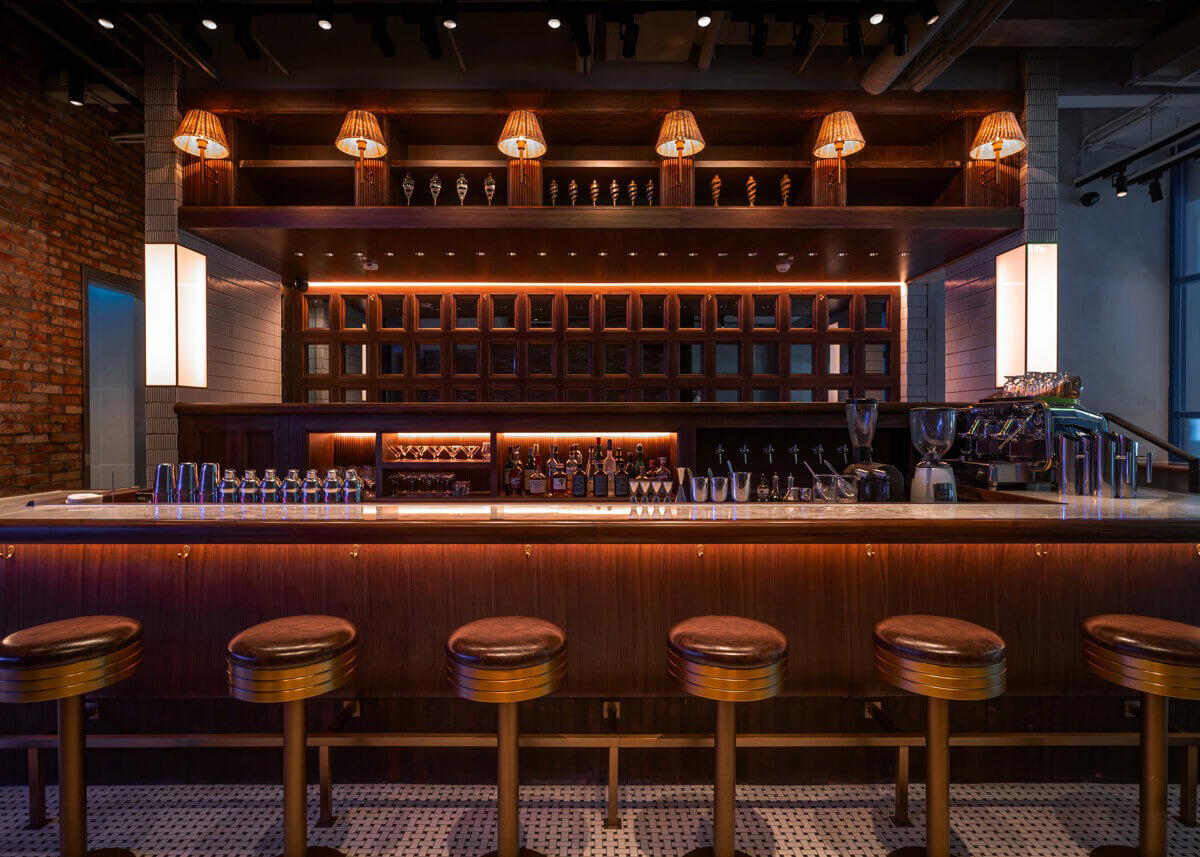
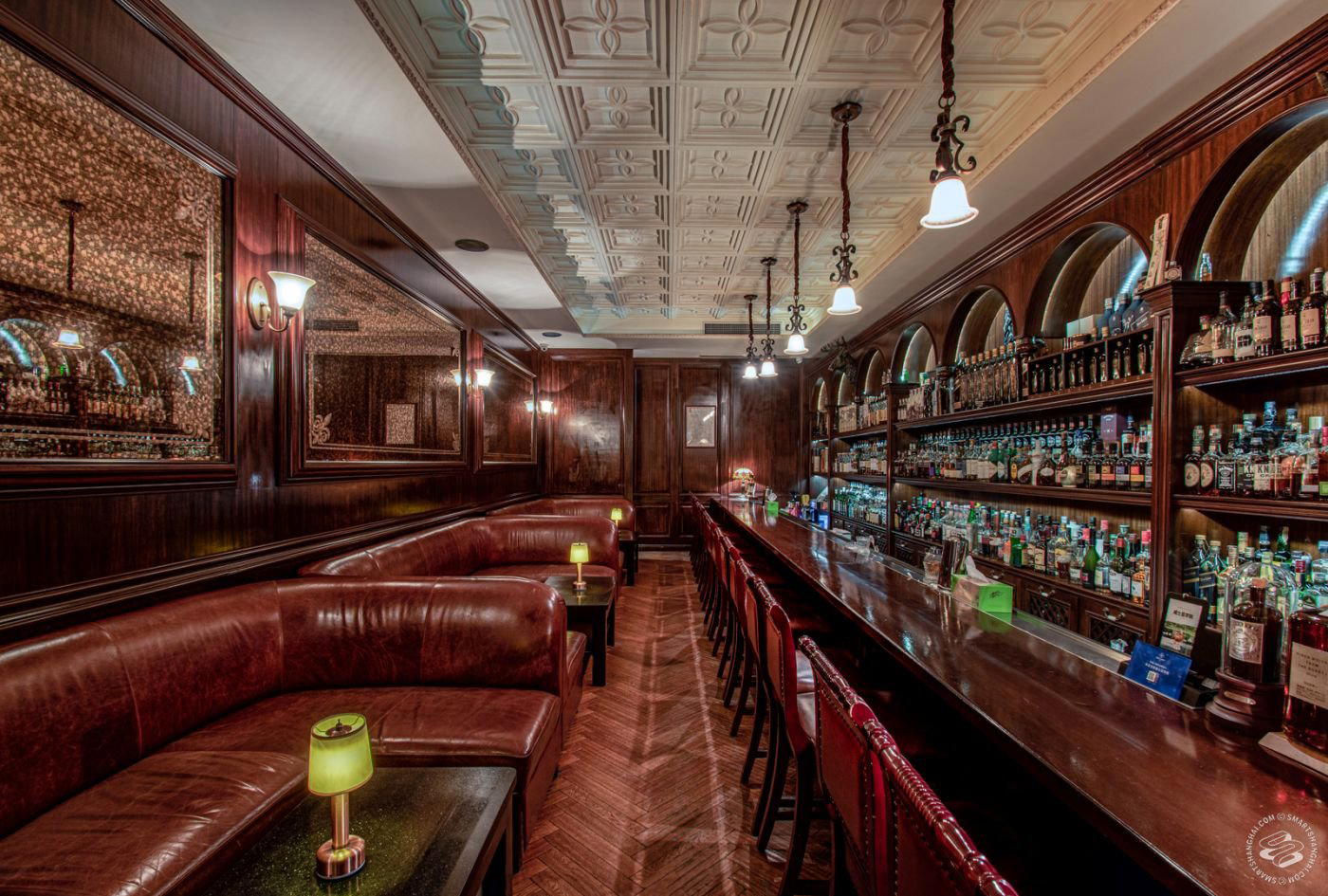
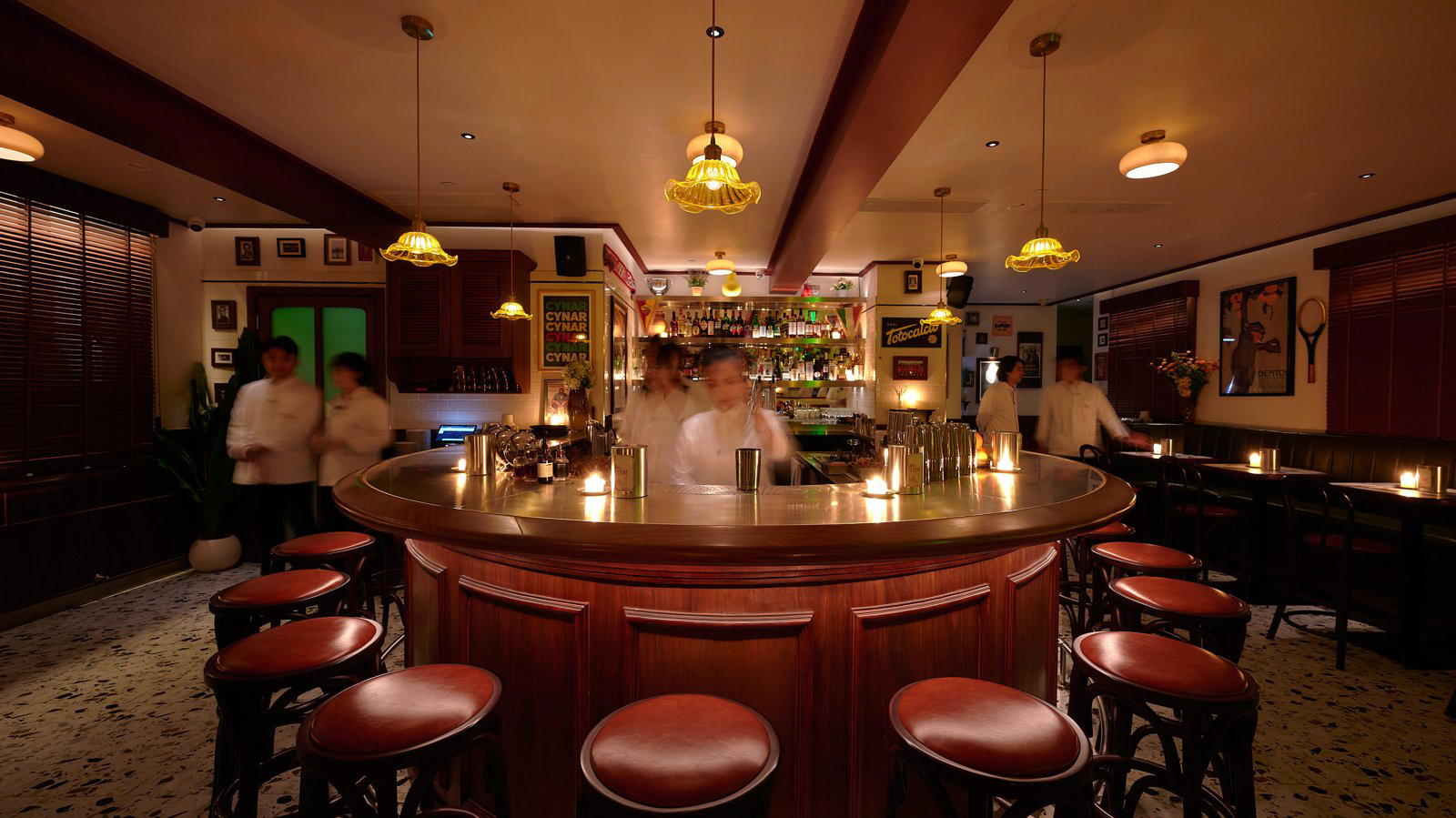
Housed in a historic four-storey mansion in Sinan Mansions, the restaurant features retro, vintage-inspired décor with a calm, hushed atmosphere; guests dine in private rooms with elegant table settings and warm, understated lighting that emphasizes intimacy and discretion.