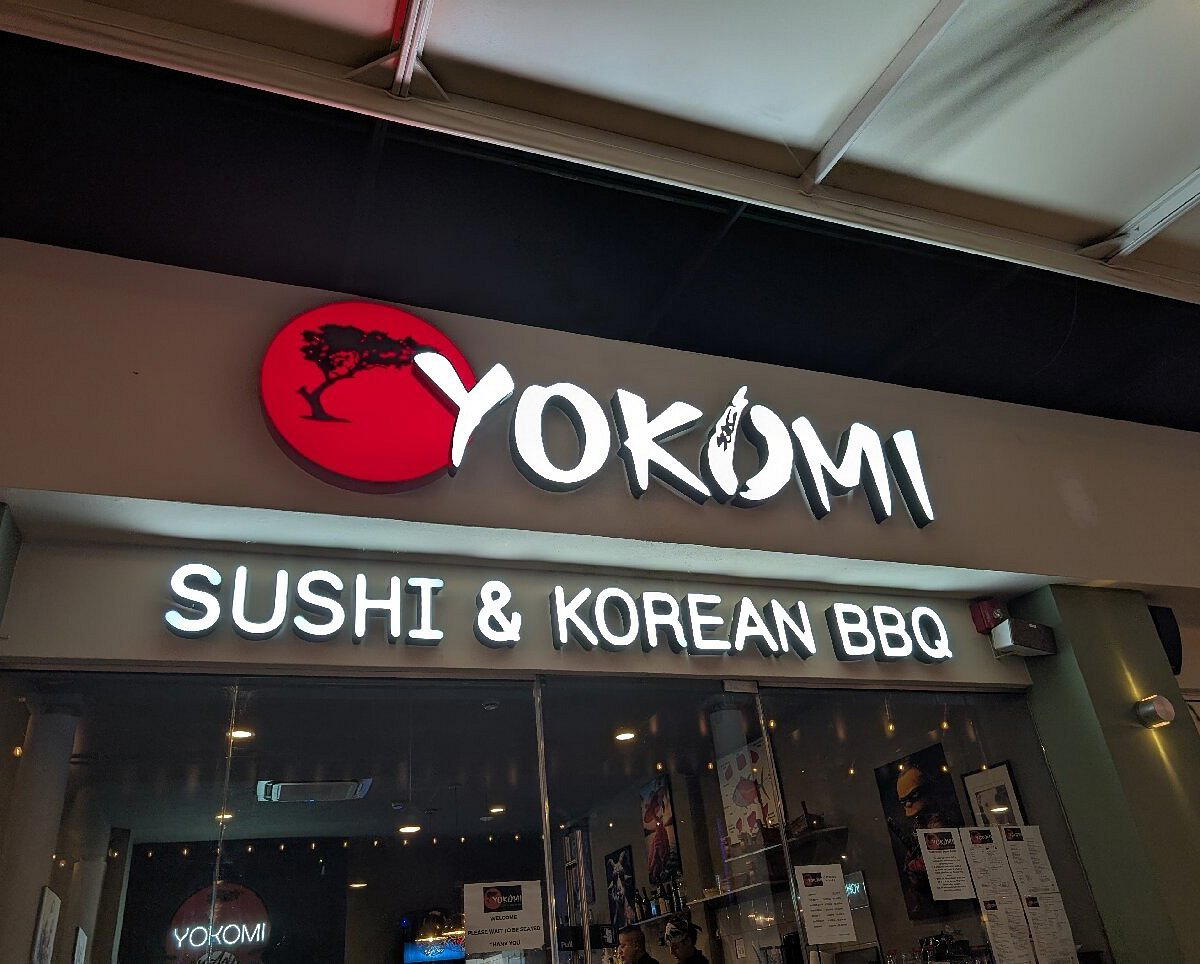
Yokomi Sushi & Korean BBQ
Our verdict
The address on L.G. That dual-cuisine format gives it a distinct position in Aruba's restaurant mix.

Pearl is the En Primeur Club membership app — saves, bookings, and concierge access live there. Same editors, same standards.
- Address
- L.G. Smith Blvd 9, Oranjestad, Aruba
- Phone
- +2975656806
- Hours
- Mon ClosedTue–Sat 12–10 PMSun 5–10 PM
- Website
- yokomiaruba.com
- Directions
- Get directions
- Booking
- Book on OpenTable
The menu
What to order
- OMG roll
- Crunchy Tuna Kisses
- Magic Oreo Roll
Where Two Grilling Traditions Meet the Caribbean
L.G. The strip concentrates hotel restaurants, casual seafood houses, and international formats that serve a predominantly tourist population. Within that context, a venue pairing Japanese sushi with Korean barbecue represents a deliberate departure from the surrounding offer. The combination is not arbitrary: both cuisines share a rigorous approach to raw and cured protein, a preference for clean, high-heat cooking, and a tradition of communal eating that suits the relaxed pace of an island dinner.
Yokomi Sushi & Korean BBQ sits at L.G. The address is accessible on foot from the main resort cluster and from the cruise terminal area, which means the foot traffic patterns here differ from quieter residential dining pockets like those around Kamini's Kitchen in San Nicolas or the slightly removed setting of Drunken Burger in Noord. On the boulevard, visibility and volume matter, and Yokomi's format is well-positioned for both: sushi bars attract solo diners and couples, while Korean BBQ tables draw groups.
The Dual-Cuisine Format and What It Asks of a Drinks List
The editorial angle on a venue like this one is almost never the individual dishes in isolation. It is the drinks architecture required to bridge two demanding culinary traditions. Japanese sushi, with its emphasis on clean umami, high-fat fish, and precise seasoning, has a well-documented relationship with certain wine styles: lean, mineral whites, restrained sparkling options, and low-tannin reds when fish gives way to richer preparations. Korean barbecue presents a different challenge. The char, the fermented accompaniments, the interplay of sweet gochujang glazes and salty banchan demand something with enough acidity to cut through fat and enough body to hold against smoke.
In high-caliber venues that navigate this dual mandate well, the solution is rarely a single wine list but rather a curated split: sake and crisp whites for the sushi side, with fuller-bodied options and lower-intervention reds for the grill. Restaurants like Atomix in New York City, which operates at the refined end of Korean tasting menus, have built their wine programs around exactly this tension, pairing European natural wines with traditionally fermented Korean flavors. At the other pole, the cellar depth at venues like Amber in Hong Kong or 8½ Otto e Mezzo Bombana demonstrates how Asian dining contexts can support serious European wine curation when the format demands it.
For a Caribbean island operation, the practical approach is different. Import costs and turnover rates shape what any Aruba restaurant can realistically stock, which is why Caribbean dining rooms in the mid-range tier typically offer a functional international wine selection rather than deep cellar programs. What distinguishes the better operators is whether the list shows any intentionality, even at modest depth: a sake option alongside the Japanese courses, a cold beer format that suits the grill side, or a small selection of whites with enough acidity to handle the range of flavors on the table.enprimeurclub. Venues like Lazy Bear in San Francisco or even the tradition behind Emeril's in New Orleans in terms of format-building ambition, the combination format tends to succeed when it commits to quality sourcing on both sides. The sushi component demands fresh, properly handled fish; the Korean BBQ side requires well-marinated proteins, functional ventilation, and accompaniments that go beyond the minimum banchan set.
In Aruba specifically, fresh seafood supply is consistent enough to support a competent sushi operation. The island's position in the southern Caribbean, with proximity to Venezuelan and Dutch-Caribbean supply chains, means a well-run kitchen has access to what it needs. The Korean BBQ component is more dependent on sourced marinated proteins and pantry staples that require reliable import logistics, something the island's established restaurant community has managed across multiple cuisine types for years. Compare the supply-chain confidence shown by steakhouse operations like
Frequently asked questions
Is Yokomi Sushi & Korean BBQ okay with children?
The dual-format menu at Yokomi, covering sushi and Korean BBQ on L.G. Smith Blvd in Oranjestad, gives tables with younger guests more to work with than a single-concept restaurant would. Korean BBQ in particular tends to suit interactive dining at any age. For specific seating arrangements or high chair availability, check the venue's official channels ahead of your visit.
Is Yokomi Sushi & Korean BBQ better for a quiet night or a lively one?
Korean BBQ formats, by their nature, generate table-side activity: grills running, plates arriving in succession, shared ordering. Yokomi's position on L.G. Smith Boulevard, Oranjestad's main commercial dining strip, also places it in one of the capital's higher-footfall corridors. This is not the venue to choose if the priority is a hushed dinner for two.
Does Yokomi Sushi & Korean BBQ suit visitors staying near the Oranjestad cruise port?
Yokomi's address at L.G. Smith Blvd 9 places it on the boulevard that connects the cruise port area to Oranjestad's main hotel zone, making it a practical option for port-day dining without requiring a vehicle. The dual menu, sushi and Korean BBQ, means the kitchen covers a wider range of dietary preferences than most single-concept stops in the area. Confirm current hours directly before planning around a port schedule.
What dish is Yokomi Sushi & Korean BBQ famous for?
What distinguishes Yokomi conceptually is the pairing of two distinct grilling and preparation traditions, Japanese sushi craft and Korean BBQ, under one roof in Oranjestad, a format rare on the island. For current menu details, check directly with the restaurant at L.G. Smith Blvd 9.
Where exactly is Yokomi Sushi & Korean BBQ?
Yokomi Sushi & Korean BBQ is located at L.G. Smith Blvd 9, Oranjestad, Aruba, Oranjestad West.
What's the best way to book Yokomi Sushi & Korean BBQ?
No dedicated booking platform or phone number is currently listed in public records for Yokomi at L.G. Smith Blvd 9, Oranjestad. Visiting in person or checking with your hotel concierge are the most reliable options for confirming availability, particularly during Aruba's peak tourist season when the waterfront dining corridor fills quickly.
What's the standout thing about Yokomi Sushi & Korean BBQ?
The format itself is the defining point: combining a sushi operation with Korean BBQ in a single venue is a concept that has precedent in diaspora-heavy markets like Los Angeles and Tokyo, but it remains uncommon in the Caribbean. On an island where dining tends to cluster around resort-facing menus, Yokomi's dual-cuisine structure occupies a specific gap in Oranjestad's restaurant offering.
A Quick Peer Check
Comparable venues nearby, for context on price, style, and recognition.
| Venue | Cuisine | Price | Notes |
|---|---|---|---|
| Yokomi Sushi & Korean BBQThis venue — the venue you are viewing | Sushi & Korean BBQ Fusion | Not listed | Not listed |
| King Fish - Aruba | Caribbean Seafood | $20–30 | Oranjestad West |
| Bucatini Market & Cucina | Italian Market Cucina | $20–30 | Oranjestad-West |
| Well-suited Shot Café & Restaurant | International Café Fare | Not listed | Oranjestad West |
| Bodegas Papiamento | Aruban Caribbean Fine Dining | $50–100 | Oranjestad West |
| The Chophouse at Manchebo | Fine Dining Steakhouse & Seafood | $50–100 | Eagle Beach |
Continue exploring
More in Oranjestad West
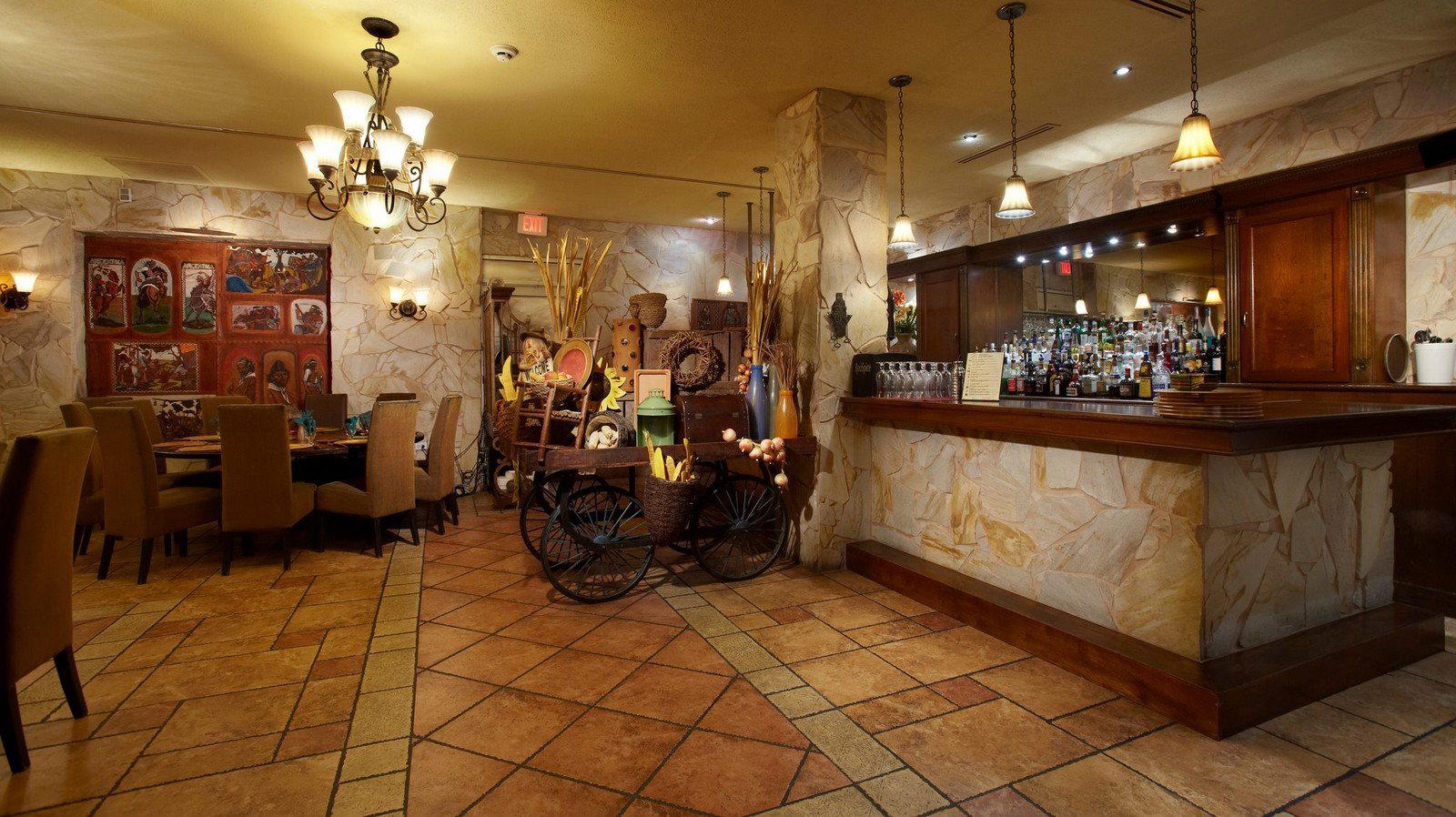
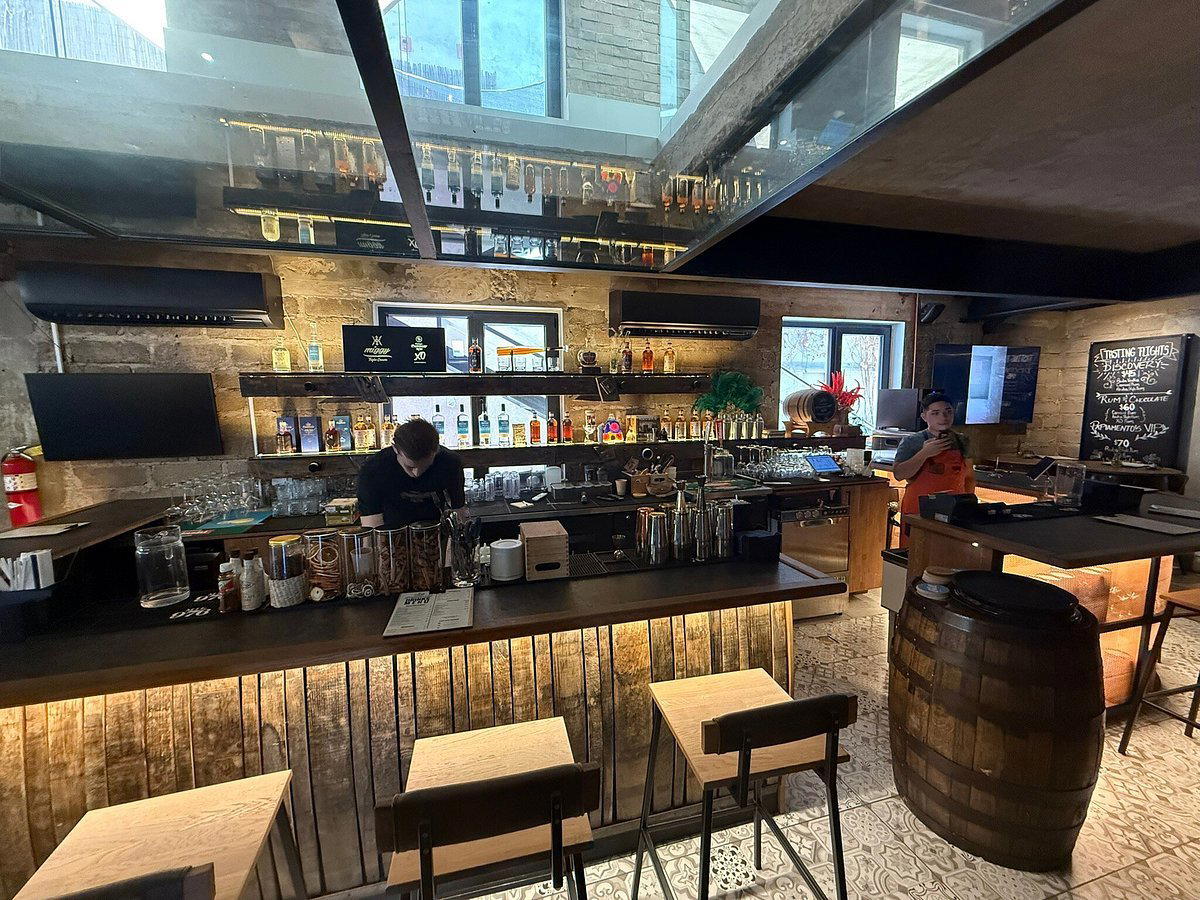
Restaurants in Oranjestad West
Browse all →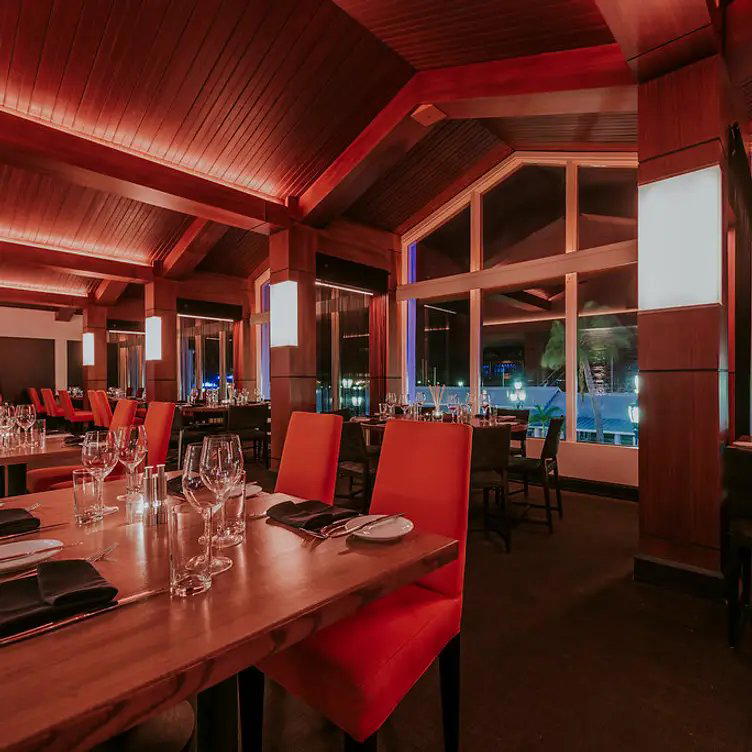
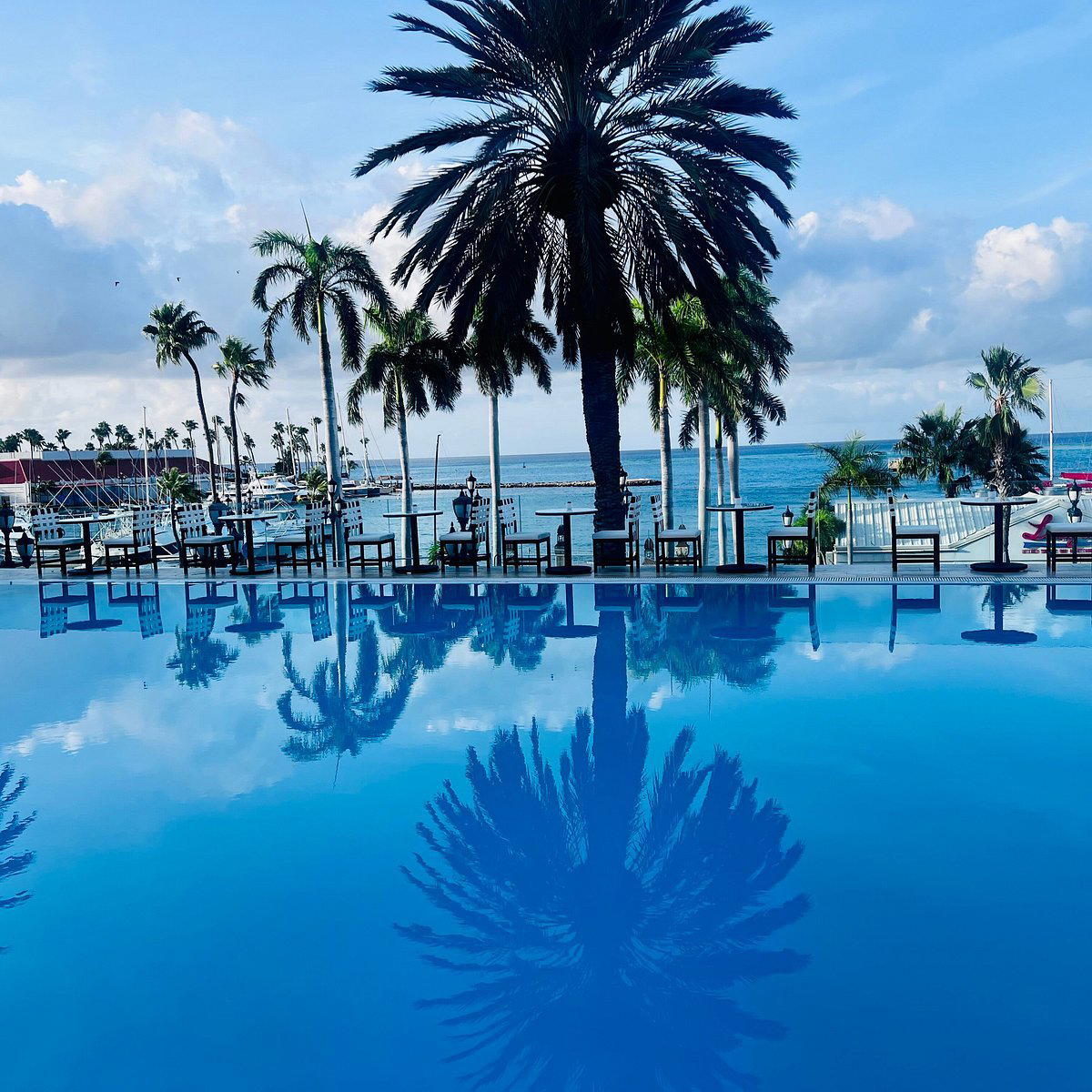
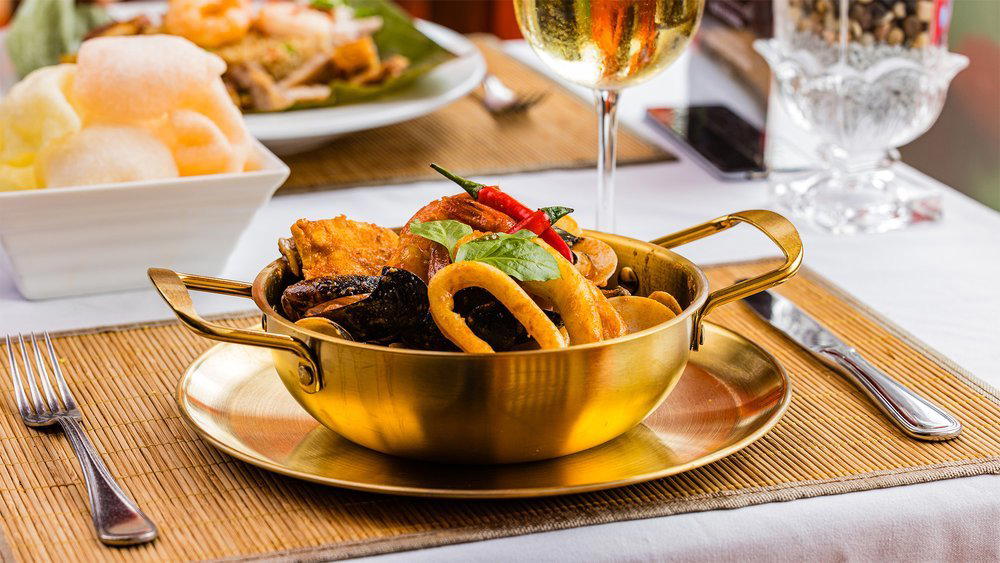
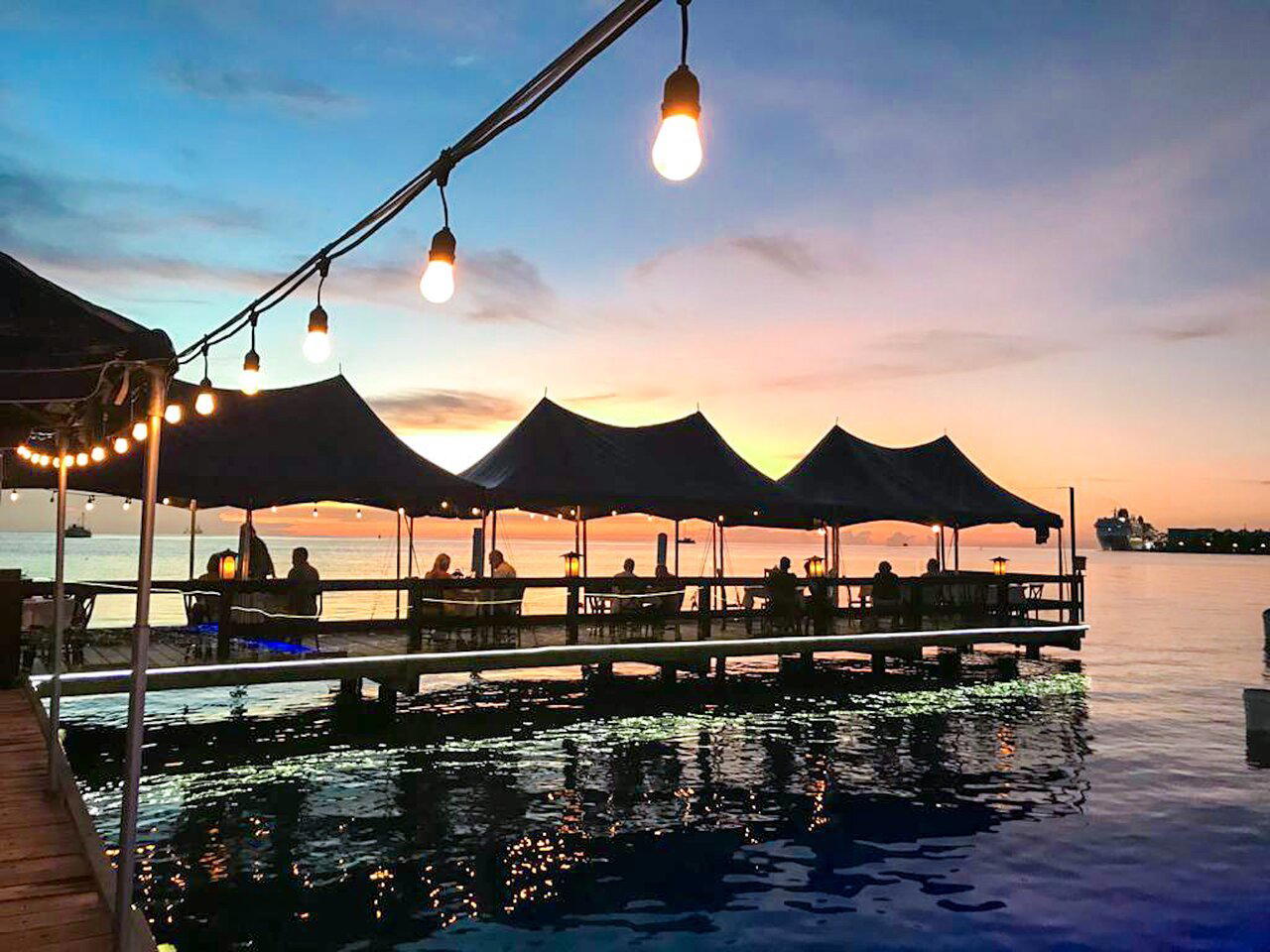
Bars in Oranjestad West
Browse all →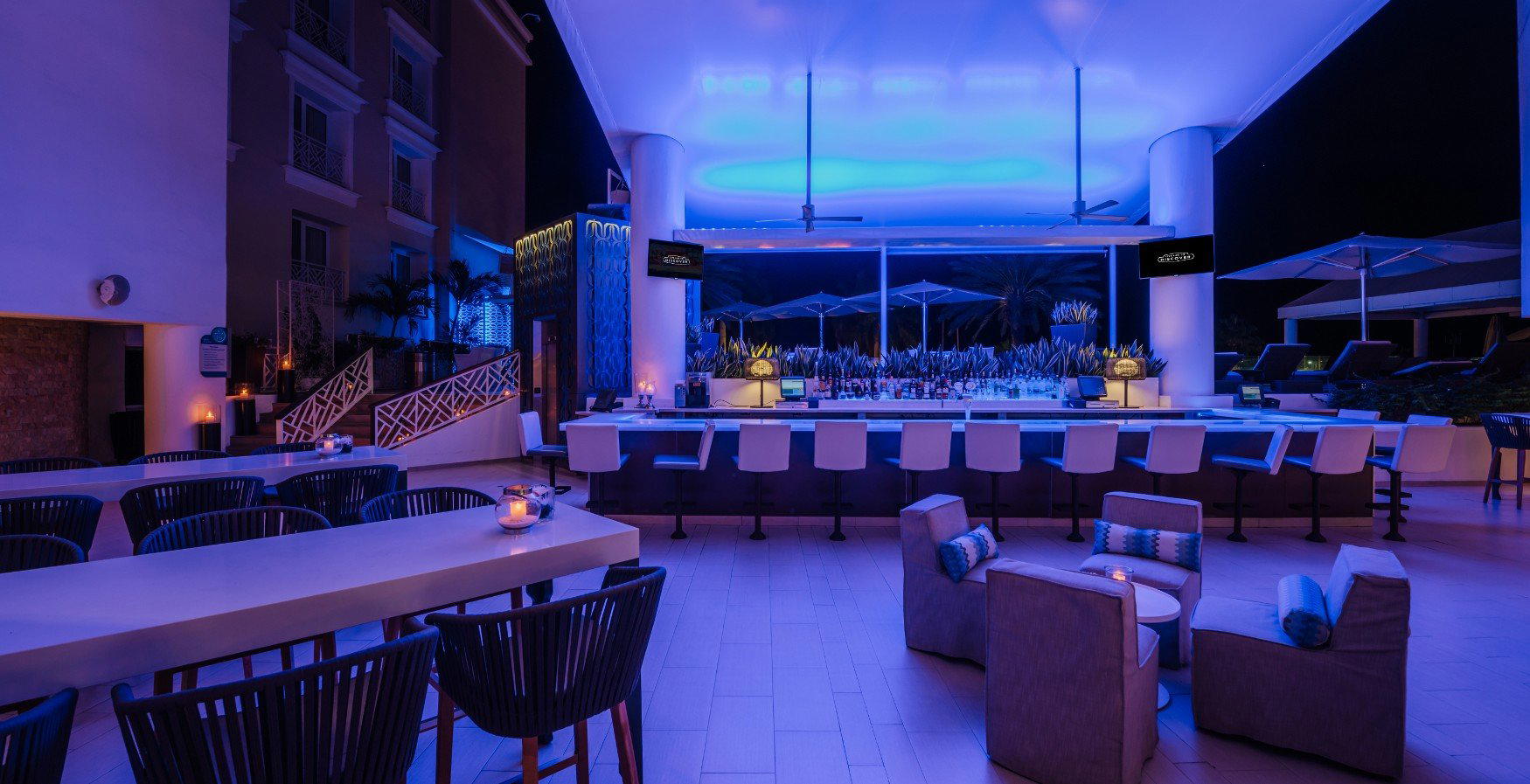

Details
- Modern
- Cozy
- Trendy
- Family
- Casual Hangout
- Date Night
- Open Kitchen
- Sake Program
- A La Carte
- Vegetarian Friendly
- Vegan Options
- Gluten Free Options
Current opening hours
- Monday
- Closed
- Tuesday
- 12–10 PM
- Wednesday
- 12–10 PM
- Thursday
- 12–10 PM
- Friday
- 12–10 PM
- Saturday
- 12–10 PM
- Sunday
- 5–10 PM
Hours can change for holidays and private events. Last verified .
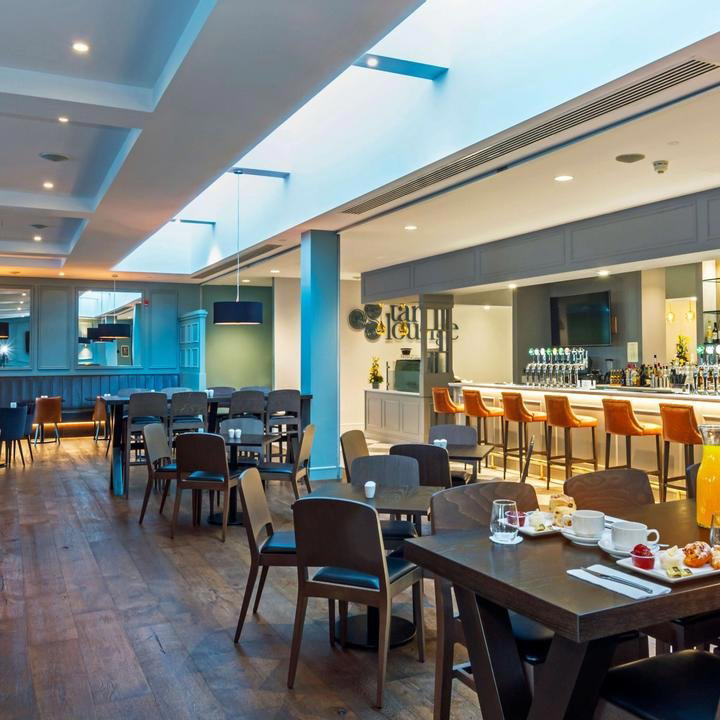
Warm modern ambiance with comfortable setting, beautiful dining room, and great music.