Yess


LA Times 101 Best Restaurants #77 · Esquire Best New Restaurants #16
Our verdict
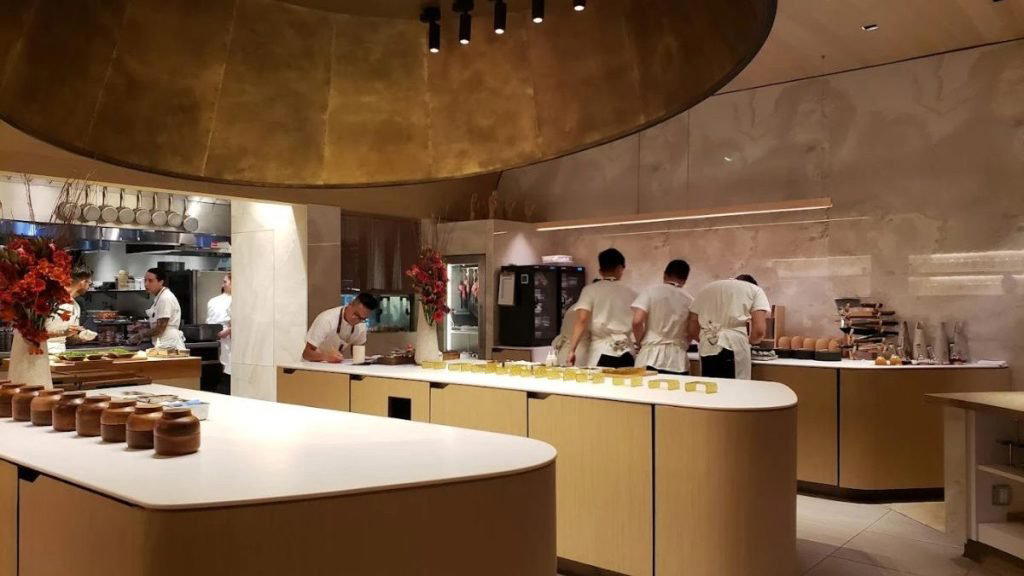
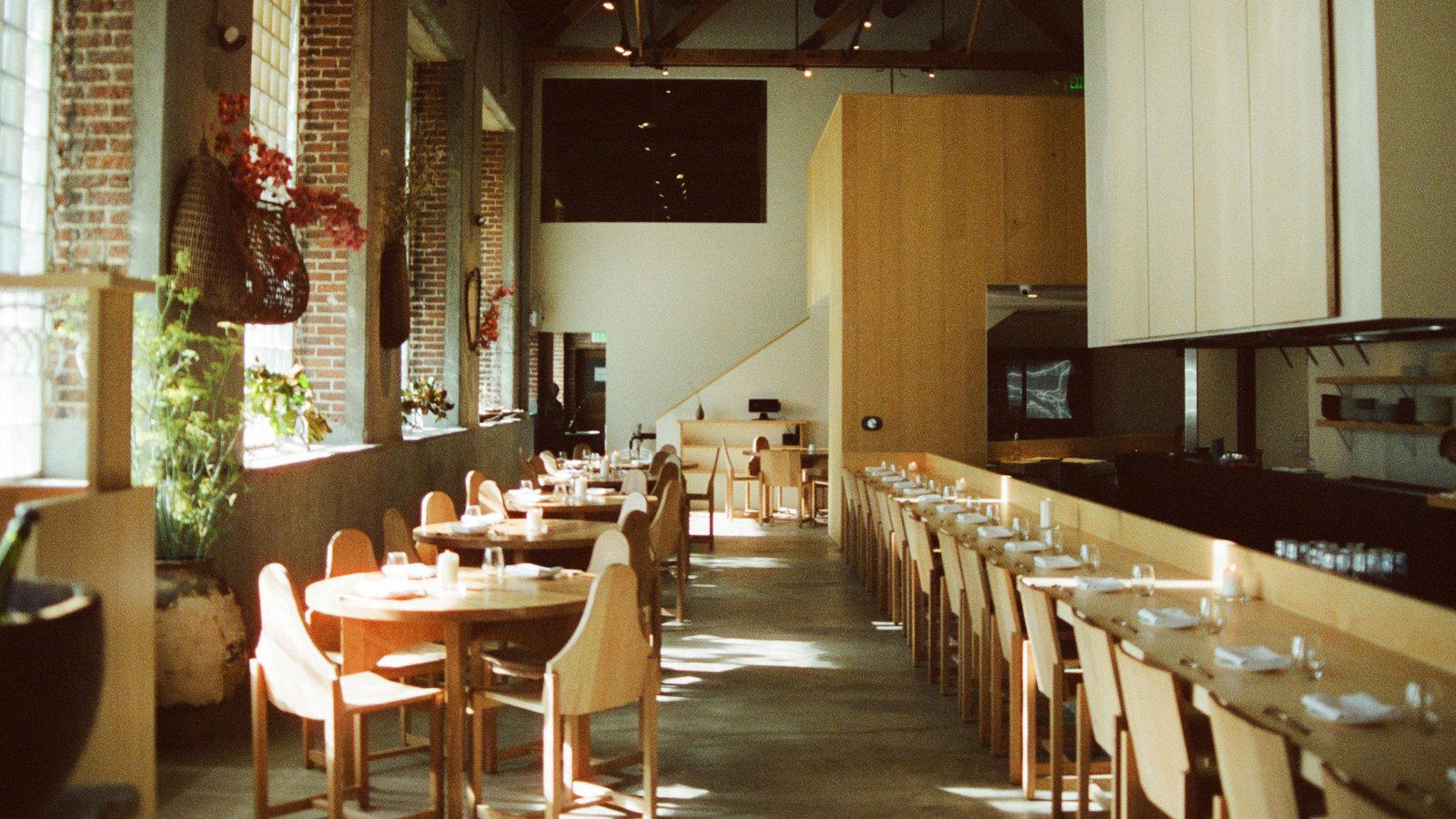
Ranked #77 on the LA Times 101 Best Restaurants 2024 and #16 on Esquire's Best New Restaurants list, Yess brings seasonal kaiseki to LA's Arts District with a menu that draws on Southern California's produce, sustainable seafood, and Japanese technique. Chef Junya Yamasaki's cooking finds genuine common ground between Japanese restraint and California plurality, in a dining room of pale wood and smooth concrete.

Pearl is the En Primeur Club membership app, where members save venues, book tables and use the concierge.
Arts District Kaiseki and the California Inflection
When Esquire named Yess one of America's 16 best new restaurants in 2023, it was registering something the Arts District had quietly assembled over the preceding years: a dining scene serious enough to support high-format Japanese cooking, and an audience willing to meet it on its own terms. The address at 2001 E 7th St places Yess in a corridor that has traded industrial warehousing for ambitious kitchens, a shift that mirrors similar arcs in Brooklyn, Portland, and East London. What arrives at the counter here is neither tourist-facing sushi nor the rigidly codified kaiseki of Kyoto-trained traditionalists. It belongs to a third category, one that several American chefs have been building since roughly the mid-2010s: Japanese technique applied to California geography, with the sourcing logic of the farmers' market and the plating sensibility of a Tokyo counter.
For direct comparison within Los Angeles, Hayato occupies the more orthodox kaiseki position, its progression rooted in formal Japanese precedent. Kato works a similarly cross-cultural intelligence but through a Taiwanese lens. Yess sits between those poles: the structure is Japanese, the ingredients are Californian, and the resulting dishes require you to hold both referents simultaneously.
The Room as Argument
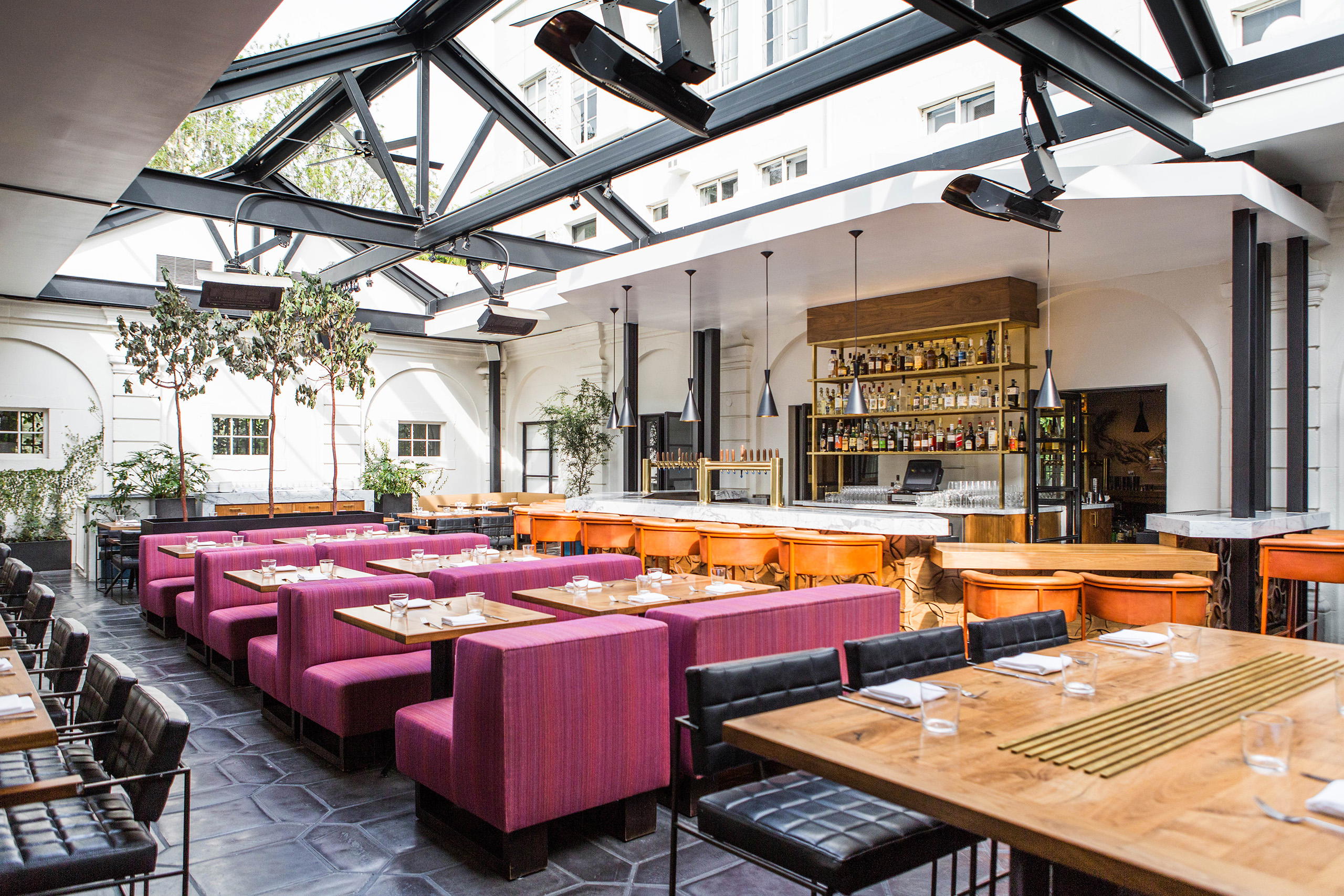
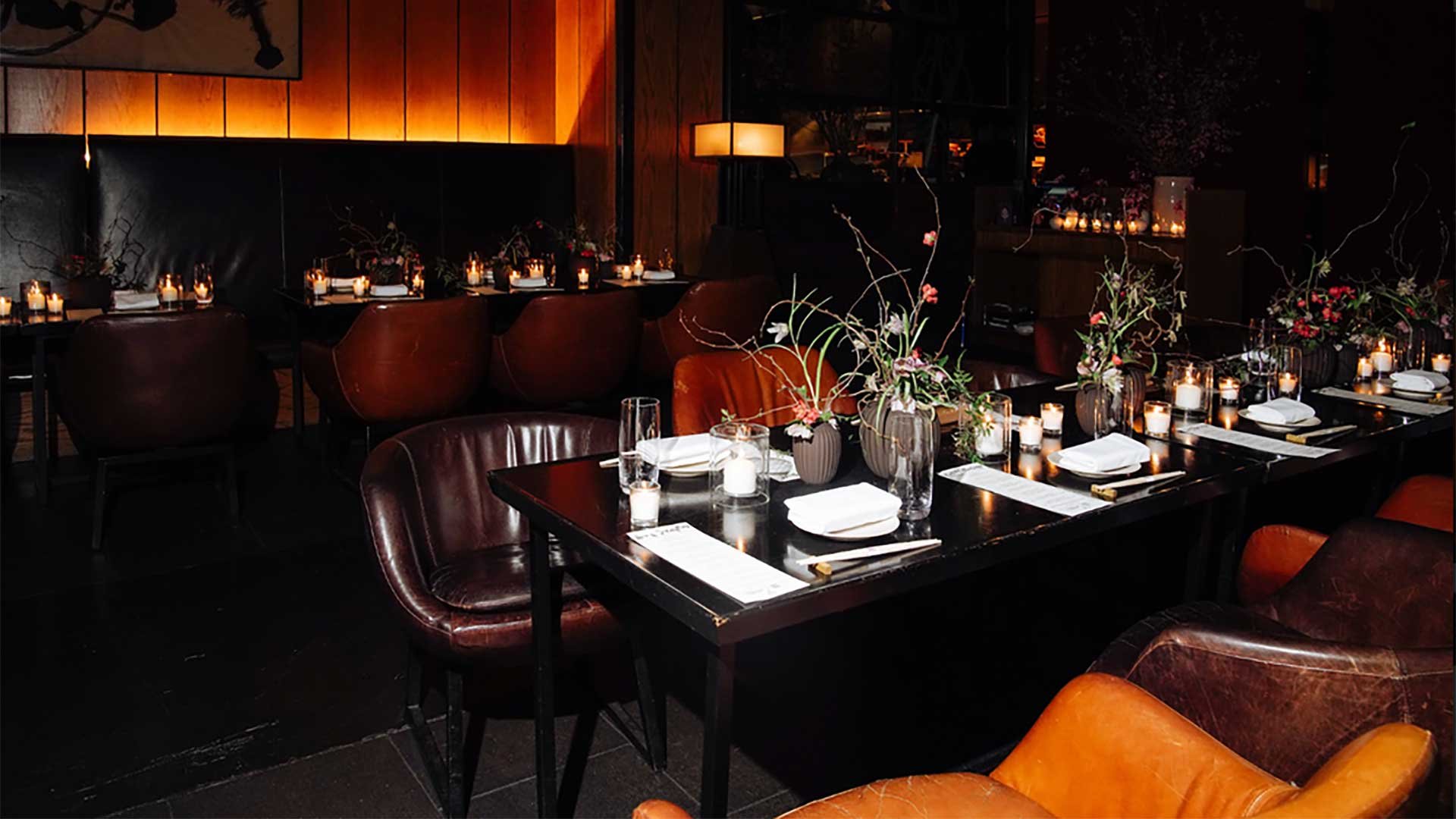
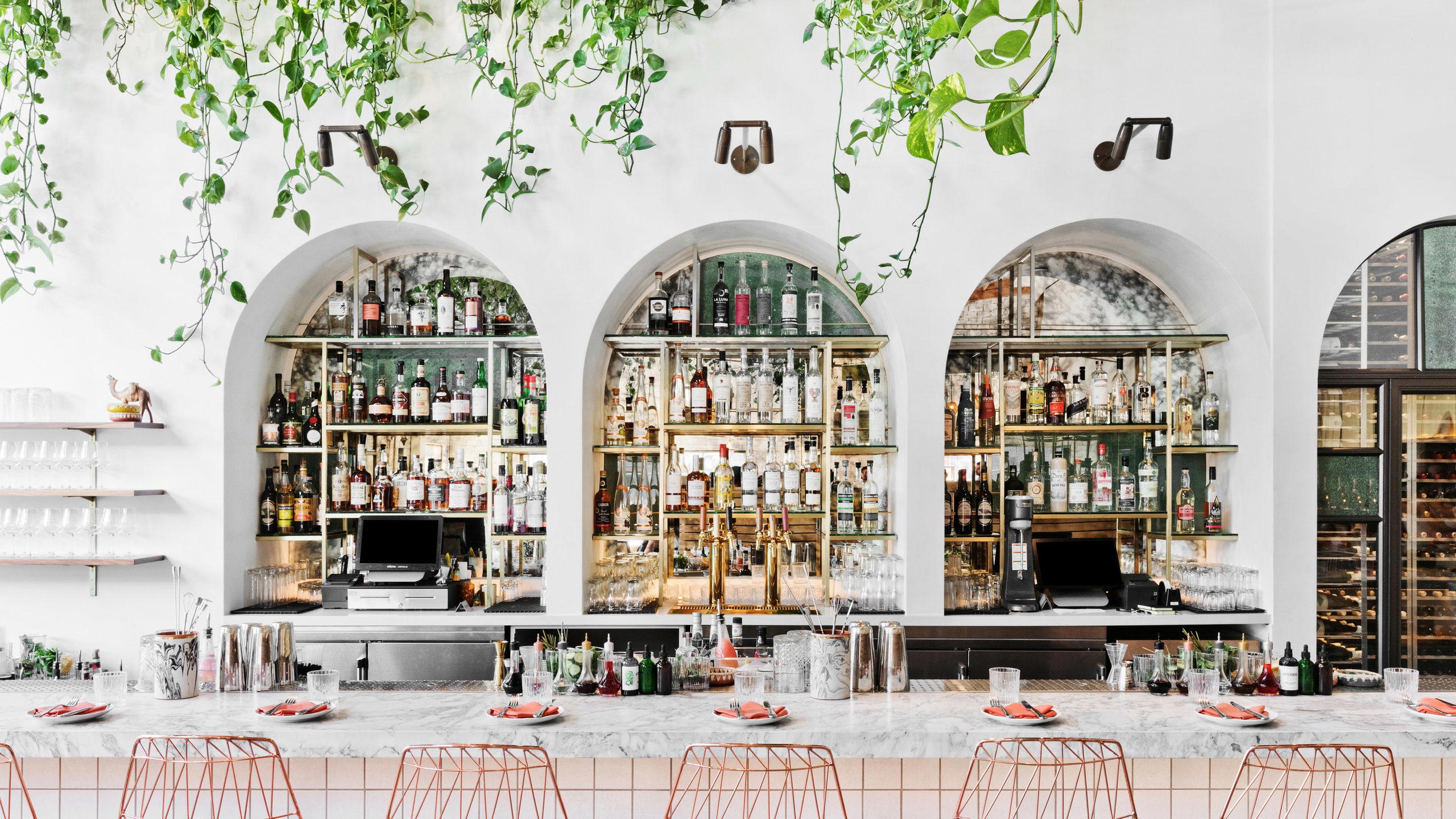
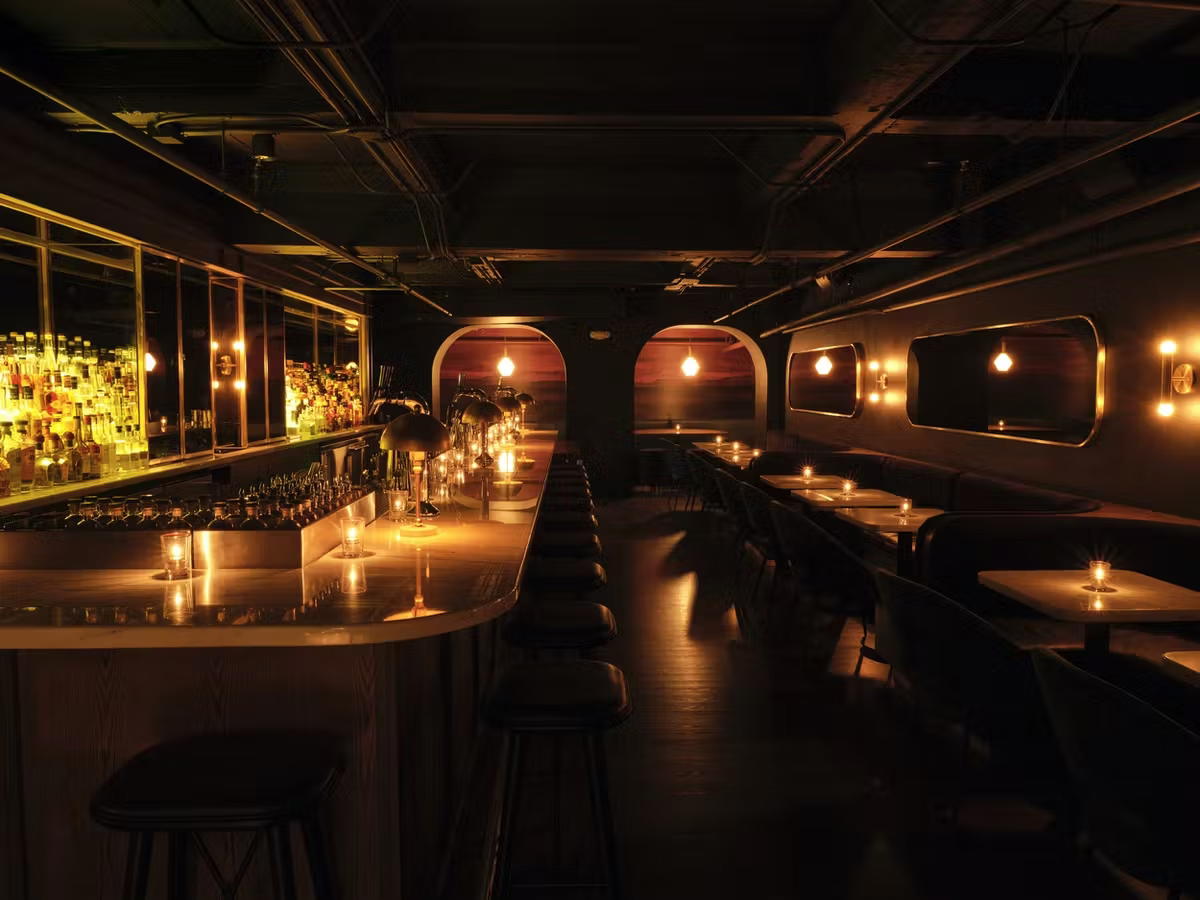
The LA Times described the dining room at Yess as a space of pale wood and smooth concrete, with the scents and sounds of a five-star spa. That framing is more precise than it might appear. In Japanese dining culture, the environment is not backdrop; it is part of the meal's grammar. The material restraint of the room at Yess performs the same function as negative space in Japanese aesthetics: it slows the eye, quiets the noise, and directs attention toward the plate. This is a fundamentally different proposition from the theatrical excess of restaurants like Somni, where spectacle is part of the contract, or the convivial density of Osteria Mozza, where the room's energy is inseparable from the food. At Yess, the setting argues for a particular kind of attention.
That argument extends to the izakaya-adjacent social format the kitchen encourages. Izakaya culture, in its traditional Japanese form, organizes the meal around communal sharing, conversation, and an unhurried progression from lighter to richer dishes, with drink woven throughout rather than separated into a dedicated wine program. Yess does not replicate an izakaya directly, but it draws on the same underlying logic: dishes arrive in a sequence designed for discussion as much as consumption, and the kitchen's sourcing choices give regulars something to track across seasons. The table, in other words, is a place to compare notes, not just to eat.
What the Menu Is Actually Doing
The LA Times review documented a mid-autumn meal in enough detail to illuminate the kitchen's method. A cold block of tofu arrived doused in salsa macha infused with red miso, black vinegar, and mirin. That single dish carries two culinary traditions inside one bowl: the Japanese fermentation logic of miso and mirin, and the Mexican chile-paste tradition of salsa macha, a Veracruz preparation that migrated north into California's broader flavor vocabulary. Neither element overwhelms the other. The tofu remains the subject.
Weiser Farm Bonny melon with lemon drop chile made the same argument through sweetness and citrus heat. Weiser Family Farms is a Tehachapi-based operation with a serious following at Southern California farmers' markets; naming the farm on the plate signals that the sourcing is not incidental. The sustainable seafood commitment is equally visible in a spiny lobster preparation that uses the entire crustacean: the tail treated like katsu, the leg meat made into a salad, both layered onto a buttery roll and finished with a bisque made from the head. That level of whole-animal (or whole-crustacean) discipline is standard in European fine dining but rarer in Japanese-inflected American restaurants, where waste-consciousness tends to operate at the ingredient selection stage rather than the fabrication stage.
For readers who track sustainable seafood programs across the American fine dining tier, Yess belongs in a conversation that also includes Providence in Los Angeles and Le Bernardin in New York, both of which have built sourcing credentials into their core identity. The difference at Yess is the Japanese framework governing how those ingredients are treated once they arrive in the kitchen.
The Sister Operation Next Door
The expansion of the Yess operation into a casual daytime cafe and wine bar, led by sous chef Giles Clark, follows a pattern visible at several high-format restaurants that have chosen to extend their footprint horizontally rather than upward. Rather than chasing a second Michelin star or opening a second location, the team added a lower-price-point, all-day format that serves a different meal occasion: the LA Times cited Benedictine bacon sandwiches and fruit tarts, items that carry the kitchen's precision without the kaiseki commitment. This kind of two-speed operation is increasingly common among serious independent restaurants. It keeps the flagship focused while giving the team a creative outlet for more casual registers, and it builds a larger community around the food without diluting the dinner experience.
How Yess Sits in the Broader LA High-Format Scene
The LA high-format dining tier has diversified considerably since the early 2010s, when French-influenced tasting menus held most of the prestige positions. The arrival of restaurants like Yess, alongside Kato and Hayato, reflects a reorientation toward Asian technique at the top of the market. Nationally, the same movement can be traced through Atomix in New York and, to a different degree, Lazy Bear in San Francisco, which applies communal-format dining to a distinctly American ingredient set. What Yess adds to that national picture is the California-Japan synthesis: not fusion in the blunt 1990s sense, but a genuinely considered overlap between two ingredient cultures that share a reverence for seasonal produce and ocean proximity.
For further reading on the Los Angeles dining scene, see our full Los Angeles restaurants guide, our full Los Angeles hotels guide, our full Los Angeles bars guide, our full Los Angeles wineries guide, and our full Los Angeles experiences guide. For comparable high-format Japanese and California-inflected restaurants elsewhere, consider Single Thread Farm in Healdsburg, The French Laundry in Napa, Alinea in Chicago, Emeril's in New Orleans, and 8 1/2 Otto e Mezzo Bombana in Hong Kong.
Planning Your Visit
| Venue | Format | Price Tier | Booking Lead Time |
|---|---|---|---|
| Yess | Seasonal kaiseki, communal-style progression | Not publicly listed | Book ahead; demand exceeds stated capacity |
| Hayato | Traditional kaiseki | $$$$ | Weeks to months in advance |
| Kato | New Taiwanese tasting menu | $$$$ | Weeks in advance |
Yess is located at 2001 E 7th St in the Arts District. Autumn and winter menus tend to show the kitchen's seasonal range most clearly, as the cold-season produce of Southern California's inland farms and the peak of Pacific seafood availability intersect. Given the Esquire and LA Times recognition, the reservation window has tightened since 2023; contacting the restaurant directly or monitoring availability through a third-party platform is the most reliable approach.
Frequently asked questions
What kind of cuisine does Yess serve?
What kind of recognition has Yess received?
Yess has received recognition including: LA Times 101 Best Restaurants 2024 - Ranked #77. The dining room at Yess is a remarkably serene space, pure pale wood and smooth concrete, with the scents and sounds of a five-star spa. Junya Yamasaki’s cooking is equally subtle but purpose….
What's the must-try dish at Yess?
The spiny lobster preparation, documented in the LA Times 2024 review, is the one dish that drew the most attention at the table. The tail is prepared katsu-style, leg meat becomes a lobster salad, both are layered onto a buttery roll, and the whole thing is finished with a bisque made from the crustacean's head. It is a single dish that captures exactly what chef Junya Yamasaki is doing: California produce, Japanese technique, nothing wasted.
Where is Yess located?
Yess is located at 2001 E 7th St, Los Angeles, CA 90021, Los Angeles.
Do I need a reservation for Yess?
Given Yess earned both an LA Times Top 101 (2024, ranked #77) and Esquire Best New Restaurants recognition (#16, 2023), demand at the Arts District counter runs well ahead of walk-in availability. Booking in advance is the practical approach, particularly for dinner seatings on weekends.
Comparable Options
| Venue | Cuisine | Price | Awards | Notes |
|---|---|---|---|---|
| YessThis venue (the venue you are viewing) | Progressive Japanese | Not listed | LA Times 101 Best Restaurants #77 · Esquire Best New Restaurants #16 | Not listed |
| Kato | Modern Taiwanese Fine Dining | $300–500 | 2 Michelin Stars · World's 50 Best #49 | New Taiwanese, Asian |
| Hayato | Traditional Japanese Kaiseki | $300–500 | 2 Michelin Stars · La Liste Top Restaurants | Japanese |
| Vespertine | Avant-Garde Tasting Menu | $200–300 | 2 Michelin Stars · La Liste Top Restaurants | Progressive, Contemporary |
| Camphor | Modern French with Southeast Asian influences | $150–200 | Michelin Plate · World Best Burgers World's 101 Best Burgers #15 | French-Asian, French |
| Gwen | Contemporary American Steakhouse | $50–100 | Michelin Plate · Wine Spectator Best of Award of Excellence | New American, Steakhouse |
Recognition history
Dated appearances from independent guides and award organizations, with the underlying list record or original source where available.
LA Times 101 Best Restaurants #77
LA Times
Esquire Best New Restaurants #16
Esquire