


1 Michelin Star · Tabelog 100 #89
Our verdict
Yakitori Ichimatsu belongs to Osaka’s serious counter-yakitori tier, where charcoal control, pacing, and reservation planning matter as much as the chicken itself. Recognition from The Tabelog Award and repeated Tabelog Yakitori WEST 100 selections place it in a competitive Kansai set, with a compact room that rewards diners who plan rather than drift in.

Pearl is the En Primeur Club membership app, where members save venues, book tables and use the concierge.
The menu
What to order
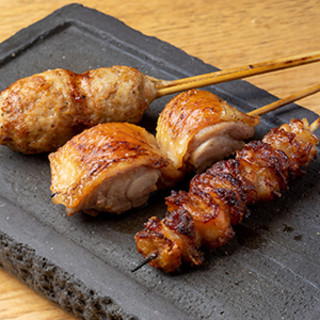
- Hinai jidori yakitori course
- Chicken kaiseki omakase
- Juicy asparagus skewer
- Chicken liver sandwich
After office hours, Osaka changes: suit traffic thins, reservations matter, and small dining plans can feel less like casual choices than appointments. Here, yakitori is not only everyday comfort food but can also sit within a more deliberate dinner format built on fire, sequence, and restraint. Yakitori Ichimatsu belongs in that Osaka conversation, closer to a focused specialist meal than a casual late-night stop.
The experience is not variety for its own sake. Serious yakitori in Japan often relies on repetition handled precisely: different expressions of chicken, different levels of seasoning, and careful exposure to heat, paced so the meal moves without becoming a checklist. Osaka’s version has a directness. Compared with other major dining cities, Osaka dining can read as brisk at first, but its stronger rooms reward timing and restraint over spectacle.
Charcoal, chicken, and the Osaka counter discipline
Yakitori’s modern premium tier has moved beyond skewers as simple drinking food toward a format built around controlled progression, close-range cooking, and a focused relationship between kitchen and diner. That is why a yakitori restaurant can sit beside other specialist formats in Japan’s reservation culture. The value lies in heat management and sourcing discipline, not decorative excess.
Yakitori Ichimatsu’s recognition clarifies the context. It is listed in the 2025 Tabelog Hyakumeiten selection, with a Tabelog score of 3.98 and a listed dinner and lunch budget of JPY 15,000 - JPY 19,999. In Osaka’s crowded yakitori category, that recognition signals a restaurant worth treating as part of the city’s serious specialist dining culture.
The format shapes the meal. Focused yakitori reduces the distance between technique and service, leaving few ways to hide weak pacing. In this category, that intimacy is unforgiving: a rushed sequence or heavy hand can register quickly when the meal is built around individual pieces rather than large composed plates.
That makes booking part of the assessment before anyone sits down. Specialist yakitori is often capacity-conscious by nature. It does not behave like a casual drinking room or absorb spontaneous demand like a larger dining room. The planning burden belongs to the category: commit early, understand the format, and treat the evening as a purposeful meal, not an open-ended stop between bars.
Osaka rewards planning more than improvisation
Osaka shows how dining geography shapes behavior. The city is dense, vertical, and appointment-driven, with restaurants often tucked into compact settings that do not always announce themselves to casual foot traffic. Its stronger restaurants are not built only for wandering tourists choosing by window display. They function on intent.
That matters when building an Osaka itinerary. A yakitori evening is a different decision from a casual station snack, a bakery stop, or a daytime coffee pause. Osaka is strong because those registers coexist: quick meals, specialist restaurants, creative dining rooms, and other focused formats all belong to the same city, but require different planning habits.
Within Osaka, the comparison set helps. Dojima Samboa operates in a drinking register, Kitashinchi Fuka sits in a similar premium dinner band, and Kitashinchi Yamagata Ya moves at a higher listed spend. Synergy shows inexpensive specialist dining can exist nearby without competing for the same evening. Yakitori Ichimatsu belongs to the specialist tier, where the decision is not just where to eat, but how much structure the diner wants around the night.
For travelers, that structure can help. Osaka encourages over-scheduling because it is easy to move through and packed with tempting second stops. A focused yakitori meal argues for fewer commitments, a clean arrival, and no expectation that dinner will bend around a loose evening. The stronger play is to let the meal anchor the night, then place drinking or hotel plans around it using broader Osaka planning resources.
How it fits into a wider Japan dining itinerary
Premium yakitori is often misunderstood by visitors who know the category through lively izakaya counters. The higher tier is quieter, more technical, and less forgiving of distraction. It also travels poorly as a checklist item. Diners wanting volume, noise, and a broad menu may be happier elsewhere; diners interested in how a Japanese meal can be built from fire, sequence, and small decisions will understand the appeal faster.
Osaka’s dining identity is often reduced to street food and comfort dishes, but that misses its serious specialist culture. The better itinerary pairs both sides: casual daytime eating, then a disciplined evening meal. For broader planning, citywide dining and experience research can help separate dinner from the rest of the trip instead of forcing every night to serve the same purpose.
Japan’s specialist restaurant culture is regional, not just metropolitan. A traveler comparing categories across cities might place this Osaka yakitori alongside other focused dining rooms across Japan or abroad. The useful comparison is discipline: narrow format, clear purpose, and a diner who understands what the restaurant is built to do.
The editorial case for Yakitori Ichimatsu is not that it represents all Osaka yakitori. It represents a particular, recognized end of the category: focused, appointment-worthy, and built around the concentration charcoal cooking demands. For a city often sold through abundance, that restraint is the reason to pay attention.
Frequently asked questions
Where do I go for Yakitori Ichimatsu?
Osaka.
What's the pricing like at Yakitori Ichimatsu?
Pricing at Yakitori Ichimatsu is listed as JPY 15,000 - JPY 19,999 JPY 15,000 - JPY 19,999.
Can I walk in to Yakitori Ichimatsu?
Yakitori Ichimatsu is a recognized Osaka yakitori restaurant, so planning ahead is the safer approach.
What is Yakitori Ichimatsu known for?
Yakitori Ichimatsu is known for yakitori and creative cooking in Osaka.
Cuisine-First Comparison
Comparable venues in the metro at similar price points.
| Venue | Cuisine | Price | Awards | Notes |
|---|---|---|---|---|
| Yakitori IchimatsuThis venue (the venue you are viewing) | Michelin-starred Yakitori Chicken Kaiseki | $100–150 | 1 Michelin Star · Tabelog 100 #89 | Not listed |
| Oimatsu Miyamoto | High-end Yakitori Counter | $100–150 | Tabelog 100 #40 | Kita |
| Yakitori Shinose | High-End Yakitori Omakase | $150–200 | Tabelog 100 #67 | Kita |
| RIKIchan Kitahama ten | Premium Kuroge Wagyu Yakiniku | $150–200 | Tabelog 100 #14 | Chūō |
| Tempura Kissho | High-End Tempura Counter | $100–150 | Tabelog 100 #44 | Kita |
| Sushi Noguchi | Traditional Edomae Sushi Omakase | $200–300 | Tabelog 100 #62 | Kita |
Recognition history
Dated appearances from independent guides and award organizations, with the underlying list record or original source where available.
Michelin 1 Star
Michelin
Opinionated About Dining Top Restaurants in Japan Recommended
Opinionated About Dining
Tabelog 100 #89 · No. 89
Tabelog · Tabelog 100 - Yakitori - WEST - 2025
Continue exploring
More in Osaka
Restaurants in Osaka
All restaurants in Osaka →




Bars in Osaka
All bars in Osaka →




Hotels in Osaka
All hotels in Osaka →




Wineries in Osaka
Browse all →
Details
- Elegant
- Intimate
- Sophisticated
- Cozy
- Date Night
- Special Occasion
- Business Dinner
- After Work
- Solo
- Chefs Counter
- Open Kitchen
- Standalone
- Design Destination
- Sake Program
- Craft Cocktails
- Local Sourcing
- Tasting Menu
- Omakase
- Counter Dining
- Set Menu
- Sake
- Wine
- Cocktails
- Pescatarian Friendly
Refined and quietly luxurious, with a small counter-focused room, warm lighting and an elegant but relaxed Kitashinchi feel that frames the grill as the main stage.