
Osaka’s Umeda dining district keeps adding polished, station-adjacent rooms built for precise, premium yakiniku rather than old-school smoke and squeeze. Yakiniku Ushigoro Umeda ten belongs to that newer tier: selected for Tabelog 100 Yakiniku WEST 2025, it brings the Ushigoro group’s beef-focused format into a large, non-smoking room above the Umekita flow.
Pearl is the En Primeur Club membership app — saves, bookings, and concierge access live there. Same editors, same standards.
- Address
- Japan, 〒530-0011 Osaka, Kita Ward, Ofukacho, 5−1 うめきたグリーンプレイス 3F 305区画
- Phone
- +81 6-6372-1129
- Website
- ushigoro.com
 Saves & bookings on Pearl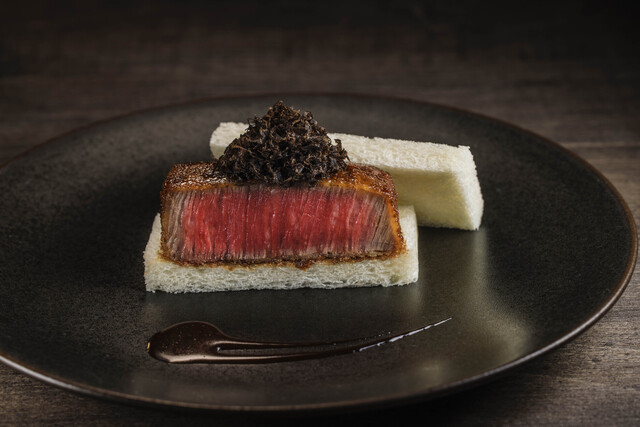
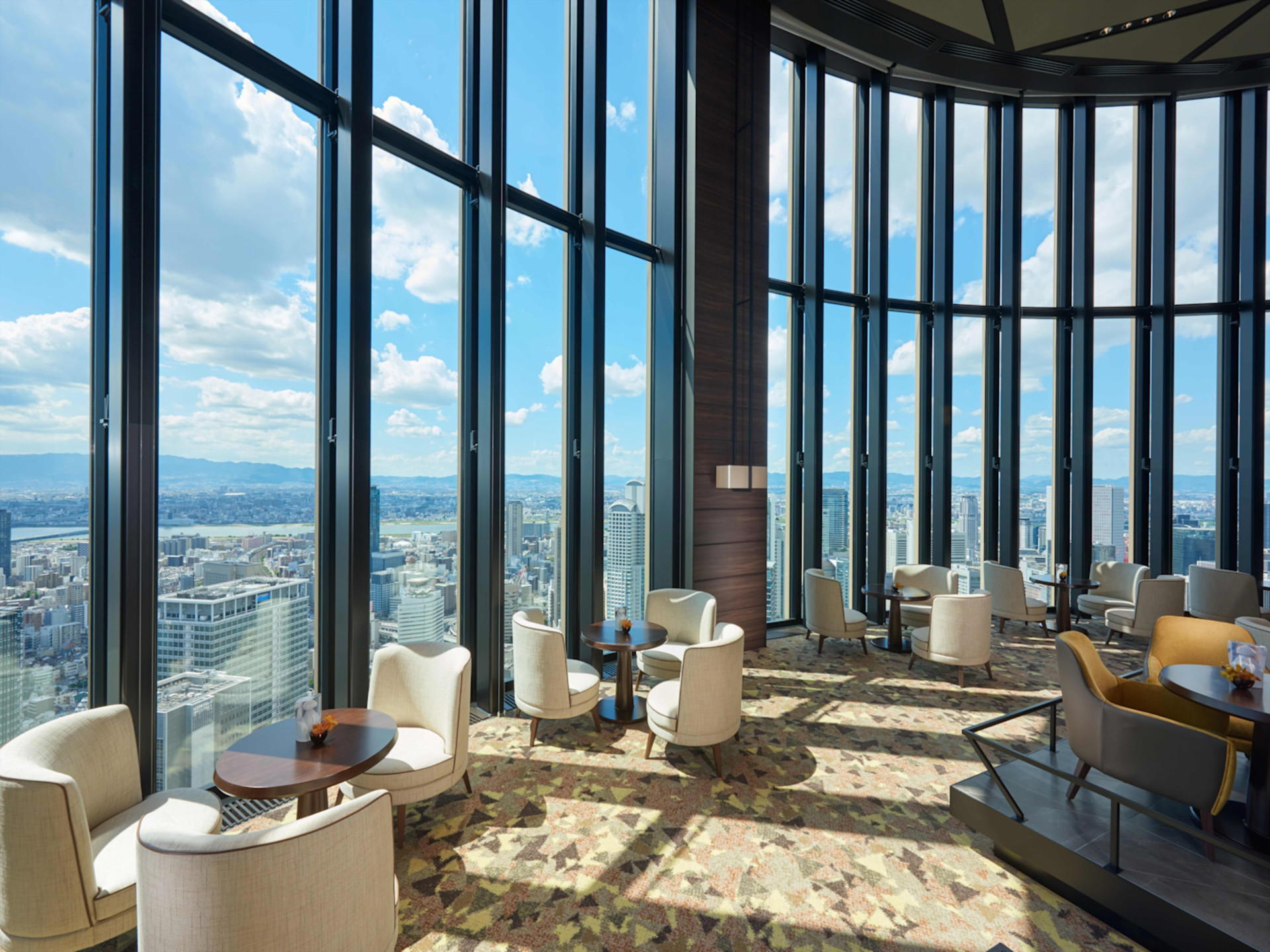
Umeda’s newer dining rooms announce themselves through controlled arrival: escalators, polished corridors, glass, and Osaka Station traffic below. Here, premium yakiniku has shifted from the charcoal-scented neighbourhood grill toward cleaner rooms, broader drinks programs, and beef service for guests who want precision without losing the social rhythm of cooking at the table.
Yakiniku Ushigoro Umeda ten fits that shift. Its selection for Tabelog 100 Yakiniku WEST 2025 places it in a competitive western Japan field where meat quality, consistency, and room discipline matter as much as nostalgia. Osaka has long been fluent in beef culture, from counter sukiyaki to late-night horumon, but Umeda’s redevelopment has moved part of that culture upward into larger, more controlled spaces: less smokehouse romance, more metropolitan yakiniku, with managed ventilation, polished service, and a format able to handle business dinners, family meals, and date-night spending in the same room.
Premium yakiniku in Umeda is now about control, not excess
The environmental story in yakiniku is rarely about slogans. It is control: portioning, heat management, ventilation, and how much of the animal a restaurant treats seriously. A menu spanning yakiniku, steak, and tripe signals a broader beef program than a narrow luxury-cut showcase. In a city where offal has deep working-class roots, tripe matters; it keeps the format connected to whole-animal eating rather than reducing beef culture to marbled centre cuts.
That distinction helps travellers choose between Osaka’s polished meat rooms and Western-style steakhouses. Wolfgang's Steakhouse Osaka follows the imported template, where large cuts and familiar luxury cues define the meal. Yakiniku is modular, shared, and heat-sensitive; the diner’s table becomes part of the kitchen. At the premium end, skill shows in pacing and selection rather than spectacle. The question is not only how expensive the beef is, but how intelligently guests move from leaner cuts to richer ones, from grilled meat to offal, from sake or shochu to wine or cocktails.
Ushigoro’s group identity also matters. Its footprint across Tokyo and other cities makes this branch part of a mature operator rather than a single-room experiment. Purists may be suspicious, but in Umeda scale has advantages: larger dining rooms need repeatable systems, and those systems reduce waste in a category built around expensive perishables. A 92-seat restaurant cannot run on improvisation alone. Inventory discipline, reservation flow, and controlled service charges are not romantic details, but they shape whether a premium meat restaurant operates with care or needless excess.
The Osaka Station setting changes the meal's purpose
Umeda is Osaka’s gateway district, not its most intimate dining quarter. Restaurants here compete for guests moving between hotels, trains, offices, department stores, and redevelopment zones, not diners already committed to a long backstreet evening. The nearest-station relationship with Osaka Station makes this yakiniku easier to fold into a travel day than destination restaurants in quieter districts. It also changes the audience: groups, visiting families, and business diners need comfort, clarity, and predictable pacing.
The non-smoking policy, semi-private room option, and family-friendly positioning align with that Umeda pattern. Premium yakiniku once carried a trade-off: better meat often meant smoke, tight tables, and little concession to children or mixed-age groups. Newer station-area restaurants have softened that divide, preserving the pleasure of grilling while making the setting usable for guests who care about air quality, seating, and payment ease. That is part of how yakiniku moved from late-night specialist habit into a mainstream premium dining category.
Compared with PONTE VECCHIO, which represents Osaka’s established Italian dining confidence, or Jolie Brasserie and Tsukimi, which occupy other polished city-dining lanes, this address serves a specific decision: beef, shared heat, and celebration without tasting-menu formality. For broader planning, Our full Osaka restaurants guide gives the useful map; travellers pairing dinner with a stay can scan Our full Osaka hotels guide, while later drinks sit in Our full Osaka bars guide. The wider Osaka rails, including Our full Osaka wineries guide and Our full Osaka experiences guide, place Umeda inside a larger itinerary rather than treating dinner as an isolated booking.
How to read the recognition without overreading it
Tabelog 100 Yakiniku WEST 2025 is the key public signal. It does not make the restaurant a hushed temple, and should not be read like a Michelin tasting-menu credential. It does show entry into a curated regional conversation for yakiniku, a category where local diners scrutinise value, meat handling, and consistency intensely. The listed score, 3.62, sits in Japanese review culture where decimal movement can matter, but the award selection is the clearer editorial marker for travellers.
The drink range also defines the audience. Sake, shochu, wine, and cocktails create a wider pairing field than the beer-and-highball default, suiting Umeda’s mixed traffic. For sustainability-minded readers, the persuasive point is not a green claim but the compatibility of premium beef with restraint. Yakiniku is more convincing when it uses multiple cuts, gives offal a place, and avoids abundance as the only luxury signal. This branch reflects a broader urban Japanese move toward controlled comfort: cleaner rooms, tighter systems, and a beef meal that feels generous without being careless.
Readers comparing formats across Japan and beyond can use EP Club’s wider restaurant notes for contrast, from -Grilled beef Sukiyaki- KAMAKURA TANUKIAN 鎌倉 たぬき庵 in Kamakura to. 鮪と炭火焼き うお炭 秋葉原店 in Tokyo, [ki:] in Kyoto, and.know in Kumamoto. Osaka itself rewards range: a day might run from 52CHO-ME BAKERY or.cafe to 551 Horai (551蓬莱), 99 Pizza Napoletana Gourmet, or a canto (Italian). Further afield, (Shoku) Vietnam in Kawasaki, [Curry Senmon Ten] Maruyama Kyoju. in Sapporo, Jōdo Saké Bar in Los Angeles, and Onigiri Time in Pasadena show how Japanese dining culture travels, adapts, and narrows its focus in different cities.
Peers You’d Cross-Shop
Comparable venues to place this listing in its category.
| Venue | Cuisine | Price | Notes |
|---|---|---|---|
| Yakiniku Ushigoro Umeda tenThis venue — the venue you are viewing | High-End Wagyu Yakiniku | $$$$ | Not listed |
| Sushi Uchida | Seasonal Osaka Sushi Omakase | $$$$ | Kita |
| Kurosugi | Edomae Sushi Omakase | $$$$ | Kita |
| RIKIchan Kitahama ten | Premium Kuroge Wagyu Yakiniku | $$$$ | Chūō |
| Tempura Kissho | High-End Tempura Counter | $$$$ | Kita |
| Kamon | Luxury Teppanyaki at Imperial Hotel Osaka | $$$$ | Kita |
Recognition history
Dated appearances from independent guides and award organizations, with the underlying list record or original source where available.
Tabelog 100 #30 · No. 30
Tabelog · Tabelog 100 - Yakiniku - WEST - 2025
Continue exploring
More in Osaka
Restaurants in Osaka
Browse all →




Bars in Osaka
Browse all →




Hotels in Osaka
Browse all →



Wineries in Osaka
Browse all →
At a Glance
- Modern
- Elegant
- Sophisticated
- Lively
- Date Night
- Business Dinner
- Group Dining
- Special Occasion
- After Work
- Private Dining
- Standalone
- Sake Program
- Local Sourcing
Current opening hours
- Monday
- 11 AM–3 PM, 5–11 PM
- Tuesday
- 11 AM–3 PM, 5–11 PM
- Wednesday
- 11 AM–3 PM, 5–11 PM
- Thursday
- 11 AM–3 PM, 5–11 PM
- Friday
- 11 AM–3 PM, 5–11 PM
- Saturday
- 11 AM–11 PM
- Sunday
- 11 AM–11 PM
Hours can change for holidays and private events. Last verified .
Modern and upscale yakiniku dining room with refined finishes, comfortable seating, and an energetic yet polished atmosphere suited to both special occasions and business meals.