
Tabelog 100 #4
Our verdict
Sapporo’s yakiniku culture rewards sequence as much as sourcing: grill, rest, sauce, rice, repeat. Yakiniku Restaurant Totori belongs in that conversation through Tabelog 100 Yakiniku EAST recognition in 2025 and a format that suits both counter-style eating and larger shared-table meals, with Korean dishes and offal broadening the arc beyond beef alone.

Pearl is the En Primeur Club membership app, where members save venues, book tables and use the concierge.
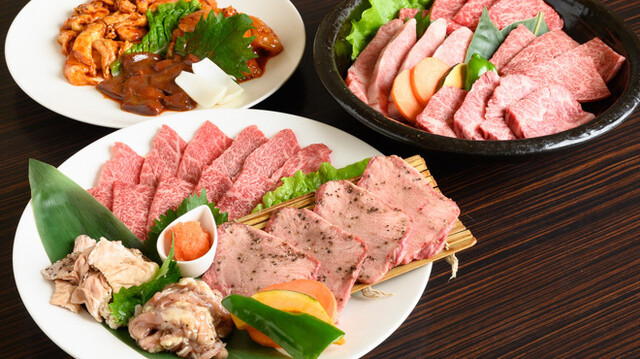
The menu
What to order
- 3 kinds of top yakiniku set
- Upper loin
- Upper ribs
- Upper mino
- Beef bone soup with beef shank and radish
The room announces its purpose before the meal settles into rhythm: tabletop grilling, shared plates, and a pace shaped by the people around the table. In Sapporo, yakiniku is not a passive dinner. The meal depends on timing, heat, cuts shared across the table, and the small negotiations that decide what gets cooked first. Yakiniku Restaurant Totori fits that local grammar, less as a chef-led performance than as a structured social meal where the table does part of the work.
That matters in a city where late eating often splits between ramen counters, izakaya, jingisukan, curry, and grill rooms. Compared with Sapporo’s quick ramen addresses such as Ramen Shingen Minami 6 jou ten, Ramen Arata, and Isono Kazuo, this is a longer, more deliberate format: the value is not speed, but progression. Compared with STEAK&HAMBURG HIGE Sapporo minami 5 jou honten, the cooking is less about a plated main course and more about sequencing, shared heat, and repeated adjustments at the grill.
Yakiniku here is a progression, not a single order
Japanese barbecue works when the table understands momentum. Lighter grilling can open the meal before richer rounds, tripe, and Korean-leaning dishes push it into a deeper register; rice, soup, pickles, and drinks reset the palate between rounds. Totori’s category spread, yakiniku, tripe, and Korean cooking, gives the meal a broader arc than a narrow single-focus session. That breadth is useful in Sapporo, where cold-weather dining often favors warmth, smoke, and communal pacing over delicate minimalism.
The restaurant’s Tabelog Hyakumeiten recognition for 2025 is the clearest external signal. A Tabelog score of 3.66 also signals a venue operating in Japan’s serious enthusiast tier, where even fractional differences tend to reflect sustained diner scrutiny. The listed budget, dinner at JPY 6,000 - JPY 7,999 and lunch at JPY 1,000 - JPY 1,999, places Totori in a defined bracket for diners planning the shape of a Sapporo meal.
The format has range. Smaller parties can keep the meal compact, while groups can lean into the shared dynamic that yakiniku was built for. That flexibility separates it from Sapporo’s more singular formats, including ramen, soup curry, and bakery destinations. For a wider read on the city’s dining spread, use Our full Sapporo restaurants guide, then compare Totori with other Sapporo dining rooms that put spice, curry, and casual warmth at the center of the meal.
Where Sapporo's grill culture meets Korean structure
Sapporo’s food identity is often explained through seafood, miso ramen, dairy, and winter produce, but grill culture is just as central to how the city eats after dark. Yakiniku sits beside jingisukan in that broader habit: food cooked close to the diner, ordered in waves, and supported by drinks rather than fixed courses. Korean dishes add another logic, giving the meal acidity, heat, and soup-and-rice structure around the grill.
Totori’s appeal is strongest for diners who want that complete rhythm rather than a quick stop. The meal can move from early, lighter grilling into tripe and richer rounds, then back toward Korean accompaniments when the table needs contrast. Rather than reading the restaurant as a narrow specialist counter, it makes more sense to see it as a practical Sapporo group-dining option built around repetition, heat, and appetite.
That distinction helps set expectations. This is not the same Sapporo as a quiet pastry run, nor the same kind of evening one might build around hotel bars or cocktail rooms listed in Our full Sapporo bars guide. It belongs to a denser, more convivial register: shared grills, repeated orders, and a table that improves when diners know how to pace themselves.
How to place Totori in a Sapporo itinerary
For travelers, the strongest use case is a dinner that anchors a night in Sapporo rather than a snack between other stops. The city setting puts it within Sapporo’s broader dining orbit, while the listed lunch and dinner budgets give planners a useful sense of when the restaurant fits best. Families and larger groups can approach it as a shared-meal format, especially because yakiniku naturally gives the table more control over pacing than many compact Japanese restaurant styles.
The editorial call is simple: choose Totori when the aim is to understand Sapporo through shared heat rather than through a single bowl, plate, or tasting menu. The 2025 Tabelog recognition gives the decision weight, but the reason to go is the structure of the meal itself: a table-led sequence where grilled items, tripe, Korean dishes, drinks, and conversation form the pacing. For broader trip planning around the city, pair the restaurant guide with Our full Sapporo hotels guide, Our full Sapporo wineries guide, and Our full Sapporo experiences guide.
Readers comparing Japanese grill and casual dining beyond Hokkaido can place the format against other unnamed dining rooms elsewhere: grill-led restaurants, charcoal-focused counters, lighter café meals, contemporary dining rooms, sake bars, and rice-led casual formats. The contrast clarifies Totori’s place: Sapporo, grill-first, communal, and built around the table’s command of sequence.
Frequently asked questions
What's Yakiniku Restaurant Totori's location?
Sapporo.
What does dinner at Yakiniku Restaurant Totori typically cost?
Pricing at Yakiniku Restaurant Totori is listed as Dinner: JPY 6,000 - JPY 7,999; Lunch: JPY 1,000 - JPY 1,999.
What are the opening hours for Yakiniku Restaurant Totori?
Opening hours for Yakiniku Restaurant Totori are not specified in the provided venue details; confirm directly before visiting.
What makes Yakiniku Restaurant Totori worth seeking out?
Its strongest credential is the Tabelog Hyakumeiten recognition for 2025. The restaurant is listed for yakiniku, tripe, and Korean cooking, with a Tabelog score of 3.66. The stated budget is Dinner: JPY 6,000 - JPY 7,999; Lunch: JPY 1,000 - JPY 1,999, which gives diners a clear planning range for a Sapporo grill meal.
What if I have allergies at Yakiniku Restaurant Totori?
The menu spans yakiniku, tripe, and Korean dishes, so ingredient overlap is possible across marinades, sauces, and side dishes. The listed contact number is +81-11-531-5893, which makes a direct allergen check the practical step before ordering.
Fast Comparison
Comparable venues at the same tier.
| Venue | Cuisine | Price | Awards | Notes |
|---|---|---|---|---|
| Yakiniku Restaurant TotoriThis venue (the venue you are viewing) | Yakiniku & Korean Barbecue | $30–50 | Tabelog 100 #4 | Not listed |
| Bar ESTARICO | Spanish tapas & wine bar | $30–50 | Tabelog 100 #44 | Chūō |
| Omaru Shoten | Japanese BBQ (Yakiniku) | $30–50 | Tabelog 100 #90 | Chūō |
| E-itou curry Hiragishi honten | Japanese curry house | $10–20 | Tabelog 100 #88 | Toyohira |
| æçå± ç´ | Fast Food | Not listed | Not listed | Chūō |
| Patisserie Shiiya | Japanese-style French patisserie | $10–20 | Tabelog 100 #16 | Chūō |
Recognition history
Dated appearances from independent guides and award organizations, with the underlying list record or original source where available.
Tabelog 100 #4 · No. 4
Tabelog · Tabelog 100 - Yakiniku - EAST - 2025
Continue exploring
More in Sapporo
Restaurants in Sapporo
All restaurants in Sapporo →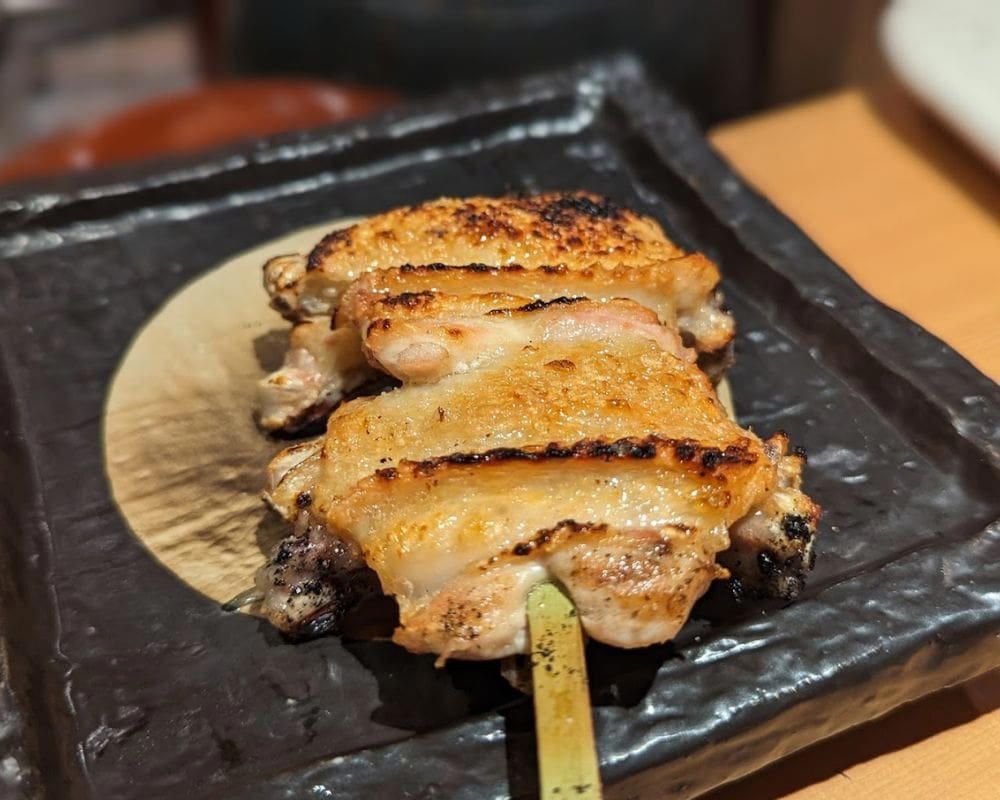
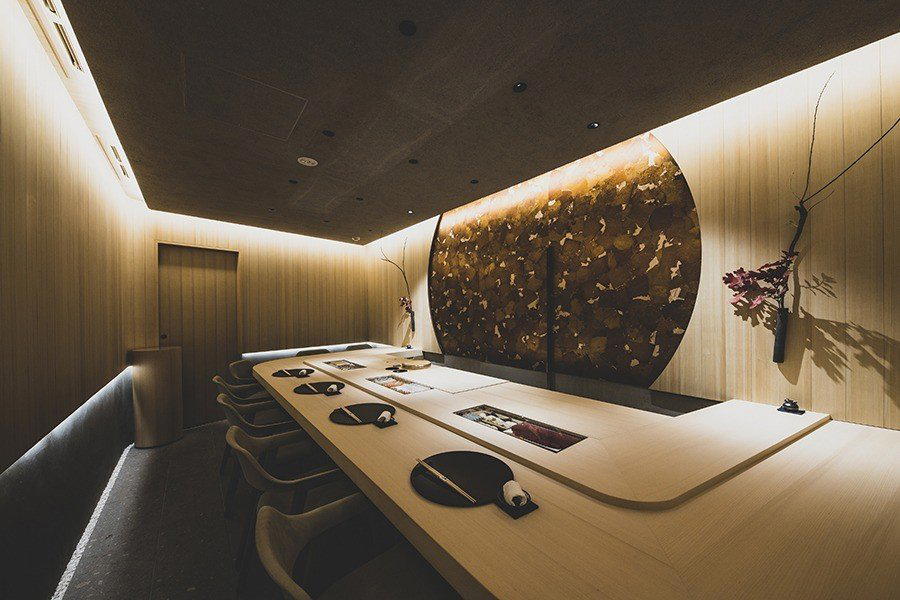
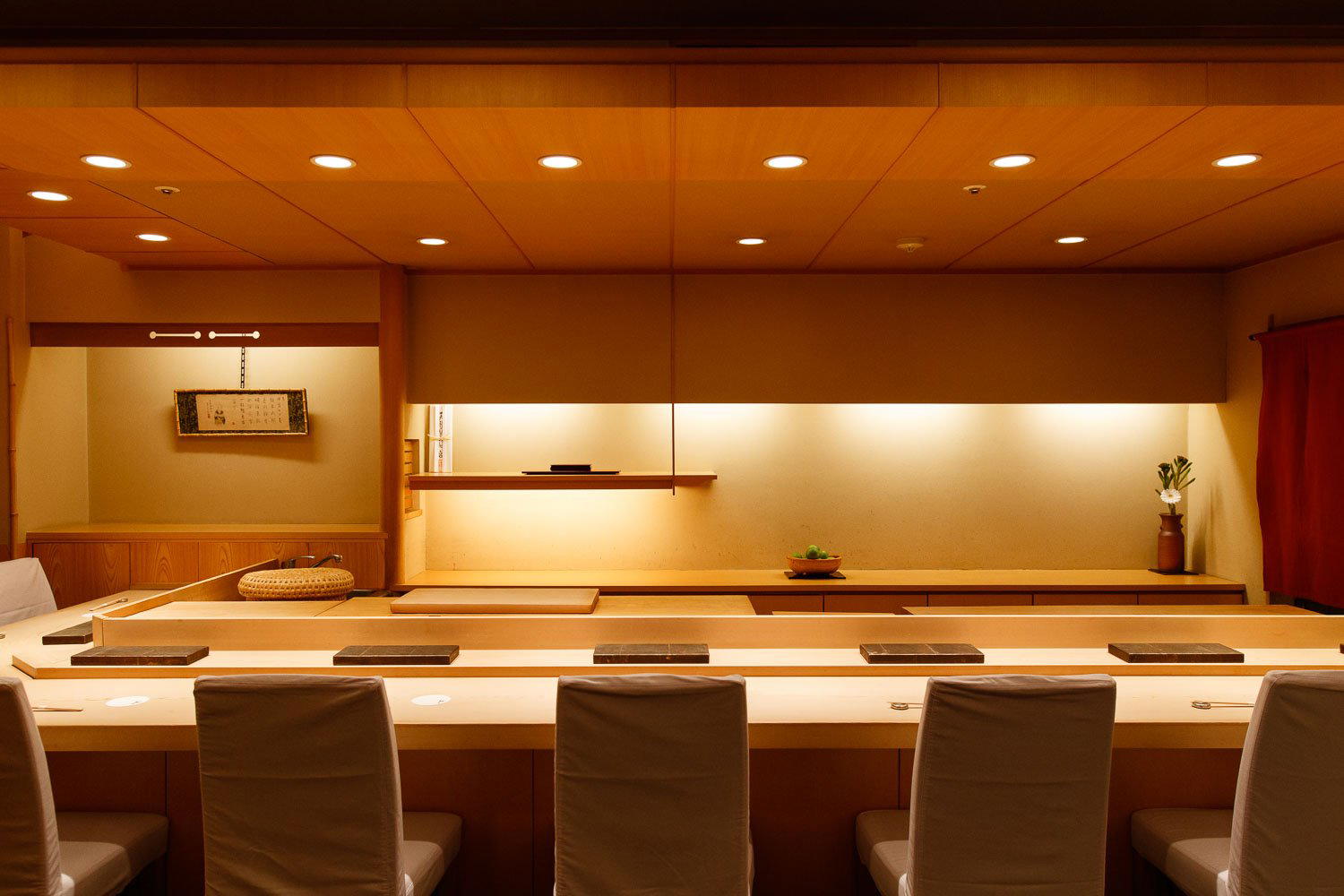
Bars in Sapporo
All bars in Sapporo →

Details
- Lively
- Cozy
- Energetic
- Classic
- Group Dining
- Casual Hangout
- Late Night
- Family
- Celebration
- After Work
- Standalone
- Beer Program
- A La Carte
- Family Style
- Beer
- Soju
- Sake
- Vegetarian Friendly
Current opening hours
- Monday
- 12 PM–12 AM
- Tuesday
- 12 PM–12 AM
- Wednesday
- 12 PM–12 AM
- Thursday
- 12 PM–12 AM
- Friday
- 12 PM–12 AM
- Saturday
- 12 PM–12 AM
- Sunday
- 12 PM–12 AM
Hours can change for holidays and private events. Hours as of .
Casual and bustling with grills at each table, warm lighting, and a homey, slightly retro feel that makes it popular for groups, parties, and late-night meals rather than quiet dining.