
Tabelog 100 #38
Our verdict
A Hakata-ekimae izakaya in the seafood-and-shochu lane of Fukuoka dining, selected for Tabelog 100 - Izakaya - WEST - 2025. The appeal is not ceremony but repetition: fish-led ordering, nihonshu and shochu, private rooms, tatami seating, and a 56-seat room built for groups who already know the rhythm of an evening here.

Pearl is the En Primeur Club membership app — saves, bookings, and concierge access live there. Same editors, same standards.
The menu
What to order
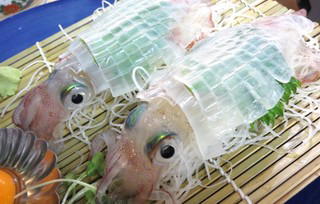
- Live squid
- Live fish sashimi
- Grilled turban shell
The first cue is the city context, not the signboard. Fukuoka is a working-dinner city shaped by office routines, transit schedules, and late-evening meals: quick enough for a weeknight, serious enough for seafood and drinks. Yachiyo Maru Hakata ekimae ten fits a Fukuoka category that rewards regulars. This is not performance dining; it is built for return behaviour, with groups, flexible ordering, and a menu centred on izakaya cooking, seafood, and deep-fried foods.
Fukuoka’s izakaya culture is more exacting than the casual label suggests. Outsiders often know the city through headline dishes, but locals read sharper signals: seafood handling, fried food that can carry a table, and a room that can absorb office parties and smaller friend groups without turning dinner into theatre. Selection for Tabelog 100 - Izakaya - WEST - 2025 places this address inside a competitive western Japan field: not a luxury counter, but a seafood-oriented tavern consistent enough to register beyond neighbourhood loyalty.
Fish, drinks, and the regulars' grammar of Fukuoka izakaya dining
The regulars’ perspective matters because izakaya ordering is rarely linear. A first-time diner scans categories; a repeat diner reads the table. Seafood sets the direction here, with the public listing placing the restaurant in izakaya, seafood, and deep-fried foods. The combination is classic Fukuoka rather than generic Japanese-pub shorthand: seafood carries the meal, fried dishes set the pace, and the evening develops without formal tasting-menu structure.
The drinks signal is part of the broader izakaya frame. In Fukuoka, tavern dining is often as much about rhythm as it is about individual plates: what arrives first, what the table shares, and how the meal stretches across conversation. A seafood izakaya in this category sits closer to local after-work tradition than to the tourist version of Japanese dining, where the order too often stops at one obvious dish. Here the unwritten menu is a habit of sequence, not secret dishes: seafood-led plates, fried food, and drinks adjusted to group appetite.
That is why this format compares differently from Fukuoka’s other casual institutions. Aji Dokoro Taro Gen Sougyou ten operates at a different dinner spend, while some lower-budget Fukuoka staples compress the evening around a narrower specialty. Yachiyo Maru Hakata ekimae ten sits in the middle: more flexible than a single-dish stop, less formal than a chef-led counter, and best read as a group izakaya where value lies in range and repetition.
A practical room built for groups rather than ceremony
The Fukuoka setting matters because the city is a natural meeting point for business travellers, local office workers, and domestic visitors moving through Kyushu. Restaurants in this orbit live or fail by practical fluency. An izakaya with a seafood and deep-fried-foods listing speaks to that reality. The point is not fine-dining intimacy; it is that a group can assemble, order across categories, and leave without making the room feel precious.
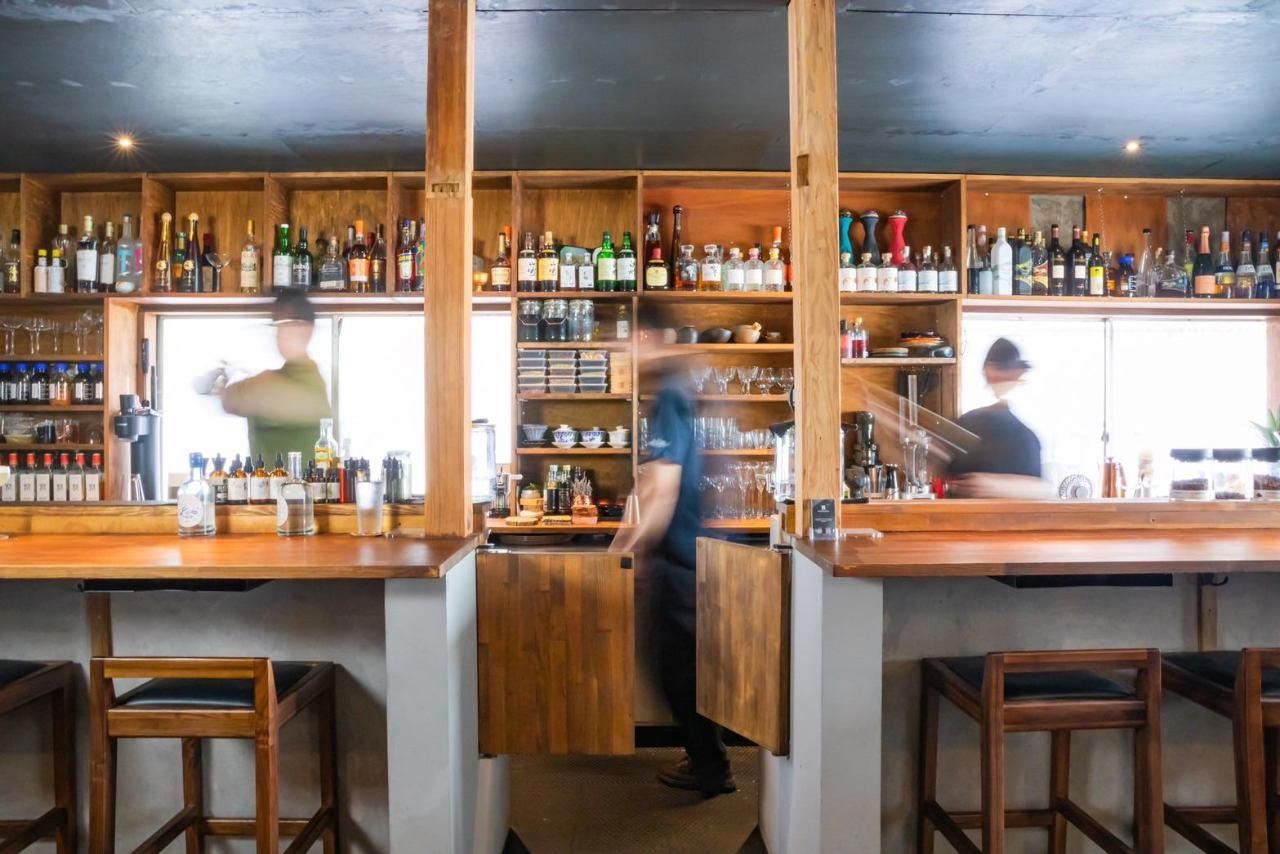
The atmosphere should be read through the lens of Japanese tavern culture rather than polished destination dining. For some travellers, that means an old-school izakaya mood; for others, it simply means a casual room where the food and the table’s pace matter more than ceremony. In Fukuoka, where refined dining and everyday drinking rooms can sit close together, that distinction helps separate a practical izakaya choice from more staged restaurant experiences.
The Tabelog score of 3.66 adds calibration. In Japan’s user-review culture, that band can indicate durable local approval rather than novelty heat. The 2025 Tabelog 100 - Izakaya - WEST selection is the stronger trust signal, but the score supports the same reading: this is not carried by one viral dish or visual hook. It belongs to the repeatable end of the city’s izakaya scene.
How to place it in a Fukuoka eating itinerary
For travellers building a Fukuoka food schedule, this is a dinner for the night when range matters more than genre purity. It should not replace a dedicated specialist stop, a counter-focused evening, or a single-dish room. It fills the gap between them: a seafood-led tavern dinner with enough structure for a group, rooted in the city’s casual dining culture, and informal enough after trains, meetings, or neighbourhood hopping.
That distinction helps when comparing it with other Fukuoka choices. More specialized meals can point diners toward narrower rooms elsewhere in the city; spice-minded, fried-food-focused, or meat-focused diners may choose other dining in Fukuoka according to the night’s appetite. This address is for the broader izakaya evening, where the table’s leading decisions are cumulative rather than singular.
Use the wider EP Club Fukuoka map by category rather than checklist. Start with Our full Fukuoka restaurants guide for dinner planning, then layer in Our full Fukuoka hotels guide if staying in the city. Drinking routes are better handled through Our full Fukuoka bars guide, while Our full Fukuoka experiences guide places food around the city’s non-restaurant hours. Our full Fukuoka wineries guide is less central to a Fukuoka izakaya night, but useful for travellers extending the trip through regional producers and drinks culture.
For readers comparing Japanese casual dining across cities, the contrast is instructive. Larger cities often reward specialization at extreme density, while regional dining can read differently, with each place’s habits settling around different repetitions. Fukuoka’s version is especially good at making the everyday feel precise: seafood, fried plates, group ordering, and a table that rewards return visits rather than spectacle. Outside Japan, the same logic can appear in diaspora dining, where format and ritual matter as much as the order.
The verdict is simple: this is a serious izakaya choice for diners who understand that Fukuoka’s food culture is not only headline dishes. Its value sits in the middle of the evening, where seafood, fried plates, drinks, and group logistics come together without ceremony. For regulars, that is exactly the point.
Frequently asked questions
How do I find Yachiyo Maru Hakata ekimae ten?
Yachiyo Maru Hakata ekimae ten is located in Fukuoka.
Is Yachiyo Maru Hakata ekimae ten open every day?
Opening days and hours for Yachiyo Maru Hakata ekimae ten should be checked directly before visiting.
What price level is Yachiyo Maru Hakata ekimae ten?
Pricing at Yachiyo Maru Hakata ekimae ten is listed as JPY 3,000 - JPY 3,999.
What is Yachiyo Maru Hakata ekimae ten known for?
Yachiyo Maru Hakata ekimae ten is listed for izakaya, seafood, and deep-fried foods in Fukuoka, and was selected for Tabelog 100 - Izakaya - WEST - 2025.
Where the Accolades Land
Comparable venues at the same tier for side-by-side context.
| Venue | Cuisine | Price | Awards | Notes |
|---|---|---|---|---|
| Yachiyo Maru Hakata ekimae tenThis venue (the venue you are viewing) | Izakaya Seafood | Not listed | Tabelog 100 #38 | Not listed |
| bar BaBa | Spanish bar with Japanese-influenced paella & natural wine | $30–50 | Tabelog 100 #52 | Chūō |
| ZAEKA | Halal Pakistani & Indian Curry House | $20–30 | Tabelog 100 #62 | Chūō |
| Yakitori Inada | Traditional Yakitori & Izakaya | $30–50 | Tabelog 100 #9 | Hakata |
| æç åç¿ | Japanese Coffee House | Not listed | Not listed | Chūō |
| Mongolian restaurant Sukhe | Authentic Mongolian | $20–30 | Not listed | Chūō |
Recognition history
Dated appearances from independent guides and award organizations, with the underlying list record or original source where available.
Tabelog 100 #38 · No. 38
Tabelog · Tabelog 100 - Izakaya - WEST - 2025
Continue exploring
More in Fukuoka
Restaurants in Fukuoka
All restaurants in Fukuoka →
Details
- Lively
- Cozy
- Classic
- Group Dining
- After Work
- Casual Hangout
- Private Dining
- Standalone
- Sake Program
- Beer Program
- Local Sourcing
- Sustainable Seafood
- A La Carte
- Set Menu
- Sake
- Shochu
- Pescatarian Friendly
Current opening hours
- Monday
- 5–11 PM
- Tuesday
- 5–11 PM
- Wednesday
- 5–11 PM
- Thursday
- 5–11 PM
- Friday
- 5–11 PM
- Saturday
- 5–11 PM
- Sunday
- Closed
Hours can change for holidays and private events. Last verified .
A casual, lively house-restaurant izakaya atmosphere centered on fresh seafood, with smoking allowed and private-room options reported in listings.