Yabase

A Michelin Plate recipient in consecutive years (2024 and 2025), Yabase on Klosterstraße brings Japanese cooking into Düsseldorf's broader conversation about the city's deep relationship with Japanese cuisine. Pitched at the €€€ tier, it occupies a more accessible price point than the city's Japanese fine-dining ceiling while maintaining the kitchen discipline that earned consistent recognition.
Pearl is the En Primeur Club membership app — saves, bookings, and concierge access live there. Same editors, same standards.
- Address
- Klosterstraße 70, 40211 Düsseldorf, Germany
- Phone
- +49 211 362677
- Website
- yabase-ddf.com
- Directions
- Get directions
 Saves & bookings on Pearl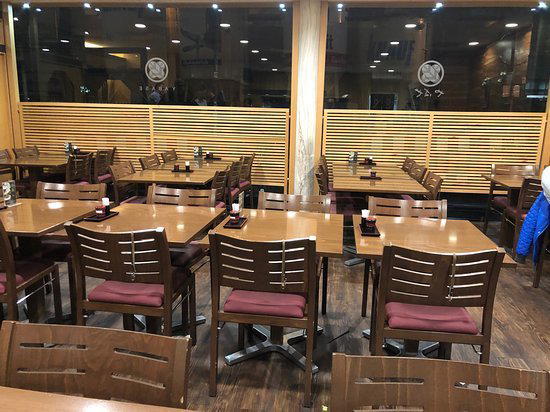
Where Düsseldorf's Japanese Dining Culture Takes a Different Register
Klosterstraße 70 sits in the Stadtmitte district, a stretch of Düsseldorf that runs parallel to the city's main Japanese community corridors without sitting inside them. Approaching Yabase, the residential and commercial grain of the neighbourhood signals something deliberate: this is not a restaurant positioned to capture passing trade from the Immermannstraße cluster that defines Düsseldorf's densest concentration of Japanese businesses and restaurants. That volume and that average, held together, point to a local constituency that returns consistently.
Düsseldorf's claim to having the significant Japanese community in continental Europe is not marketing language. It is a function of trade relationships established in the postwar economic era, when Japanese corporations set up European headquarters in the city and a service infrastructure, schools, supermarkets, restaurants, followed. The dining consequences are visible in a range that stretches from fast ramen counters and izakaya-style neighborhood spots to the two-star French-influenced Japanese cooking at Nagaya and the accessible stepping-stone version of that approach at Yoshi by Nagaya. Yabase at €€€ occupies the tier between those poles: formal enough to carry Michelin recognition for two consecutive years (2024 and 2025), accessible enough that a midweek dinner does not require the same financial commitment as the city's destination-dining Japanese or European rooms.
The Lunch and Dinner Divide in Japanese Restaurant Economics
In Japanese restaurants operating at the Michelin Plate level, the lunch and dinner divide is often more pronounced than in European fine dining. Dinner tends to anchor the kitchen's more ambitious output: longer preparations, structured courses, a pace calibrated to an evening's span. Lunch, by contrast, is where many kitchens in this tier build their local constituency. Set menus at accessible price points, faster service rhythms, and a clientele drawn from offices and businesses rather than occasion dining create a different register entirely. The Michelin Plate designation, awarded for cooking quality rather than luxury indicators, applies regardless of which service you attend, which makes lunch the more instructive test of what the kitchen can do without the theatre of an evening booking.
For a visitor to Düsseldorf, this framing has practical weight. A lunch visit to a Michelin-recognised Japanese kitchen at €€€ pricing represents a different proposition than dinner at Im Schiffchen or at 1876 Daniel Dal-Ben, both of which operate at €€€€ and apply that pricing across both services. The economics of a Japanese Plate-level lunch in this city can be among the more efficient ways to access recognised cooking without the full evening outlay.
Inside the €€€ Japanese Tier
The €€€ designation places Yabase in a specific competitive bracket within Düsseldorf's dining map. It sits below the €€€€ ceiling occupied by Nagaya in the Japanese category and by creative European rooms like Agata's at the same leading price band. Within the €€€ tier, the comparison set is different: restaurants where quality is expressed through precision and sourcing rather than through service ratios and room investment. For diners cross-referencing this against broader German fine dining, the Michelin Plate signals a kitchen operating with intent, below the star threshold but recognised as a serious address. Comparable positioning in other German cities would include restaurants in the orbit of addresses like JAN in Munich or, at the more refined end, the kitchens surrounding Schwarzwaldstube in Baiersbronn and Aqua in Wolfsburg, though those represent ceiling-level benchmarks rather than direct peers.
Within Japanese cuisine specifically, the Michelin Plate at a €€€ price point is a format that exists in meaningful concentration in few European cities. Düsseldorf is one of them, precisely because the Japanese community creates demand sophisticated enough to sustain technically serious restaurants below the luxury-price threshold. The Tokyo comparison is instructive: at Myojaku or Azabu Kadowaki, the question of price tier and recognition band is navigated inside a much denser ecosystem. In Düsseldorf, with far fewer nodes on that map, each address carries more weight in defining what the city's Japanese dining scene signals to an outside visitor.
What Two Consecutive Michelin Plates Mean in Practice
A single Michelin Plate can reflect a kitchen finding its form. Two consecutive Plates, in 2024 and then confirmed again in 2025, indicate a kitchen holding its standard across an inspection cycle. The Plate is Michelin's signal that a restaurant uses quality ingredients and prepares them with care, the entry designation in a system where the star is the exception and the Plate is the considered endorsement for restaurants that fall just below that threshold or operate in a style where star criteria are applied differently.
For context across Germany's recognised dining addresses, the Plate-to-star gap covers significant ground. The star kitchens at Vendôme in Bergisch Gladbach, ES:SENZ in Grassau, or CODA Dessert Dining in Berlin operate in a different register of ambition and investment. But Yabase's consecutive Plates place it clearly on the recognised side of the Michelin line, distinguishing it from the broader mass of unlisted Japanese restaurants in Düsseldorf's saturated market.
Planning a Visit
Yabase is at Klosterstraße 70, 40211 Düsseldorf. The restaurant does not list a website or phone number in current public records; a reliable booking route is through third-party reservation platforms covering Düsseldorf or through direct enquiry via platforms aggregating the city's Japanese dining options. Given the volume of reviews and the consistent rating, securing a reservation in advance is advisable, particularly for evening slots on weekends. Lunch on a weekday offers greater flexibility and, in the price structure typical of this format, likely represents the more efficient service for first-time visitors. The €€€ band places a dinner here at a comparable outlay to the city's mid-tier European dining rooms, and below the full evening cost at Nagaya or the €€€€ creative European addresses across Düsseldorf's fine dining map.
Style and Standing
Comparable venues nearby, for context on price, style, and recognition.
| Venue | Cuisine | Price | Awards | Notes |
|---|---|---|---|---|
| YabaseThis venue — the venue you are viewing | Japanese | $$$ | Michelin Plate | Not listed |
| Rubens | Modern Austrian | $$$ | Michelin Plate | Pempelfort |
| Fleher Hof | Modern German-French Bistro | $$$ | Michelin Plate | Flehe |
| Brasserie Stadthaus | Classic French Brasserie | $$$ | Michelin Plate | Altstadt |
| Celia | Modern Mexican Fine Dining | $$$ | Michelin Plate | Unterbilk |
| WELA | Modern Thai Fine Dining | $$$$ | Michelin Plate | Stadtmitte |
Recognition history
Dated appearances from independent guides and award organizations, with the underlying list record or original source where available.
Michelin Plate
Michelin · 2026 Michelin Plate
Michelin Plate
Michelin
Michelin Plate
Michelin
Continue exploring
More in Düsseldorf
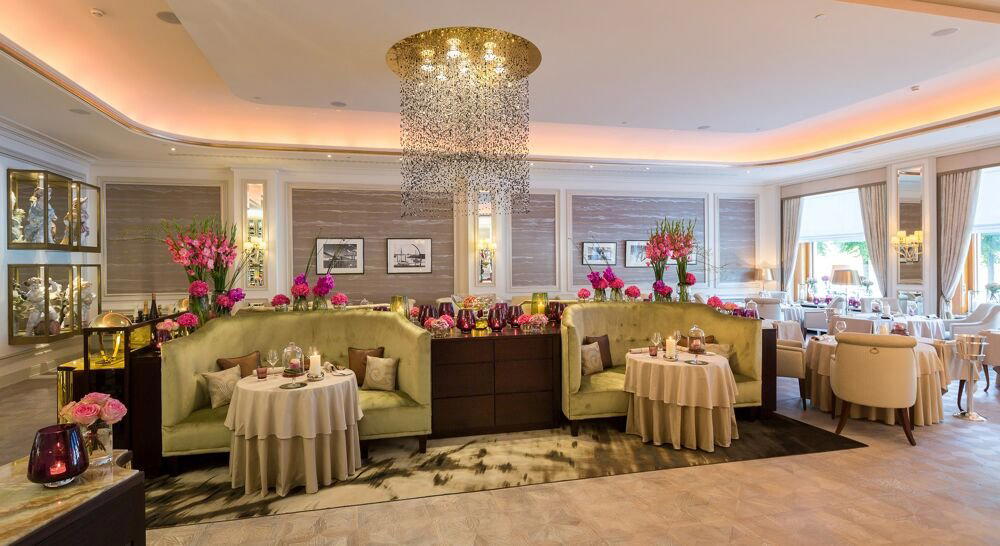
Restaurants in Düsseldorf
Browse all →
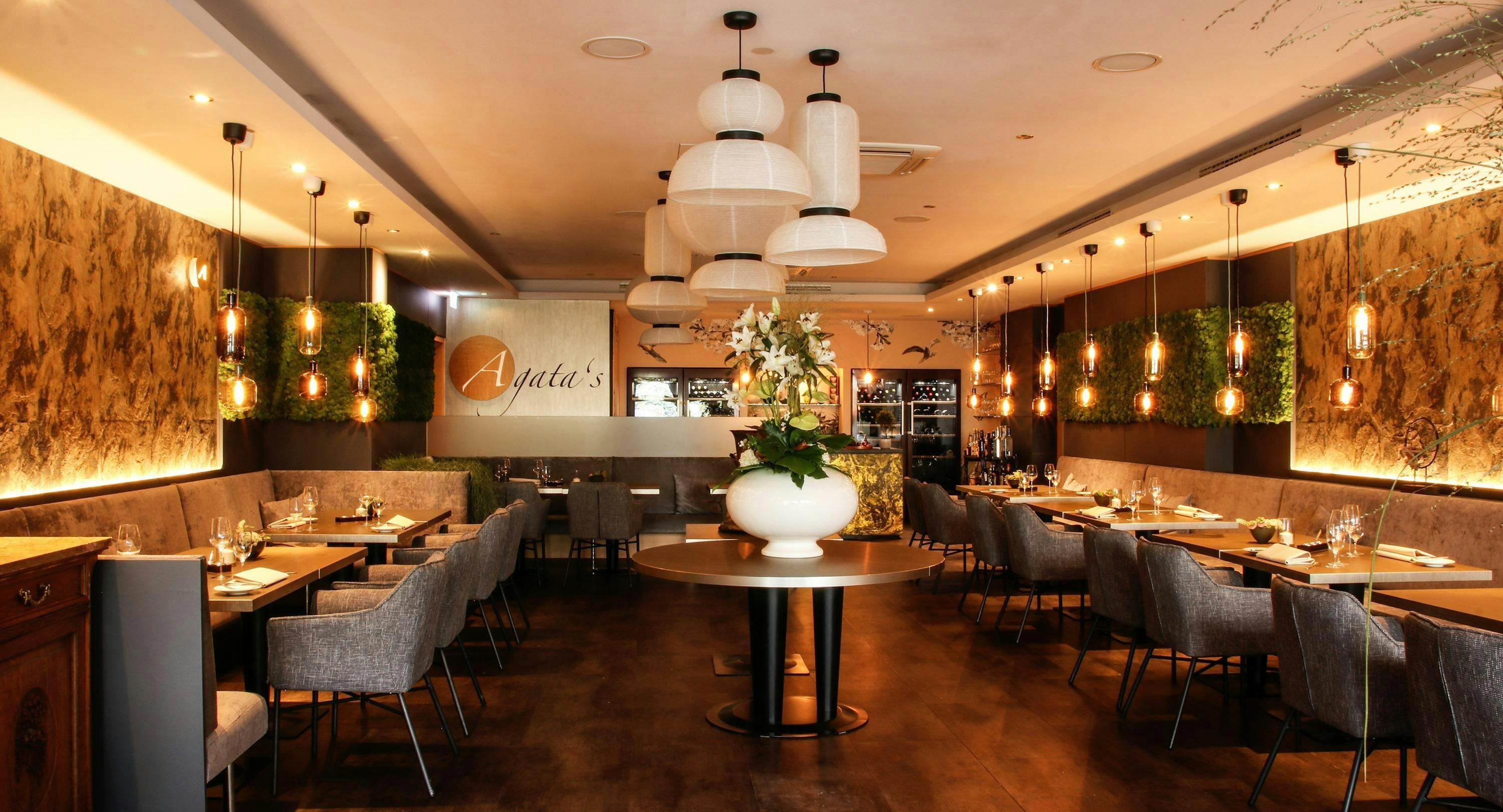
Bars in Düsseldorf
Browse all →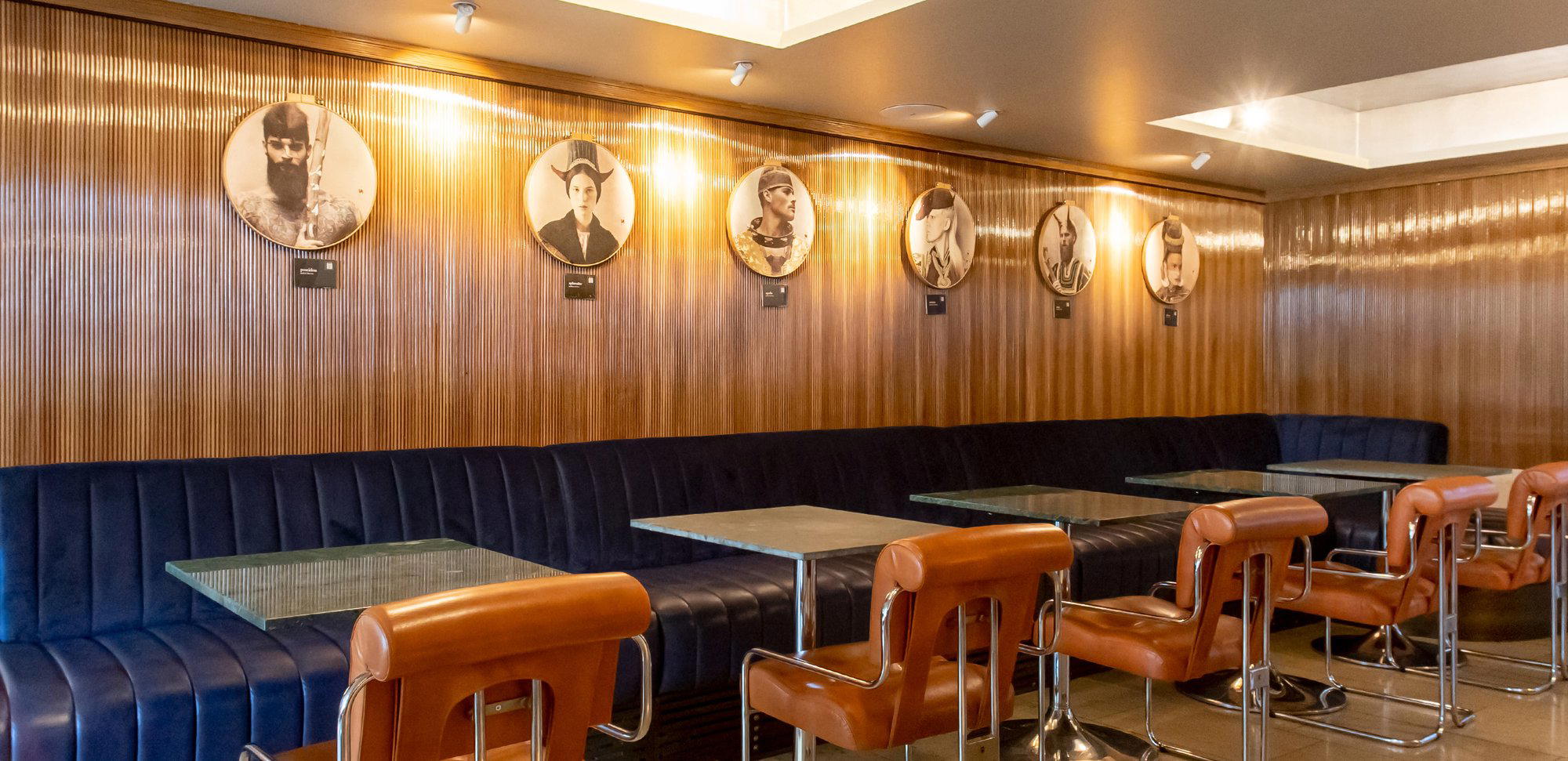
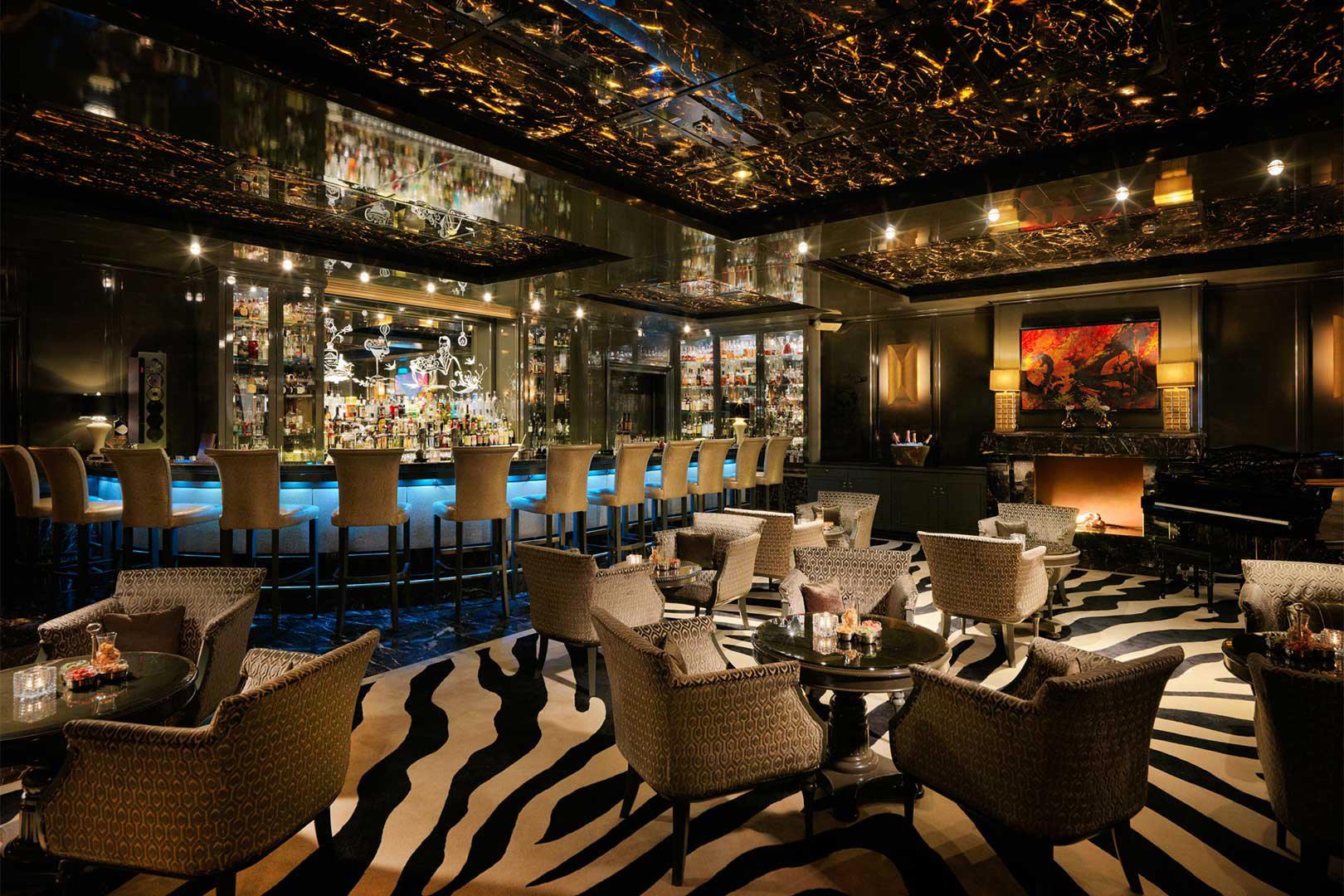
Hotels in Düsseldorf
Browse all →
Wineries in Düsseldorf
Browse all →
At a Glance
- Classic
- Modern
- Cozy
- Casual Hangout
- Business Dinner
- Solo
- Standalone
- Beer Program
Current opening hours
- Monday
- Closed
- Tuesday
- 11:30 AM–2 PM, 6–10 PM
- Wednesday
- 11:30 AM–2 PM, 6–10 PM
- Thursday
- 11:30 AM–2 PM, 6–10 PM
- Friday
- 11:30 AM–2 PM, 6–10 PM
- Saturday
- 11:30 AM–2 PM, 6–10 PM
- Sunday
- Closed
Hours can change for holidays and private events. Last verified .
Relaxed and modern, with a classic Japanese restaurant feel.