
Xin Rong Ji (Linhai) belongs to Taizhou’s ingredient-led dining culture, where Zhejiang coastal produce and precise sourcing matter more than theatrical presentation. The Linhai address also sits inside a broader national brand, giving it a different frame from smaller local seafood rooms and soup houses across the city.
Pearl is the En Primeur Club membership app — saves, bookings, and concierge access live there. Same editors, same standards.
- Address
- 239 Linhai Avenue, Linhai, Taizhou, Zhejiang, CHN
- Phone
- +86 576 8511 6777
- Website
- guide.michelin.com
- Directions
- Get directions
 Saves & bookings on Pearl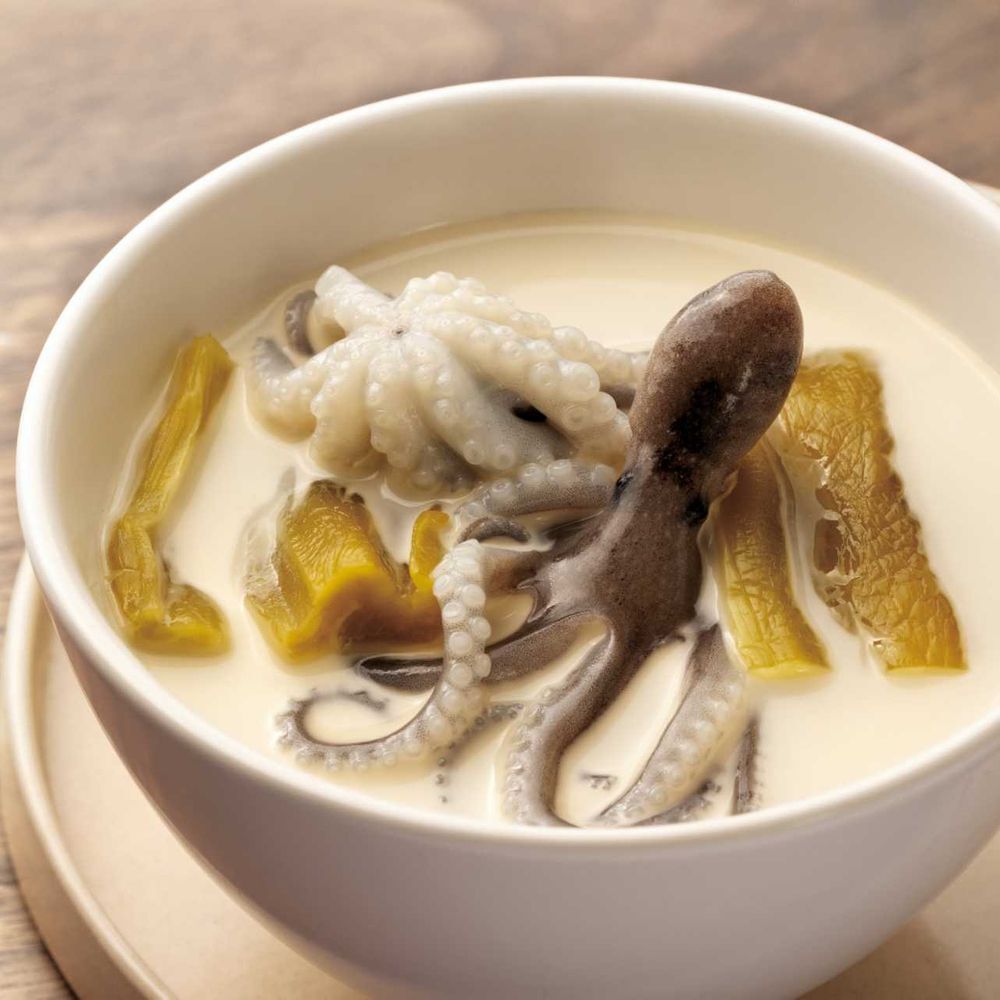
Approaching a serious Taizhou table is less about spectacle than calibration: live seafood tanks, private-room traffic, banquet pacing, and a kitchen judged by how cleanly it handles regional produce. In Linhai, that context matters. The city’s cooking is shaped by Zhejiang’s coast and river systems, with freshness, seasonality, and texture carrying more weight than heavy saucing or visual drama.
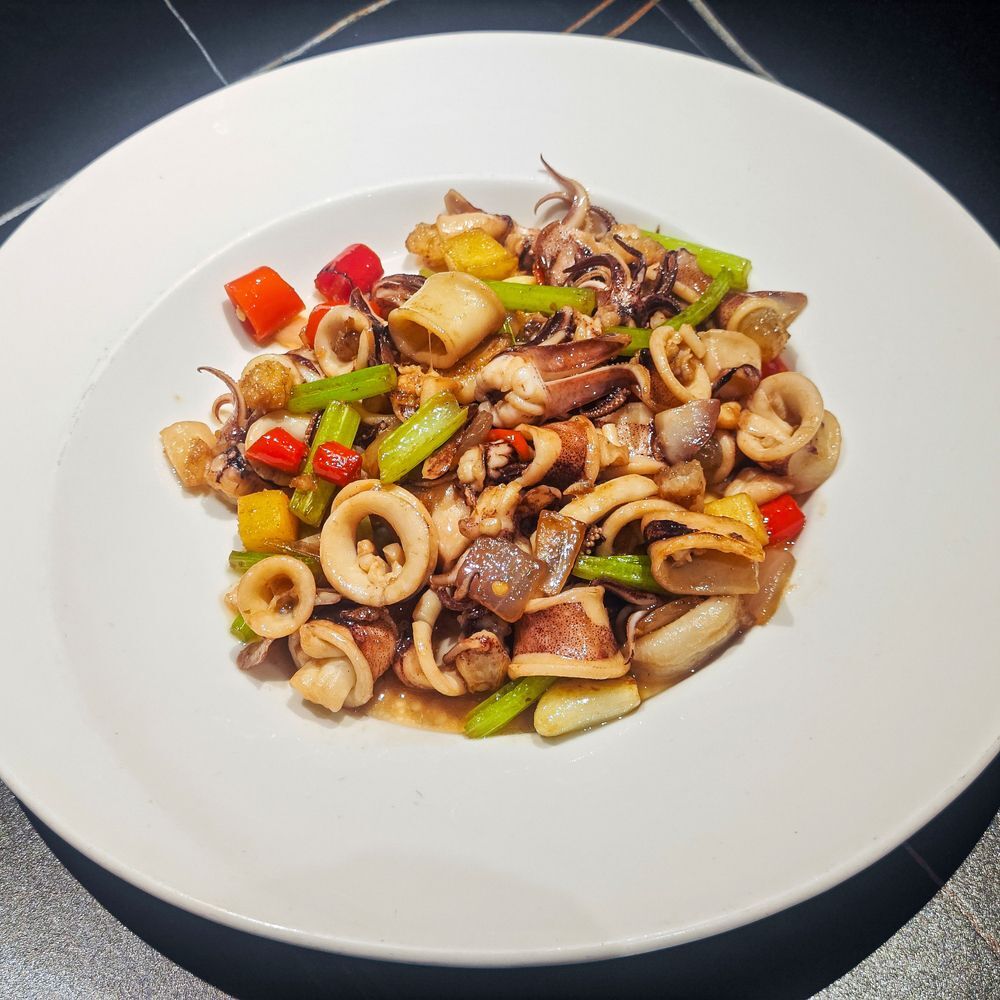
Xin Rong Ji (Linhai) enters that scene with an unusual dual identity. It is local in geography, tied to Linhai and Taizhou’s seafood-driven habits, yet attached to a brand with a nation-wide presence. That combination changes the reader’s expectations. A small neighborhood room can be judged on intimacy and local habit; a national name in a regional food city is judged on procurement discipline, consistency, and whether scale has diluted the ingredient logic that made the area worth eating in to begin with.
Taizhou cooking is an ingredient test before it is a luxury test
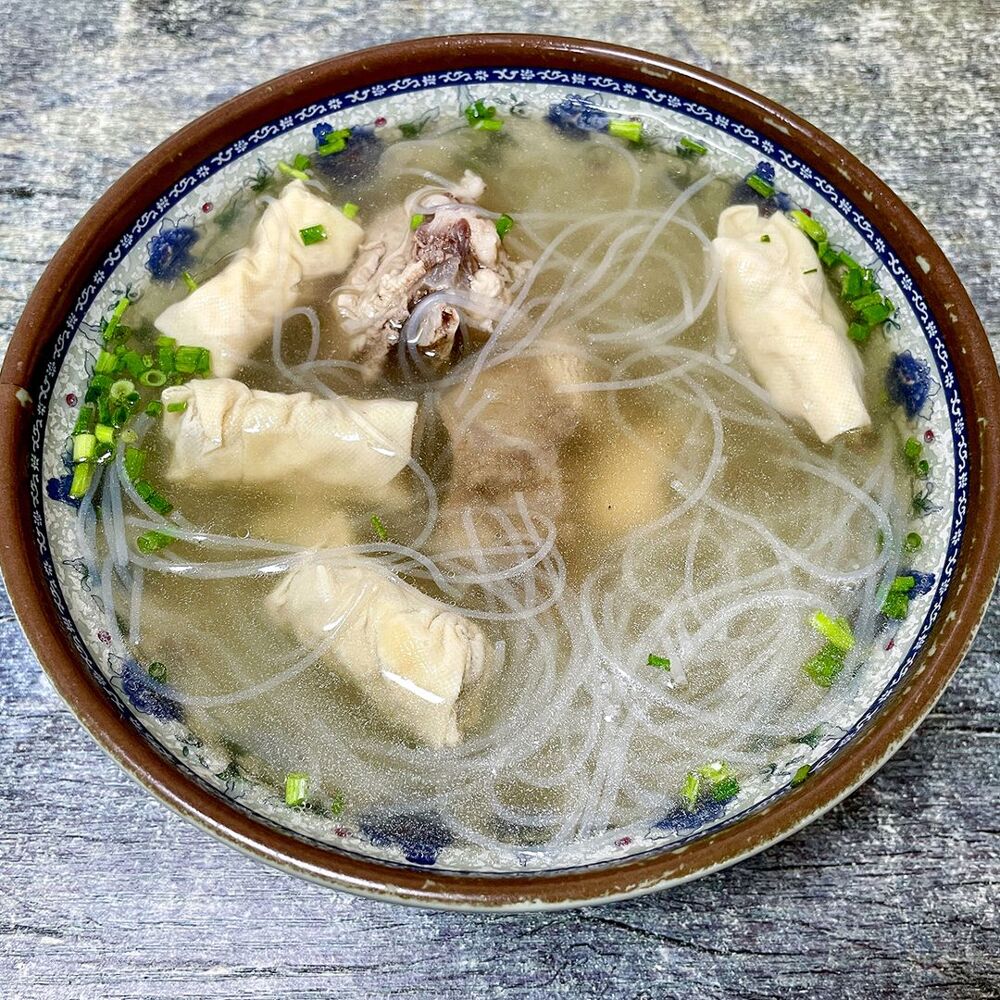
Taizhou does not need imported luxury cues to make a serious meal. Its dining grammar comes from coastal Zhejiang: seafood handled with restraint, soups built for clarity, and vegetables or river produce treated as evidence of season rather than garnish. The strongest meals in the city tend to make a simple demand of the kitchen: buy well, cook accurately, and avoid smothering the main ingredient.
That is why a Linhai branch of a national restaurant group is more interesting than another generic prestige address. The question is not whether the room can signal status; many Chinese banquet restaurants can. The sharper question is whether sourcing and execution keep pace with Taizhou’s own standards, where regulars already understand the difference between fresh and merely expensive.
For a useful local comparison, Guoping Seafood and KeLongYiHao point toward the city’s seafood-first habits, while Lao Bian Jin jia and Li Ji Gu Tou Tang show how deeply local diners value specialization. In that company, Xin Rong Ji (Linhai) reads less like an isolated destination and more like a scaled expression of Taizhou’s ingredient economy.
A national brand under regional pressure
Chain expansion can flatten regional cooking, especially when menus become designed for recognizability across cities. Taizhou is a harder place for that strategy because the audience is fluent in the cuisine’s raw materials. A kitchen here cannot rely on decorative luxury alone; the local test is whether seafood, soups, and seasonal dishes retain the directness associated with Zhejiang coastal cooking.
The brand’s wider footprint is the main trust signal here. National presence brings procurement systems, service protocols, and a degree of consistency that smaller restaurants may not offer. It also creates pressure: a serious regional branch has to serve diners who know the local idiom while also meeting expectations formed in larger Chinese dining markets. That tension is the point. Linhai is not just another pin on a map; it is close to the culinary source material.
Within Taizhou, the comparison with Xin Rong Ji Taizhou (Ling Hu) - 新荣记(灵湖店) is natural because both sit under the same broader name inside the same city region. For travelers building a wider eating plan, Our full Taizhou restaurants guide gives the local dining map more shape, while Our full Taizhou hotels guide, Our full Taizhou bars guide, Our full Taizhou wineries guide, and Our full Taizhou experiences guide cover the rest of the city infrastructure.
How to place it in a wider China dining itinerary
For readers tracking Chinese regional dining across cities, Taizhou offers a different argument from the banquet polish of major commercial centers. It is smaller, more ingredient-dependent, and less useful for diners seeking a showpiece room detached from place. That makes Linhai a good lens on how regional Chinese restaurants balance local produce with brand scale.
The contrast becomes clearer when set against broader China references such as #8 in Chengdu, 100 Century Avenue Cantonese in Shanghai, 167 Shan Hai Li in Fuzhou, 1913 in Hangzhou, 1927 Dong Yuan Si Chu in Xiamen, and 1949 - Duck de Chine in Beijing. Those names sit in different regional conversations; Taizhou’s case is narrower and more product-driven. Even international links such as Jōdo Saké Bar in Los Angeles and Onigiri Time in Pasadena underline the same editorial point: place-specific dining only works when format follows ingredients, not the other way around.
The verdict is practical rather than sentimental. Choose this address for a Taizhou meal framed by sourcing, regional familiarity, and the consistency expectations attached to a national restaurant group. Diners looking for chef biography, tasting-menu theater, or imported luxury signifiers are asking the wrong question. The better question is how cleanly the kitchen translates Linhai and coastal Zhejiang produce into a meal that feels accountable to its own region.
A Quick Peer Check
Comparable venues by cuisine and price in the same metro.
| Venue | Cuisine | Price |
|---|---|---|
| Xin Rong Ji (Linhai) | This brand with a nation-wide presence... | This venue |
| Xin Rong Ji Taizhou (Ling Hu ) - 新荣记(灵湖店) | Chinese Shandong | Chinese Shandong |
Recognition history
Dated appearances from independent guides and award organizations, with the underlying list record or original source where available.
Michelin 1 Star
Michelin
Continue exploring
More in Taizhou
At a Glance
- Elegant
- Classic
- Sophisticated
- Intimate
- Special Occasion
- Business Dinner
- Date Night
- Group Dining
- Waterfront
- Standalone
- Design Destination
- Extensive Wine List
- Local Sourcing
- Sustainable Seafood
- Waterfront
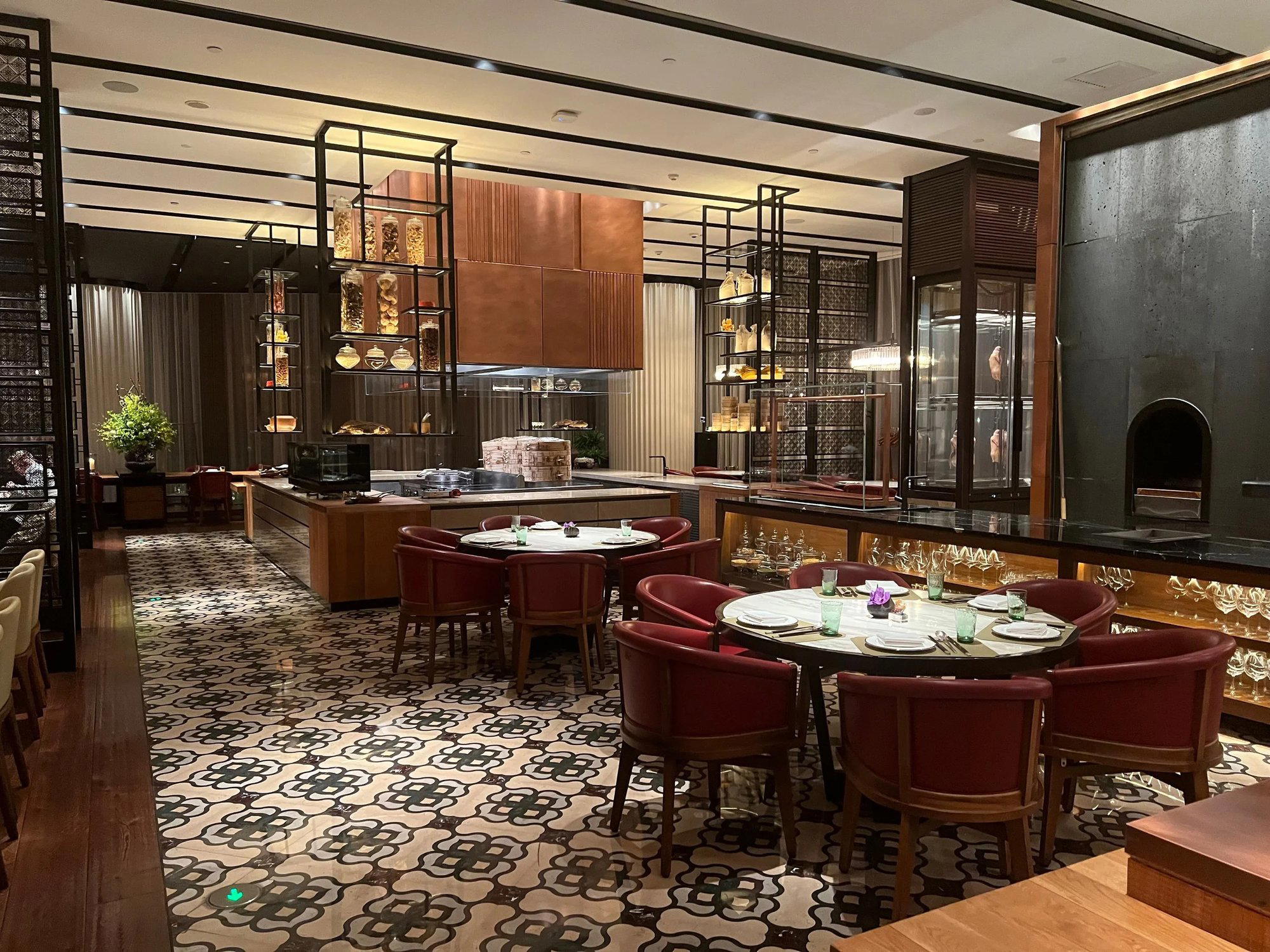
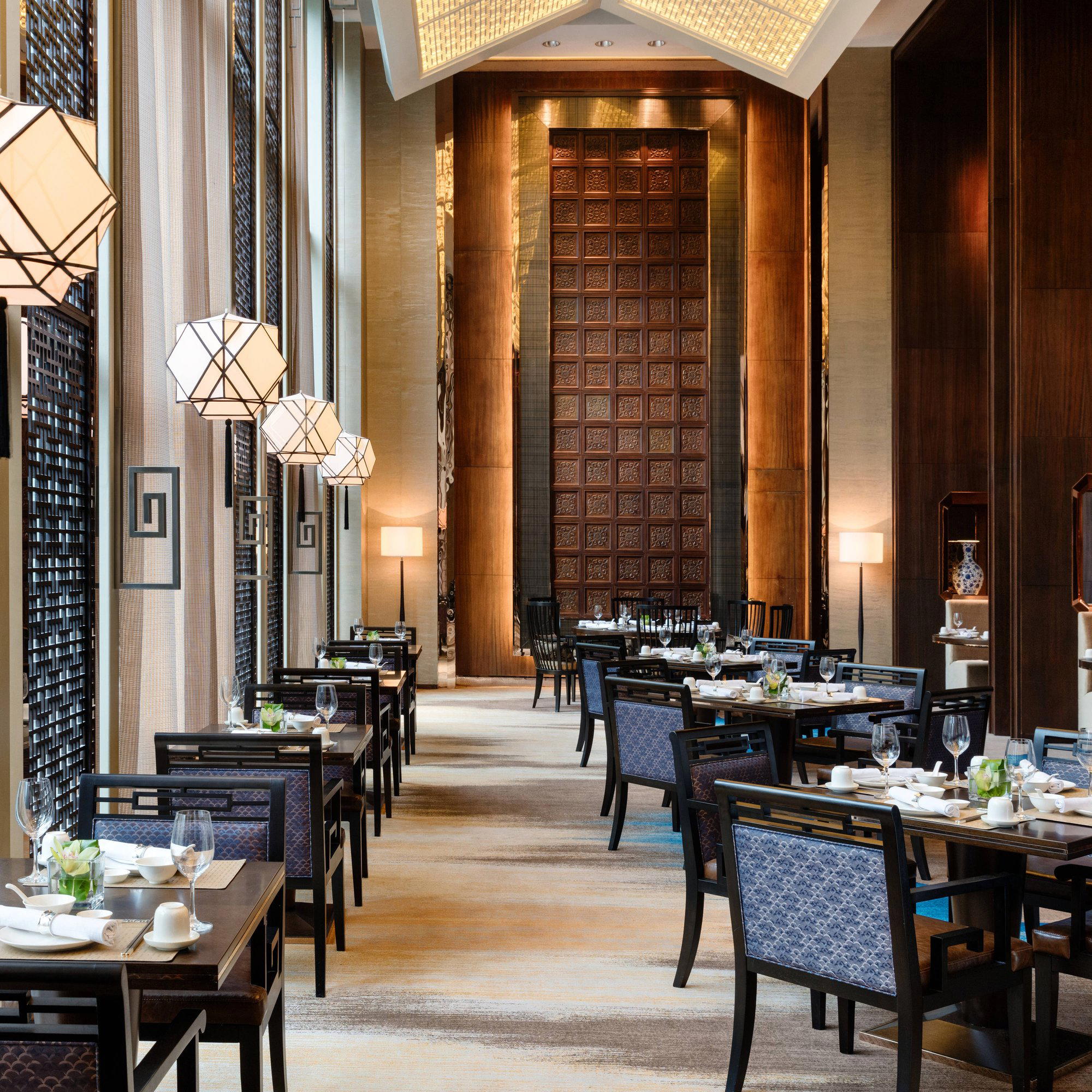
Refined but not ostentatious, with a calm, formal dining room that focuses attention on meticulously prepared Taizhou seafood; lighting and décor are understated and classic rather than flashy, in keeping with its reputation as a destination for serious gastronomes.