
Guoping Seafood in Tiantai, Taizhou occupies a residential-commercial building at Gongren West Road, serving Zhejiang-style seafood with minimal intervention. The split-level room seats diners across two floors, and the kitchen draws from Taizhou's cold-water coastal suppliers and inland mountain streams for crab, fish, and shellfish that arrive the same day.
Pearl is the En Primeur Club membership app — saves, bookings, and concierge access live there. Same editors, same standards.
- Address
- 466-2 Guoda Rongyuan, Gongren West Road, Tiantai, Taizhou, Zhejiang, CHN
- Phone
- +86 139 8965 8777
- Website
- guide.michelin.com
- Directions
- Get directions
 Saves & bookings on Pearl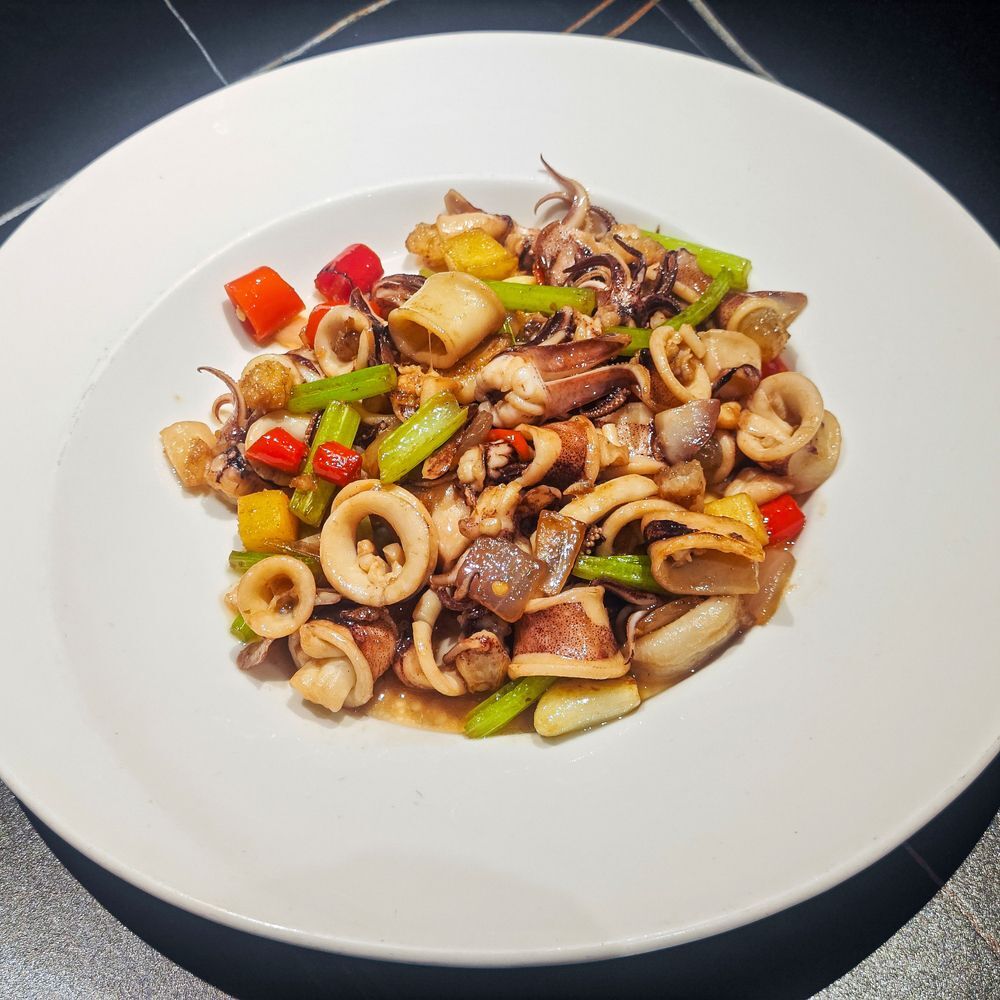
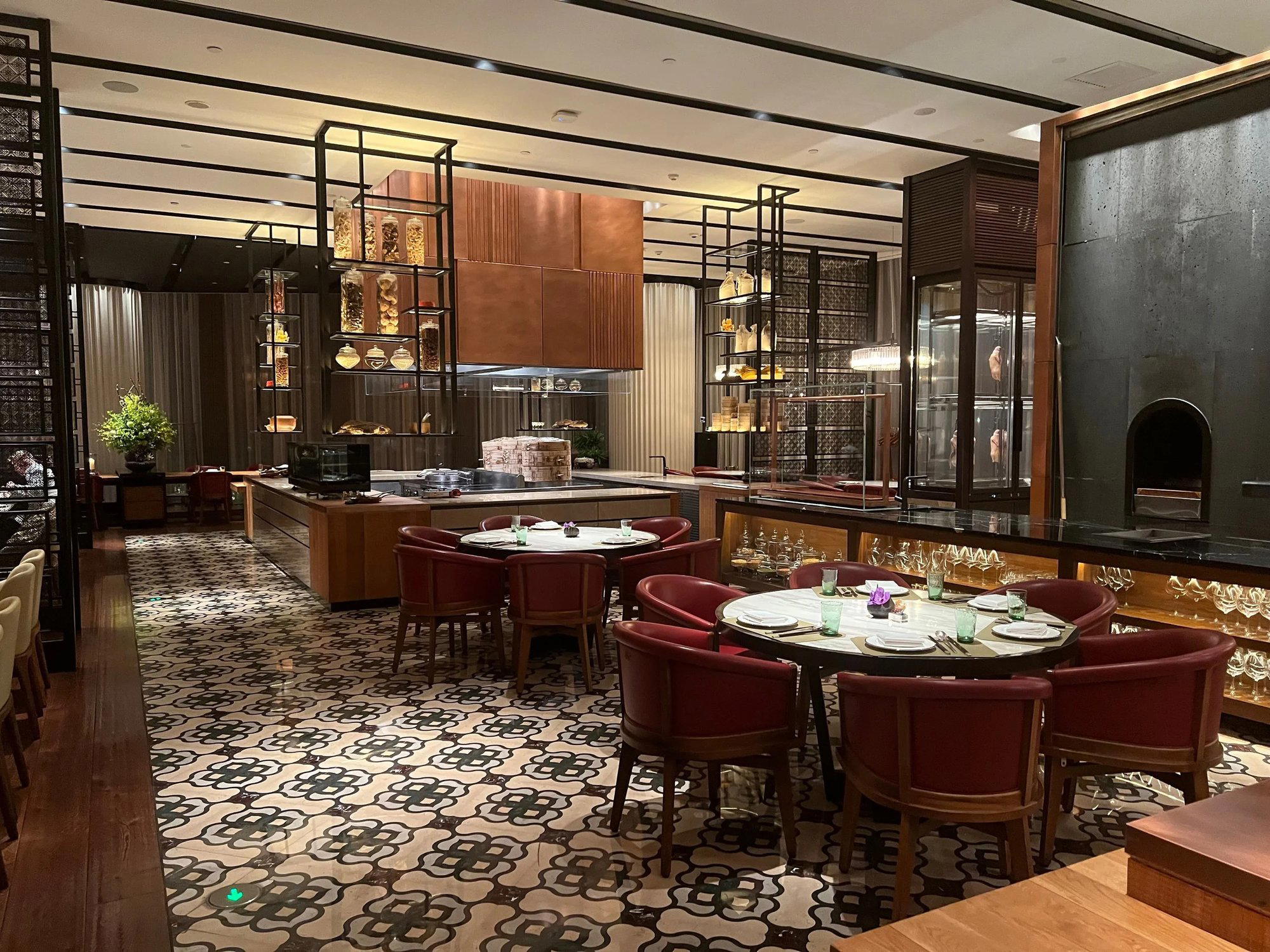
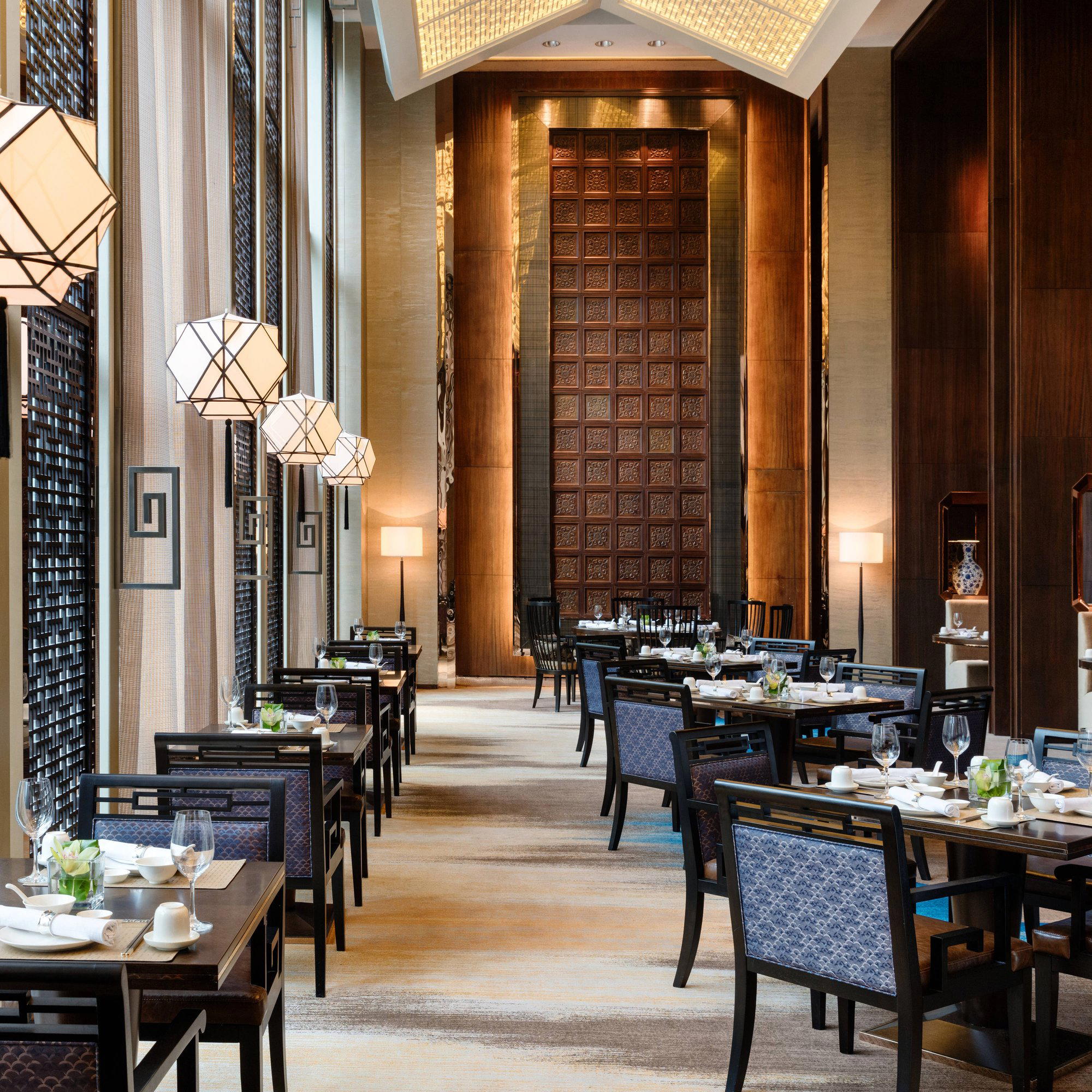
The restaurant sits inside Guoda Rongyuan, a mid-rise complex on Gongren West Road in Tiantai county, where commercial shopfronts meet apartment towers. A mezzanine adds visual depth to the main dining room, and tables on both levels face an open kitchen pass where cooks work over high-output woks and steaming baskets. The space runs narrow but double-height, with tiled floors and strip lighting overhead, functional layout for a seafood house that prioritizes throughput during peak evening service. Tiantai lies inland from the East China Sea by forty minutes, but Taizhou's culinary identity remains tethered to the water: grouper, yellow croaker, swimming crab, and razor clams define the regional table, and Guoping Seafood stocks its tanks with daily deliveries from Jiaojiang and Wenling docks.
Taizhou seafood restaurants compete on two axes: proximity to source and treatment in the kitchen. Coastal operators like KeLongYiHao near the port in Jiaojiang run shorter supply lines, while inland venues in Tiantai or Xianju rely on refrigerated transport and live-tank systems to maintain quality over distance. Guoping Seafood uses the latter model, rotating stock through aerated seawater tanks positioned near the entrance so diners can select specimens before ordering. The kitchen approach aligns with Zhejiang province's restraint tradition: steaming, quick blanching, and minimal seasoning to preserve brine sweetness and texture. Xin Rong Ji (Linhai) and Xin Rong Ji Taizhou (Ling Hu) operate in the same culinary corridor, though both carry higher price premiums and more formal dining-room protocols.
What the Kitchen Does with Cold-Water Seafood
Taizhou's cold-water species, sourced from the Zhoushan archipelago and local bays, carry higher fat content and firmer flesh than warm-water equivalents, and Guoping Seafood's menu reflects that material advantage. Steamed yellow croaker arrives whole, skin intact, with scallion oil and ginger slivers applied after cooking to avoid masking the fish's inherent sweetness. Swimming crab, when in season from October through March, is either steamed or stir-fried with rice cakes, the latter a Taizhou staple that absorbs crab roe and brine. Razor clams come blanched in their shells, dressed lightly with soy and rice wine, while grouper and sea bass move through the kitchen as live specimens selected from the tank and killed to order.
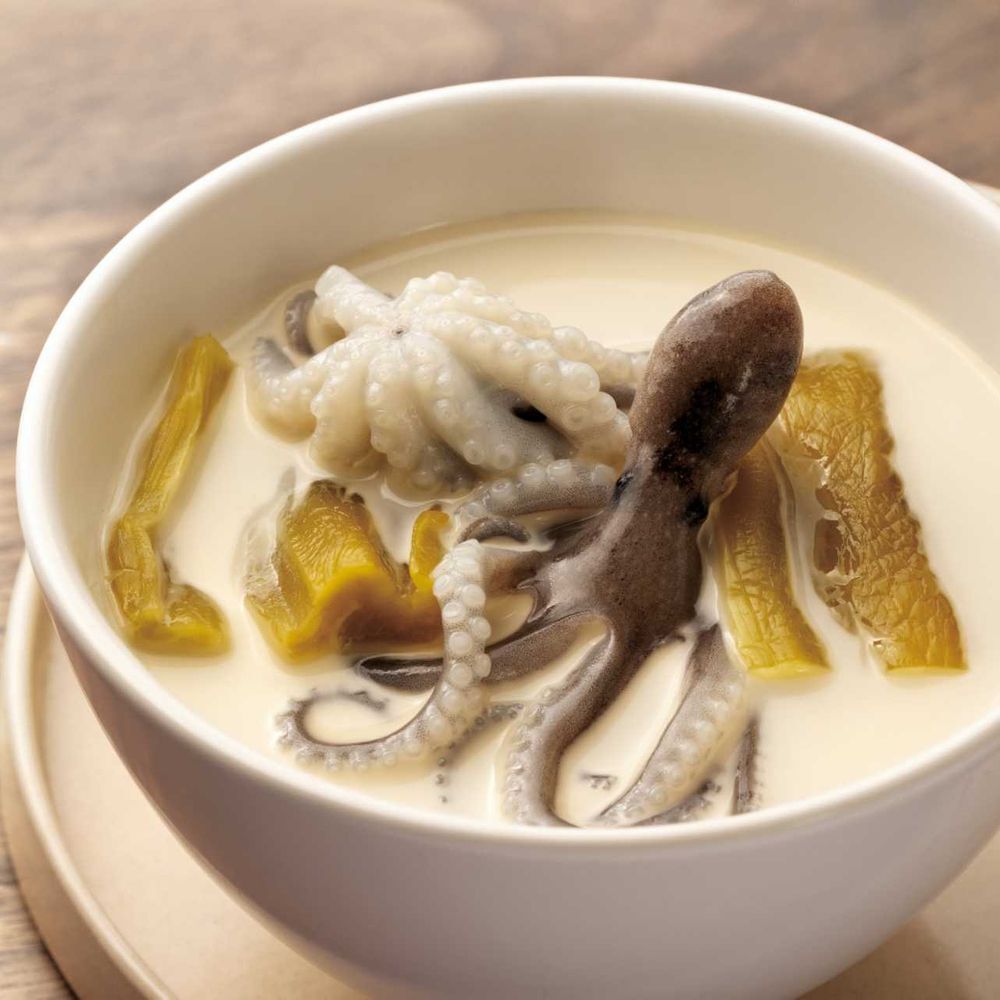
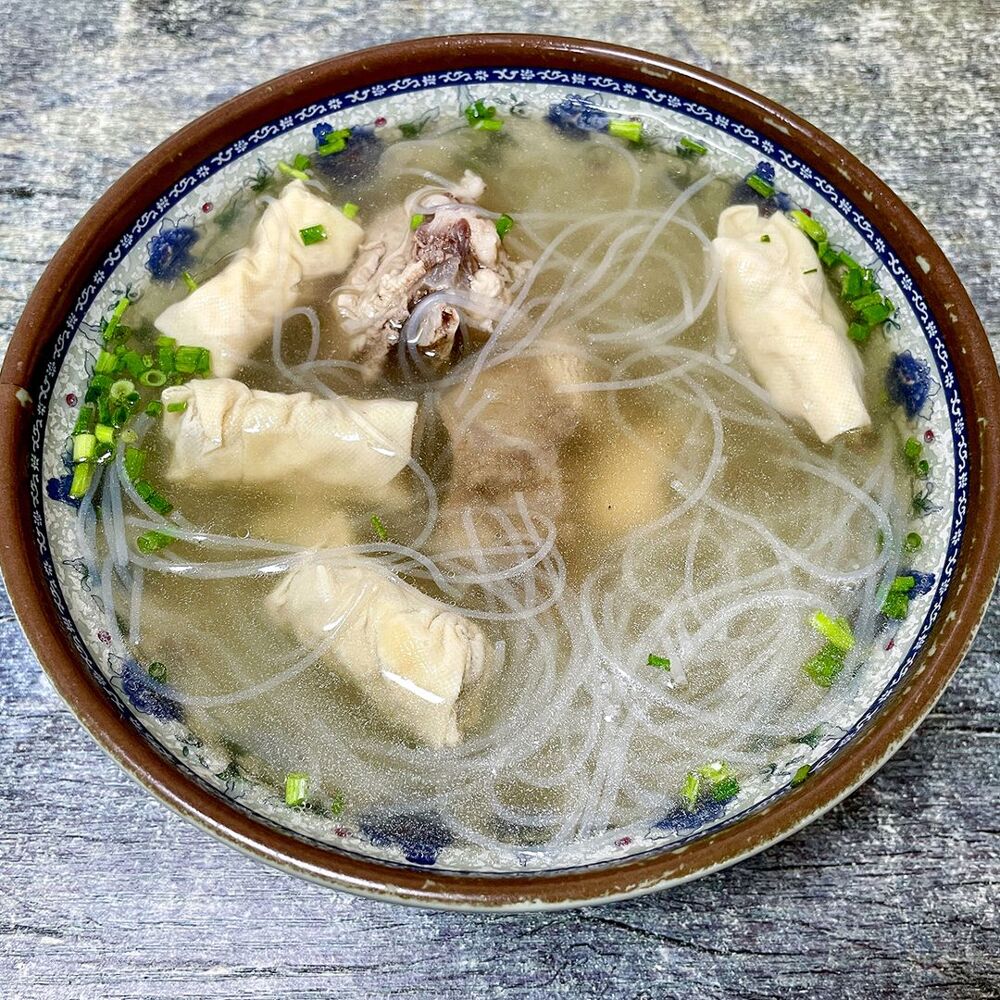
The inland mountain streams around Tiantai also supply freshwater species, stone fish, river shrimp, and occasionally wild eel, which the kitchen treats with equal restraint. Stir-fried river shrimp with garlic shoots and chili appears frequently on local tables, and the restaurant's version skews dry rather than saucy, letting the crustacean's natural salinity carry the dish. Soup-based preparations using fish head and tofu or eel and bamboo shoot follow Zhejiang's clear-broth conventions, where stock is reduced but not thickened, and fat is skimmed to leave a translucent base. These techniques are standard across Taizhou's mid-tier seafood houses, including Lao Bian Jin jia and Li Ji Gu Tou Tang, where execution quality determines repeat business more than menu novelty.
Ingredient Sourcing and the Taizhou Supply Network
Taizhou's seafood supply chain runs through Jiaojiang's wholesale fish market, where boats from Wenling, Sanmen, and the outer Zhoushan islands offload daily catches before dawn. The restaurant sources through intermediaries who buy at auction and transport live seafood in oxygenated trucks to inland counties like Tiantai by mid-morning. The restaurant's tank system holds stock for no more than two days, rotating inventory to maintain freshness and minimize stress-related quality loss. This model is standard for Taizhou restaurants operating beyond the immediate coastal zone, and it introduces a time premium: seafood served in Tiantai costs marginally more than the same species sold dockside in Jiaojiang, reflecting transport and holding costs.
The kitchen also draws from Tiantai's agricultural hinterland for vegetables, bamboo shoots, and dried goods. Tiantai county produces winter bamboo shoots from December through February, and the restaurant incorporates them into soups and braises during peak season. Dried eel, preserved mustard greens, and fermented black beans, staples in Zhejiang home cooking, appear as supporting ingredients in stir-fries and steamed dishes, adding umami depth without overpowering primary seafood flavors. This dual sourcing strategy, balancing coastal and inland supply, is common among Taizhou's inland seafood restaurants and positions the restaurant within the region's mid-market tier.
Taizhou's dining scene skews heavily toward seafood, and competition within the category is dense. Our full Taizhou restaurants guide maps the city's broader culinary landscape, which includes regional specialists in Hangzhou-style Zhejiang cuisine and Cantonese imports. The restaurant competes primarily on ingredient quality and price efficiency rather than dining-room ambiance or service formality, a positioning that aligns it with neighborhood seafood houses serving local rather than tourist clientele. The mezzanine layout and open kitchen pass signal transparency, diners can watch cooks handle live seafood and monitor cooking times, but the room lacks the private-room infrastructure and tableside service protocols that characterize Taizhou's premium-tier seafood venues.
For visitors exploring Taizhou's culinary footprint, the restaurant offers a working example of how the region's inland restaurants manage cold-water seafood supply and apply Zhejiang's restraint-cooking principles. The restaurant does not appear on national recognition lists or carry formal awards, and its operational profile suggests it serves primarily Tiantai residents and regional diners familiar with the local seafood vernacular. Those seeking broader context on Taizhou's hospitality infrastructure can consult our full Taizhou hotels guide, our full Taizhou bars guide, and our full Taizhou experiences guide for additional planning layers.
In Context: Similar Options
Comparable venues by cuisine and price in the same metro.
| Venue | Cuisine | Price |
|---|---|---|
| Guoping Seafood | A mezzanine adds visual depth... | This venue |
| Xin Rong Ji Taizhou (Ling Hu ) - 新荣记(灵湖店) | Chinese Shandong | Chinese Shandong |
Recognition history
Dated appearances from independent guides and award organizations, with the underlying list record or original source where available.
Michelin Bib Gourmand
Michelin
Continue exploring
More in Taizhou
At a Glance
- Lively
- Classic
- Group Dining
- Family
- Casual Hangout
- Celebration
- Standalone
- Local Sourcing
Simple, unfussy neighborhood setting with a bustling, lively atmosphere where tanks of live seafood and direct decor keep the focus on freshness and flavor rather than formality.