Our verdict
Window to Asia occupies a quiet stretch of Estrada Monumental in Funchal, offering Asian cuisine in a city whose restaurant scene is otherwise anchored in Atlantic seafood and modern Portuguese technique. For travellers moving between Funchal's high-end contemporary tables and something structurally different, this address provides a distinct departure point on the western edge of the hotel corridor.

Pearl is the En Primeur Club membership app, where members save venues, book tables and use the concierge.
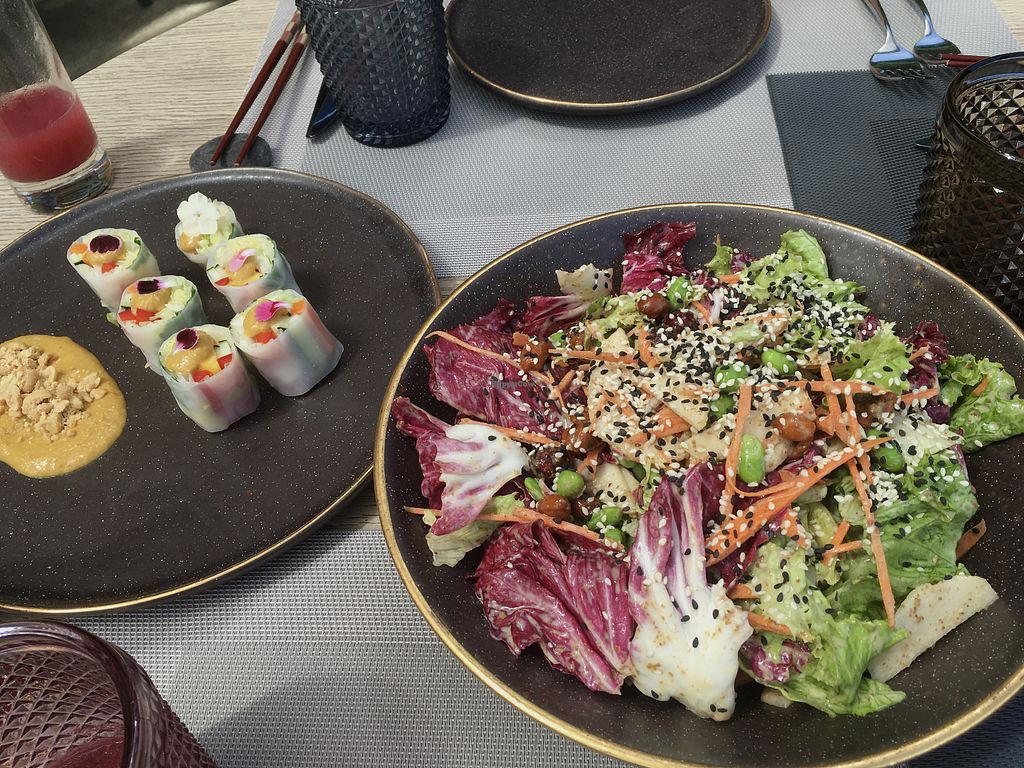
The menu
What to order
- Duck Gyoza
- Pork Spare Ribs
Asian Cuisine on the Atlantic Edge
Funchal's dining map has expanded considerably over the past decade, but its dominant grammar remains Portuguese. The city's most-discussed tables Il Gallo d'Oro, Desarma, and Audax, all operate within a contemporary European framework, using Madeiran produce as their central reference point. Asian cuisine has never occupied a large share of that conversation, which is precisely what makes Window to Asia worth locating on the map. Restaurants that operate outside the dominant culinary register of a city don't simply fill a gap; they reveal something about what the city's dining audience wants when it steps away from the local canon.
The address is Estrada Monumental 348, in the Edifício Século XXI building on Funchal's western hotel corridor. This stretch of road is better known for resort frontages and tourist-facing infrastructure than for destination dining, which means Window to Asia is doing something slightly counterintuitive: occupying a high-traffic location that most serious restaurants in Funchal deliberately avoid. Whether that reflects a strategic read of the corridor's foot traffic or simply a practical lease decision, it positions the restaurant closer to the leisure visitor than to the local food-curious crowd that clusters further east toward the old town.
What the Menu Architecture Signals
When a restaurant names itself a "window" to an entire continent, it is making a structural argument about breadth rather than depth. This is the first thing to assess about any pan-Asian format: is the menu organised as a survey, moving across regions to give diners maximum range, or does it anchor in one tradition and use neighbouring influences as accents? The answer shapes everything from sourcing logic to kitchen skill requirements to the experience of eating there.
Pan-Asian restaurants in European cities that do this well tend to have menus divided by cooking method or region rather than by ingredient category alone. You might find a section organised around Japanese preparations sitting alongside Southeast Asian curries or Chinese-influenced wok dishes, with the division acting as an implicit guide to the kitchen's actual competencies. The structural risk is always that breadth becomes thinness, that the menu promises more than any single kitchen team can execute with authority. The better pan-Asian tables in cities like Lisbon and Porto solve this by anchoring in two or three traditions and treating the rest as supporting material.
What the name and positioning do confirm is a pan-Asian rather than country-specific scope, which places it in a different competitive category than a restaurant focused exclusively on, say, Japanese or Vietnamese cooking. In Funchal's context, where Asian dining options are limited compared to mainland Portuguese cities, even a broad pan-Asian format fills a structural void that nothing in the Avista Ásia or Avista bracket fully addresses.
Funchal in the Wider Portuguese Fine Dining Picture
To understand where Window to Asia sits, it helps to understand Funchal's overall position in Portuguese dining. The city has produced credible fine dining, Il Gallo d'Oro holds Michelin recognition and represents the island's highest formal tier, but Funchal is not a city with the density of specialist restaurants found in Lisbon or Porto. Mainland Portugal's leading tables, including Belcanto in Lisbon, Antiqvvm in Porto, and Casa de Chá da Boa Nova in Leça da Palmeira, operate in cities with larger populations and stronger year-round dining demand. Funchal runs on a different rhythm, shaped by seasonal tourism patterns that reward restaurants capable of serving a rotating international audience rather than building a tight local regulars base.
That context matters for Asian restaurants specifically. Cities like Lisbon have enough critical mass to support specialist Vietnamese, Japanese omakase, and Korean tasting-menu formats as separate businesses. Funchal does not, which means a pan-Asian format is arguably the more structurally sound model for the market. Comparison points further south, Al Sud in Lagos, Bon Bon in Lagoa, operate in similarly tourism-weighted environments and have found their footing by reading what visiting diners want rather than competing on the terms of the nearest capital city.
For reference on how Asian-inflected menus perform globally in fine dining contexts, Atomix in New York City represents a version of Korean fine dining that treats the tasting menu as both cultural education and precision cooking exercise, while Le Bernardin demonstrates how a kitchen with deep classical roots can accommodate Asian influence without losing structural coherence. These are different price tiers and different cities, but the underlying question, how to frame Asian cooking for a Western dining audience, is the same one Window to Asia is answering in its own register on Estrada Monumental.
Planning Your Visit
Window to Asia is located at Estrada Monumental 348, on the western end of Funchal's main tourist corridor, accessible from most of the city's larger hotels without needing a taxi. The Edifício Século XXI building is a commercial structure rather than a standalone restaurant space, so the entrance is integrated into a ground-floor retail frontage rather than a dedicated dining entrance. EP Club does not hold verified data on current opening hours, price range, or booking requirements for this address, so checking current availability directly before visiting is advisable. For visitors building a wider itinerary around Funchal's dining scene, our full Funchal restaurants guide covers the city's full range from formal fine dining at Il Gallo d'Oro to contemporary mid-range options including Desarma and Audax. Elsewhere in Portugal, strong regional options include Vila Joya in Albufeira, Ocean in Porches, The Yeatman in Vila Nova de Gaia, A Cozinha in Guimaraes, and A Ver Tavira in Tavira.
Frequently asked questions
What part of town is Window to Asia in?
Window to Asia is located at Estrada Monumental 348, Edifício Século XXI-10, Loja A, 9000-100 Funchal, Portugal, Funchal.
Is Window to Asia one of the only Asian restaurants in Funchal?
Funchal's dining offer is still dominated by Portuguese and Madeiran cooking, with Asian kitchens representing a small fraction of the city's restaurant count. Window to Asia occupies a specific gap on the Estrada Monumental, the city's main tourist artery, where the surrounding offer skews almost entirely toward Atlantic and Mediterranean cooking. That positioning makes it a notable address for travellers seeking a departure from the local default.
What's the best thing to order at Window to Asia?
The menu spans broad Asian geography, so the most considered approach is to look for dishes that anchor to a single culinary tradition rather than fusion hybrids, these tend to show more technical focus. Given the restaurant's position as one of the few Asian options along Funchal's Estrada Monumental corridor, the kitchen is covering ground that local competitors largely leave open. Specific dish recommendations require on-the-ground verification, so checking with the restaurant directly when you arrive is the most reliable route.
Should I book Window to Asia in advance?
Funchal's western hotel corridor, where the restaurant sits at Estrada Monumental 348, draws consistent tourist footfall, particularly during the island's peak season between spring and autumn. Asian restaurants are scarce enough in Funchal that this one draws demand beyond its immediate neighbourhood. Reserving a table ahead of your visit, especially on weekends or during Madeira's busy festival periods, is the practical move.
Recognition, Side-by-Side
Comparable venues nearby, for context on price, style, and recognition.
| Venue | Cuisine | Price | Awards | Notes |
|---|---|---|---|---|
| Window to AsiaThis venue (the venue you are viewing) | Asian Fusion | Not listed | Not listed | Not listed |
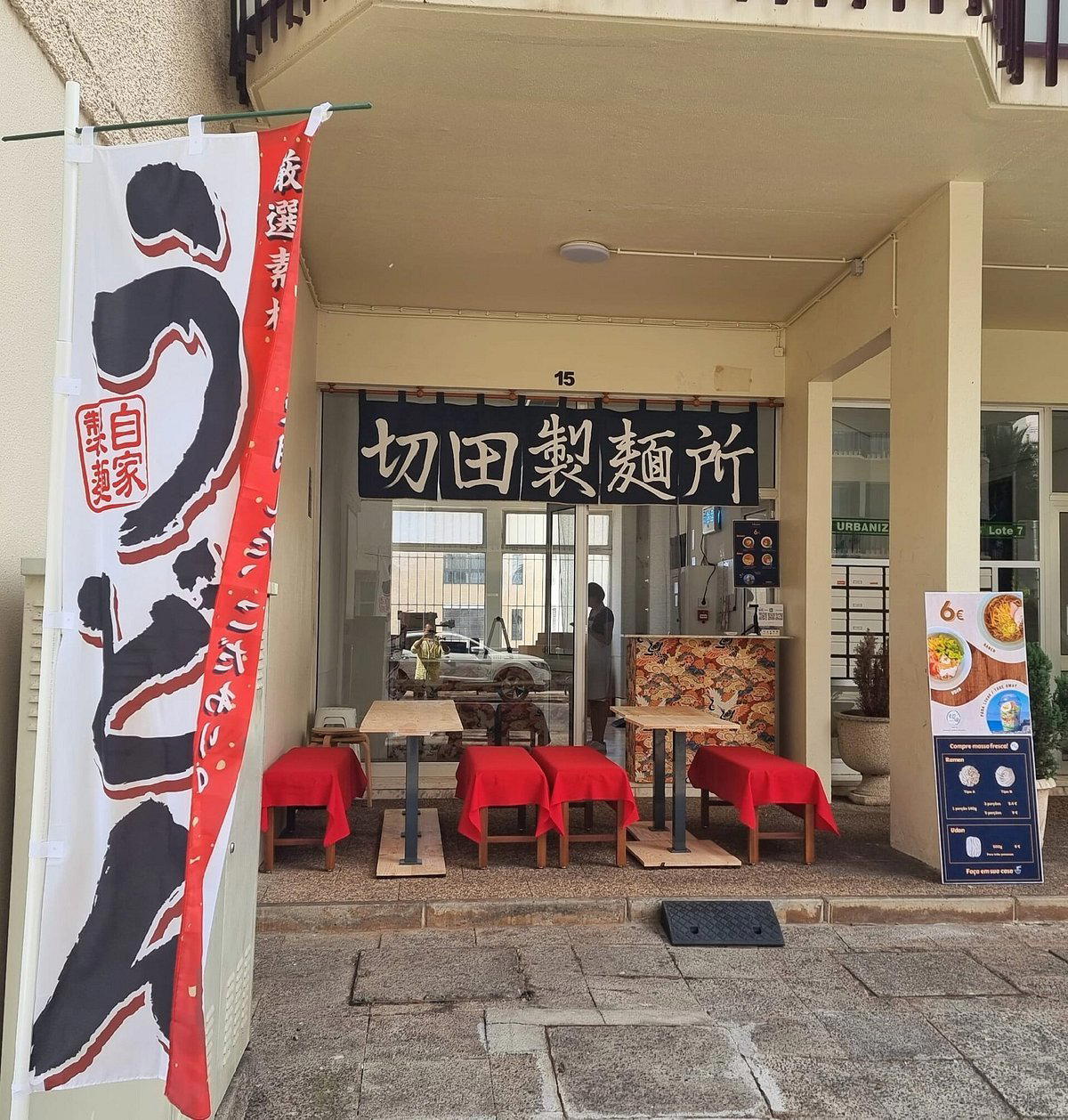
| KIRITA Japanese noodle laboratory | Japanese Ramen & Udon Noodle Bar | Not listed | Not listed | São Martinho |
| O. Giro | Portuguese Churros & Paninis | $10–20 | Not listed | Sé |
| Avista Ásia | Asian Fusion with Madeiran Influences | $50–100 | Michelin Plate | Sao Martinho |
| Oxalis | Modern Portuguese Fine Dining | $50–100 | Michelin Plate · Relais Chateaux Award | Palheiro |
| Sabor Da India | Authentic Indian | $20–30 | Not listed | São Martinho |
Continue exploring
More in Funchal
Restaurants in Funchal
All restaurants in Funchal →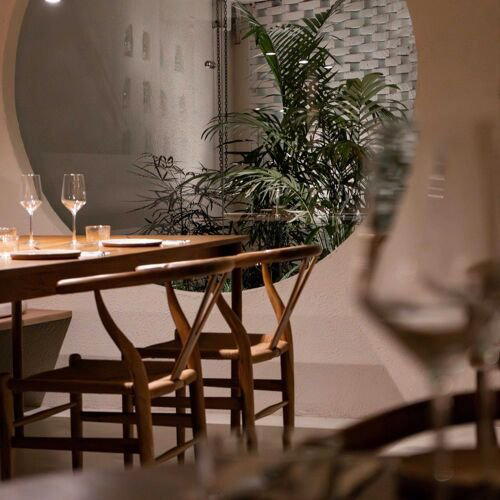

Details
- Modern
- Elegant
- Sophisticated
- Date Night
- Standalone
- A La Carte
- Vegetarian Friendly
- Vegan Options
Current opening hours
- Monday
- 1–10 PM
- Tuesday
- 1–10 PM
- Wednesday
- 1–10 PM
- Thursday
- 1–10 PM
- Friday
- 1–10 PM
- Saturday
- 1–10 PM
- Sunday
- 1–10 PM
Hours can change for holidays and private events. Hours as of .
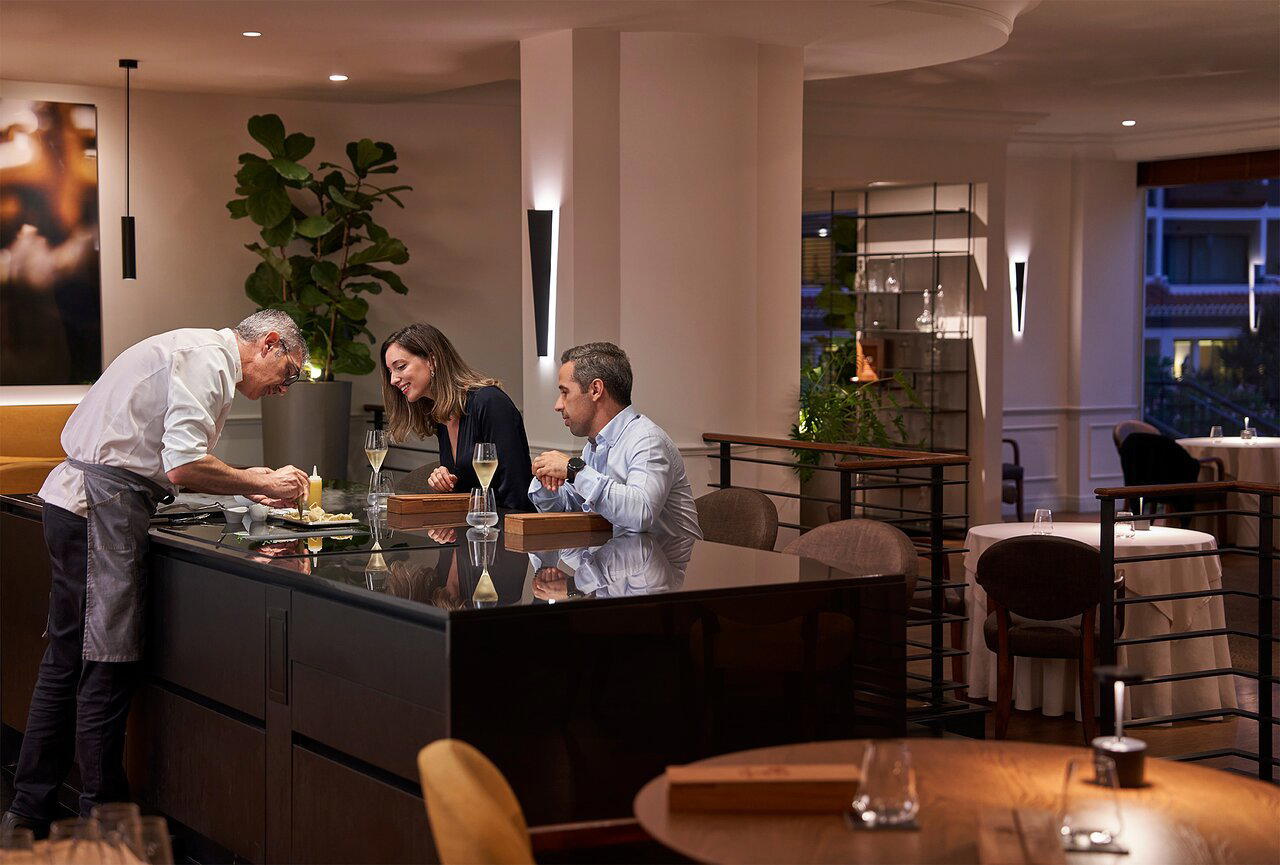
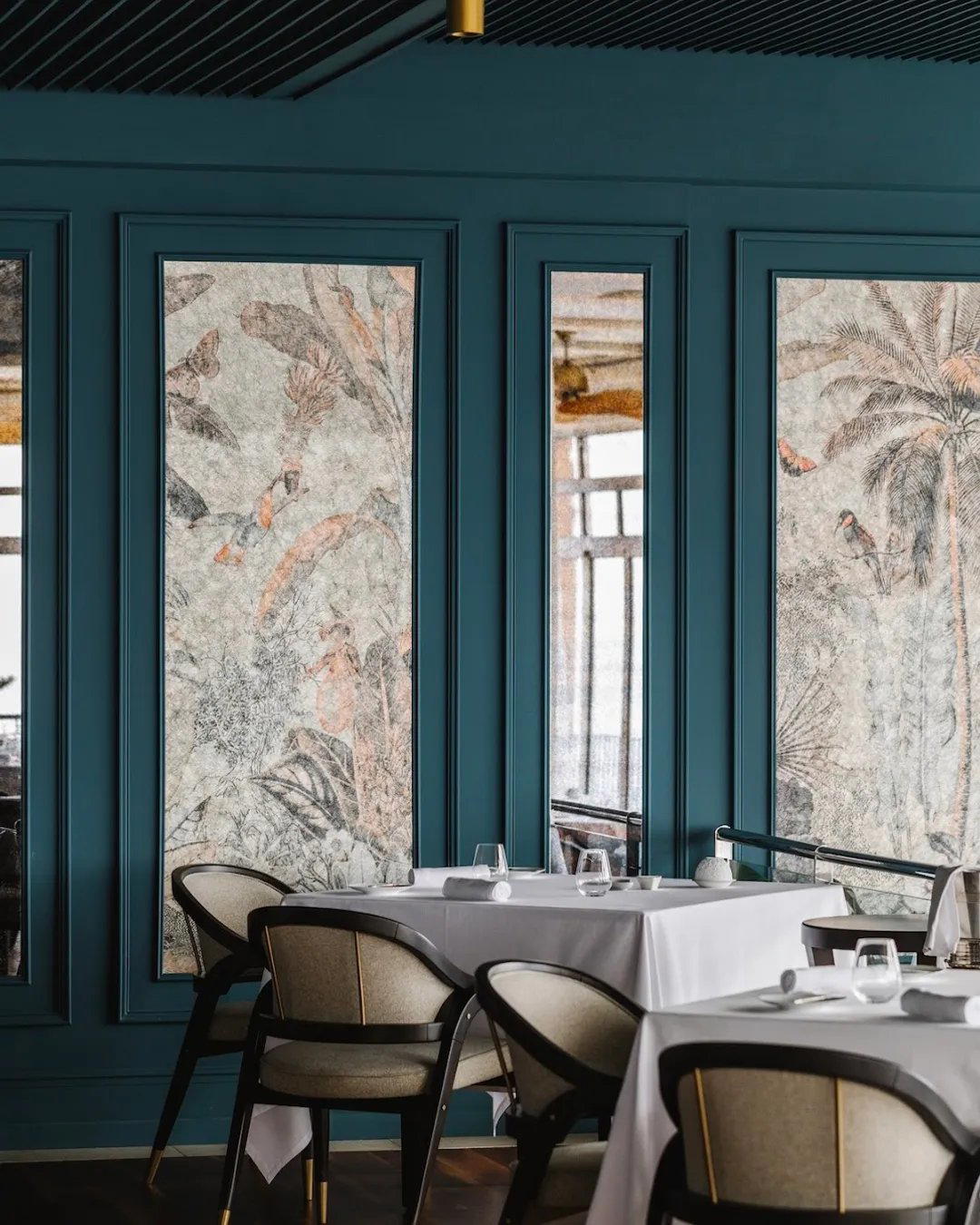
Modern and beautifully designed with an elegant atmosphere.