Willow
Willow occupies a address on 4th Street in Sacramento's downtown grid, where California's farm-driven dining culture meets a considered approach to seasonal ingredients. The restaurant sits within a city that has quietly built one of the more compelling regional dining scenes in the American West, drawing on the Central Valley's agricultural depth in ways that few urban markets can match.
Pearl is the En Primeur Club membership app — saves, bookings, and concierge access live there. Same editors, same standards.
- Address
- 1006 4th St, Sacramento, CA 95814
- Phone
- +19169388001
- Website
- willowsacramento.com
- Directions
- Get directions
 Saves & bookings on Pearl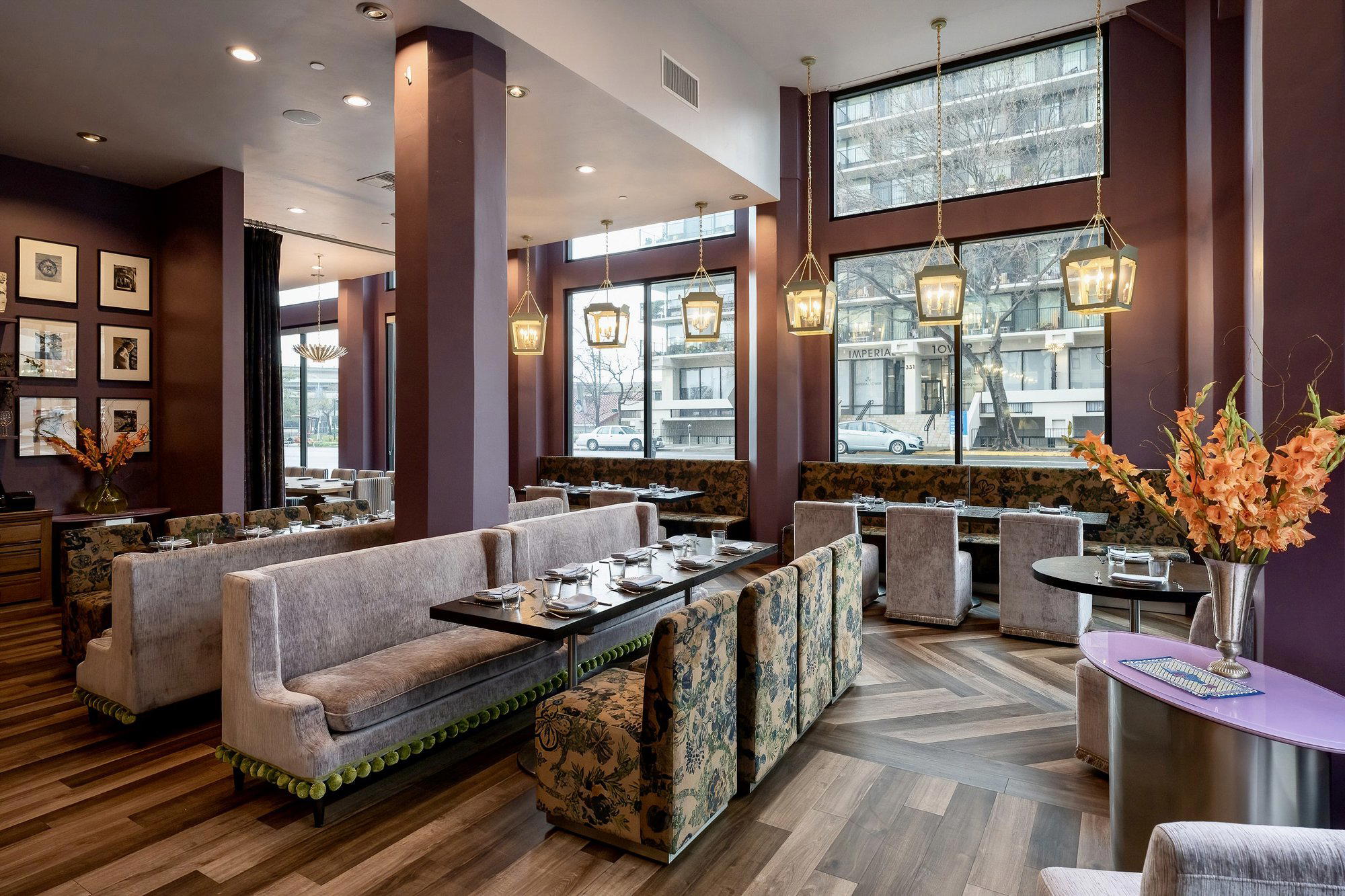
Sacramento's Agricultural Identity at the Table
Few American cities have as direct a claim on their ingredients as Sacramento. The Central Valley produces a significant share of the country's fruits, vegetables, and grains, and that proximity has shaped a dining culture where seasonality is less a marketing position than a practical reality. Restaurants here can work with farmers in ways that compressed urban supply chains in San Francisco or Los Angeles rarely permit. Willow, at 1006 4th Street in Sacramento's downtown corridor, serves Coastal Italian with Mediterranean Influences at about $45 per person.
Downtown Sacramento's 4th Street places a restaurant within walking distance of the Golden 1 Center and the broader urban core, meaning foot traffic and a mixed clientele of regulars and visitors. That location also puts Willow in direct conversation with Sacramento's more established dining tier. Localis has built a reputation as one of the city's stronger advocates for Californian produce-first cooking. The Kitchen operates at the $$$$ tier with a chef's table format that has made it a benchmark for contemporary dining in the region. Allora anchors the Italian end of the premium market. Willow enters this conversation in a city where the bar for seasonal, regionally grounded cooking has been rising steadily.
California's Farm-to-Table Tradition, Grounded in Sacramento
The farm-to-table framework has been applied so broadly across American dining that it has, in many markets, become a statement without content. Sacramento is one of the places where it retains meaning. The city sits at the intersection of the Sacramento River Delta, the Central Valley, and the foothills of the Sierra Nevada, a convergence that gives local kitchens access to stone fruits, heritage grains, dry-farmed tomatoes, and pastured proteins within a relatively short radius. That agricultural specificity is the raw material of the city's better restaurants, and it sets the cultural context in which any serious dining room here must be understood.
Nationally, this kind of regionally anchored cooking has found its most formal expression at places like Blue Hill at Stone Barns in Tarrytown, where the relationship between kitchen and farm is structural rather than decorative, or Single Thread Farm in Healdsburg, which integrates an on-site farm with an omakase format. In California alone, the tradition extends from The French Laundry in Napa to Providence in Los Angeles, each expressing regional ingredients through a distinct culinary lens. Sacramento's version is less scenographic and more direct, shaped by a city that has historically been the supplier rather than the destination. That is changing, and Willow is part of the shift.
What the Name Signals in Context
The name Willow carries associations that recur in California's food culture: riparian landscapes, the native cottonwood and willow corridors along the Sacramento River, a certain quietness that contrasts with the louder branding of urban dining rooms further south. Whether that register is intentional or incidental, it places the restaurant in a specific emotional key, one that suits a city still in the process of establishing its identity as a dining destination rather than a transit point.
Sacramento's dining scene has attracted national attention from outlets that previously overlooked it, and the city has responded by producing restaurants that can hold comparison with peers in San Francisco and beyond. The Addison model in San Diego, or Alinea in Chicago, represent the highly conceptual pole of American fine dining. Sacramento tends toward something more grounded, where the produce is the concept. That is not a lesser ambition; it is a different one, and harder to execute at a high level because there is nowhere to hide behind technique alone.
The Broader Table: Sacramento in American Dining
To understand where a Sacramento restaurant like Willow positions itself, it helps to look at the national tier structure. American fine dining has a recognizable upper bracket: Le Bernardin in New York, Atomix in New York, The Inn at Little Washington, Emeril's in New Orleans carrying its own regional legacy. Below that, there is a tier of serious regional restaurants that anchor local scenes without chasing national award cycles. Sacramento's ambition, increasingly, is to be represented in that second tier, and venues along the 4th Street corridor are part of that argument.
Internationally, the comparison extends further. A city's dining identity is often built through accumulation rather than a single flagship moment, the way 8 1/2 Otto e Mezzo Bombana anchored Hong Kong's fine dining scene as a specific marker of ambition before the broader ecosystem caught up. Sacramento is in an earlier phase of that process, and the restaurants occupying its downtown blocks are collectively making the case.
Neighbourhood Character and Practical Planning
The 1006 4th Street address puts Willow in the downtown Sacramento grid, accessible by light rail from the suburbs and within walking distance of the major hotels along Capitol Mall. Downtown Sacramento has a mid-week lull common to government-heavy cities, which means weeknight availability at the better restaurants tends to be more manageable than in comparable urban districts. Weekend reservation demand is another matter, particularly in the spring and fall months when the city's outdoor event calendar drives foot traffic. Anyone planning a meal at the premium end of Sacramento's dining market, including spots like Adamo's Kitchen or Aioli Bodega Espanola, would do well to plan four to six weeks ahead for Friday and Saturday slots during peak season.
Price Lens
Comparable venues nearby, for context on price, style, and recognition.
| Venue | Cuisine | Price | Notes |
|---|---|---|---|
| WillowThis venue — the venue you are viewing | Not listed | $$$ | Not listed |
| Zinfandel Grille | Not listed | $$$ | Woodside, California-Inspired Italian Farm-to-Table |
| Adamo's Kitchen | Not listed | $$ | Newton Booth, Casual Italian with Handmade Pasta |
| Frog & Slim | Not listed | $$$ | Richmond Grove, Modern American Steakhouse |
| Paragary's | Not listed | $$$ | Alhambra Triangle, Modern California Bistro |
| Mattone | Fairgrounds, Modern Italian Ristorante | $$$ | Not listed |
Continue exploring
More in Sacramento
Restaurants in Sacramento
Browse all →
Bars in Sacramento
Browse all →
Hotels in Sacramento
Browse all →
Wineries in Sacramento
Browse all →
At a Glance
- Elegant
- Modern
- Intimate
- Sophisticated
- Date Night
- Business Dinner
- Group Dining
- Celebration
- Special Occasion
- Hotel Restaurant
- Private Dining
- Craft Cocktails
- Farm To Table
- Local Sourcing
Current opening hours
- Monday
- 6:30–10:30 AM, 11 AM–2 PM, 5–10 PM
- Tuesday
- 6:30–10:30 AM, 11 AM–2 PM, 5–10 PM
- Wednesday
- 6:30–10:30 AM, 11 AM–2 PM, 5–10 PM
- Thursday
- 6:30–10:30 AM, 11 AM–2 PM, 5–10 PM
- Friday
- 6:30–10:30 AM, 11 AM–2 PM, 5–10 PM
- Saturday
- 8 AM–2 PM, 5–10 PM
- Sunday
- 8 AM–2 PM, 5–10 PM
Hours can change for holidays and private events. Last verified .
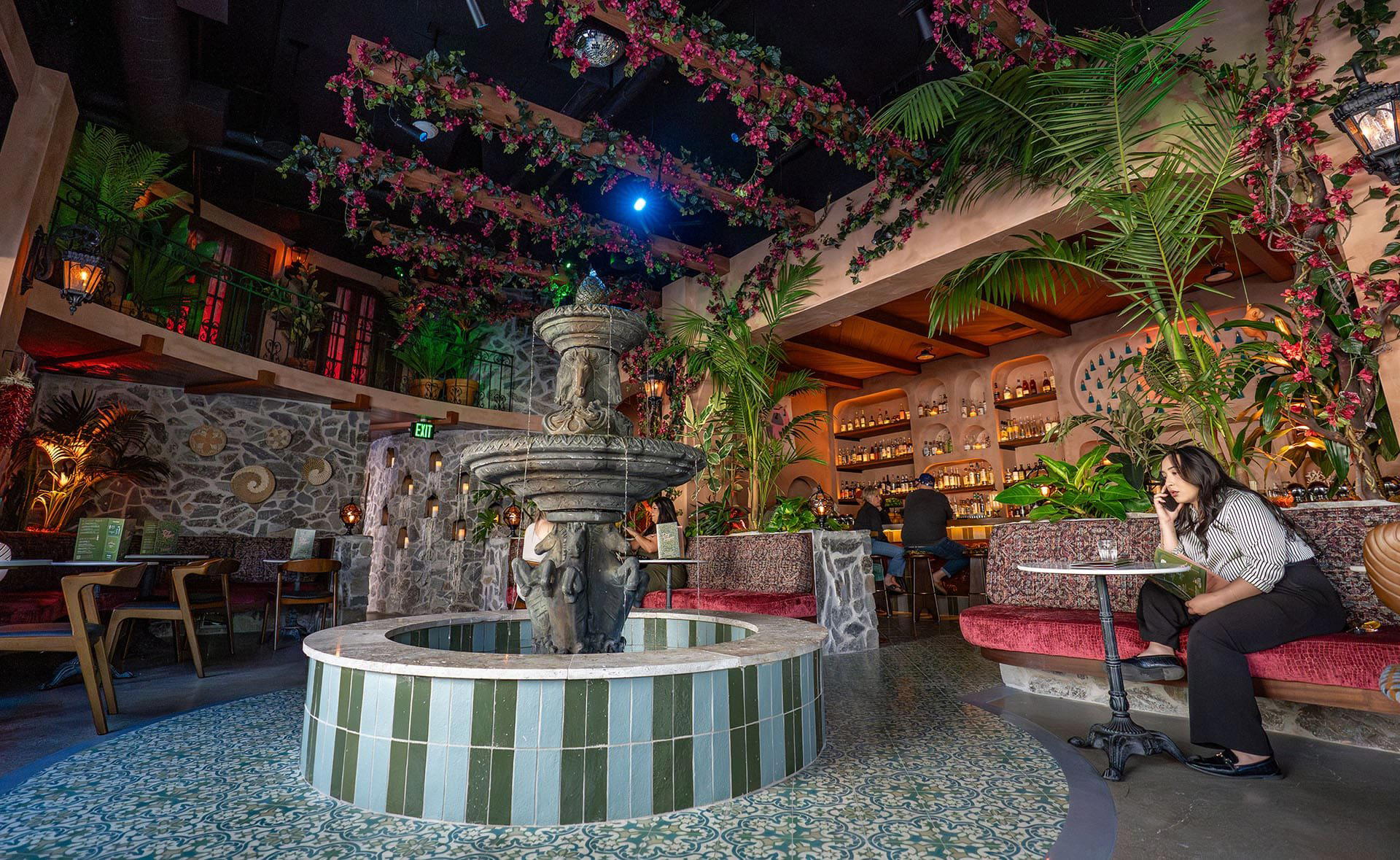
Welcoming modern setting with plush velvet couches, lively colors, patterns, and textures creating a captivating and inviting atmosphere.