Paragary's
A fixture on Sacramento's Midtown dining circuit since the 1980s, Paragary's at 1401 28th Street occupies the kind of corner-lot position that accumulates neighborhood meaning over decades. The restaurant sits within a competitive block where Italian-leaning cooking and California produce share space with a well-traveled local clientele. For visitors mapping Sacramento's dining character, it belongs in the same conversation as the city's longer-running independent houses.
 Discover on Pearl
Pearl is the En Primeur Club membership app — saves, bookings, and concierge access live there. Same editors, same standards.
- Address
- 1401 28th St, Sacramento, CA 95816
- Phone
- +19164575737
- Website
- paragarysmidtown.com
Midtown Sacramento and the Logic of the Long-Standing Local
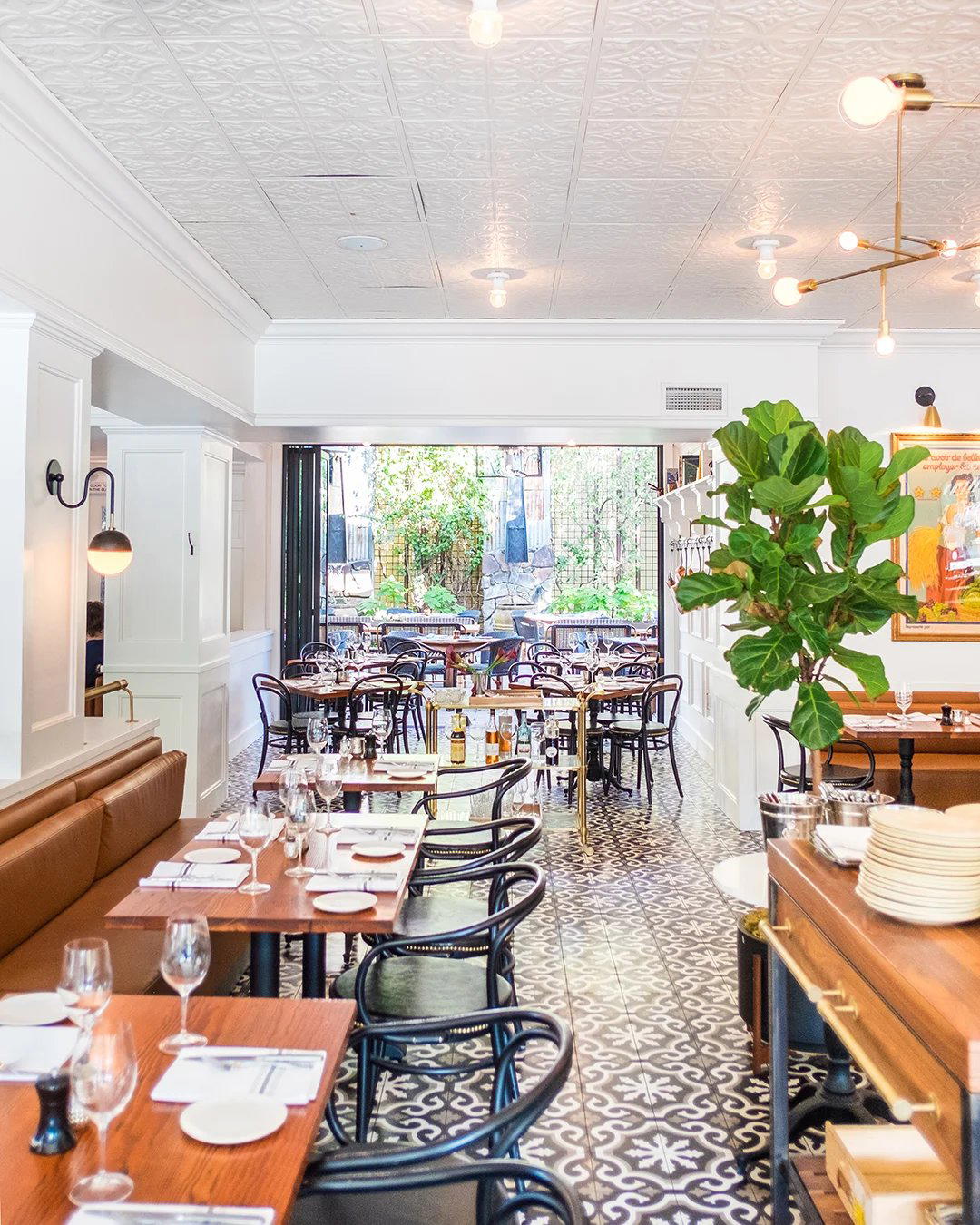
Sacramento's Midtown grid runs on a different clock than the farm-to-fork marketing cycle the city now exports. On streets like 28th, the restaurants that matter to residents are often not the newest arrivals but the ones that have absorbed enough neighborhood history to function as landmarks. Paragary's is a Modern California Bistro in Sacramento, with a price tier of about $60 per person, at the corner of 28th Street and N Street, is that kind of place. Its address alone, 1401 28th St, puts it at the center of a stretch where wine bars, independent Italian rooms, and California-produce-driven kitchens cluster within walking distance of each other. The physical approach is low-key by design: a building with outdoor patio space and the easy familiarity of somewhere that has never needed to announce itself loudly.
That restraint is characteristic of how Midtown Sacramento operates. Unlike the Downtown restaurant corridor, where newer openings compete for tourist attention and expense-account traffic, the 28th Street corridor runs on repeat business. The clientele here tends to know what they want before they arrive. That dynamic shapes the atmosphere inside, less performative than comparable rooms in San Francisco, less transactional than similar addresses in Los Angeles. For a visitor accustomed to reading restaurants as social events first and dining experiences second, Paragary's fits the Midtown Sacramento template: the room earns its status through consistency rather than spectacle.
Where Paragary's Sits in Sacramento's Dining Tier
Sacramento's independent dining scene has diversified significantly in the past decade. At one end, tasting-menu formats like The Kitchen (Contemporary) have pushed the city into conversation with destination-dining markets. At the other, neighborhood-anchored houses hold their ground through loyal local followings rather than national press cycles. Paragary's occupies the latter category, a restaurant whose relevance is measured in decades of repeat visits rather than in awards-season headlines.
That positioning is not a limitation. In a city where farm-to-fork credibility has become almost obligatory for any restaurant operating above the casual tier, the longer-running independents carry a different kind of authority: they predate the trend they helped create. Sacramento's food-producing geography, the Delta, the Central Valley, the Sierra Nevada foothills, made California-ingredient-driven cooking a practical reality here before it became a national talking point. Restaurants that have operated through that entire arc carry institutional knowledge that newer openings have to simulate.
Compared to the newer wave of Sacramento independents, including Italian-focused rooms like Allora (Italian) and California-driven kitchens like Localis (Californian), Paragary's functions less as a destination for technique-forward cooking and more as a reference point for what the city's dining culture looked like before the current era. That's a useful position for a visitor trying to read Sacramento's food history, and for a resident deciding where to eat on a Wednesday night, it's simply the most comfortable room in the neighborhood.
The Patio and the Outdoor Dining Calculus
Sacramento's climate makes outdoor dining viable for a longer stretch of the year than almost any other major California city. The 300-plus days of sunshine that define the region's agricultural output also define its restaurant culture: patio space is not an amenity here, it's a core service. Paragary's outdoor seating area has been a consistent draw since the restaurant's early years, and it remains one of the more established patio operations in Midtown. The specific geometry of the 28th and N Street corner gives the space a street-level energy that enclosed patios in newer buildings often fail to replicate, you are in the neighborhood, not separated from it.
That matters for how the evening reads. Dinner at Paragary's on a warm Sacramento night, with street traffic and the ambient noise of Midtown, is a different experience from the sealed, climate-controlled rooms that define the tasting-menu tier. For context: tasting-format venues like Lazy Bear in San Francisco or The French Laundry in Napa control every variable of the dining environment. Paragary's makes no such claim. The outdoor experience here is deliberate exposure to the city, and that is the point.
Paragary's Among California's Independent Restaurant Tradition
The independent California restaurant, privately owned, neighborhood-rooted, not reliant on a hotel group or celebrity chef brand, has proven surprisingly durable against the national tide of hospitality consolidation. Venues like Adamo's Kitchen and Aioli Bodega Espanola in Sacramento represent different corners of that tradition. Paragary's represents its longevity. A restaurant that has operated in the same location across multiple shifts in Sacramento's dining culture, the rise of the farm-to-fork identity, the explosion of the tasting-menu format, the post-pandemic recalibration of neighborhood dining, has demonstrated something that no single strong opening season can: the ability to stay relevant without reinventing itself for each new audience.
That's not common. For perspective on how rare sustained independent operation is at this level, consider that most of the American restaurants now drawing national attention, Atomix in New York City, Alinea in Chicago, Addison in San Diego, are operating in the spotlight of their first decade. Paragary's has moved past that phase entirely, into something closer to institutional status within its specific geography.
Planning a Visit
Paragary's sits at 1401 28th Street in Sacramento's Midtown district, walkable from most of the neighborhood's wine bars and easily accessible from the central Sacramento hotel corridor. For anyone building a Sacramento dining itinerary, it pairs logically with a broader survey of the city's independent scene, Reservations are advisable for weekend evenings, when the patio operates at capacity and the dining room fills with regulars who plan ahead. Midtown Sacramento parking tends to be street-based and block-specific; arriving slightly early accounts for that variable. The restaurant's price tier is moderate, and reservations are recommended, especially for preferred seating during the warmer months.
Cuisine and Credentials
Comparable venues nearby, for context on price, style, and recognition.
| Venue | Cuisine | Price | Awards | Notes |
|---|---|---|---|---|
| Paragary'sThis venue — the venue you are viewing | Modern California Bistro | $$$ | , | |
| The 7th Street Standard | Contemporary Californian Farm-to-Table | $$$ | , | Downtown |
| Oak Room | Modern American Bistro | $$$ | , | J Street |
| TableVine | Seasonal Farm-to-Fork American | $$$$ | , | Richmond Grove |
| Crawdads on the River | Cajun-American Riverside | $$ | , | Garden Highway |
| The Firehouse | Contemporary American Steakhouse | $$$$ | Old Sacramento |
Continue exploring
More in Sacramento
Restaurants in Sacramento
Browse all →
Bars in Sacramento
Browse all →
Hotels in Sacramento
Browse all →
Wineries in Sacramento
Browse all →
At a Glance
- Lively
- Elegant
- Modern
- Cozy
- Date Night
- Special Occasion
- Brunch
- Private Dining
- Craft Cocktails
- Local Sourcing
- Farm To Table
- Garden
Light and airy interior with French bistro-inspired black and white tile floors, sleek banquettes, lighter wood tones, crisp white walls, and mirrors creating an unpretentious, inviting, and timeless atmosphere.