wilks


Michelin Plate · The Good Food Guide GFG Very Good
Our verdict
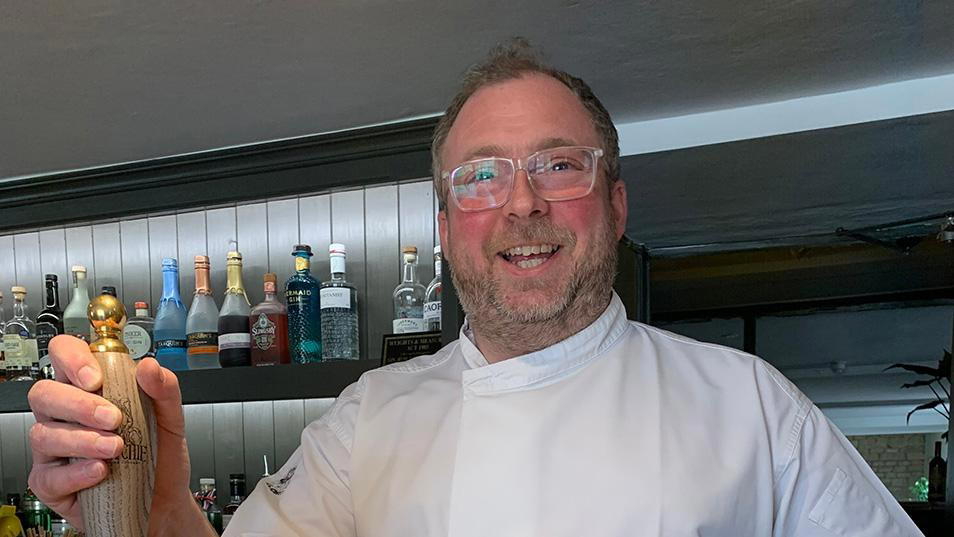
Six covers, one sitting per service, and a chef who acts as cook, waiter, and sommelier: Wilks on Chelsea Road operates at the furthest edge of intimate dining in Bath. James Wilkins brings a classical French foundation to prime British seafood, from hand-dived Orkney scallops to wild turbot, with a Michelin Plate awarded in both 2024 and 2025 confirming its standing in the city's upper dining tier.

Pearl is the En Primeur Club membership app, where members save venues, book tables and use the concierge.
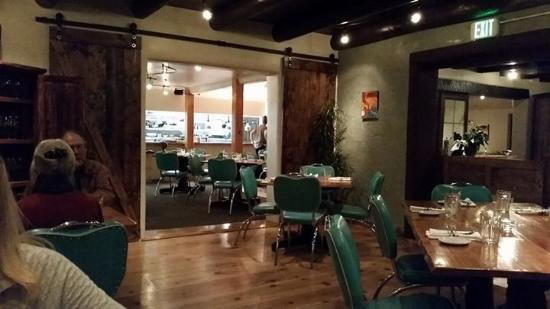
A Former Art Shop, Three Tables, and the Full Attention of One Chef
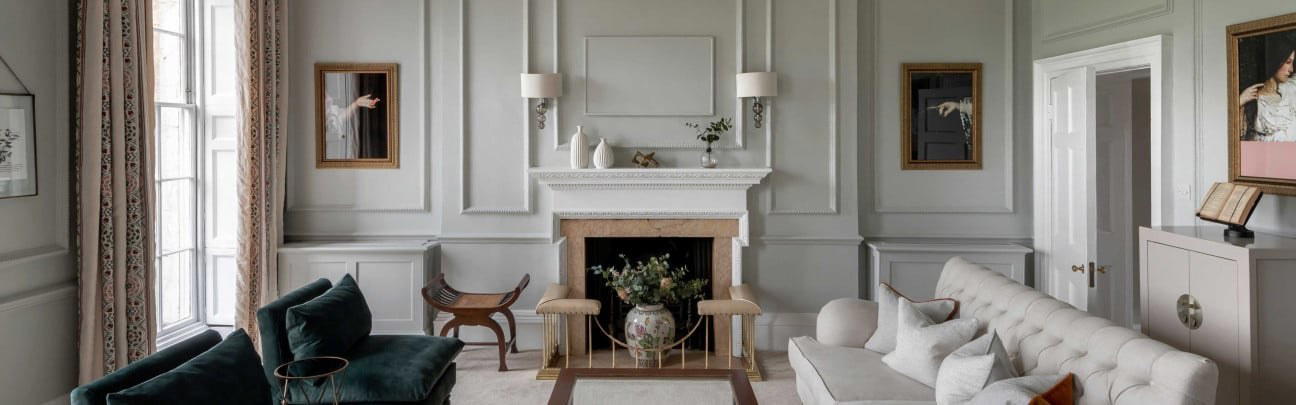
Chelsea Road runs west from the city centre through a quiet residential stretch of Bath, its Georgian terraces giving way to a row of independent shops that feel removed from the tourist circuit around the Abbey and the Roman Baths. It is here, in what was formerly an art shop, that Wilks occupies a room small enough that the decor barely registers before the meal takes over. Three tables. Six covers. One sitting per service. The format removes any ambiguity about what kind of restaurant this is: it is closer to a private dining room than a conventional restaurant, and the experience follows that logic throughout.
Bath's upper dining tier has consolidated around a small number of addresses in recent years. Olive Tree anchors the hotel end of the market with a polished Modern Cuisine programme, while Beckford Bottle Shop and Beckford Canteen represent a more relaxed, produce-forward approach. Wilks sits apart from both camps. Its pricing at the ££££ bracket places it in the top tier, but the format, residential address, and single-operator model make it structurally different from any of its price-range peers. For context on where Bath fits within the broader Southwest dining circuit, our full Bath restaurants guide maps the city's range.
The Ritual of the Meal
The pacing at Wilks is determined by the format itself. With one sitting per service and only six guests in the room, there is no pressure from a second seating, no ambient noise from adjacent tables, and no relay of floor staff moving between covers. James Wilkins runs the room alone, which means that each dish arrives with the person who cooked it, and the conversation around that dish, if the diner wants it, can extend naturally into the mechanics of how it was made.
The menu structure follows a classical sequence: four courses at lunch, six at dinner, with multiple amuse-bouches, canapés, home-baked bread, and petits fours extending the arc of the meal considerably beyond those headline numbers. This layering of smaller moments between formal courses is a French tradition the kitchen takes seriously. Amuse-bouches at this level function as a kind of editorial commentary on the meal to come, signalling flavour direction and technical register before the main courses make their argument. At Wilks, one such moment has included caramelised veal sweetbreads with morels, a combination that positions the kitchen squarely within a classical French idiom while demonstrating the quality of sourcing that underpins the whole operation.
Ingredient sourcing is the engine behind the menu. Hand-dived Orkney scallops and wild turbot represent the seafood emphasis that has defined the kitchen since its Bristol predecessor. Wild John Dory has appeared with a black truffle crust, girolles, peas, and wild asparagus in a sea truffle butter emulsion, a dish that layers luxury ingredients without obscuring the fish. Scottish langoustines have featured in a bisque with seaweed brioche and fennel butter, a combination that uses the richness of the bisque as a backdrop for the brininess of the bread. These are not generic descriptions of seasonal cooking; they are the kind of dish construction that requires both classical technique and genuine confidence in the produce itself.
Meat courses follow the same logic. Breast and leg of pigeon with Roscoff onions, pigeon liver parfait, fresh almonds, chocolate nibs, and macerated cherries is a dish that asks a great deal of the diner's palate, moving through bitter, sweet, acid, and umami registers across a single plate. This approach, building complexity through accumulation rather than reduction, has more in common with kitchens like The Ledbury in London or Moor Hall in Aughton than with the more austere modern British style prevalent elsewhere in the Southwest. Top end of lamb also features among the meat options, pointing to the kitchen's willingness to move between seafood and land-based protein without compromising either.
Desserts close the sequence with similar precision. A summer construction of raspberries, wholegrain shortbread, crème fraîche ice cream, and a wafer-thin wild pepper tuile is the kind of course that reads simply on paper and delivers more than its description suggests. The pepper tuile in particular is a technique that requires precise sugar work and signals a pastry register beyond what a single-person kitchen might be expected to sustain.
The Wine Programme as a Second Argument
The wine list at Wilks is predominantly French and built around small-batch, minimal-intervention producers, many of which are organic or biodynamic. France's dominance of the cellar is consistent with the kitchen's classical French foundation, and the alignment between wine philosophy and cooking philosophy is deliberate rather than incidental. Wine flights are available and, based on the structure of the menu and the calibre of the producers involved, represent one of the more considered pairing options in Bath's dining scene.
This producer profile, small-scale, minimal intervention, French-focused, places Wilks in a different conversation from the broader sommelier culture at larger restaurants in the region. The fact that Wilkins also acts as sommelier means the wine conversation is continuous with the food conversation, rather than being managed by a separate member of staff with potentially different priorities. Guests who want to ask about producer provenance or winemaking approach are asking the person who selected those bottles, which changes the quality of the exchange.
For those interested in exploring the broader drinks scene beyond dinner, our full Bath bars guide and our full Bath wineries guide provide further context.
Wilks holds a Michelin Plate in both 2024 and 2025, placing it in the tier below Michelin Star but within the guide's formal recognition structure. The Michelin Plate signals cooking that the guide considers worth noting without yet reaching the consistency or scale criteria for a star. Given the operation's size, six covers and a single operator, the logistics of sustaining starred-level consistency across every service are genuinely more demanding than at a larger, staffed kitchen. The rating reflects where Wilks sits: acknowledged, serious, and worth travelling to, in the same breath as regional destinations like Gidleigh Park in Chagford and Hand and Flowers in Marlow occupy their own specific niches within recognised British fine dining.
Wilkins ran a previous iteration of Wilks in Bristol, which built a following substantial enough to make the Bath relaunch a known quantity for returning guests. The move to a smaller, more controlled format is a pattern seen elsewhere in British fine dining, where chefs with established reputations have scaled down to reduce variables and sharpen focus. L'Enclume in Cartmel represents the extreme end of destination dining in this mode; Wilks represents the same impulse at a more accessible price point and with a more intimate format. For seafood-forward fine dining at a comparable level of intensity elsewhere in Europe, Gambero Rosso in Marina di Gioiosa Ionica and Alici Restaurant on the Amalfi Coast operate in an analogous register.
Planning a Visit
Wilks is at 13 Chelsea Road, Bath BA1 3DU, in the western residential quarter of the city. The six-cover format means availability is limited in absolute terms, and booking well in advance is advisable given the single sitting per service. The ££££ pricing bracket is consistent with fine dining in Bath, comparable to the Bath Priory and Olive Tree at the top of the city's market. Those building a broader itinerary in Bath will find complementary options across the city's mid-range, including Emberwood and Marlborough Tavern, and our full Bath hotels guide and our full Bath experiences guide cover accommodation and activities across the city's range.
What's the Signature Dish at Wilks?
Wilks does not publish a fixed signature dish, partly because the menu changes with the seasons and partly because the format, a tasting menu built around what is leading at any given moment, works against the idea of a permanent calling card. That said, the kitchen's reputation rests most visibly on its seafood courses. Wild John Dory with black truffle crust, girolles, peas, and wild asparagus in a sea truffle butter emulsion has been documented across multiple accounts of the restaurant, as has the Scottish langoustine bisque with seaweed brioche and fennel butter. Both dishes demonstrate the approach that critics and the Michelin guide have recognised across the 2024 and 2025 editions: classical French technique applied to prime British seafood, with enough compositional complexity to reward close attention without obscuring the quality of the ingredient at the centre of the plate.
Frequently asked questions
Is wilks expensive?
Pricing at wilks is listed as ££££.
Is wilks Michelin-listed?
wilks has received recognition including: Fitting in nicely among a parade of independent shops in the west of the city, this intimate operation holds just three tables. The set menu features plenty of prime seafood like hand-dived Orkney scallops and succulent wild turbot, alongsi….
What's the signature dish at wilks?
Wilks does not fix a signature dish: the tasting menu shifts with the seasons and the available produce. Seafood anchors most menus, with dishes such as wild John Dory with a black truffle crust or a bisque of Scottish langoustines appearing as representative examples of the kitchen's French classical base. Because James Wilkins acts as chef, waiter, and sommelier simultaneously, he can talk through each course as it arrives, which makes any given dish feel like the point of the meal.
Where exactly is wilks?
wilks is located at 13 Chelsea Rd, Bath BA1 3DU, United Kingdom, Bath.
Comparison Snapshot
Comparable options at a glance, pulled from our tracked venues.
| Venue | Cuisine | Price | Awards | Notes |
|---|---|---|---|---|
| wilksThis venue (the venue you are viewing) | Modern French Fine Dining | $200–300 | Michelin Plate · The Good Food Guide GFG Very Good | Not listed |
| The Bath Priory | Modern British Fine Dining | $100–150 | Michelin Plate · Relais Chateaux Award | Modern British |
| Olive Tree | Modern British Fine Dining | $200–300 | 1 Michelin Star · AA Rosettes 4 Rosettes | Modern Cuisine |
| The Chequers | Modern British Gastropub | $20–30 | Michelin Bib Gourmand | Traditional Cuisine |
| Montagu's Mews | Modern British Fine Dining | $100–150 | Michelin Plate · AA Rosettes 3 Rosettes | Modern Cuisine |
| Oak | Modern Vegetarian Small Plates | $50–100 | Michelin Plate | Vegetarian |
Recognition history
Dated appearances from independent guides and award organizations, with the underlying list record or original source where available.
Michelin Plate
Michelin
The Good Food Guide GFG Very Good
The Good Food Guide
Full recognition history (4 entries)
Michelin Plate
Michelin
Michelin Plate
Michelin
Continue exploring
More in Bath
Restaurants in Bath
All restaurants in Bath →
Bars in Bath
All bars in Bath →
Details
- Intimate
- Sophisticated
- Modern
- Elegant
- Quiet
- Special Occasion
- Date Night
- Celebration
- Business Dinner
- Private Event
- Private Dining
- Standalone
- Extensive Wine List
- Tasting Menu
- Set Menu
- Prix Fixe
- Wine Pairings
- À La Carte Wine
Current opening hours
- Monday
- Closed
- Tuesday
- 7–10 PM
- Wednesday
- 7–10 PM
- Thursday
- 7–10 PM
- Friday
- 12:30–3 PM, 7:30–10:30 PM
- Saturday
- 12:30–3 PM, 7:30–10:30 PM
- Sunday
- Closed
Hours can change for holidays and private events. Hours as of .
Tiny, intimate and refined, with a quiet private-dining feel suited to a leisurely tasting-menu experience.