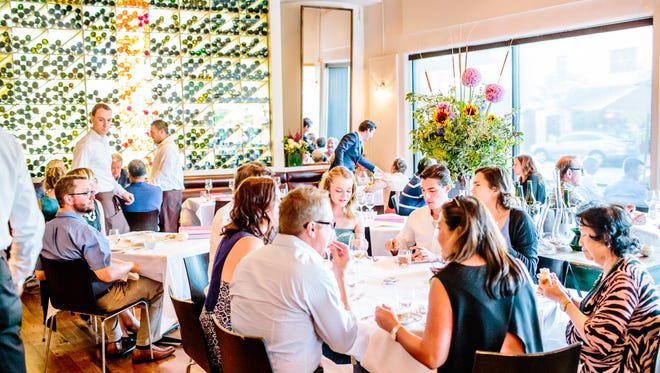
Wildflower

Michelin Plate
Our verdict
Inside the Gravity Haus hotel in Denver's LoHi district, Wildflower runs a plant-forward contemporary menu where vegetable-led dishes carry real ambition. The butternut squash soup arrives tableside as a composed production, and a customizable tasting menu format keeps the format flexible. At the $$$ price point, it occupies an interesting middle tier between casual LoHi dining and Denver's more formal contemporary counters.

Pearl is the En Primeur Club membership app, where members save venues, book tables and use the concierge.
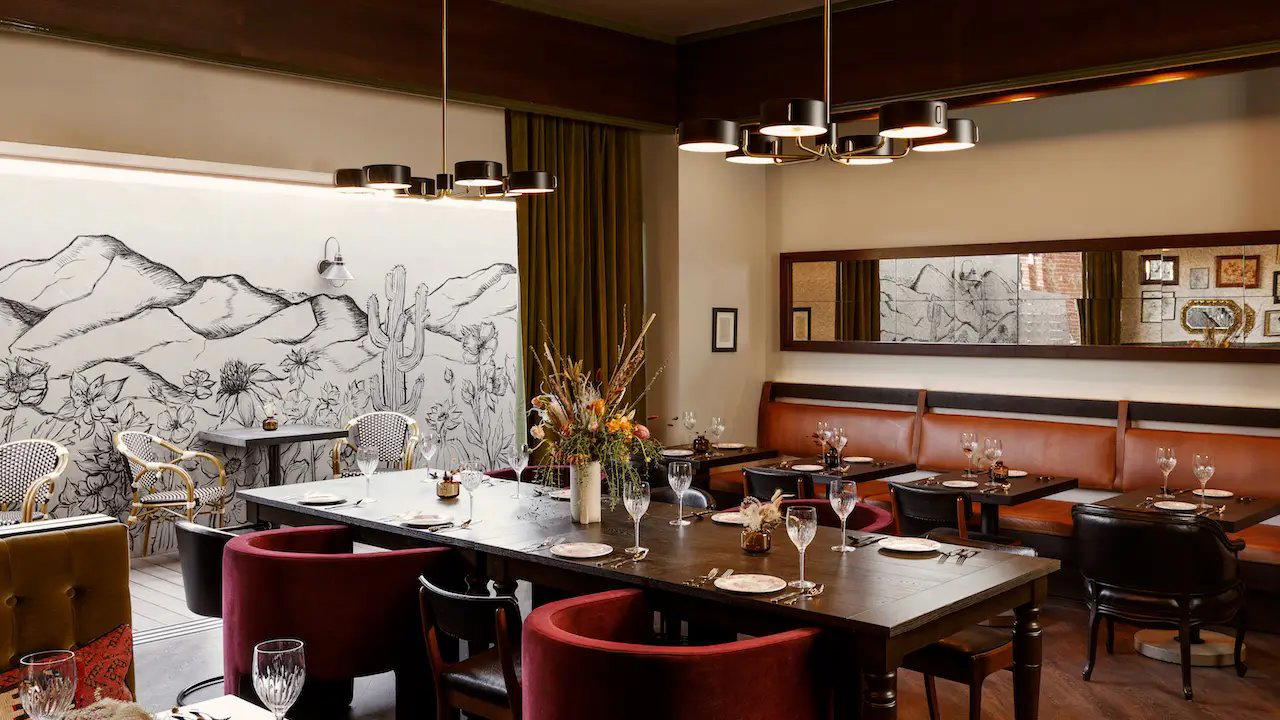
Two Doors and a Different Kind of Denver Restaurant
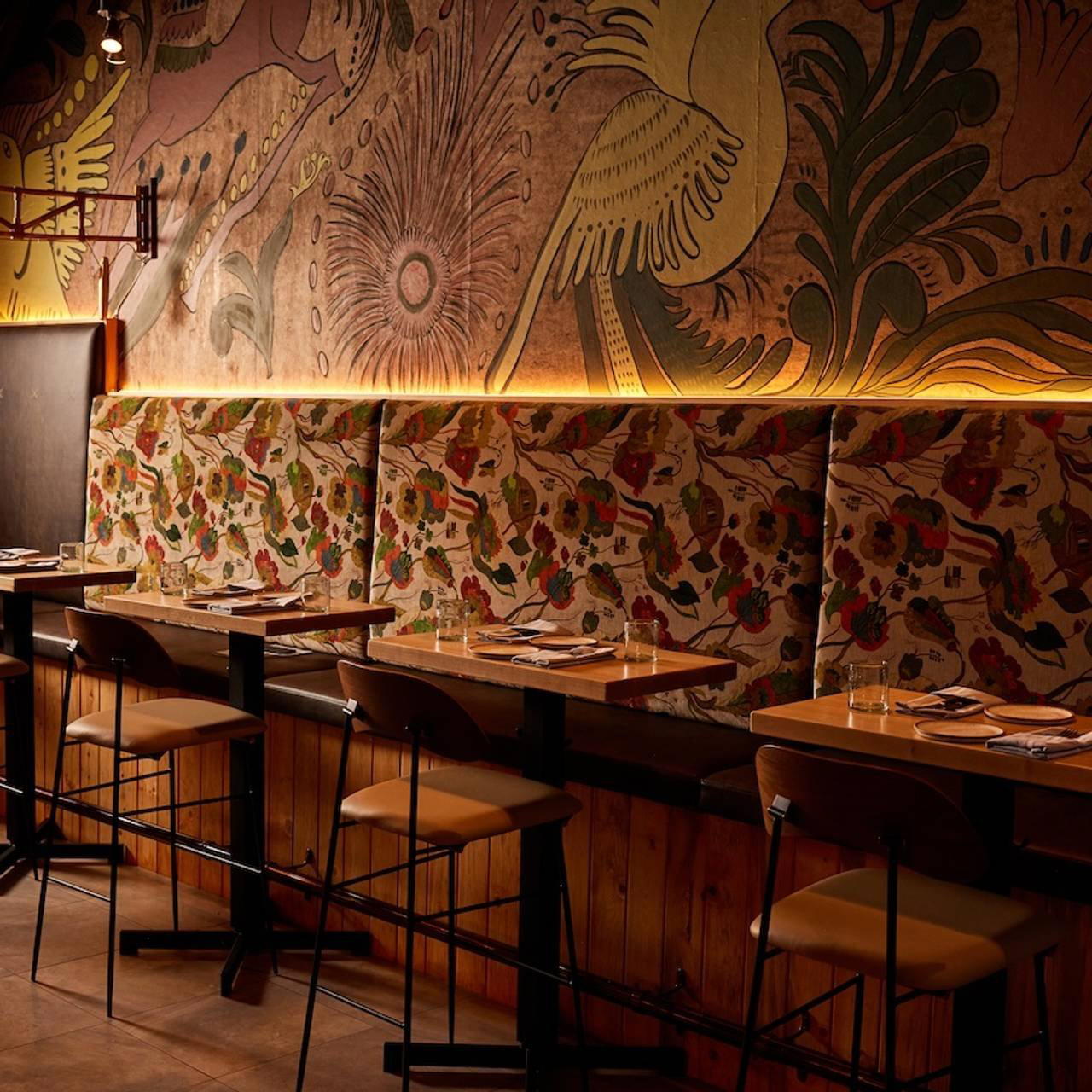
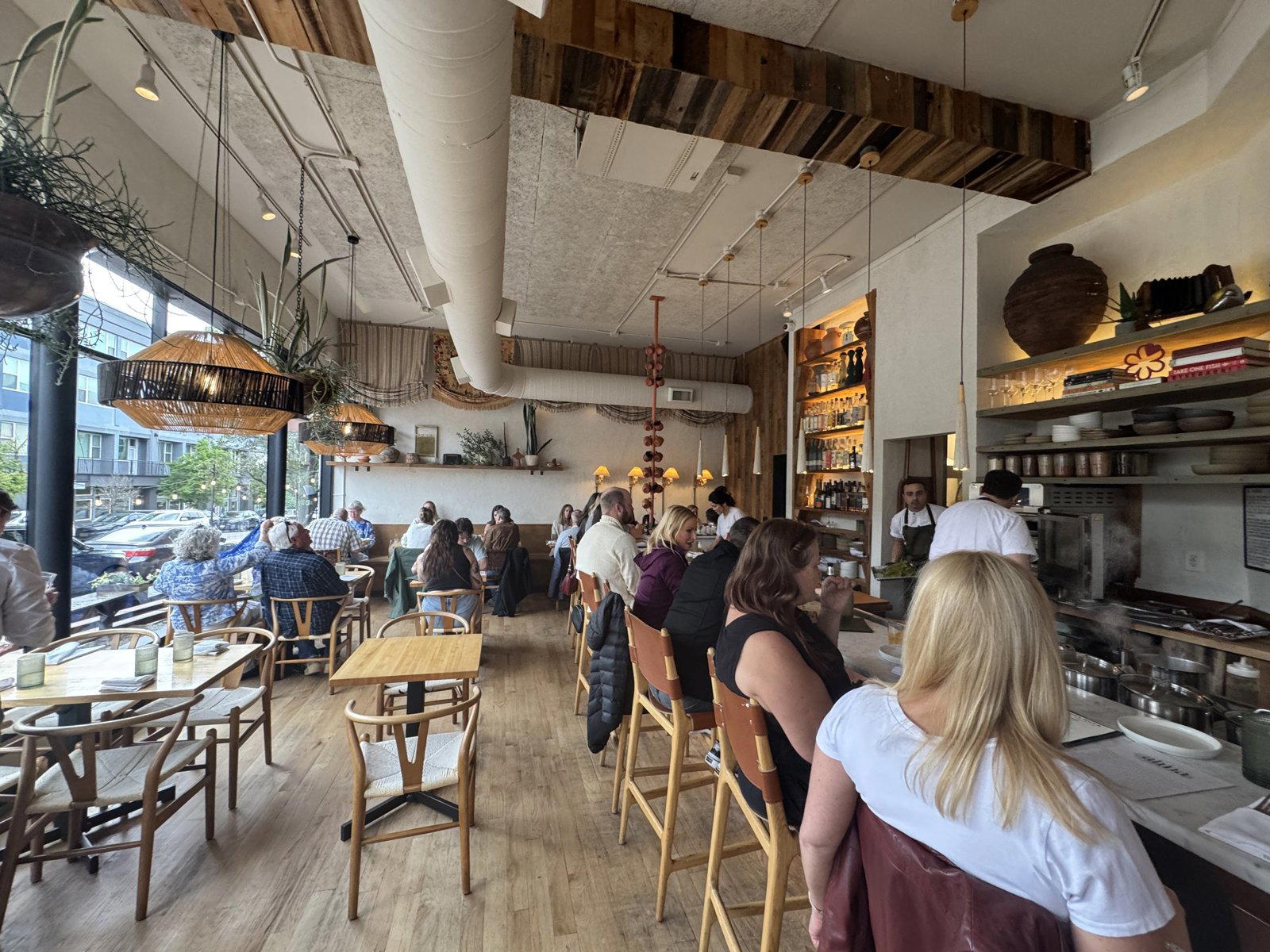
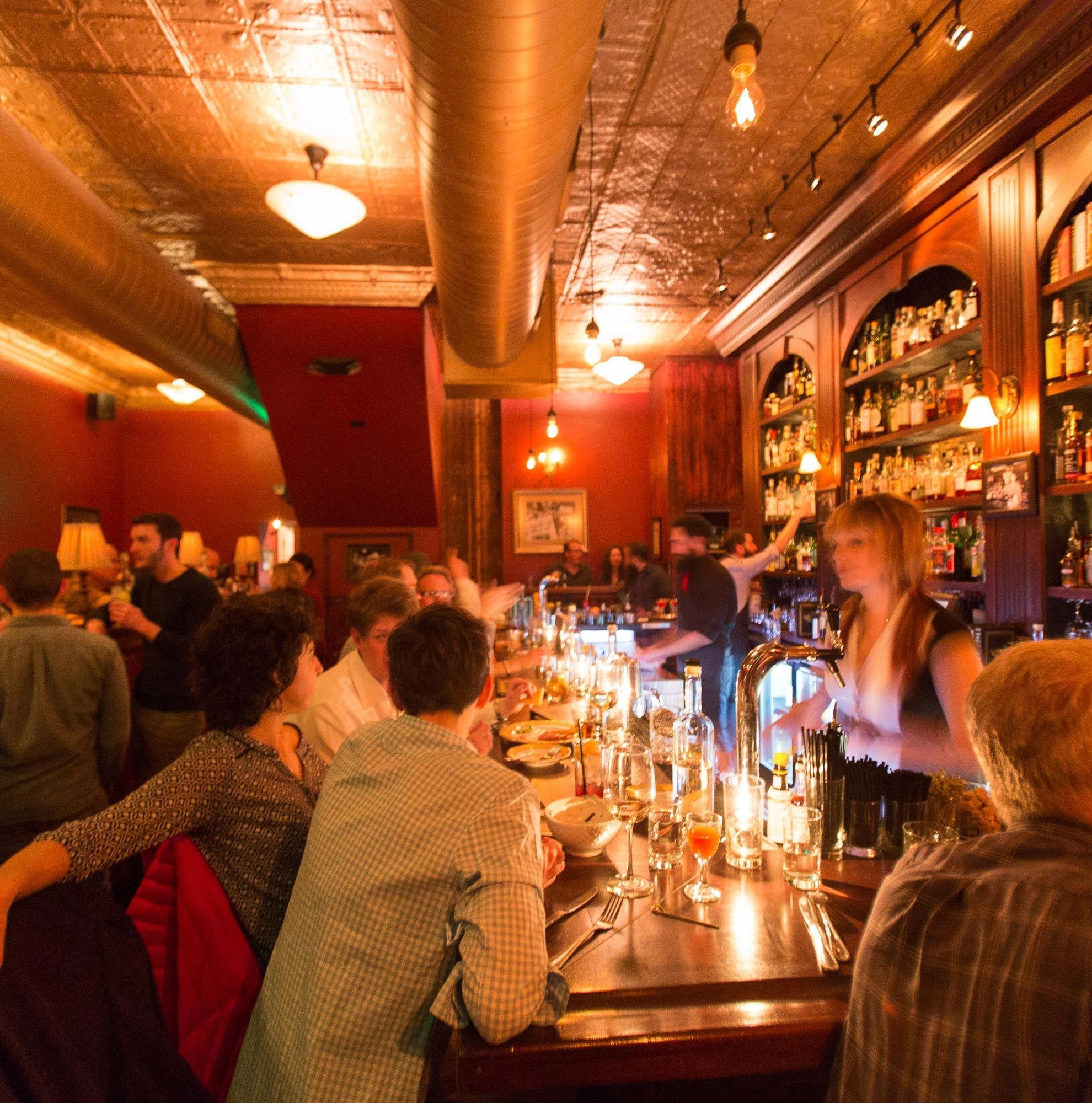
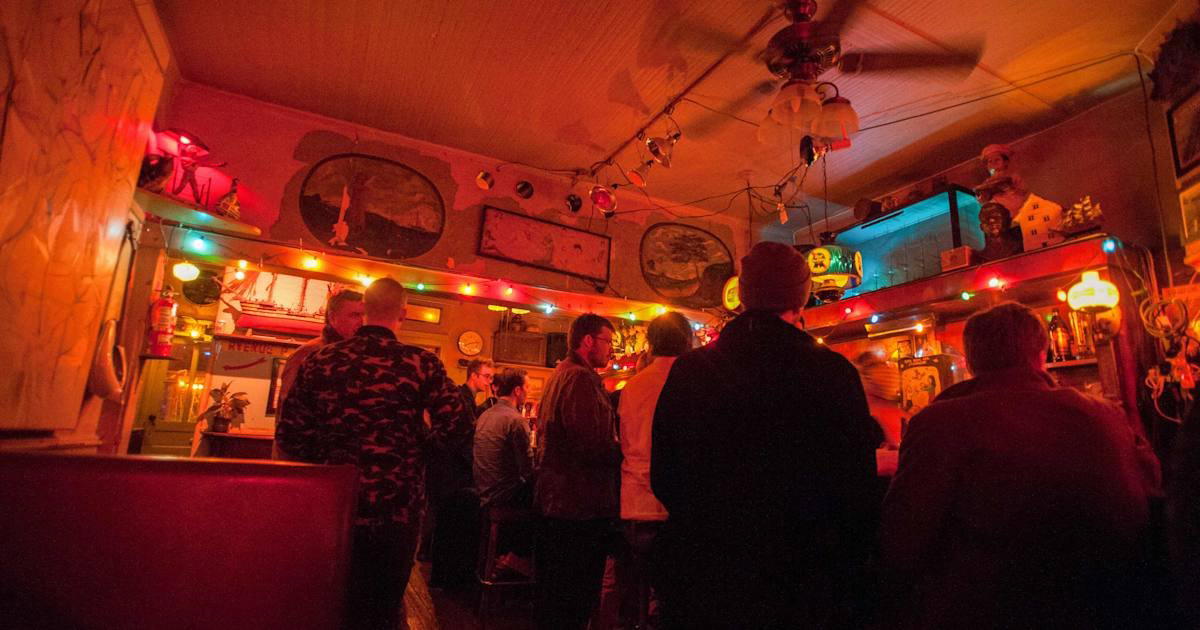
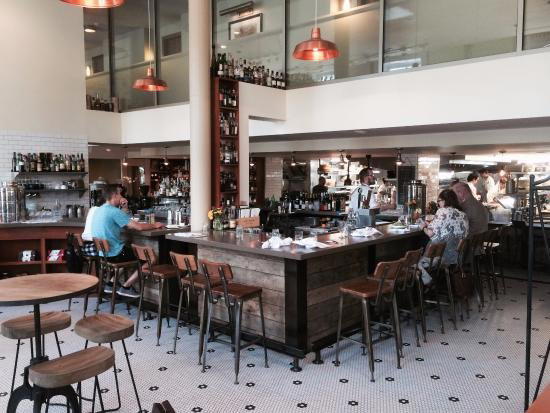
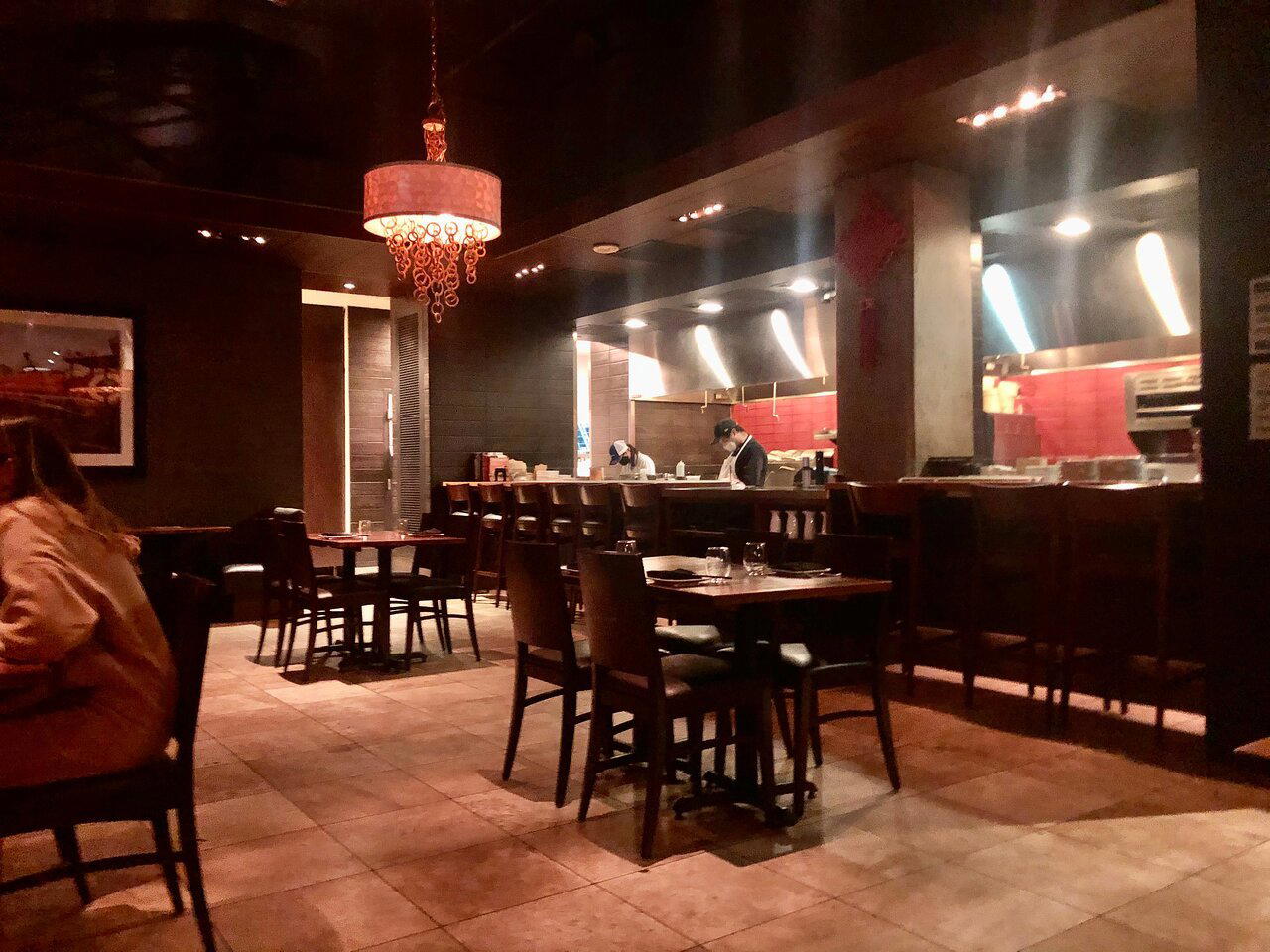
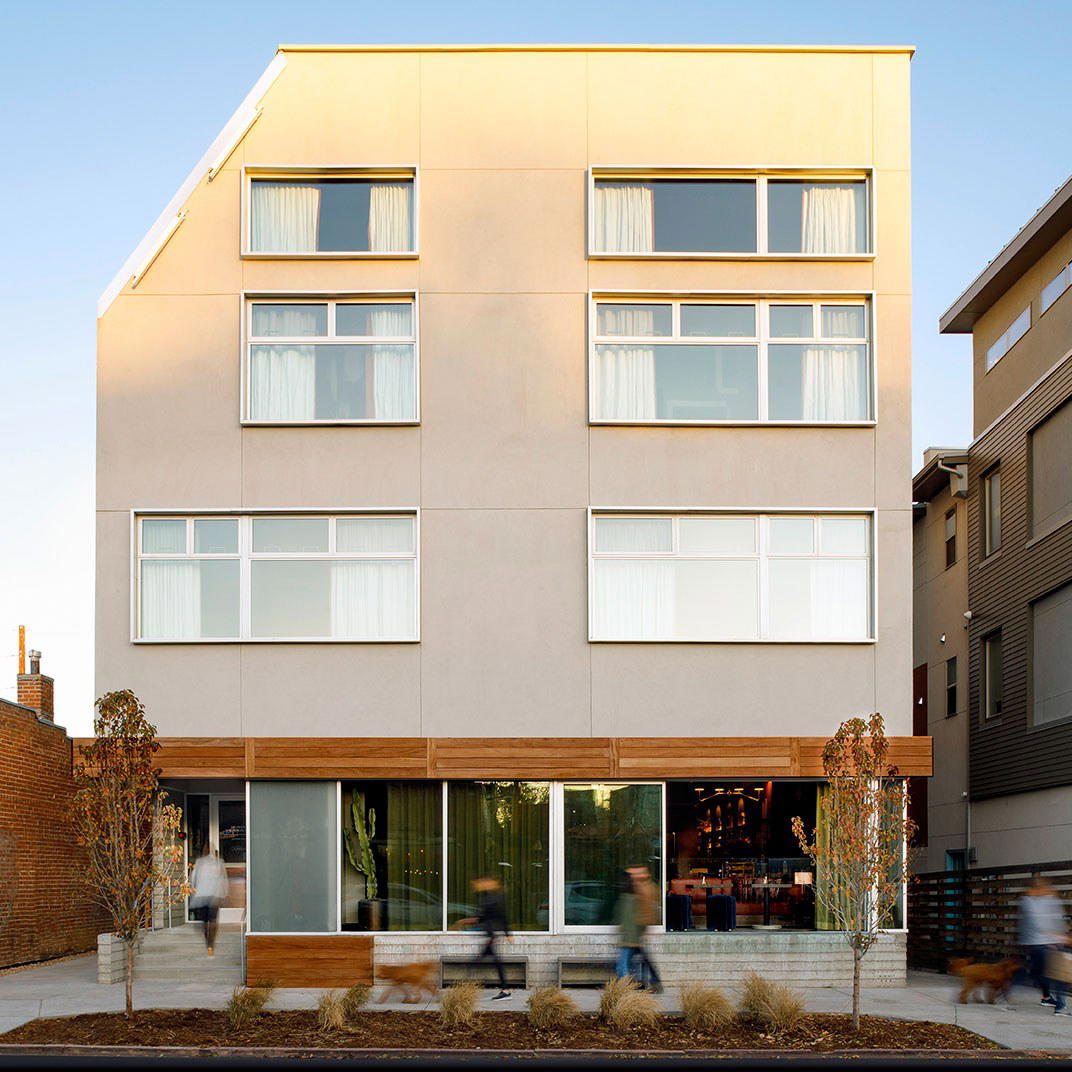
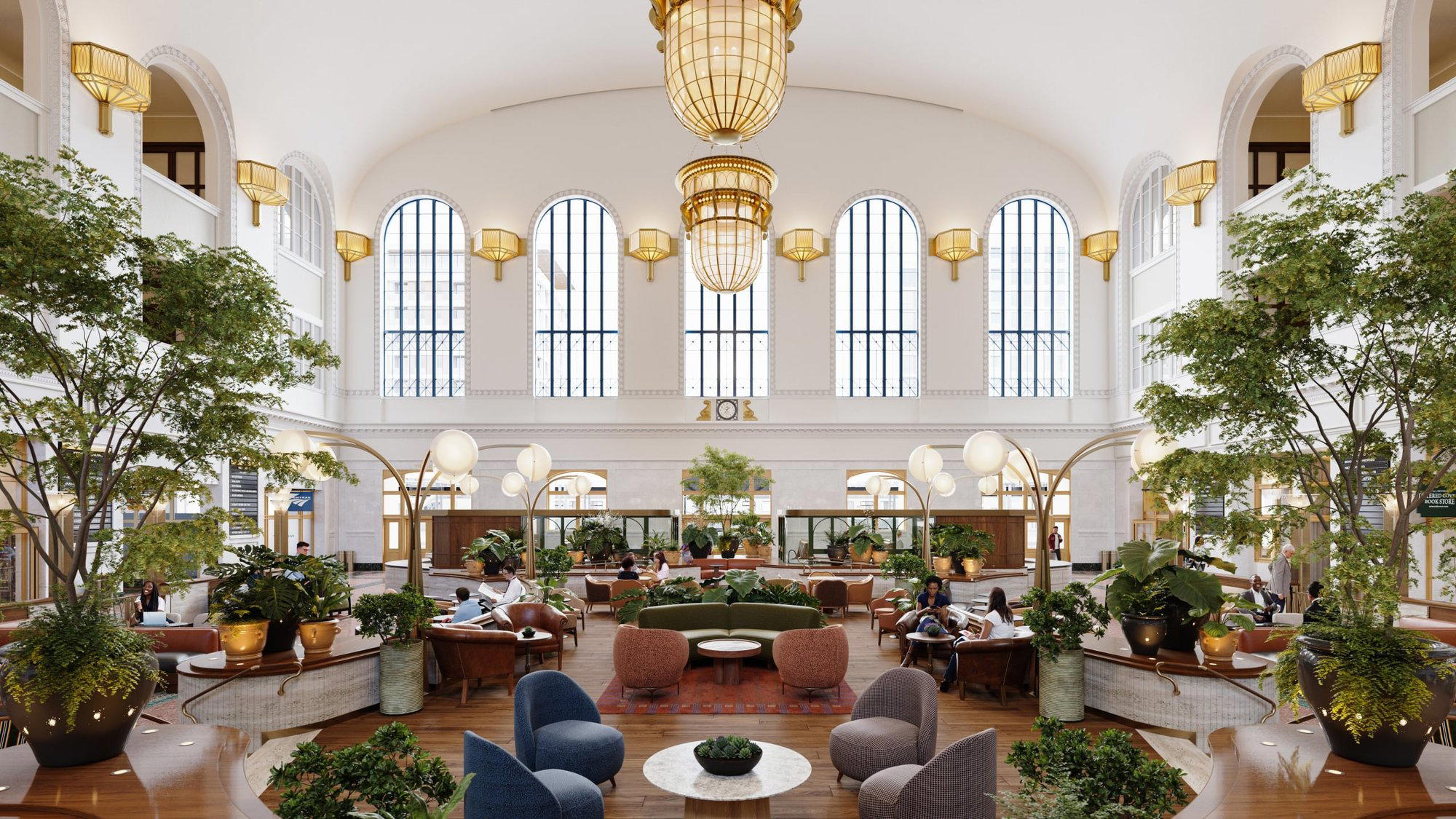
The approach matters at Wildflower. You pass through two sets of doors before arriving in a room that reads as moody and eclectic, with a vintage quality that sits in deliberate contrast to the contemporary hotel infrastructure surrounding it. The Gravity Haus property on Navajo Street in LoHi is oriented around an active, sustainability-minded community, and Wildflower's menu philosophy reflects that framing: plant matter leads, proteins support, and the kitchen works with an evident preference for composed restraint over volume.
LoHi, the Lower Highlands neighbourhood that arcs northwest from downtown Denver, has become the city's most consistent address for restaurants that sit between neighbourhood casualness and formal tasting-room ambition. Wildflower operates in that middle register at the $$$ price tier, which positions it above the accessible end of Denver's contemporary dining scene but below the $$$$ counters like Brutø and The Wolf's Tailor, where tasting menus run longer and the formality is more pronounced.
A Plant-Forward Kitchen With Something to Say
Contemporary American restaurants that describe themselves as plant-forward often use the term as a positioning tool rather than a culinary commitment. The distinction at Wildflower is that vegetables carry the structural weight of dishes rather than acting as filler around a protein centrepiece. This is a meaningful difference in how a kitchen organises its sourcing, prep hierarchy, and plate architecture.
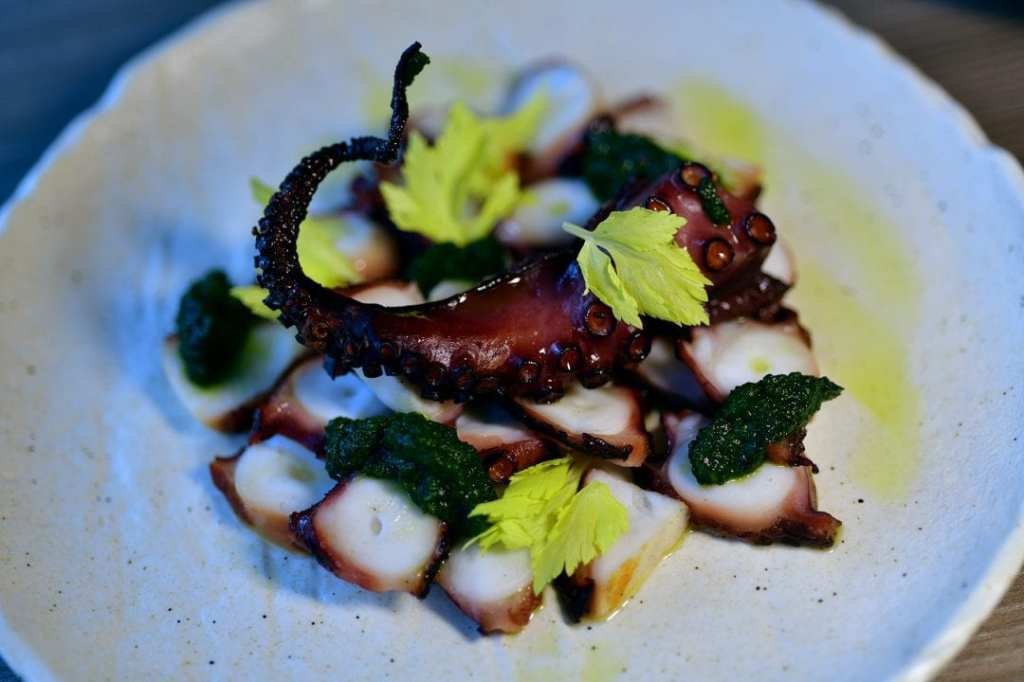
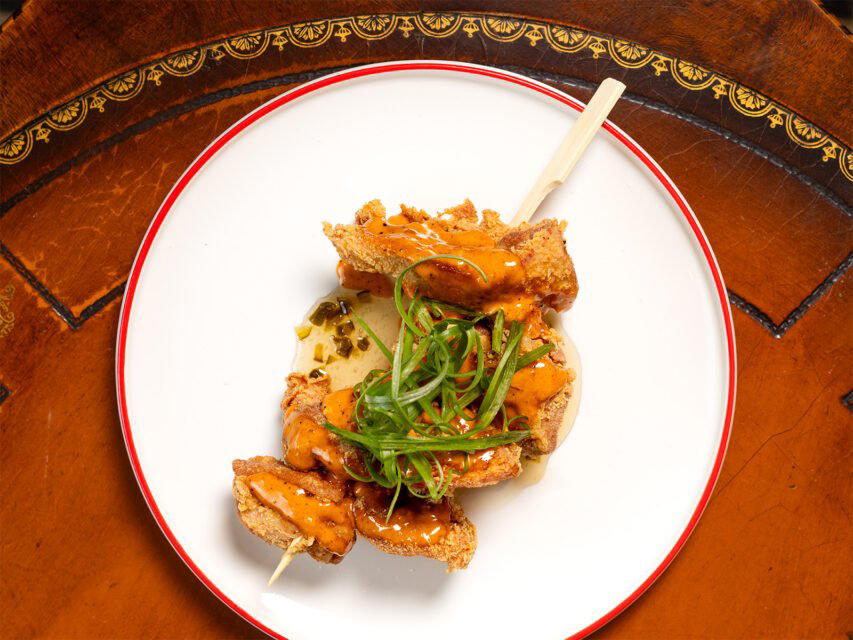
The butternut squash soup illustrates the approach clearly. Rather than a direct puree, the kitchen builds a composed bowl around butter-poached Dungeness crab, adds a ginger and pepita crumble, sunchoke chips, and completes the dish with a tableside pour of the soup itself. The format borrows from fine-dining theatrics but uses them to reframe a vegetable as host rather than garnish. Salmon, on the other hand, is accompanied by a crispy fennel cake with sunchoke puree and roasted fennel slices, a plate where the vegetable preparations are as technically considered as the fish. Dessert extends the logic: honey semifreddo with Marsala foam, toasted oats, and honeycomb brittle is a composed finish with textural range and no obvious shortcuts.
The broader pattern in Denver's contemporary tier tracks similarly. Beckon operates a fixed counter format with a seasonal tasting menu, while Hey Kiddo works a more relaxed, globally inflected approach. Wildflower's customizable tasting menu option gives it a flexibility that suits both committed diners and those who prefer to order around their own agenda. Margot occupies a comparable $$$ tier in a different neighbourhood context. For the full scope of Denver's contemporary dining, see our full Denver restaurants guide.
The Sustainability Frame: Gravity Haus and What the Building Means for the Menu
Hotel context shapes more than just the address. Gravity Haus markets itself as a climate-positive hospitality brand, a relatively rare operational commitment in American hotel development that tends to treat sustainability as a branding layer rather than an infrastructure decision. For a restaurant embedded in that property, the surrounding ethos creates a framework that a kitchen either engages with genuinely or ignores. The evidence in Wildflower's menu construction suggests engagement: the emphasis on plant-led plates, the use of sunchoke across multiple preparations rather than as a one-off garnish, and a menu that reads as ingredient-driven rather than protein-anchored all align with a kitchen that sources with some deliberateness.
This positions Wildflower in a cohort of contemporary American restaurants where the sustainability conversation has moved past token gestures. Nationally, restaurants like Single Thread Farm in Healdsburg have built their entire model around farm integration and minimal-waste kitchen discipline. At a more accessible tier, Lazy Bear in San Francisco has used communal format and seasonal sourcing to make environmental intent legible without over-signalling it. Wildflower operates at a smaller scale and with less documented rigor, but the menu signals point in a similar direction. The contrast with the broader Denver scene is instructive: many LoHi restaurants at comparable price points still organise around conventional protein hierarchies with vegetable sides as an afterthought.
For a wider view of how Denver's hospitality infrastructure handles this question, our full Denver hotels guide maps the property types and their varying degrees of sustainability commitment. Gravity Haus sits in a distinct tier there as well.
How It Compares Across the Contemporary Category
The contemporary dining category nationally covers an enormous range. At the formal end, Alinea in Chicago and The French Laundry in Napa operate at a different register entirely, where the kitchen's technical ambition is the primary subject. Le Bernardin in New York City anchors on product purity at the opposite extreme. Internationally, Jungsik in Seoul and César in New York City demonstrate how the category translates across cultural contexts.
Wildflower does not compete in that rarefied bracket. The tableside pour and composed plate architecture suggest a kitchen with fine-dining sensibility operating at a deliberately lower threshold, which is a position that takes some confidence to hold. Emeril's in New Orleans historically occupied a version of this middle tier in its regional market, using technical skill to serve a broad audience. The challenge for any restaurant in this register is maintaining the quality signals without the budget or staff depth of a formal tasting-room operation.
Planning a Visit
Wildflower sits at 3638 Navajo Street in LoHi, inside the Gravity Haus hotel, accessible from downtown Denver by a short drive or rideshare. The LoHi neighbourhood has good walkability once you arrive, with bar options nearby for pre or post-dinner drinks. The $$$ pricing structure places a typical dinner in a range that warrants advance planning rather than a casual walk-in, particularly given the tasting menu option which generally benefits from the kitchen having confirmed covers. For those building a longer Denver itinerary, our Denver experiences guide and wineries guide cover adjacent options worth combining with a Wildflower reservation.
Frequently asked questions
What does dinner at Wildflower typically cost?
Pricing at Wildflower is listed as $$$.
Is Wildflower award-winning?
Wildflower has received recognition including: Tucked inside the Gravity Haus hotel in the LoHi district, step past two sets of doors to find this moody-eclectic spot with a vintage vibe and a contemporary, plant-forward menu. Whether you order a la carte or choose a customizable tastin….
What do regulars order at Wildflower?
The butternut squash soup draws consistent attention, not for the soup itself but for the presentation: butter-poached Dungeness crab anchors the bowl alongside ginger and pepita crumble, sunchoke chips, and a tableside pour. The honey semifreddo with Marsala foam, toasted oats, and honeycomb brittle is a reliable finish on the dessert side.
What kind of cuisine does Wildflower serve?
What's the address for Wildflower?
Wildflower is located at 3638 Navajo St, Denver, CO 80211, Denver.
Should I book Wildflower in advance?
Wildflower sits inside the Gravity Haus hotel at 3638 Navajo Street in Denver's LoHi district, a neighbourhood that draws consistent weekend traffic. Given the tasting menu format and the relatively intimate room, reservations ahead of weekend visits are advisable. Phone and online booking details are currently not listed publicly.
What makes Wildflower worth seeking out?
Few contemporary restaurants at the $$$ price point in Denver pair a customizable tasting menu format with a genuinely plant-forward kitchen rather than a token vegetable section. Dishes like the salmon with crispy fennel cake and sunchoke puree show compositional thinking that goes beyond surface-level creativity. The Gravity Haus context, a climate-positive hotel brand, adds a layer of operational intent that the menu reflects rather than just references.
Comparable Spots, Quickly
Comparable venues nearby, for context on price, style, and recognition.
| Venue | Cuisine | Price | Awards | Notes |
|---|---|---|---|---|
| WildflowerThis venue (the venue you are viewing) | Seasonal Italian with Mexican Influences | Not listed | Michelin Plate | Not listed |
| Brasserie Brixton | Modern French Brasserie | $50–100 | Michelin Plate | Cole |
| Smok | Texas-Style Barbecue | $20–30 | Michelin Plate | Curtis Park |
| Coohills | Modern French-American | $30–50 | Not listed | LoDo |
| Noisette | French | Not listed | Michelin Plate | Highland |
Recognition history
Dated appearances from independent guides and award organizations, with the underlying list record or original source where available.
Michelin Plate
Michelin
Full recognition history (2 entries)
Michelin Plate
Michelin