WildererGourmetstube
WildererGourmetstube sits at Karwendelstraße 1 in Pertisau on Lake Achensee, placing it inside one of the Tyrolean Alps' most scenically concentrated dining corridors. The restaurant occupies the upper tier of the local dining scene, where alpine tradition and considered cooking converge for visitors who arrive with serious intent rather than convenience in mind.
Pearl is the En Primeur Club membership app — saves, bookings, and concierge access live there. Same editors, same standards.
- Address
- Karwendelstraße 1, 6213 Pertisau, Austria
- Phone
- +434352435284
- Website
- karwendel-achensee.com
- Directions
- Get directions
 Saves & bookings on Pearl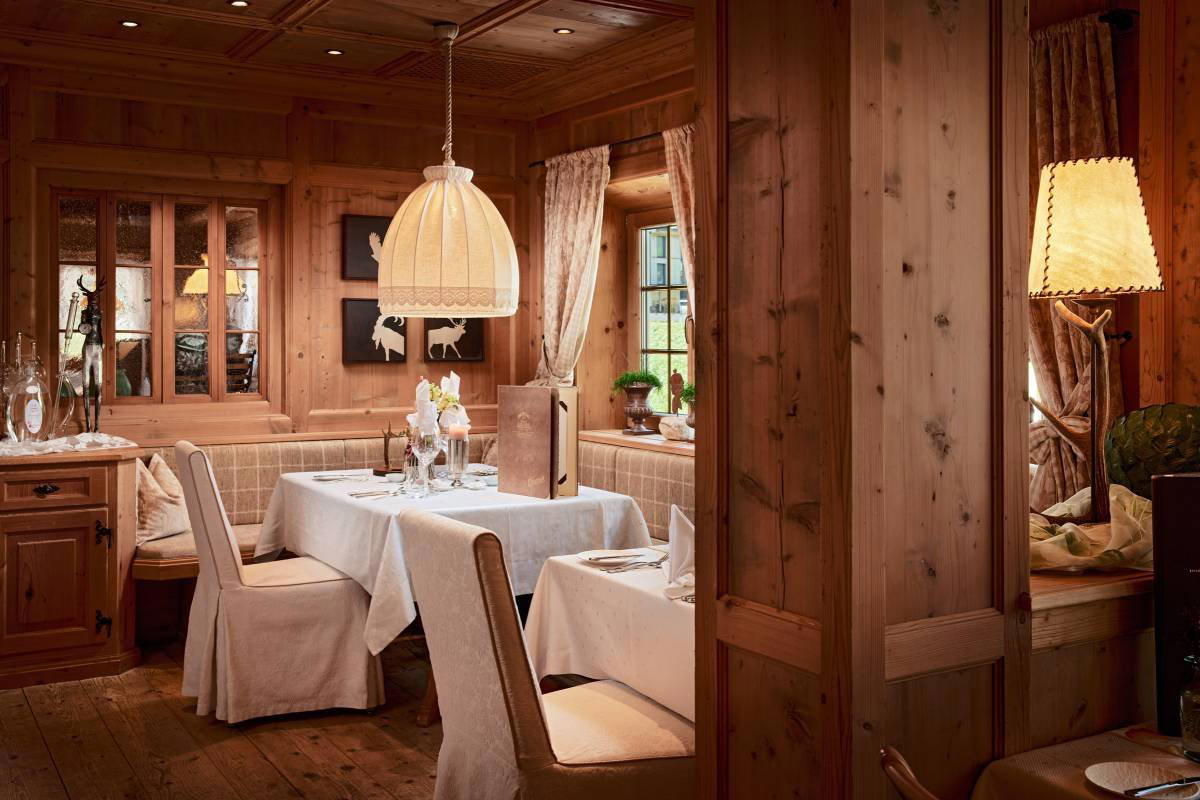
Where the Karwendel Sets the Table
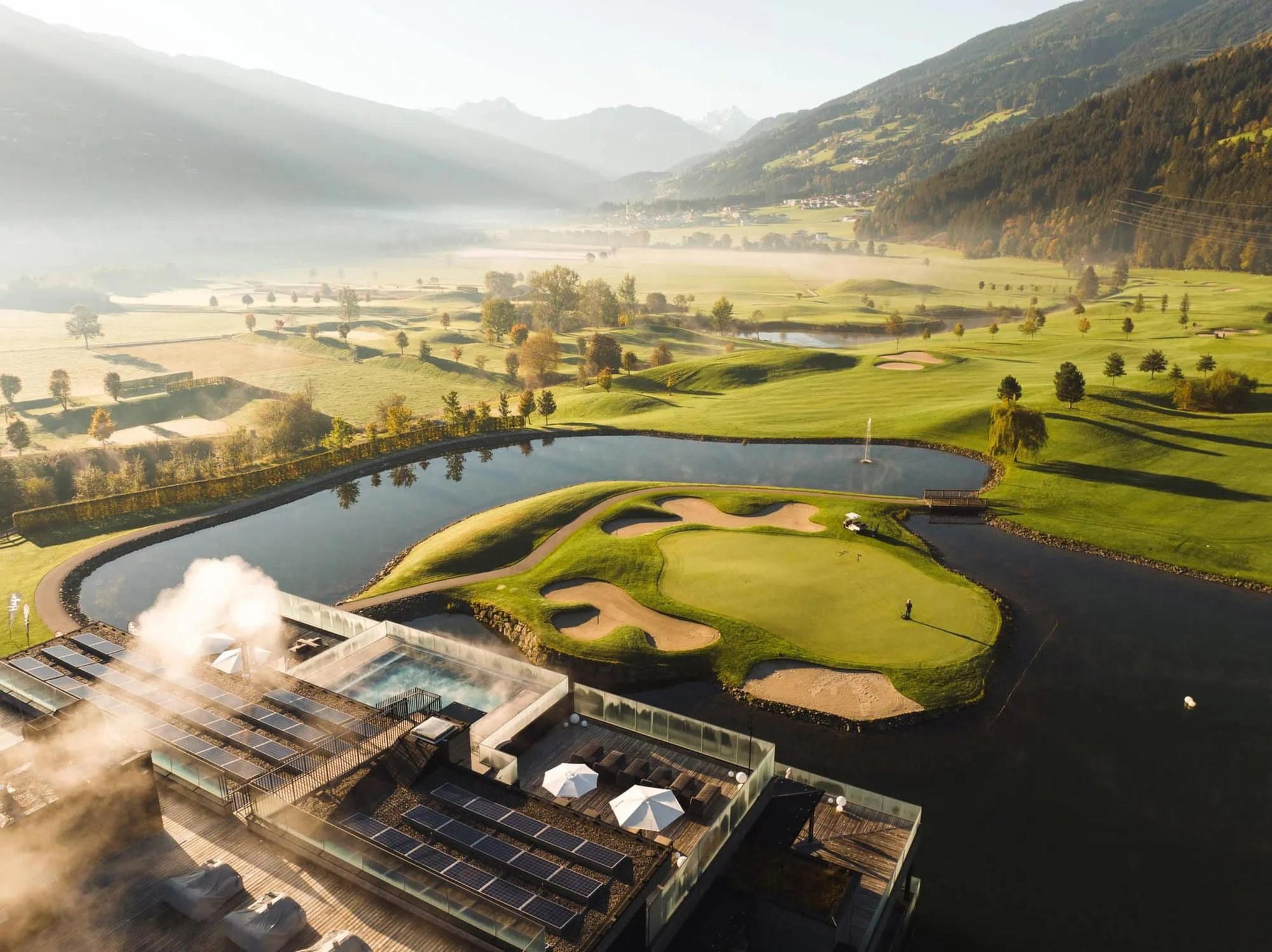
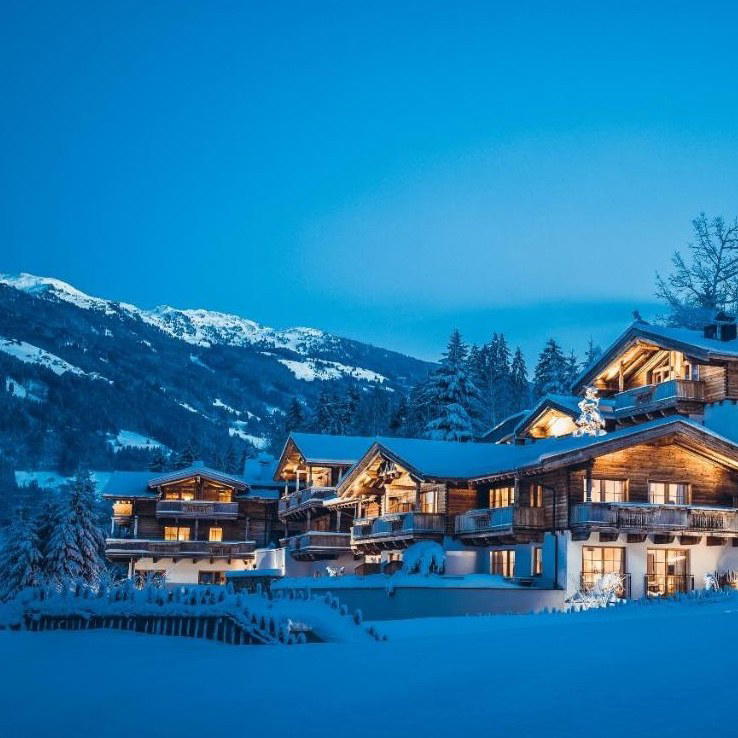
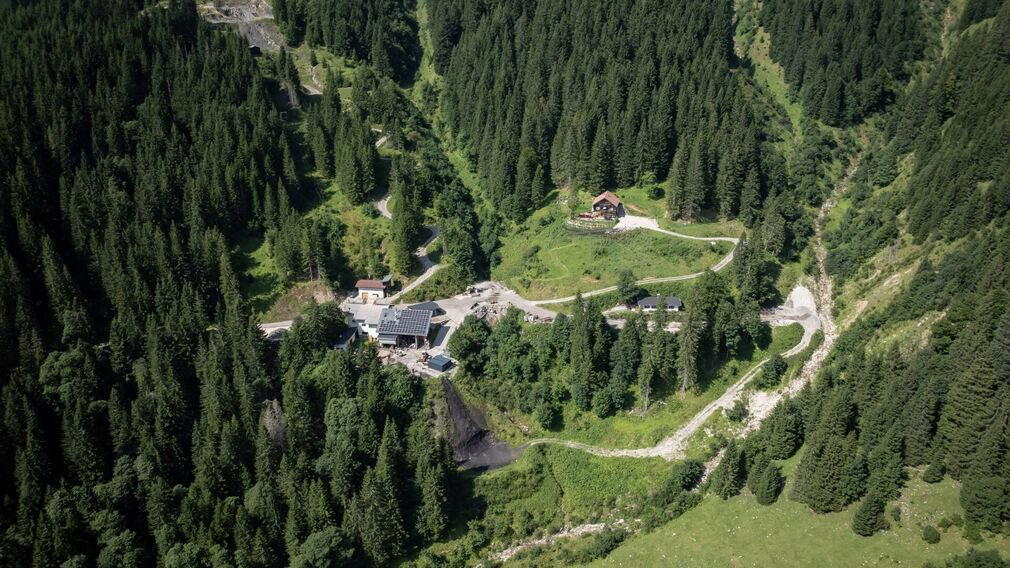
The approach to Pertisau along the western shore of Lake Achensee establishes the frame before any meal begins. The Karwendel massif rises sharply above the treeline to the south, the lake holds its steel-blue composure regardless of season, and the village itself resists the kind of resort-scale development that has softened the alpine character of better-known Tyrolean destinations. It is in this setting, compressed, serious, geographically deliberate, that WildererGourmetstube at Karwendelstraße 1 operates. The name itself signals something about the register: Wilderer, the poacher or hunter, carries a vernacular weight in alpine culture that generic gourmet branding does not. It locates the kitchen, at least nominally, within a tradition of mountain foraging, game, and the kind of cooking that earns its ingredients from the surrounding terrain rather than ordering them from a metropolitan distributor.
Alpine Dining as Cultural Practice
To understand a room like this, it helps to understand the broader arc of Austrian alpine gastronomy. For decades, the serious end of Austrian dining was concentrated in cities, Steirereck im Stadtpark in Vienna and Landhaus Bacher in Mautern an der Donau anchoring the urban argument, or in the Salzburg corridor, where Obauer in Werfen and Döllerer in Golling an der Salzach demonstrated that serious cooking could anchor a village address without apology. The Tyrolean contribution to this conversation has been slower to coalesce around specific names, but it has always had a distinct cultural logic: the mountains here are not backdrop but ingredient list. Venison, chamois, freshwater fish from cold-water lakes, wild herbs from altitude meadows, dairy products from alms that still function as working farms, these are not affectations in a Tyrolean kitchen. They are the baseline.
The Gourmetstube format, common across the German-speaking alpine corridor, represents a specific solution to a specific problem: how to deliver considered, technically ambitious cooking within an infrastructure built around family hospitality rather than metropolitan restaurant culture. The format typically means a smaller, more formally appointed dining room within a larger hotel or gasthaus, operating on its own terms while the broader house absorbs the full range of guests. Venues like Gourmetrestaurant Tannenhof in Sankt Anton am Arlberg and Griggeler Stuba in Lech operate within this same structural logic, where the gourmet room functions as a separate editorial statement within a hospitality property rather than a standalone restaurant competing on urban terms.
The Pertisau Dining Field
Lake Achensee's western shore has its own internal hierarchy of dining options. At the mountain-access end, Erfurter Hütte operates in a different register entirely, an alpine hut at altitude, where the meal is inseparable from the effort of reaching it. Down in the village, ESSBAR Pertisau and Feilalm occupy the casual-to-mid tier, while Gramai Alm Alpengenuss & Natur Spa and St. Georg zum See push toward the experiential end of the spectrum, where setting and wellness context shape the offer as much as the kitchen does. WildererGourmetstube sits at the more formally gastronomic end of this local field, a room where the choice to eat there is specifically about the cooking rather than the view or the après-ski convenience. That distinction matters in a lakeside village where most visitors arrive with outdoor activity as their primary purpose and dining as a pleasant addendum.
For context on what serious alpine dining looks like at its most committed in the Austrian west, Ikarus in Salzburg and Kräuterreich by Vitus Winkler in Sankt Veit im Pongau represent the degree to which alpine producers and regional identity have become the engine of ambitious cooking across the broader region. Ois in Neufelden and Restaurant 141 by Joachim Jaud in Mieming show how that argument extends into smaller villages outside the main tourist corridors. WildererGourmetstube belongs to this wider Austrian commitment to place-specific cooking, even if the Achensee setting is less trafficked by international food media than the Salzburg or Vorarlberg equivalents.
What the Format Delivers
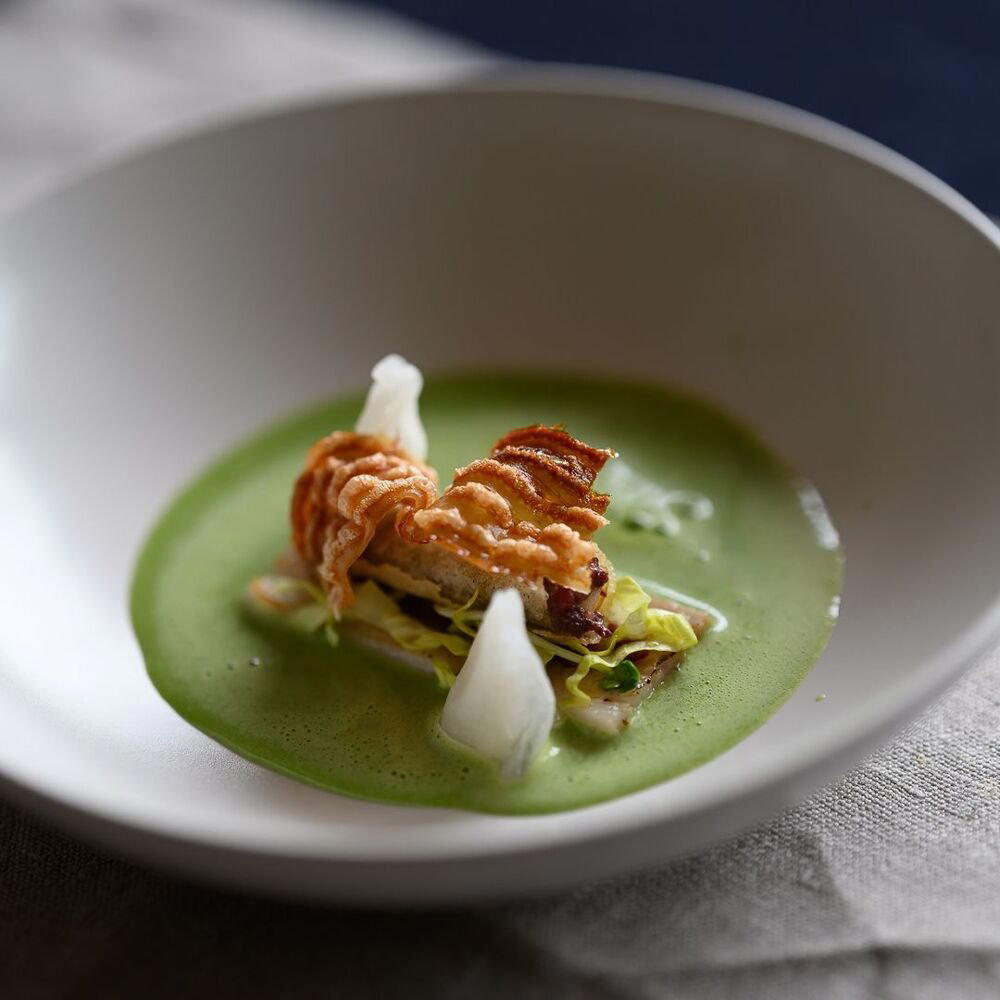
The Gourmetstube model, when it works, offers something that destination restaurants in major cities structurally cannot: the integration of landscape and plate. At altitude or lakeside, the provenance argument is not rhetorical. The chamois on the menu is from the valley. The trout is from the water visible through the window. The dairy came from a farm close enough that the chef knows the farmer's schedule. This is not marketing language; it is a logistical reality in villages where the supply chain is short by necessity rather than by design choice. The cooking tradition that emerges from this reality, rooted in preservation techniques, game preparation, and the seasonal availability of alpine produce, has more in common with the older French regional kitchen than it does with the contemporary urban farm-to-table branding exercise. Austrian alpine cooking at its serious end is a culture of winter stores and summer abundance, of fermenting and smoking and curing, of knowing that the season ends abruptly and that the menu must reflect that constraint.
For readers accustomed to the technical ambition of urban tasting menus, the kind of precision documented at Le Bernardin in New York City or the conceptual rigour of Atomix in New York City, the alpine Gourmetstube operates from a different set of values. The ambition here is rooted in depth of tradition rather than technical novelty, in the argument that the leading version of a venison preparation comes from accumulated knowledge of the ingredient rather than from laboratory technique applied to it.
Planning a Visit
Pertisau is accessible by car from Innsbruck in under an hour, with the Achensee road skirting the lake's western shore before arriving at the village. The area draws its visitor peak across both summer (hiking, sailing, cycling) and winter (proximity to ski terrain), which means the dining field at the serious end is in demand across two distinct seasons rather than one. Guests considering WildererGourmetstube should plan around the local opening hours and reservation policy.
Price Lens
Comparable venues nearby, for context on price, style, and recognition.
| Venue | Cuisine | Price | Notes |
|---|---|---|---|
| WildererGourmetstubeThis venue — the venue you are viewing | Pertisau, Modern Austrian Fine Dining | $$$$ | Not listed |
| ESSBAR Pertisau | Not listed | $$$$ | Pertisau, Modern Tyrolean Grill with International Influences |
| Erfurter Hütte | Not listed | $$ | Maurach, Eben am Achensee, Traditional Tyrolean Alpine |
| Gramai Alm Alpengenuss & Natur Spa | Not listed | $$$ | Pertisau, Traditional Austrian Mountain Cuisine |
| St. Georg zum See | Not listed | $$$ | Eben am Achensee, Regional Tyrolean Fine Dining |
| Feilalm | Not listed | $$ | Eben am Achensee, Traditional Tyrolean Mountain Hut |
Continue exploring
More in Eben Am Achensee
Restaurants in Eben Am Achensee
Browse all →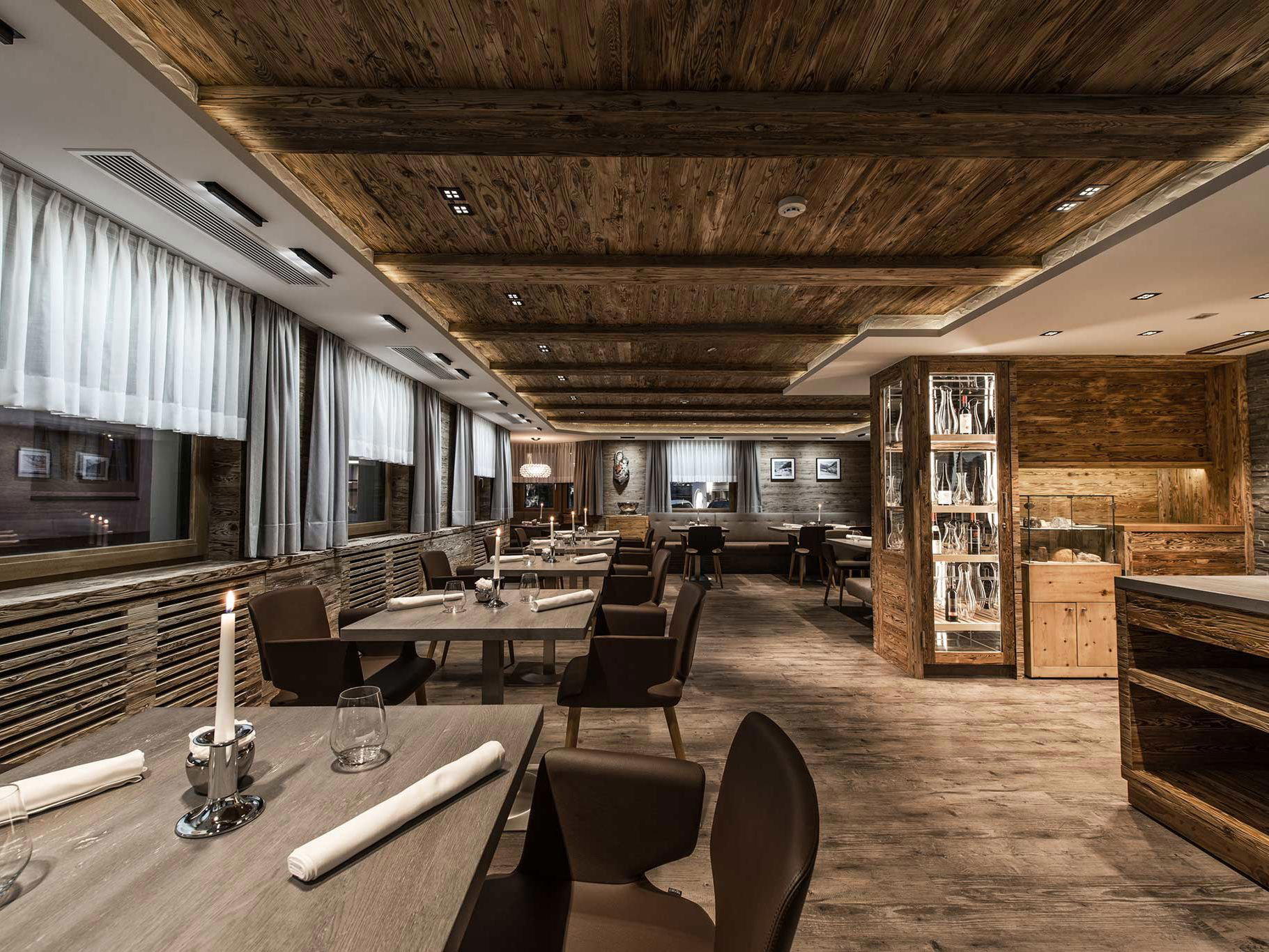
Bars in Eben Am Achensee
Browse all →
Hotels in Eben Am Achensee
Browse all →

At a Glance
- Elegant
- Cozy
- Scenic
- Sophisticated
- Date Night
- Special Occasion
- Hotel Restaurant
- Panoramic View
- Local Sourcing
- Mountain
- Waterfront
Current opening hours
- Monday
- Closed
- Tuesday
- Closed
- Wednesday
- 6:30–11 PM
- Thursday
- 6:30–11 PM
- Friday
- 6:30–11 PM
- Saturday
- 6:30–11 PM
- Sunday
- Closed
Hours can change for holidays and private events. Last verified .
Modern and stylish atmosphere with a focus on culinary artistry in a picturesque alpine setting.